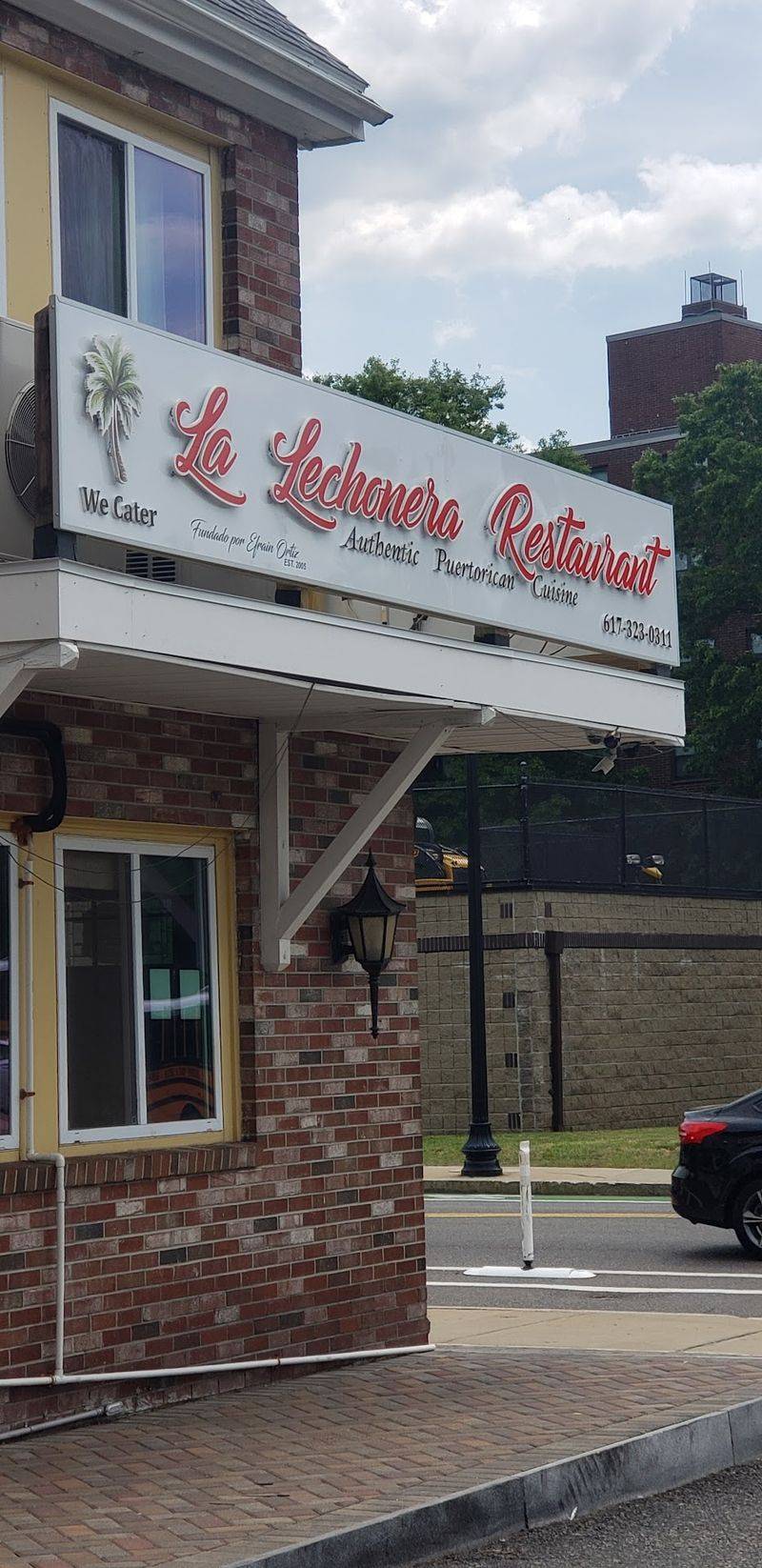
Roast pork, crispy fried bites, and a plate piled high with rice can make lunch feel like the main event. In Roslindale, Massachusetts, La Lechonera Restaurant on Cummins Highway serves Puerto Rican comfort food in a casual cafeteria-style setup where the food gets most of the attention.
The format makes it easy to build a generous plate, mix familiar favorites with something new, or grab a hearty meal to go. Portions are meant to satisfy, so arriving hungry is part of the plan.
For anyone craving a filling Boston-area lunch with bold Puerto Rican flavor, La Lechonera gives you plenty of reasons to make the stop.
A Massachusetts Lunch Stop Where the Food Leads
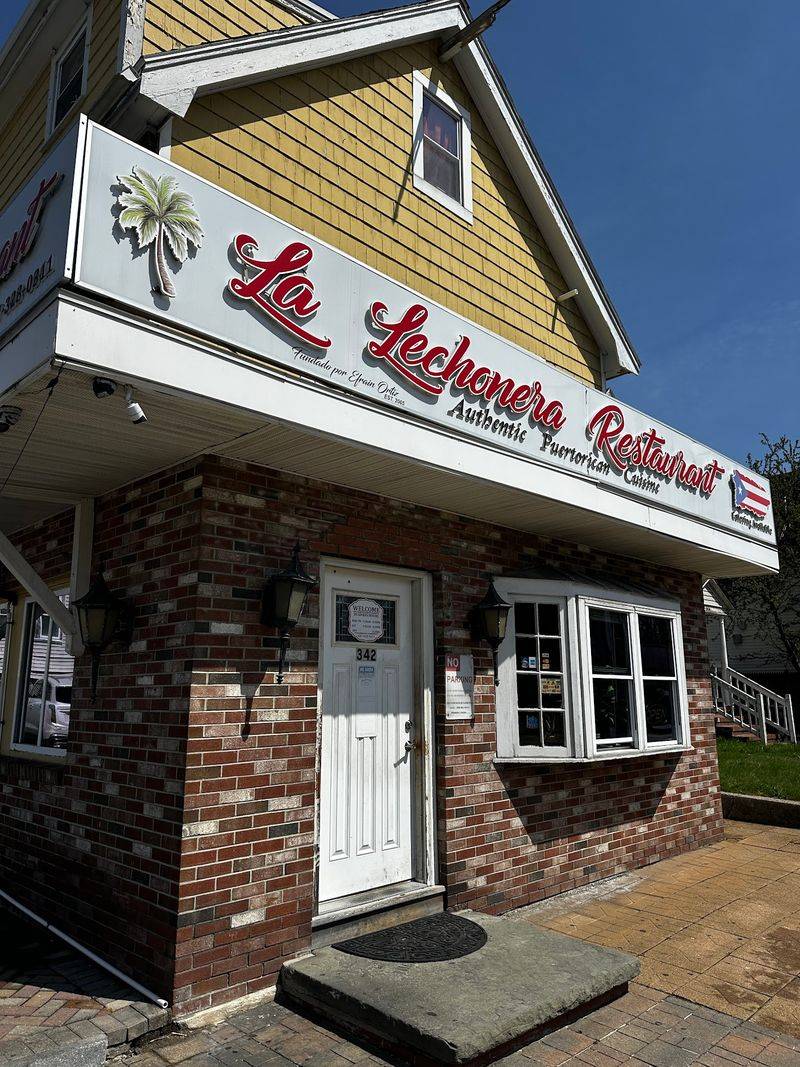
Your first big decision here is about the plate, not a long dining room ritual. La Lechonera serves traditional Latin American and Puerto Rican dishes cafeteria style, giving the meal a direct, practical rhythm.
That format suits comfort food well. You can ask about the available dishes before ordering and build lunch around the combination that sounds best, rather than guessing from a name alone.
The restaurant sits at 342 Cummins Highway in Roslindale, a Boston neighborhood in Massachusetts. Keep that full address handy when planning your route, especially if you are unfamiliar with this part of the city.
Inside, the dining space is small, and takeout is a major part of the business. Think of a food-focused neighborhood stop rather than a place designed for a long, formal dinner.
A compact setting also changes how you approach a first visit. Before settling on eating inside, check whether a table is available and whether the space works for your group.
At the counter, start with a simple question about what is being served that day. The supplied information includes pork, chicken, rice, beans, and several fried snacks, but it does not establish a fixed daily lineup.
Seeing the choices helps you judge how a meal will fit together. A meat dish, a rice base, and a contrasting side usually make a clearer starting point than ordering several heavy items without a plan.
There is no need to know every Spanish dish name before arriving. Ask what an unfamiliar item contains, how it is prepared, and whether it comes with sides.
For your first order, keep the goal straightforward: choose a main dish you want, add a useful side, and understand the portion before paying. You can save the broader tasting tour for a later visit once you know which dishes suit your appetite and preferences best.
Pernil Gives the Plate Its Center of Gravity
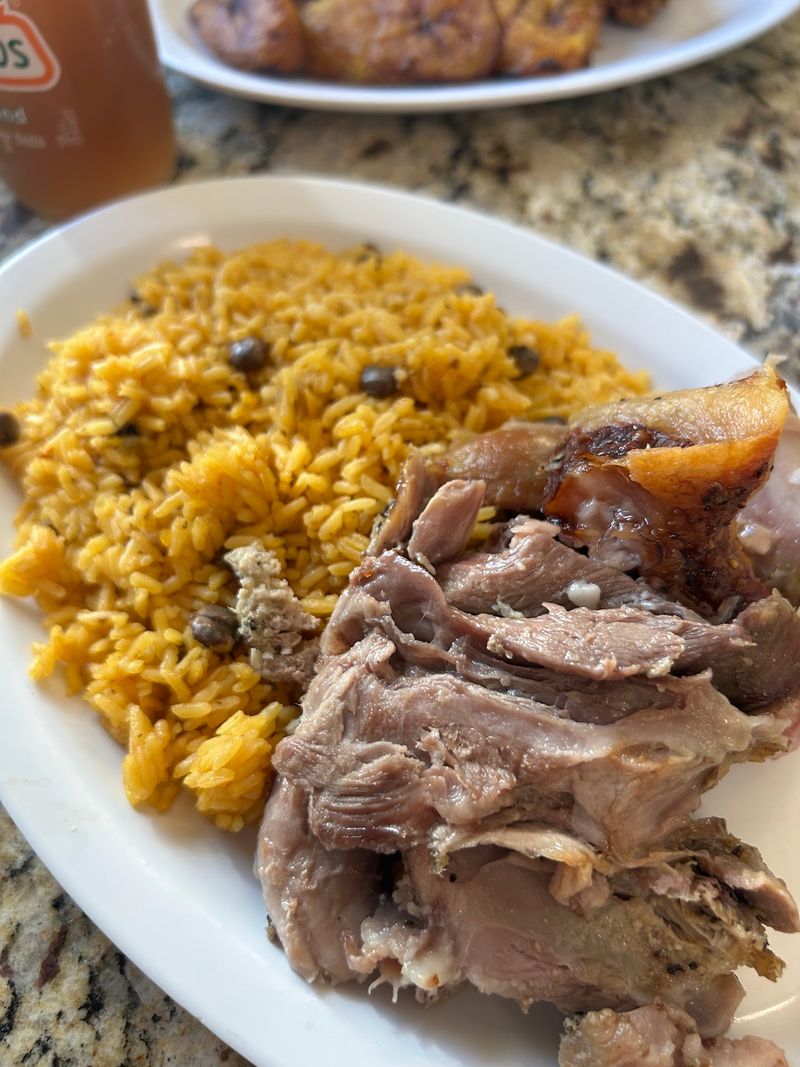
Roast pork is the natural starting point at a restaurant named La Lechonera. Pernil is among the dishes documented here, making it a useful first choice if you want to understand the pork side of the menu.
In Puerto Rican cooking, pernil generally means seasoned, slowly roasted pork shoulder. Its appeal comes from the contrast between meat, fat, and the deeper flavor that roasting can develop.
Do not assume every pork serving includes crisp skin, though. The restaurant has acknowledged that cuerito, the prized skin, was missing from one order, so ask directly if that is the part you want most.
That small question can prevent a mismatch between expectation and lunch. A plate of roast meat and a serving chosen specifically for crunchy skin are related experiences, but they are not identical.
Rice is a sensible partner because it gives the pork somewhere to land without competing for attention. Beans or another available saucy side can add moisture and make each forkful less heavy.
When ordering, ask which sides come with the pork and which cost extra. Current prices and exact serving weights are not provided, so avoid building your budget around older meal descriptions.
You can also ask whether there are different plate sizes. A generous lunch is useful only when the amount matches your hunger, and a smaller order may leave room for a snack or dessert.
If you are taking the meal home, keep the pork and any crisp elements separate when possible. Steam inside a closed container can soften skin, even when it starts with a good crunch.
For a focused first taste, try the meat before mixing everything together. Then add rice and beans in the next bite, letting the side dishes show how they change the texture and weight of the meal on your plate.
Rice, Beans, and Plantains Do the Heavy Lifting
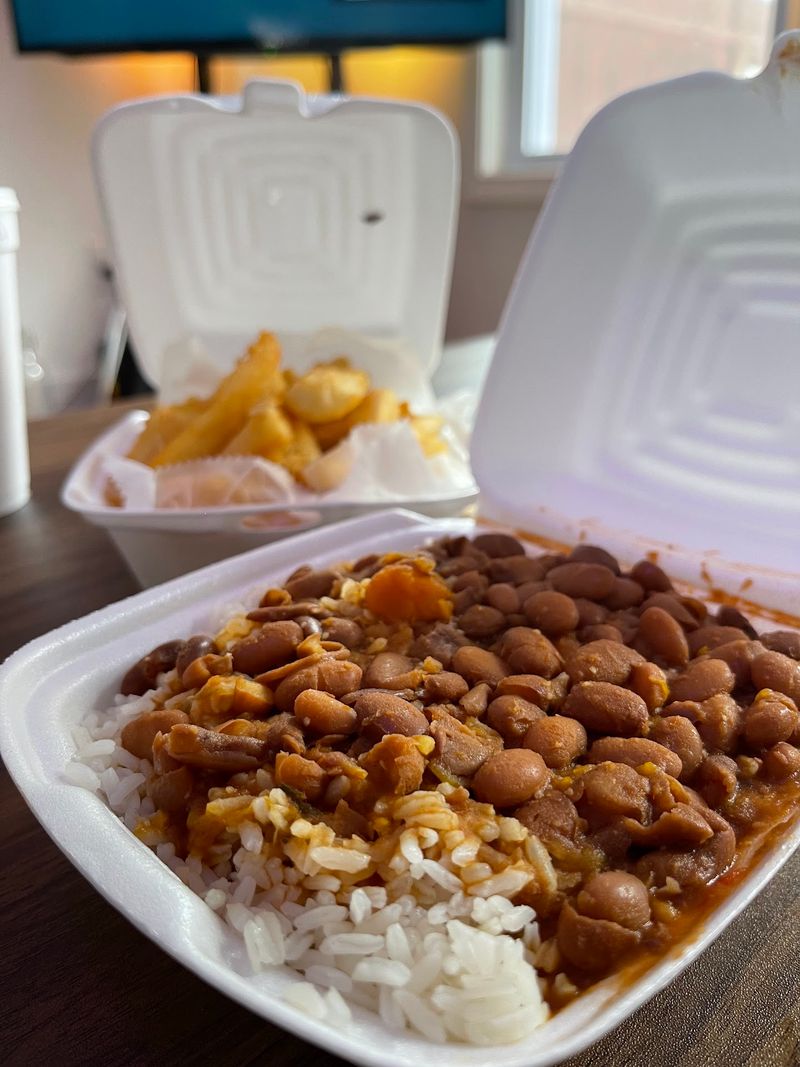
A filling meal needs more than a large piece of meat. Rice, beans, and plantains help turn an order into a complete plate, adding different textures and giving richer dishes some breathing room.
Arroz con gandules appears among the restaurant’s documented food topics. This Puerto Rican rice dish includes pigeon peas, which are different from green garden peas and bring a mild, earthy character.
Yellow rice and rice with beans are also part of the supplied information. Ask which rice is available rather than treating every yellow serving as arroz con gandules, since color alone does not identify the ingredients.
Beans can play a useful supporting role beside roasted or fried meat. Their softer texture gives you an easy way to vary bites, especially when the rest of the plate leans toward firm or crisp foods.
Plantains add another choice, but preparation matters. Sweet ripe plantains and savory green plantains offer very different experiences, so ask which version is being served before you order.
For a first meal, choose sides with a purpose. Rice can provide the base, beans can add softness, and plantains can offer contrast without requiring another full main dish.
Dietary questions deserve a direct conversation at the counter. A side that looks meatless may still use meat-based stock or seasoning, and the available information does not confirm vegetarian or vegan preparations.
The same care applies to allergies. Ask about ingredients and shared cooking equipment instead of relying on the appearance of a tray or the familiar name of a dish.
When you carry the meal home, keep wet sides upright and securely closed. Spoon beans over only the rice you plan to eat right away, leaving the rest easier to store separately.
Build a forkful with a little of each component. The supporting dishes should earn their space, not simply fill it.
Let the Fried Snacks Add a Little Crunch
Crunch deserves its own place in the order. Alcapurrias and beef empanadas are documented at La Lechonera, offering a different route into the food than a full plate of pork and rice.
An alcapurria is a filled fritter, commonly made with a dough based on green bananas and root vegetables. Recipes vary, so ask about the restaurant’s filling and ingredients rather than assuming every version is the same.
Its appeal is easy to understand: a fried outside gives way to a softer center. That contrast makes it a useful snack alongside a meal built mostly from rice and slow-cooked meat.
Beef empanadas offer another handheld option. Their enclosed filling makes them convenient for takeout, although a fresh fried pastry can still be hot enough to require a little patience.
The supplied food record also includes bacalaito, a Puerto Rican cod fritter. If it is available, ask about its size before adding it, since a snack order can quickly become a second meal.
Start with one unfamiliar item instead of collecting every fried choice. You will get a clearer sense of the dough, filling, and seasoning without burying the experience beneath too many similar textures.
For sharing, cut a snack only when you are ready to eat. Leaving the shell intact during the trip home helps keep the filling contained and makes the food easier to handle.
Do not expect fried items to stay equally crisp in a sealed bag. Trapped steam works against crunch, so a short journey and prompt eating usually give these foods their best chance.
Availability may change during service, and the information provided does not guarantee every snack daily. Ask what is ready before committing to a particular item.
If your main plate is already substantial, one shared fritter can be enough. Leave the rest of the order focused and manageable.
Guava, Soursop, and a Spoonful of Tres Leches
Save a corner of your appetite for the sweeter choices. Guava and soursop smoothies, along with tres leches cake, are documented at La Lechonera and give the meal a different finish from another savory side.
Guava, called guayaba in Spanish, has a fragrant fruit flavor that can range from gently tart to quite sweet. It is a helpful choice if you want a fruit drink with a clear tropical character.
Soursop is often listed as guanábana. Its flavor is commonly described through a mix of tart and creamy fruit notes, though the sweetness and thickness of a prepared smoothie depend on the recipe.
Before ordering, ask what goes into the drink. Milk, added sugar, and serving size are practical details, especially if you have dietary needs or prefer something less sweet.
A smoothie can be filling on its own. If you are already ordering pork, rice, and a fried snack, consider whether the drink is replacing dessert or joining it.
Tres leches takes a different approach to sweetness. The cake is traditionally soaked with a mixture of three milks, creating a moist texture that calls for a spoon or fork rather than quick handheld bites.
The restaurant has confirmed serving this dessert in its responses, but availability should still be checked. Do not count on a particular slice, presentation, or complimentary serving when planning your order.
If you are buying cake for later, ask for a separate container and keep it cool during transport. A milk-soaked dessert deserves more care than a dry pastry tucked into a bag.
Sharing is a useful option when your lunch has already done its job. A few bites let you explore the dessert without turning a satisfying meal into an uncomfortable one.
Choose the fruit drink for refreshment, the cake for a softer finish, or neither if you are comfortably full.
A Small Dining Room Calls for a Takeout Plan

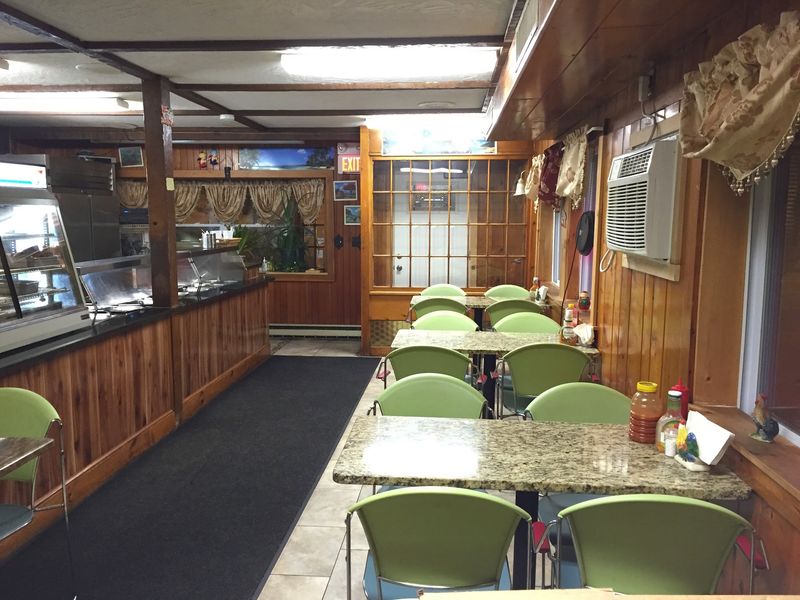
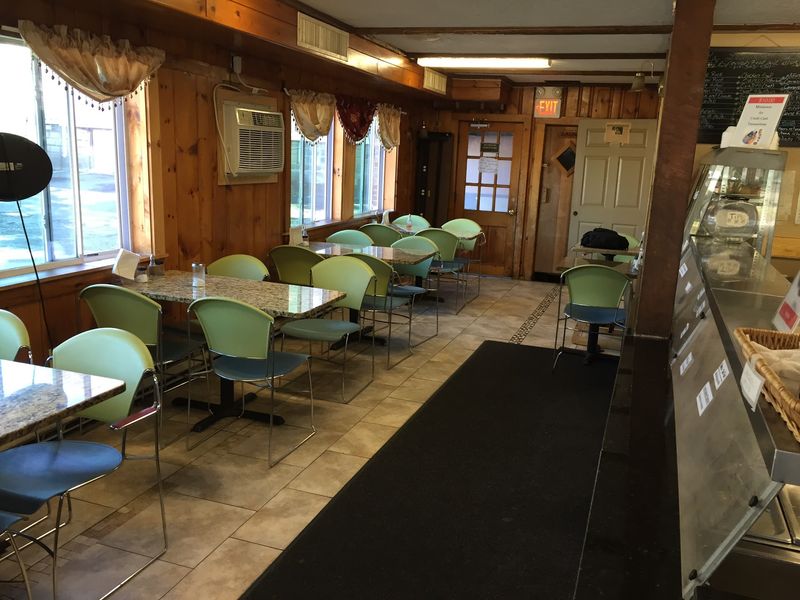
A big appetite does not require a big dining room. La Lechonera has limited indoor seating, with the supplied information describing two tables, so takeout is a sensible plan rather than a backup idea.
If you hope to eat inside, check the available space before ordering. A small room may work for a quick meal, but it gives larger groups fewer options for sitting together.
Taking food home changes the best way to build your order. Choose dishes that suit the journey, and think about which items need to stay separate until everyone is ready to eat.
Rice and roasted meat can form the center of a shared meal. Beans, plantains, and fried snacks can then be added according to the number of people and their preferences.
For a larger order, contact the restaurant ahead of time to discuss quantities and availability. The supplied information documents an advance order for ten people, but it does not establish a formal catering menu.
Be clear about how many adults and children you are feeding. Ask what portion sizes are available and whether sides are included, rather than guessing that a certain number of containers will be enough.
That conversation can also prevent unnecessary duplication. Several complete plates may include repeated sides, while a different arrangement could suit a shared table better if the restaurant offers it.
Before leaving, check the order and keep sauces or beans upright. Put cold drinks and dessert apart from hot food so each arrives in better condition.
At home, serve promptly and refrigerate leftovers within two hours. Use shallow containers for cooling, and reheat leftovers thoroughly before eating them again.
The practical advantage is control: you can set your own table, divide the food comfortably, and make room for everyone. A compact restaurant can still supply a substantial meal when the order is planned carefully.
Make It Lunch or Early Dinner, Not a Late Stop
The clock is the detail that can make or break your visit. The supplied operating schedule lists La Lechonera as open Monday through Saturday from 9:30 a.m. to 6:30 p.m., with Sunday closed.
Those hours make lunch and early dinner the clearest fits. A late evening craving needs a different plan, and Sunday should not be treated as an option without checking for a schedule change.
Confirm current hours before setting out, especially around holidays. Posted schedules can change, and an opening time does not guarantee that every dish will be ready throughout the entire day.
Arriving with some time before closing gives you more room to ask questions and choose your meal. It does not guarantee a full selection, so check availability if you are traveling for one specific dish.
Use the full destination when navigating: 342 Cummins Hwy, Roslindale, MA 02131. The neighborhood name helps distinguish this stop from other restaurants with similar names.
Parking is noted in the supplied information, but current space availability is not verified. Allow a little extra time rather than assuming you can park immediately beside the entrance.
Budget planning needs the same care. No current menu prices or measured portion sizes are supplied, so ask about today’s plate options before deciding how much to order.
The generous-meal appeal is best approached through the combination of a main dish, rice, and supporting sides. It should not be treated as a promise that every item will feed two people or produce leftovers.
For a useful first visit, choose one main, one contrasting extra, and a drink only if you want it. That gives you a fair taste of the restaurant without making the order unnecessarily complicated.
Check the hours, head to Cummins Highway, and let the available food guide the final decision. Lunch is easier when the basics are settled before arrival.
Share this story