A Philadelphia millionaire once tried to pipe a pine forest’s drinking water across the Delaware River to his city. Lawmakers shut him down, and the land he bought ended up becoming a giant public playground.
The man behind the plan bought land for decades, starting in 1873. He wanted to tap a huge underground water supply holding trillions of gallons.
New Jersey said no in 1884 with a law that kept its water at home.
I love that a failed business idea became one of the best gifts the public ever got. Today the old land holds a historic village, a swimming lake, rivers for paddling, and miles of sandy trails.
I can’t think of a better comeback story for a flop. So what exactly did his lost dream leave behind for us?
The Water Plan That Lawmakers Flat-Out Refused
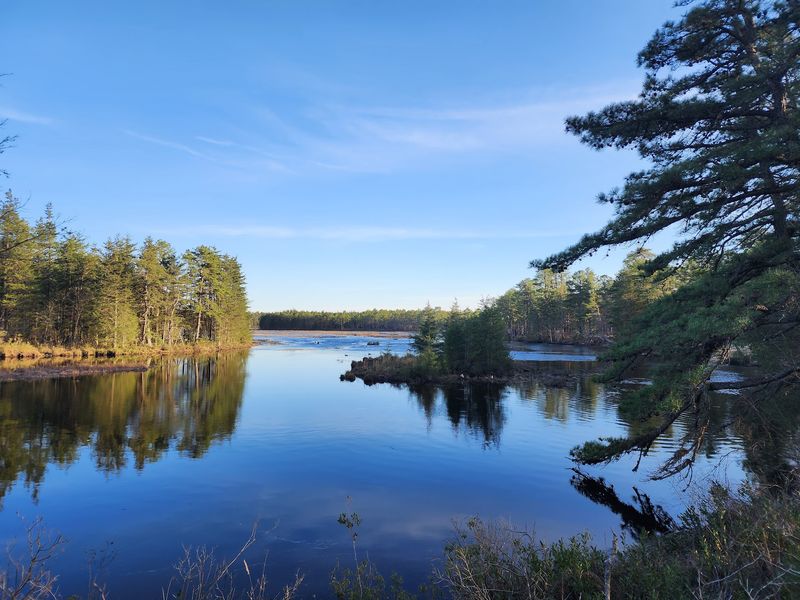
Joseph Wharton was a big name in Philadelphia business. He also founded the famous Wharton School, so he knew a thing or two about bold plans.
Back in the late 1800s, Philadelphia’s rivers were badly polluted. Wharton saw clean water under the Pine Barrens and wanted to sell it to his city.
His idea was huge, even by millionaire standards. He planned to dam rivers and send millions of gallons through canals and pipes.
The water came from the Cohansey Aquifer, a massive underground supply. It holds trillions of gallons, which explains why Wharton got so excited.
New Jersey lawmakers weren’t impressed by the idea of shipping their water away. In 1884, they passed a law banning the export of state waters beyond its borders.
That law stopped his scheme cold, though he kept chasing the idea until 1909. Today, Wharton State Forest exists partly because his plan never worked.
Honestly, that’s the best kind of failure, since everybody now gets to enjoy the land.
How A Bank Trust Handed Off A Giant Forest
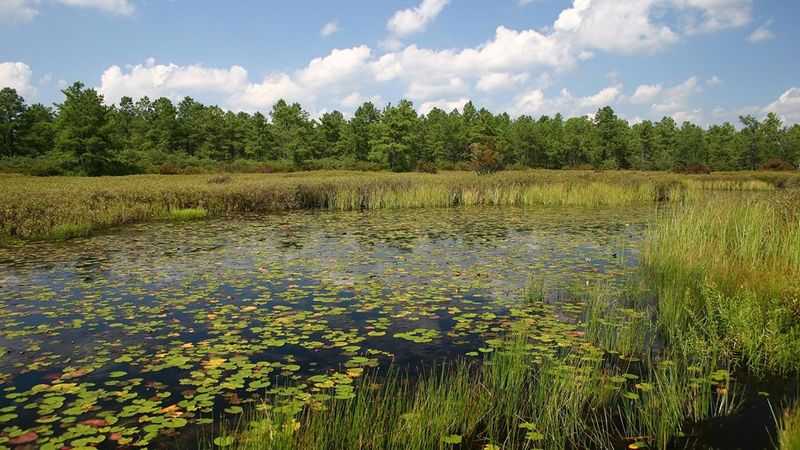
After Wharton passed away in 1909, his huge land holdings didn’t just sit there unclaimed. The Girard Trust Company managed the property for decades.
That arrangement lasted until the mid-1950s. Then the State of New Jersey stepped in with a deal that changed everything.
In 1954 and 1955, the state bought the Wharton properties for about three million dollars. Wharton State Forest became official on December 30, 1954.
Think of it as a giant late holiday present for the public. It’s hard to name a better use of that money.
The purchase did more than protect trees and rivers. It also helped lay the groundwork for the Pinelands National Reserve, created in 1978.
Today the forest covers over 124,000 acres across Atlantic, Burlington, and Camden counties. That makes it the largest single tract of land in the state forest system.
When you visit, you’re walking on land that a businessman wanted for pipes and canals. Instead, it stayed wild, and that twist still feels pretty satisfying.
Batsto Village Lets You Wander Through The 1800s
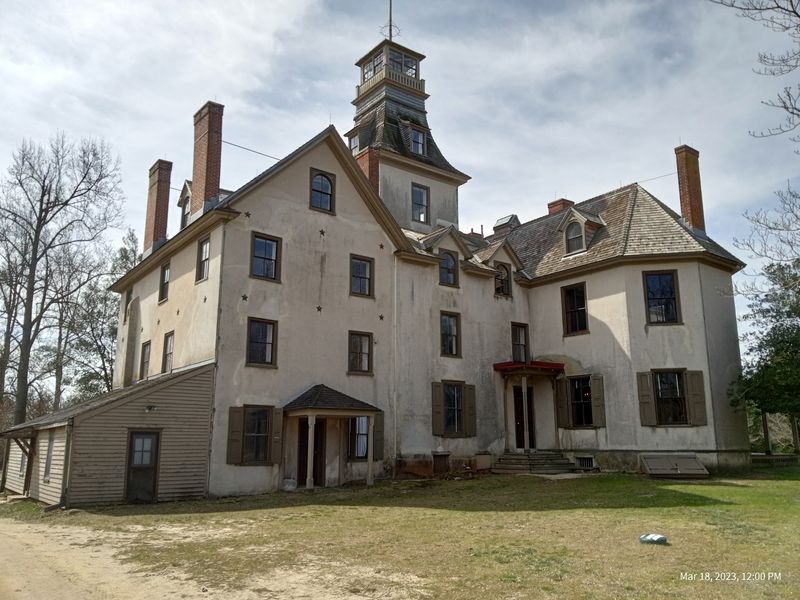
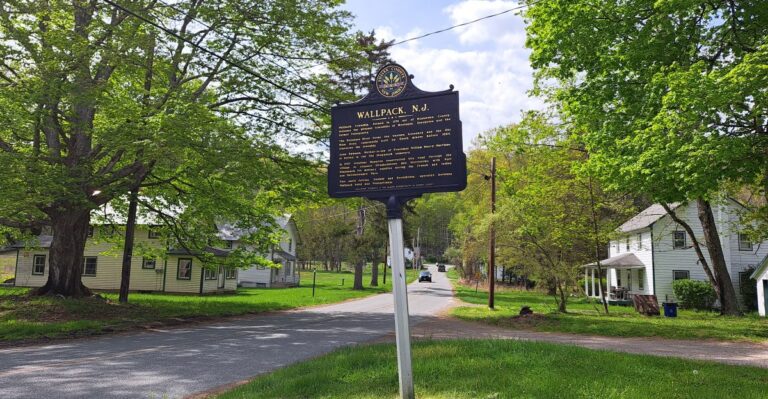
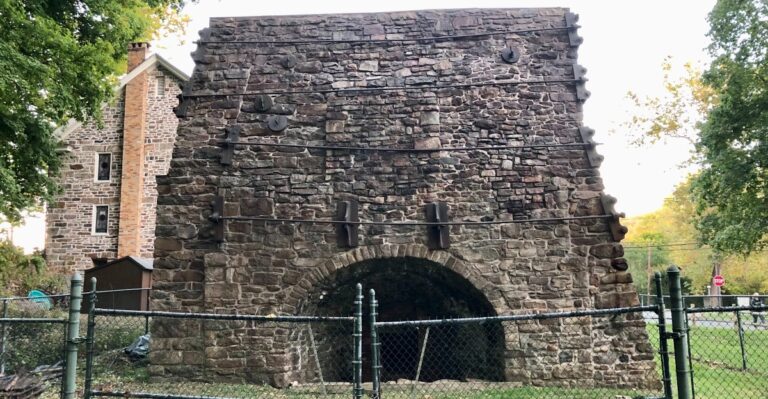
Over thirty historic buildings fill Batsto Village, and Wharton bought the whole place in 1876. It’s a preserved 19th-century industrial town inside Wharton State Forest.
The village’s roots go back even further. Batsto Iron Works started in 1766 and helped supply the Continental Army during the Revolutionary War.
Look for the Batsto Mansion, which offers guided tours all year. It’s the kind of stop where history feels close enough to touch.
Here’s a fun one for mail fans. The 1852 post office still operates, so you can send a letter from a building older than the Civil War.
There’s also an 1882 water-powered sawmill. Kids and grownups alike can see how people used rivers for work before electricity took over.
The village sits at 31 Batsto Rd, Hammonton, NJ 08037, which makes it an easy home base. Start here, grab your bearings, and plan the rest of your forest adventure.
A pair of comfy walking shoes will help you cover a lot of ground.
Learn The Pine Barrens Basics Before You Explore
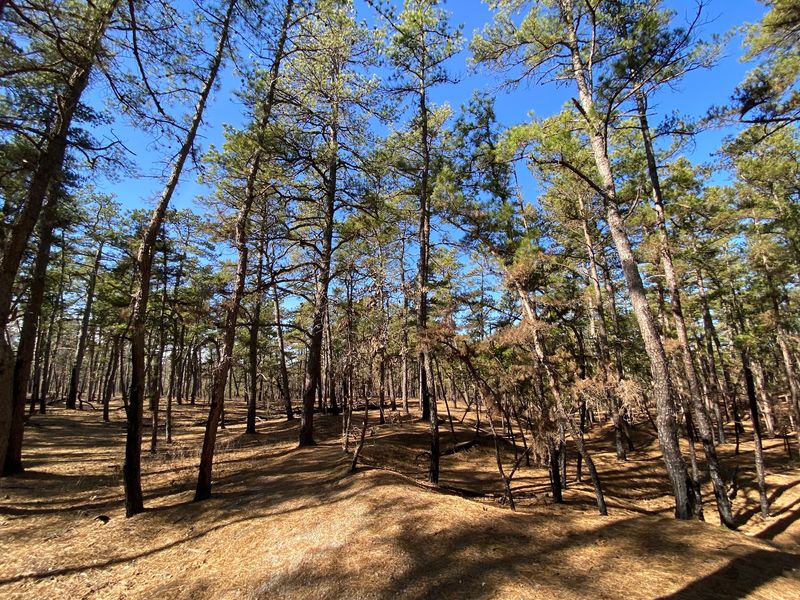
Ever wondered why the Pine Barrens look so different from other forests? The Annie M. Carter Nature Center can help answer that.
Located at Batsto, the center offers interpretive exhibits about the Pine Barrens ecosystem. It’s a smart first stop before heading out on the trails.
Knowing a little background makes the whole trip richer. Suddenly, those sandy roads and tea-colored rivers start to make more sense.
Families with curious kids should especially plan a visit. Young explorers often enjoy spotting plants or animals after learning about them first.
The center also connects nicely to the forest’s bigger story. That pure water Wharton wanted so badly is part of what makes this ecosystem special.
Keep a small notebook handy if your crew likes making lists. Jot down what you learn, then check off what you see later in the forest.
It turns a regular hike into a fun scavenger hunt. Plus, you’ll head home knowing far more about New Jersey’s wild side.
Atsion Lake Is Your Summer Splash Zone
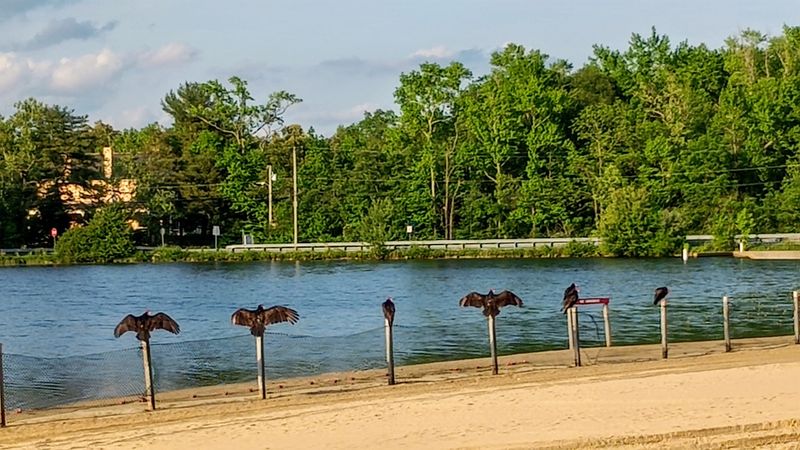
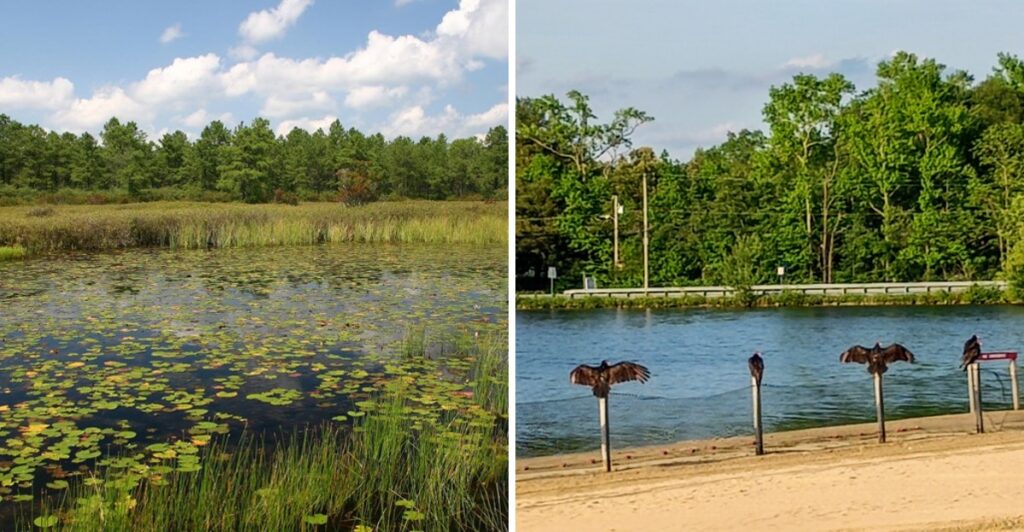
Summer at Atsion Lake means swimming with lifeguards on duty. The season typically runs from Father’s Day Weekend to Labor Day.
The Atsion Recreation Area centers around this lake. You’ll find picnic spots, an accessible playground, and launches for canoes and kayaks.
Plan your swim days around that seasonal window. Outside those dates, there’s no lifeguard coverage, so check before you go.
Cabins are available for rent at Atsion Lake too. That’s a great option if tents aren’t really your style.
History lovers get a bonus here as well. Atsion Mansion offers guided tours on weekends, adding a little culture between swims.
Pack a cooler with sandwiches and plenty of water for a full day. Bring sunscreen, towels, and maybe a frisbee for the picnic area.
It’s easy to spend hours here without feeling bored. And yes, the lake proves New Jersey kept its water for good reasons.
Wharton probably never pictured kids cannonballing into it.
Paddle The Rivers Wharton Hoped To Bottle
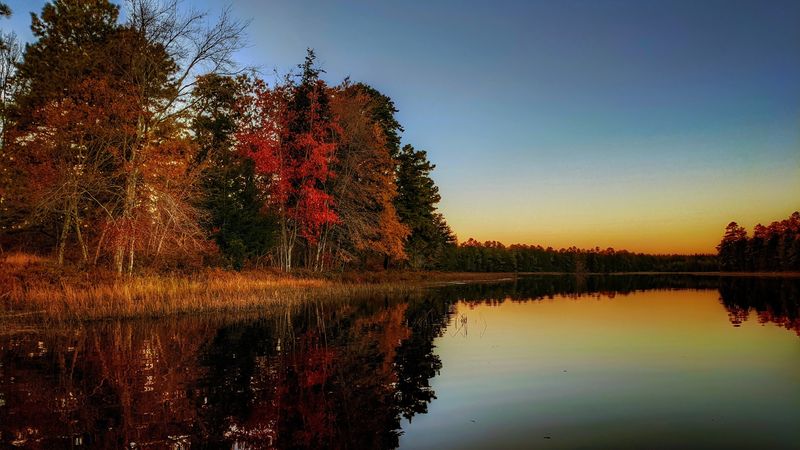
Ironically, the rivers Wharton wanted to dam are now some of the best paddling spots in New Jersey. Grab a canoe or kayak and see why.
The Mullica, Batsto, Oswego, and the West Branch of the Wading all wind through Wharton State Forest. Atsion Lake adds even more water to explore.
Public launching ramps make getting on the water simple. Fishing is also popular along these rivers and lakes.
One tip before you load the car. Some river sections may close temporarily because of obstructions like fallen trees, so check conditions first.
A waterproof bag is a smart buy for phones and snacks. Trust me, nobody wants a soggy sandwich halfway down the Batsto.
Paddling here feels calm and unhurried. The rivers wind through quiet forest, giving you time to slow down and look around.
It’s also a fun way to connect with the forest’s big story. Every paddle stroke moves through water that almost ended up in Philadelphia pipes.
Miles Of Trails Wait For Boots, Bikes, And Hooves
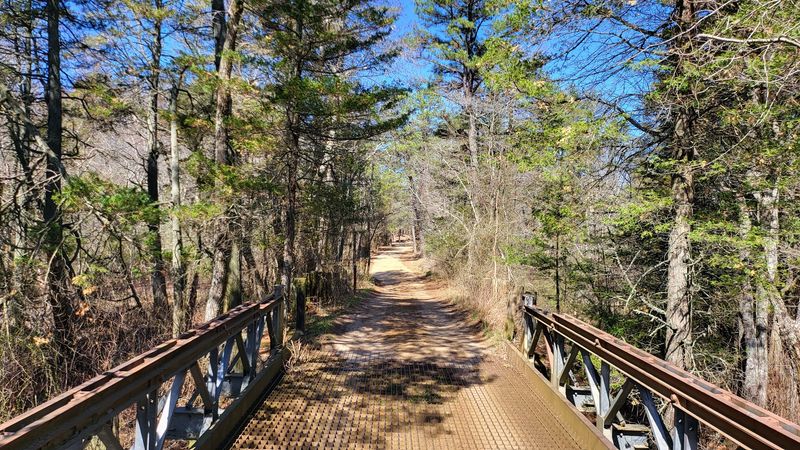
Over 77 miles of marked trails run through the forest. That’s a lot of ground for one weekend, so you might need a few trips.
Hikers, mountain bikers, and horseback riders all share the space. In winter, some folks even try cross-country skiing.
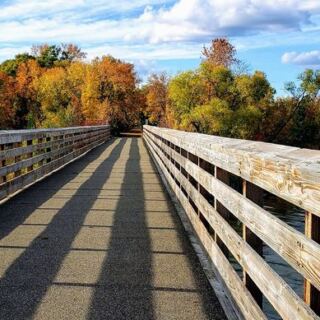
The famous Batona Trail is a highlight here. More than 27 miles of its 50-mile route pass through Wharton.
It also connects to Brendan T. Byrne and Bass River State Forests.
Serious hikers can link up some impressive distances.
Beyond the marked paths, hundreds of miles of sand roads await. Horseback riders and mountain bikers can explore much farther.
A good map is a must in a place this big. Phone signals can be unreliable deep in the pines, so plan ahead.
Bring water, snacks, and bug spray during warmer months. Sandy trails can feel tougher than they look, so pace yourself.
Your legs will thank you later, and so will your sense of direction.
Camp Out Under Pine Barrens Skies
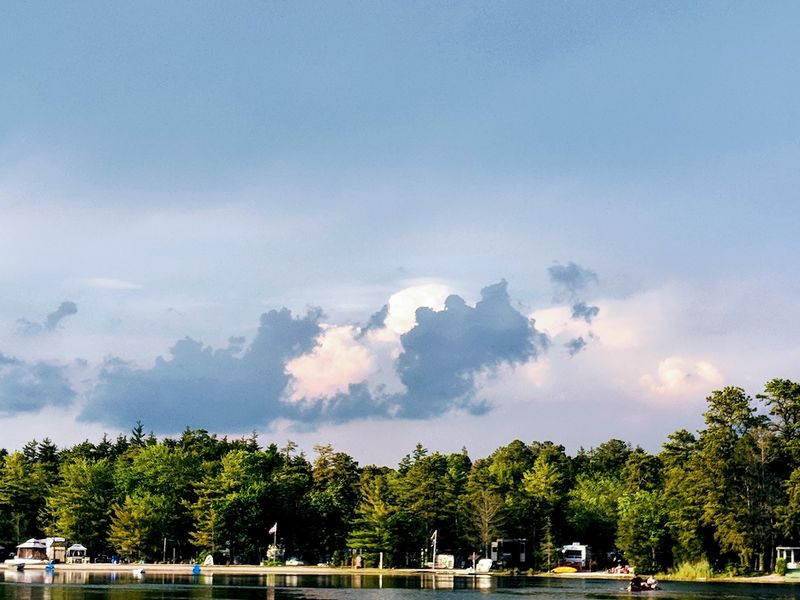
Sleeping in the pines is a whole different experience. Wharton State Forest has camping options for many comfort levels.
Choices range from tent and trailer sites to primitive wilderness spots. Some sites are even pet-friendly, which is great news for dog owners.
Amenities vary quite a bit by location. Some areas offer potable water, flush toilets, and showers, while others keep things rustic with pit toilets.
Plan carefully for drinking water. The Mullica River Campground may lack potable water indefinitely, so bring your own supply.
Reservations are required for camping here. Book early, especially for popular summer weekends.
A good lantern and a sturdy tent make nights more comfortable. Pack extra layers since evenings in the forest can cool down quickly.
Remember that alcoholic beverages are prohibited throughout the state forest. That keeps the campgrounds family-friendly and peaceful.
With quiet nights and starry skies, camping here might become your new favorite tradition.
Climb A Fire Tower And Spot Some Wildlife
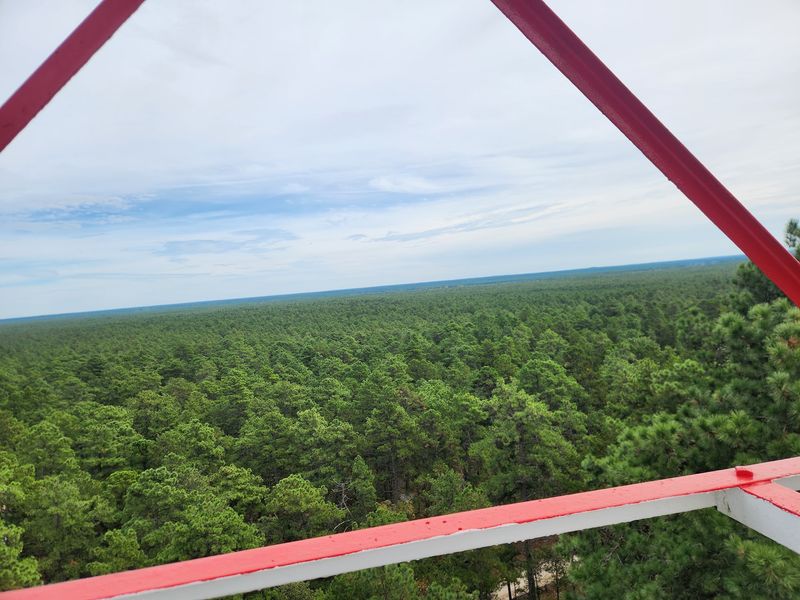
Apple Pie Hill Fire Tower sounds like a dessert, but it’s actually a great lookout. It even hosts an annual New Year’s Day climb, weather permitting.
From the top, you can enjoy panoramic views over the forest. It’s a fun way to see just how big Wharton’s old land really is.
Wildlife fans have plenty to look for too. Bald eagles, hawks, herons, swans, and owls live in the area.
On the ground, keep your eyes open for deer, foxes, beavers, and river otters. Ponds, rivers, and fields are great places to watch.
Another unique stop is the Carranza Memorial. The obelisk honors Mexican aviator Captain Emilio Carranza.
Accessibility matters here as well. A track chair can be reserved in advance through the Batsto office.
Pack binoculars for the best wildlife viewing. In the end, Wharton lost his water dream, but New Jersey gained something even better for everyone.
Share this story