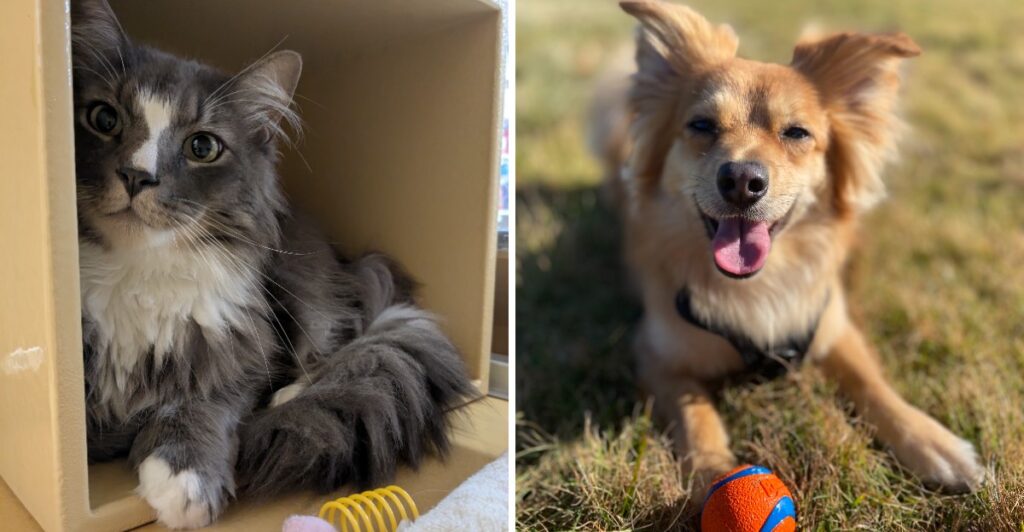
A few hours of your time can mean a cleaner kennel, a calmer dog, or one more cat getting the attention it needs. Across Massachusetts, shelters and rescue groups rely on volunteers for the everyday work that keeps animals safe, comfortable, and moving toward new homes.
Some roles put you directly beside dogs and cats, while others involve events, transportation, cleaning, or behind-the-scenes support. The right fit depends on your schedule, comfort level, and the kind of help you enjoy giving.
If you have been looking for a practical way to turn your love of animals into action, these Massachusetts organizations give you plenty of places to begin.
1. Baypath Humane Society – Hopkinton
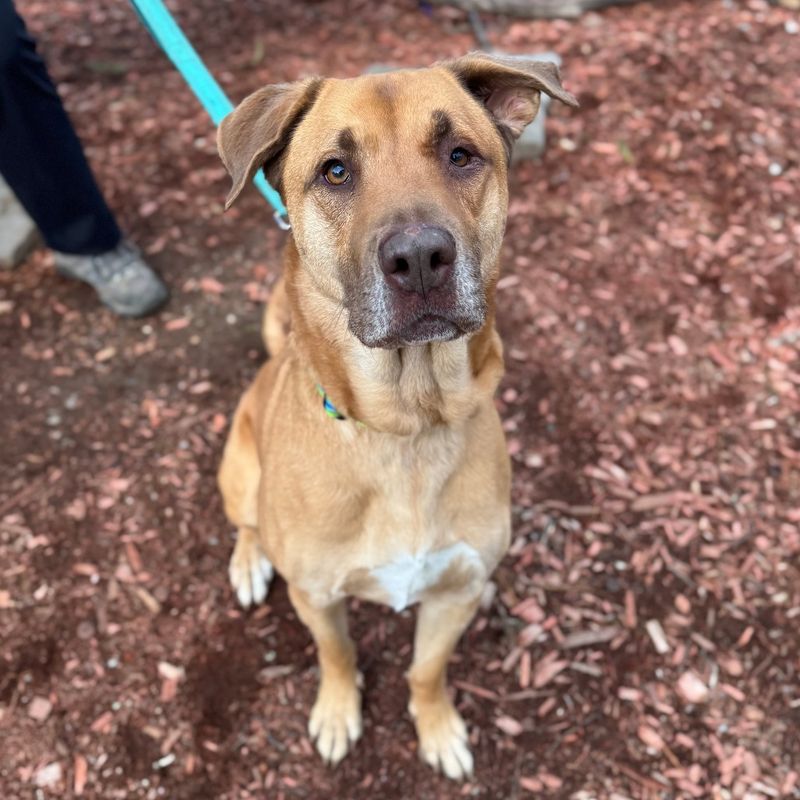
A wagging tail may catch your attention, but a fresh blanket can matter just as much. At Baypath Humane Society in Hopkinton, approach volunteering as useful work first and animal time second, with staff guiding what needs doing.
Start with the organization’s official volunteer information and check whether applications are open. Ask about age rules, training, required shifts, and any minimum commitment before planning your week around a shelter visit.
Available roles can change, so an old social media post should not be your final guide.
For your first assignment, describe your comfort level honestly. Being a devoted dog owner does not automatically prepare you for every shelter dog, and loving cats does not mean every cat wants company.
Ask which handling skills you will learn and which tasks require extra approval.
Behind the scenes, laundry, cleaning, and preparing supplies are common shelter needs, though you should confirm Baypath’s current options. These jobs suit volunteers who enjoy a clear checklist and visible results.
Clean bedding and ready equipment help staff move through a busy day without hunting for basic supplies.
Build travel time into your commitment, especially if you are driving from elsewhere in MetroWest. Choose a shift you can keep during ordinary weeks, not just an unusually quiet month.
Ask where volunteers park, what shoes to wear, and whether you need to bring anything.
Once accepted, follow the shelter’s routine rather than inventing your own. Get permission before offering treats, taking photos, or sharing an animal’s story online.
A useful first goal is simple: learn names, follow directions, finish your assigned work, and leave the next volunteer a tidy space. Keep staff updated when your availability changes, and ask how to record completed hours if your school, workplace, or community group needs proof of service for its own records later.
2. Worcester Animal Rescue League – Worcester
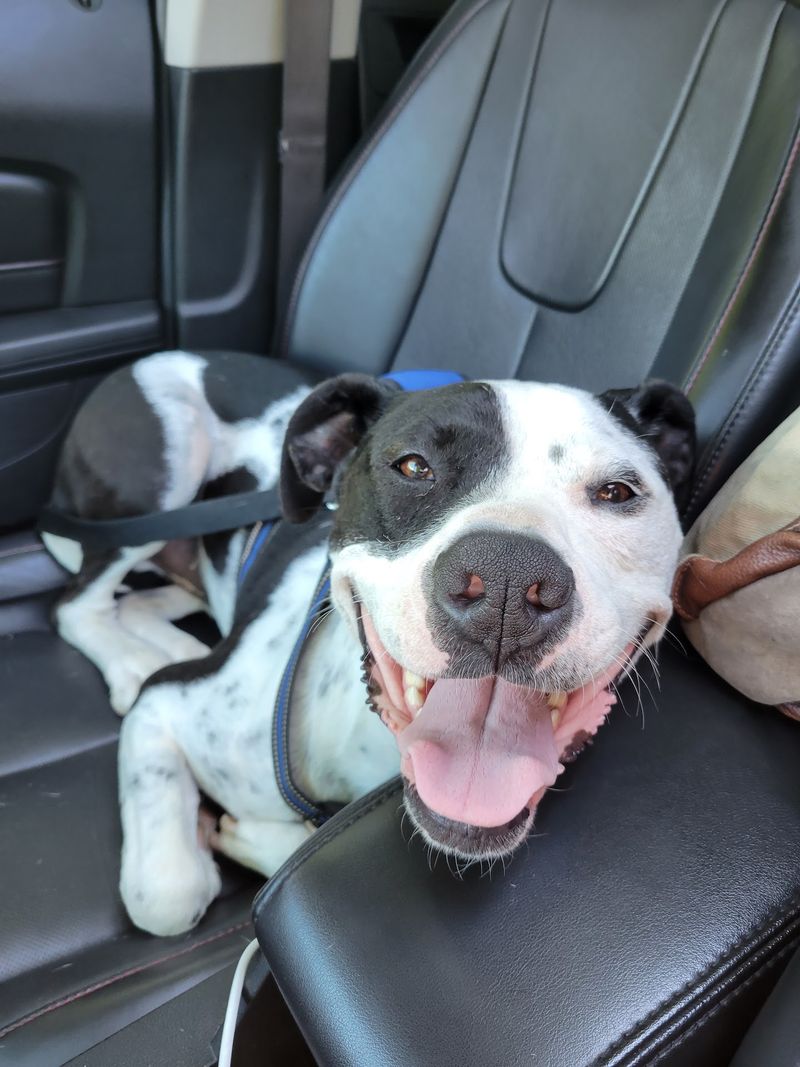
Some volunteer days begin with a leash; others begin with a mop. Worcester Animal Rescue League is a place to explore if you want to support animal care without expecting every shift to become a puppy playdate.
Check its current volunteer page before applying, then read the requirements all the way through. Look for details about orientation, scheduling, age limits, and how new volunteers receive assignments.
When information is unclear, send a short message with specific questions rather than arriving unannounced.
Think about your strongest practical skill. You might be comfortable following cleaning steps, sorting donated goods, speaking with visitors, or working quietly on routine chores.
Ask whether any current opening matches that skill, and avoid assuming every kind of help is needed at every moment.
Worcester traffic and winter weather deserve a place in your planning. A shift that looks easy on a calendar can become difficult when your commute crosses the city during a busy hour.
Test the route, confirm parking instructions, and leave enough time to arrive ready for work.
Animal handling should always follow the organization’s training. Learn how staff communicate an animal’s needs and when you should step back or ask for help.
Closed shoes, clothes that can get dirty, and a willingness to listen are more useful than showing up with your own treats or equipment.
For students or workplace groups, ask whether the league can support your service requirements before making promises elsewhere. Group projects and individual placements may follow different rules.
Keep your expectations practical: a completed load of laundry or a properly cleaned space is real assistance, even without a photo opportunity. Track any required hours as instructed, give notice when you cannot attend, and let staff decide when you are ready for a different task or a more involved animal care assignment later on.
3. Dakin Humane Society – Springfield

Not everyone who helps animals needs to be the person holding the leash. Dakin Humane Society in Springfield is worth checking when you want to match your abilities with a role, rather than squeeze yourself into an imagined version of shelter volunteering.
Begin by reviewing Dakin’s official volunteer information. Confirm which positions are accepting applications and where each assignment takes place.
An organization may have several programs, so the location attached to your role matters as much as the organization’s main address.
Be clear about your schedule and physical limits. If lifting heavy supplies, standing for long periods, or working around barking would be difficult, mention that early.
Ask whether suitable options exist instead of accepting a task that could become unsafe or hard to maintain.
For animal care assignments, training comes before improvising. Staff may need volunteers to follow detailed steps for cleaning, handling, or preparing materials.
Those routines are not busywork: consistent methods can reduce confusion and help protect animals, employees, and the next person using the space.
Springfield makes this a practical starting point for volunteers based in the Pioneer Valley, but check your actual commute. Ask about arrival procedures, transportation considerations, and what happens when weather interrupts a shift.
A smaller commitment you can keep is better than a packed schedule you soon abandon.
Bring curiosity without expecting immediate access to every animal. Ask how volunteers receive feedback and whether there is a path to learning additional skills over time.
If your preferred position is full, find out whether another opening fits or when applications might reopen. Keep your contact details current, read messages before each shift, and follow instructions about clothing and personal belongings.
You will settle in faster when your first priority is understanding the job, not collecting the cutest story to tell afterward at home or work.
4. Save A Dog – Sudbury
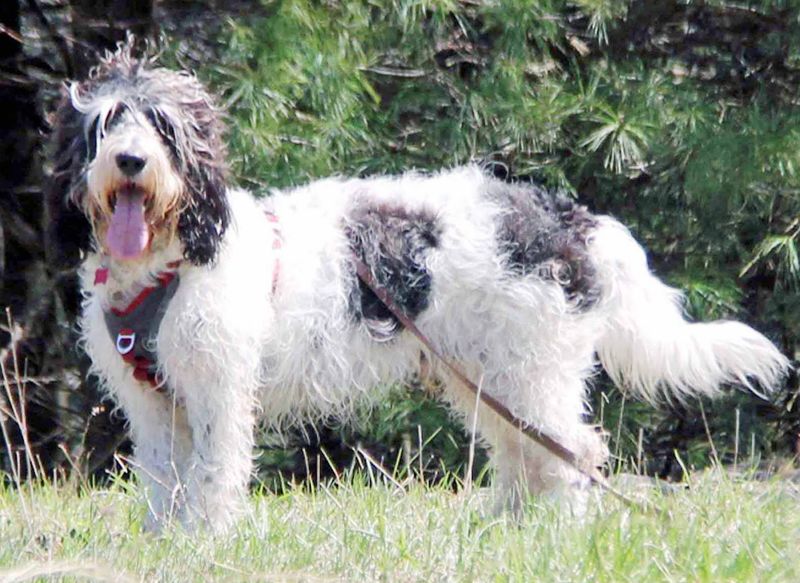
Dog lovers, resist the urge to lead with your favorite breed. When exploring Save A Dog in Sudbury, your availability, patience, and willingness to follow directions are more useful starting points than a wish list of dogs you hope to meet.
Visit the rescue’s official website for current volunteer instructions. Ask whether help is needed at the facility, through events, or in other approved ways.
Do not assume walking dogs is the first assignment, or that every applicant can begin immediately.
A rescue dog may behave differently from the dog sleeping on your couch at home. New surroundings, unfamiliar people, and changing routines can affect behavior.
If a role includes handling, learn the rescue’s rules for leashes, gates, introductions, and reporting concerns before taking responsibility for an animal.
Practical work can be surprisingly satisfying here. Ask about current needs involving cleaning, supply preparation, or other support tasks, while letting the organization decide where you fit.
Follow its donation guidelines too; a trunk full of random items can create extra sorting work instead of solving a problem.
Sudbury is convenient for some MetroWest volunteers, but convenience depends on your starting point and shift time. Confirm the correct arrival location and parking arrangements.
Wear clothing suited to the assignment, and ask whether outdoor work or changing weather should affect what you bring.
If fostering interests you, treat it as a separate conversation with its own approval process. Ask about household pets, veterinary arrangements, expenses, and how long a placement might last before agreeing.
For regular volunteering, focus on showing up prepared and communicating clearly. Let staff know about absences early, keep animal information private unless sharing is approved, and finish each task according to instructions.
The useful habit to build is reliability, whether your shift involves a dog walk, a cleaning job, or carefully organizing supplies for others.
5. Animal Protection Center Of Southeastern Massachusetts – Brockton

A neatly prepared animal space rarely gets the spotlight, but someone has to make it happen. The Animal Protection Center of Southeastern Massachusetts in Brockton offers a starting point for exploring the everyday work that supports shelter animals.
Look up the center’s current volunteer process and confirm that it is recruiting. Ask about training, age requirements, regular shifts, and whether opportunities differ for individuals and groups.
Current instructions are more useful than a friend’s memory of volunteering there several years ago.
When you contact the organization, explain what you can actually commit to. A reliable morning each week may be easier to plan around than occasional bursts of free time.
Include relevant experience, but do not worry if your background is more household chores than animal care.
Ask which support tasks are available and how they are taught. Cleaning, laundry, and supply organization are common needs in shelter settings, but the center should confirm its own openings.
Follow exact instructions for products and equipment; stronger cleaners or extra steps are not automatically safer.
If your assignment includes animals, pay attention to their boundaries. A cat hiding away or a dog turning aside may need space rather than encouragement from a stranger.
Let trained staff explain what you are seeing and decide how you should respond.
Plan the Brockton commute before choosing a shift, and ask about parking and the volunteer entrance. Check whether there are rules about jewelry, footwear, phones, and photographs.
You can also ask how cancellations are handled during bad weather. At the end of your shift, report concerns clearly and leave supplies where the next person expects them.
Small details such as a properly closed gate or an accurate note deserve your attention. Save the cute animal updates for approved channels, and keep your work focused on the center’s needs that day.
6. Broken Tail Rescue Cat Adoption Center – Cambridge
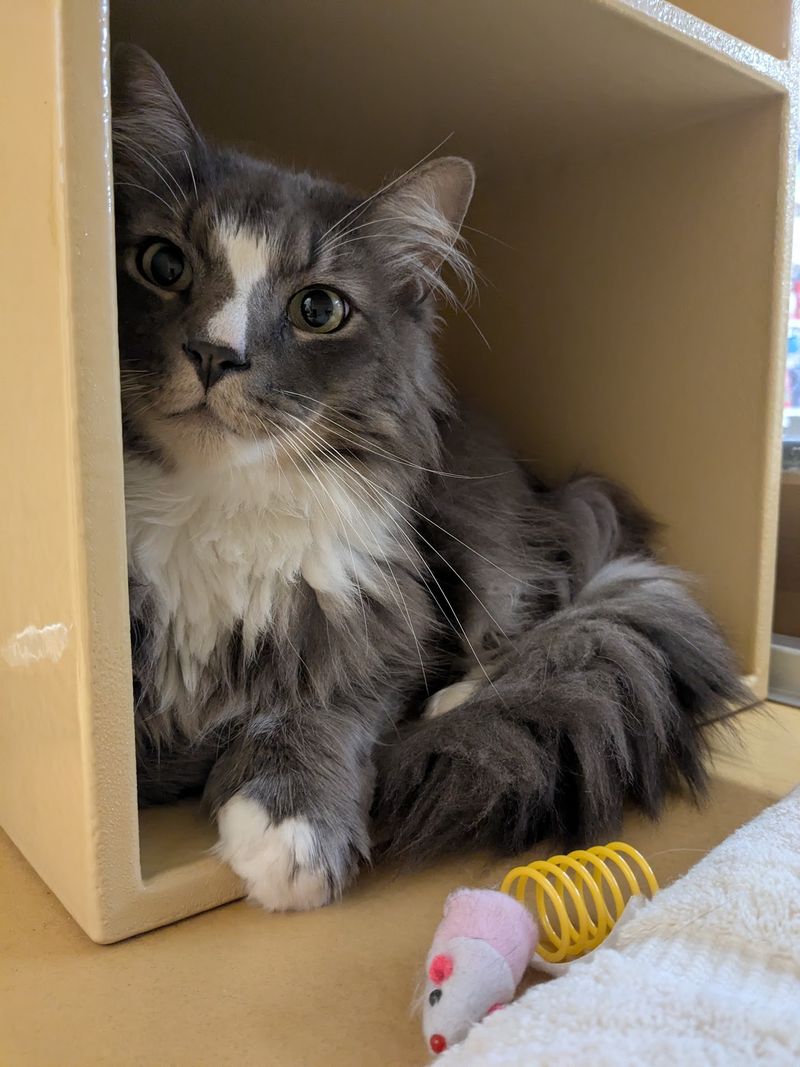
Cats are excellent at reminding humans that attention is not always an invitation. Broken Tail Rescue’s cat adoption presence in Cambridge is a starting point for volunteers interested in feline care, provided you confirm the current location and available roles first.
Use the rescue’s official information rather than relying on an old map listing. Adoption arrangements, visiting hours, and volunteer needs can change.
Ask specifically about Cambridge cat care opportunities so your inquiry reaches the right person and does not get confused with another program.
For a cat focused assignment, patience matters more than enthusiasm at full volume. You may need to move slowly, keep voices low, and let an animal choose whether to approach.
Staff or volunteer leaders should explain safe handling and tell you which cats need extra space.
Ask whether current duties include cleaning, refreshing supplies, or approved social time. If litter care is part of the job, follow the exact cleaning routine and report anything unusual instead of trying to diagnose it.
A clear observation helps; a confident guess can mislead.
Cambridge travel takes a little strategy. Check the address, nearby transit, parking rules, and how much time you need to reach the assignment.
If the adoption space is within another business or shared building, confirm entry instructions and any rules that apply to volunteers there.
Keep adoption conversations within the limits of your role. You can direct interested visitors to the approved process without promising that a particular cat will suit their home.
Ask before photographing animals or posting updates, especially when details may change quickly. Bring only approved supplies, keep your shift notes factual, and learn how to contact the coordinator if you cannot attend.
Your first useful skill might simply be noticing who ate, who stayed hidden, and which care task still needs attention before the next shift.
7. Second Chance Animal Services Adoption Center – East Brookfield

Getting the address right is your first volunteer task here. Second Chance Animal Services has multiple service locations, so ask specifically about opportunities connected with its adoption center in East Brookfield rather than assuming every opening belongs at that site.
Review the organization’s current application process and read the role details carefully. Confirm where training happens, where your regular shifts take place, and whether the position has a minimum time commitment.
Those answers can prevent a perfectly good application from becoming an awkward scheduling mismatch.
Think beyond the animal you most want to meet. Ask what work is needed now and whether your skills fit that need.
Following a cleaning checklist, organizing materials, or completing routine support work can be a better first assignment than handling an unfamiliar dog.
For any animal contact, wait for instruction and approval. Learn how concerns are reported, which equipment you should use, and when to call a staff member.
Shelter routines may differ from your habits at home, even when the task looks familiar.
East Brookfield can mean a longer drive if you are coming from Worcester or surrounding towns. Consider fuel costs, winter roads, and the timing of your return trip before choosing frequent shifts.
Ask about arrival procedures and what volunteers should do when road conditions make travel unsafe.
If you are curious about other Second Chance programs, discuss them separately rather than treating one volunteer placement as permission to work everywhere. Different sites and duties may have different requirements.
Start with a manageable schedule and review it after you understand the workload. Keep your coordinator informed, wear the required clothing, and check messages before leaving home.
At shift’s end, complete any records and return supplies to their assigned places. A smooth handoff gives the next person a clear starting point instead of an unfinished puzzle to solve.
8. MSPCA Boston Animal Care And Adoption Center – Boston
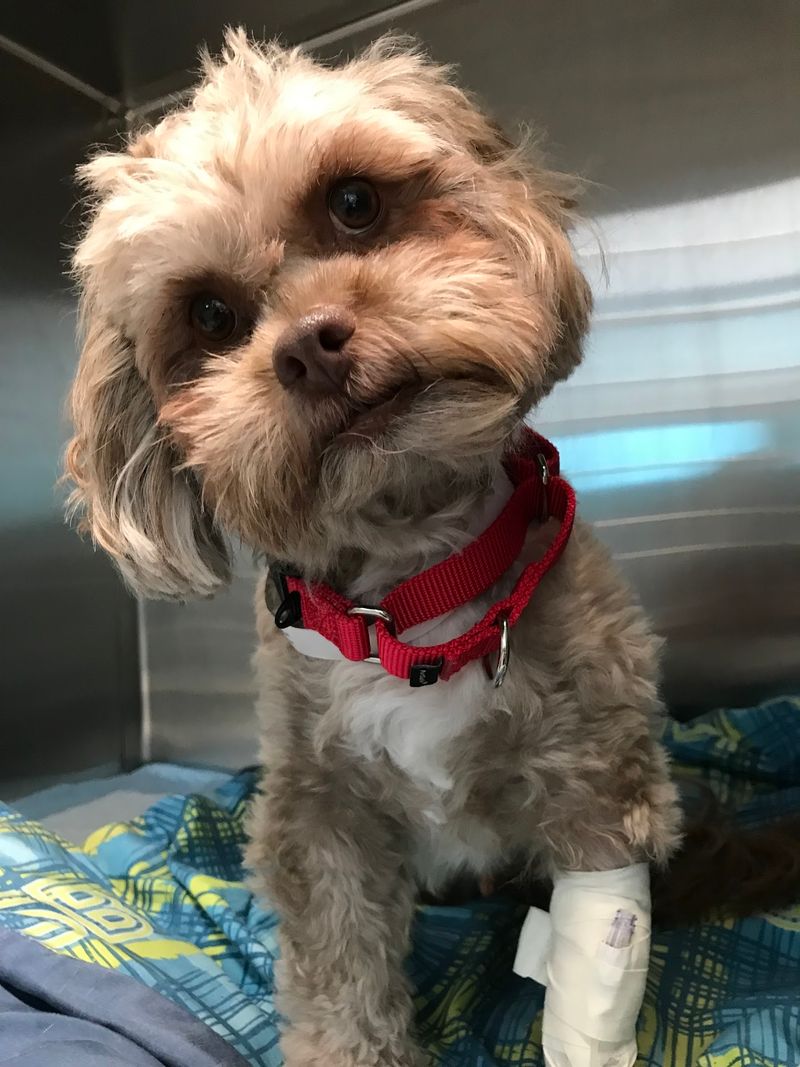
Your Boston calendar may already be crowded, so choose a volunteer commitment that survives an ordinary Tuesday. The MSPCA Boston Animal Care and Adoption Center is a place to explore structured animal support work without assuming you can simply drop in between errands.
Check the Boston center’s official volunteer listings, not just general information for the wider organization. Available positions, applications, and training schedules may vary by location.
Ask whether your preferred role is open and what happens after you submit an application.
Be ready to discuss both your interests and your limits. You may enjoy working with animals but need a role that avoids heavy lifting or long periods on your feet.
Clear information helps the volunteer team assess a fit; it is not a reason to oversell your abilities.
Ask how new volunteers learn the center’s safety rules. Animal handling, cleaning procedures, and enrichment activities should follow staff instructions rather than advice collected online.
Even a simple toy or snack may need approval because individual animals can have different care needs.
Build the commute into your decision. Check the current address, transit options, parking guidance, and the time required to arrive before your shift begins.
Boston travel can turn a short assignment into a larger block of time, especially when work or school ends nearby.
For anyone hoping to gain experience in animal care, ask what learning is actually part of the role. Volunteering does not automatically include medical work, job shadowing, or access to every department.
Focus first on the responsibilities you are assigned. Keep visitor questions within your training, respect privacy, and report concerns through the correct channel.
If a role requires a longer commitment than you can manage, ask about other approved ways to help. Better to choose honestly at the start than disappear when your calendar gets busy again.
9. Animal Rescue League Of Boston – Boston
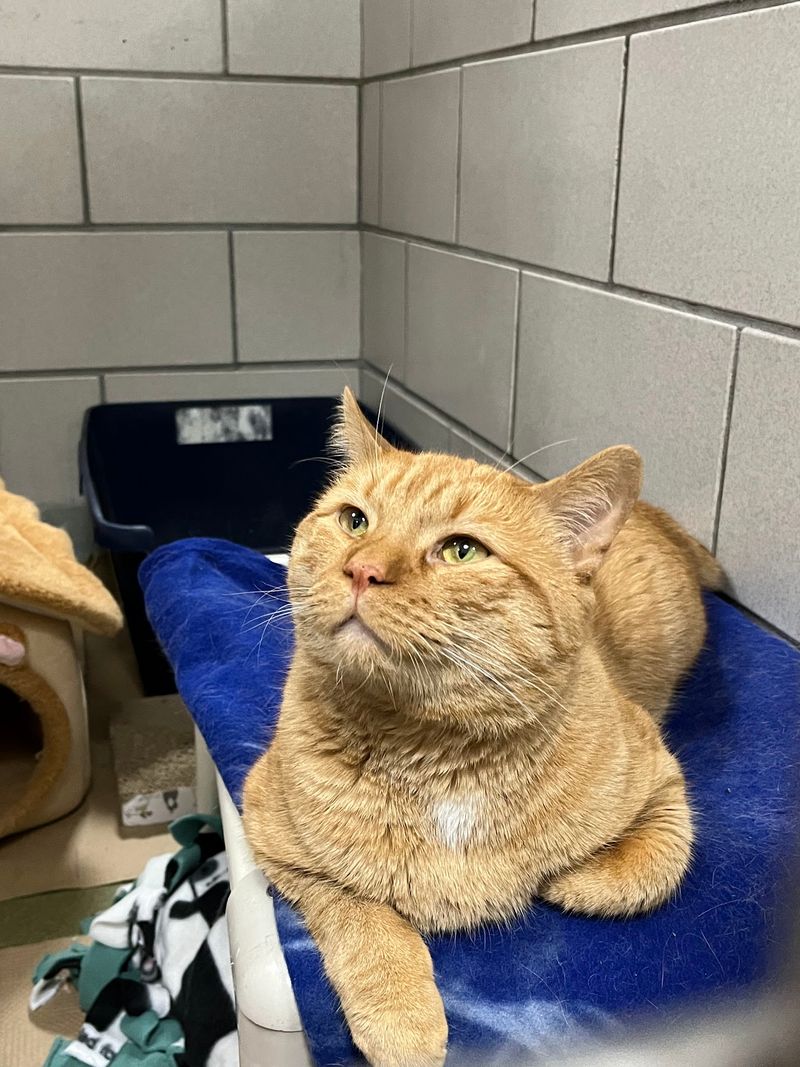
Helping animals in the city takes more than a soft spot for whiskers. At the Animal Rescue League of Boston, begin with a clear picture of the volunteer role, its location, and the time you can realistically give.
The organization works across more than one community, so make sure your inquiry concerns Boston opportunities. Read the current official requirements before applying.
Ask about orientation, age restrictions, recurring shifts, and whether there is a waiting period for the assignment you want.
Describe your experience in plain terms. Caring for a family pet, answering customer questions, and keeping a workspace organized are different skills, and each may be useful in the right role.
Let the volunteer team tell you which current needs match your background.
Keep expectations about animal contact flexible. Some work may happen away from kennels or adoption spaces, and handling assignments may require added training.
Ask about the actual balance of care tasks, cleaning, and other duties so you understand what a normal shift involves.
Before your first visit, confirm the address and arrival instructions. Plan around your transit route or parking needs rather than assuming a quick stop will work.
Bring the required clothing and leave personal treats, toys, or equipment at home unless staff have requested them.
Public conversations deserve care, especially when someone asks about an animal’s background or adoption status. Share only information you are authorized to give, and refer detailed questions to staff.
The same rule applies to photos and social posts. If you want to help through an event, donation drive, or workplace project, ask about approval before organizing it.
A project is useful only when it meets a real need and fits the organization’s process. Keep communication brief and clear, follow through on agreed tasks, and give the coordinator notice when your schedule needs to change.
10. Quincy Animal Shelter – Quincy
A neighborhood volunteer commitment has one major advantage: you might actually keep it. Quincy Animal Shelter is a local option to investigate if you live nearby and want animal care service to become part of your routine rather than an occasional outing.
Begin with the shelter’s official volunteer instructions and current contact information. Confirm whether applications are open, which roles need help, and what training comes first.
Check the current facility address too, since older articles and saved map links are not always reliable guides.
Pick a schedule based on your normal week. Work, school, caregiving, and travel all count when deciding how much time you have.
Ask whether the shelter expects recurring shifts and how volunteers arrange coverage or report an absence.
Find out what each available assignment actually involves. Animal care can include cleaning and preparing spaces, not only walking dogs or sitting with cats.
If a task requires lifting, bending, or working outdoors, ask about those demands before signing up.
Once training begins, pay attention to details that seem small. Follow instructions for doors, gates, feeding, equipment, and recording observations.
Do not introduce animals, offer food, or change a care routine without approval, even if the idea seems helpful.
Quincy residents can also ask about approved ways to help when a regular shift does not fit. Donation needs and group projects should come from the shelter, not from guesses about what every animal might enjoy.
Before collecting supplies, confirm acceptable items and delivery arrangements. For your first shift, arrive on time with the requested clothing and a readiness to learn.
Ask questions when instructions are unclear, finish the jobs assigned to you, and tell the coordinator about anything left undone. Leave personal photos for another time unless permission is given, and make your next visit as dependable as the first one was.
Share this story