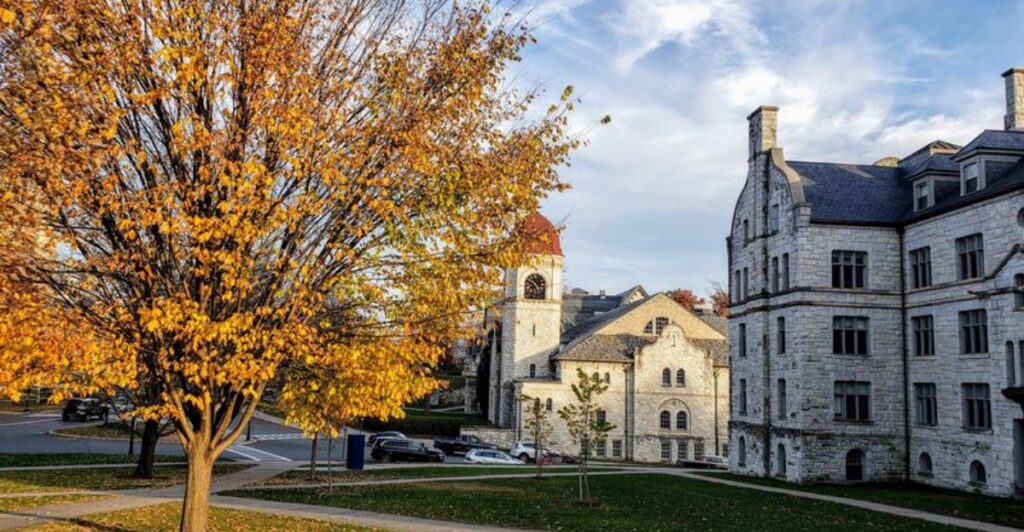
One of Massachusetts’ best-known colleges may come with a much smaller price tag than many families expect. In Williamstown, Williams College offers tuition coverage for qualifying families earning up to $200,000, depending on financial circumstances and eligibility details.
That can make a highly ranked education feel more realistic, but tuition is only one part of the total college bill, so it pays to understand what is and is not included. The numbers can look surprisingly different once aid enters the picture.
If Williams is already on your radar, this is the kind of financial detail that could change how seriously you consider it.
The $200K Headline Has an Important Footnote
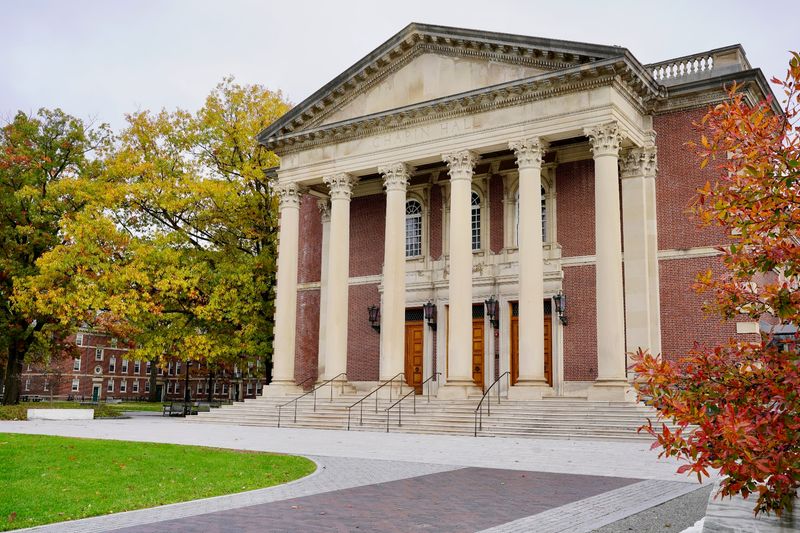
A tuition bill can change a college conversation before anyone discusses classes, dorms, or majors. At Williams, the promise of tuition coverage for qualifying families earning up to $200,000 makes that conversation especially interesting.
The key word is qualifying. Income is a major part of the calculation, but a financial aid review also considers assets and other household details.
Two families with the same annual earnings may not receive identical offers. Savings, investments, family circumstances, and the college’s assessment of financial need can affect the final package.
Think of the income threshold as a reason to investigate, not a blank check. Before building your college budget around the headline, confirm the current policy and ask how Williams defines income and typical assets.
Be precise about the benefit, too. Tuition pays for instruction, while housing, meals, travel, and personal expenses belong to other parts of the college budget.
A family may qualify for help beyond tuition, depending on its finances. However, you should not assume that an offer covering tuition automatically covers every cost of attendance.
The most useful first step is gathering recent tax information and a clear picture of household assets. Having those details ready makes an early estimate more meaningful and helps you spot questions that need a direct answer.
Families with business income, changing earnings, or complicated household arrangements should ask for guidance rather than guess. A simple salary number may not capture the situation the aid office needs to evaluate.
Keep a written record of the policy that applies to your entering class. Financial aid rules can change, and older articles may describe terms that no longer match a new application cycle.
For planning purposes, separate three numbers: published tuition, estimated aid, and your expected payment. That small habit turns an exciting headline into a budget you can actually use with confidence.
A Massachusetts Campus With Serious Academic Credentials

Brick buildings, stone walls, and wooded hills give Williams a setting that looks ready for a college brochure. Its academic reputation, though, rests on much more than the view across the lawn.
Founded in 1793, Williams is a private liberal arts college in Williamstown, in northwestern Massachusetts. It regularly appears near the top of national liberal arts college rankings, although positions depend on the publisher and year.
That category deserves a quick explanation. A liberal arts college emphasizes broad undergraduate learning across subjects such as science, history, literature, mathematics, languages, and the arts.
You can pursue a focused major while still taking classes outside it. A student interested in physics might also study political ideas, analyze a painting, or learn a language.
The point is not to collect unrelated facts. It is to practice several ways of thinking, including testing evidence, making an argument, reading closely, and explaining difficult ideas.
Williams is not an Ivy League institution, despite architecture that may suggest that familiar campus style. Its identity comes from its own history, teaching model, and undergraduate focus.
Rankings can help you discover the school, but they cannot decide whether you will thrive there. Look at course offerings, academic expectations, support services, and the kinds of work students complete.
If possible, ask to hear about a typical assignment rather than only a department’s achievements. A research paper, lab project, or class discussion tells you more about daily learning than a ranking number.
The financial aid headline becomes especially meaningful in that context. Lower tuition costs can widen access to an education that might otherwise appear out of reach before a family even starts researching.
Bring both curiosity and practical questions to your search. A strong reputation earns Williams a closer look; the details of its education should determine whether it earns your application next.
Free Tuition Is Not the Whole College Budget
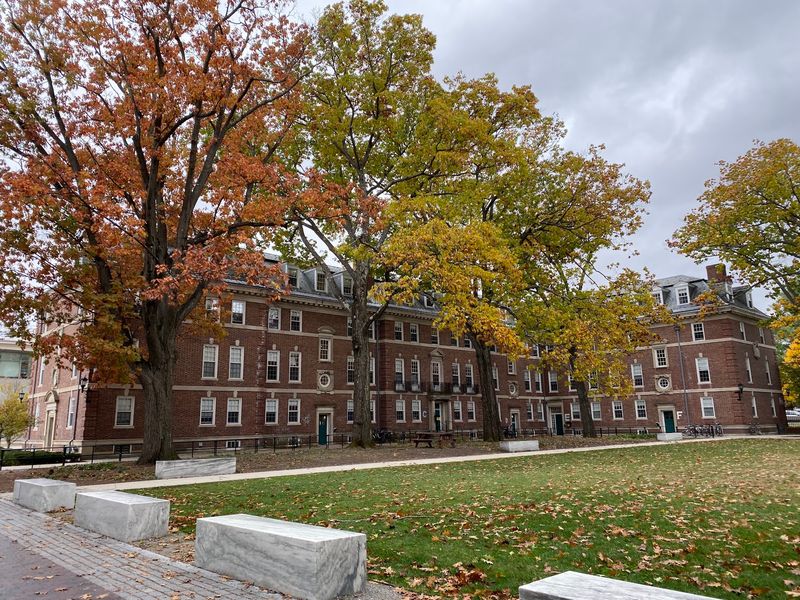
The biggest number on a college bill is not necessarily the only number you need to watch. Even when tuition is covered, the remaining expenses deserve their own careful review.
Williams calculates a cost of attendance that goes beyond classroom instruction. Housing, food, books, supplies, personal spending, and travel can all shape what a year actually costs your household.
Start by separating charges paid to the college from costs you handle yourself. A housing charge works differently from a bus ticket home or money spent replacing a winter coat.
Then read the aid offer line by line. Look for grants, any expected family payment, and the way outside scholarships are treated before deciding what your final share will be.
Williams introduced an all-grant financial aid approach in 2022, replacing loans and required work contributions in its aid packages with grants. Grants do not need to be repaid, which distinguishes them from borrowed money.
That policy does not mean every student has no expenses or that every family owes nothing. The college still evaluates financial need, and the resulting offer depends on the household’s circumstances.
Ask whether the estimate includes health insurance and how an existing family plan affects that charge. Also check which book and supply expenses are covered and how support is delivered.
Travel deserves attention in Williamstown, especially if home is far away. Compare realistic transportation costs for school breaks rather than assuming every trip will be inexpensive.
A useful family budget includes a small cushion for ordinary surprises. Laundry, toiletries, a broken phone charger, and an occasional meal away from campus are not dramatic expenses, but they add up.
Compare colleges using the amount left after grants, not their advertised prices alone. An expensive private college with substantial assistance may cost your family less than an option with a lower published bill.
Small-Scale Learning, Big Expectations

Imagine defending an idea across a table instead of disappearing into the back row. Williams is known for tutorials, a teaching format that puts discussion and close attention at the center of learning.
In a typical tutorial, two students meet regularly with a professor. Students take turns presenting work and responding to a partner’s argument, with the professor guiding the exchange.
That setup asks you to do more than finish an assignment. You must explain your choices, listen carefully, question evidence, and respond when someone sees the problem differently.
Tutorials are one part of the curriculum, not the format of every course. Williams also offers seminars, lecture courses, laboratory work, and other approaches suited to different subjects.
For a prospective student, the useful question is how you learn best. If discussion helps you sharpen ideas, a close teaching environment may be appealing; if speaking up feels difficult, ask what support helps students develop that skill.
Do not confuse smaller classes with lighter work. Reading, writing, problem solving, and preparation can demand steady effort, especially when your contribution is central to the next meeting.
A good campus conversation goes beyond asking whether professors are accessible. Ask how office hours work, how feedback arrives, and what happens when a student struggles with an assignment.
Also explore the relationship between academic freedom and graduation requirements. Choosing interesting classes still requires planning, particularly when courses build on earlier work or are offered in specific terms.
Financial support can remove a major obstacle, but academic fit determines what happens after you arrive. You should be able to picture yourself doing the work, not simply celebrating the acceptance.
During a visit, request a class observation if available. Watch how students use evidence, how instructors guide conversation, and whether the pace makes you want to join the discussion with your own ideas.
Life Between Classes Has a Berkshire Backdrop

Between a morning class and an evening study session, the hills are still there. Williams sits in a small Berkshire town, where campus life has a different rhythm from life at a large urban university.
Academic buildings, residence halls, and shared spaces connect college routines to Williamstown’s streets. Walking around gives you a clearer sense of that relationship than looking at isolated building photographs.
Sawyer Library offers a useful stop for understanding the academic side of daily life. Pay attention to study spaces and how you might use them when you need quiet, collaboration, or a change of scenery.
The Paresky Center serves as a hub for student activity. Rather than treating it as another landmark, consider where you would meet friends, spend a gap between classes, or find a familiar daily routine.
Arts are also woven into the college experience, including the Williams College Museum of Art. Check current exhibitions and access arrangements before planning a visit around a specific gallery or program.
Outdoor traditions add another dimension. Mountain Day, a Williams tradition involving a break from regular classes and time outdoors, reflects the college’s connection to its surrounding landscape.
Still, a scenic location should not hide practical questions. Think about winter weather, transportation, shopping needs, and whether a smaller town suits the way you like to spend free time.
If you enjoy a busy city every weekend, investigate travel options honestly. If you prefer campus activities and easy access to outdoor surroundings, ask students how they organize those opportunities.
Look at athletics, clubs, performances, and student organizations through your own interests. One person’s packed calendar may leave another searching for a different kind of community.
Use your visit to test ordinary moments, not only special events. Walk between likely destinations, find a place to sit, and picture a regular Tuesday during the semester.
Turn the Aid Promise Into an Application Plan

A promising aid policy becomes useful only when the paperwork reaches the right place on time. Treat admission and financial aid as connected tasks with separate instructions, rather than assuming one application handles everything.
First, check the requirements for your application year and applicant category. Domestic, international, transfer, and other applicants may need different forms or supporting documents.
Williams uses financial information to assess need, so accuracy matters more than speed alone. Review names, household details, reported income, and requested records before submitting anything.
For eligible domestic applicants, the FAFSA is part of the aid process. Williams also uses the CSS Profile and may request additional documentation; confirm the current requirements instead of relying on an older checklist.
Use the college’s net price calculator for an early estimate when it applies to your situation. The result is a planning tool, not an admission decision or a guaranteed financial aid award.
Families with unusual finances should be especially cautious about treating an estimate as final. Business ownership, changing income, or other circumstances may require a closer review.
Create a shared calendar with admission deadlines, aid deadlines, and document requests. Keep copies of submitted forms somewhere both the student and responsible adult can find them easily.
If a job loss, major medical expense, or another change affects your finances, ask how to report it. Do not assume the college can see a new problem through an older tax return.
Admission itself remains selective. A generous aid policy expands the financial possibilities for admitted students; it does not guarantee acceptance to everyone whose income falls below the threshold.
Before choosing an application plan, understand its commitment rules and the process for addressing an unaffordable aid offer. Give financial questions the same attention as essays, recommendations, and academic preparation, so an exciting acceptance comes with a workable plan.
Visit With Two Questions: Can You Thrive and Can You Afford It?
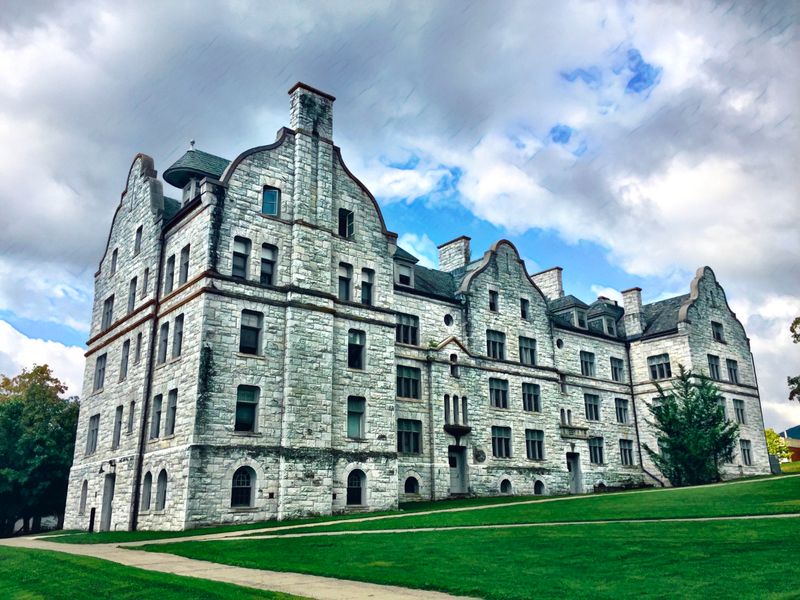
Bring comfortable shoes and a short list of questions. A visit to Williams can help you connect the financial aid offer with the place where you might spend four years.
The college is located at 880 Main St, Williamstown, MA 01267. Plan your route in advance, especially if you are combining the visit with a long drive or public transportation.
Arrange an official tour or information session when available. A self-guided walk can show you buildings and grounds, but it cannot replace a clear explanation of admission, academics, and financial support.
Do not mistake a map listing that says open 24 hours for unrestricted access. Campus paths, offices, libraries, museums, residence halls, and scheduled programs have different access rules and operating times.
A semester visit can provide a stronger picture of student routines than a quiet vacation period. Check the academic calendar before choosing dates, and allow room for weather or schedule changes.
Divide your questions into two groups. One should cover daily learning and campus life; the other should cover eligibility, expected family costs, required forms, and the aid review process.
Keep private financial conversations separate from the general tour. An aid counselor is better equipped to discuss household circumstances than a student guide speaking to a group.
Afterward, compare what you learned with your original expectations. Did the classroom style interest you, did the town suit your needs, and did the cost estimate become clearer?
A strong college choice requires more than a famous name or a beautiful lawn. You need academic opportunities that match your goals and a financial arrangement your family can sustain.
Williams stands out because substantial aid sits alongside a respected undergraduate education. Take the tuition headline seriously, then test it against your own circumstances until you have both a realistic budget and a clear reason to apply there.
Share this story