Most museums ask you to keep your hands to yourself and admire history from behind a velvet rope.
One rail yard on the northeast side of Oklahoma City flips that rule on its head.
Here you can climb into a real caboose, sit in the lookout seat where brakemen once rode, and then buy a ticket to ride the rails yourself.
Walking the grounds costs nothing, the train ride costs about twelve dollars for adults, and the whole place is kept running by volunteers who know every bolt by heart.
Families, train fans, and even folks who never cared about locomotives keep finding a reason to come back.
Keep reading to learn what to see, which seats to grab, when the trains actually run, and why a holiday ride here has become a Christmas tradition for so many Oklahoma families.
1. A Rail Yard on Grand Boulevard
Tucked along the northeast side of the metro sits the Oklahoma Railway Museum, at 3400 NE Grand Blvd, Oklahoma City, OK 73111.
It is not a quiet gallery with dim lights and glass cases.
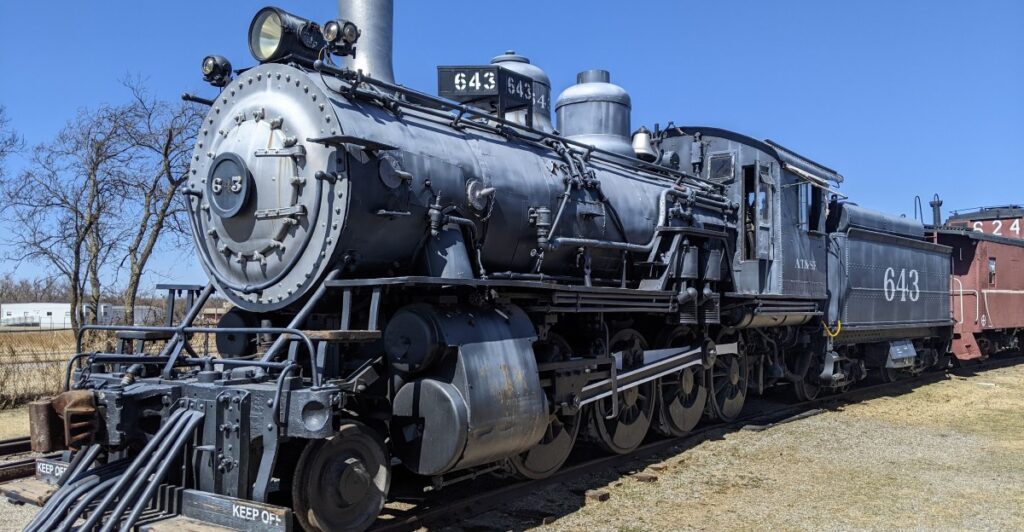
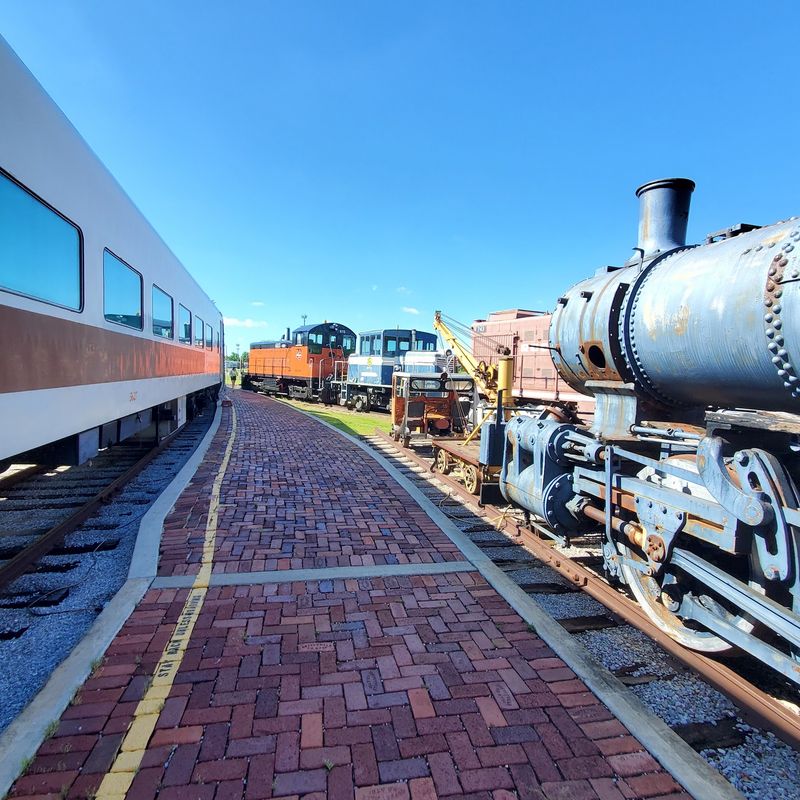
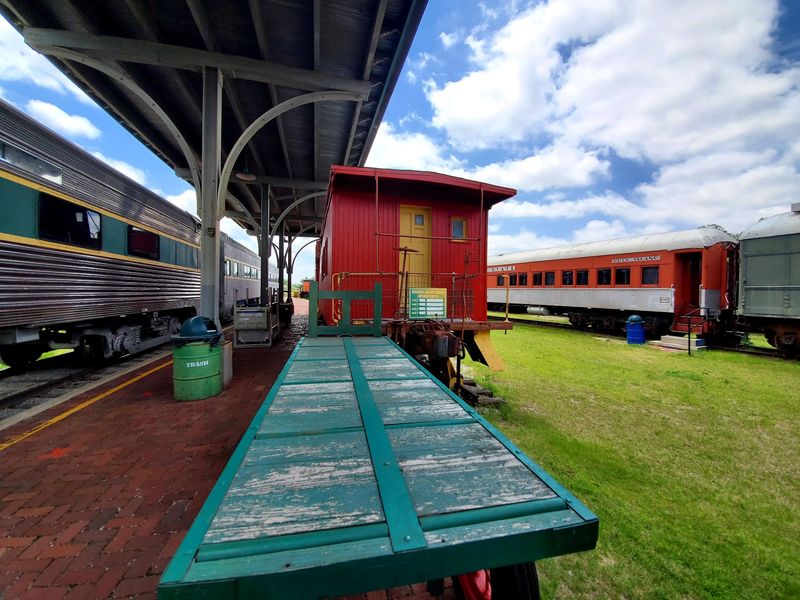
Instead, it is a working rail yard filled with restored locomotives, train cars, a 19th-century depot, and displays of railroad memorabilia.
The best part for budget-minded families is simple.
Admission to the grounds and exhibits is free, so you can wander as long as you like without opening your wallet.
Only the train ride carries a ticket price, and adults pay around twelve dollars for a trip of roughly 45 minutes.
Prices can change, so it is smart to check the museum website before heading out.
The complex blends a small indoor museum with a much larger outdoor collection.
Many of the outdoor cars have been restored and turned into walk-through exhibit spaces, which means you get to step inside the history instead of staring at it.
The museum holds a strong 4.6-star standing across more than a thousand opinions, and it is easy to see why once you arrive.
For a free stop inside the city limits, it packs a surprising amount of track into one afternoon.
2. Kept on Track by Volunteers and Donations
Here is a fact that surprises many people: the museum receives no state or federal aid.
It runs entirely on sales and donations, with volunteers doing much of the heavy lifting.
That volunteer spirit shapes the whole visit.
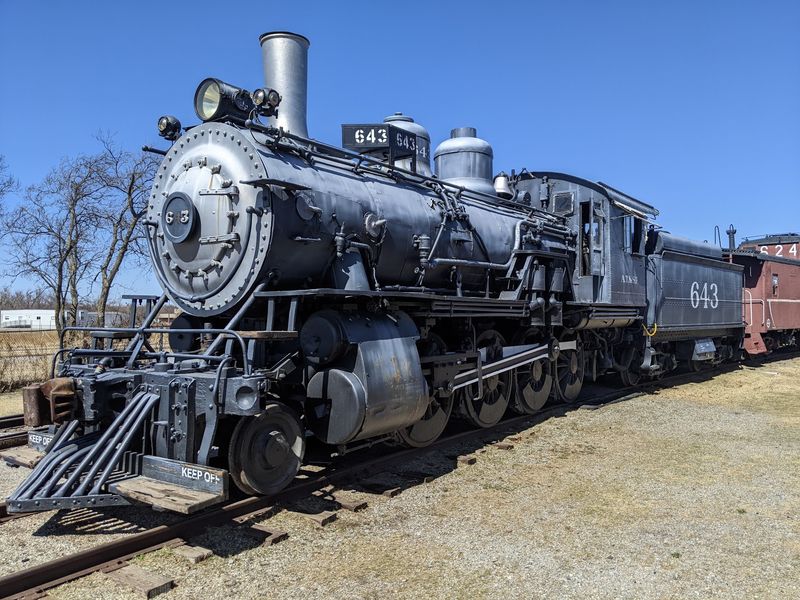
The folks maintaining the equipment tend to know the history of each train, and some have personal ties to the machines themselves.
One older gentleman on the grounds has shared stories about how he once did maintenance on one of the trains now on display.
You will not find that kind of first-hand history printed on a plaque.
Restoration is slow, careful work.
New pieces join the collection over time, but many need serious repair before they are fit for display, which makes this something of a living exhibit that keeps growing.
Donations are never required, though they are welcome.
The gift shop even has a card-friendly tip jar that accepts gifts in five-dollar increments.
There is also big news on the horizon.
The Oklahoma Historical Society is expected to move in and upgrade the experience over the next several years, so the yard you see today may look quite different soon.
A small donation now helps keep the wheels turning until then.
3. Rolling Stock You Can Climb Into
Forget the velvet rope.
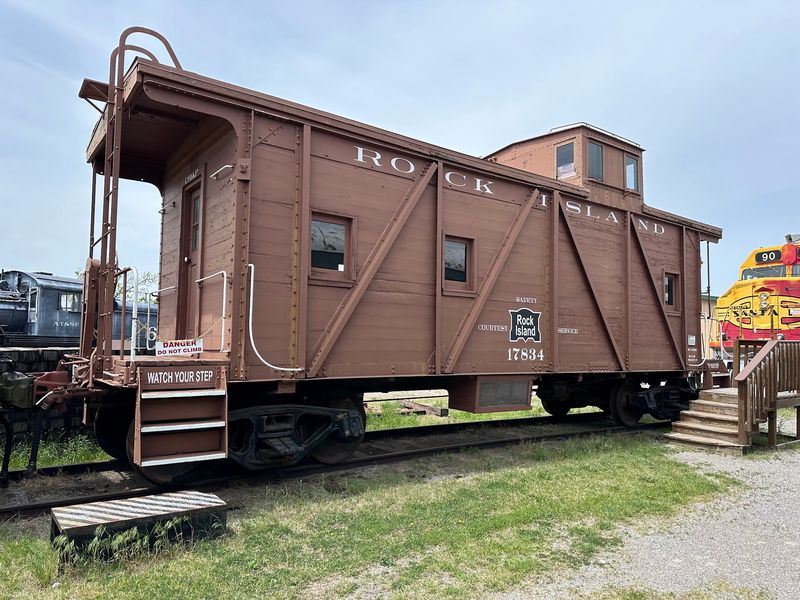
The outdoor collection is full of rolling stock, from locomotives old and new to passenger coaches and a classic caboose you can actually enter.
Inside the caboose, you can climb into the top section, called the cupola.
That raised perch is where conductors and brakemen once rode to keep watch over the train.
Teenagers who arrive unsure about a train museum often end up scrambling all over the exhibits within minutes.
Something about these giant machines sparks curiosity at every age.
A quick heads-up for parents of toddlers: the steps on some cars are tall.
Pulling yourself up takes a little effort and strength, so little ones may need a lift.
Photographers have plenty to work with too.
The yard offers lots of chances for industrial-style shots of engines, wheels, couplers, and weathered steel.
Crowds are usually light, so nobody rushes you from car to car.
Take your time, read what you can, and ask a volunteer when a question pops up, because they nearly always have an answer ready.
4. The Twelve-Dollar Ride and the Best Seats
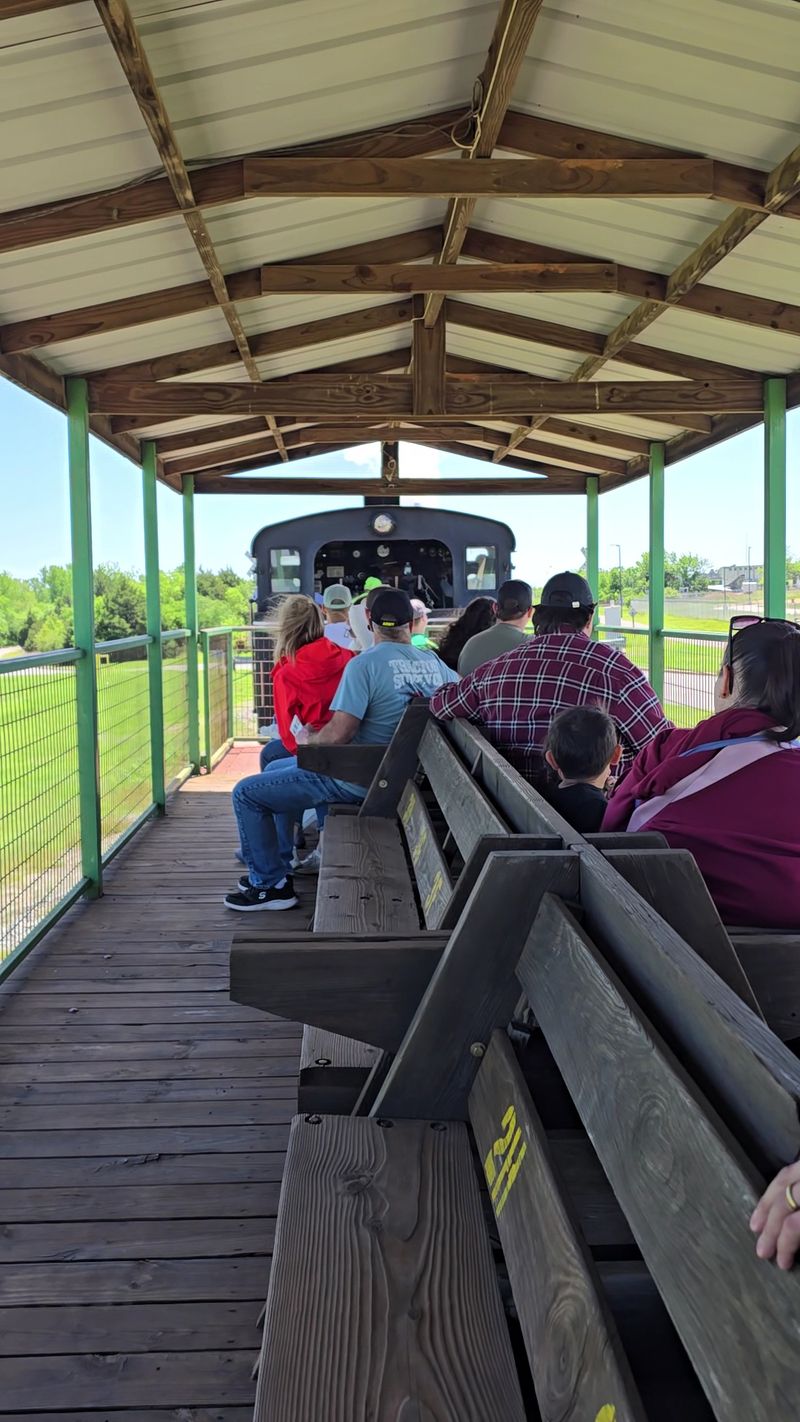
Now for the headline act.
The excursion train is the reason many families make the drive, and for about twelve dollars an adult, it is a bargain way to ride a piece of history.
Riders can choose from three different car options.
The open-air car tends to be the most popular pick for those who want the classic rail experience.
Want an insider tip?
Seats 5A and 5B sit up in the caboose cupola, and they offer some of the best views on the whole ride.
Conductors and volunteers often narrate along the way.
They share history about the preserved locomotives, tell stories, and keep passengers laughing, which turns a short trip into a lively lesson.
Set your expectations on one point.
The train does not loop around a big circuit; it travels forward and then back along the line.
Even so, many riders call the ride the highlight of their day.
Grandparents, kids, and first-time American train passengers alike step off with plenty to talk about on the drive home.
5. Miniature Rails in an Old Coach
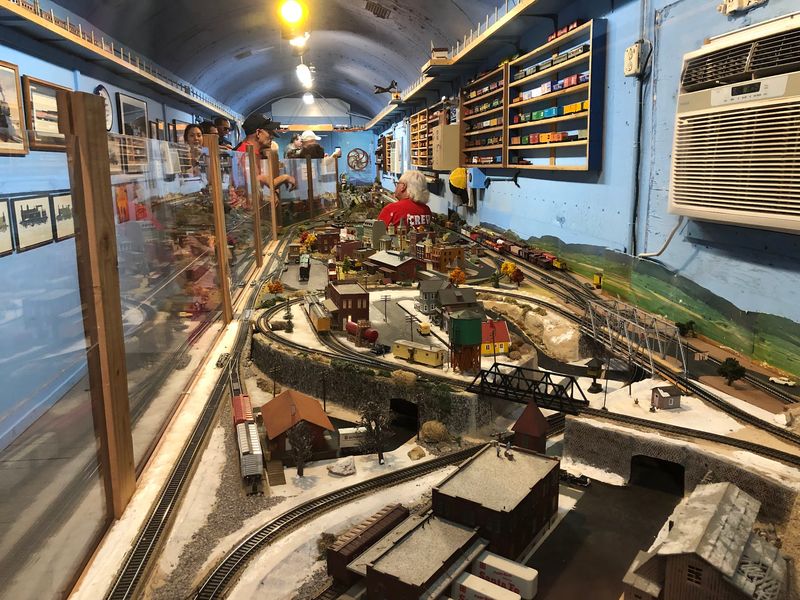
Some of the most detailed railroading on the property happens at a much smaller scale.
An HO scale model train layout sits inside one of the old coaches or baggage cars.
The layout is cleverly planned for the tight space, and it has been operational for many guests.
Model fans tend to linger here longer than they expected.
On a hot Oklahoma afternoon, this car has an added perk.
It has air conditioning, which makes it a welcome break from the outdoor yard.
Kids usually love watching the miniature trains roll past tiny buildings and scenery.
It also helps them connect the full-size engines outside with how a whole rail network once worked.
Do not be discouraged if the door is locked when you arrive.
Just ask museum staff, and they will usually open it for you.
Pair this stop with the indoor museum and gift shop, and you have a solid hour of exploring before you even think about buying a ride ticket.
6. Pajamas, Cocoa, and the Polar Express
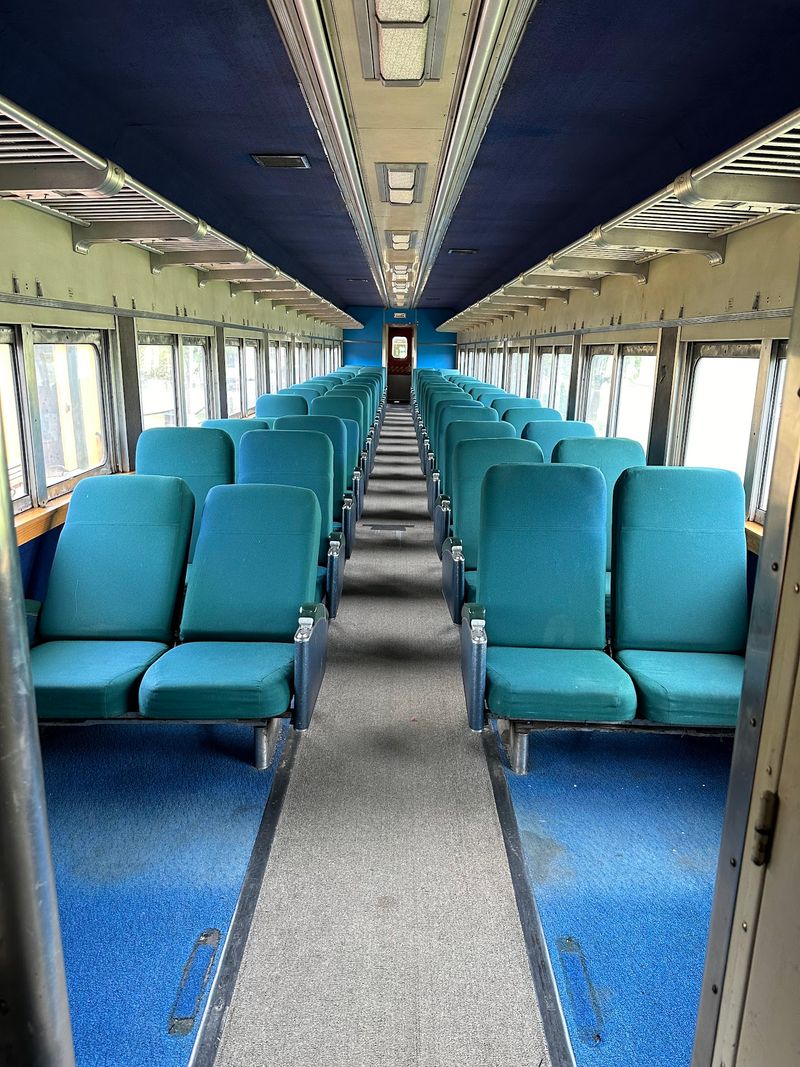
Come late in the year, the rail yard turns into one of the most talked-about holiday outings in central Oklahoma.
The Polar Express ride is easily the museum’s biggest draw.
Guests of all ages show up in pajamas, adults included.
The cast works the crowd with plenty of attention for the youngest riders, and the hot chocolate is a big hit with kids.
Before boarding, families can stroll around a little holiday town and step inside the depot.
It is an easy spot for birthday surprises and first-time family traditions.
Planning tips help a lot here.
Buying tickets ahead of time shortens the wait, and the museum recommends arriving about an hour early.
Families of four often find it worth booking a whole row so everyone sits together.
Coach seats are roomy and comfortable for the ride.
It costs more than a regular excursion, but most families call it worth the splurge.
The fall calendar also brings a Steam Train and a Halloween Train, so check the schedule early since these seasonal rides fill up.
7. Who Feels at Home Here
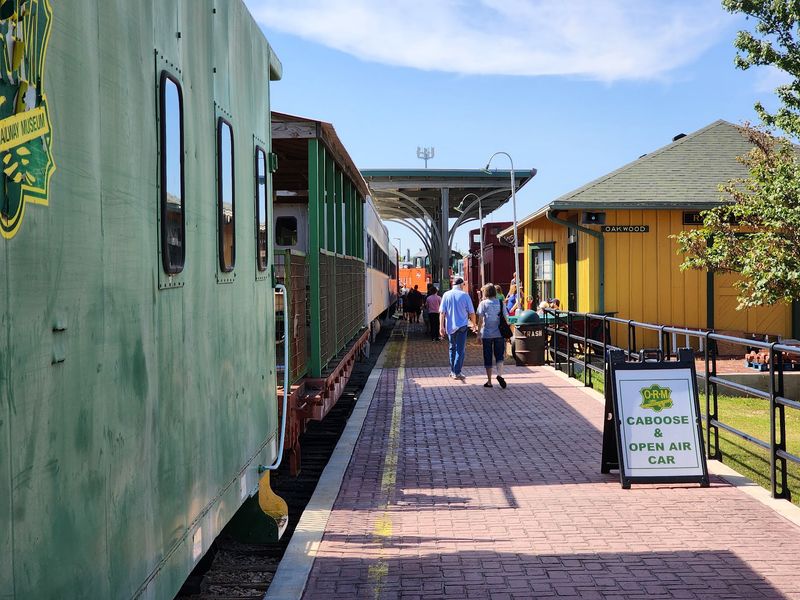
Lifelong railfans obviously have a great time here, but they are far from the only ones.
People who admit they are not into trains at all still find the engines and cars interesting.
Families get the most mileage out of a visit.
There is an area with a bounce house and putt-putt golf, giving kids more choices beyond the trains, though some kid activities may be closed on certain days.
Dogs are welcome too, which makes it an easy outing for the whole household.
The pace is relaxed.
Even on a busy weekend, the grounds tend to feel lively without becoming overwhelming.
Multigenerational groups seem especially happy.
Grandparents swap stories, kids climb into cabooses, and everyone gets to ride together on excursion days.
The museum also runs special events throughout the year, including the well-known Day Out with Thomas.
Those monthly happenings give repeat guests a fresh reason to circle back.
8. Timing Your Trip and the Verdict
Timing matters more here than at most museums.
The grounds are open Thursday, Friday, and Saturday from 9 AM to 5 PM, and closed Sunday through Wednesday.
Train rides do not run every open day.
Through the summer, excursions typically operate on the first and third Saturdays of the month, and group tours can be scheduled ahead.
Schedules and prices may change, so check the museum website before you drive.
Nothing stings like arriving to a quiet track.
Most of the collection is outdoors.
Look at the weather first, and bring sunscreen and water on hot days.
So is it worth the trip?
For a free walk through real rail history, plus an affordable ride when the schedule lines up, the answer is a confident yes.
It is not a giant complex, and some folks wish there were more to see.
Still, few places in Oklahoma let you sit in a caboose cupola one minute and roll down the line the next, all for about the cost of a lunch out.
Share this story