Most breakfast deliveries arrive by car or bike. In one corner of southeastern Oklahoma, the morning meal shows up carried by an Asian elephant holding a pail.
The town of Hugo is home to a herd of these giant animals, many of them retired from circus life. Guests can tour the grounds, feed the elephants, watch them paint, and even spend the night in a cabin or treehouse just steps from their yards.
It is one of the most unusual stops in the state, and it proves Oklahoma has far more to offer than flat prairie. Keep reading to learn where it is, how the tours work, what the overnight stays include, and what to know about hours and costs before you make the drive.
An Elephant Refuge on a Hugo Country Road
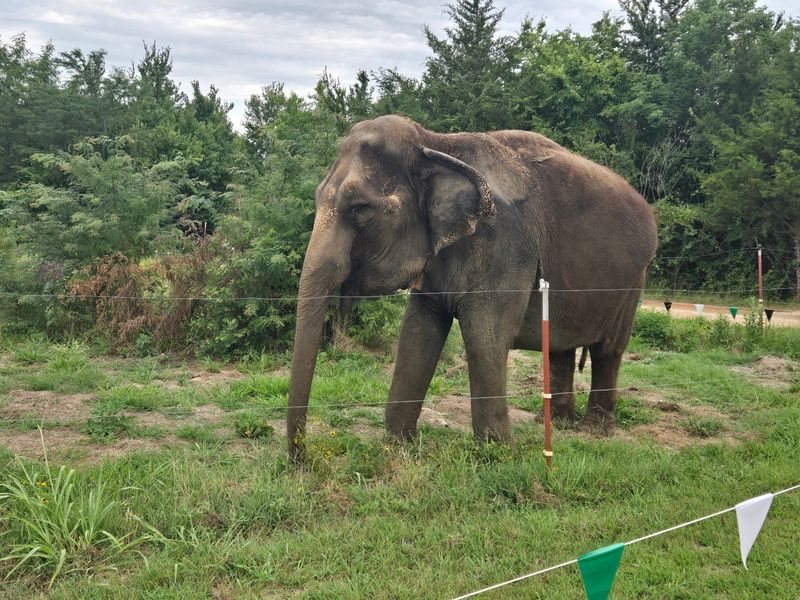
Few road trips end with an elephant waiting at the finish line. This one does.
The Endangered Ark Foundation sits at 2657 E 2070 Rd, Hugo, OK 74743, in the southeastern part of the state. It is listed as a zoo, but the place works as a refuge for Asian elephants.
Hugo is a small town, and the foundation sits out in the countryside. Parking is easy, and the walk from the lot to the indoor facility is short.
The organization is known for caring for one of the larger groups of elephants in North America. Many of the animals are retired circus elephants who now spend their days on open land.
Guests come for public tours, feeding sessions, seasonal festivals, and overnight stays. The star attraction for many is the chance to have breakfast delivered by an elephant.
Money from visits goes toward the food and care of the herd. That makes every ticket feel like a small contribution to a very large appetite.
Families from across Oklahoma and beyond make the trip, and some travel from as far as Oregon. For a state that likes to prove it is more than prairie, a herd of Asian elephants down a county road makes a strong case.
Circus Roots in a Small Oklahoma Town
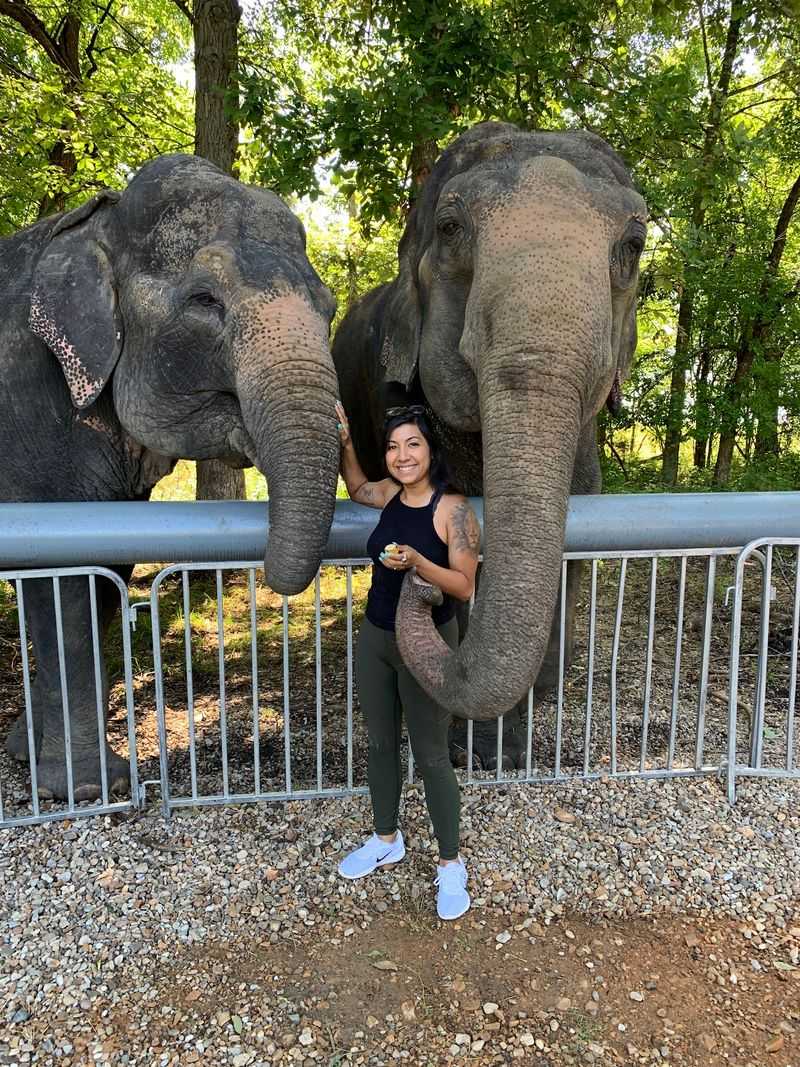
Hugo has a long link to traveling shows, and the elephants here carry part of that story. Many of the animals came from circus life before settling on this land.
The foundation has ties to the Carson and Barnes Circus. During tours, staff explain that most of the elephants came from a circus background.
The family connection runs deep. A grandson of the original owner has been known to greet guests and help lead tours.
Today the focus is on retirement, education, and care rather than performances in a big top. The herd lives on a property that staff describe as more than 250 acres.
Not everyone sees the history the same way. Some guests leave praising the space and care, while others raise concerns about how the animals are kept and point to animal welfare groups that have criticized the operation.
That mix of opinions is worth knowing before you go. Doing a little reading ahead of time helps you form your own view of the place.
Either way, the story here is part frontier showbiz and part modern conservation talk. It is a slice of Oklahoma history you will not find in a textbook.
Breakfast Served by a Trunk
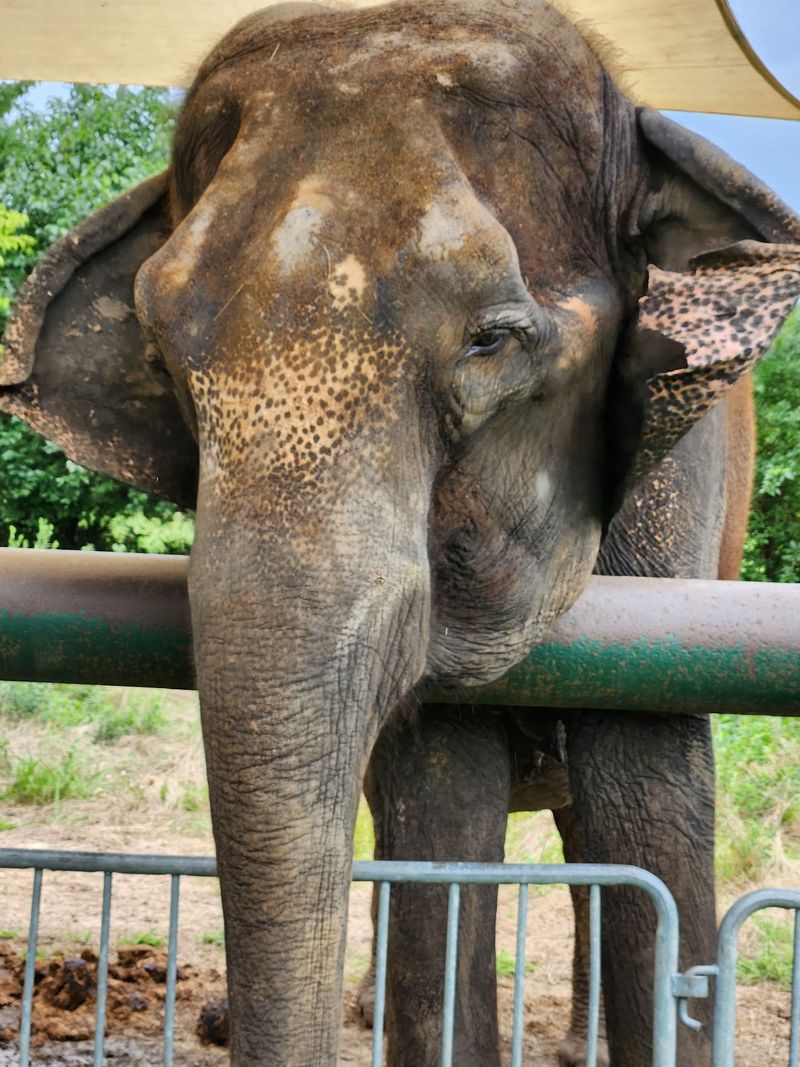
Room service rarely weighs several tons. Here, it does.
Guests who book an overnight stay can have their breakfast delivered by one of the elephants. The animal carries the meal in a pail right up to the cabin or treehouse.
After the delivery, guests get time to visit with the elephant. Many get to hand over bananas or other fresh fruit as a thank you.
Several elephants have taken a turn on breakfast duty. Delrita and Ilia are two names that guests mention with real fondness.
Some overnight packages also include dinner delivered to your lodging the night before. An evening feeding session with an elephant can be added too.
Weather can change plans. On stormy days, staff may switch to alternate arrangements, so flexibility helps.
For many, this breakfast is a bucket list moment. Plenty of guests say they plan to return just to do it again.
Cabins and Treehouses Steps From the Herd
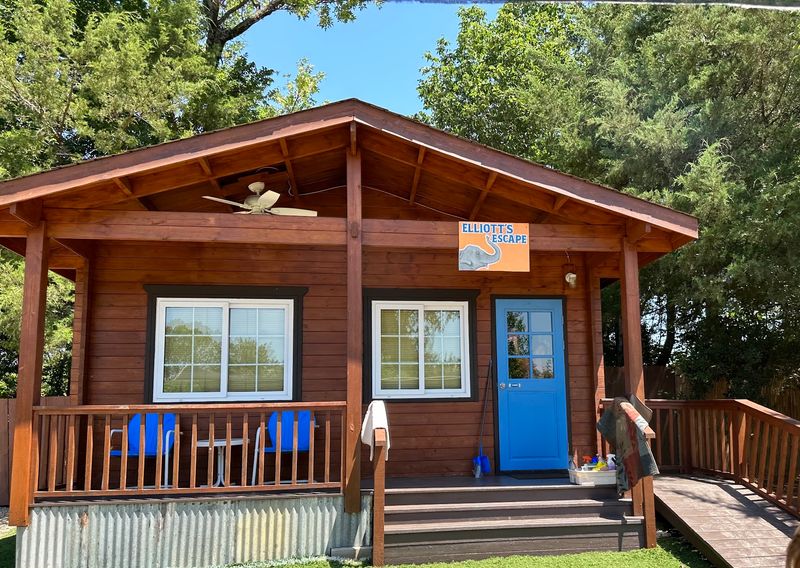
Some vacation rentals brag about lake views. These come with elephant views.
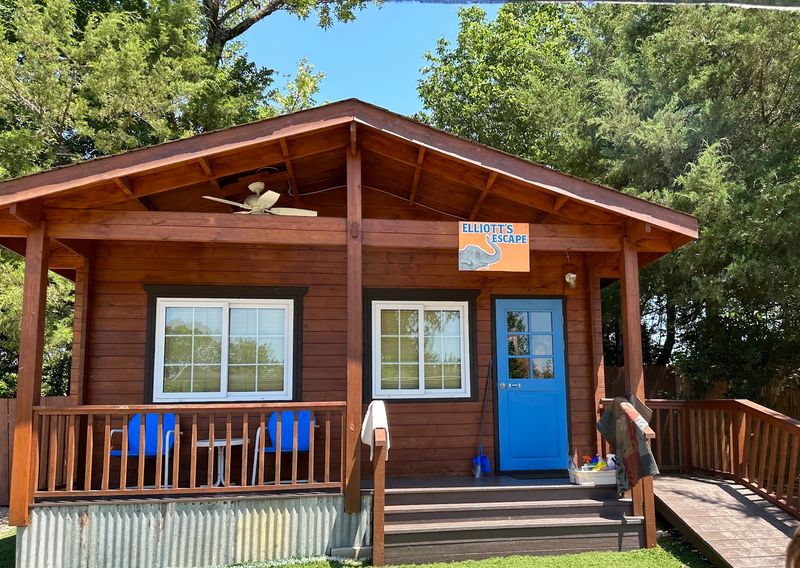
The foundation offers overnight cabins and treehouses on the grounds. The elephants are right outside, which is a big part of the appeal.
Cabin prices vary based on demand and the day of the week. Past figures ranged from around $300 to $500 a night, though rates may change, so check before booking.
Some guests book through outside agencies, such as an Oklahoma adventure booking service. Others reserve directly.
Stays often pair well with a public tour the day before or after. Guests sometimes do the tour on one day and the overnight on the next.
Staff respond quickly when problems pop up. After one storm caused a roof leak in a treehouse, the team covered it with a tarp, changed the bedding, and offered a partial refund.
The treehouses have a loyal following. Plenty of cabin guests leave already planning a treehouse stay for next time.
The Public Tour, Step by Step
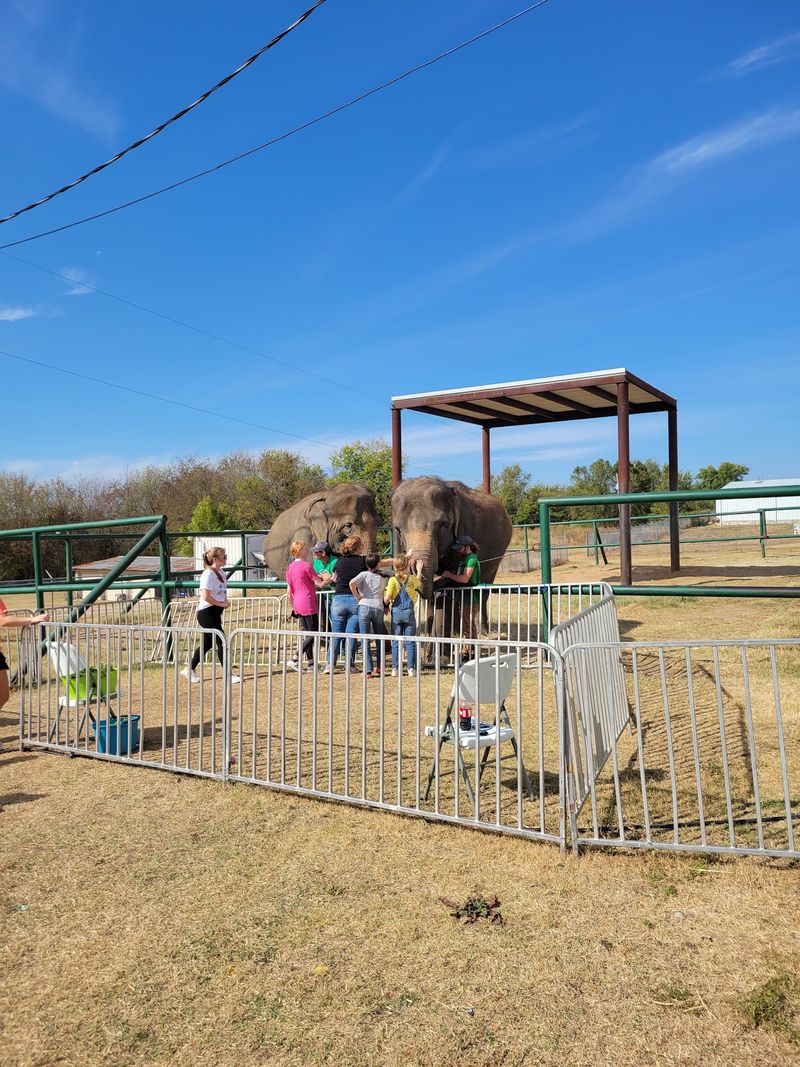
The standard tour runs about an hour and follows a simple path. It starts indoors and ends out on the land with the elephants.
First comes an educational presentation. Keepers talk about elephant biology and care, often with a foot care demonstration and a few basic behaviors.
Next, guests board a covered wagon or trolley-style ride. It rolls through the grounds where the elephants roam.
At a stop near the back of the property, families get time with a couple of elephants. Everyone can offer a snack, pet them, and take photos.
Staff have been known to snap pictures for families so parents can enjoy the moment. Groups of about 15 to 20 guests with six or more staff have been typical.
Not every guest feels the timing is long enough. Some say the feeding portion felt rushed, with only a minute or two per person.
Most leave calling it educational and fun for adults and kids alike. Then the wagon brings everyone back to where it all began.
Carrots, Bananas, and Big Appetites
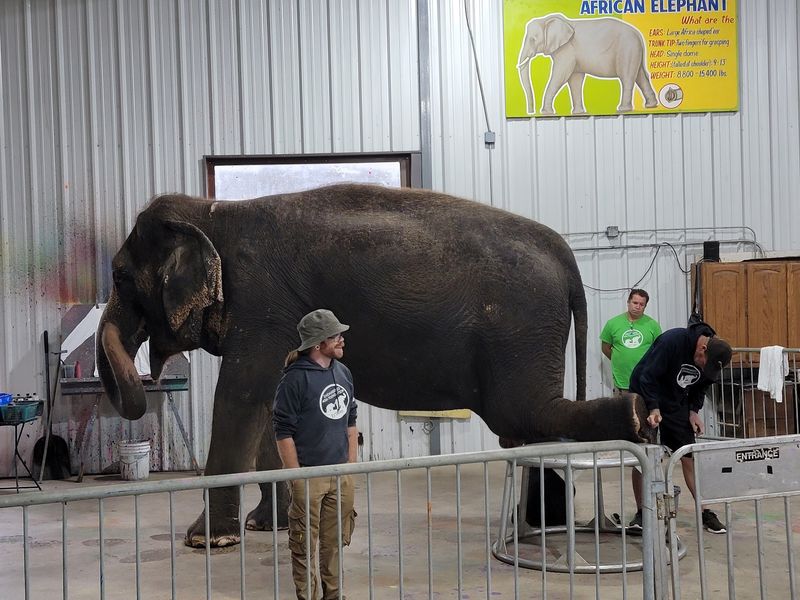
An elephant trunk reaching for a carrot is a moment kids remember for years. Feeding is easily the most talked-about part of a visit.
Guests hand over carrots, veggies, bananas, and fresh fruit depending on the experience. Group feedings happen during tours, and private sessions come with some packages.
During presentations, a random drawing may let one lucky guest give an elephant a popsicle. It tends to be a crowd favorite.
Petting is part of the fun too. Many guests describe the chance to touch an elephant as the highlight of their trip.
Staff sometimes go the extra mile. One keeper took down a fence so a guest could meet an elephant named Bunny, a name that held special family meaning.
Those small acts of kindness come up again and again. The staff earn praise for patience and friendliness.
Bring your camera and a free hand. The elephants will happily take care of the rest.
Art With a Trunk Signature
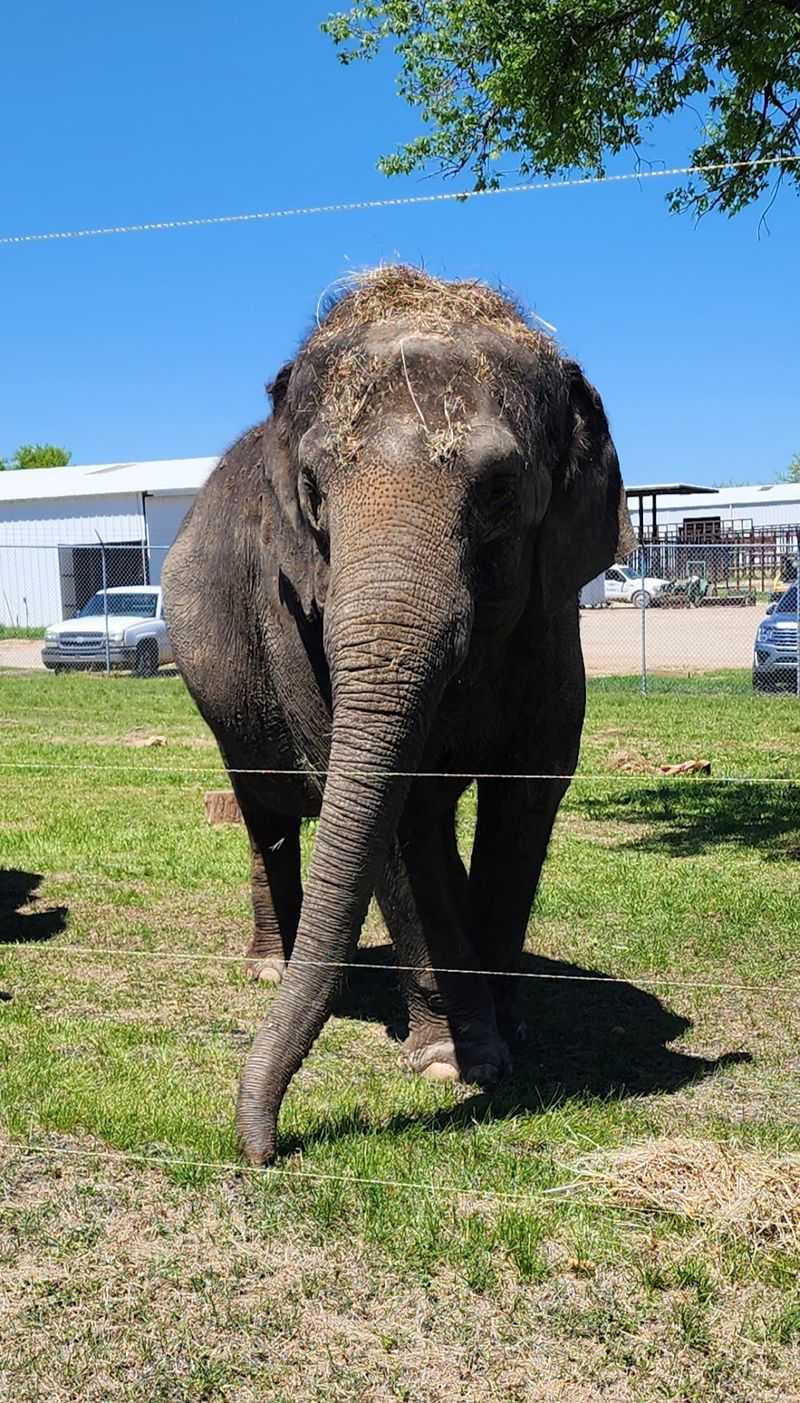
Most artists do not weigh more than a pickup truck. The painters here do.
During some presentations, an elephant creates a painting while the audience watches. The finished piece is then auctioned off to raise money for food and care.
Winning bidders may get a photo with the elephant and the artwork. One family even got an elephant to hold up a happy birthday sign for their daughter.
Elephants also paint T-shirts. Kids often leave thrilled to bring one home.
Footprint art is another keepsake option. Some guests proudly hang an elephant footprint in their homes.
The gift shop carries elephant art and shirts as well. Prices there are known to be reasonable.
It is a souvenir that beats any refrigerator magnet. And it helps pay the grocery bill for a very hungry herd.
Bath Time for the Biggest Guests
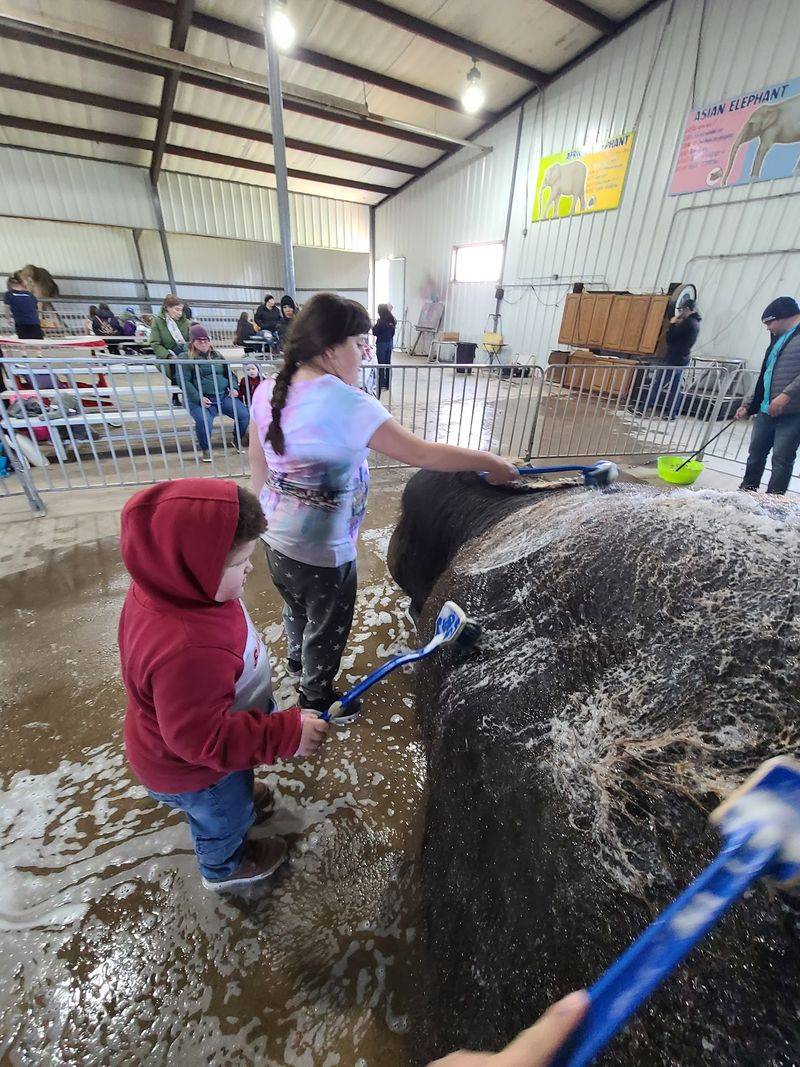
Scrubbing an elephant is not your average chore. At this sanctuary, some guests get to try it.
Certain experiences let visitors help bathe the elephants. It is listed among the hands-on moments people talk about most.
Bathing often comes alongside feeding and petting. Together, they make for an up-close experience that few places in the region can match.
Elephant care is a big theme of every visit. Keepers explain routines like foot care and daily handling.
Guests frequently describe these sessions as once in a lifetime. Many say they learned far more than they expected.
Availability varies by package and season. Call ahead or check the website to see which experiences are offered on your date.
Wear clothes you do not mind getting wet. Elephants are not known for tidy bath habits.
Pumpkin Patch Season and Holiday Events
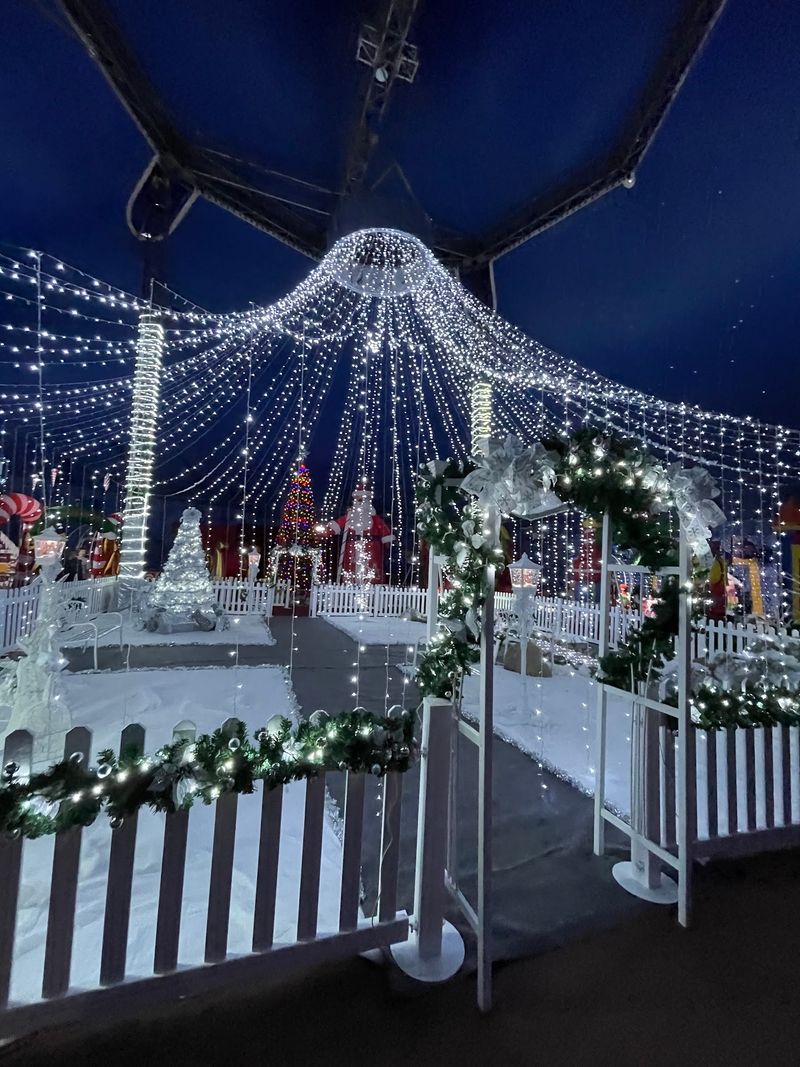
Fall brings a different kind of crowd to the grounds. The foundation hosts a pumpkin patch festival that families return to year after year.
Hay rides pass by the elephants, and guests can feed them veggies. General admission has included an elephant tour, while some other activities need extra tickets.
Past events have featured rides, games, bounce areas, and unlimited zip lines. Kids and grandparents alike have left worn out and happy.
Winter has brought a Christmas event too. One year it cost $25 per adult, with infants admitted free, and the tent was decked out with seasonal decorations and music.
Open houses have also offered a more affordable way to visit. Prices and event dates change, so check before you plan.
The grounds even hosted crowds for a solar eclipse. Special events here seem to come with a trunk-sized twist.
Seasonal events make a great first visit for families on a budget. Mark your fall calendar early.
Who Will Love It Most
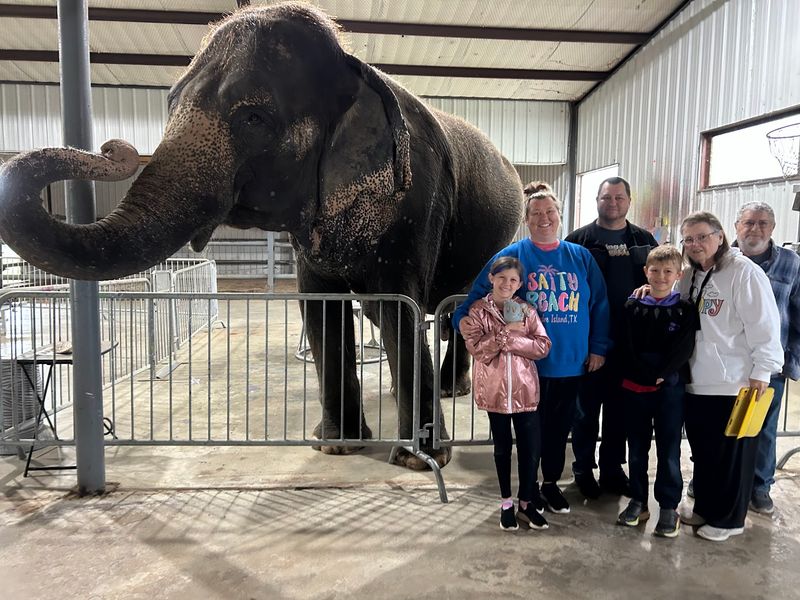
Little elephant lovers top the list. Birthday trips for kids are common, and many call it the best day ever.
Adults have their own bucket lists too. Some guests celebrate milestone birthdays here just to finally feed an elephant.
Multi-generational groups do well, since there is not much walking. A free shuttle takes those with mobility needs from the parking area to the facility.
Guests using walkers have been able to join every activity with help from staff. That kind of support earns a lot of gratitude.
Animal lovers who want to learn should also enjoy the presentations. The educational side is strong for all ages.
Those with deep concerns about captive elephants may want to research first. Opinions on the facility are not unanimous.
For most families, though, it lands as a warm, memorable outing. It is the kind of trip kids talk about at school on Monday.
What It Costs to Visit
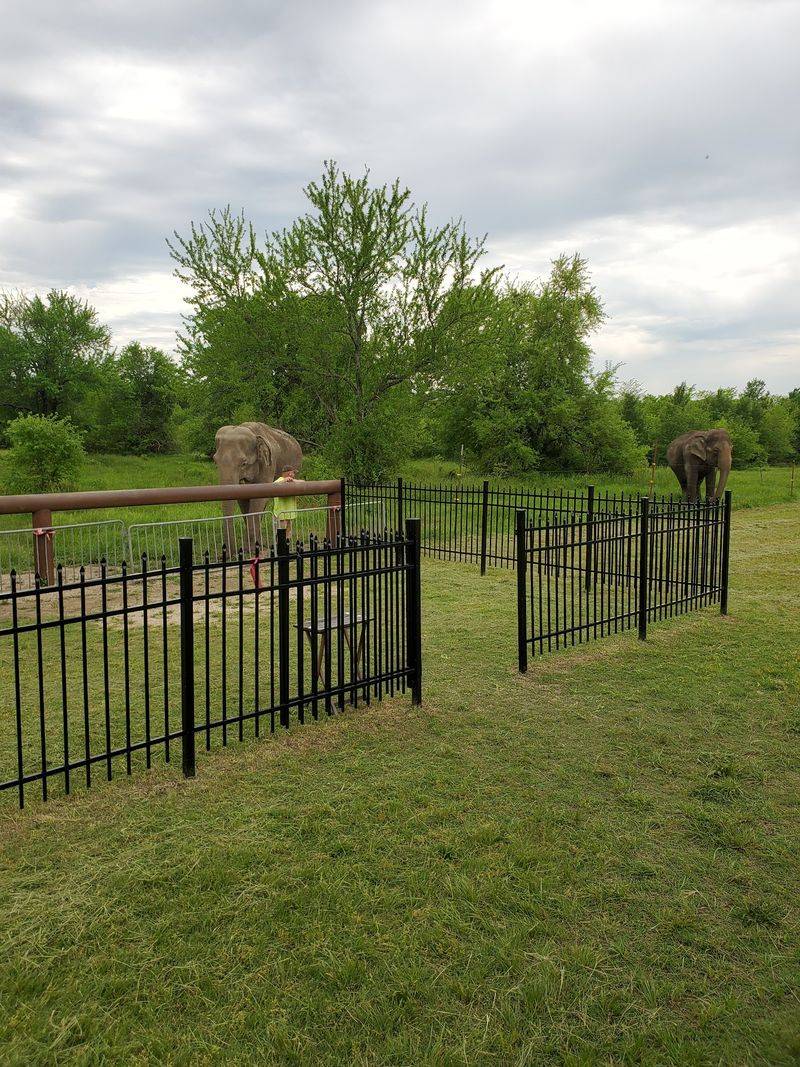
Feeding an elephant is not cheap, and neither is the ticket. Still, many guests feel the money goes to a good cause.
Past tour prices were $50 for adults and $25 for kids. Prices may change, so confirm before you drive.
Cabins and treehouses cost more, with past rates running roughly $300 to $500 a night. Add-ons like evening feedings raise the total.
Seasonal events can be more budget-friendly. Open houses and holiday events have offered lower entry fees.
Proceeds go toward the feeding and care of the elephants. That point comes up often when guests explain why the cost felt fair.
Some still call it pricey, especially for a short feeding window. Others happily spend extra once they arrive.
Planning ahead helps keep costs clear. Booking online in advance is a smart move.
Hours and Trip Planning Tips
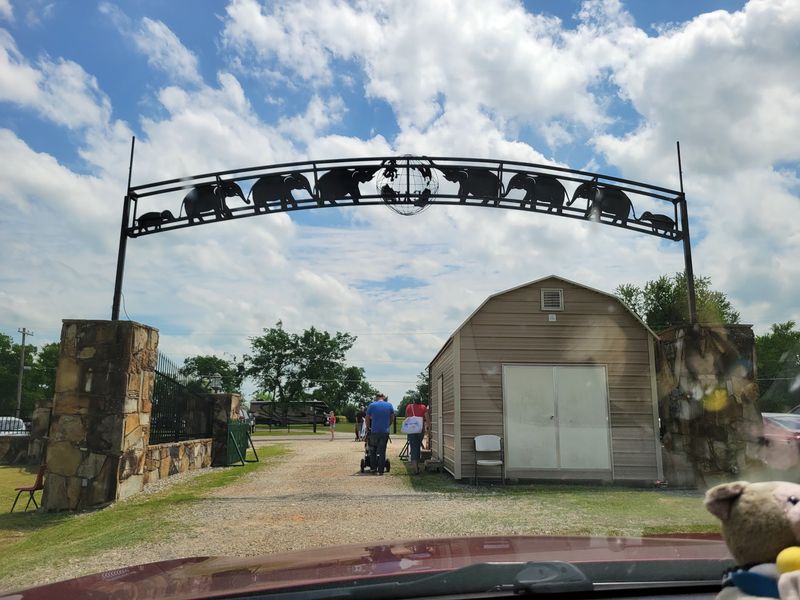
Timing matters when elephants keep a schedule. The foundation posts regular hours for most of the week.
Monday through Friday, hours run from 9 AM to 4 PM. Saturday runs from 9 AM to 5 PM, and Sunday from 1 to 5 PM.
Hours may change with seasons and events. Check the website at endangeredarkfoundation.org before you head out.
Tours run by reservation, so book ahead. Staff have been known to call late guests to make sure they are not lost.
Hugo is a few hours from Oklahoma City and Tulsa. Plan for a full day trip or an overnight stay.
Watch the forecast, since storms can shift outdoor plans. A backup plan keeps the day stress-free.
Arrive a little early to browse the gift shop. It is a nice way to start before the wagon rolls.
A Trunk-Sized Reason to Drive South
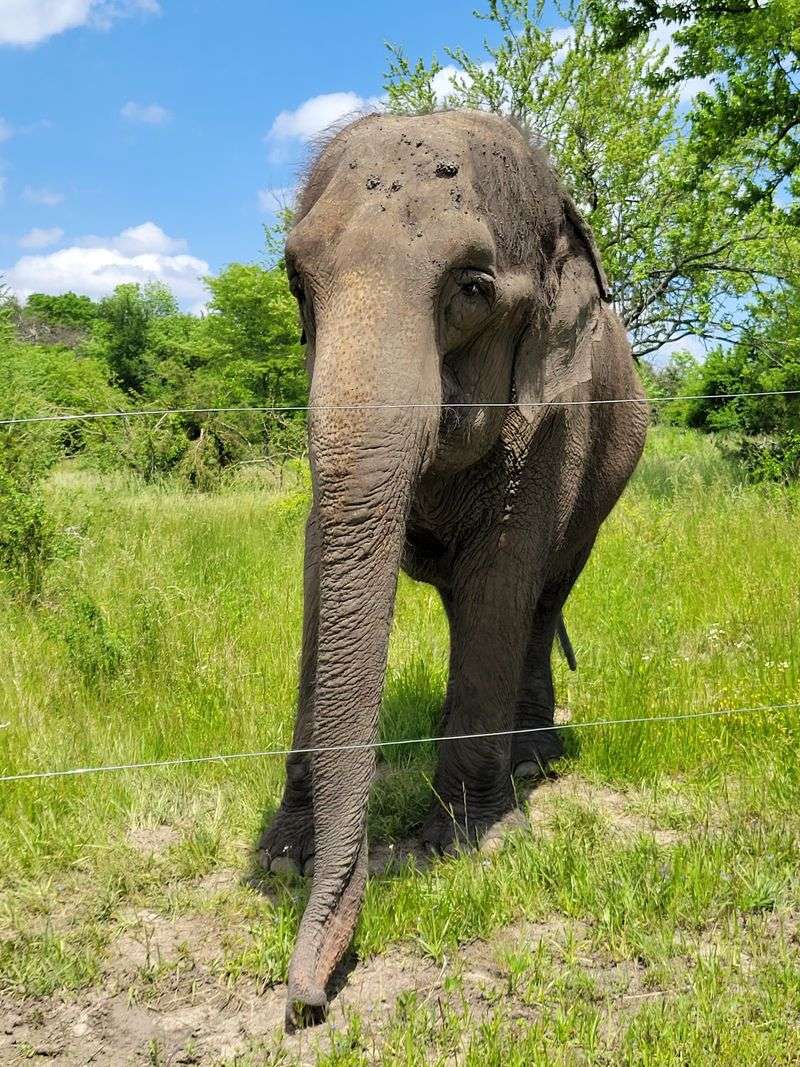
Southeastern Oklahoma is full of lakes and forests, but this herd adds something unexpected. A morning with an elephant is hard to top.
The tours teach, the feedings delight, and the overnight stays create stories for years. Seasonal festivals give families a cheaper way in.
It is not a perfect fit for everyone. Prices run high, and some guests question how the animals are kept.
Reading up before you go helps you decide what feels right. That is good practice for any animal facility.
For many families, the trip delivers pure joy. Kids leave with paintings, adults leave with photos, and everyone leaves with something to talk about.
Hugo may be a small town, but its residents are some of the largest in the state. That alone makes it a fun weekend story.
Pack the car, book your spot, and head south. Breakfast may be waiting, pail in trunk.
Share this story