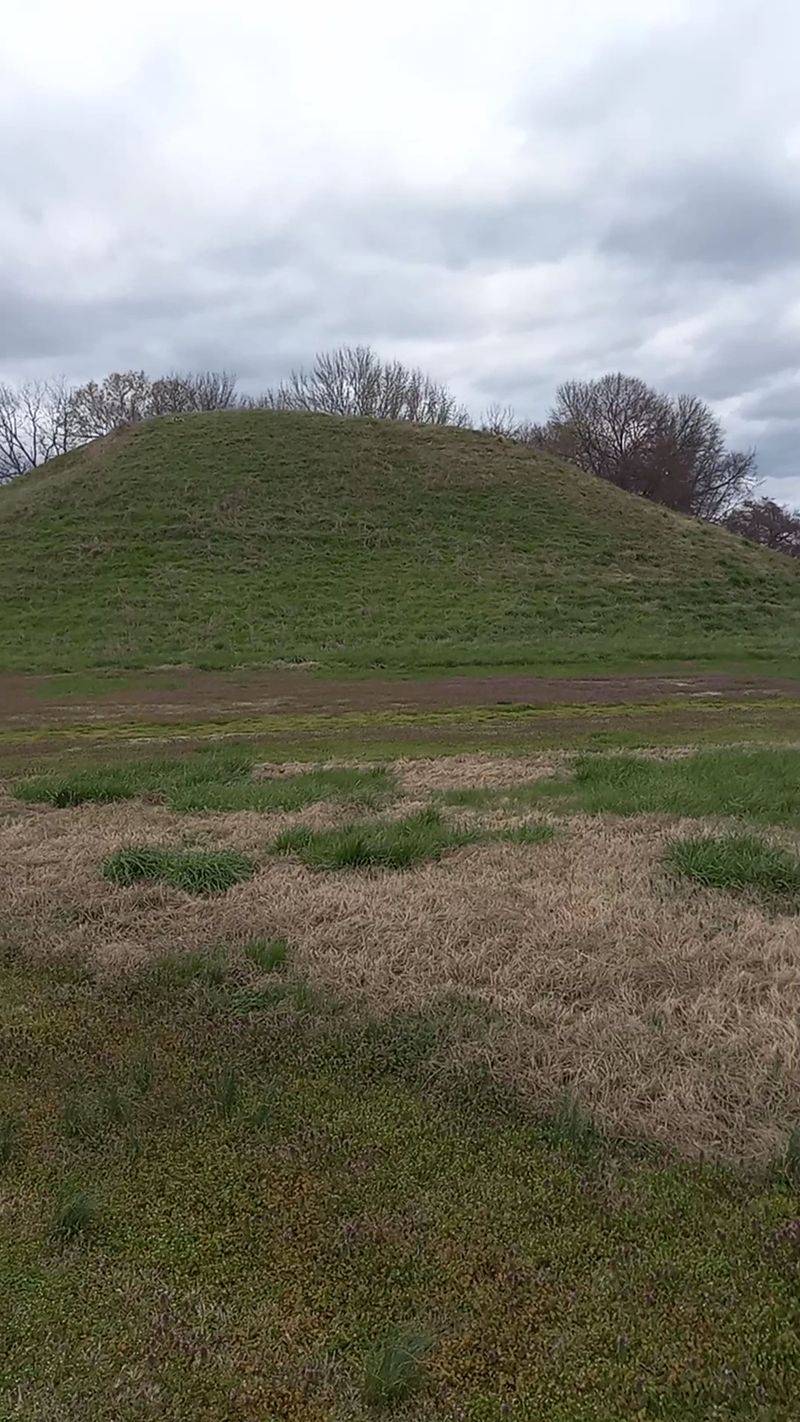
Just outside Little Rock, three grassy hills rise out of flat farm fields, and they have been standing for about a thousand years. Nobody can say for sure why they were built, and that mystery is what makes October such a fun time to go.
A paved path loops around them, a boardwalk leads toward cypress trees, and a small museum holds the clues. Admission is free, so the biggest cost is curiosity.
This guide walks through what to see, where to go, and how to plan a visit that fits families and adults alike.
Where the Mounds Rise Near Scott
Plum Bayou Mounds Archeological State Park sits at 490 Toltec Mounds Rd, Scott, AR 72142, in central Arkansas. It is a short drive from downtown Little Rock and close to I-40, which makes it an easy stop on a longer trip.
The park is listed as a landmark archaeological site, and it protects the tallest American Indian mounds in the state. Flat farm fields surround the grounds, so the hills stand out clearly from the road.
Many travelers use it as a break from a long drive. A visit can fit into a morning, and the park has a visitor center, a gift shop, restrooms, and a picnic area near the parking lot.
For anyone planning an autumn outing, the location is a big plus. Little Rock is close, the roads are simple, and the site offers a full dose of history without a full day of travel.
A Thousand Years of Quiet History
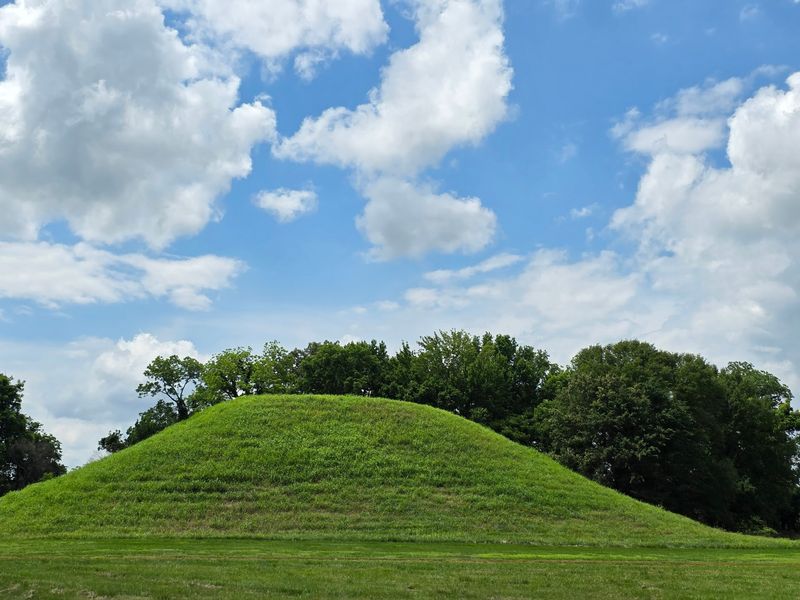
Long before Arkansas had highways, the Plum Bayou people lived here and shaped the land with earth. The mounds that remain today date back roughly a thousand years.
The site is also known as Toltec Mounds, a name that still appears on the road leading in. Guide booklets along the trails explain the history of the Plum Bayou culture and how the community used the space.
Staff members are known for answering questions and adding context beyond the signs. Some guests wish there were even more research on why the mounds were made, which shows how much is still unknown.
That open question gives the place its pull. History here feels unfinished, and the park invites guests to think about what remains to be found.
Three Mounds Standing Tall
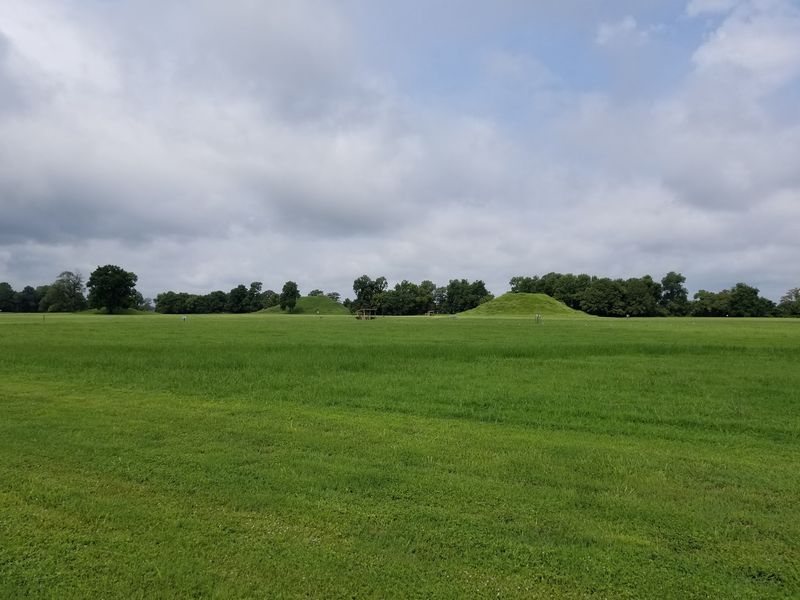
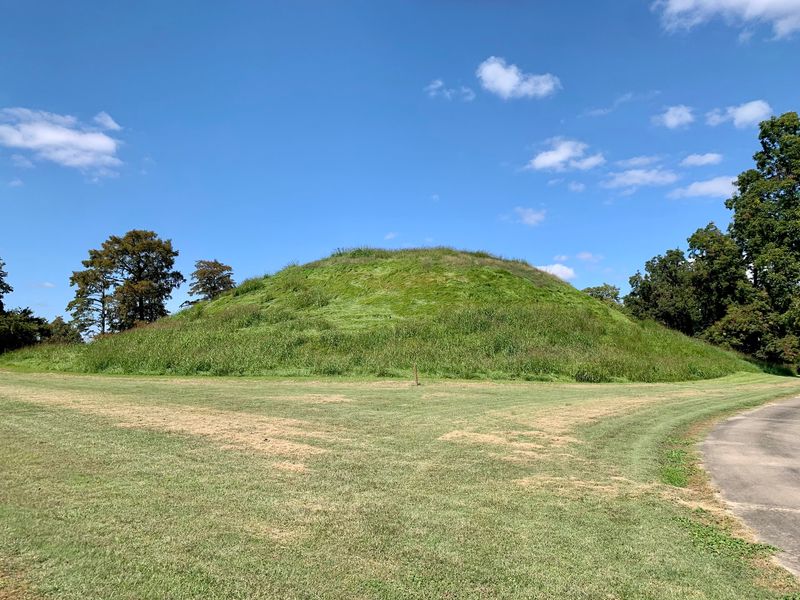
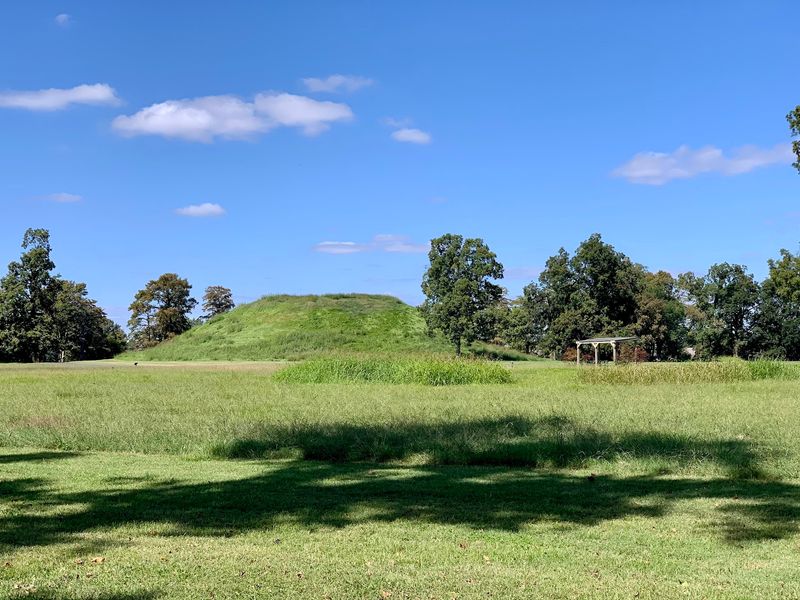
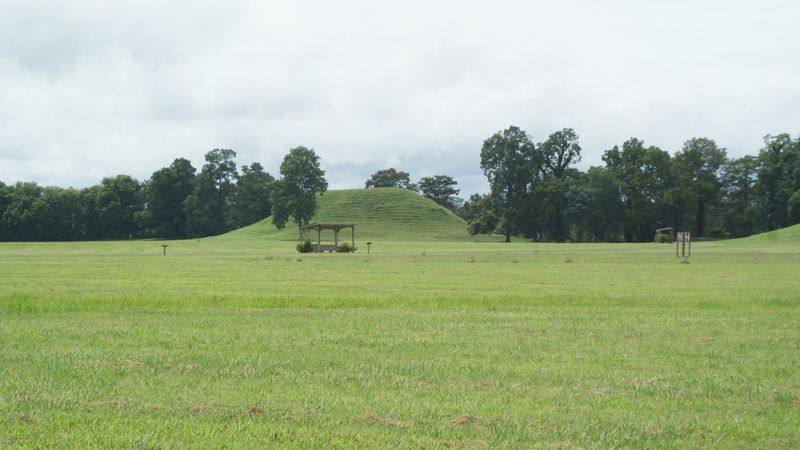
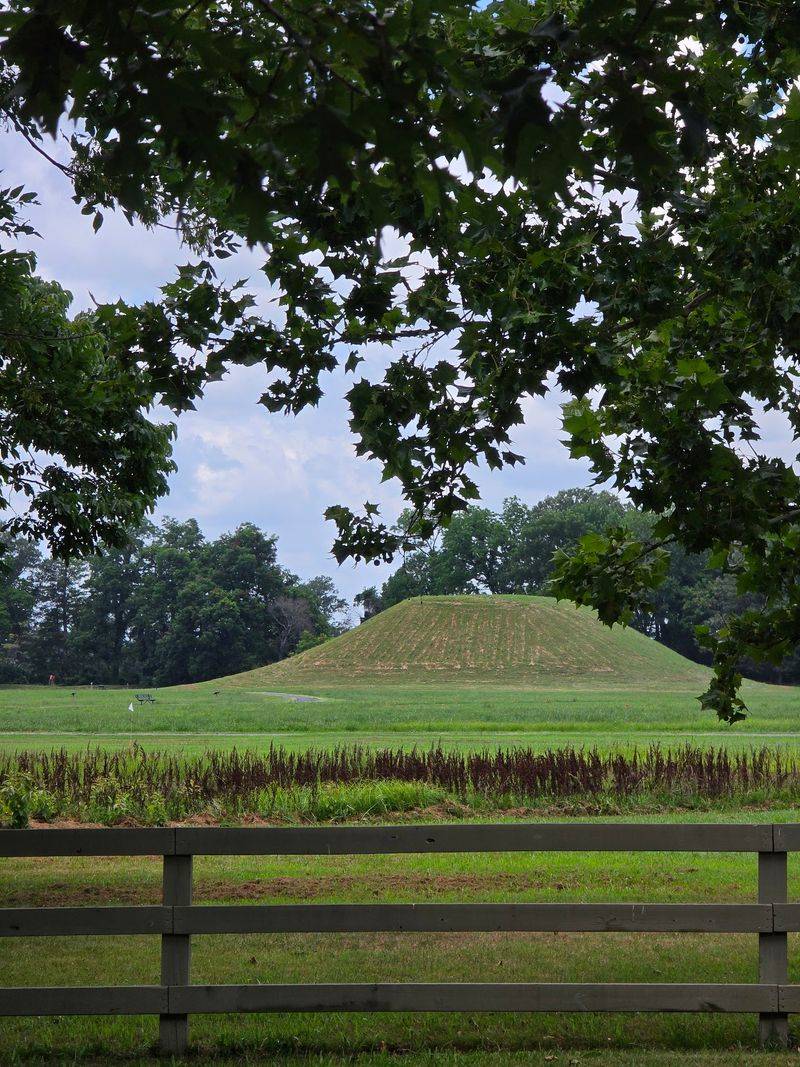
Only three of the larger mounds remain on the grounds, yet they dominate the skyline. They are the tallest American Indian mounds in Arkansas, and they look striking against the flat land around them.
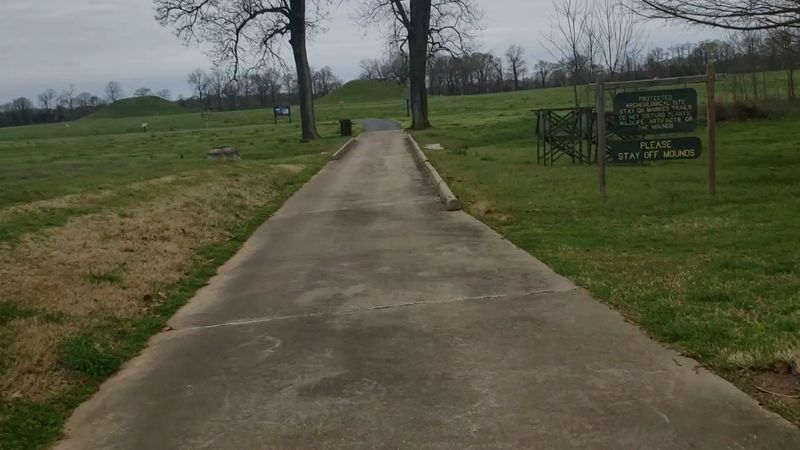
Guests are asked to stay off the mounds, so the best views come from the trail. Signs along the way describe what each rise is and how it fits into the larger site.
Some say the mounds mean more once the displays in the welcome center have been seen first. That order helps, since the exhibits explain what the grassy shapes represent.
Photographers tend to like early or late hours, when the light stretches across the lawns. The shapes are simple, but the story behind them keeps people looking.
The Paved Loop Around the Hills
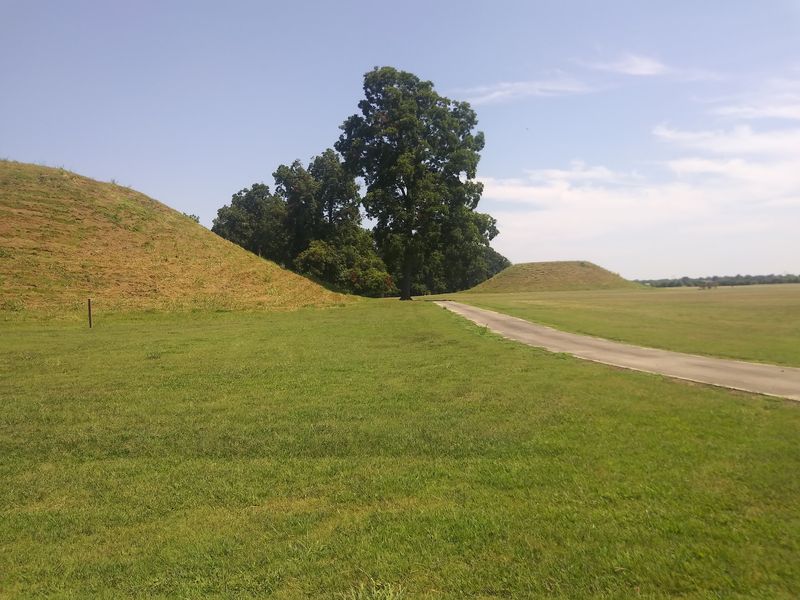
A paved trail of about three-quarters of a mile circles the mounds, and it is the easiest way to see the main features. Rest benches appear along the route, so the pace can be as slow as needed.
The loop is often called the Knappe trail. It works well for strollers, small groups, and anyone who prefers smooth ground.
Most guests finish the walk in about 45 minutes to an hour, including time to read the signs. That makes it a good fit for a short outing or a break between other stops.
One past guest noted that waterfowl leave messes on parts of the concrete, so watching your step is wise. Otherwise, the loop is simple, tidy, and welcoming.
Longer Trails for Bigger Appetites
Anyone wanting more distance can add a dirt trail of roughly a mile and a half. It offers a longer stretch of walking and a bit more room to wander.
Some guests describe another trail option at about three and a half miles, so checking the current trail map at the visitor center is a smart move. The details can help in choosing the right route.
Guide booklets are available for the trails, and they connect the landscape to the Plum Bayou story. One guest said a stroller handled the longer path without trouble, though the paved loop was chosen that day.
The extra distance also suits adults who want some exercise with their history. A mix of fields, water, and trees keeps the route interesting from start to finish.
Boardwalks, Cypress, and the Water’s Edge
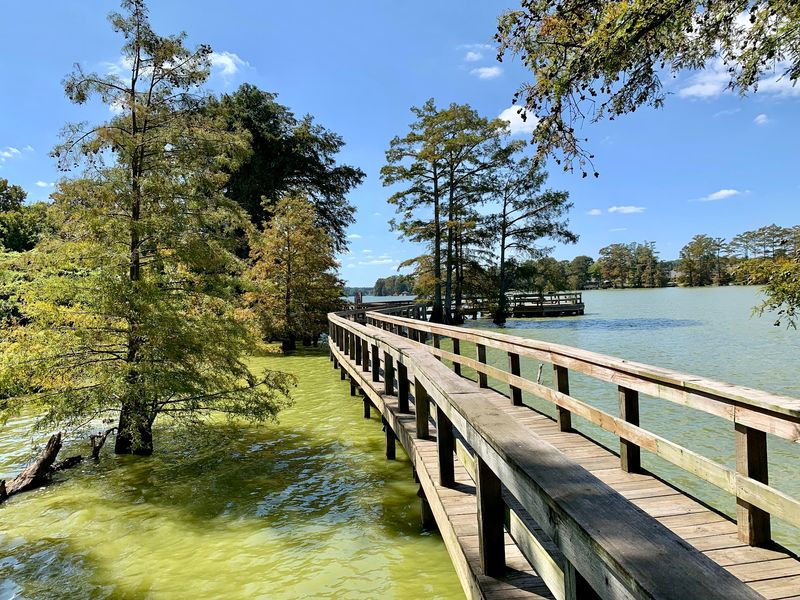
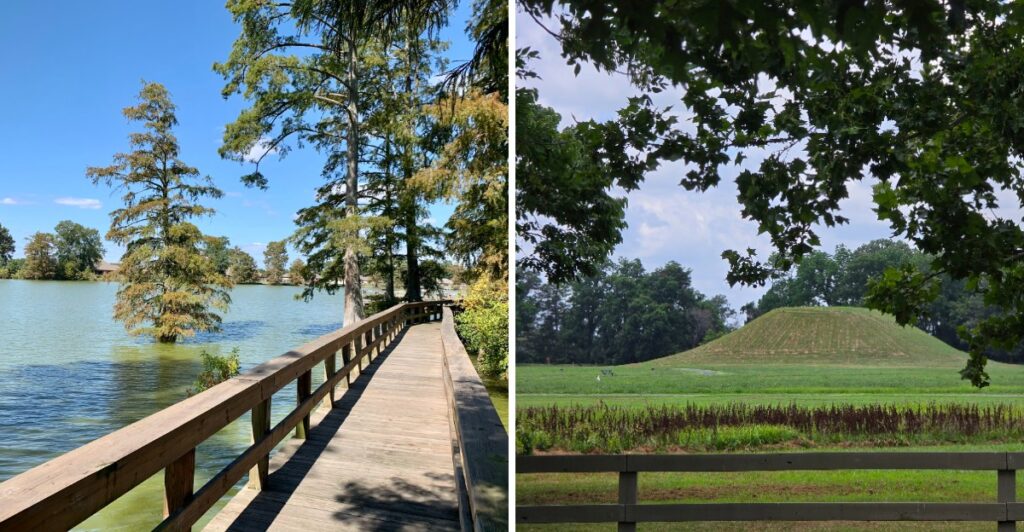
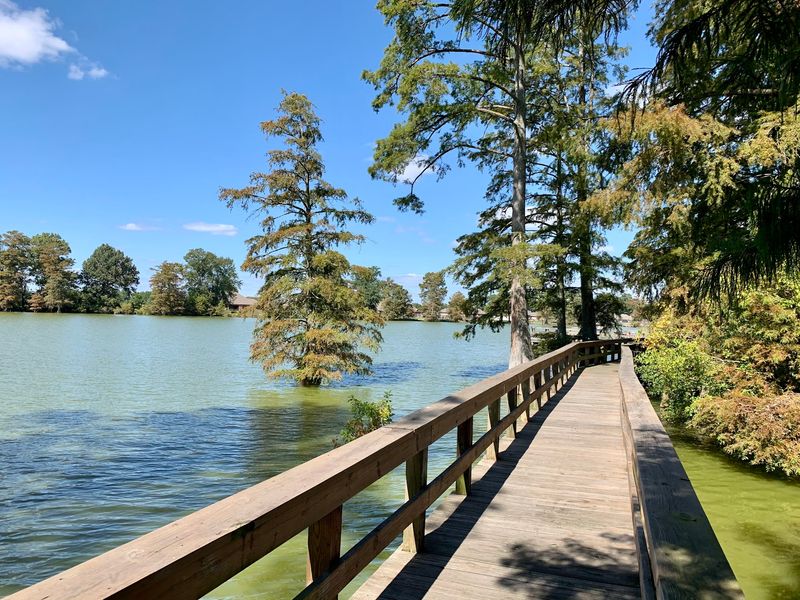
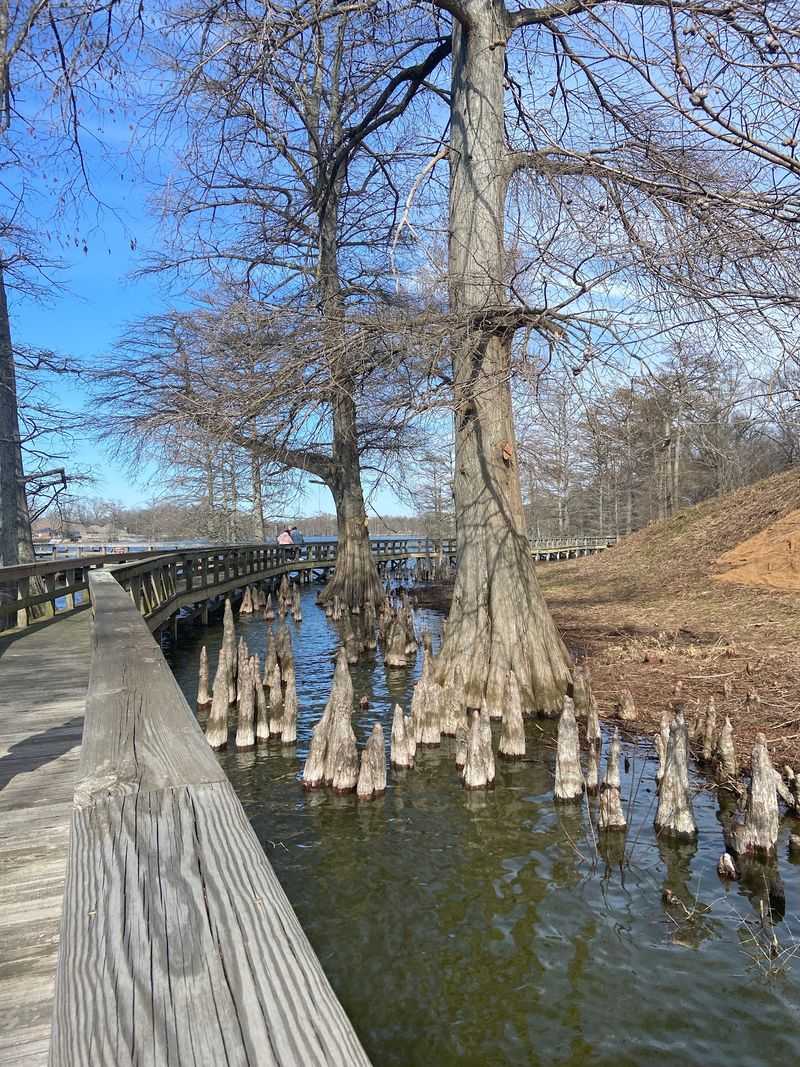
Bald cypress trees stand in the water on the far side of the grounds, and a boardwalk is meant to bring guests close to them. It is one of the most mentioned features of the park.
Access can change, though. At times the boardwalk has been closed for damage, and one guest still managed a walk by the lake instead.
Another guest felt let down when the water and the bridge could not be reached at all. Checking with park staff before the trip is a simple way to avoid that surprise.
When the path is open, it gives a calm break from the mound views. Cypress knees, still water, and open sky make a good setting for a slow stop.
Inside the Visitor Center
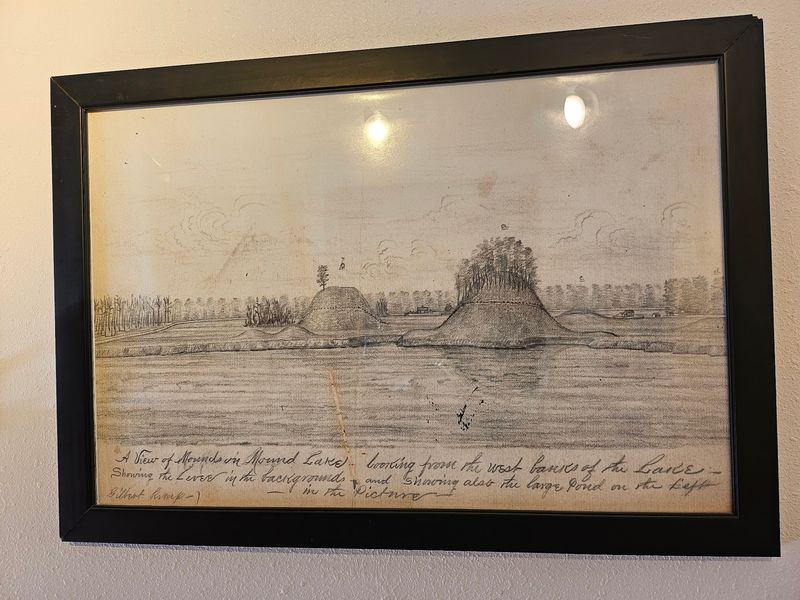
The visitor center is where the site starts to make sense. Displays cover the history of the area, and artifacts fill the cases.
Hands-on exhibits keep children busy, and an exhibit with animal hides is a favorite with school groups. Adults tend to linger over the artifact cases and the maps.
It is wise to see the museum before heading outside. The exhibits explain what the mounds were and how the Plum Bayou people lived, so the walk carries more meaning.
The indoor space also offers relief on a hot day. One pair of guests said summer heat drove them inside, and they were glad to find so much to read and see.
A Peek Behind the Lab Curtain
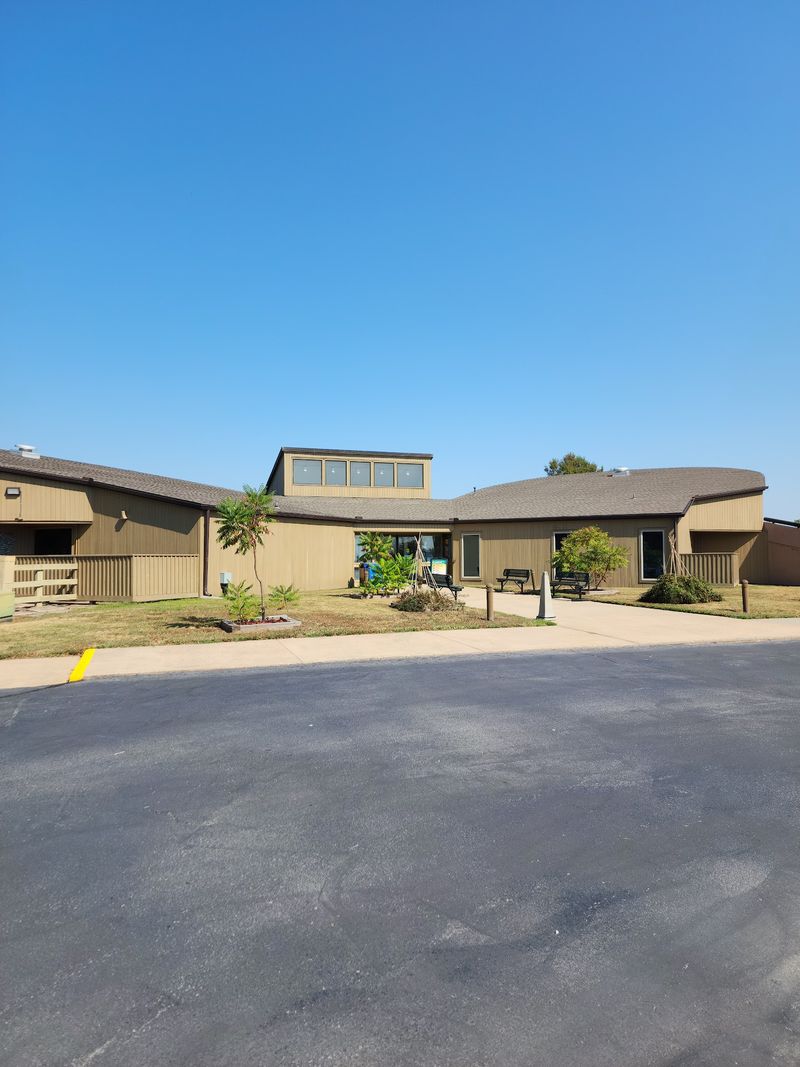
One standout detail is the on-site archaeology lab. Guests can look in and watch staff clean, identify, and catalog artifacts found at the site.
That view makes the work feel current. Finds are still being studied, and the lab shows how pieces of the past move from the ground to the display case.
Families say the children grew curious once they saw real people handling real objects. It adds a layer to the visit that signs alone cannot offer.
For October visitors, the lab adds a touch of detective work to the season. The mounds hold secrets, and the lab is where some of them get sorted out.
Rangers Who Love Questions
Staff members are a big part of the experience. Guests regularly mention that rangers are friendly, informative, and happy to chat.
They answer questions about the mounds, the artifacts, and the trails. Several people said the conversations were a highlight of the stop.
Some guests also mention a tram tour with an interpreter that walks groups through the various sites. Availability can vary, so confirming it ahead of time is a good idea.
With knowledgeable people on hand, even a quick visit feels guided. A few questions at the front desk can change a simple stroll into a deeper lesson.
Field Trips and Hands-On Fun
School and homeschool groups often fill the grounds. Children have taken mound tour walks, dug up artifacts, made pottery, and eaten lunch outside.
Spear throwing has been part of past programs too, and kids tend to remember it. Activities can change from year to year, so groups should ask about current offerings.
Small groups find the park a good size. The trails are short, the museum is easy to navigate, and the topics are friendly to curious young minds.
This is a clearly family-friendly stop, especially for ages that enjoy learning by doing. Parents can pair the visit with a picnic and make a full outing of it.
A Calm Walk for Grown-Ups
Adults will find plenty here, too. The grounds are quiet, and guests describe getting lost in thought while walking.
Some come for exercise, others for reflection on the people who lived here long ago. The mix of history and open space suits a slow, thoughtful afternoon.
Fall is a good choice for this kind of visit. One guest suggested spring or autumn over summer, since the heat can cut a visit short.
The mystery around the mounds adds a Halloween-season mood without any staged scares. It is a grown-up outing built on curiosity and a good walking path.
The Gift Shop Stop
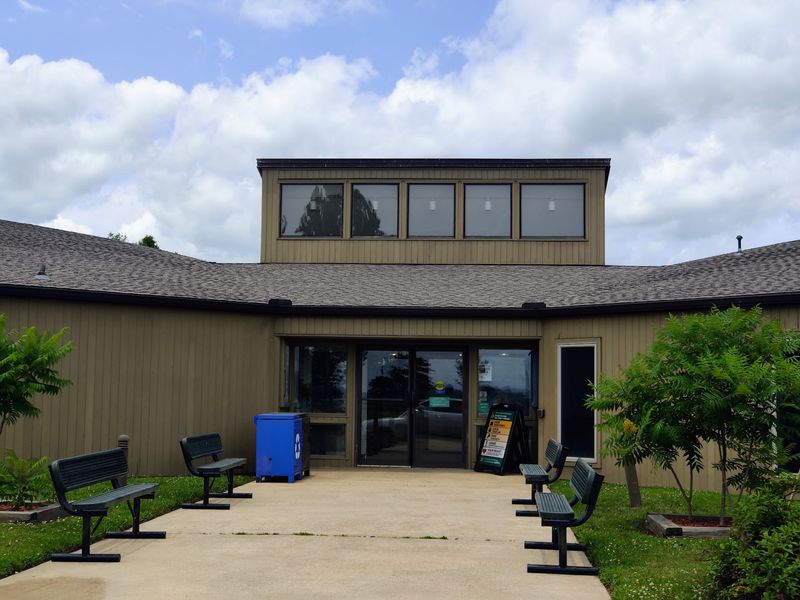
The gift shop is stocked with books about the mounds and Native American culture, along with small keepsakes. Guests say prices are reasonable, and many items are inexpensive enough for children.
Books are a popular pick, especially for people who want to learn more after the walk. A memento from the shop makes a simple way to remember the day.
Restrooms are available inside the shop area and outside on the grounds. That detail helps families planning a longer stay.
Since admission is free, a small purchase also supports the park. It is a gentle way to take a piece of the visit home.
Hours, Costs, and Getting There
The park is open Wednesday through Saturday from 8 AM to 5 PM and on Sunday from 1 to 5 PM. It is closed Monday and Tuesday.
Admission has been described as free, and the website for Arkansas State Parks lists current details. Calling ahead or checking online is wise before a trip, especially around holidays.
The road in can be a bit rough, and the parking lot is not set up for large campers. One traveler in a 38-foot motorhome found it a tight fit.
Most guests spend about an hour on the paved loop and in the museum. Adding the longer trail or a picnic stretches the visit to half a day.
Picnics and Planning Tips
A picnic area near the parking lot gives groups a spot to eat before or after the walk. It is a handy feature for families and school groups.
Comfortable shoes help on both paved and dirt paths. Because shade can be limited in the open fields, warm days call for a hat and water.
Spring and fall are widely seen as the best seasons. October brings milder weather and a fitting backdrop for a spooky-season history stop.
Plan around the museum hours, and arrive a little early if possible. The park opens at 8 AM most days, and the grounds are easy to enjoy at an unhurried pace.
A Mystery Worth the Short Drive
With a 4.7-star average across more than 500 ratings, the park has earned its warm reputation. It is free, close to Little Rock, and easy for all ages.
The mounds are not flashy, and some guests say they are more educational than breathtaking. That honest take fits the place, which rewards patience and attention.
For a Halloween-season outing, it delivers atmosphere through history rather than gimmicks. Families can learn together, and adults can enjoy a quiet walk.
Go in the cooler months, start in the museum, and leave time for the trail. The questions the mounds raise may stay with you long after the drive home.
Share this story