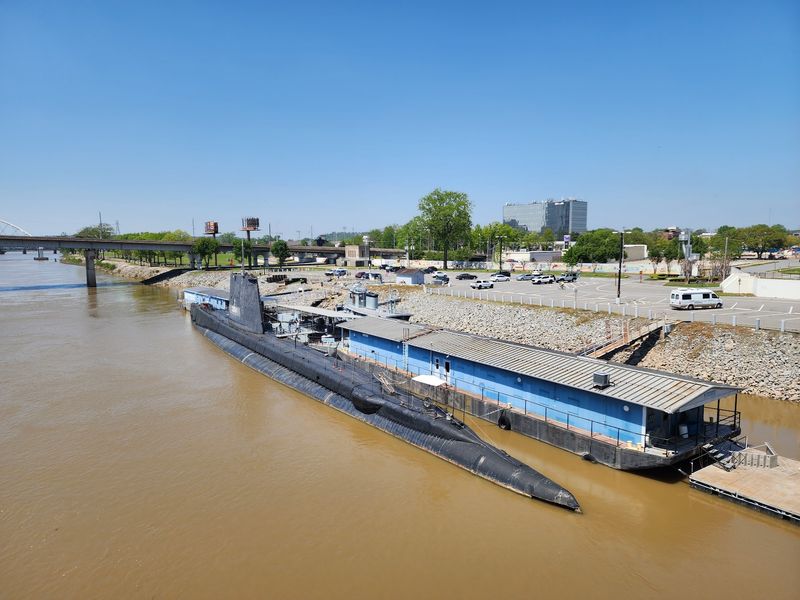
Arkansas has no coastline, yet a World War II submarine sits right on the Arkansas River. It has hatches to squeeze through, ladders to climb, and a tour guide ready to explain how more than a hundred sailors lived inside.
The ship is a short drive from downtown Little Rock, and the tour takes about 30 to 45 minutes. This article covers what the museum is, what the tour involves, who it suits, and how to plan a stop.
A Submarine on the Riverfront
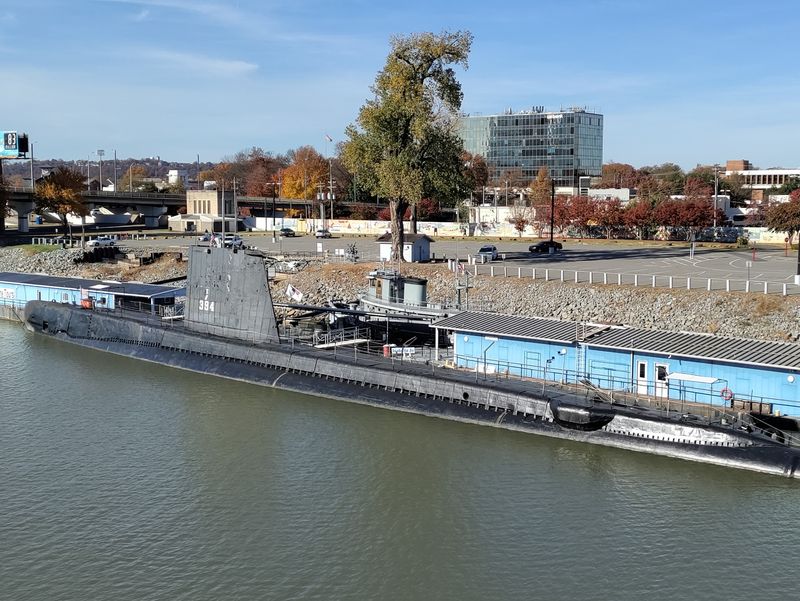
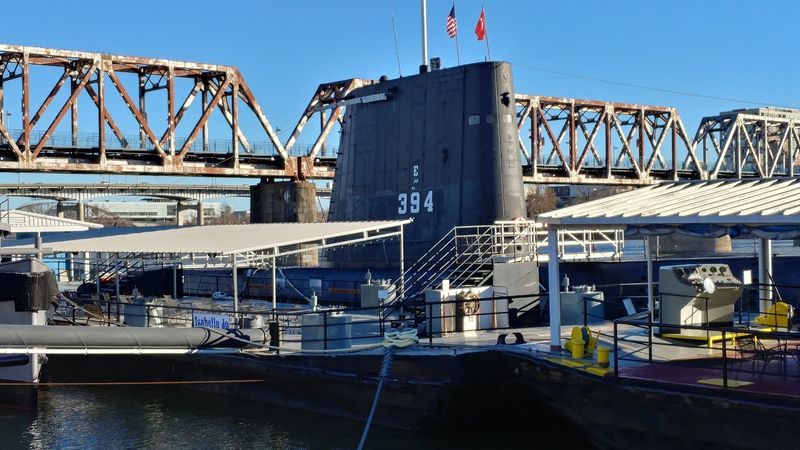
Arkansas Inland Maritime Museum sits at 120 Riverfront Park Dr, North Little Rock, AR 72114, in the state of Arkansas. The museum is a maritime attraction with a WWII-era submarine, a historic tugboat, and indoor exhibits on naval history and Arkansas aquaculture.
The star is USS Razorback, a submarine that visitors can enter on a guided tour. Landlocked states do not often get a chance like this, so the stop feels unexpected from the first glance at the hull.
The museum is small, and that works in its favor. A visit can fit into a single outing, which makes it an easy add-on for a day in the Little Rock area.
Its Google Maps rating of 4.7 stars across 847 reviews points to a consistently well-liked stop. The details below cover the story behind the boat, the tour itself, and the practical notes that help a trip go smoothly.
A good way to think about the day is as a short history lesson with a real ship as the classroom. Few places in the state offer that kind of hands-on access.
The Story of USS Razorback
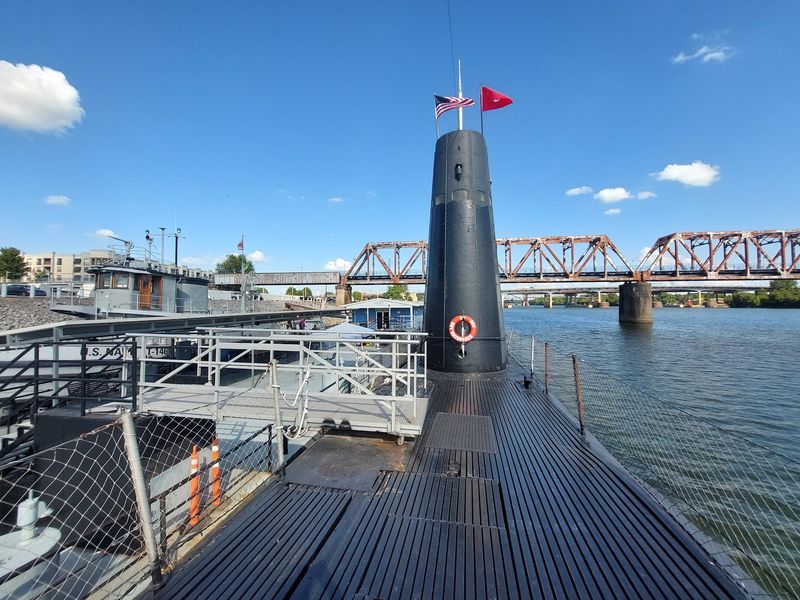
USS Razorback is a Balao-class submarine that served in World War II. It was present in Tokyo Bay during the Japanese surrender, a detail that gives the tour real weight.
After its time with the US Navy, the submarine was given to Turkey, which explains the Turkish flag some guests spot on board. It later came to Arkansas, where it now serves as the museum’s main attraction.
Guides share these details as the group moves through the compartments. The history is told in plain terms, and questions are welcome.
Plenty of guests arrive knowing little about submarines and leave with a clear picture of how this one worked. Others come as history fans and find new details to chew on.
The submarine is also described as partly operational, so touching the controls is discouraged. That small rule is a reminder that this is a real vessel and not a replica.
Crawling Through the Hatches
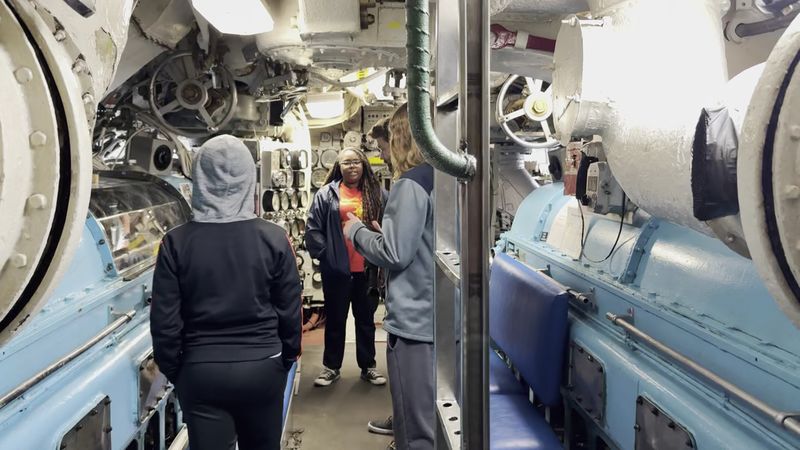
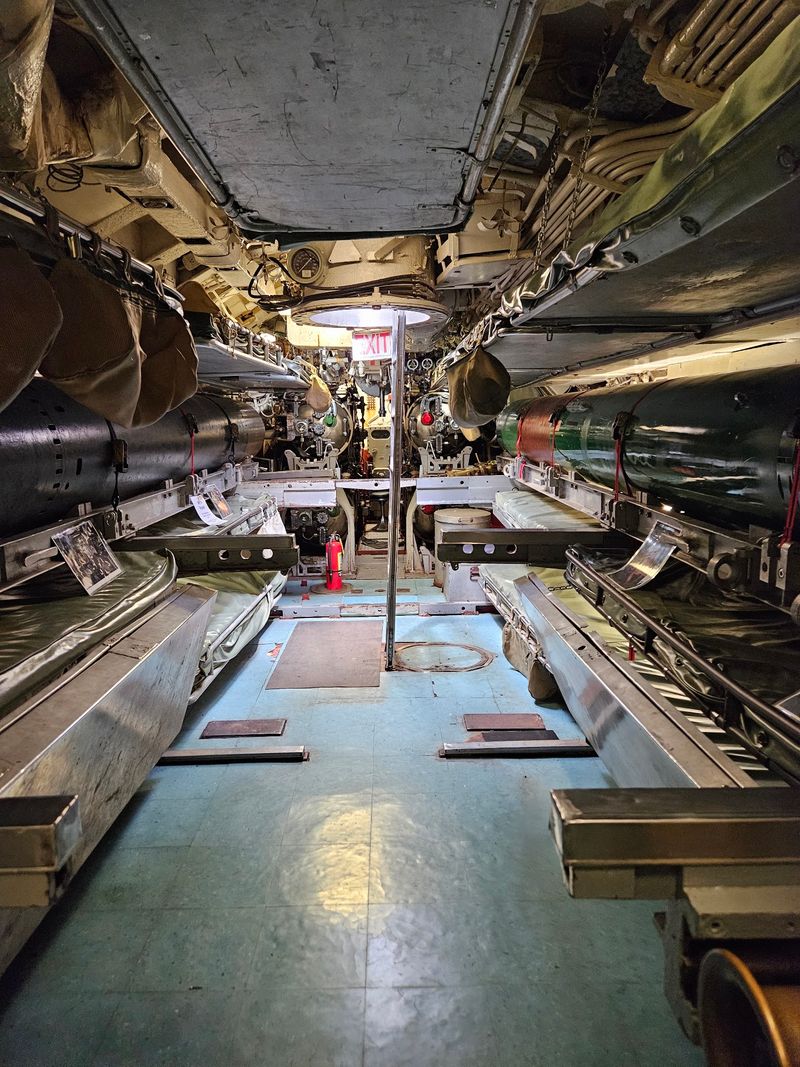
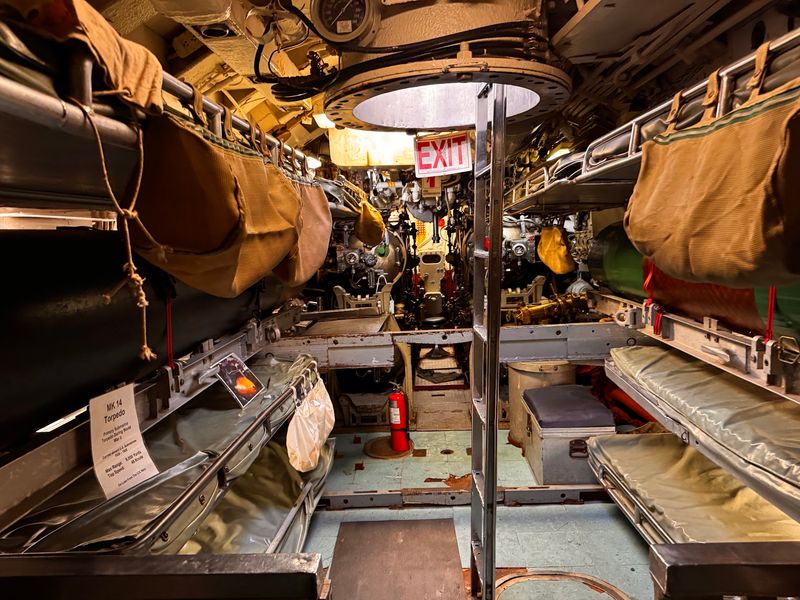
Space is the first lesson aboard. Hatches are small, passages are narrow, and the tour requires moving through tight openings that remind everyone why submarine crews had to be adaptable.
Guests are told to expect ladders as well. Descriptions of the climbs range from about 12 feet to 15 feet, so a bit of upper body comfort helps.
People who handle small spaces well often say the hands-on access is the best part. Many fit through easily, and the main challenge tends to be mental rather than physical.
Anyone who feels uneasy in confined areas should think it over before booking. Claustrophobia comes up often among the topics people mention, and the guidance is simple: skip the sub if tight quarters or ladders are a problem.
The rest of the museum remains open to those who stay above deck, so nobody has to miss the whole outing.
Life for 107 Sailors Below Deck
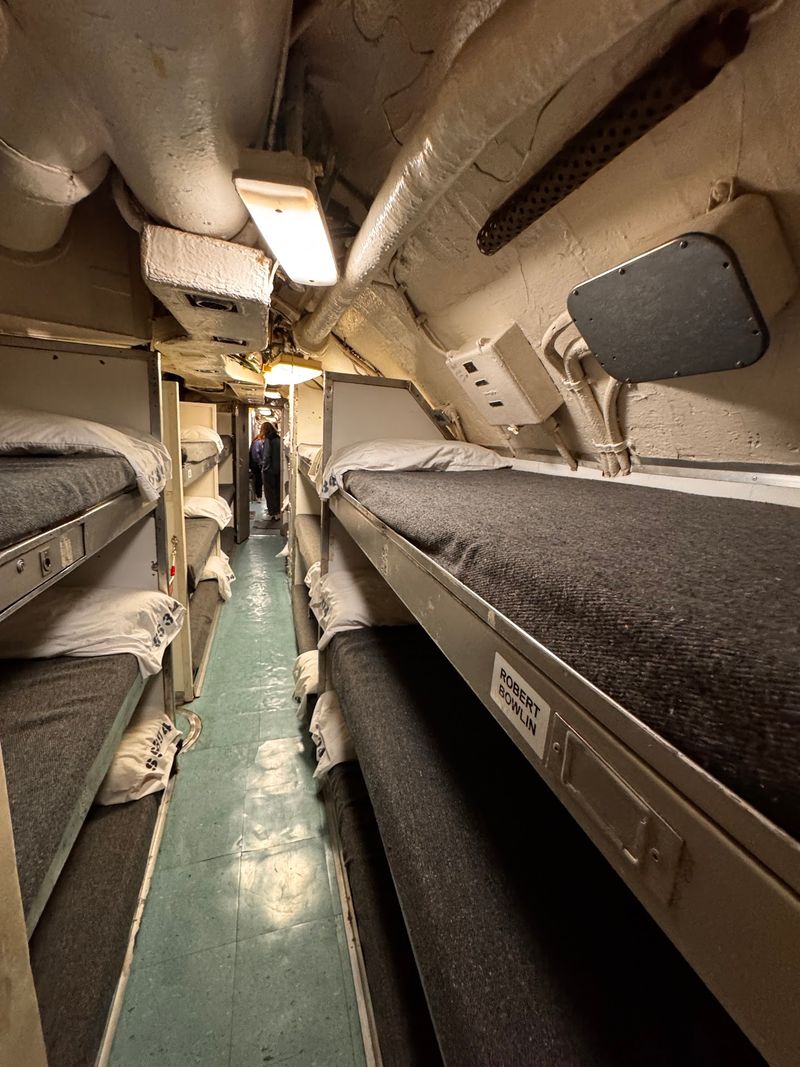
One number tends to stick with guests: 107 men worked and slept aboard this submarine. That count makes the cramped layout feel even tighter.
Guides explain that crews dealt with temperatures around 100 degrees and went about two weeks without a proper shower. When showers did happen, they were brief, around 30 seconds.
Those facts turn the tour into more than a walk through machinery. They help explain the daily routines of the people who lived there.
Many guests finish the tour asking how a crew managed without going stir-crazy. That question is exactly what the guides hope to spark.
The experience also encourages gratitude for those who served. Parents often use the stop to talk with children about the sacrifices made by military families.
USS Hoga and the Tugboat Story
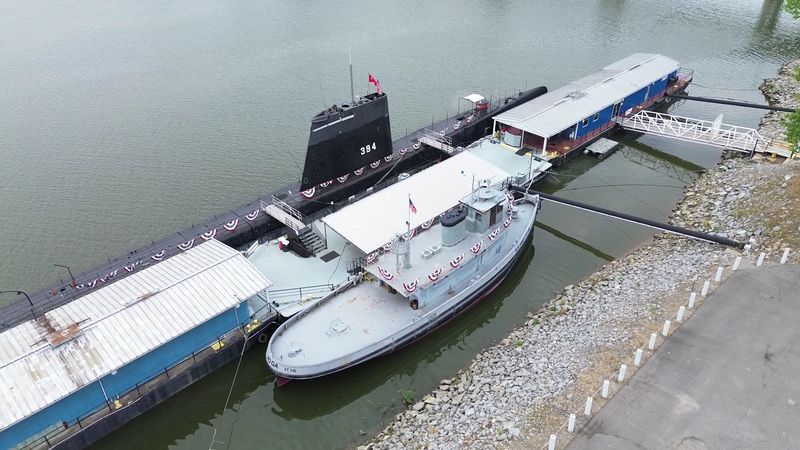
Across from the submarine sits USS Hoga, a tugboat designated a National Historic Landmark. It is known for its actions during the attack on Pearl Harbor.
The tugboat is included with the submarine tour, and guests can wander on their own around it. One recent guest noted that part of the vessel was under construction, so some areas were closed to the public.
For some, the tug carries a personal connection. A guest whose father worked on tugboats described coming back to see what they look like today.
Even those who skip the submarine can still see the tug and the museum. That makes it a flexible option for mixed groups.
Check with staff on arrival about which areas are currently open.
Inside the Museum Exhibits
Indoor exhibits fill in the context around the ships. Displays cover naval history, artifacts, and other significant vessels, along with a section on Arkansas aquaculture.
The space is small but packed with information. Guests describe it as a very interesting add-on, and the gift shop offers items such as dog tags.
Waiting for the next tour is a good moment to browse. One family used a short wait before a Saturday tour to look around the boat and exhibits, and the time passed quickly.
Tours leave about every 30 minutes and are first come, first served. Groups are limited to roughly 10 people, so timing matters on busy days.
A plan to arrive early leaves room to enjoy the exhibits without rushing.
Guides, Families, and Who Will Love It
Guides are a highlight. Guests praise their knowledge, humor, and ability to answer questions at the right level, even for young children.
One parent with a child just out of pre-kindergarten appreciated that the details were shared plainly and that the child’s questions got kid-friendly answers. Children must be at least 5 years old to join the submarine tour.
The attraction suits history fans, curious families with children who can climb ladders, and anyone who has always wanted to step inside a submarine. It also appeals to people with a technical streak who like seeing how parts fit together.
It is less suited to anyone uneasy about tight spaces or tall ladders. Those guests can still enjoy the tugboat and the museum.
This is an experience for families and adults alike, though each group should check the physical requirements first.
Planning the Visit
The museum is open Friday and Saturday from 10 AM to 5:30 PM and Sunday from 1 to 5:30 PM. It is closed Monday through Thursday.
One guest listed the submarine tour ticket at $13, and discounts are offered for veterans, active service members, and their family members. Prices can change, so confirming ahead is wise.
Tours run about every 30 minutes, take 30 to 45 minutes, and are first come, first served. Special events happen too, including Fourth of July fireworks watched from the submarine area.
For details, the museum’s page on the North Little Rock city website is the place to check: nlr.ar.gov/departments/parks-and-recreation/arkansas-inland-maritime-museum.
Overall, this is a modest stop with real character. Anyone near Little Rock who has wondered what is inside that submarine on the river can find out in about an hour.
Share this story