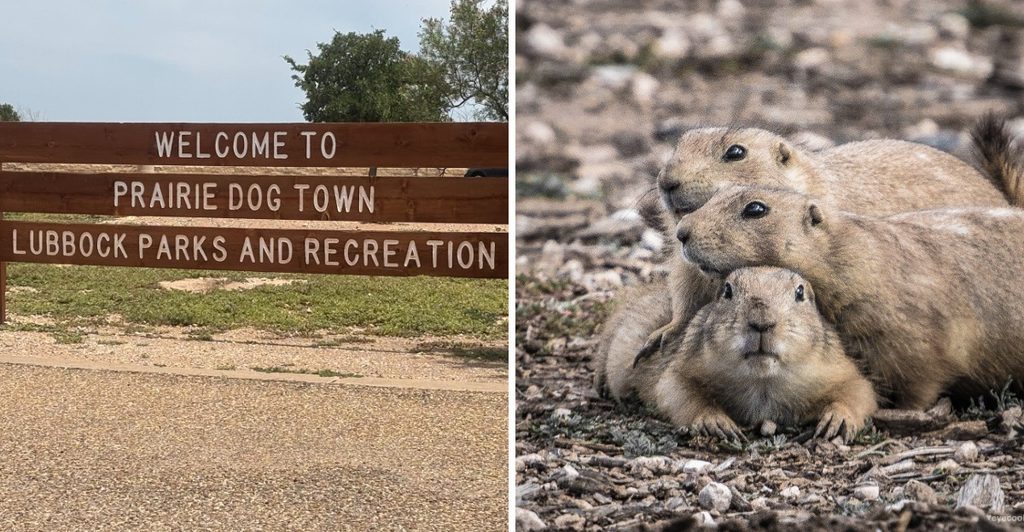
A Lubbock couple once got so worried about prairie dogs that they started a safe colony with just four of them. Four. That tiny rescue grew into the first protected prairie dog community of its kind.
I love that this whole story began with two burrows and a big heart. The founder was later named mayor of the colony forever. Honestly, I can’t think of a better title to hold.
Today, this spot in West Texas costs nothing to visit. You can stand at a short wall and watch dozens of furry little sentinels pop up, chatter, and keep an eye on everything.
1. Four Prairie Dogs Started an Entire Town
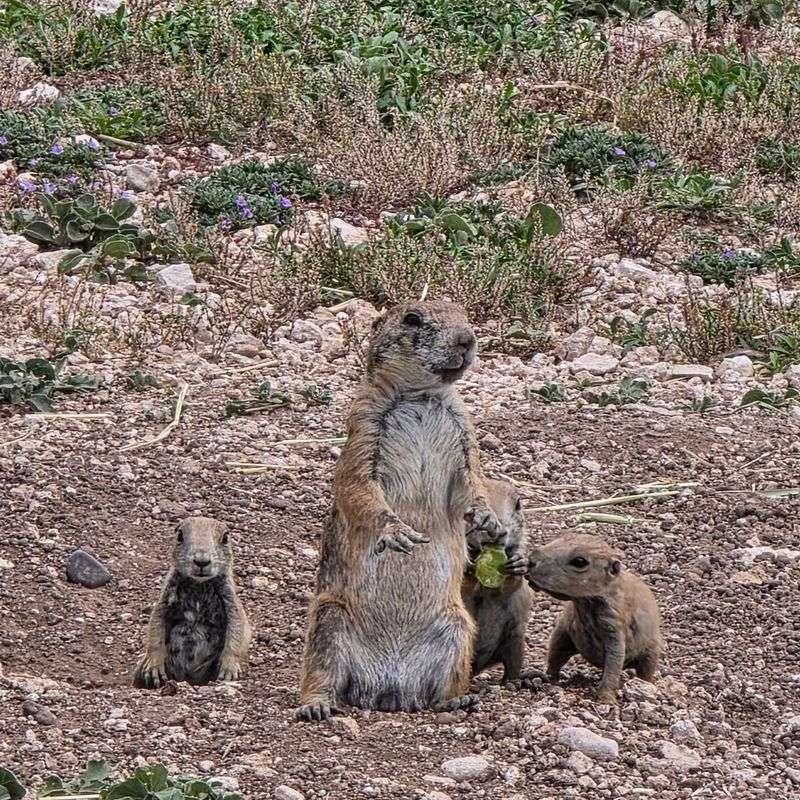
Big things really can start small. Prairie Dog Town in Lubbock began in the early 1930s with only four prairie dogs and two burrows.
K. N. Clapp and his wife, Louise, created the colony out of real concern.
Black-tailed prairie dogs were shrinking in number because of government poisoning programs back then.
The Clapps decided these critters deserved a safe place. In 1935, the colony moved to its current home inside MacKenzie Park, when the park became a state park.
That move changed everything. Within five years, the little colony gained world fame and became a true tourist stop.
Prairie Dog Town also holds a special place in history. It was the first protected prairie dog community of its kind, which is pretty impressive for a project that started with four animals.
I like knowing a place has a heart behind it. This one was built by everyday Texans who cared enough to act.
So when you watch these furry residents today, remember the backstory. Every chirp and twitch traces back to one couple and a handful of burrows nearly a century ago.
2. Yes, the Town Once Had an Honorary Mayor
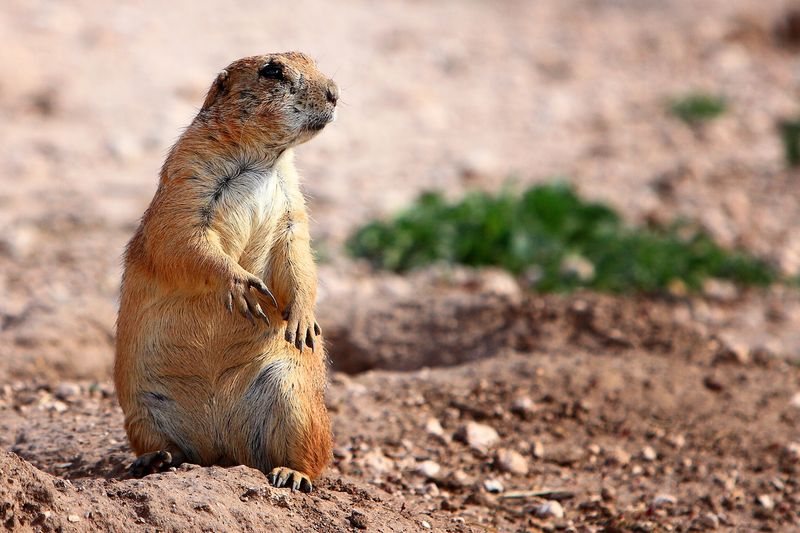
Most towns elect a mayor every few years. This one gave the job to K. N.
Clapp in perpetuity, which is a fancy way of saying forever.
Clapp earned the title for his work protecting the colony. He kept watch over its operations for decades, right up until 1969.
The town even had a Goodwill Ambassador. His name was Prairie Dog Pete, and frankly, that is a better job title than most of us will ever have.
These quirky honors tell you something about Lubbock. The city took its prairie dogs seriously, but it also had a sense of humor about them.
Today, the City of Lubbock Parks and Recreation Department cares for the colony. The mission still feels close to what the Clapps had in mind.
Fun fact for your next trivia night. In a 2004 tourism study, Prairie Dog Town ranked as the fifth most visited Lubbock attraction for out-of-town guests.
Not bad for a place with no gift shop and no ticket booth. A mayor, an ambassador, and a few hundred loyal residents seem to do the trick.
3. Watch the Lookouts Stand Guard Like Tiny Security Officers
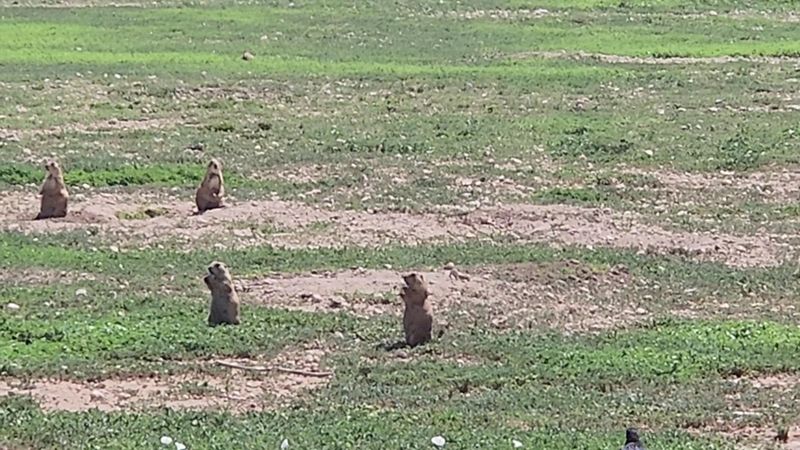
Somebody always has to be on duty. In this colony, that job goes to the sentinels.
Black-tailed prairie dogs stand tall on their hind legs to scan for trouble. It looks adorable, but it is serious business for the group.
Their communication system is surprisingly complex. Scientists consider prairie dog calls some of the most detailed signals in the animal world.
Listen closely and you may catch chirps and squeaks moving across the colony. It sounds a bit like a group chat that never goes quiet.
Keeping your own voice low helps. Visitors are encouraged to stay quiet, so the animals feel calm enough to go about their day.
Watch for the ones popping up and ducking down near the mounds. Each little head check is part of a team effort that has kept prairie dogs going for ages.
Kids usually love counting the lookouts. Adults tend to enjoy it just as much, though they may pretend otherwise.
Honestly, it’s hard not to admire their teamwork. Plenty of offices could learn a thing or two from these Texas guards.
4. Underground, These Critters Built Something Seriously Clever
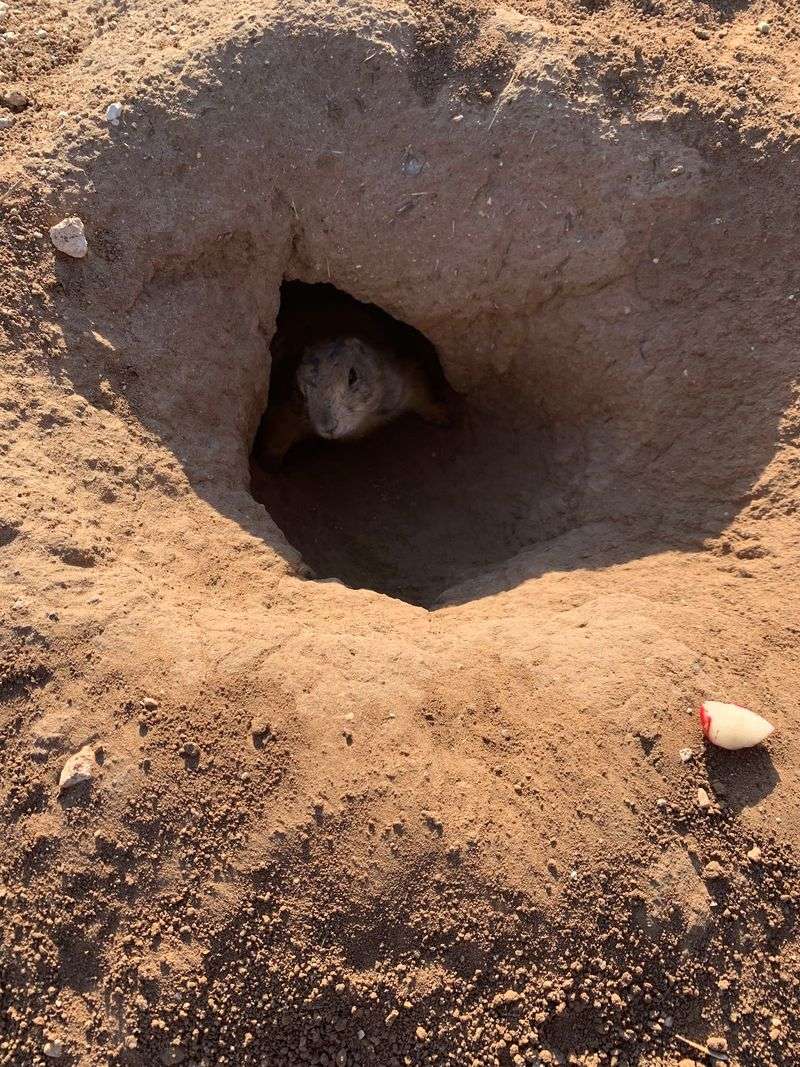
Every mound you see is just the front door. Below the grass, the residents of Prairie Dog Town have built elaborate burrow systems.
These tunnels include separate rooms for different jobs. There are chambers for sleeping and nurseries for raising young.
They even have toilet chambers. That’s right, prairie dogs figured out indoor plumbing logic long before anyone asked them to.
Why does this matter to you as a visitor? It makes watching the surface feel like peeking at the top floor of a busy apartment building.
When one prairie dog vanishes into a hole, it is heading somewhere specific. Maybe a nap, maybe a snack break, maybe a quick family check-in.
The interpretive signs around the viewing area explain these details. They are worth a few minutes, especially if you have curious kids asking a hundred questions.
Once you know what’s under your feet, the mounds look different. You start seeing a planned community instead of random dirt piles.
It’s a good reminder that nature often out-engineers us. These diggers just don’t bother with permits or blueprints.
5. Keep Your Eyes Peeled for a Feathered Roommate
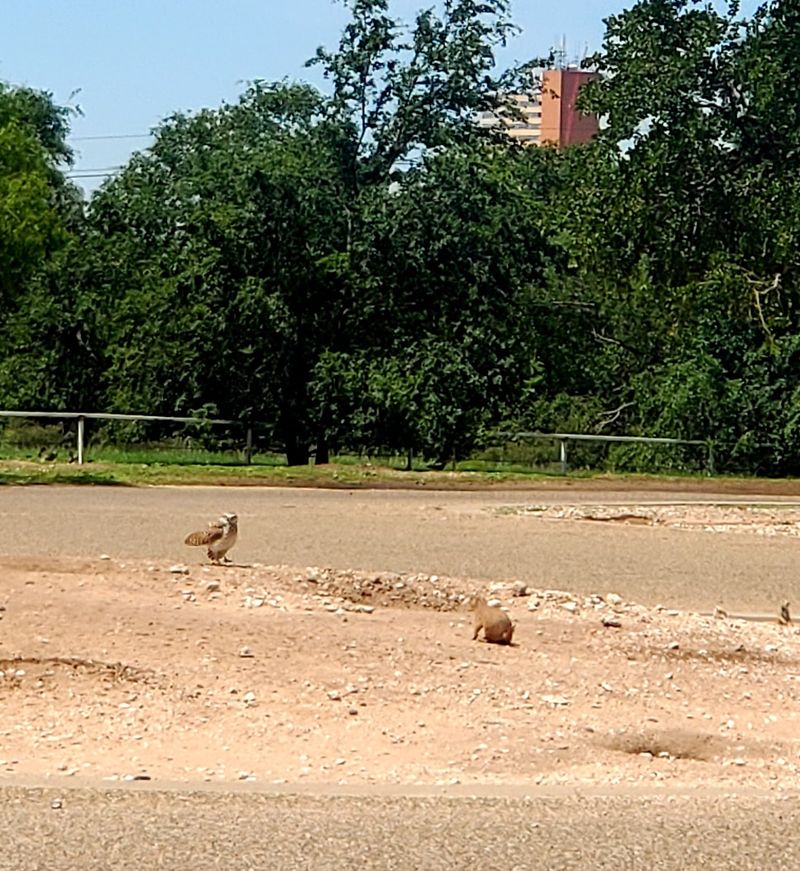
Prairie dogs aren’t the only ones calling this place home. Burrowing owls are known to share the habitat at Prairie Dog Town.
These small owls often use burrows on the ground instead of nesting high in trees. That makes a prairie dog colony a pretty handy neighborhood for them.
Spotting one feels like winning a mini lottery. They are not always out, so patience pays off here.
Look near the burrow openings and along the mounds. An owl may be standing still, blending into the dusty colors around it.
Bring binoculars if you have them. They make it easier to tell a fluffy owl from a prairie dog taking a break.
This mix of wildlife is part of what makes the site feel special. It’s a small glimpse of how the High Plains of Texas looked before the city grew around it.
Many see Prairie Dog Town as a living reminder of that older landscape. The owls help tell that story without saying a word.
Just remember to keep things calm. Feathered or furry, everyone here appreciates good manners.
6. Pack a Veggie Snack Bag Before You Go
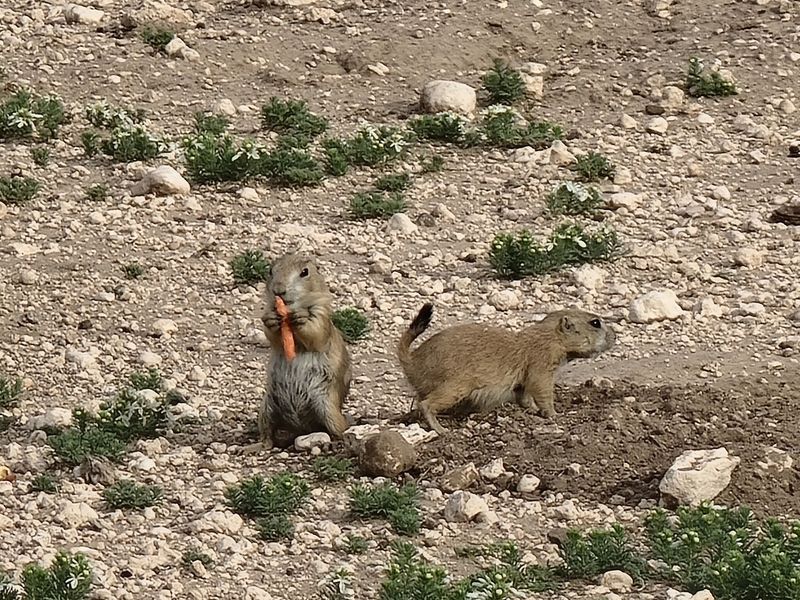
Carrot sticks might be the best entry ticket you never had to buy. Feeding the prairie dogs is a common tradition here.
Visitors often bring carrots, celery, sliced cantaloupe, watermelon, or corn. Simple veggies and fruit are easy choices that keep things wholesome.
Don’t take it personally if your offering gets ignored. These residents are clearly well fed, and some days they just aren’t hungry.
Toss food gently over the wall rather than reaching in. The low barrier keeps a respectful distance between you and the animals.
That wall also works in your favor. Since the prairie dogs feel safe, they tend to stay out in the open instead of darting away.
Remember the park rules too. Visitors should never remove or harm any plants or animals in MacKenzie Park.
Small kids usually get a huge kick out of watching a prairie dog grab a snack. It’s a cheap thrill with big grins attached.
So grab a small bag of veggies on the way. The aristocracy of the colony expects tribute, after all.
7. Free Admission and Long Hours Make Timing Easy
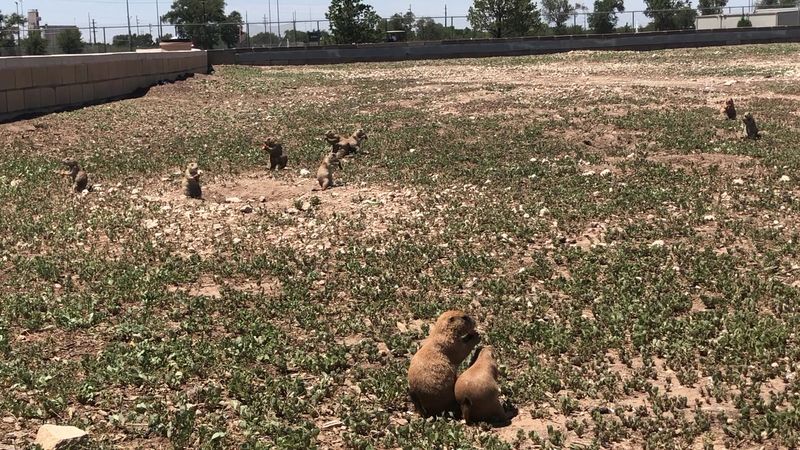
Zero dollars. That’s what it costs to visit Prairie Dog Town, any day of the year.
You’ll find it at MacKenzie Park Rd, Lubbock, TX 79401. The site is open daily from 5 a.m. to midnight, so early birds and evening wanderers both have options.
Getting around is simple. A newer parking area includes a turnaround and bus parking, which helps families and school groups.
The site is ADA accessible, with sidewalks leading to the viewing area. A pavilion offers some shade, which matters a lot under a bright Texas sun.
Perimeter fencing and irrigation for native grasses were added during renovations. Earlier upgrades in 2005 brought the pavilion, signs, and sidewalks.
Most people spend 30 minutes to an hour here. That makes it a great road trip break when your legs need a stretch.
One tip for navigating. If your map app sends you toward the golf course, follow the park signs for the prairie dog area.
Easy access, no fee, and furry entertainment. That’s a tough combo to beat anywhere.
8. Treat It Like an Outdoor Classroom With Fur
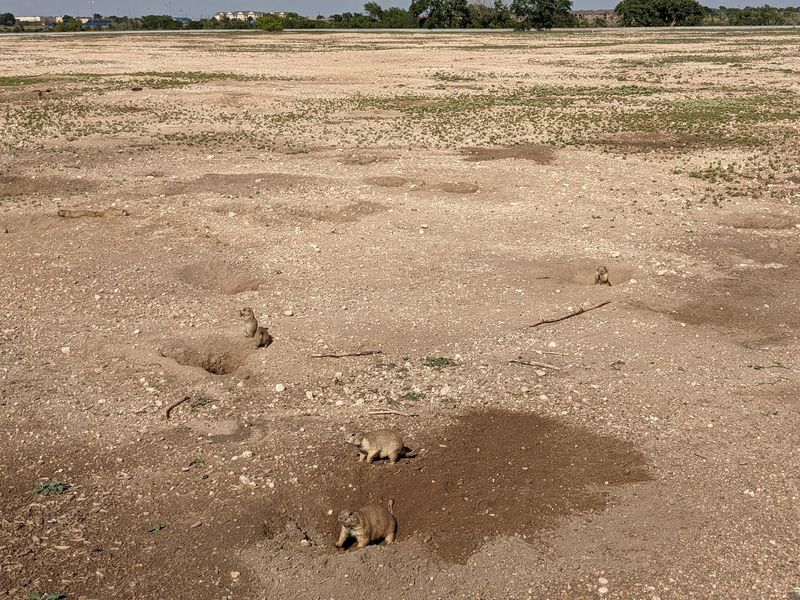
Teachers, take note. Prairie Dog Town works beautifully as an outdoor classroom.
The interpretive signs cover prairie dog life, behavior, and history. Reading them turns a quick stop into a real lesson.
Kids can learn about burrows, warning calls, and why the colony was protected in the first place. That last part sparks great talks about caring for wildlife.
Try a simple game while you’re there. Ask everyone to count lookouts, spot a burrow entrance, or guess what a chirp might mean.
It’s also a peaceful place for grown-ups. Watching small animals go about their business can feel surprisingly calming.
I like that nobody needs a fancy plan to enjoy it. Just show up, lean on the wall, and let curiosity lead.
Quiet voices help the experience. The calmer you are, the more natural the prairie dogs will act.
For homeschool families or field trips, the bus parking is a nice bonus. It shows the city expects groups to come learn here.
Not every classroom comes with squeaky, whiskered teachers. This one does, and they never assign homework.
9. Make a Whole Day of It Around MacKenzie Park
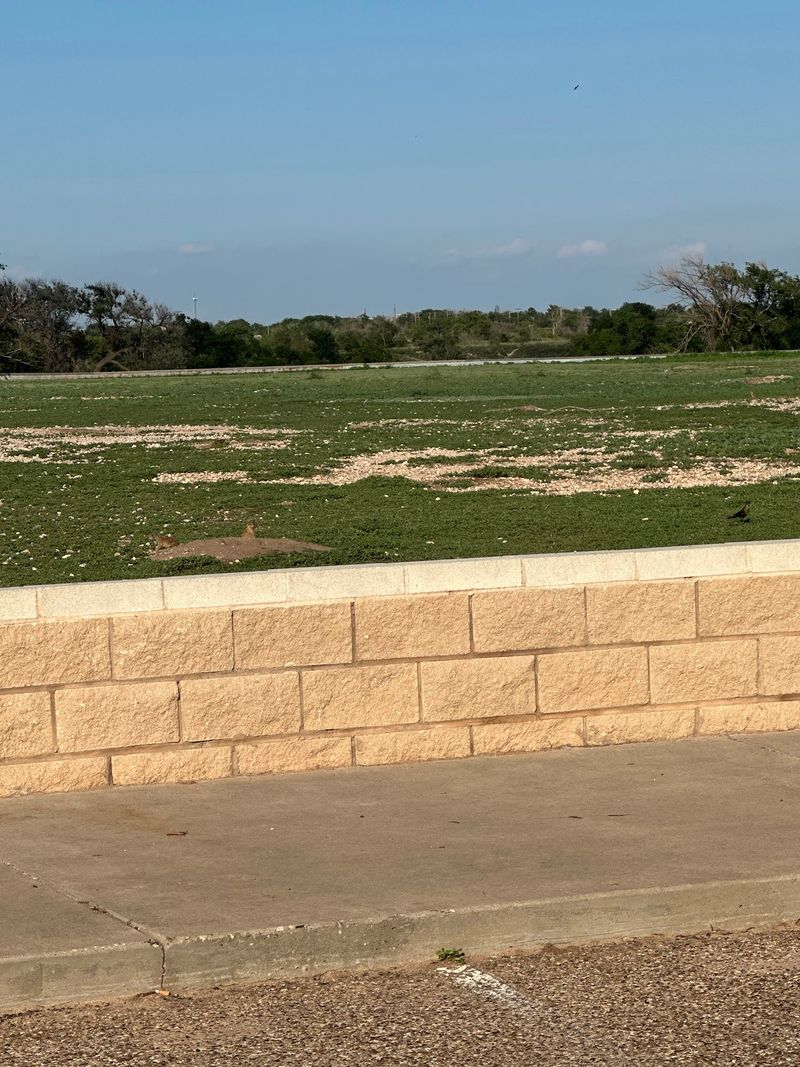
Stretching your visit is easy, because MacKenzie Park has plenty more going on. The prairie dogs are just the opening act.
Meadowbrook Golf Course sits right next to Prairie Dog Town. Golfers can play a round and then check on their furry neighbors.
Prefer a frisbee? There’s a disc golf course in the park too, plus hiking, biking, and equestrian trails.
Picnic areas and open recreation spaces make lunch simple. Pack sandwiches and enjoy a slow afternoon outside.
The American Windmill Museum is also located in MacKenzie Park. It’s a fitting stop in West Texas, where windmills shaped life on the plains for generations.
Pairing the museum with the prairie dogs gives you a fun mix of history and nature. Both tell stories about how this region grew.
Lubbock might not be the first Texas city people think of for wildlife. After a day here, that may change.
End your visit back at the colony if you can. Saying goodbye to the lookouts feels like the right way to wrap up a day in their town.
Share this story