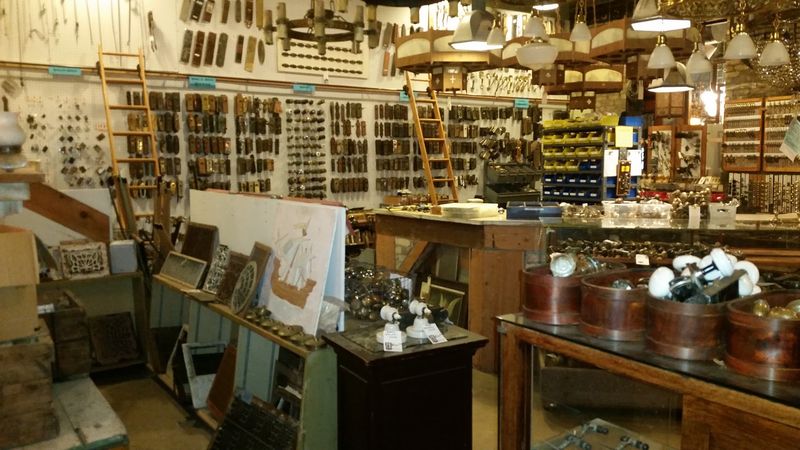
Somewhere in northeast Minneapolis, a missing doorknob from 1910 is waiting for its new owner. So is a chandelier, a cast iron bathtub, and maybe even the shelves from an old mansion library.
One shop in this corner of the city has spent decades rescuing the parts of old buildings that most people never think about. For Minnesota vintage collectors and old house owners, it is the kind of place that turns a quick browse into a whole afternoon.
Keep reading to learn what fills the aisles, why the lighting gets so much attention, and what to know before you go.
A Salvage Stop in Northeast Minneapolis
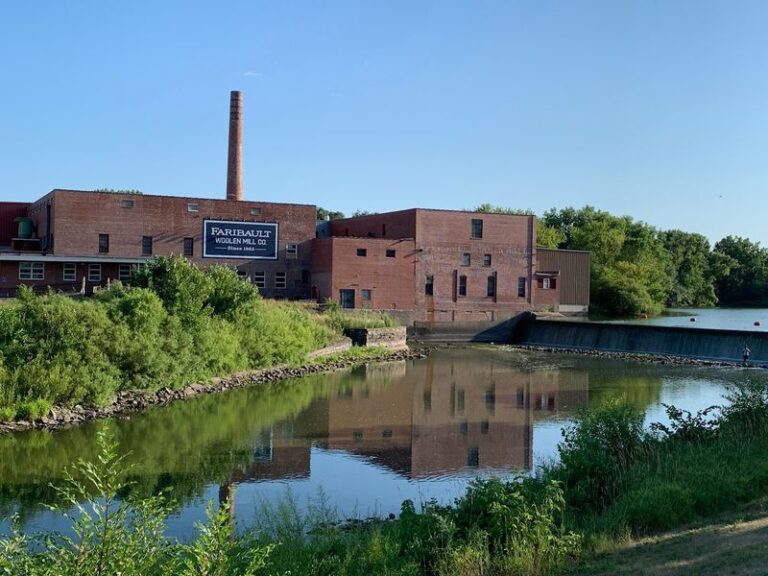
Every great hunt needs a starting point, and this one begins at Architectural Antiques. The shop sits at 1330 Quincy St NE, Minneapolis, MN 55413, in the Northeast neighborhood of the city.
It is listed as an antique store, but that label only tells part of the story. The focus here is on pieces that once belonged to houses and buildings.
Think door knobs, iron work, stained glass, light fixtures, and furniture. The shop describes its stock as unique home decor, and the range is wide enough to cover both small fixes and big statement pieces.
Northeast Minneapolis is a natural home for a place like this. The area mixes older homes with converted industrial spaces, and many owners nearby are restoring houses that need period details.
The store carries a strong 4.6 star standing from well over 150 customers. That number says a lot for a shop where many items carry serious price tags.
So what exactly makes people drive across town, or even ship goods across state lines, for a visit? The answer starts with where the shop came from.
From Washington Avenue to Quincy Street
Long before Quincy Street, there was Washington Avenue. Longtime shoppers remember browsing the store at that earlier address as far back as 2001.
That kind of history matters in the salvage world. Building trust with collectors, contractors, and homeowners takes years, and this shop has had plenty of them.
Some customers have returned again and again over two decades. They shop, research, and simply look for ideas for their own homes.
Local builders lean on the team too. A construction firm that works on historic projects has credited the staff for helping add authentic details to their jobs.
The move to Northeast did not change the core mission. Old parts of old buildings still get rescued, sorted, and offered to people who will give them a second life.
That steady purpose is part of why the shop feels less like a store and more like a local institution for anyone restoring a historic house.
Of course, history alone does not fill the aisles. The real draw is what hangs from the ceiling.
Chandeliers, Sconces, and Globes Galore
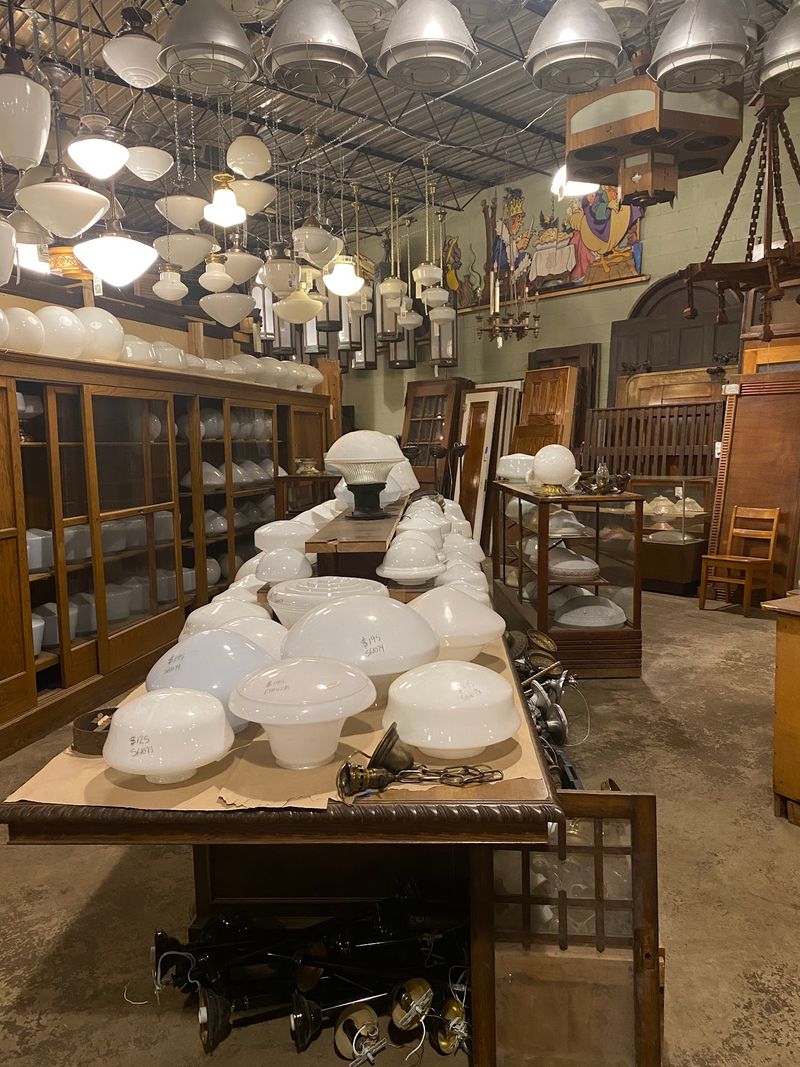
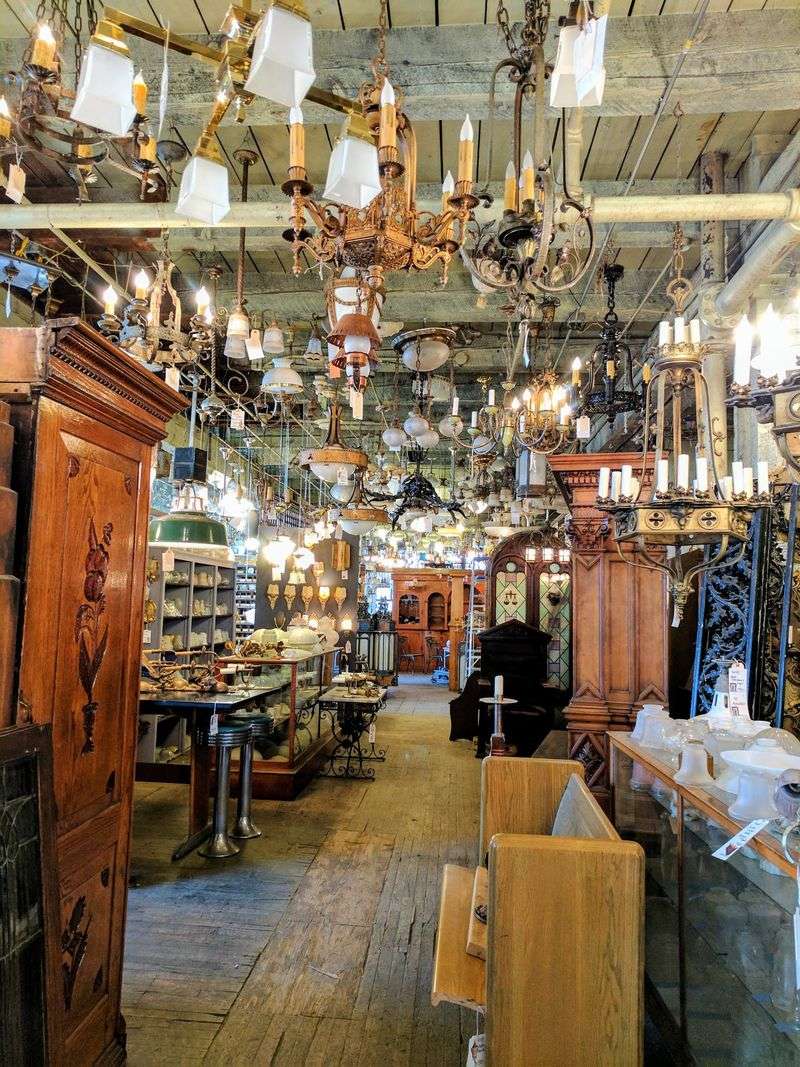
Lighting is the headline act here, no question. It comes up more than any other topic among shoppers, and for good reason.
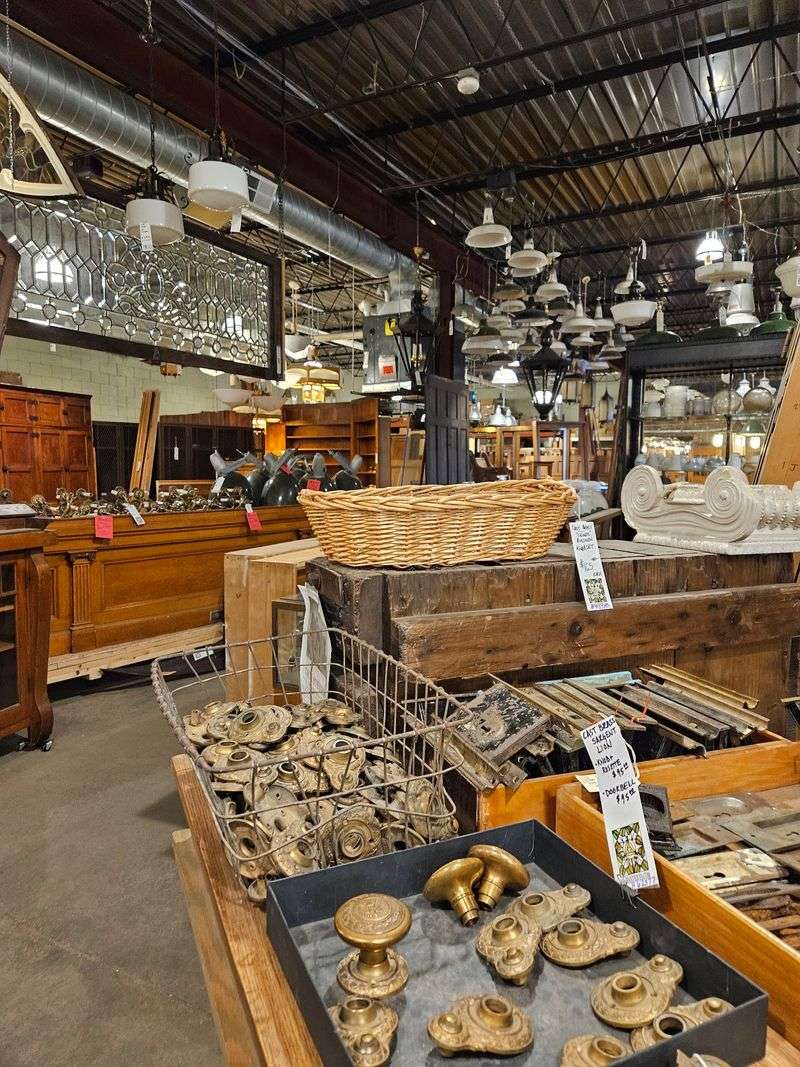
The selection covers chandeliers, industrial pendants, lamps, and a deep stock of blown glass light and lamp globes. Some buyers have outfitted entire kitchens and powder rooms from these shelves.
Owners of old homes treat the place as a matching service. One household found three fixtures for a house built in 1905, and another found the right chandelier for the entry hall of an 1870 home under restoration.
There is a fun phrase floating around among fans. A family with a 1935 home said they had “un-Menards” their lighting by swapping big box fixtures for period pieces from here.
Lamp shades are on hand too. Someone who picks up a lamp at a thrift store can come here to find a shade that fits its era.
Bright idea or not, the fixtures are only half the story. The work done on them behind the scenes is what really keeps people coming back.
Rewiring That Passes Inspection
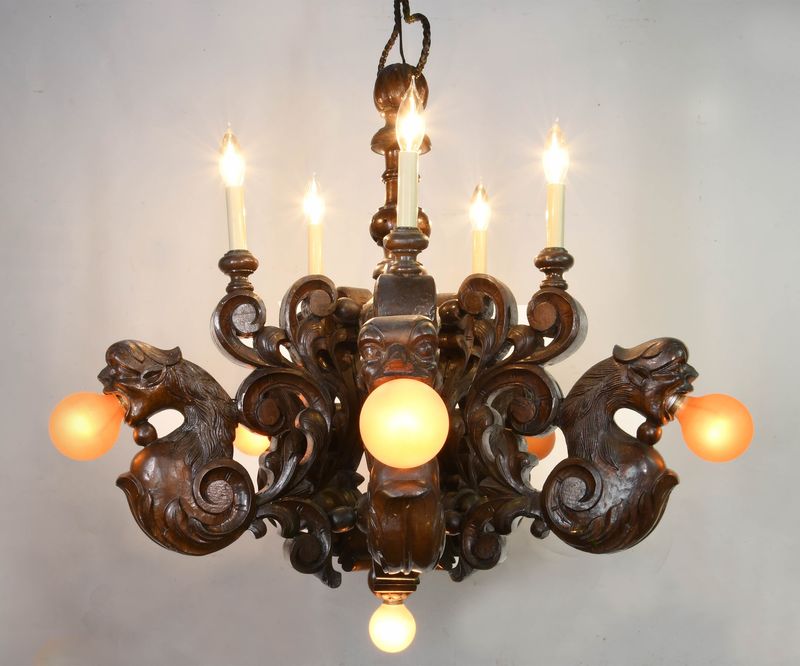
Old lights are lovely until it is time to plug them in. Here, that problem gets handled before the fixture leaves the building.
The shop rewires its lighting, and the work earns praise for being thorough. Customers mention ground wires, UL rated work, and details handled right down to the plug.
Even a strict electrician has signed off on fixtures from here. That gives homeowners peace of mind when mixing antique style with modern safety rules.
The team also uses period appropriate cording when rewiring. That small choice keeps the look true to the era of the piece.
Staff will fix or adapt items as needed. One couple needed a creative solution for a kitchen island install, and the team worked through it with them over a shifting timeline.
Help with the nuts and bolts of installation has even reached shoppers far away. That kind of support turns a purchase into a finished project.
Lights are just one slice of the inventory, though, and the smaller items might surprise you most.
The Hardware Hunt
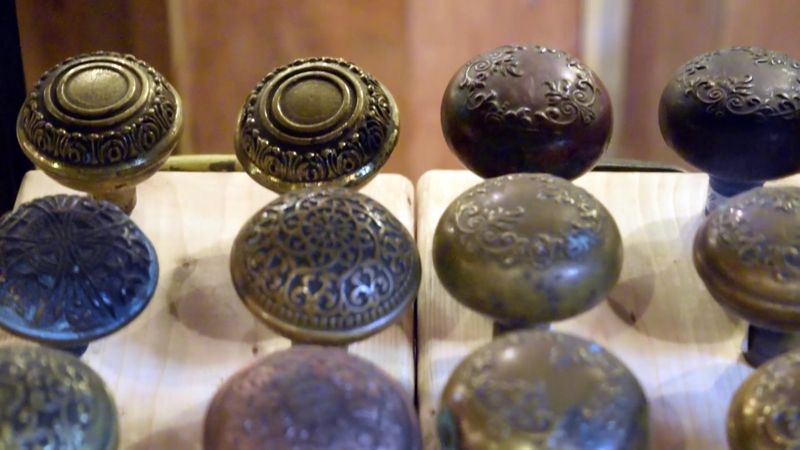
Lost a knob? Somebody here probably has its long lost twin.
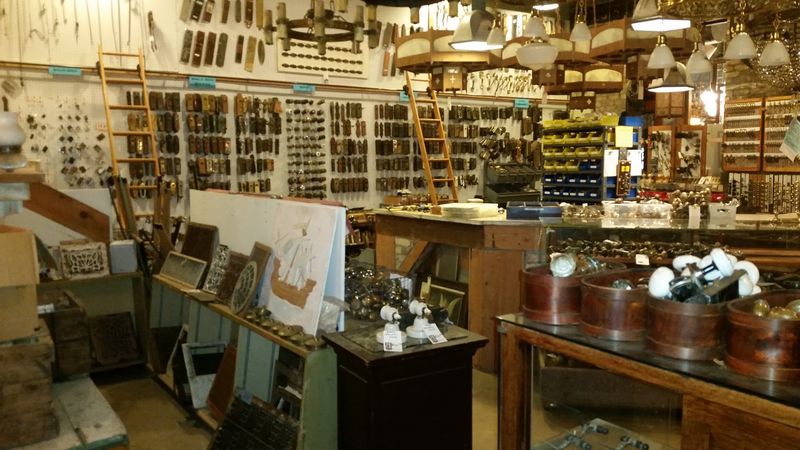
The hardware collection is a favorite among regular shoppers. Door knobs, door hardware, and towel bars are part of the mix, and people praise the trove for rounding out a set that is missing one piece.
Small parts like these are often the hardest to track down. A single matching knob can make an old door look complete again.
The shop also gets credit for sorting items carefully. Shoppers describe the space as well organized and clean, which makes a hardware hunt far less of a chore.
That organization is a big deal in salvage. Many shops pile things up, but here the sorting is called meticulous.
DIY restorers and crafters can spend a long time in these sections. Even a tiny find can solve a problem that has bugged a homeowner for months.
Once the small stuff is handled, it is time to think bigger. Much bigger.
Whole Rooms, Bathtubs, and Big Statements
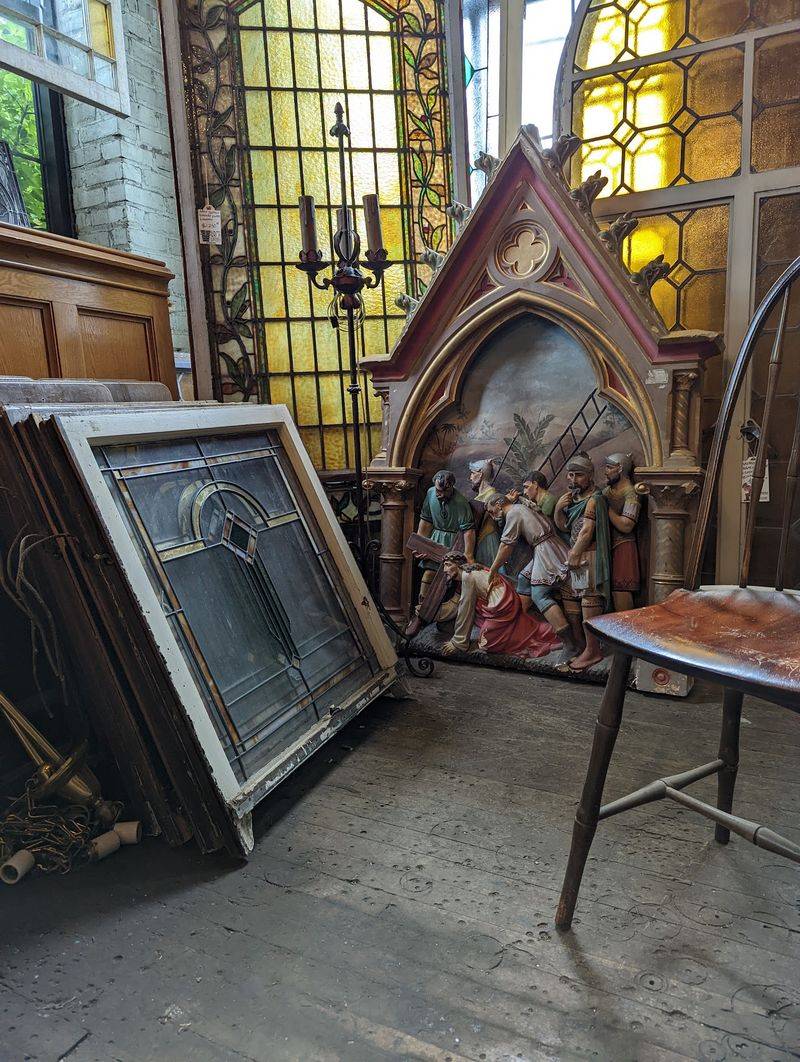
Some antiques fit in a pocket. Others need a moving truck.
Architectural Antiques has offered entire room elements, like the walls and shelves of a library taken from an old mansion. That level of salvage is rare and tends to attract serious restorers.
Bathroom finds show up too. Shoppers have brought home a sink and a beautiful bathtub, along with towel bars to match.
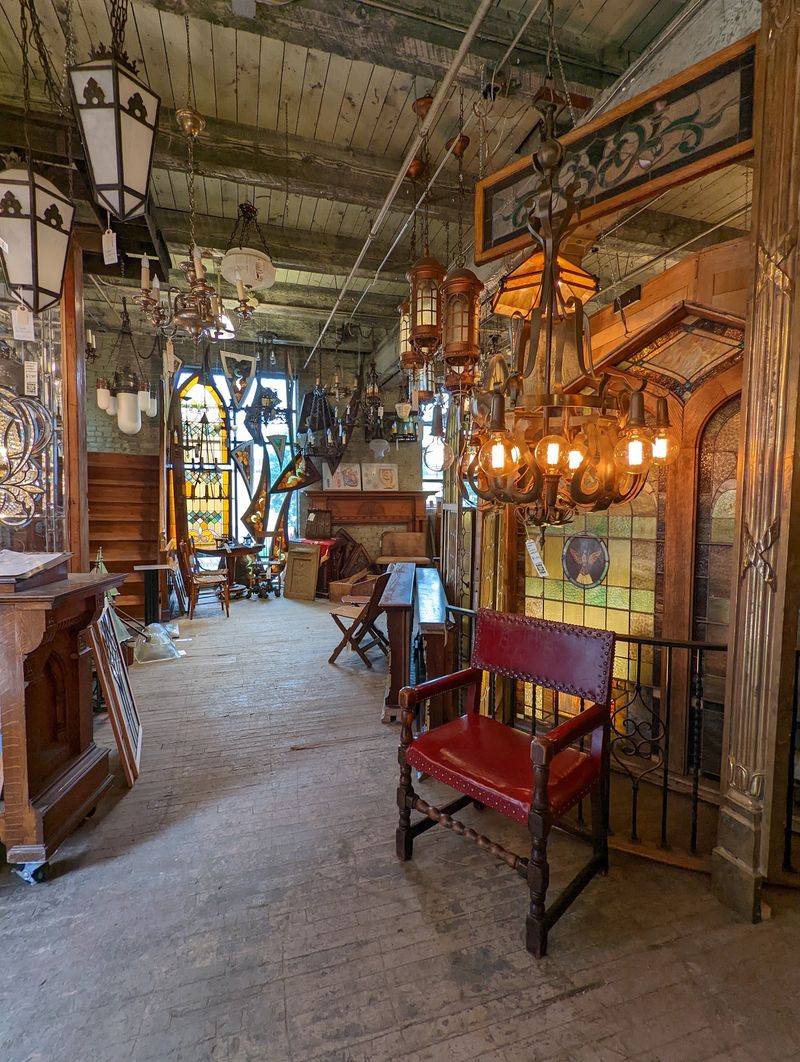
Stained glass windows are another highlight. They get called out as gorgeous, and they can change the feel of a whole room.
Ironwork plays its part as well, including ornate Victorian pieces. Mid century modern items also appear, so the eras on display are far from one note.
Furniture and yard decor round out the mix. That means a shopper can leave with something for the porch, the garden, or the dining room.
The shop is well known as a place for statement pieces. For anyone with a historic home and a big vision, this is where the plan takes shape.
A Museum You Can Shop
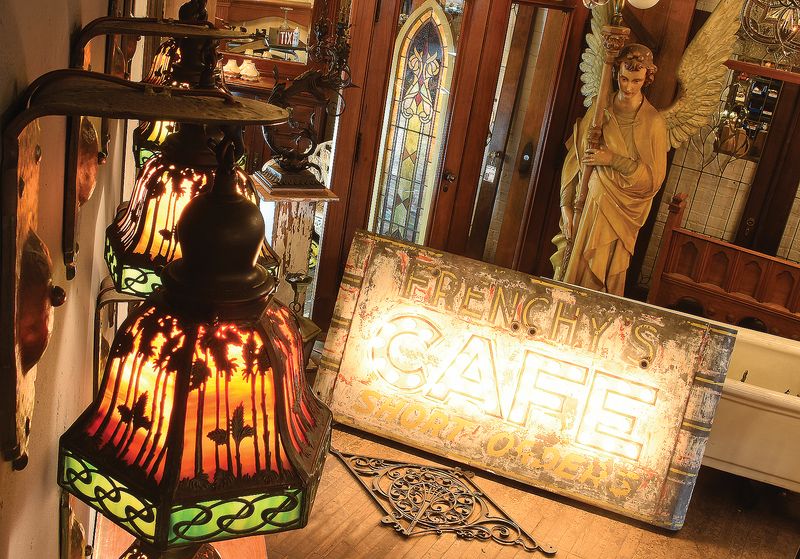
Not everyone comes to buy. Plenty of people come just to look.
The shop is often compared to a museum of older houses. One shopper brought an 88 year old friend for his first visit, and neither of them owned a house anymore, yet both enjoyed every aisle.
The atmosphere earns kind words. People describe it as homey and inviting, with an eclectic selection that makes strolling fun.
Inventory changes over time, which gives repeat trips a purpose. The curated collection is called ever changing, so there is often something new to find.
Collectors, designers, and dreamers all have a place here. The mix of eras and styles makes it a good outing for groups with different tastes.
Browsers who just want inspiration are welcome too. Many leave with ideas for their own home, even if they leave empty handed.
Still, any honest guide needs to talk about the price tags. That part deserves its own section.
Top Shelf Finds at Top Shelf Prices
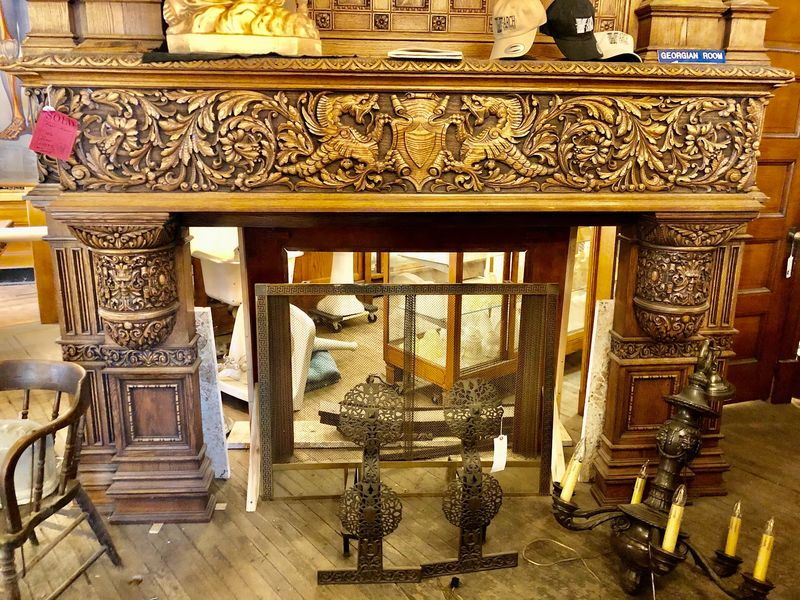
Bargain hunters, consider this a friendly heads up. This is not the spot for a cheap steal.
Prices are described as top dollar, and some shoppers call the store very expensive. Even dedicated antique fans admit it can be too rich for their budget.
There is a reason behind the numbers. The prices reflect how unique and scarce many of these building materials are.
Sourcing, preserving, and rewiring old pieces takes real skill. People who understand that work tend to see the cost as fair for what they get.
Quality backs it up. Buyers say their purchases have held up well, and many expect them to last another lifetime.
The best approach is simple. Come with a clear idea of what you need, set a budget, and enjoy the browsing either way.
Many still call it perhaps the best selection of interior and exterior pieces in the state. Good news comes next for anyone who lives too far away to visit often.
Friendly Experts and Out of State Shipping
Helpful staff is the most talked about topic after lighting. That says a lot about the people behind the counter.
Owner Ian gets named often for his knowledge and warmth. Team members Maddie and Caleb have also been credited for creative problem solving on tricky projects.
Shoppers call the staff friendly, informative, and knowledgeable. They help people find pieces that suit the style and era of a home.
The service reaches beyond Minnesota. Out of state buyers have ordered through the website, with the team making sure shipping went smoothly.
The online listings get praise too. Product photos and descriptions are called terrific, so remote buyers know what they are getting.
That combination of expertise and patience is a big reason people return for years. Questions are welcomed, not rushed.
With all that in mind, a little planning will make your first trip go smoothly.
Planning the Trip and the Final Verdict
Timing matters here, because the hours are short. The shop is open Tuesday through Friday from 10 am to 3 pm and Saturday from 10 am to 4 pm.
Sunday and Monday are closed. Weekday shoppers should plan for a midday visit to leave enough browsing time.
The website at archantiques.com is a handy place to preview stock. It can help narrow your list before heading to Northeast.
Bring measurements for any spot you hope to fill. That goes for light fixtures, doors, sinks, or anything else headed into an older home.
A vehicle with some room is wise if you are eyeing larger items. Small hardware fits anywhere, but a bathtub does not.
So is it worth the trip? For Minnesota vintage collectors and old house owners, the answer looks like a confident yes.
The selection is deep, the lighting work is careful, and the people know their stuff. Even if the budget stays in your wallet, the walk through a century of building history is a fine way to spend a morning.
Share this story