Some places in Oklahoma have been feeding people for close to a century, and they never felt the need to change much.
In El Reno, a tiny counter along old Route 66 still serves onion burgers off a well-worn flat top, with about a dozen stools and no booths at all.
There are no paper menus, no big signs, and no fancy extras.
What you get instead is a front-row seat to a family-run grill where regulars are known by their usual order.
Road trippers plan stops around it, and locals keep coming back for good reason.
Keep reading to learn its story, what to order, when it is open, and how to make the most of a visit on your next weekend drive west of Oklahoma City.
1. A Corner Counter on Route 66
Blink on the drive through downtown and it would be easy to roll right past it.
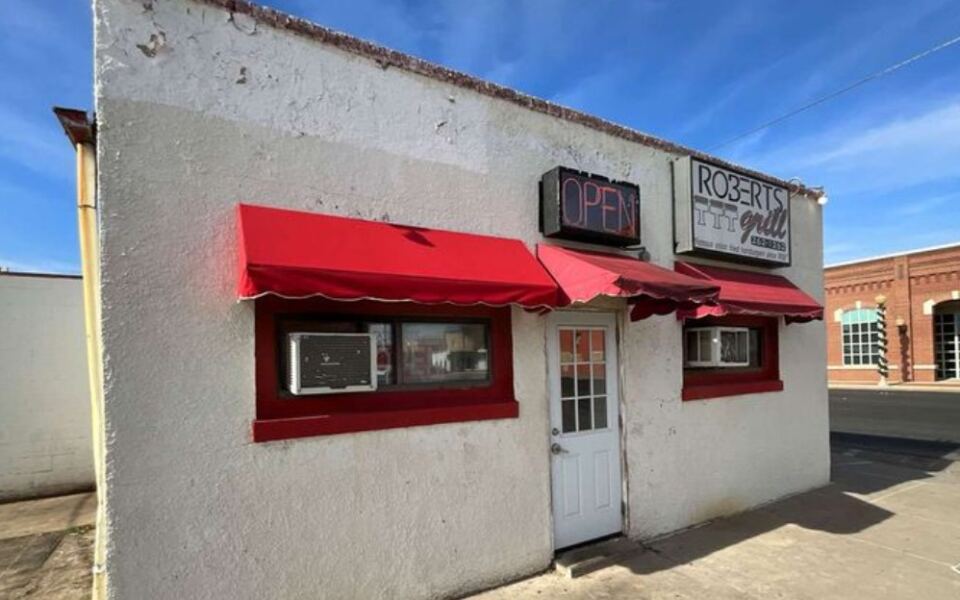
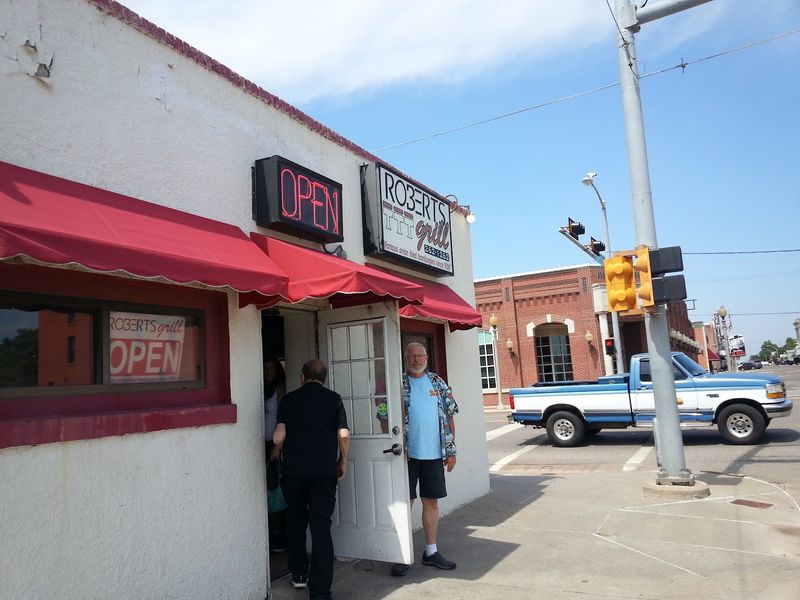
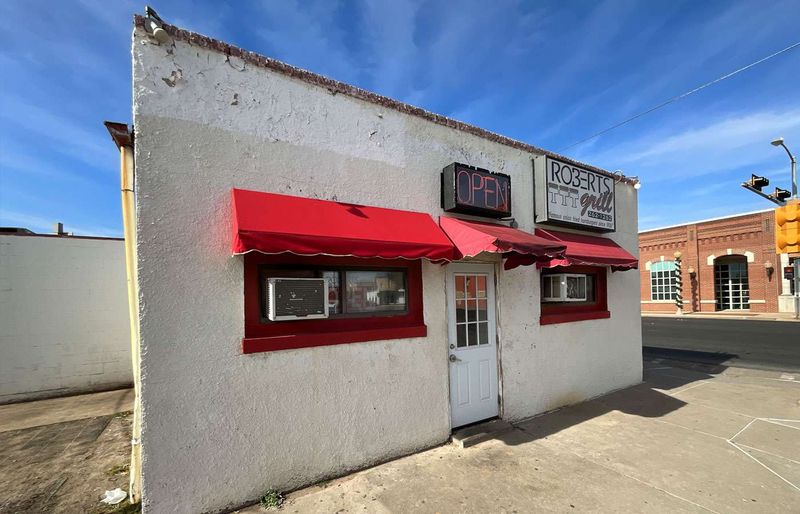
Robert’s Grill sits at 300 S Bickford Ave, El Reno, OK 73036, a modest corner spot in a town along historic Route 66.
El Reno is roughly a half-hour drive west of Oklahoma City, which makes it an easy day trip for families in the metro.
The town carries a big reputation for its size, since it is widely known as the home of the Oklahoma onion burger.
The building itself does not try to impress.
There is no giant sign pointing the way, and the exterior has a plain, lived-in look that some first-timers mistake for a place that might be closed.
That would be a mistake.
Inside is a classic hamburger counter that has been turning out onion burgers for generations, and it remains one of the most talked-about stops in El Reno.
The listing describes it simply as a hamburger restaurant.
Fans would add a few more words, like old school, family run, and worth the detour.
Before the first burger hits the counter, though, it helps to understand just how long this grill has been at work.
2. A Grill Seasoned by Generations
Think of the grill as the oldest employee in the building, one that has been working tirelessly for years without ever asking for a day off.
Decades of heat, grease, and countless burger patties have turned its surface dark and slick, almost like the cast-iron pan your grandma refused to replace because nothing else could cook quite the same way.
That seasoning matters more than you might think.
Every patty picks up a little of the flavor left behind by thousands of burgers cooked before it, creating a taste that simply cannot be replicated on a brand-new cooking surface.
The result is a beautifully browned crust, a juicy center, and that unmistakable old-school burger flavor that keeps customers coming back for more.
The cooks here understand that the flat-top is more than just a piece of equipment.
They treat it with respect, scraping away the excess grease and burnt bits while carefully preserving the seasoned surface that gives each burger its character.
It is a routine perfected through years of practice, where instinct often matters just as much as technique.
Grab a seat near the front if you can.
Watching the steam rise, hearing the steady sizzle, and catching the aroma of freshly cooked beef is half the fun.
Around here, the show begins long before your burger reaches the plate.
3. The Smash That Started It All
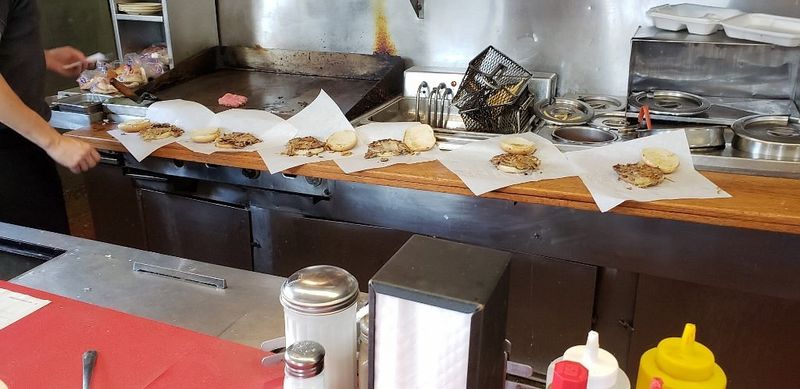
Back in the 1930s, money was tight, and the Great Depression forced families and restaurant owners to make every dollar count.
In El Reno, Oklahoma, cooks came up with a clever solution that would eventually become a legendary part of American burger history.
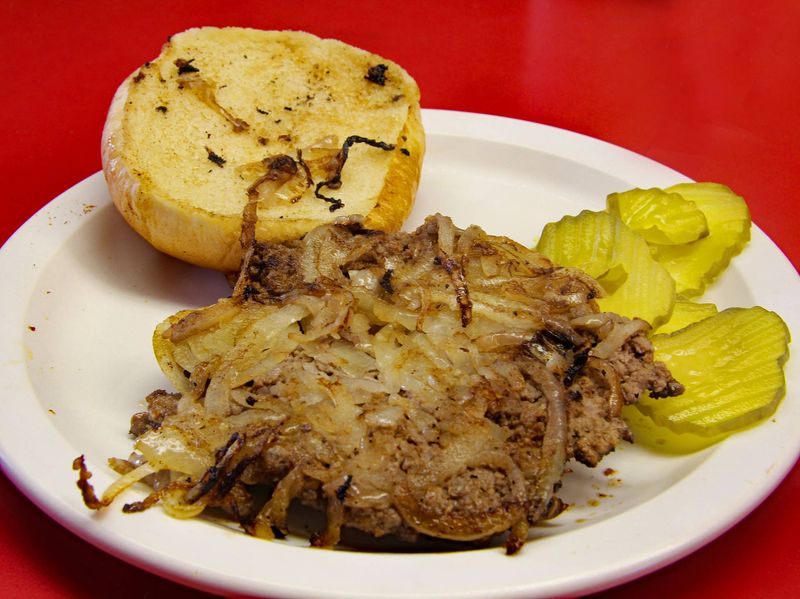
Instead of serving a thick beef patty, they pressed a generous pile of thinly sliced onions into a small ball of ground beef, spreading the meat further while creating a burger that looked bigger and satisfied hungry customers without breaking the bank.
What started as a practical way to stretch ingredients soon became something much more delicious.
As the onions hit the hot griddle, they released their natural sugars, softened, and caramelized directly into the beef.
The result was a beautiful combination of savory meat, sweet onions, crispy edges, and a slightly chewy texture that made every bite unforgettable.
It was simple cooking, but the flavor was anything but ordinary.
Watch closely when your order hits the grill.
The cook places the onions on the beef, then brings down a heavy spatula, pressing everything into a thin, sizzling patty.
The counter fills with the rich aroma of browning meat and sweet onions, drawing the attention of everyone nearby.
It is a Depression-era invention born from necessity, but one that has endured for generations.
What began as a way to save money became a regional classic that proves some of the greatest food traditions come from making a little go a long way.
4. Twelve Stools and No Elbow Room
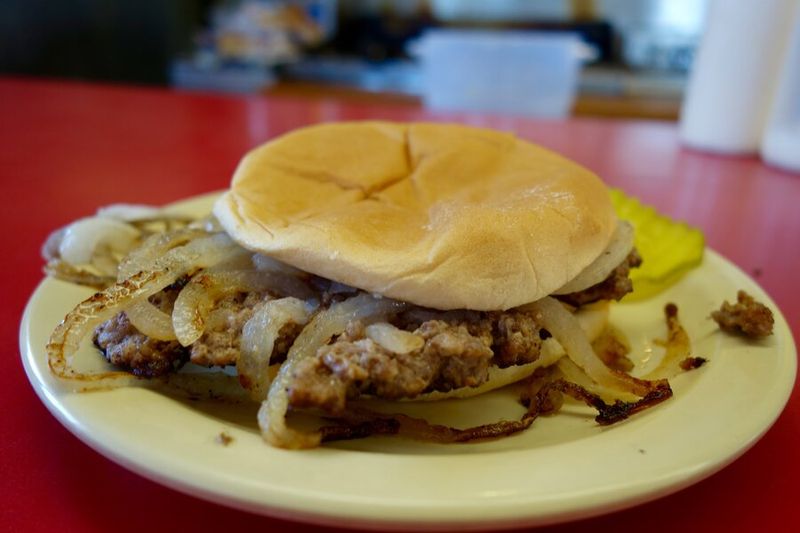
Count them yourself.
A dozen stools line the counter, and that is pretty much the entire dining room.
There are no sprawling booths, fancy decorations, or rows of tables competing for space.
Just a small, welcoming room where the focus stays on good food, friendly faces, and the simple pleasure of sitting down to a satisfying meal.
The limited seating might seem unusual by modern restaurant standards, but it is part of what gives this place its unmistakable charm.
Small spaces have a funny way of bringing people together.
With everyone sitting shoulder to shoulder, conversations start naturally, often between people who have never met before.
You might find yourself chatting with a trucker taking a break from the highway, a retired teacher sharing stories from years past, or a family traveling Route 66 from three states away.
Before long, someone is passing the ketchup, another person is recommending a nearby attraction, and the entire counter feels a little less like a restaurant and a little more like a gathering of old friends.
Of course, a dining room this small means timing matters.
If you want to avoid standing by the door waiting for a seat, try visiting a little before or after the lunch rush.
Around noon, stools can fill quickly as locals and travelers arrive hungry.
Still, the wait is part of the experience.
Once that warm plate slides across the counter, you will understand why people keep coming back.
5. Ordering Like a Local
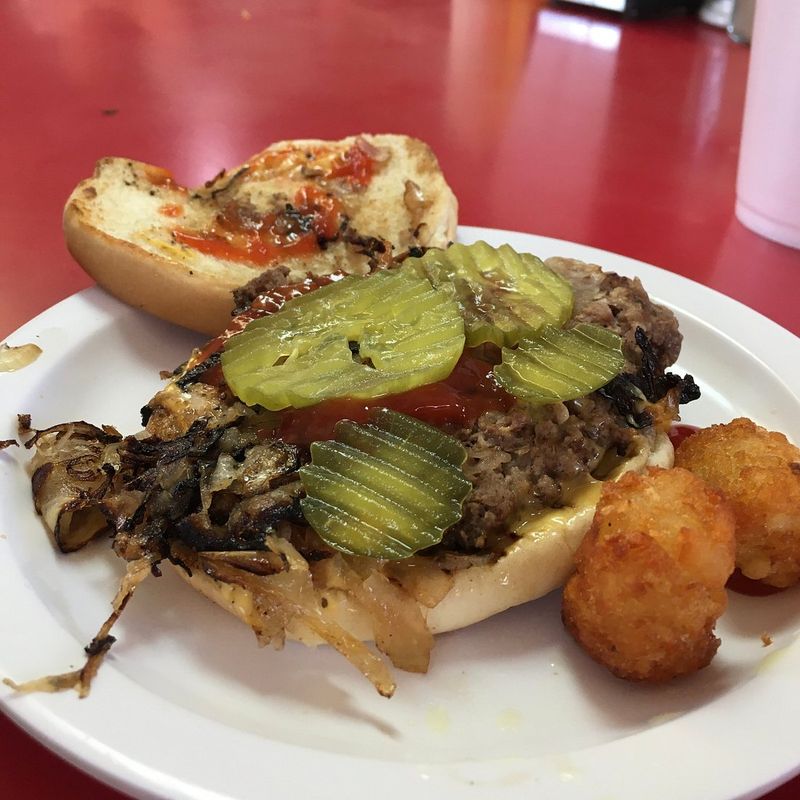
Feeling nervous about the menu?
Relax, because the choices are usually short, simple, and refreshingly easy to navigate.
There is no need to spend ten minutes studying a long list of options or wondering which combination of toppings works best.
Most regulars order an onion burger with cheese, and you really cannot go wrong following their lead.
It is a classic for a reason, combining juicy beef, sweet caramelized onions, melted cheese, and a toasted bun into one satisfying bite.
Mustard and pickles are traditional toppings that add a tangy kick and balance the richness of the meat.
Some longtime fans skip ketchup entirely, preferring to let the naturally sweet, griddled onions take center stage.
Others stick with their favorite condiments, proving there is no single right way to enjoy this Oklahoma classic.
If you arrive with a serious appetite, consider adding a side of golden fries or ordering a coney dog, another regional favorite featuring a hot dog topped with savory chili.
A little preparation can make your visit even smoother.
Bring cash just in case, since payment options can vary from one old-school diner to another.
When it is your turn to order, speak clearly and know what you want before reaching the counter.
These cooks often work at an impressive pace, juggling several orders while keeping the grill sizzling.
Keep it simple, follow the locals’ lead, and enjoy the experience.
Sometimes, the best meals come with the fewest decisions.
6. A Festival Built Around Onions
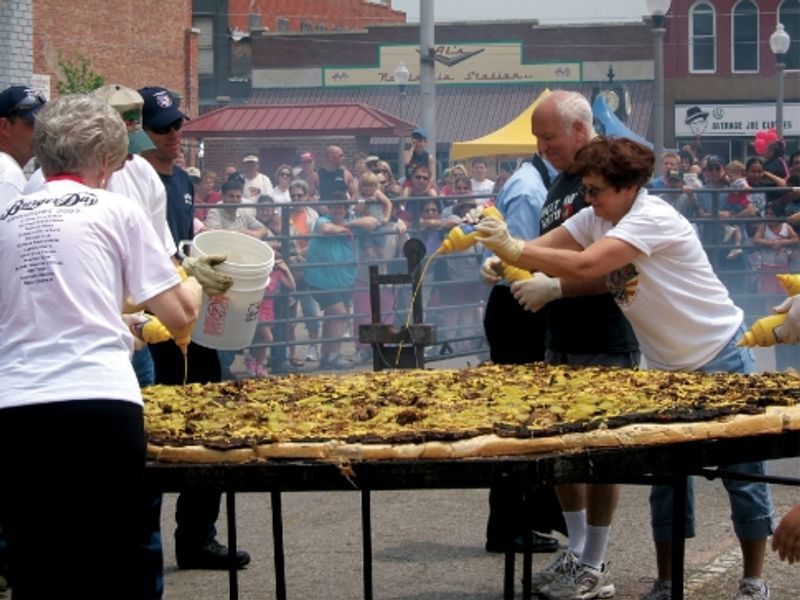
Every May, El Reno, Oklahoma, celebrates its most famous culinary creation with a lively event dedicated to the humble onion burger.
The Fried Onion Burger Day Festival draws crowds from across Oklahoma and beyond, bringing together food lovers, curious travelers, and families looking for a fun-filled day in this historic Route 66 community.
What began as a local food tradition has grown into a celebration of the town’s identity, heritage, and love of good old-fashioned cooking.
The undisputed star of the festival is a gigantic fried onion burger prepared on an enormous custom-built grill.
Weighing hundreds of pounds, this massive creation takes teamwork, careful timing, and plenty of onions to bring together.
Once it is cooked to perfection, the giant burger is cut into portions so festivalgoers can share a taste of the dish that made El Reno famous.
It is an impressive sight, and watching the preparation is an experience in itself.
But there is much more to enjoy than the food.
Live music fills the streets, games keep younger visitors entertained, and classic car shows bring an extra dose of nostalgia to the festivities.
Local vendors and community activities add to the welcoming atmosphere, making the event enjoyable even for those who have never tried an onion burger before.
Planning a trip around the festival can turn an ordinary weekend into a memorable family adventure.
Keep in mind that downtown diners get especially busy during the celebrations, so arrive early, wear comfortable shoes, and bring a hearty appetite.
In El Reno, May is all about community, tradition, and plenty of delicious onions.
7. Why Old Diners Still Matter
Picture a grandpa bringing his grandkid to the very same counter where he ate burgers as a boy, sharing stories about the people he knew and the meals he still remembers.
The seats may have changed, and the town outside may look a little different, but the familiar smells, friendly faces, and comforting food make it feel like stepping back in time.
Moments like these are exactly why small-town diners are such special places.
Unlike big chain restaurants that come and go with changing trends, family-owned diners often carry decades of local history within their walls.
Recipes are passed down, regular customers become familiar friends, and generations of families return to the same tables year after year.
Every photograph on the wall, every well-worn counter stool, and every handwritten menu tells a small part of the community’s story.
These diners also play an important role in keeping local economies thriving.
Every meal purchased helps support the people behind the counter, from the cooks preparing burgers on a seasoned grill to the staff welcoming customers through the door.
Choosing a neighborhood favorite over a familiar chain is a simple way to help preserve the character that makes a town unique.
So, the next time you visit a beloved old diner, take a moment to appreciate what makes it special.
Look through the historic photographs, strike up a conversation with a longtime regular, thank the cook for a delicious meal, and consider leaving a thoughtful review online.
Sometimes, the smallest gestures make the biggest difference in keeping a local landmark alive for the next generation.
Share this story