Some Oregon towns are best seen through a windshield. This one asks you to park the car and use your feet instead. Tucked against the eastern edge of the Willamette Valley, it sits on a line that splits the planet’s northern half right down the middle.
Its downtown keeps an old-fashioned pace, the kind that rewards slow steps and long pauses at shop windows. For Oregonians who want familiar small towns to stay just as they are, this place is a reminder of why that matters. Keep reading to learn where it is, what makes it special, and how to plan a simple day of strolling here.
A Small City on the 45th Parallel
Halfway between the equator and the North Pole sounds like a riddle answer. In this case, it is a mailing address.
Silverton, Oregon 97381, USA, is a city in Marion County. It sits along the 45th parallel, the line that marks the midpoint between the equator and the North Pole.
The town is about 14 miles northeast of Salem, the state capital. That short distance makes it an easy pick for a day outing from the middle of the valley.
Silverton rests on the eastern margins of the broad alluvial plain of the Willamette Valley. In plain terms, it lives where flat farm country starts to give way to higher ground.
That position shapes how the town feels. It is close enough to bigger cities to be convenient, yet it keeps its own small-town character.
For walkers, the size is the real selling point. A compact city means a compact downtown, and that is exactly the kind of place where a pair of comfortable shoes does all the work.
So the map pin is set. Now comes the fun part, which is figuring out why so many people choose to explore it one block at a time.
Where the Valley Floor Meets the Foothills
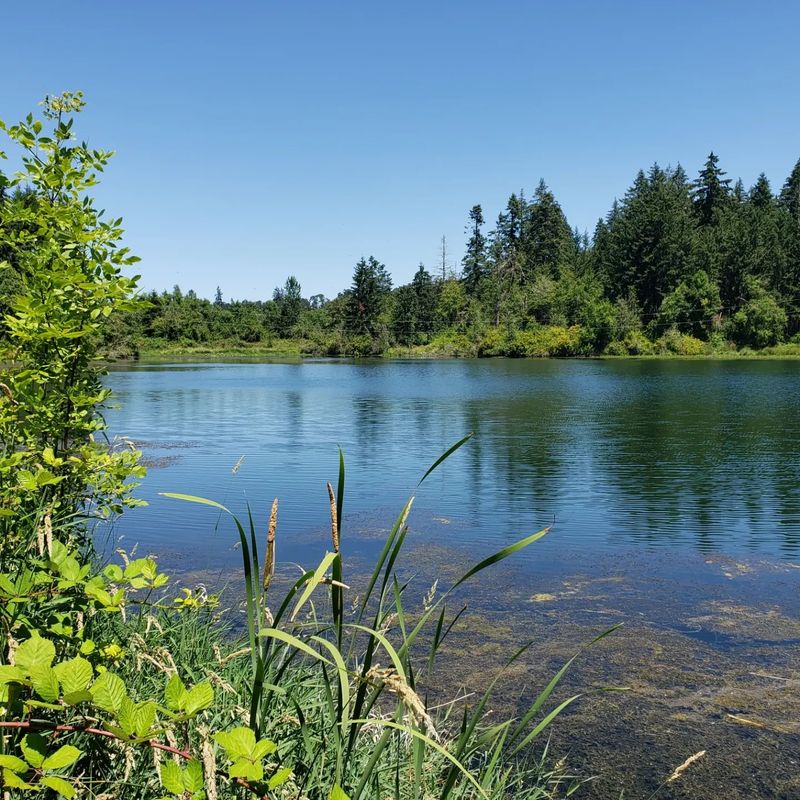
Geography class rarely gets a starring role in a travel story. Here, it earns one.
The Willamette Valley is a wide alluvial plain, which means the land was built up over time by river deposits. That kind of soil is a big reason the valley is known as farm country.
Silverton sits on the eastern side of that plain. To the east, the land begins to rise, so the town feels like a meeting point between flat fields and higher terrain.
This setting gives the town a clear identity. It is not lost in a sprawl of suburbs, and it is not hidden deep in the mountains either.
For a day trip, that balance is handy. A drive in from Salem passes through open valley land before reaching the town’s streets.
Once there, the walking begins. The setting explains why the downtown feels tidy and contained, with a clear edge where town ends and countryside begins.
Plenty of Oregon places blur together on a map. This one has a location that actually tells a story, and it is worth keeping in mind as you head toward the heart of town.
Old Storefronts With Staying Power
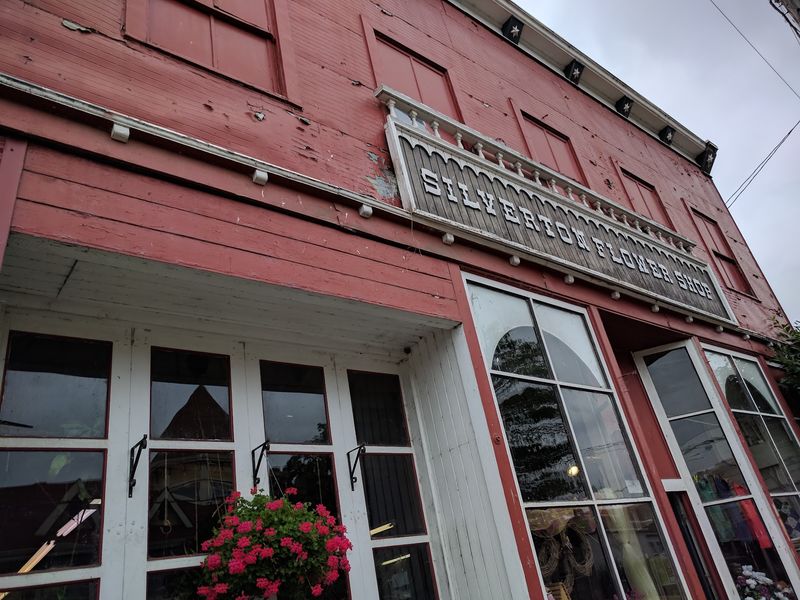
Vintage is not a costume in a town like this. It is simply what the buildings have been for a long time.
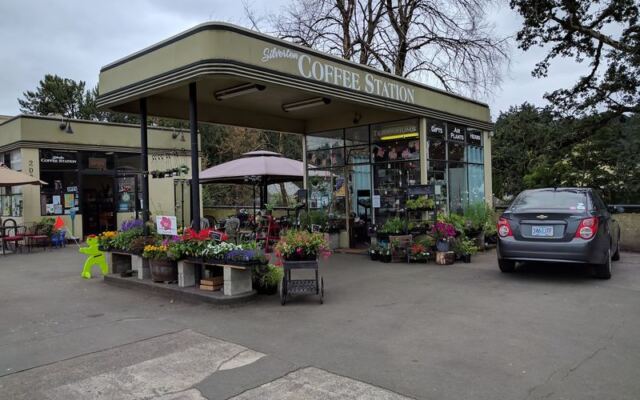
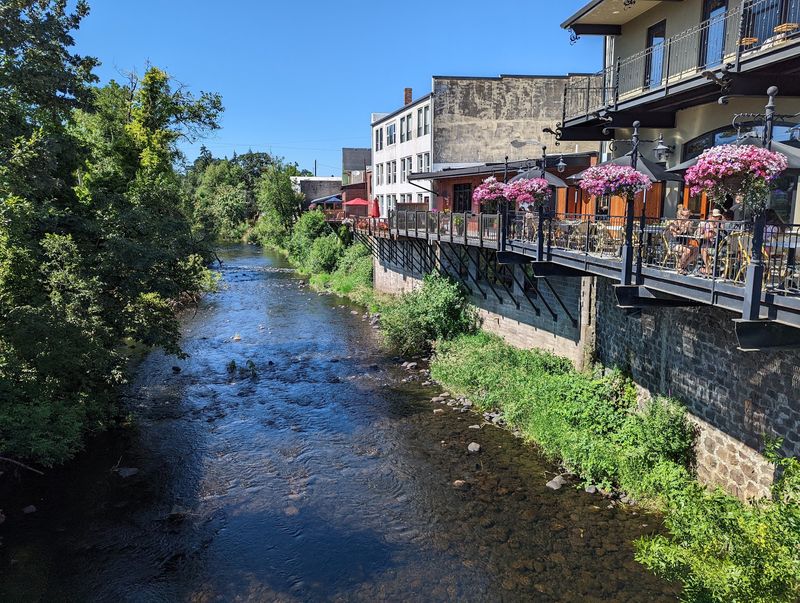
Silverton’s downtown has the look of a classic small Oregon main street. Older storefronts line the sidewalks, and the scale is human, not highway.
That vintage character is a big part of the appeal. Familiar buildings give a town its memory, and keeping them in use is one way communities hold on to who they are.
For Oregonians who care about preserving recognizable places, a downtown like this is worth supporting. Every stroll and every local stop helps keep the lights on in these spaces.
The best approach is unhurried. Read the shop signs, look up at the upper floors, and notice the details that newer developments tend to skip.
Specific shop names and hours change, so checking the city website before a trip is a smart move. The site at silverton.or.us is the official starting point.
Old buildings do not stay standing by accident. They survive because people keep showing up, and that is a pretty good reason to add a walk here to the calendar.
Blocks Built for Slow Steps
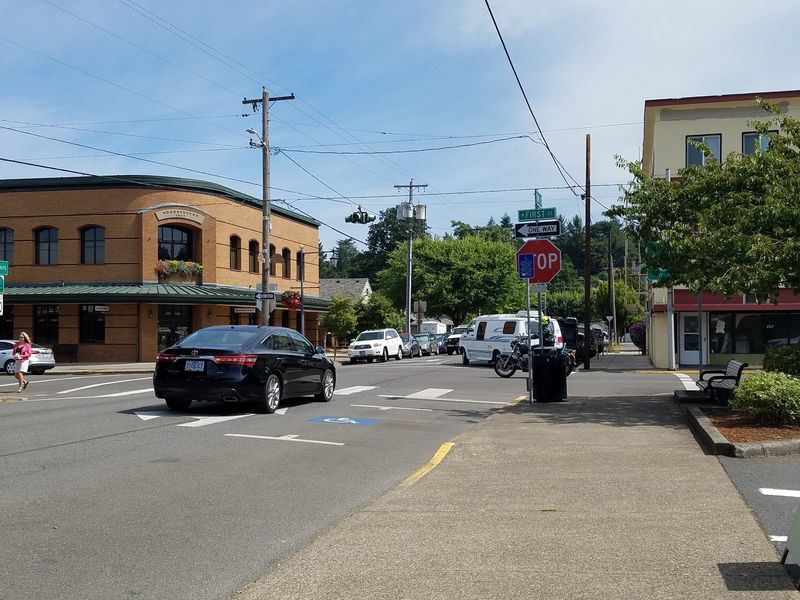
Some towns are measured in miles. This one makes more sense measured in blocks.
Silverton’s compact size is what makes it so friendly to people on foot. A small city footprint means the downtown can be covered without a car once you arrive.
The idea is simple. Park once, then let the sidewalks lead the way.
Walking turns a quick errand into an outing. A short loop can include window shopping, a sit on a bench, and a look at the town’s older architecture.
It also suits a wide range of people. Families, couples, solo travelers, and retirees can all set their own pace without needing a detailed plan.
Comfortable shoes are the main requirement. A light jacket is also wise, since Oregon weather has a habit of changing its mind.
For anyone tired of drive-through days, the pace here feels like a reset button. The town does not rush you, and the blocks seem happy to wait while you take your time.
The Quirk Factor
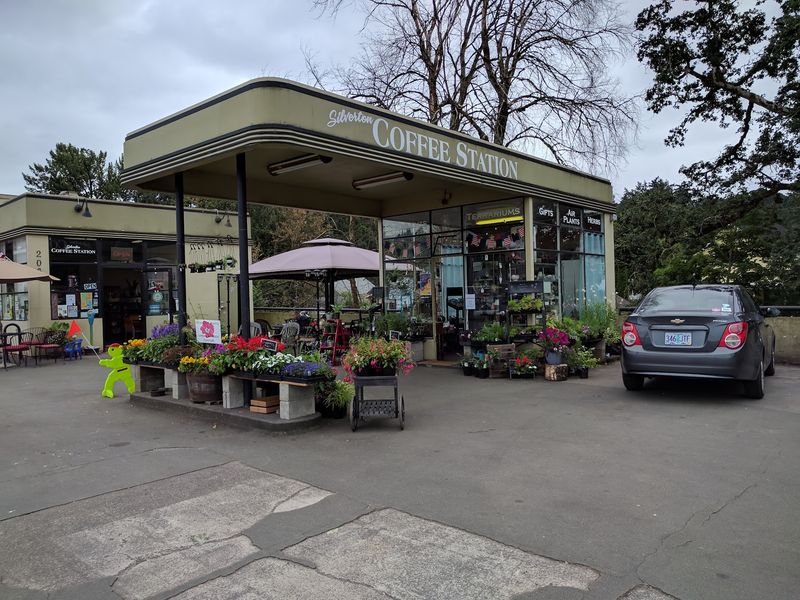
Quirky is a word that gets tossed around a lot. In a small town, it usually means the place has kept its own personality instead of copying everyone else.
That is the kind of charm Silverton offers. It is a real working city in Marion County, not a theme park built to look old.
Small towns tend to collect their own oddities over the years. A hand-painted sign, an unusual storefront, or a corner that has looked the same for decades can all become part of the local identity.
The fun is in spotting these details yourself. A walking pace makes that easy, because nothing zooms past the window.
Bring curiosity rather than a checklist. The most memorable parts of a town walk often come from turning down a street just to see what is there.
Quirk is hard to manufacture and easy to lose. Towns that keep it are worth celebrating, and a slow wander is the best way to give that character its due.
An Easy Escape From Salem
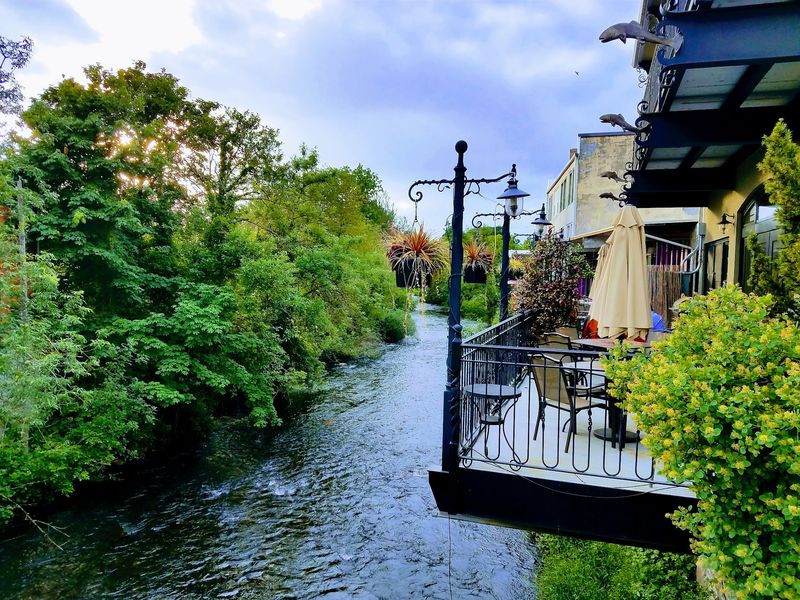
Fourteen miles is a short hop. It is roughly the distance between Salem and Silverton, and it makes the town one of the easier small-town escapes in the mid-valley.
Getting there is straightforward. Silverton lies northeast of Salem, so the drive heads away from city traffic and into the eastern part of the Willamette Valley.
That closeness matters for everyday budgets. A short drive means less time and less fuel, which keeps a weekend outing affordable.
It also makes return trips realistic. A town this close can become a regular stop instead of a once-a-year event.
For travelers coming from farther away, Salem works as a useful reference point. Once there, Silverton is a quick add-on.
Parking once and walking the rest of the day keeps things simple. The less time spent hunting for spaces, the more time there is for exploring.
Short drives have a way of turning into favorite habits. This one has all the makings of a repeat trip.
Who Feels Right at Home Here
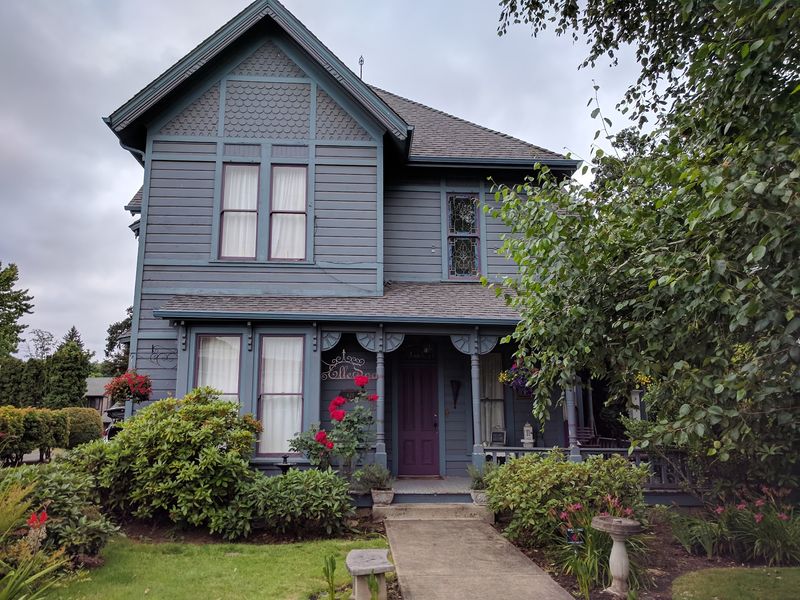
Not every destination needs a thrill ride. Some of the best ones simply give people room to slow down.
Silverton suits travelers who like a relaxed day. People who enjoy browsing, looking at old buildings, and taking breaks without a schedule will feel at ease.
Families can make it work well too. Short distances help little legs, and an easy route makes turning back simple when energy runs low.
Older travelers often appreciate a compact downtown. Fewer long hikes between stops makes the day more comfortable.
Photographers and history fans have plenty to notice. Vintage storefronts and small-town streets offer steady material for anyone who likes details.
Locals from around the valley also benefit. A familiar town close to home is a low-cost way to spend a free afternoon.
The common thread is patience. Anyone willing to wander without a strict plan is likely to leave with a good impression and a reason to return.
A Smart Plan for the Day
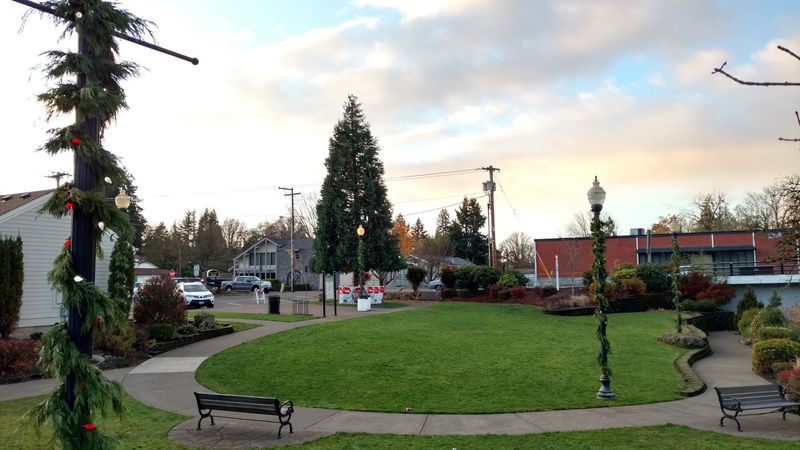
Good wandering still benefits from a little homework. A few minutes of prep can keep the day smooth.
Start with the official city website at silverton.or.us. It is the most reliable place for current town information and updates.
Hours for individual shops and attractions vary. Checking ahead avoids arriving to a closed door.
Plan to park once near the downtown area. From there, the town is easy to explore on foot.
Dress in layers and wear shoes made for walking. Willamette Valley weather can shift during the day.
Leave space in the schedule. The point of a walking town is to stop when something catches your interest, not to race through a list.
Keeping a small budget in mind helps too. A day of strolling costs very little, and spending a bit at local businesses supports the places that make the town worth visiting.
With these basics covered, the rest of the day can take care of itself.
Why Keeping Towns Like This Matters
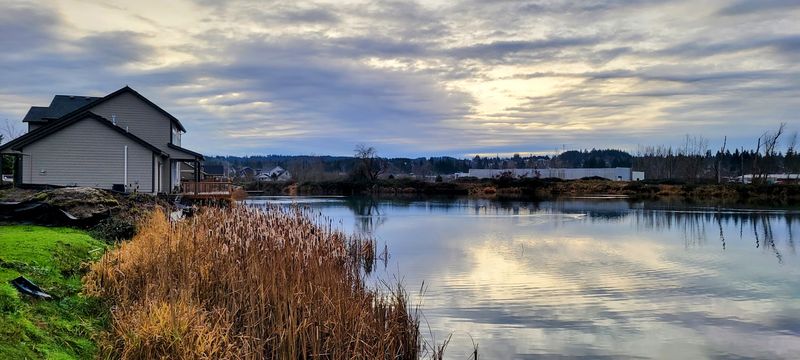
Familiar places do not last on their own. They last because people keep caring about them.
Across Oregon, many residents want the towns they grew up with to stay recognizable. Silverton is the kind of place that shows what is worth protecting.
A walkable downtown is a community asset. It supports local businesses, gives neighbors a shared space, and keeps everyday life within reach.
Affordability is part of this story too. A free walk, a short drive, and a nearby destination make for an outing that does not strain a household budget.
Small choices add up. Visiting local shops, attending town events listed by the city, and simply showing up all help keep a downtown active.
The goal is not to freeze a town in time. It is to make sure its character stays strong while it continues to serve the people who live there.
Every visit is a small vote for the kind of Oregon that many people hope to keep.
The Verdict on a Town Made for Strolling
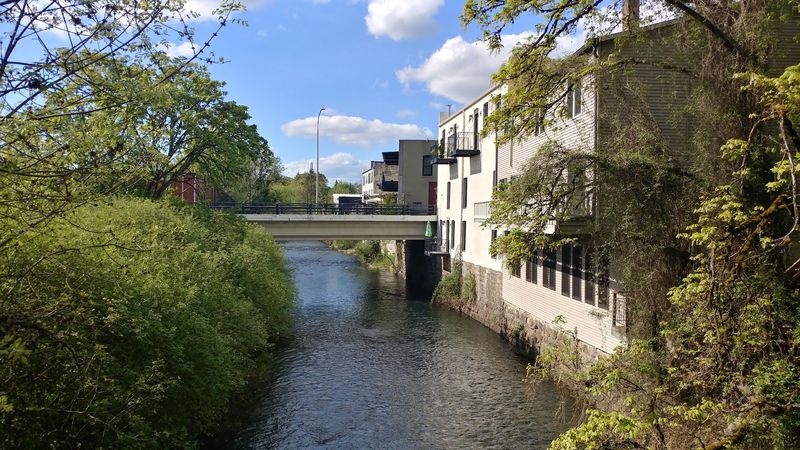
After all the blocks are counted, the appeal comes down to something simple. Silverton lets people slow down.
It has a clear location, sitting on the 45th parallel about 14 miles northeast of Salem. It also has a strong setting at the eastern edge of the Willamette Valley.
Its vintage downtown and compact size make it ideal for exploring on foot. No complicated plan is needed, just time and comfortable shoes.
For valley residents, it is an affordable outing close to home. For travelers, it is an easy add-on to a trip through Marion County.
Not every town needs big attractions to be worth a visit. Some earn their place by staying true to themselves.
That is the quiet strength of this little city. Park the car, take a few steps, and let the sidewalks do the talking.
Chances are, one short wander will turn into a plan to come back.
Share this story