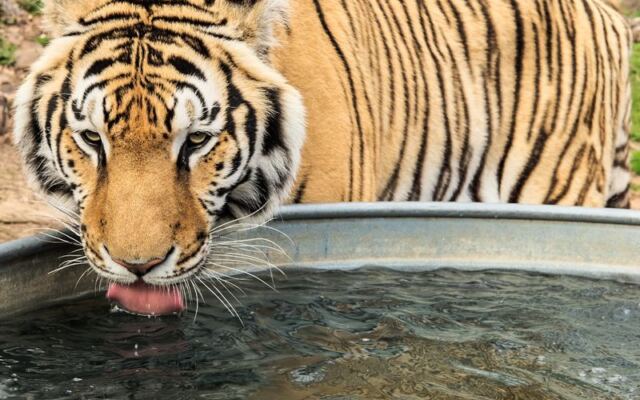
Out past the busy edges of Broken Arrow, a quiet piece of land holds some of the most unexpected neighbors in Green Country. Tigers, lions, and wolves live here, along with a long list of exotic animals that once belonged to people who thought a wild pet sounded like fun.
The headline promises big cats close to your car, but the real story is more interesting than a drive-by. This place is a working rescue, not a zoo, and that difference shapes everything about it.
The gates no longer swing open for casual weekend crowds. Instead, a small team and a steady stream of volunteers keep the animals fed, safe, and settled.
Keep reading to learn who runs it, which animals call it home, how the public years ended, and how you might still earn a spot inside the fence.
1. A Rescue Tucked Into Broken Arrow
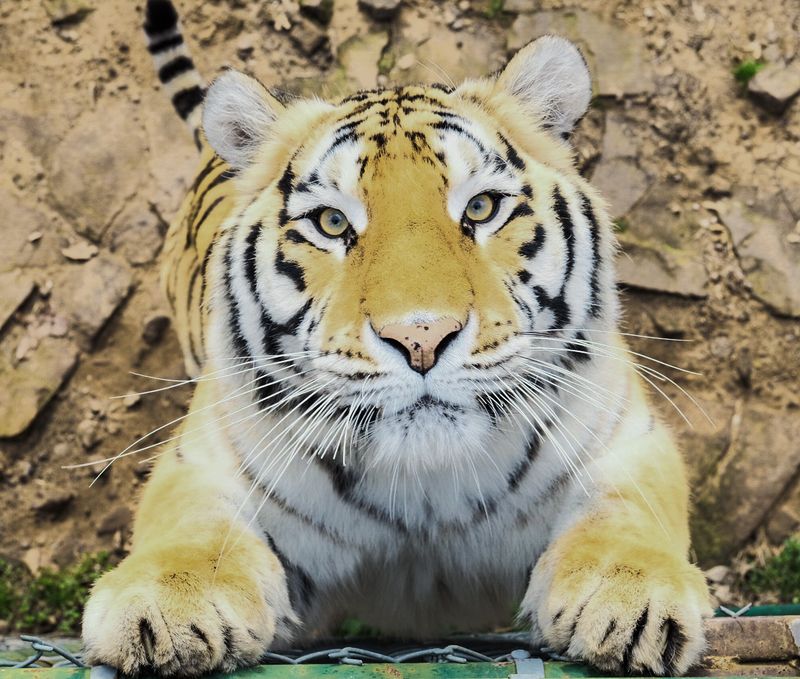
Some of the wildest residents in Tulsa County live behind a modest gate on a country road. Safari Sanctuary sits at 4472, 26881 E 58th St S, Broken Arrow, OK 74014, in the eastern stretch of the Tulsa metro.
The full name on its listing tells you most of what you need to know. It reads Safari Sanctuary.
Working Rescue. Not a zoo.
That last phrase matters more than anything else in this article. The property is classified as an animal rescue service, and its mission centers on caring for exotic wildlife that needs a permanent home.
Big cats share the grounds with wolves and a mix of other unusual species. Many arrived after private owners realized an exotic pet was far more than they could handle.
The setting is rural enough to give the animals space, yet close enough to Broken Arrow that it feels surprising to find tigers so near suburban streets. For Oklahomans who like proving their state holds more than prairie, it is a striking local story.
Before anyone loads up the minivan, though, the next few sections explain why this is not a drop-in attraction. The story of how it changed is worth the scroll.
2. Eighteen Years of Open Gates
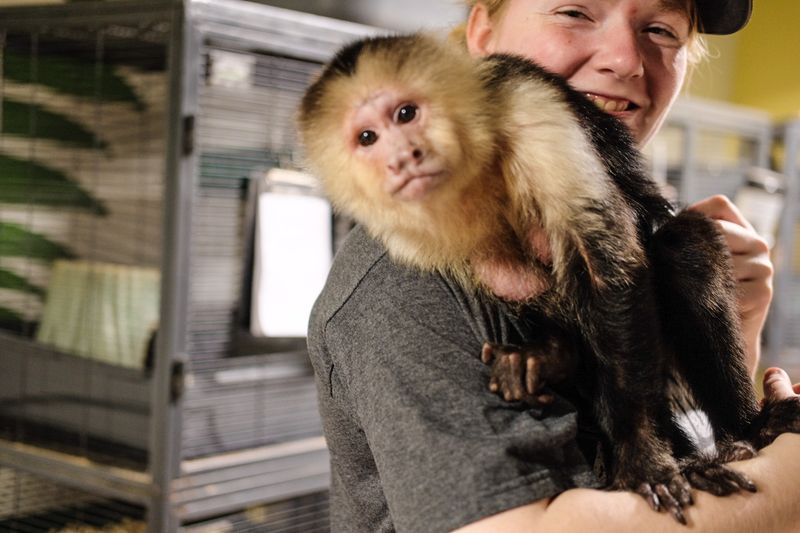
Long before it became a quiet rescue, this spot welcomed the public for nearly two decades. According to the sanctuary itself, it was open to guests for 18 years.
Families came for guided walks, school-age kids learned animal facts, and parents booked birthday parties. Guides shared knowledge about each animal, and many guests left having learned something new.
Then 2020 arrived and changed the math. The sanctuary has explained that after covid hit, it no longer received the help it once had.
What remains is just enough support to care for the animals and handle new rescues. Public tours require staff time, parking management, and extra hands, and the team chose to put every resource into the animals.
That choice reshaped the sanctuary’s identity. It now describes itself plainly as just a rescue of exotic wildlife, with no tours offered.
Some longtime fans miss the old days. Others feel the animals are better off with fewer crowds and calmer routines.
Either way, the shift explains the blunt name on its listing. When a place puts Not a zoo right in its title, it is sending a message it really wants heard.
3. The Woman Behind the Fences
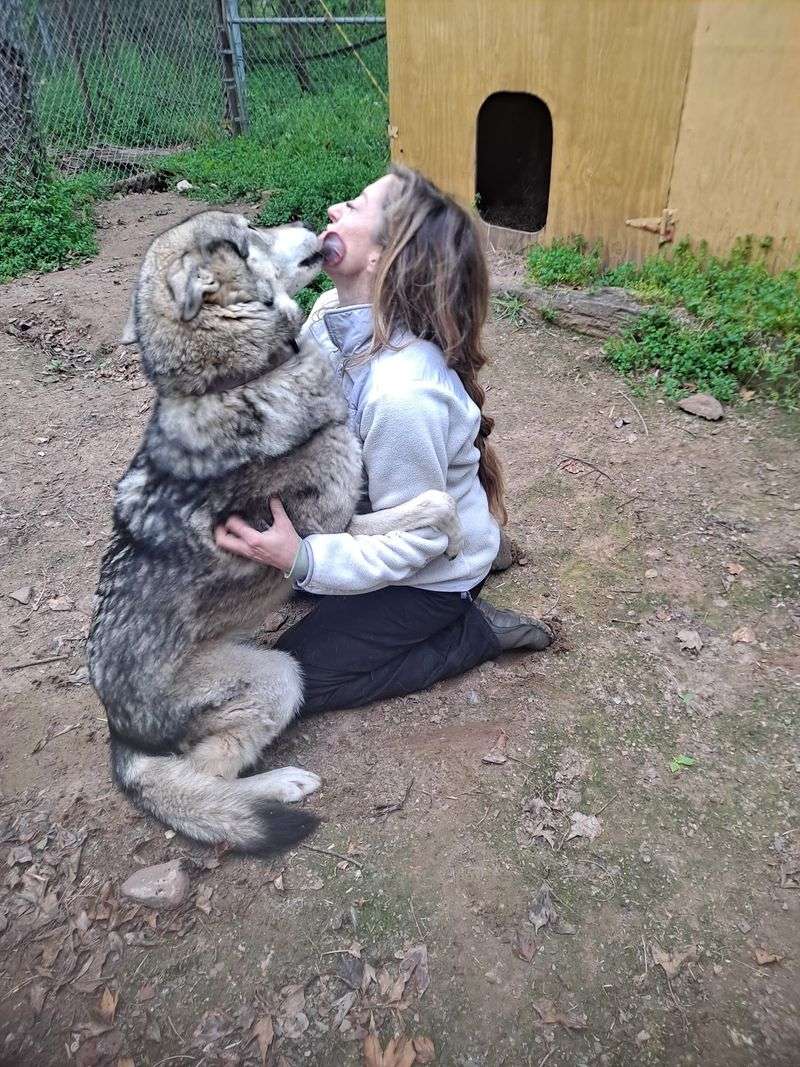
Every rescue has a heartbeat, and here it has a name. Lori has run the sanctuary since it opened in the 1990s, and she has been at it nonstop ever since.
Her dedication comes up again and again among people who know the place. She is described as working incredibly hard every single day for the animals in her care.
Former volunteers paint a picture of someone with a lot on her plate. Running a home for big cats and wolves takes constant effort, and keeping the operation going is no small feat.
People who have met her often mention a real connection between her, the staff, and the animals. The passion for the work shows in how the residents are treated.
She even signs her own replies to the public. One response to a former young volunteer simply invited that person back to volunteer or visit, signed Lori.
Another reply ended with a single word: chuffs. That is the friendly greeting sound tigers make, and it says plenty about who spends the most time with her.
Behind every tiger story at this sanctuary is a person who chose a lifetime of feeding schedules over weekends off.
4. Stripes, Manes and Howls
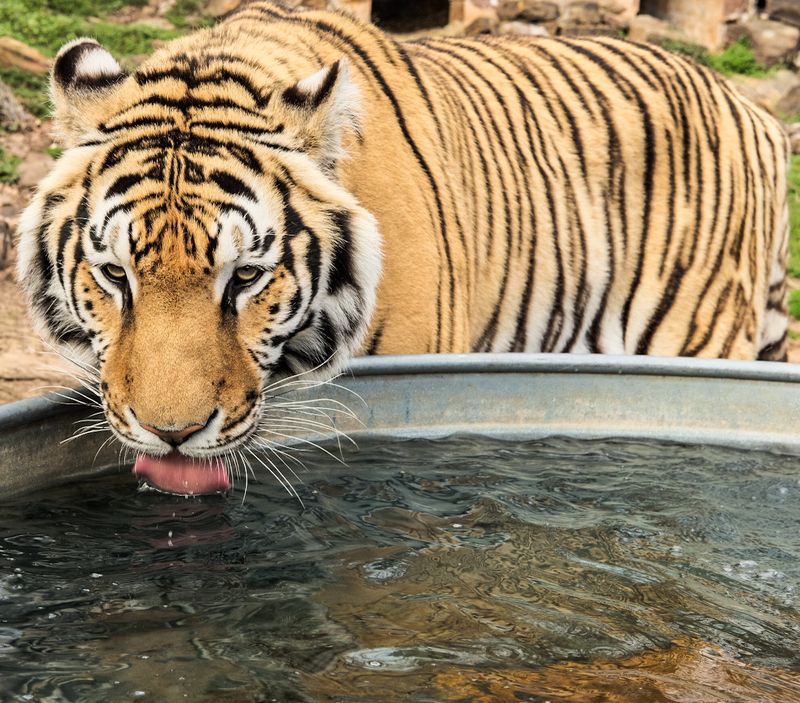
Tigers top the list of residents people talk about most. They are the headliners, the animals that make a rural Broken Arrow property feel like a different continent.
Lions live here too, along with wolves that have earned devoted fans of their own. One former young volunteer named the wolves as a personal favorite.
Back when overnight stays were possible, guests in the on-site cabin could hear the wolves, lions, and tigers calling at dusk and dawn. That detail alone shows how close these animals live to one another.
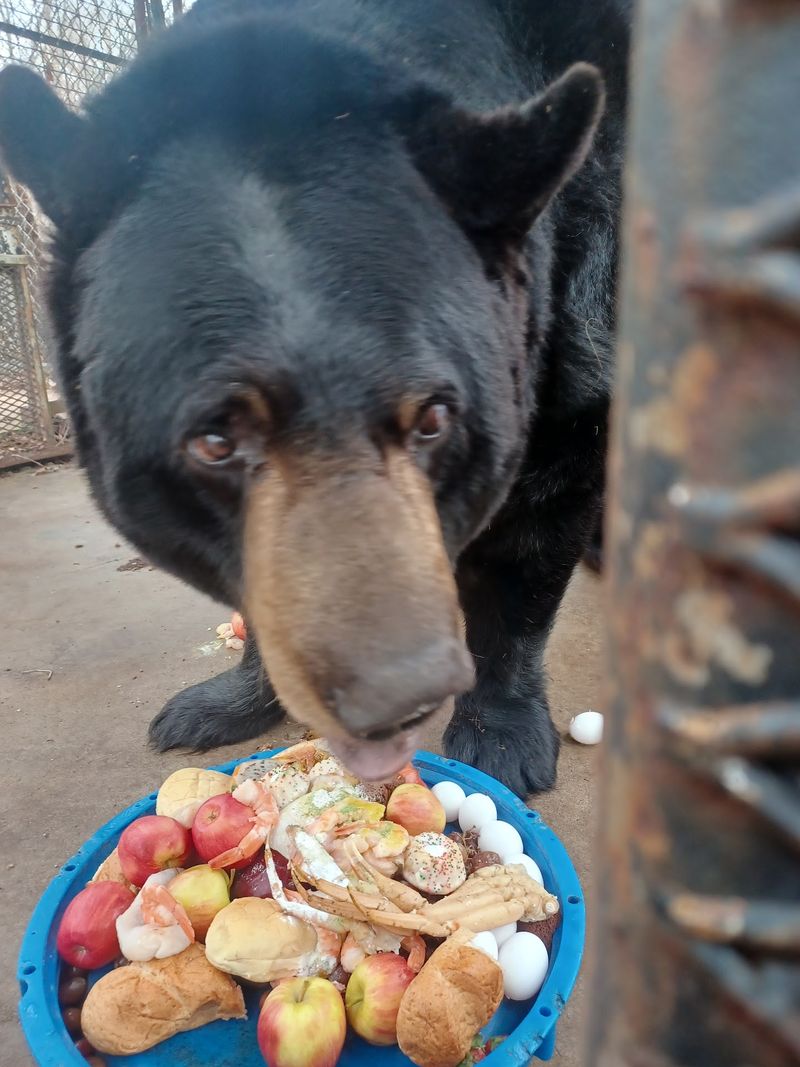
The roster goes well beyond big predators. The sanctuary has cared for kangaroos, snakes, alligators, and a wide range of other exotic species.
People who have spent time on the grounds describe the variety as remarkable. Many of the animals arrived with heartfelt backstories that explain why they need a permanent home.
A quick fun fact for the road: tigers do not purr the way house cats do. They chuff, a breathy puff used as a friendly hello.
So while the title mentions tigers near your car, the true thrill is knowing such a mix of wild lives is being looked after right here in Oklahoma.
5. Where Exotic Pet Dreams Land
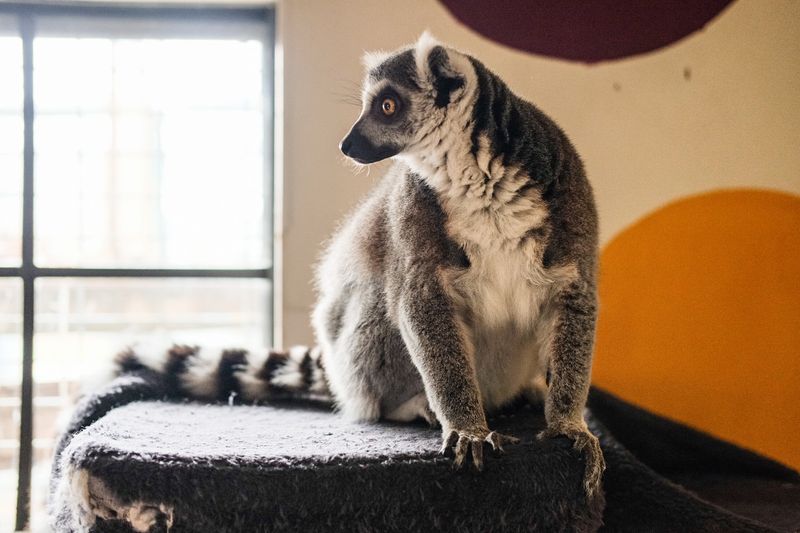
Plenty of these animals did not start life in the wild. Many were purchased by individuals who thought owning an exotic animal would be fun.
Reality usually catches up fast. A small cub or a cute reptile grows, and the needs grow with it.
Food costs climb, enclosures need serious strength, and specialized care becomes a full-time job. At that point, owners often have nowhere to turn.
That is the gap this sanctuary fills. It serves as a home for any animal in need, especially those that cannot simply be released.
Some residents came from situations of neglect or abandonment. Others just outgrew the homes that bought them.
The sanctuary does not breed animals for display or run shows. Its job is to give rescued wildlife a safe place to live out their lives with the care they need.
Over the years, regular people have even reached out about smaller creatures, such as a ferret found abandoned in a box. Requests like that show how the community sees the place as a safety net.
The lesson for families is simple and worth sharing with kids. Wild animals make poor pets, and rescues like this one exist because too many people learn that the hard way.
6. Volunteering, the Real Way Through the Gate
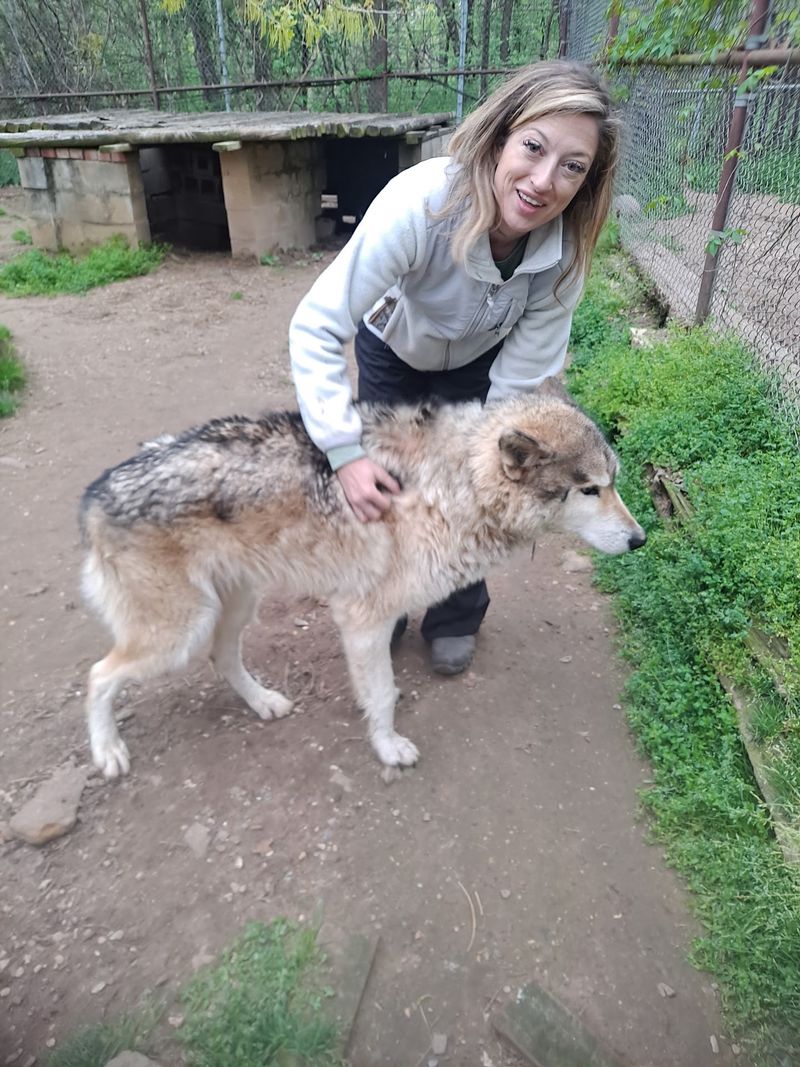
Here is the twist hidden in the headline. The best way to get close to these tigers is not from a car window but with a work glove on.
Volunteering is by far the most discussed topic connected to this sanctuary. The rescue relies on volunteers, and it has openly said it needs them badly.
Some volunteers come because they have free time and want a meaningful way to use it. Others arrive through community service programs.
People who have pitched in describe it as one of the best experiences of their lives. One called it a spiritual opportunity, a phrase that shows how deeply the work can land.
Volunteers handle the daily tasks that keep the place running. Feeding, cleaning, and supporting the staff are all part of the routine.
The payoff goes beyond a good deed. Volunteers often get to meet the owner, learn each animal’s story, and build connections with residents they care for week after week.
Schedules can be demanding, with early mornings being common. Anyone interested should reach out through the official website at safarisanctuary.org to ask about current needs.
For animal lovers, it may be the most rewarding way to spend a Saturday in Tulsa County.
7. Young Hands and Big Lessons
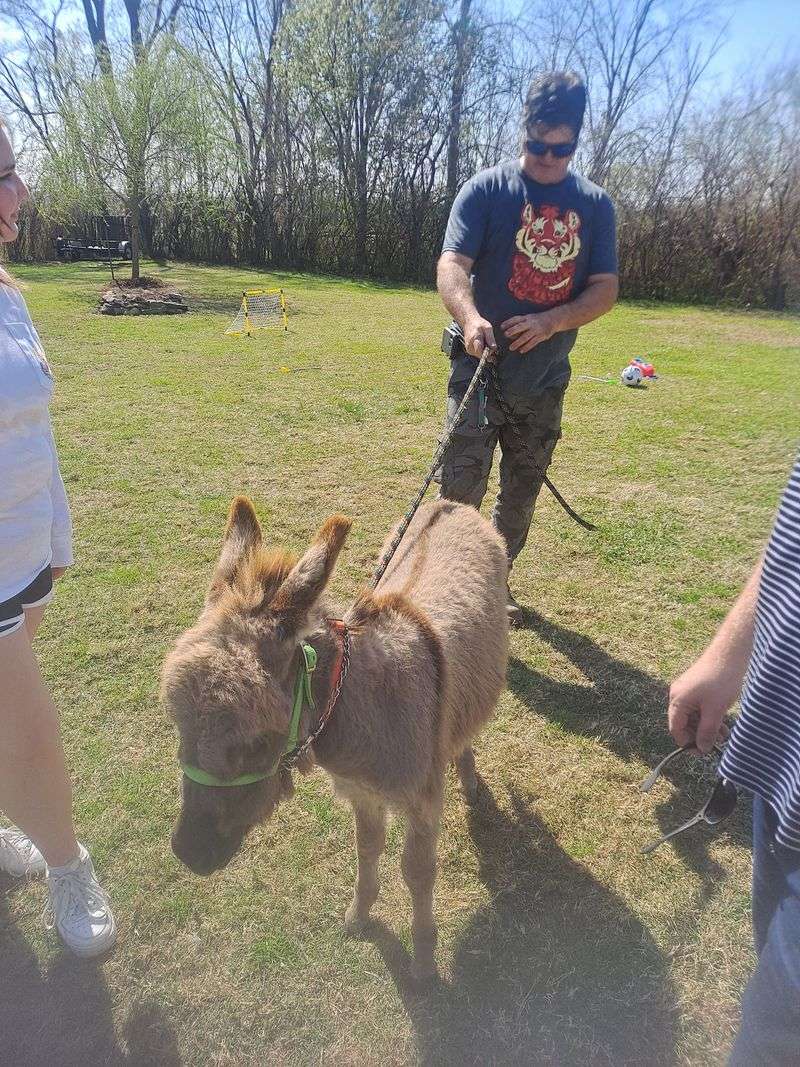
Kids have long been part of the story at this sanctuary. Teens and preteens have volunteered here, sometimes alongside parents or grandparents.
One former volunteer started at about age 12 while helping out with a grandmother. Another family sent twin 13-year-old daughters, who spent almost a year working on the grounds.
Those young helpers describe a clear system. There was a specific check sheet with instructions, and volunteers were taught what to feed each animal and where to find directions.
They also picked up animal facts along the way. Learning from Lori and other experienced volunteers was a highlight for many.
Not every experience was smooth, and that is worth being honest about. Years ago, one family felt its kids were not shown tasks clearly and were spoken to harshly.
Other former volunteers saw it differently, pointing to a busy owner with many animals relying on her. The takeaway for parents is to ask questions up front about training and expectations.
For the right kid, the lessons stick. Former volunteers say they saw firsthand what it truly takes to care for wild animals, and some still feel grateful for those bonds years later.
That kind of education is hard to get from a textbook.
8. A Campus Built for Calm
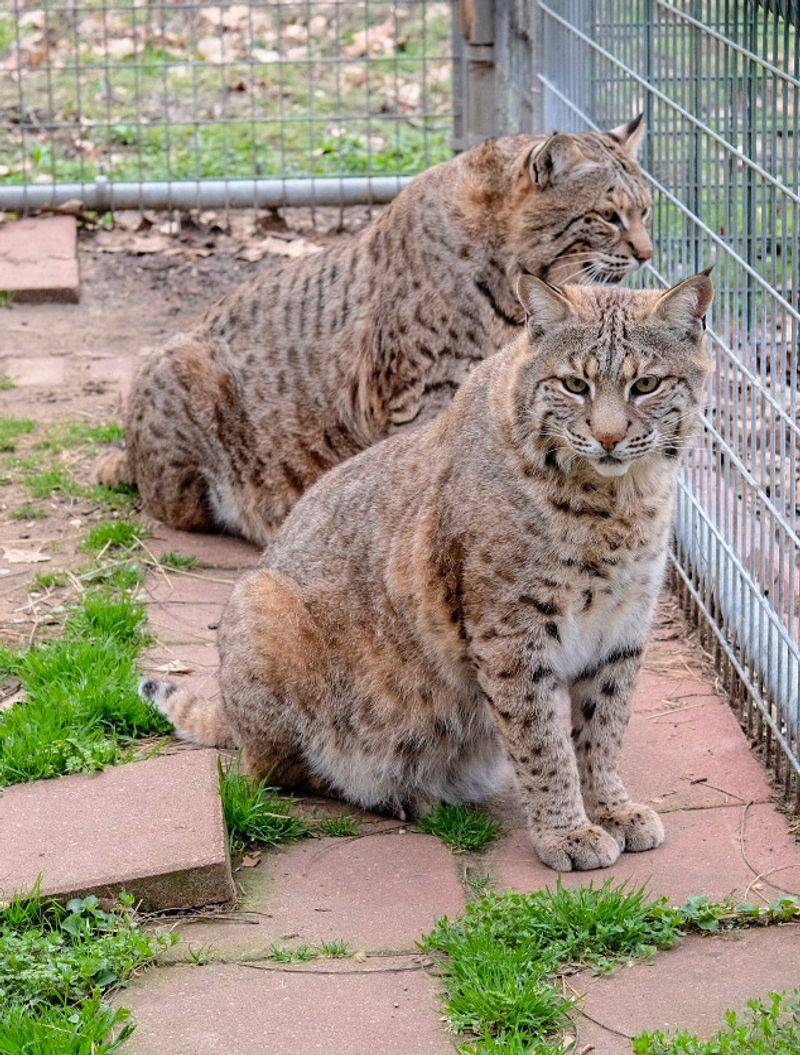
Fewer crowds can mean better days for big cats. That is the quiet upside of the sanctuary closing to public traffic.
Former volunteers have said the place may actually be better without guests. The animals get to be themselves and live peacefully, with the things they need and only occasional human encounters.
The grounds themselves have earned compliments over the years. People have described the campus as beautiful and the staff as professional about their work.
Animal welfare is the theme that keeps returning. Recent accounts describe the residents as well cared for, which is the strongest praise any rescue can earn.
Staff members get credit for being knowledgeable and passionate. Those qualities matter when the residents include predators with very specific needs.
There was a time, long ago, when one guest felt the facility was not well kept. More recent impressions point in a much brighter direction, with care and dedication standing out.
A sanctuary is measured by how its animals live on an ordinary Tuesday, not by how it performs for an audience. By that standard, the calmer setup seems to suit the residents just fine.
Peace and quiet, it turns out, is a pretty good enrichment plan.
9. The Sign That Fools Road Trippers
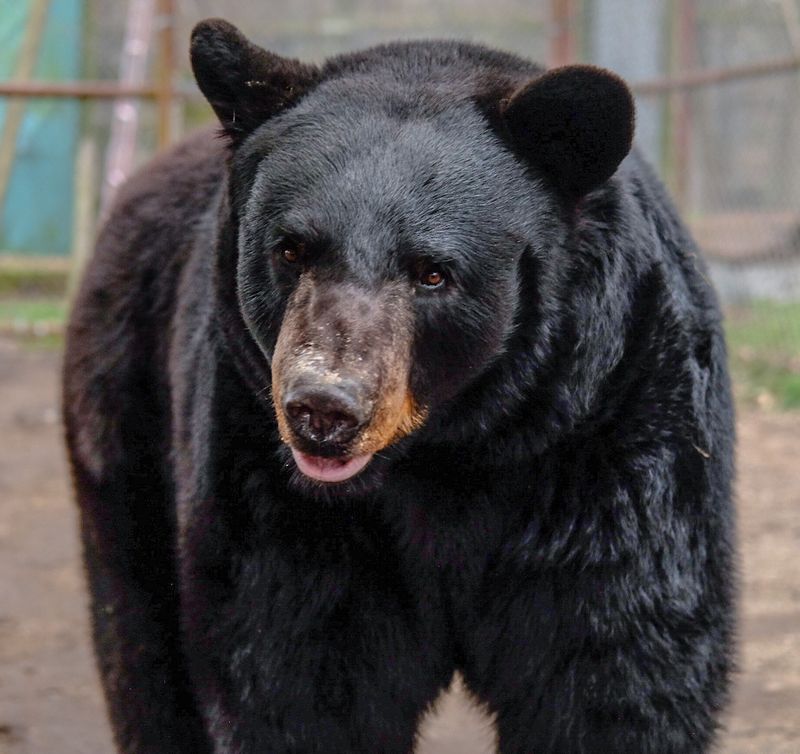
A painted sign on the side of a building has sent more than one curious family down the road. Unfortunately, the trip ends at a gate meant for volunteers and community service workers only.
Some drivers have pointed out that the signs leading up to the entrance did not make the closure obvious. The sanctuary responded that its smaller signs say not open to public in the arrow.
Online maps add to the confusion. The sanctuary still appears in searches for things to do, and the team has admitted it does not know how to change that listing.
Mix-ups have happened in other ways too. Grandparents searching for petting zoos have arrived expecting hands-on encounters, and at least one traveler confused the sanctuary with an entirely different park.
The fix is simple. Treat this as a rescue you support from afar or through volunteering, not a weekend stop to add to a road trip list.
Families wanting a hands-on animal day should look for a petting zoo or public wildlife park instead. This place has been clear that it does not do tours.
Saving yourself a wasted drive also saves the small staff from turning cars around, which leaves more time for the tigers.
10. Memories From the Public Years
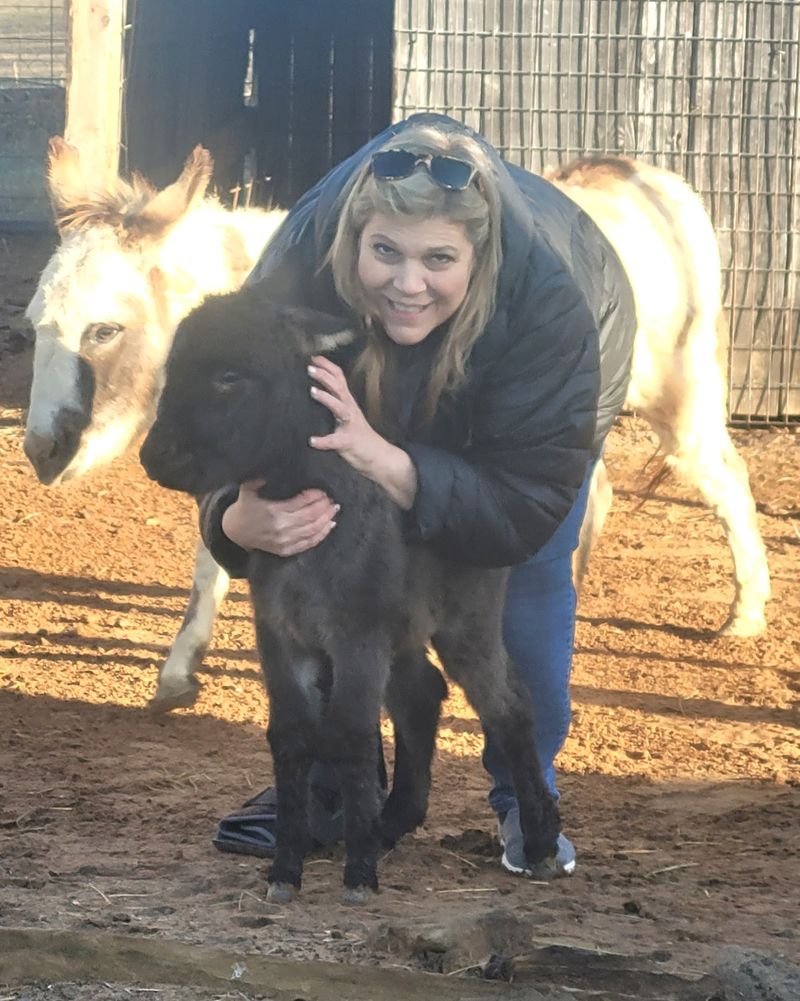
Ask longtime Tulsa-area families about this place, and some will bring up birthday parties. Back in the open years, the pavilion hosted celebrations for kids.
One parent booked a sixth birthday party and called it a hit. The crew was friendly and knowledgeable, and extra animals were brought out for the occasion.
Guided walks were another favorite. Guides taught guests about each animal, and many left feeling they had learned a lot.
There was also a cabin for overnight guests. Staying there meant hearing the wolves, lions, and tigers at dusk and dawn.
Some of the most memorable moments included feeding the big cats and holding snakes, alligators, and kangaroos. Those encounters are part of local memory now rather than current offerings.
Not every party went perfectly, as some old stories show. Still, many families look back fondly on those days.
Nostalgia runs deep in Oklahoma, and this sanctuary holds a small slice of it for a generation of kids who grew up nearby. Today, those memories serve as a reminder of how much work went into sharing the animals with the public.
The chapter is closed, but the animals behind it are still being cared for every day.
11. Practical Notes Before You Reach Out
Planning starts online rather than at the gate. The official website, safarisanctuary.org, is the best place to learn how to help.
The listing shows hours of 8 a.m. to 2 p.m. every day of the week. Those hours reflect the working rescue schedule, not public admission times.
Since the sanctuary does not offer tours, there is no general ticket price to share. Hours and policies may change, so always check directly before making any plans.
Broken Arrow is an easy drive from Tulsa, and the trip from Oklahoma City fits within a day. Still, nobody should make that drive expecting a walk-through visit.
Here are a few smart steps for anyone interested in helping:
Ask about current volunteer openings and any age requirements. Find out how training works and what a typical shift involves.
Inquire whether donations are accepted and what supplies are most useful. Feeding big cats is expensive, and support of any size helps.
People hoping to place a rescued animal should contact the sanctuary first rather than showing up unannounced. A quick conversation keeps things safe for everyone, including the animals already living there.
A little homework goes a long way with a rescue this busy.
12. A Different Kind of Oklahoma Wild
Not every great Oklahoma story comes with a ticket booth. Some of the best ones happen behind a fence, run by people who never asked for an audience.
This Broken Arrow rescue has spent decades giving tigers, lions, wolves, and other exotic animals a second chance. It started in the 1990s, welcomed the public for 18 years, and then narrowed its focus to the animals alone.
The headline may promise big cats near your car, but the honest version is better. These animals are living calm lives, away from crowds, with caretakers who know their stories.
For families, the sanctuary offers a lesson worth more than a photo. Exotic pets are a serious commitment, and rescues carry the weight when that commitment fails.
For volunteers, it offers a rare chance to work near animals most Oklahomans will never meet. Many who have done it call the experience unforgettable.
And for anyone who loves proving their state holds surprises, here is one more. A short drive from Tulsa, tigers chuff hello to a woman who has fed them for decades.
Support it, share its story, or sign up to help. The gate may be closed to sightseers, but the door to doing good is still wide open.
Share this story