In 1772, there was no President of the United States, no Constitution, and no country by that name at all. Yet in a small Moravian town in the North Carolina Piedmont, a school for girls and young women was already holding classes.
That school never stopped. Today it is known as the longest-running women’s college in the nation, and it still sits in Winston-Salem, a short drive for much of the state.
Its story covers candlelit ceremonies, a pre-dawn festival, a famous choir, and buildings older than most towns around them. It also has real challenges, which we cover honestly.
Read on for where it is, what makes it special, and how a weekend history lover can plan a visit to its historic grounds.
A Campus on Church Street
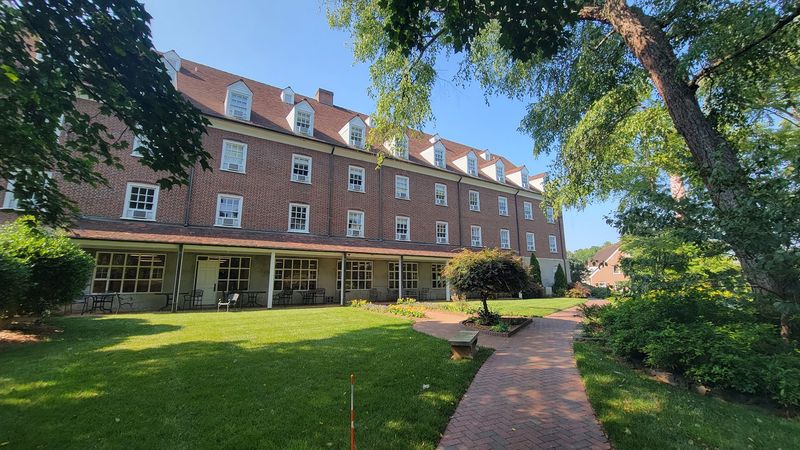
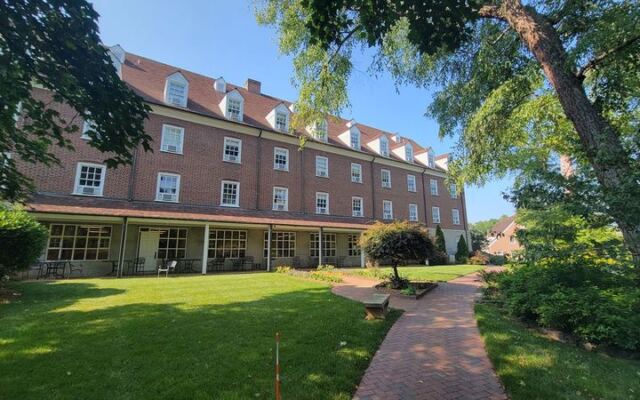
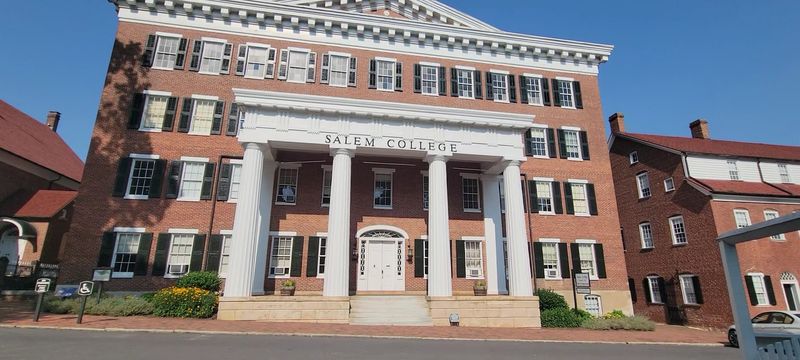
Some addresses carry more history than others, and 601 S Church St, Winston-Salem, NC 27101 is one of them. Salem College sits at that spot in Forsyth County, right in the Piedmont of North Carolina.
The school is a women’s college, and it is widely described as the longest-running all-women’s college in the United States. Its founding year of 1772 places it ahead of the Declaration of Independence by four years.
For North Carolinians, that is a point of real state pride. A campus older than the nation itself is not tucked away in New England, but in a city many residents can reach in an afternoon.
The college works as a full academic institution, with classrooms, residence halls, and offices. It is not a museum, so a visit should respect that students live and study there.
Still, the grounds draw people who enjoy history and architecture. The location also matters because it sits directly beside Old Salem, the restored Moravian settlement.
That pairing makes this corner of Winston-Salem one of the most historically layered blocks in the state, and the story only gets older from here.
Roots Planted in 1772
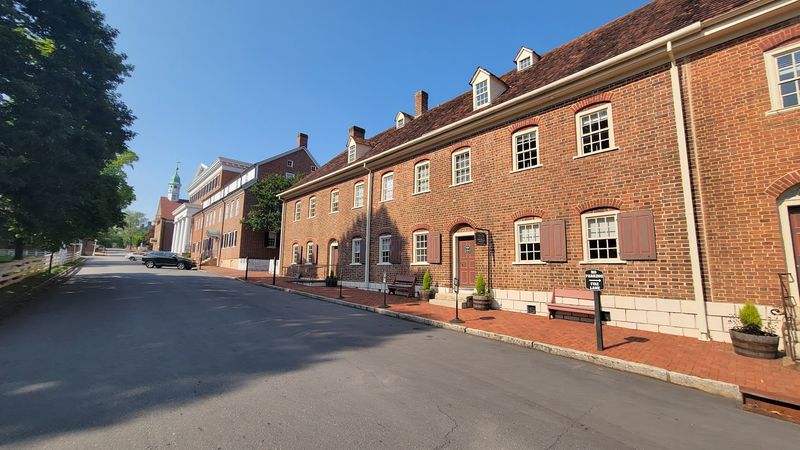
George Washington was still a Virginia planter when this school began teaching. The year was 1772, and the Moravian community in Salem started educating girls at a time when that idea was far from common.
The Moravians were a Protestant group who settled this part of North Carolina. They valued education for everyone in their community, including girls, and that belief shaped the school from its first days.
Over the centuries, the small school grew into a college. It kept its focus on women the entire time, which explains the long-running title it holds today.
Moravian faith values remain part of how the college describes itself. A spirit of sisterhood and female empowerment sits alongside those roots.
History buffs will appreciate the timeline here. The school outlasted the colonial era, the founding of the republic, and every major chapter of American history since.
There is also a small identity puzzle worth knowing. Several institutions in the region use the word Salem in their names, so this college is sometimes confused with others.
That mix-up may hide its record from casual observers, but locals who know the story tend to share it proudly.
Next Door to Old Salem
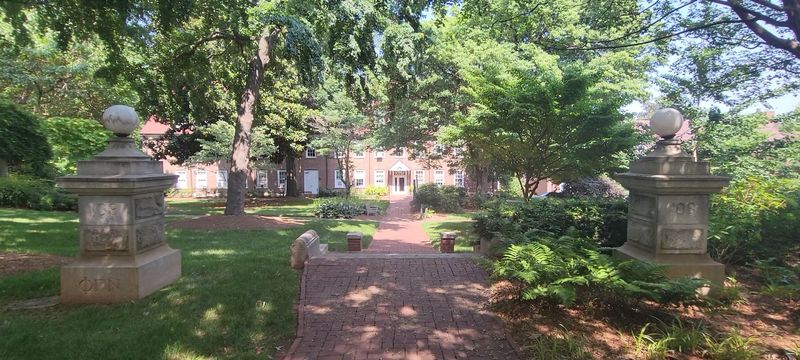
Few colleges can claim a living history district as their neighbor. Salem College sits right next to Old Salem, the preserved town where the Moravians first settled.
That closeness is a big part of the appeal for day-trippers. Old Salem is a well-known spot for tours, and many locals hold weddings and other life events there.
The two places share roots, so walking from one to the other feels like a single connected story. The college grew out of the same community that built the historic town.
For a weekend outing, this makes planning simple. A visitor can explore the restored district and then take in the outside of the college grounds without moving the car.
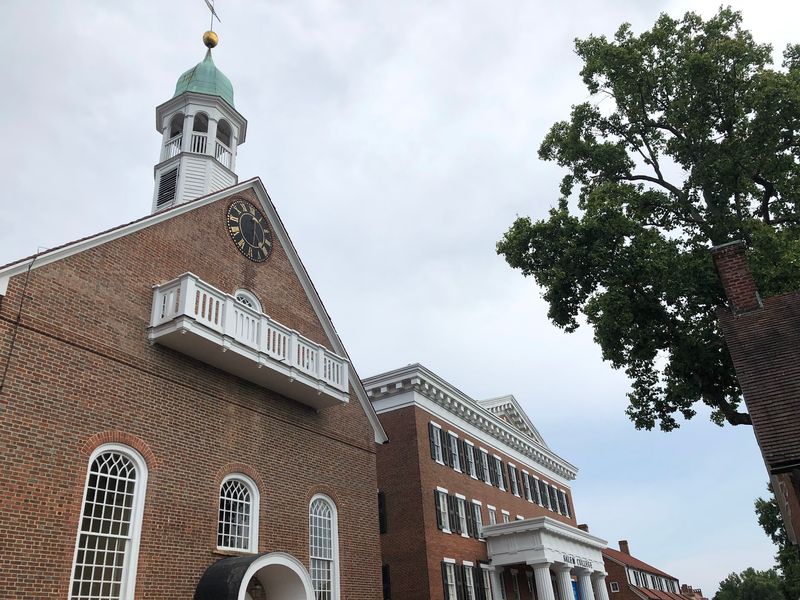
It also helps explain the look of the campus. The older buildings fit the historic setting, and they carry classic features from earlier eras.
Families from around the Triad often treat this area as a go-to for history-minded afternoons. Out-of-towners from elsewhere in North Carolina can easily fold it into a Winston-Salem trip.
Plan for comfortable shoes, because the best way to connect these neighbors is on foot.
Buildings With Centuries of Stories
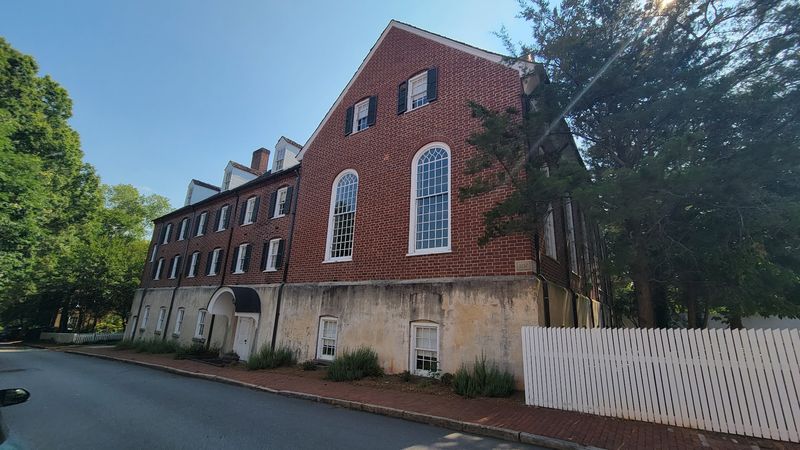
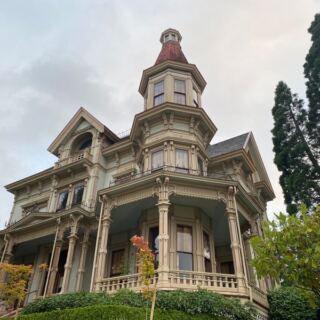
Old is a relative word, but at Salem it means very old. The campus includes historic buildings that have watched generations of students come and go.
Graduates often speak with affection about these structures. They describe them as amazing in their history and classic features, even while admitting some need care and repair.
That honesty is part of the picture. Older buildings at a small college can show their age, and some former students have raised concerns about upkeep over the years.
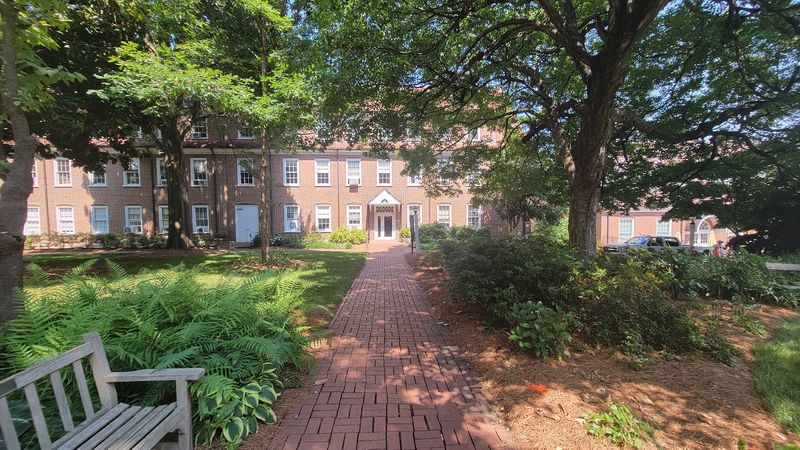
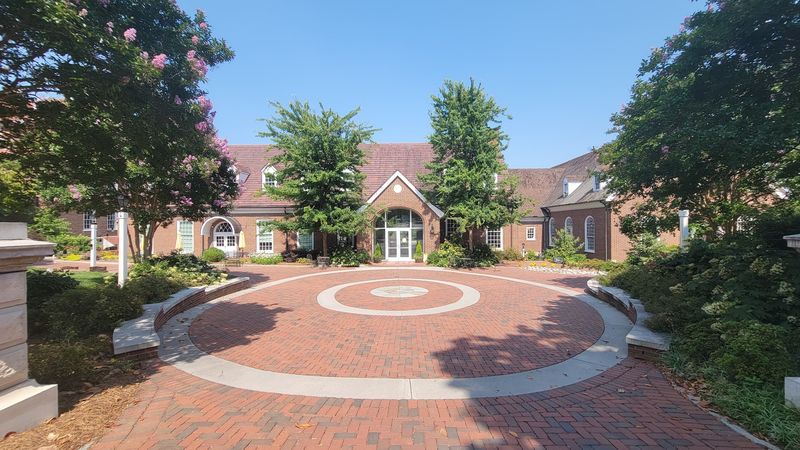
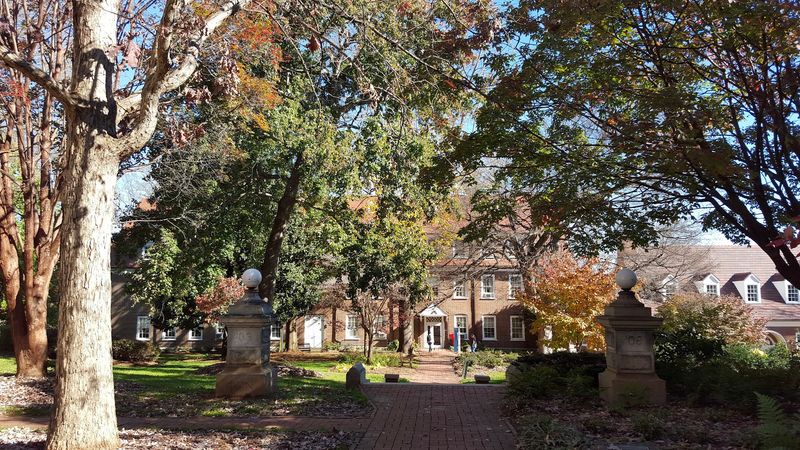
For someone touring the outside, though, the architecture is a major draw. The campus is often called gorgeous and lovely by those who spend time there.
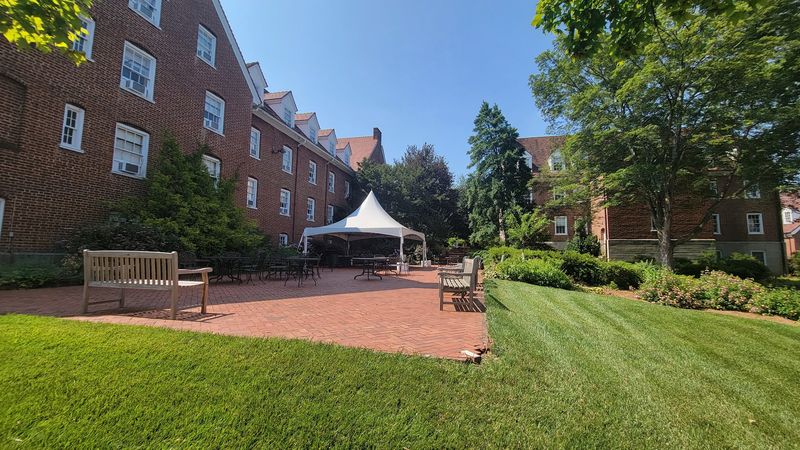
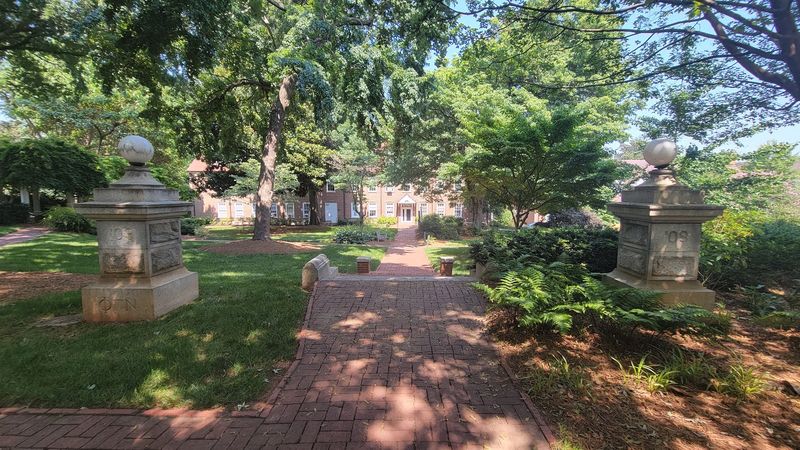
The setting rewards slow strolling. Brick walkways and historic facades fit naturally with the neighboring Moravian district.
Photographers and architecture fans may find plenty to study here. The buildings tell a story of a school that kept growing on the same ground for more than two centuries.
Remember that many of these spaces are in active use as classrooms and residences. Admire them from public walkways, and save the interiors for official tours or events arranged through the college.
Candlelight and Moravian Ceremony
Traditions at an institution this old tend to run deep. At Salem, two of the most cherished are Opening Convocation and the Honors Ceremony, both shaped by Moravian practice.
These events feature candlelight and singing with the entire class. Graduates remember them as moments that tied each student to the long line of women before her.
The candlelight custom connects directly to the Moravian heritage of Salem. It is one of the clearest ways the college keeps its founding culture alive.
Such ceremonies are mostly for the campus community. Still, knowing about them adds meaning to any visit, because the grounds are where these rituals unfold each year.
For North Carolinians interested in religious and cultural history, this is a living example of colonial-era traditions continuing in the present. Few places in the state can say that about something practiced since before the Revolution.
The ceremonies also reflect the sense of sisterhood many students describe. Gathering an entire class in song is a powerful way to build that bond.
It is the kind of detail that turns a historic campus from a backdrop into a place with ongoing heartbeat.
Fall Fest at Five in the Morning
Most festivals start after lunch. Salem’s Fall Fest has been known to kick off around 5 a.m., which makes it one of the more unusual campus celebrations in North Carolina.
Graduates call it the greatest event of the year. Classes are canceled the following day so students can take part fully.
A highlight is a neighborly visit from Winston-Salem State University. Its band joins Salem each year for the early morning festivities, a pairing that shows how the two schools connect within the city.
The night before is linked to a long-standing senior wakeup call. Opinions on that custom are mixed, and some former students have described it as frightening.
Supporters explain that it happens on the same single night each year, with notice given to the student body. Students can choose to leave campus during that time.
That range of views is worth knowing. Traditions at small colleges can mean very different things to different people.
For outsiders, Fall Fest remains a campus event rather than a public attraction. It is still a fun piece of trivia to share on your next drive through Winston-Salem.
A Choir With a Reputation
Music has a strong voice on this campus, quite literally. Former students single out the choir as one of the most remarkable parts of Salem life.
Singing runs through the college’s traditions. The class-wide songs at candlelight ceremonies show how central it is to the community.
Moravian heritage is closely tied to music, so it makes sense that a choir would hold such a proud place here. The legacy carries forward through each new group of students.
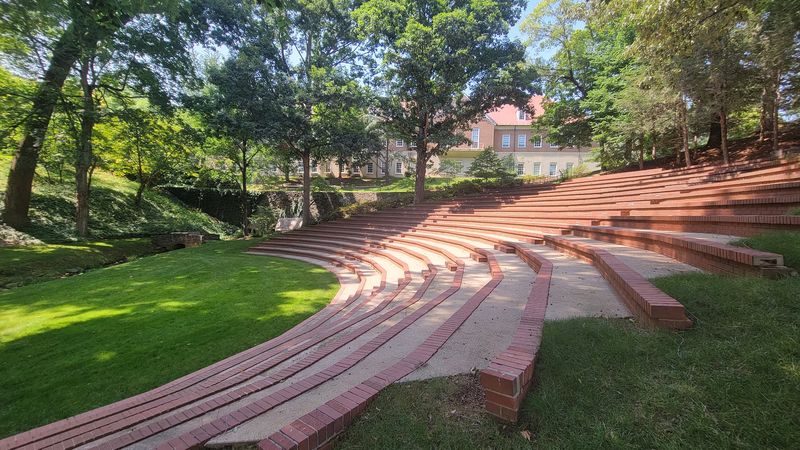
Music also reaches beyond the classroom. Some people have attended an outdoor concert on the grounds, which shows the campus can serve as a venue for the wider community.
For North Carolina residents, that is the most practical way to experience Salem from the inside. Keeping an eye on the college website for public concerts or performances is a smart move.
Event schedules change, so checking ahead is the best approach. Details about specific dates or tickets are not something to assume.
Catching a performance in a setting this old adds something special. Few concert halls in the state share a block with a colonial-era town.
Small Classes, Big Expectations
Size can be a superpower. At Salem, the small enrollment means small classes, and graduates frequently point to that as the school’s greatest strength.
The student-teacher ratio earns steady praise. Some class sizes have ranged from as few as 3 students to around 20 or 25 at most.
That setup creates a culture of high achievement. Many students earn multiple degrees at once, and coursework is described as rigorous.
Professors draw strong comments, both for their expectations and their willingness to help. Several longtime faculty members have stayed through years of change, acting as steady anchors.
Not every experience has been positive. Some former students describe difficult years, including concerns about culture and support in earlier decades.
Even critics often remember a standout teacher who shaped their future. That pattern suggests the classroom side of Salem leaves a lasting mark.
Leadership opportunities also come easier at a small school. With fewer students, more of them step into roles in clubs, athletics, and residence life.
For families exploring options in North Carolina, this personal scale is a key feature worth weighing.
A Door Open to Adult Learners
College is not only for 18-year-olds. Salem’s Fleer Center serves adult students age 23 and older, giving women a path back to the classroom.
Adult learners take the same courses as traditional students. The work is no lighter just because someone is juggling a job and family.
Support is part of the design. The Fleer Center encourages students from day one to ask for help and keep communication open with professors.
Those who stay engaged describe a positive, empowering experience. Working with faculty when life gets complicated often leads to a fair solution.
There are trade-offs. Campus social events can start late in the evening, which may not suit busy adults, and some feel career placement support could be stronger.
Still, many adult students build friendships with younger classmates. The mix of ages can enrich discussions and expand perspectives.
For North Carolina women thinking about finishing a degree or changing careers, this program is worth a closer look. Learning at an institution with roots in 1772 adds a meaningful layer to a modern goal.
Community, Culture, and Honest Growing Pains
Every long story has complicated chapters. Salem’s community is often called unique and tight-knit, built around sisterhood and support among women.
Students describe access to on-campus therapy and caring counselors. Multiple culturally diverse clubs and diversity initiatives are part of campus life as well.
At the same time, some former students have voiced serious concerns. Past criticisms include facility upkeep, cliques, inclusion, and how certain issues were handled.
Graduates encourage prospective students to research thoroughly. Experiences vary widely, and the college has changed through different leadership eras.
Financial pressure is another real topic. Some supporters worry about the size of the endowment and hope the school can keep moving forward.
That concern speaks to how much people care about the place. Many alumnae say they remain grateful and proud of what Salem stands for.
For North Carolinians, this is a reminder that historic institutions need community support. Attending events, sharing the history, and visiting respectfully all help keep the story going.
Locals who know the campus are welcome to share their own memories, because those voices help paint the fullest picture.
Planning a Weekday Visit
Timing is everything here. Salem College offices keep hours of 8:30 a.m. to 5 p.m., Monday through Friday, and they are closed on Saturday and Sunday.
Anyone hoping to ask questions or arrange a tour should plan around that weekday window. Calling or checking the official website at salem.edu ahead of time is the best way to confirm current options.
Finding your way can take patience. Signs and staff to point out specific buildings may be hard to locate, so having a plan helps.
Parking near Old Salem makes it easier to combine both stops. Treat the campus with care, since students live and study there throughout the week.
Public events such as concerts may offer another way in. Watch for announcements rather than assuming access to buildings.
Winston-Salem is an easy drive from Greensboro, High Point, and much of the Piedmont. Mountain and Charlotte residents can also reach it for a comfortable day trip.
Pack curiosity and a map, and the grounds can become a rewarding stop on any Triad weekday adventure.
Worth the Trip to Winston-Salem
Here is a fun fact to share at the next family gathering. North Carolina is home to a women’s college that was teaching before the United States had a President.
Salem College offers more than a date on a plaque. It brings together Moravian heritage, candlelit traditions, a proud choir, and a campus that sits beside one of the state’s best-known historic districts.
The school is honest about its challenges, from aging buildings to financial pressures. That mix of pride and struggle makes its long survival even more impressive.
For history lovers, the grounds deliver a meaningful stroll. For families and adult learners, the small classes and supportive faculty may be worth exploring further.
A weekday visit paired with Old Salem makes for an easy, low-key outing. It suits anyone who enjoys stories that stretch back centuries.
Winston-Salem has plenty of attractions, but few carry a record quite like this one. It is a reminder that some of the state’s greatest treasures are hiding in plain sight.
Sometimes the oldest lessons are found just down the road, still being taught.
Share this story