Some of the best family outings on the Front Range cost nothing at the gate. East of Longmont, a small historic farm opens its sunflower fields, goat pens and tractor play area to anyone who drops by, with a donation box instead of a ticket booth. Kids can feed a friendly donkey for a dollar, adults can pick sunflowers with farm-provided scissors, and everyone can head home with a jar of raw Colorado honey.
Here is what to know before you go, from pony ride times to the payment methods worth bringing.
1. A Honey Farm Hiding on Ute Highway
Plenty of Longmont families drive past without realizing a working honey farm sits just off the road. The Bee Hugger is located at 12590 Ute Hwy, Longmont, CO 80504, in Boulder County, Colorado.
The setup is refreshingly simple. There is no entrance fee, and a donation box helps cover the care of the animals and the land.
Inside, the farm blends a beekeeping operation with a small barnyard. Bees are housed back in the barn area, while goats, ponies, a donkey, sheep, chickens, ducks and peacocks share the grounds.
Families from Boulder mention the drive takes a little over 30 minutes. From much of Longmont, it is a far shorter hop.
The farm leans into a self-guided format. Signs posted at the entry and around the property explain the rules and list a phone number for questions.
That approach lets each group set its own pace. Some families stay an hour, while others linger well past lunch with a blanket and a picnic.
It is the kind of place locals tuck into their weekend rotation, then quietly recommend to the neighbors who just moved in.
2. Roots Older Than the Highway
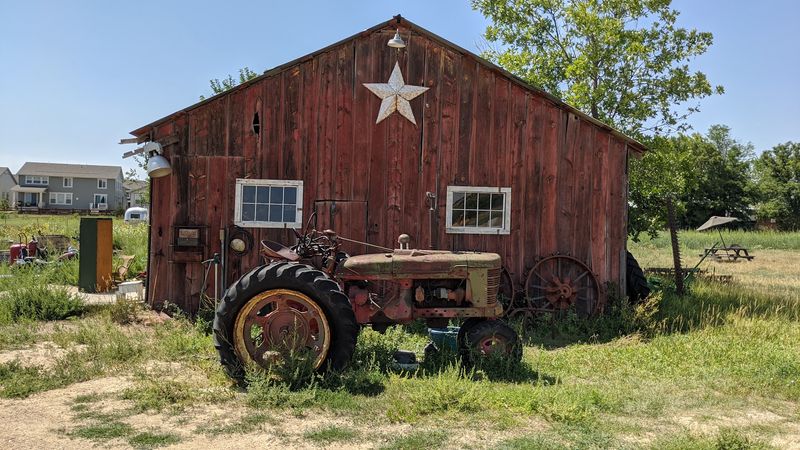
History is part of the deal here, and the owners are proud of it. The property has been identified as one of the oldest farms in Boulder County.
According to the farm, its story stretches back more than 125 years. That long timeline explains a lot about the look of the place.
Old trucks and vintage tractors sit around the grounds. Rather than hiding their age, the farm embraces what it calls its rustic charm.
The goal is to give guests a glimpse of what farm life may have looked like over the past century and more. Weathered equipment and older structures are part of that lesson.
Parents of very young toddlers should keep that in mind. A historic working farm is not a polished playground, and keeping a close eye on little climbers is wise.
For many Colorado families, though, that authenticity is the appeal. Kids get to see farm equipment that predates their grandparents, and adults get a reminder of the agricultural backbone that shaped towns like Longmont long before the subdivisions arrived.
Not many free outings come with a century of backstory attached.
3. Sunflower Season and Free Scissors
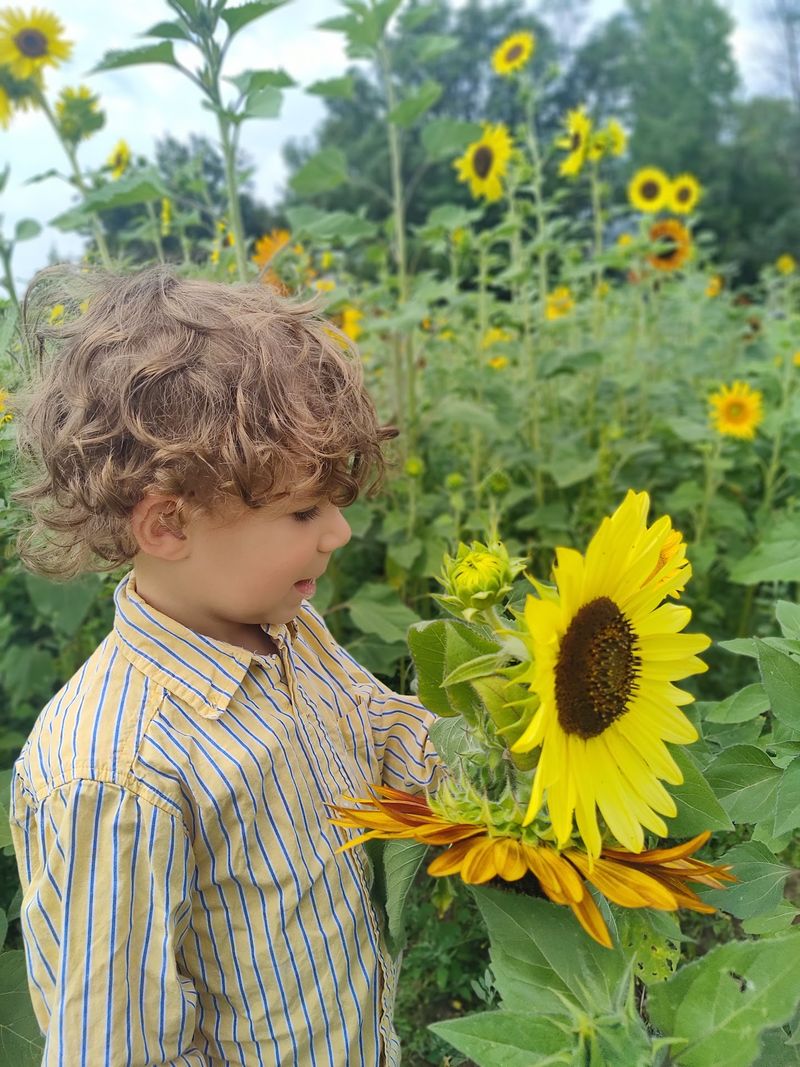
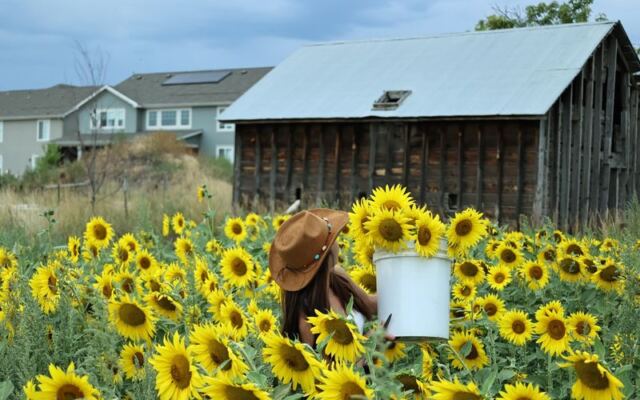
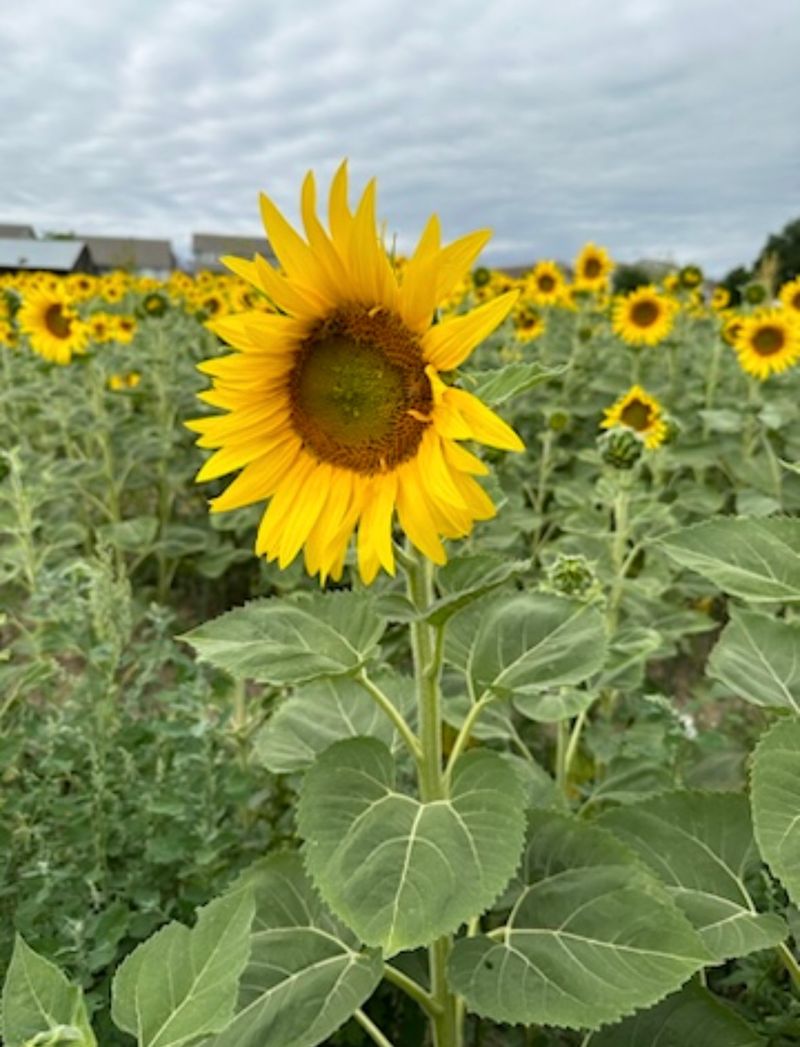
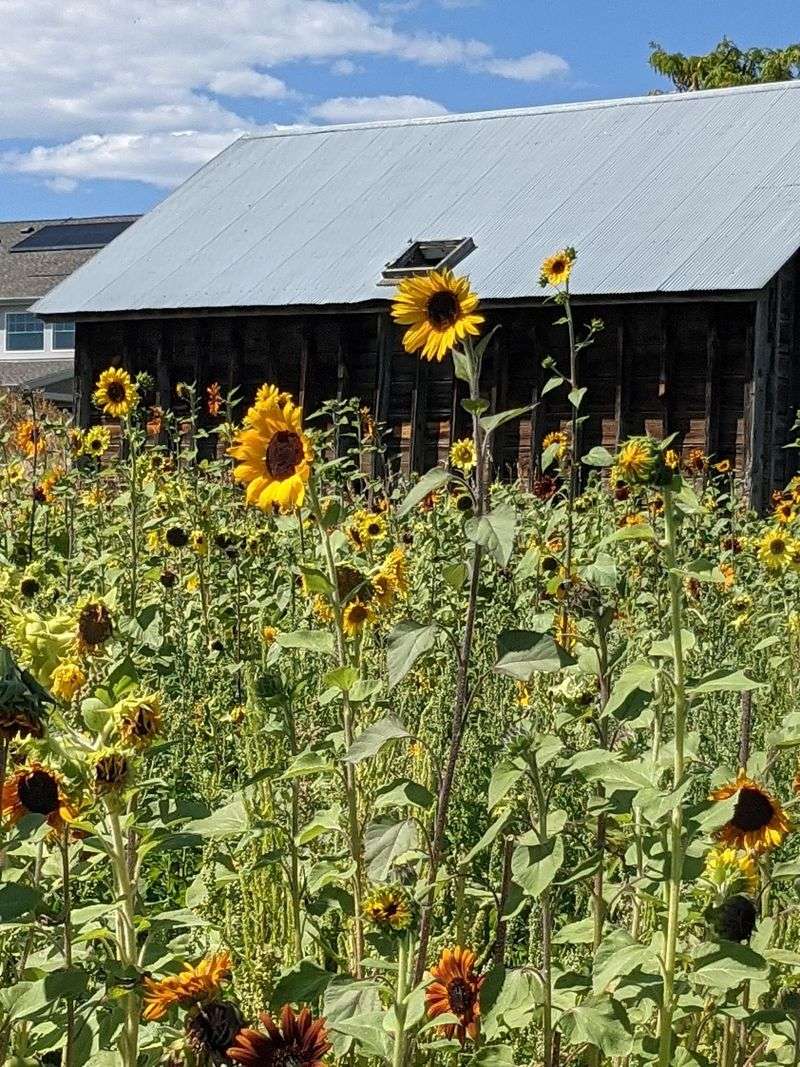
August is the month to circle on the calendar. That is when the sunflowers take over, and the farm opens its fields for picking.
There are two large sunflower fields on the property. Guests can cut as many stems as they like using buckets and scissors the farm provides.
Couples, families and friends all make the trip. The fields work well for casual snapshots and quiet strolls between the rows.
Professional photographers need to book an appointment first. Casual phone photos are fair game for everyone else.
Timing can shape the experience. A rainy weekday evening may leave the fields almost empty, while a sunny Saturday morning can get busy fast.
Bring cash or Venmo for any sunflowers or extras you want to take home. Those are the two payment options the farm accepts.
A bright bouquet clipped by your own hands beats a grocery store bunch on the price of the memory alone.
4. Goats, a Donkey and a Pair of Peacocks
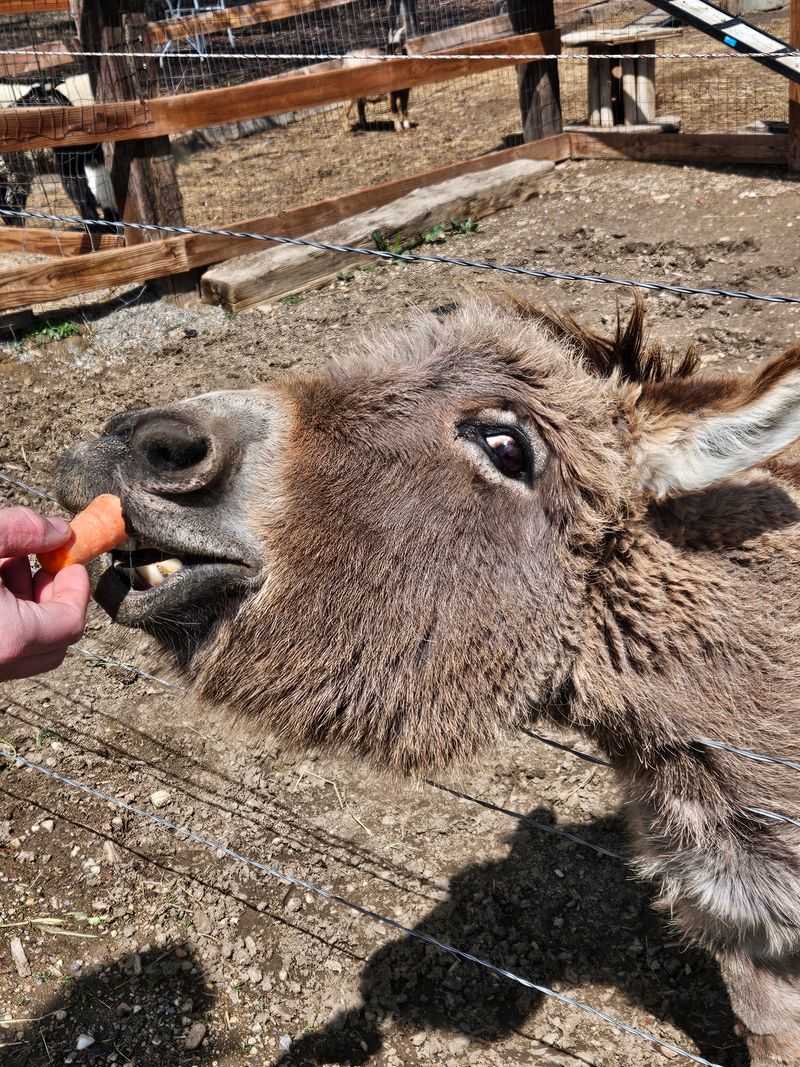
Fair warning: the goats know who is holding the snacks. One roaming goat has a reputation for following guests around the moment food appears.
The barnyard lineup includes goats, sheep, horses, ponies, a donkey, chickens, ducks, geese, pigs and peacocks. One of the peacocks is a white, albino bird that tends to steal attention.
Feeding is the main event. Carrots, celery and pumpkin slices cost about $1 each, and a quarter machine dispenses grain for the birds and smaller animals.
Everything runs on an honor system. Guests pay at a self-serve spot, with no attendant needed.
The goats, sheep, donkey and horses come right up to the fence for petting. The ducks, geese and chickens keep their distance and are best admired from afar.
Springtime can bring a bonus. Baby goats have arrived on the farm, sometimes just hours before families show up.
Also, a pony with one blue eye and one brown eye has earned a small fan club. Just do not forget to save a carrot for the donkey.
5. Tractors, Rocking Horses and Pony Rides
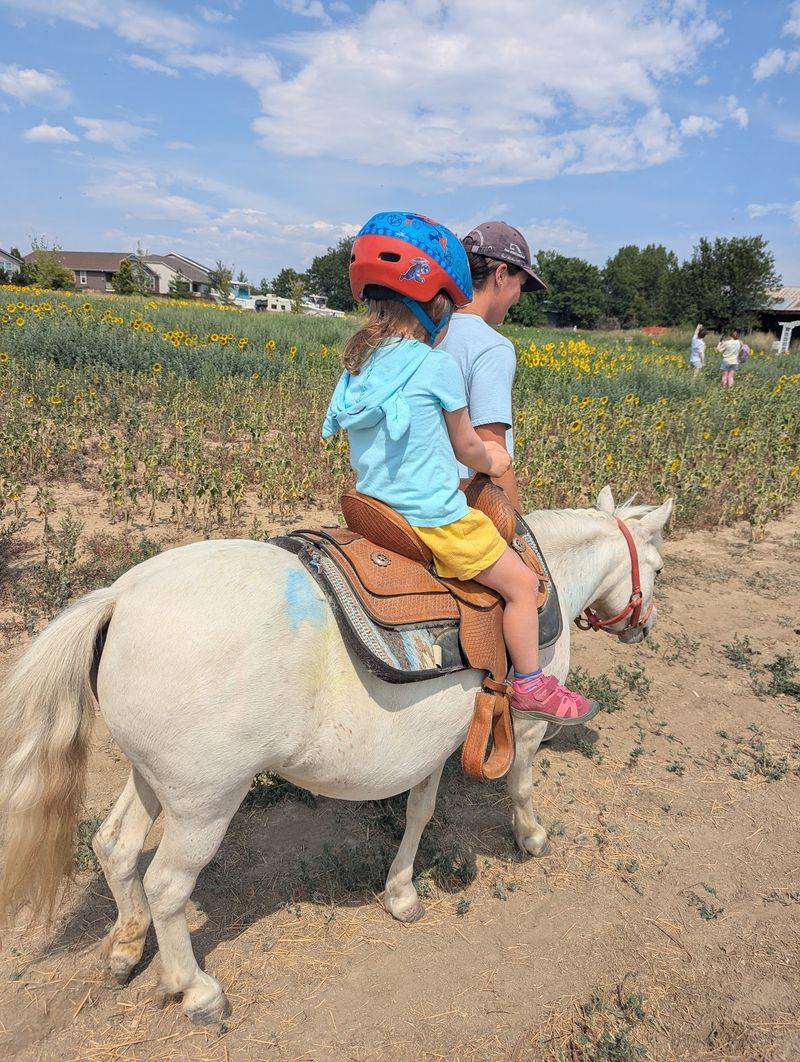
Small kids with big energy tend to find their happy place near the tractor area. Large and small tractors invite climbing, pretend driving and plenty of photos.
The play zone also includes mini tractors, vintage bikes and rocking horses. Little ones can pedal and rock their way around while parents catch their breath.
Pony rides are a highlight, though they run on a set schedule. Saturdays from 10 am to noon are the standard slot, with Wednesday mornings added during summer.
Arriving midday outside those windows can mean no rides. Checking the farm website or social media before leaving home saves a disappointed toddler.
In fall, the pony may be dressed up as a unicorn. Even shy two-year-olds have been known to work up the courage for a ride.
Tractor rides and hay rides show up during busier seasons too. These extras carry a fee, while the play area itself stays free.
For a parent who needs to burn off a preschooler’s morning before nap time, few local spots do it this cheaply.
6. The Honey Table and Other Hive Goods
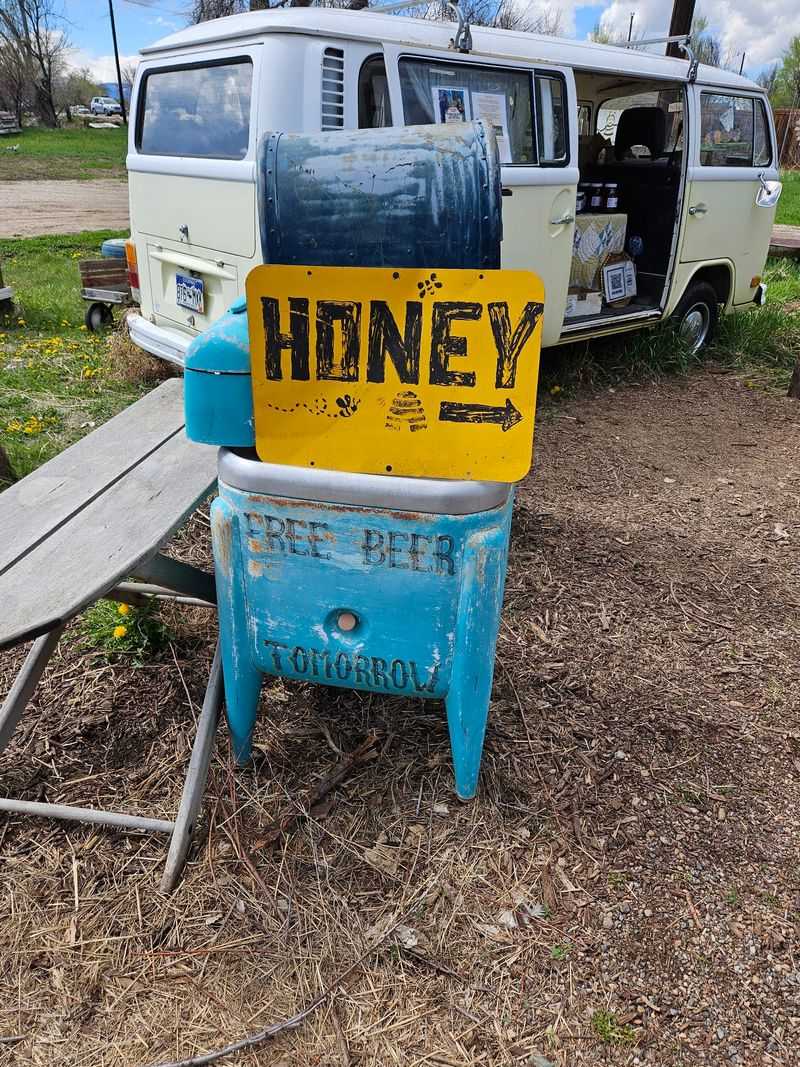
Here is the payoff on the name. The Bee Hugger keeps bees in its barn area, and the honey is a big reason families return.
The shop table carries raw Colorado honey, honeycomb, beeswax and pollen. Past price ranges for honey have run roughly $10 to $30.
Flavored options appear as well. A cinnamon creamed honey has won over more than a few households on their way out the gate.
Beyond the jars, the farm sells beeswax candles, skincare and other locally made items. Many families treat them as easy gifts.
Peacock feathers from the resident birds are also for sale. Larger feathers have been priced around $6, with smaller ones near $4.
Remember, the farm takes only cash and Venmo. Leave the card-only habit at home for this stop.
Buying a jar is also the most practical way to support a place that charges nothing to walk in. Your pantry wins, and so does the farm.
7. A Calendar Built Around the Seasons
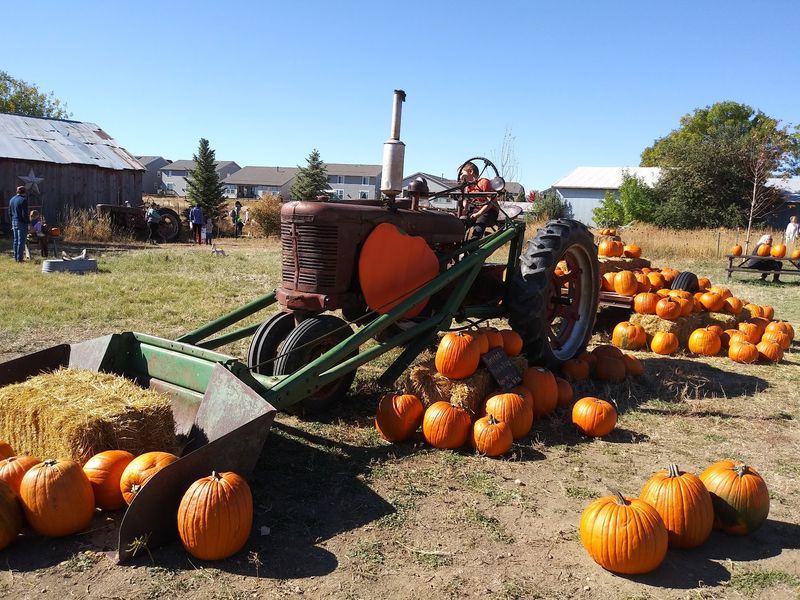
Timing a visit right can unlock a completely different farm. The Bee Hugger follows a loose seasonal rhythm that regulars plan around.
August belongs to the sunflowers. October brings a pumpkin patch, hay rides and pony rides, along with pumpkins for carving.
December features Santa visits. That event requires a ticket, unlike the regular free admission.
Between those highlights, the farm stays open for animal visits and honey shopping. Hours run 9 am to 8 pm every day of the week.
Crowd levels shift with the calendar. Saturday mornings in fall can get very busy, while a cool, rainy weekday may feel nearly private.
Residents who want elbow room should aim for weekday visits outside peak events. A chilly Wednesday has delivered a quiet birthday outing for at least one couple.
Families with kids who struggle in crowds may appreciate those calmer windows too. The farm has proven welcoming for children with physical and cognitive delays.
Check the farm’s posted schedule before heading out, since special events shape what is available that day.
8. Worth the Detour East of Town
Most free outings come with a catch. At The Bee Hugger, the only real catch is how hard it is to leave without a jar of honey.
The farm holds a 4.6-star average across more than 200 ratings. Families who moved from out of state have made it a regular stop for years.
The appeal is straightforward. Free entry, honor-system snacks for the animals and seasonal extras let each household spend as much or as little as it likes.
Practical notes help. Bring cash or Venmo, check pony ride times, and pack a blanket if a picnic sounds good.
Very young toddlers need close supervision around the older equipment. Midday visits outside scheduled events may find little staff on hand.
For retirees with grandkids, parents on a budget or couples looking for a low-key afternoon, it checks a lot of boxes. It also offers a small piece of Boulder County farm history.
Drop something in the donation box on the way out. A place this generous with its gate deserves a little generosity back.
Share this story