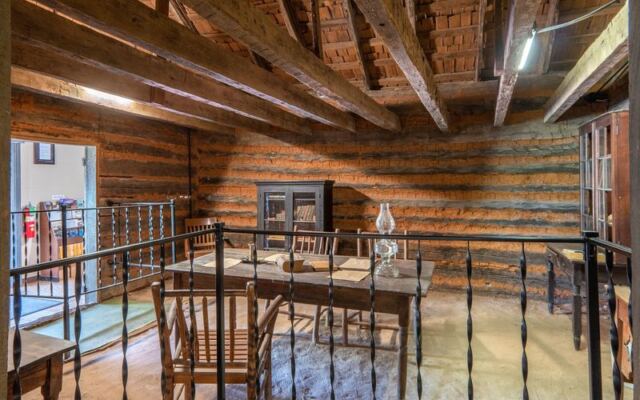
Tucked into a small town in south-central Oklahoma sits a log building from 1855 that refuses to be forgotten. It was once a meeting place where leaders of a proud nation made decisions about their future.
Today it rests inside a museum, protected like a family heirloom, surrounded by art, records, and stories that stretch from the past to the present. Tishomingo might not be the first town that comes to mind for a weekend outing, but this stop proves that Oklahoma history runs deep.
Kids can learn Native words, families can look up ancestors, and history fans can stand face to face with a real piece of tribal government. Keep reading to find out where it is, what is inside, when to go, and why so many people leave wishing they had stayed longer.
1. A Capital Stop on Fisher Street
Small towns often keep their biggest treasures in plain sight. In Tishomingo, that treasure is the Chickasaw Council House and Museum, found at 209 N Fisher St, Tishomingo, OK 73460, in the United States.
Tishomingo holds a special place in Chickasaw history. The town served as a capital of the Chickasaw Nation, and the museum helps explain why that matters so much.
The museum is run by the Chickasaw Nation as part of its cultural services. It is not a giant city attraction with crowds and long lines.
Instead, it feels like a focused, welcoming place built around one powerful story.
Inside, guests find the original Council House, collections of artifacts, Chickasaw art, a Hall of Fame, and records that connect families to their roots. There is also a gift shop stocked with work by Chickasaw artists.
For Oklahoma families looking for a day trip with real meaning, this stop delivers. It is close enough for a drive from many parts of the state, and it offers far more than its modest size might suggest.
Think of it as a front door into the history of an entire nation, waiting right off a quiet town street.
2. The 1855 Cabin at the Heart of It All
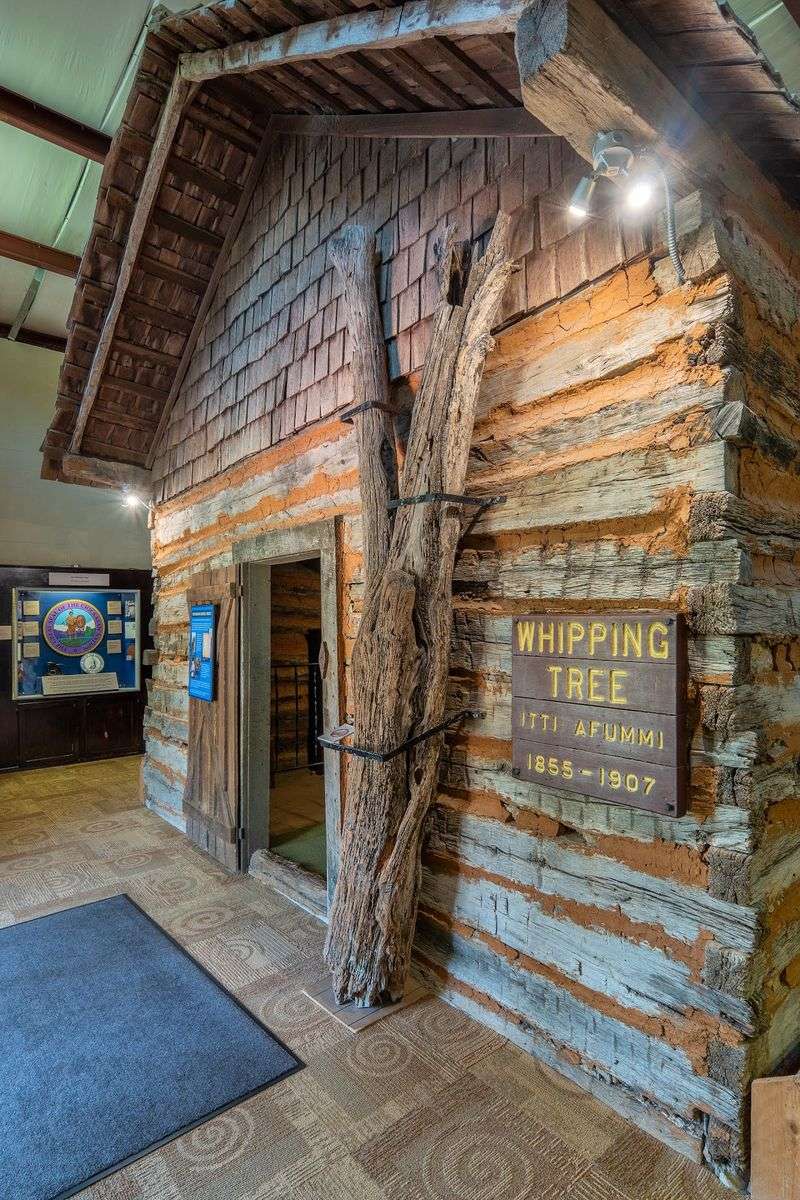
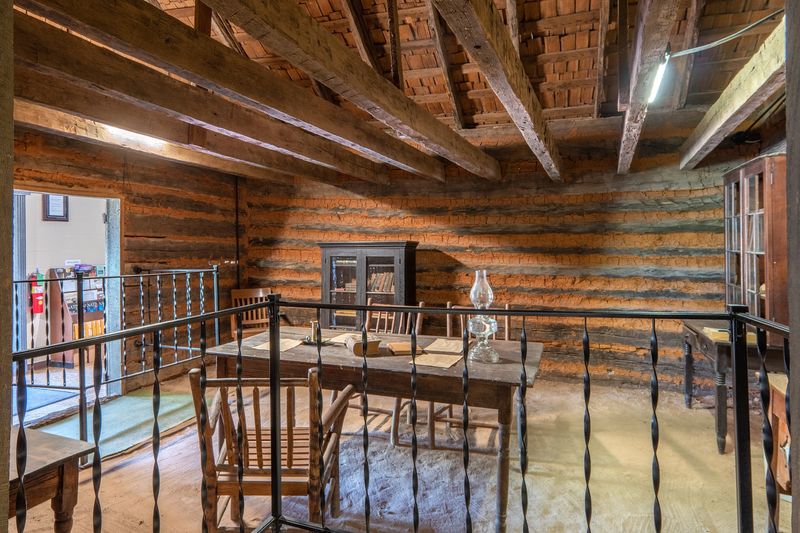
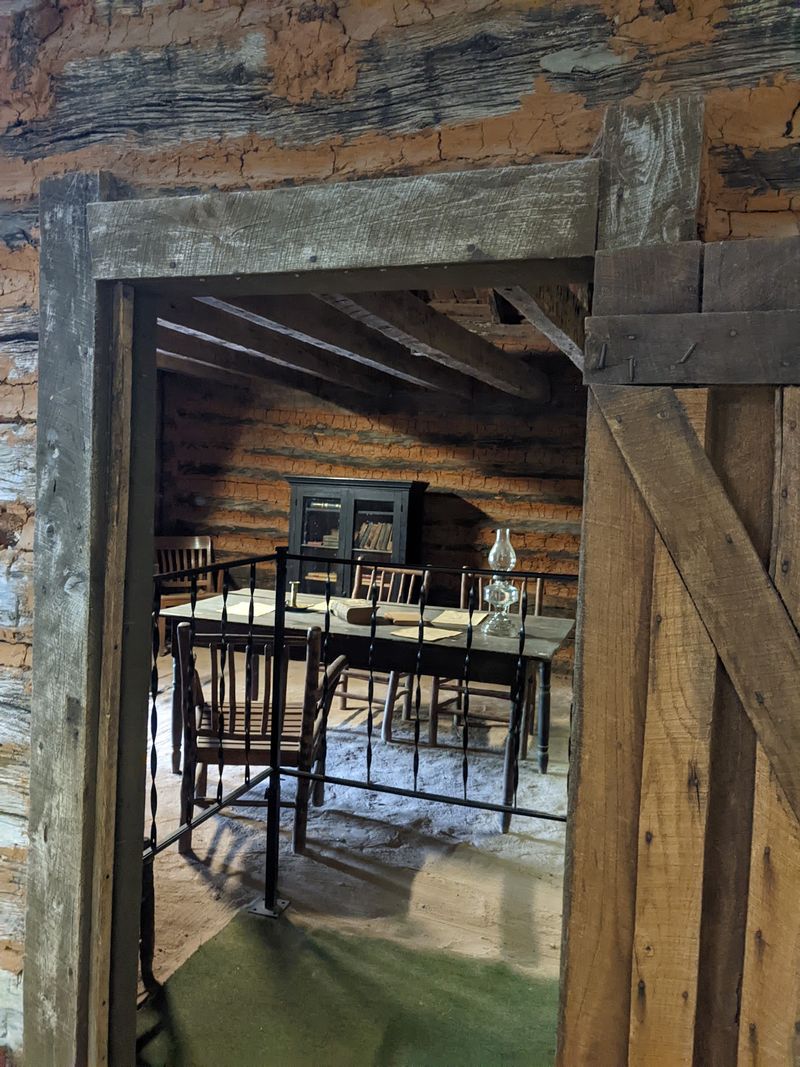
Here is a twist most first-timers do not expect. The original Council House, built in 1855, sits inside the museum itself.
That means the building that once hosted Chickasaw leaders is now sheltered by a modern structure. It is history wrapped in history, kept safe from weather and time.
The Council House is tied to the early government of the Chickasaw Nation after the tribe arrived in what is now Oklahoma. Leaders gathered in this structure to discuss matters that shaped the future of their people.
Seeing it in person changes how the story lands. A textbook can mention tribal government, but standing near the actual building makes the past feel close and real.
The structure has been used by the Chickasaw people for many years, which gives it a long thread of meaning. It is not a replica or a model.
For families, this is a great moment to pause and talk with kids about what it means to govern a nation. Few places in Oklahoma let a child stand beside a real seat of tribal leadership.
Plenty of buildings are old, but very few have carried this much responsibility.
3. Why Tishomingo Matters to a Nation
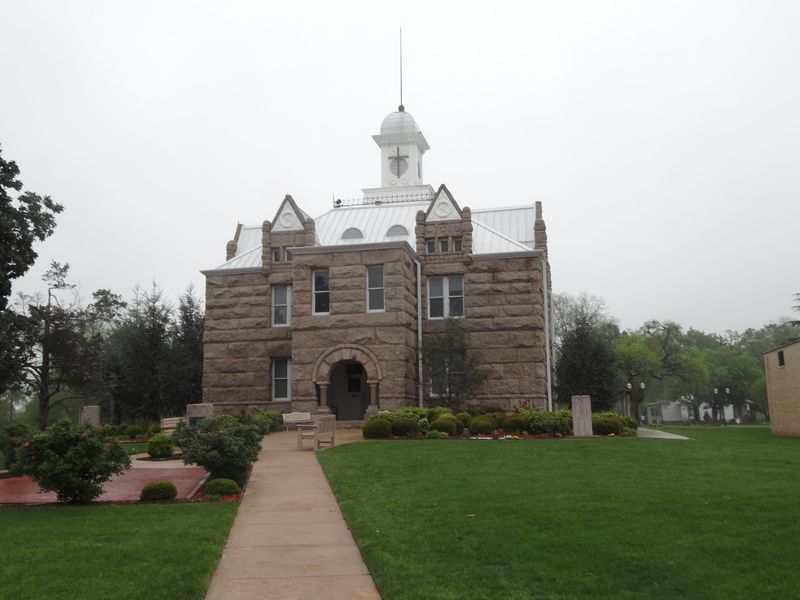
History has a way of picking unlikely towns for big roles. Tishomingo is one of them.
The town is closely linked to the Chickasaw capital, and the Council House is part of that larger story. Guests often visit the Chickasaw Capitol and the Council House together, making a fuller day of local history.
The museum presents the history of the Chickasaw Nation across past, present, and future. That framing matters, because it shows the nation as a living community rather than a chapter that ended long ago.
Exhibits explain what the Chickasaw people endured, what they sacrificed, and what they succeeded in reclaiming. It is a story of strength and staying power.
The work of Governor Bill Anoatubby is often credited with helping shape this historic town. His leadership is part of why the area has seen preservation and renewal.
For Oklahomans who love proving their state is more than flat prairie, this is solid evidence. The ground here carries a national story with roots far older than statehood.
Once the setting clicks, every display inside starts to carry extra weight.
4. Artifacts Handed Down Through Generations
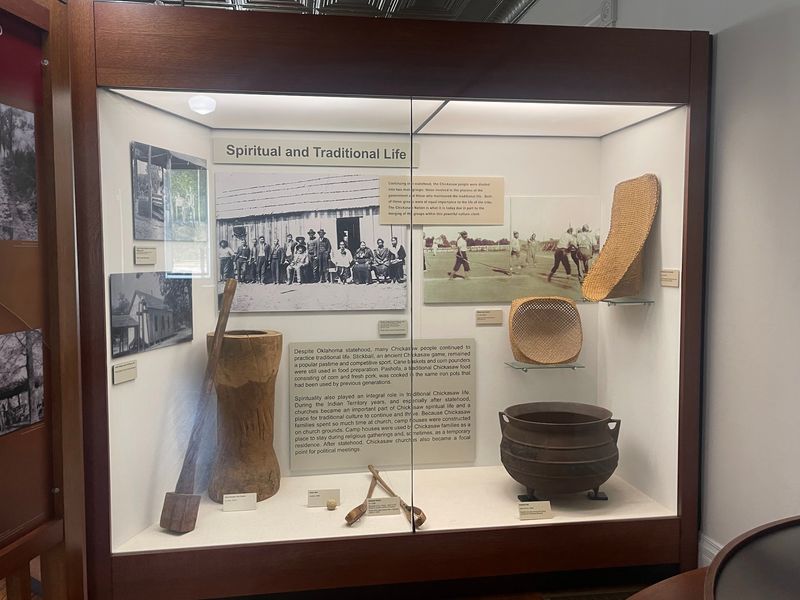
Some objects in museums are bought at auction. Many here were used, loaned, or passed down through Chickasaw families.
That difference gives the collection a personal feel. These items carry family memories along with historical value.
The artifacts are authentic and help explain exactly how everyday tools and goods were used in earlier times. It is a hands-on look at daily life, even when the objects stay safely behind glass.
Some displays highlight specific families, such as the Charles Underwood family and friends. Those personal links make the history feel tied to real people with real names.
Photos and displays are arranged at a comfortable scale. Nothing feels overwhelming, and each case gives guests a clear piece of the bigger picture.
Preservation is handled with respect and care. The museum treats these pieces as trusted gifts from the community, not just exhibits to fill space.
For curious kids, this is a great place to ask questions like who used this and why. Those questions often lead to the best conversations of the day.
Every case holds a story, and many of those stories are still being told at family tables today.
5. Art, Honors, and a Hall of Fame
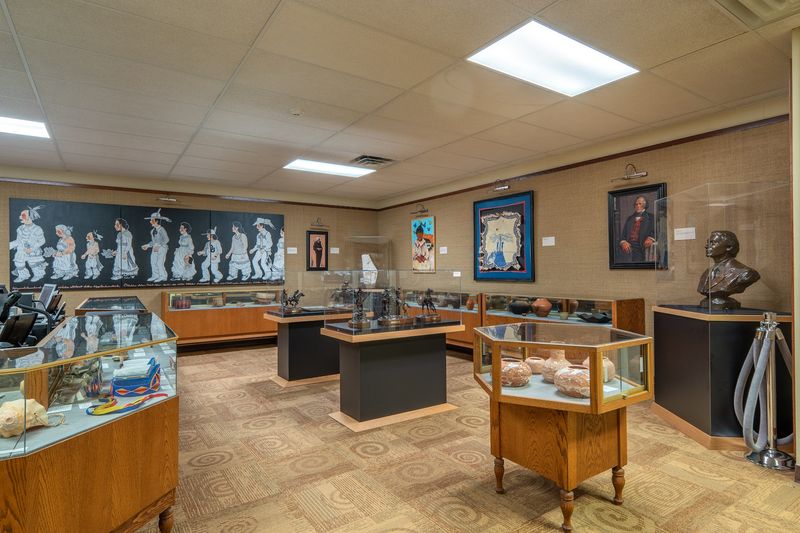
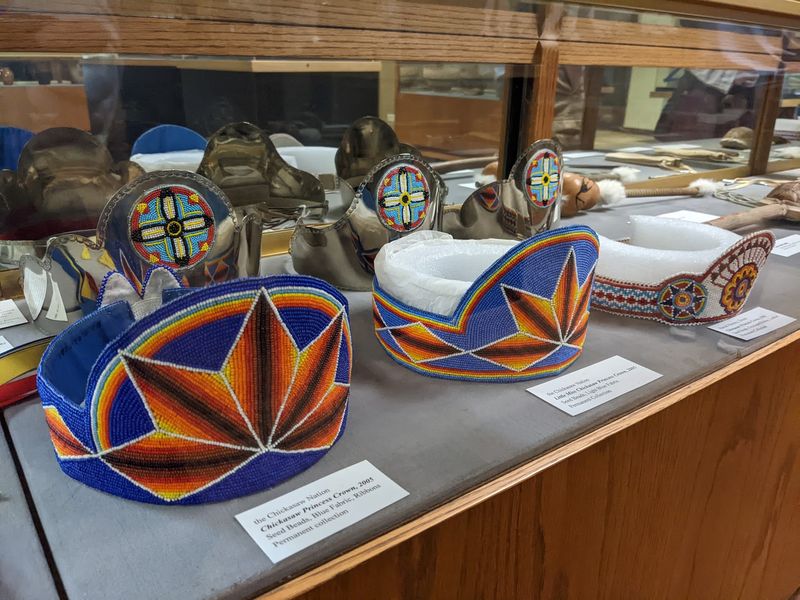
Art tells history in a language all its own. The museum features fine examples of Chickasaw art that show creativity running strong through the generations.
These works sit alongside historical items, reminding guests that Chickasaw culture keeps growing and changing. The art connects older traditions with modern talent.
Then there is the Hall of Fame. It honors Chickasaw people whose achievements have made a mark on their nation and beyond.
Much of the exhibit focuses on historical information about more recent Chickasaw figures. That gives the museum a balance between deep history and the last century or so.
For young visitors, the Hall of Fame can be inspiring. It shows that leaders, artists, and achievers come from communities just like theirs, and that their stories deserve to be told.
Families may want to slow down here and read a few names together. Picking one person to learn about can turn a quick walk-through into a memorable lesson.
It is a quiet room full of loud accomplishments, and it makes a strong case that the Chickasaw story is still being written.
6. Tracing Roots in the Indian Rolls
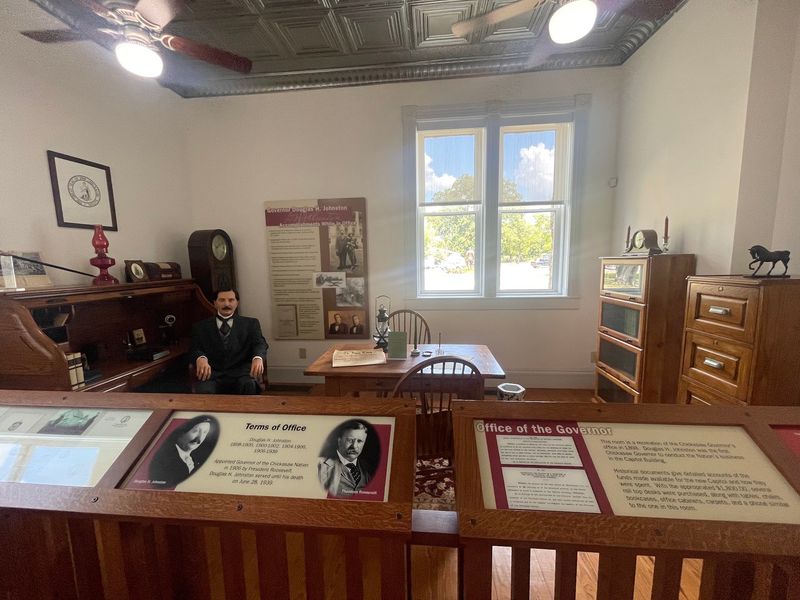
Plenty of Oklahoma families have heard a story about a great-grandparent with tribal ties. This museum offers a way to start checking those stories.
The collection includes Indian Rolls for all Five Civilized Tribes. These records are a valuable tool for anyone exploring family history.
Docents are known for helping guests look up potential family members. They have even made copies of information and pictures for families to take home.
That kind of help turns a museum visit into a personal mission. For some guests, it becomes the most meaningful part of the trip.
Chickasaw citizens also come to learn more about their own people. The museum serves both the community and curious travelers with the same care.
A little preparation helps here. Bringing names, dates, or family details can make a genealogy search smoother.
Calling ahead is smart for anyone hoping to do serious research, since staff time and resources may vary.
Few day trips end with a family tree that has grown a branch or two, but this one just might.
7. Staff Who Make History Personal
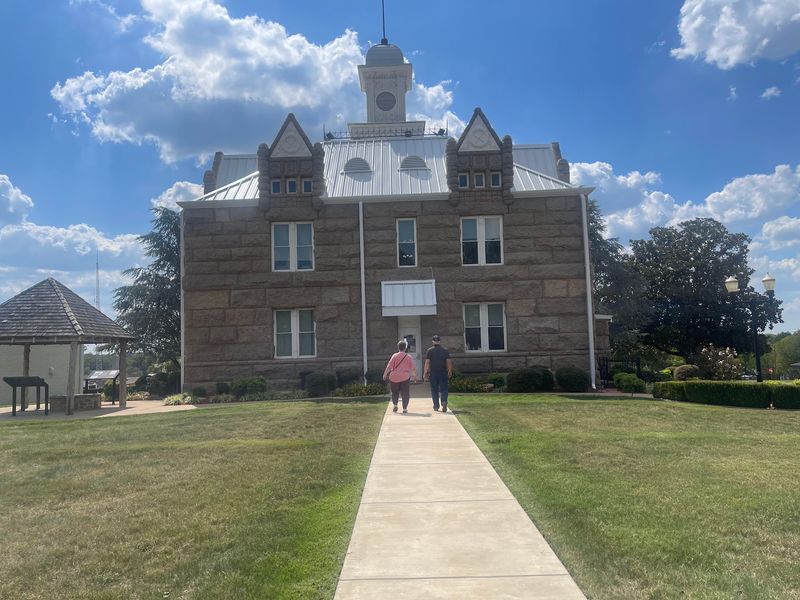
A museum is only as warm as the people inside it. At the Council House, the staff has earned a strong reputation for kindness.
The team is described as exceptionally generous and very welcoming. Guests often leave feeling at home rather than like strangers passing through.
Docents are knowledgeable and happy to explain Chickasaw history in detail. One longtime staff member, Mrs. Beck, has been noted as a joy to talk with about the history of the Chickasaws.
The help does not stop at the exhibits. Staff members have offered suggestions for other places to visit in the area and shared lists of spots to grab a bite for travelers new to town.
That local guidance is a real bonus for day-trippers. It turns one stop into a full Tishomingo outing.
Friendly folks with deep knowledge of the area make questions feel welcome. Nobody needs to be an expert to start a conversation.
History can feel distant in a book, but a good guide brings it right up to the front row.
8. Little Learners and Chickasaw Words
Language lessons do not always need a classroom. At this museum, a box of crayons can do the job.
Young children have left knowing Chickasaw words, learned through coloring activities. It is a simple and clever way to share a living language with the next generation.
The gift shop staff has been known to hand little ones a goodie bag full of small treasures. That kind of welcome can turn a shy kid into an excited explorer.
Families should know the exhibits involve lots of reading. Many items sit in glass cases, so very young children who cannot read yet may need extra help from adults.
A good plan is to pair reading time with activities. Parents can read signs aloud while kids hunt for objects in the cases.
Cultural classes have also been part of the museum’s offerings. Schedules may change, so checking ahead is wise for families hoping to join one.
When a child goes home saying a new word in Chickasaw, the trip has done something special.
That is a souvenir that does not fit in a bag.
9. A Gift Shop Worth Its Own Visit
Some gift shops sell keychains. This one sells craftsmanship.
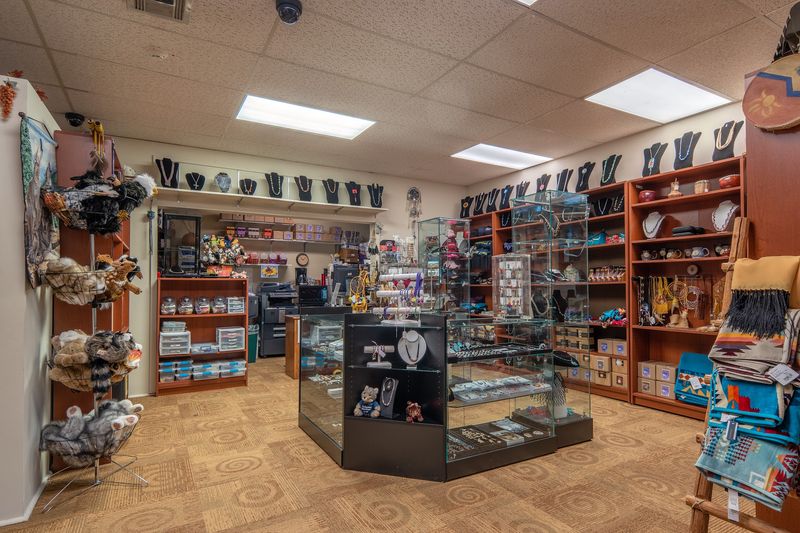
The shelves carry souvenirs, books, music, and Chickasaw language materials. There is also pottery, jewelry, beadwork, and artwork made by Chickasaw artists.
The pieces reflect real time and talent. Each item is made with precision and quality in mind, which makes shopping here a way to support Chickasaw creators directly.
Jewelry and beads are a standout. Some shoppers call it their favorite place to find beads, jewelry, and Native-made products.
Books are another highlight. The shop has carried titles such as a book on Chickasaw little people, a topic that sparks curiosity for readers young and old.
Language materials make a great follow-up for kids who started learning words during the visit. They help keep the lesson going long after the drive home.
Prices and inventory may vary, so it is best to browse with an open mind.
Leaving with a handmade piece means carrying a small part of the Chickasaw story out the door, and that beats a plastic trinket any day.
10. Calm Rooms and a Fresh Remodel
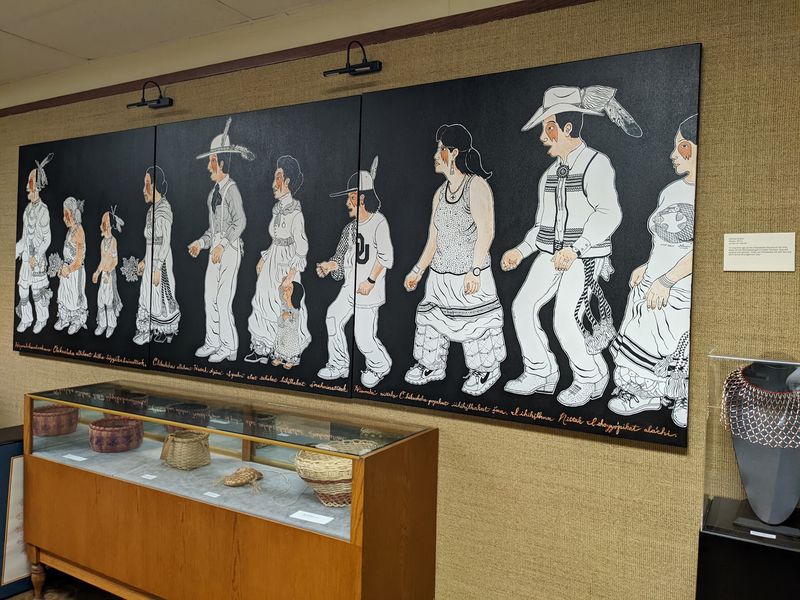
Not every museum feels relaxing. This one has a reputation for being peaceful and interesting at the same time.
The building was remodeled and comes across as cozy and sleek. It blends modern design with the respect that a historic collection deserves.
Displays and photos are arranged at a comfortable scale. Guests can move at their own pace without feeling rushed or crowded.
The mood suits several kinds of travelers. History buffs, families with readers, Chickasaw citizens exploring their heritage, and road-trippers passing through all find something here.
It is described as entertaining and educational, a combination that is harder to pull off than it sounds. The space manages to inform without feeling stiff.
Guests with children who like to run may need to set expectations. The many glass cases call for gentle steps and patient hands.
For anyone who wants a quiet, thoughtful hour, this is a strong choice.
It is the kind of place where people tend to lower their voices without being asked, simply because the stories feel worth listening to.
11. Hours, Planning, and the Drive
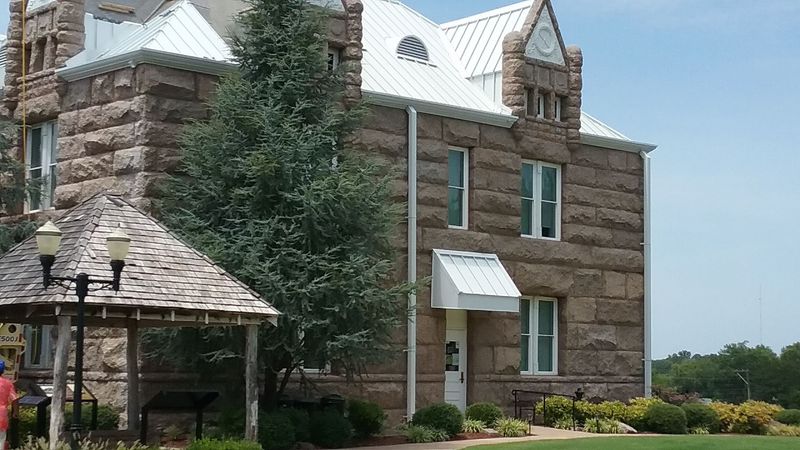
Timing is everything, especially with a museum that keeps a weekday-friendly schedule. The Council House is open Tuesday through Saturday from 9 AM to 4 PM.
It is closed on Sunday and Monday. That makes Saturday the go-to option for weekend day-trippers.
Hours may change, especially around holidays. Calling ahead or checking the Chickasaw Nation website before driving is a smart move.
Admission details are not always listed in one place, so confirming cost in advance helps with planning. Families on a budget should ask about any fees when they call.
Tishomingo sits in south-central Oklahoma, making it a reasonable drive from many parts of the state. Folks from Oklahoma City or the Ardmore area can easily fit it into a day.
Planning an hour or two inside is a good starting point. Genealogy research can take longer, so budget extra time for that.
Pairing the visit with the nearby Chickasaw Capitol creates a fuller heritage day.
A little planning goes a long way, and the payoff is a smooth trip with no surprise locked doors.
12. A Story Worth the Trip
Plenty of museums show history. Fewer make guests feel like part of it.
The Chickasaw Council House and Museum does that through a rare 1855 structure, family-linked artifacts, artwork, records, and a staff that treats every guest like a neighbor.
The place is widely loved, with a 4.8-star average showing how strongly people connect with it. It is often called a must-do stop for anyone in Tishomingo.
Its strength is focus. Rather than trying to cover everything, it tells one nation’s story with depth, respect, and pride.
Families get learning moments, genealogy fans get research help, and art lovers get a shop full of handmade work. Chickasaw citizens get a place that honors their people.
The museum suits readers best, so prepping young kids helps. A quiet hour here can spark questions that last for weeks.
For Oklahomans eager to show their state has deep roots, this stop makes a powerful case.
The old Council House has stood watch over its nation’s story for generations, and it still has plenty to share with anyone willing to make the drive.
Share this story