Long before Oklahoma became a state, outlaws in Indian Territory had a very real reason to fear one particular building in Tahlequah. Its walls were cut from sandstone, its cells were cramped, and its keepers answered to the Cherokee Nation’s own courts.
That jail still stands today, and the doors are open to anyone curious enough to walk through them. Families can climb the stairs, peek into the old cells, and hear stories of lawmen and lawbreakers on their phones as they go.
Better yet, current information points to free admission, which makes it one of the easiest history outings in eastern Oklahoma. Keep reading to learn where it is, what waits inside, how long to plan, and why this small stop packs a surprisingly big chapter of Oklahoma history into two old buildings.
1. A Sandstone Jail on Choctaw Street
Some museums hide behind glass. This one hides behind iron bars, and that is exactly the point.
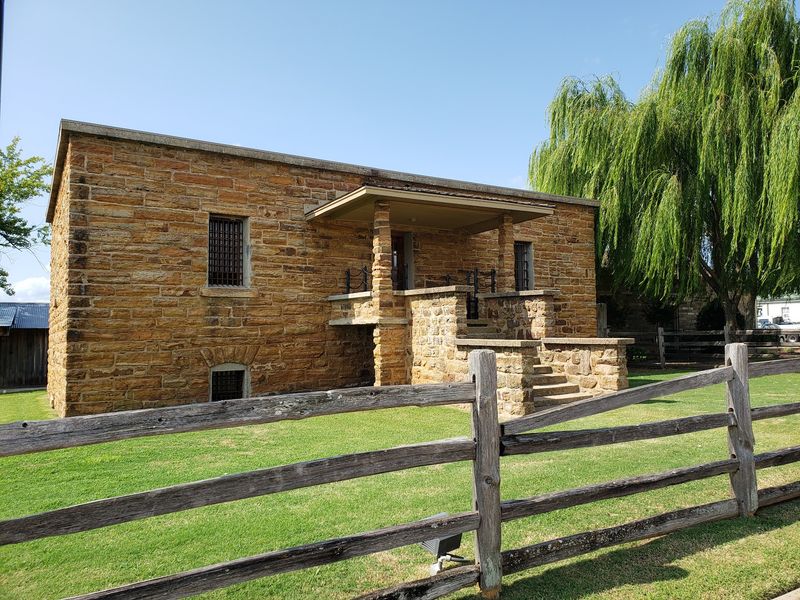
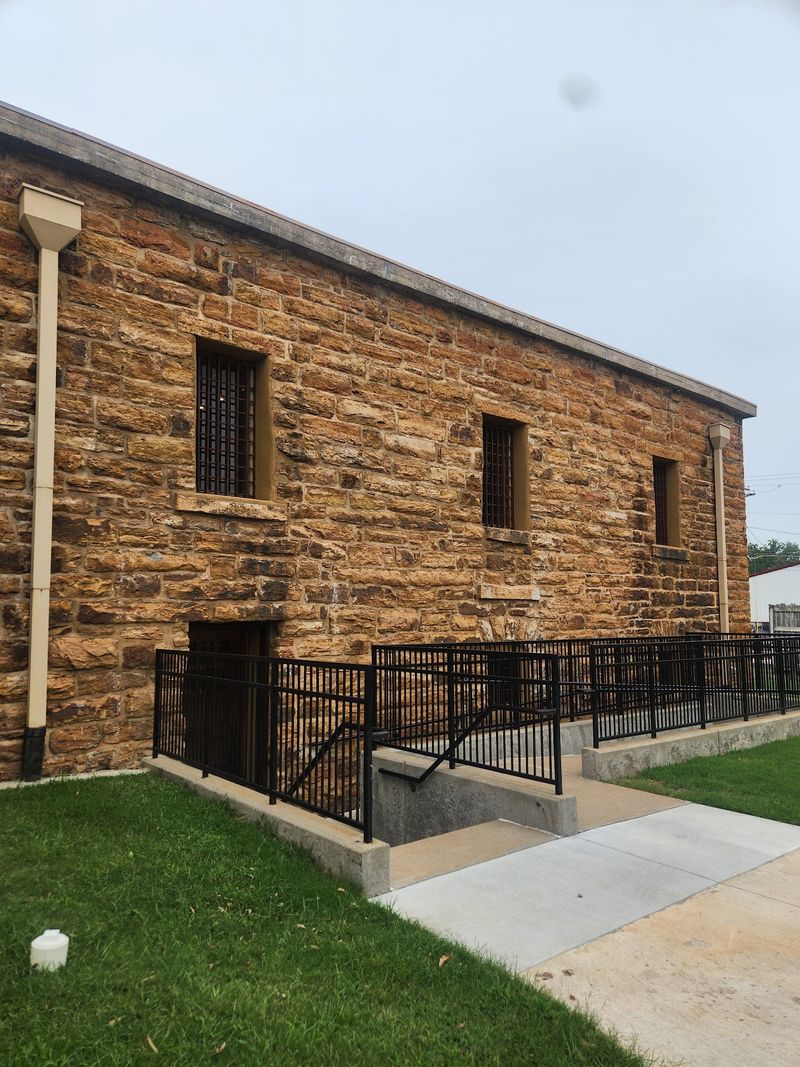
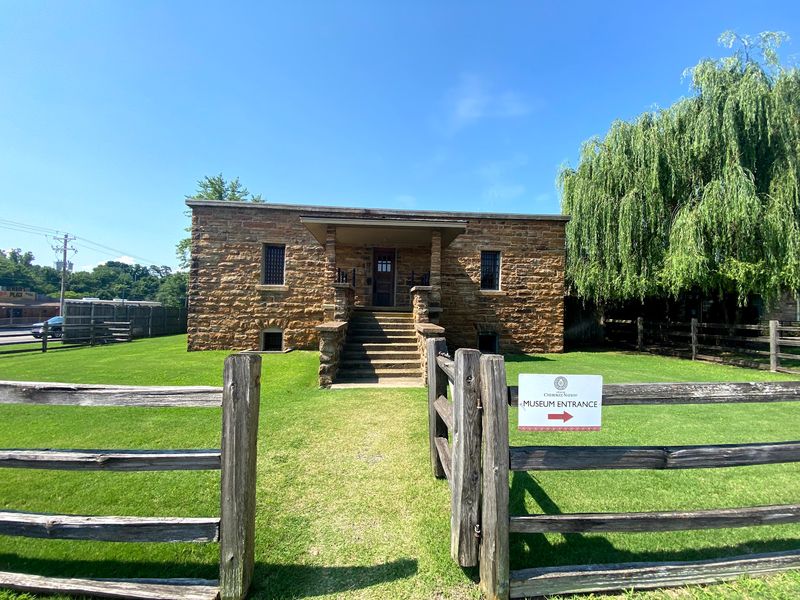
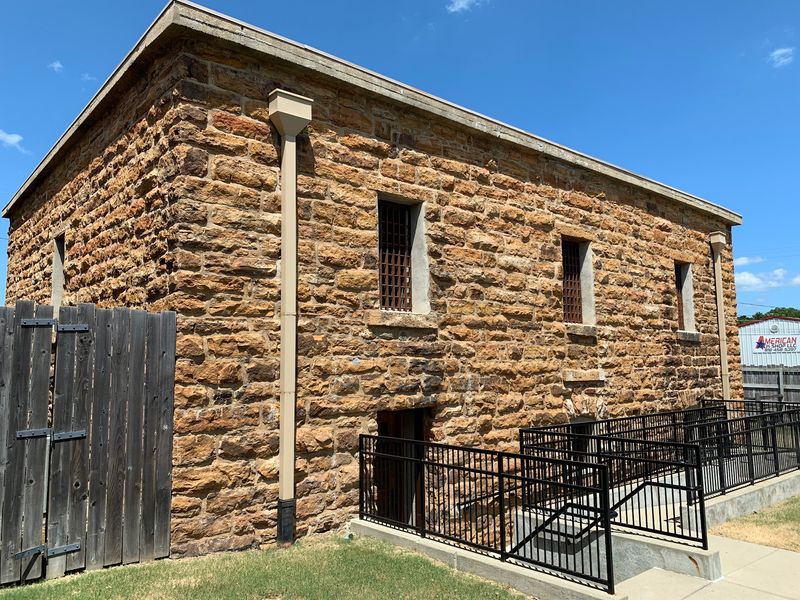
The Cherokee National Prison Museum sits at 124 E Choctaw St, Tahlequah, OK 74464, in the heart of the Cherokee Nation in northeastern Oklahoma. It occupies a listed sandstone prison built in 1875, back when this land was still called Indian Territory.
The site is made up of two buildings. Together they tell the story of how the Cherokee Nation kept law and order on its own terms long before statehood arrived in 1907.
Getting there is simple. The museum is in town rather than out on a back road, and plenty of guests point out how easy it is to find.
For Oklahoma families who like proving their state has deeper roots than the prairie postcards suggest, this is a strong place to start. It is a real building with a real past, and you get to walk right into it.
The address is easy to remember, but the stories inside tend to stick around even longer.
2. Justice Before Statehood
Here is a fact that surprises many first-timers: the Cherokee Nation ran its own courts, its own lawmen, and its own prison.
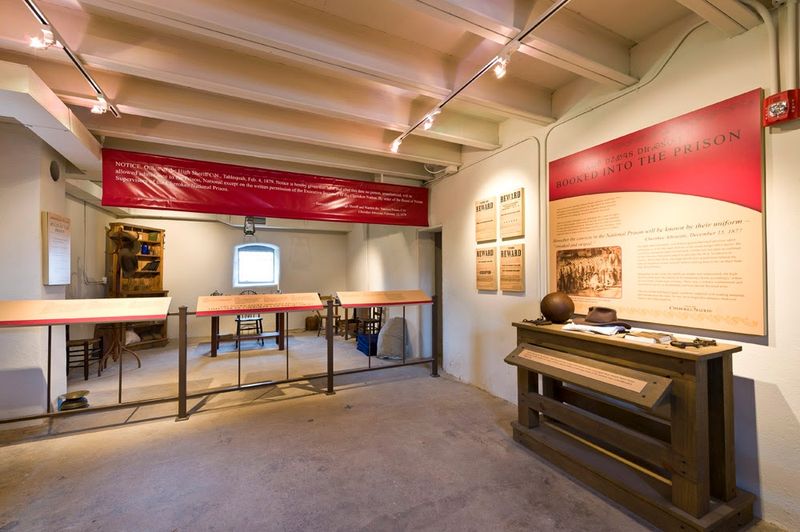
The museum details the history of the Cherokee justice system and how it operated in Indian Territory. It also explains what happened when that system collided with the United States justice system.
That collision is one of the most interesting threads in the building. The exhibits show how two sets of laws, two sets of officers, and two ideas of authority crossed paths on the same land.
The museum also touches on how the Cherokee people adapted after being relocated. Building a government, courts, and a prison was part of rebuilding a nation in a new place.
None of this feels like a dry textbook chapter. The displays stay focused and readable, which helps younger guests follow along without getting lost in dates.
Adults often leave with a fresh view of Oklahoma history. Kids leave knowing that tribal nations had working governments long before the state map was drawn.
It is a short lesson in sovereignty, delivered inside the very walls that enforced it.
3. The 1875 Cells Up Close
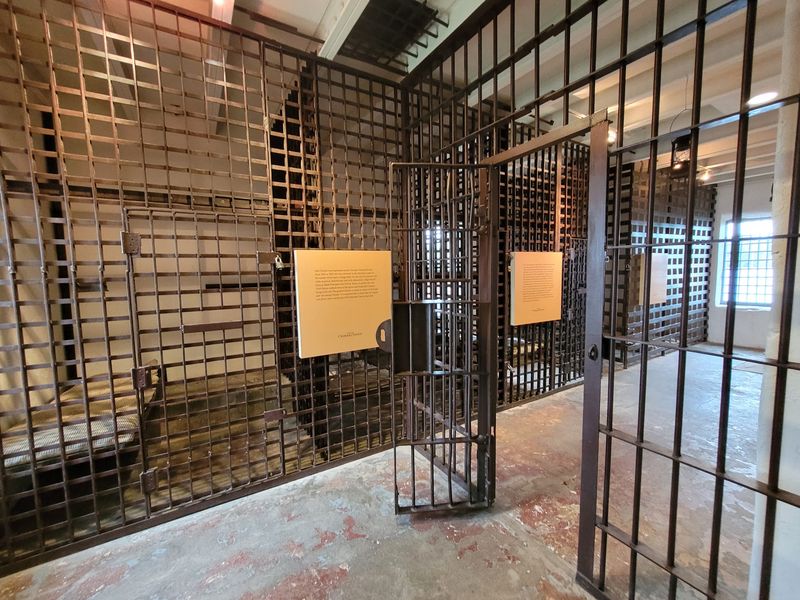
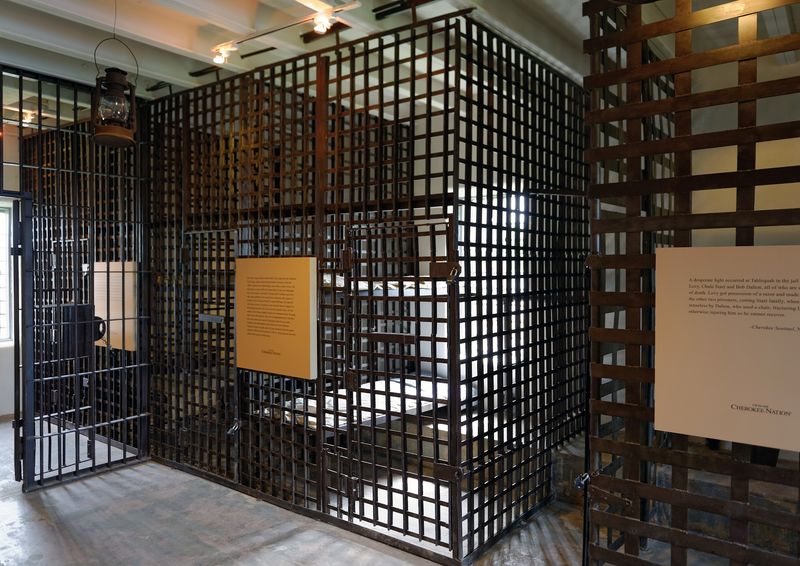
The headline promise is no exaggeration. Guests can walk through the actual jail, not a replica built for show.
This is an authentic lockup that was used back in the day. It is old enough that someone could fairly call it a hoosegow without stretching the truth.
Standing among the cells is what makes the visit land. Many guests find it hard to believe how many people were once held together in such a limited space.
That moment tends to quiet a room. It turns abstract history into something you can measure with your own steps.
The cells are a natural spot for families to pause and talk. Kids usually have plenty of questions, and the setting gives parents an easy way to explain how the justice system worked in the 1800s.
Photos are popular here, too. The stone and bars make for a memorable snapshot that beats another selfie at a gas station.
Just remember that the space was built to hold people in, not to entertain them. Treat it with a bit of respect, and the experience carries more weight.
4. Outlaws, Lawmen, and Their Stories
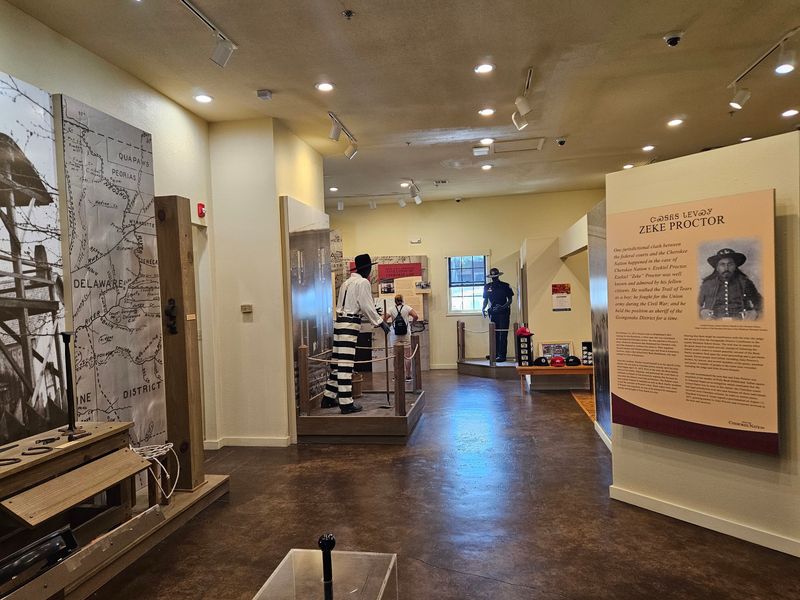
Every good jail has a few characters attached to it, and this one does not disappoint.
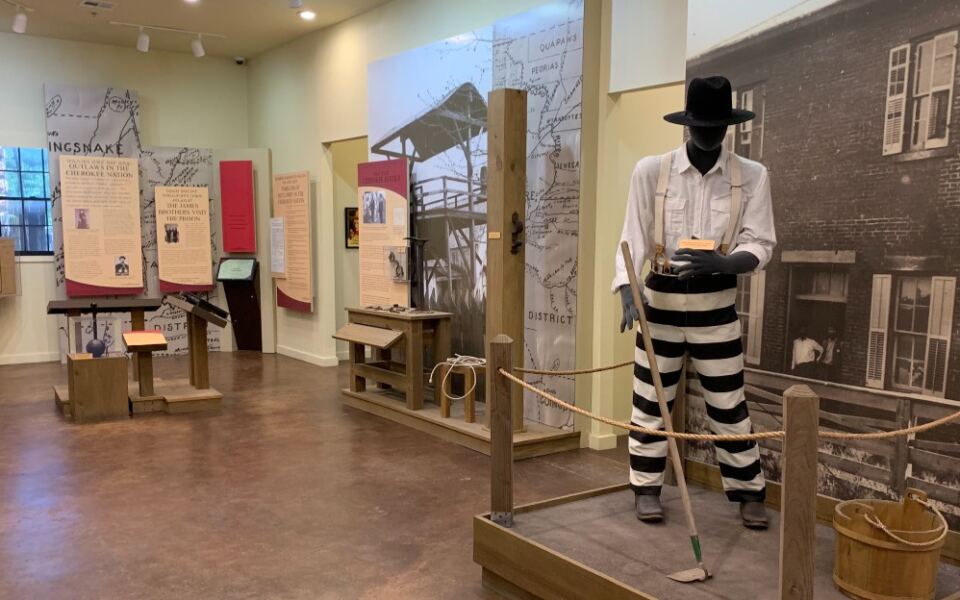
The museum shares details on various outlaws and their run-ins with the law in Indian Territory. These stories bring the frontier era out of the movies and back to the real ground where it happened.
Photographs line the exhibits, putting faces to the names. Seeing the people behind the stories makes the history feel personal rather than distant.
The museum covers who did what and what happened next. Some tales involve the prisoners themselves, while others follow the officers tasked with bringing them in.
For kids raised on cowboy cartoons, this is a chance to swap legend for the real record. For adults, it adds depth to the Wild West image that so often skips over tribal courts entirely.
The frontier heritage angle is strong here. It fits right in with Oklahoma’s rodeo towns, Osage history, and Route 66 stops as proof that the state’s past is anything but flat.
Plan to read slowly in this part of the museum. The best details are often tucked into the smaller captions.
5. History Through Your Phone
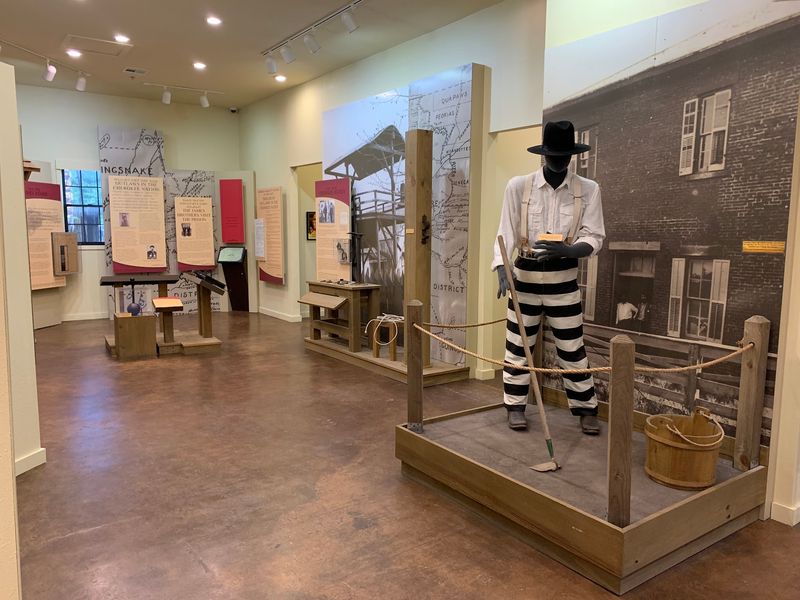
Your phone does more than take pictures inside these stone walls. It also becomes a storyteller.
The museum lets guests use their phones to hear stories and information about the people and events connected to the prison. It is a simple tool that adds a lot to a self-guided walk.
That setup works well for mixed groups. One person can linger on a photograph while another listens to the account of who did what and why.
It also helps families with kids who would rather listen than read every panel. A short story played aloud can hold attention better than a block of text.
Bringing earbuds is a smart move if you want to keep the space quiet for others. A charged phone is helpful too, especially if you plan to snap photos along the way.
The blend of old stone and modern tech is part of the charm. The building dates to 1875, but the way it shares its stories feels current.
Consider it a jail that finally learned how to talk, and it has plenty to say.
6. Two Floors, One Staircase
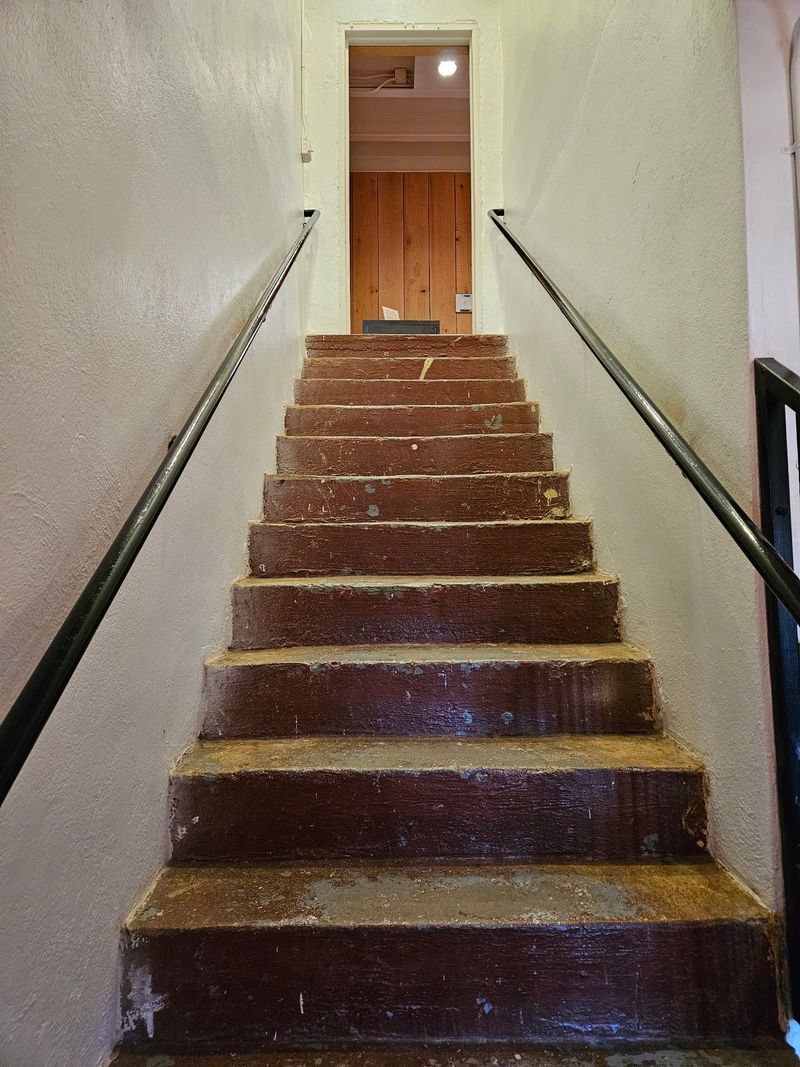
A quick heads-up for planning: the museum includes a set of stairs.
That staircase leads to more of the building, and it is worth the climb if you are able. Seeing the upper level helps complete the picture of how the old prison was laid out.
The good news is that skipping the stairs does not mean skipping the experience. There are still things to look at on the ground floor for guests who cannot make the climb.
Families with strollers or relatives who use mobility aids may want to plan which parts they will explore together. Staff can answer questions about the layout when you arrive.
Small kids usually enjoy the stairs more than anyone. A climb to see what is up top can feel like part of the adventure.
Take your time on the steps. Older buildings were not designed with modern traffic in mind, and there is no prize for reaching the top first.
Whichever floor you stay on, the history keeps pace with you.
7. Friendly Faces at the Front Desk
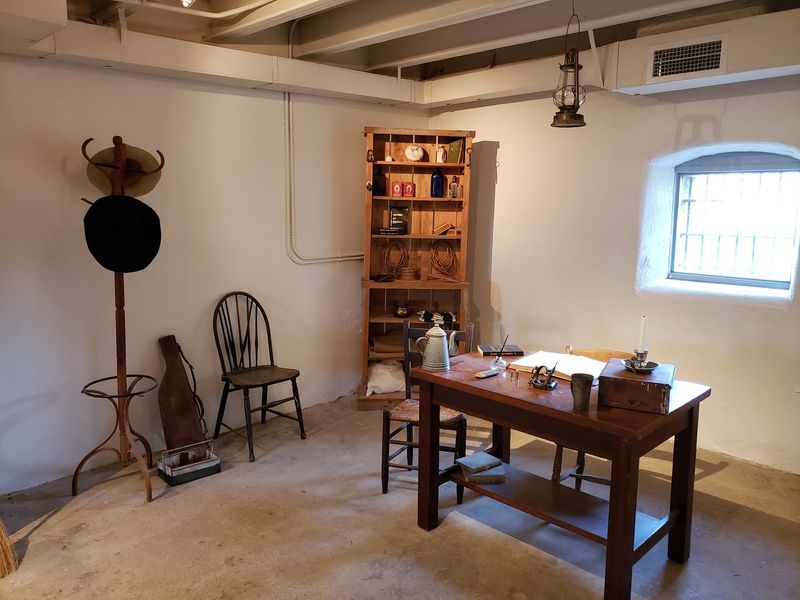
A good guide can turn a short museum stop into a memorable one, and the people here get plenty of credit for doing just that.
Staff members are known for being knowledgeable, kind, and quick to offer extra bits of information. Their friendliness comes up again and again when guests talk about the visit.
The tour is self-guided, so you set your own pace. Even so, the staff is happy to answer questions as you move through the exhibits.
The welcome often starts at sign-in. The person checking guests in has been known to share a laugh or two, which sets a relaxed tone right away.
That warmth matters at a place that covers serious history. It makes the space feel approachable for kids and first-time museum guests alike.
The facilities also stay clean and well maintained. Small touches like that show real care for the building and the people who come through it.
Bring your questions, especially the odd ones. Somebody here probably has an answer, and maybe a good story to go with it.
8. A Field Trip Kids Actually Like
Getting kids excited about a museum can be tough. Telling them they get to walk into a real old jail usually does the trick.
The museum is well suited for all ages and is often recommended as a nice family outing in Tahlequah. Education is one of the biggest strengths of the stop.
Kids get a hands-on feel for history by moving through actual cells instead of only reading about them. That kind of experience tends to stick longer than a worksheet.
The phone stories help younger guests stay engaged. Photos of outlaws and lawmen give them faces to connect with the facts.
Parents can use the visit to talk about fairness, rules, and how communities keep order. It is also a natural way to introduce the history of the Cherokee Nation in a respectful, real-world setting.
Because the museum is compact, short attention spans are not a big problem. Families can see the whole thing before anyone starts asking about snacks.
Homeschool groups and summer-break planners may find it an easy addition to the calendar.
9. How Long a Visit Really Takes
Short on time? Good news, because this museum fits nicely into a busy day.
The building is small, and most guests can see everything in about 45 minutes to a little over an hour. That estimate assumes you stop to read the panels and listen to some of the stories.
History fans who soak up every caption may lean toward the longer end. Families with younger kids may move through a bit faster.
That compact size is part of the appeal. It is a stop you can easily pair with lunch or other sights around Tahlequah without wearing anyone out.
Many people simply pop in while passing through town. The museum works just as well as a quick detour as it does as the main reason for a drive.
For day-trippers coming from Tulsa or Oklahoma City, it can be one piece of a larger heritage outing in the Cherokee Nation capital.
Small museum, big context, and you will still be home in time for supper.
10. The Free Admission Bonus
The best price in Oklahoma might be the one with no dollar sign at all.
Recent information points to free admission at the Cherokee National Prison Museum. That makes it an easy choice for families watching the budget.
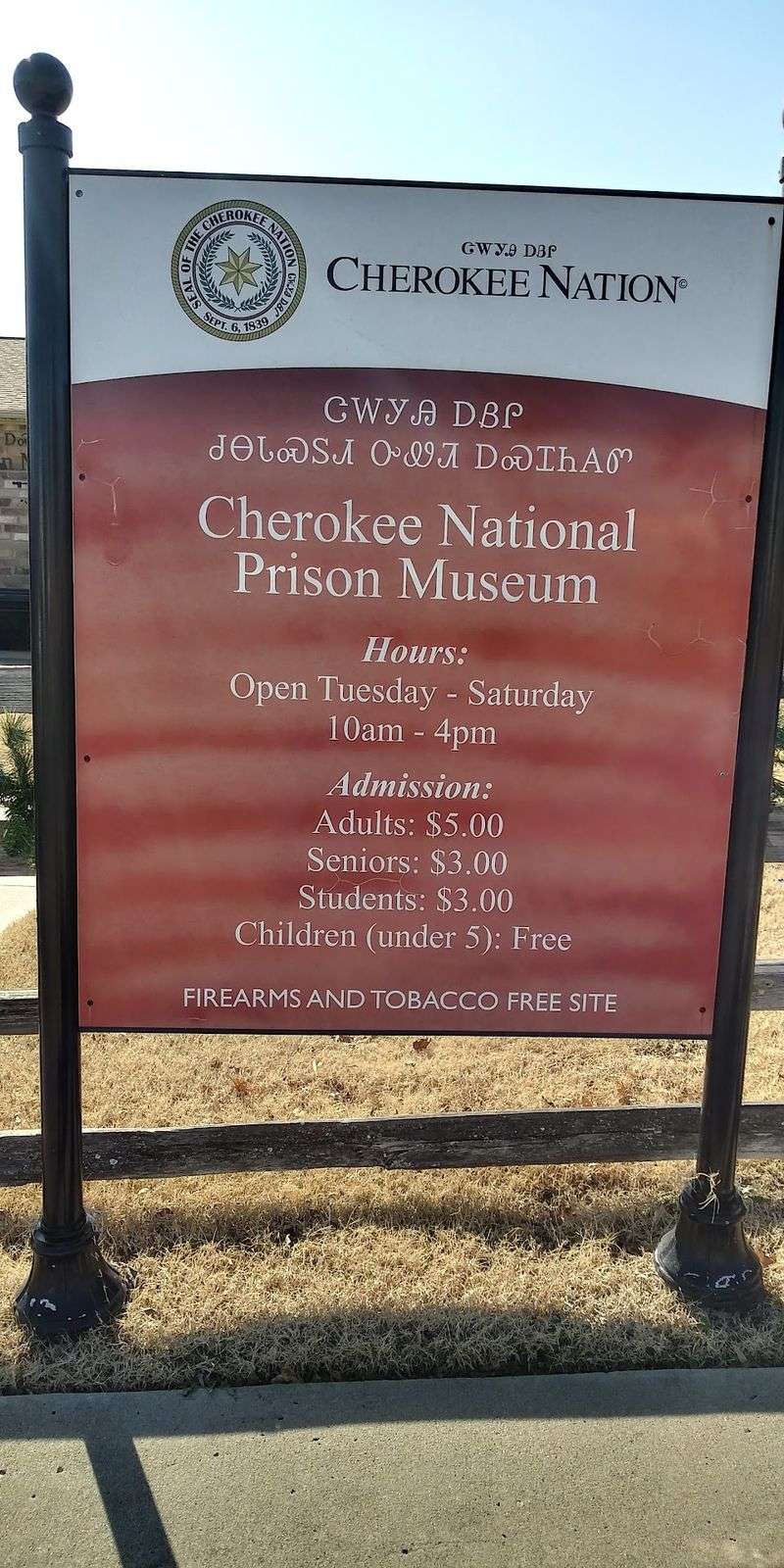
Years ago, entry did carry a fee of five dollars per adult and three dollars per child. More recent visits describe free entry, but policies can change, so it is smart to check the official Visit Cherokee Nation website before you head out.
Other Cherokee Nation museums in Tahlequah have also been noted as free. Stacking a few together can turn a single stop into a full day of history for very little money.
Free does not mean bare-bones, either. The exhibits, phone stories, and authentic cells give real value for the trip.
That low cost pairs well with the heritage angle. Learning Oklahoma history should not require a big ticket, and here it does not.
Save the money you would have spent at the gate. Gas for the drive is the main expense.
11. Hours Worth Circling on the Calendar
Timing matters here, because the jail keeps a stricter schedule than you might expect.
The museum is open Tuesday through Saturday from 10 AM to 4 PM. It is closed on Sunday and Monday.
That Saturday opening is handy for weekend day-trippers. Weekday hours work well for homeschool groups, retirees, and anyone with a flexible schedule.
Arriving earlier in the day gives you breathing room. Since the full visit can take up to about an hour, showing up close to closing could feel rushed.
Hours can shift around holidays or special events. Calling ahead or checking the official Visit Cherokee Nation website is the safest move before a long drive.
Because it is an indoor stop, the museum works in any season. It is a solid off-season pick when lakes and swimming spots are out of the picture.
Plan around the schedule, and the cells will be waiting for you.
12. Why This Old Jail Earns a Stop
Not many places let you walk into a chapter of history and walk back out again on your own terms.
The Cherokee National Prison Museum delivers exactly that. With a strong 4.7-star standing, it has clearly won over plenty of people who came through its doors.
The appeal is simple. It offers an authentic 1875 building, thoughtful exhibits, friendly staff, and a story about Cherokee Nation justice that many Oklahomans never learned in school.
It is not a huge museum, and it does not try to be. What it offers is focused, well done, and easy to fit into a day trip.
For families looking for a cheap outing with real meaning, it checks the right boxes. For history lovers, it adds a valuable piece to the bigger Oklahoma story.
The building once held outlaws behind its sandstone walls. Today it holds something better: a reminder that this state’s roots run deep, and that tribal nations helped shape them.
Head down the road to Tahlequah sometime soon. The only sentence you will serve here is a short and memorable one.
Share this story