Anadarko has a nickname that stops people in their tracks: the Indian Capital of the Nation. In a town with that title, it makes sense that one of its most meaningful stops puts Native art and culture front and center.
On a quiet stretch of the main road, a small building holds galleries, rotating exhibitions, and a space set aside for kids. Admission has been free, which makes it an easy pick for families looking for a low-cost outing.
The catch is that the doors are not open every day, and there have been stretches when the building was closed. Keep reading to learn what waits inside, who will enjoy it most, and the one phone call worth making before the drive.
1. A Museum on Central Boulevard
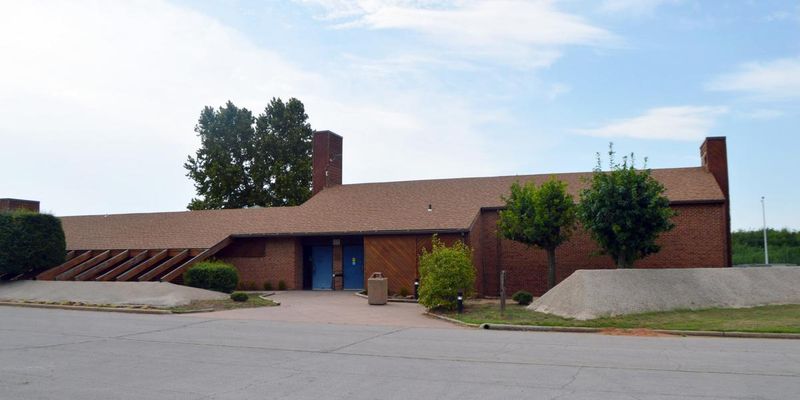
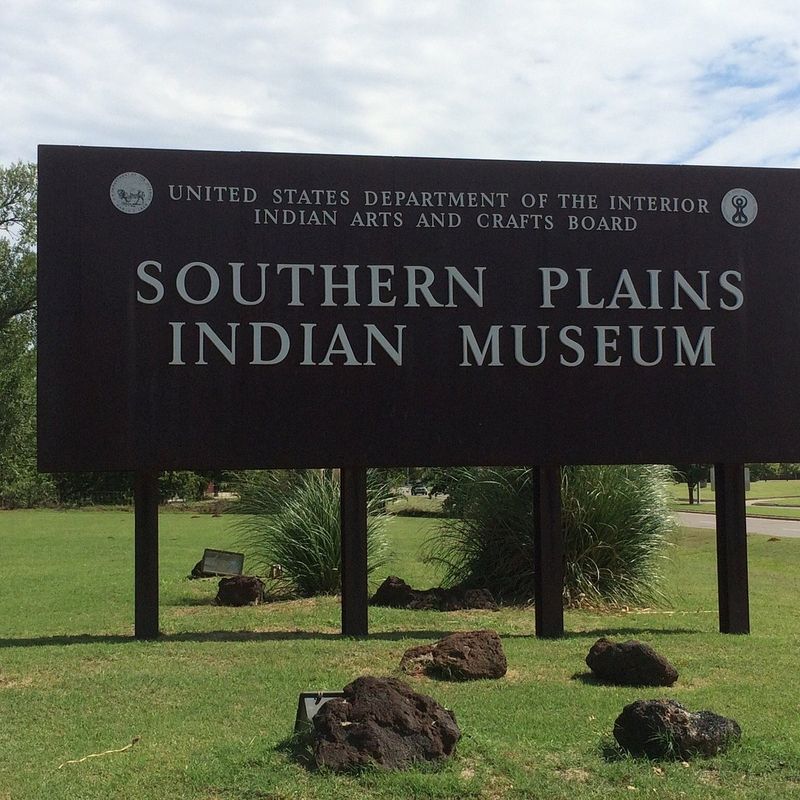
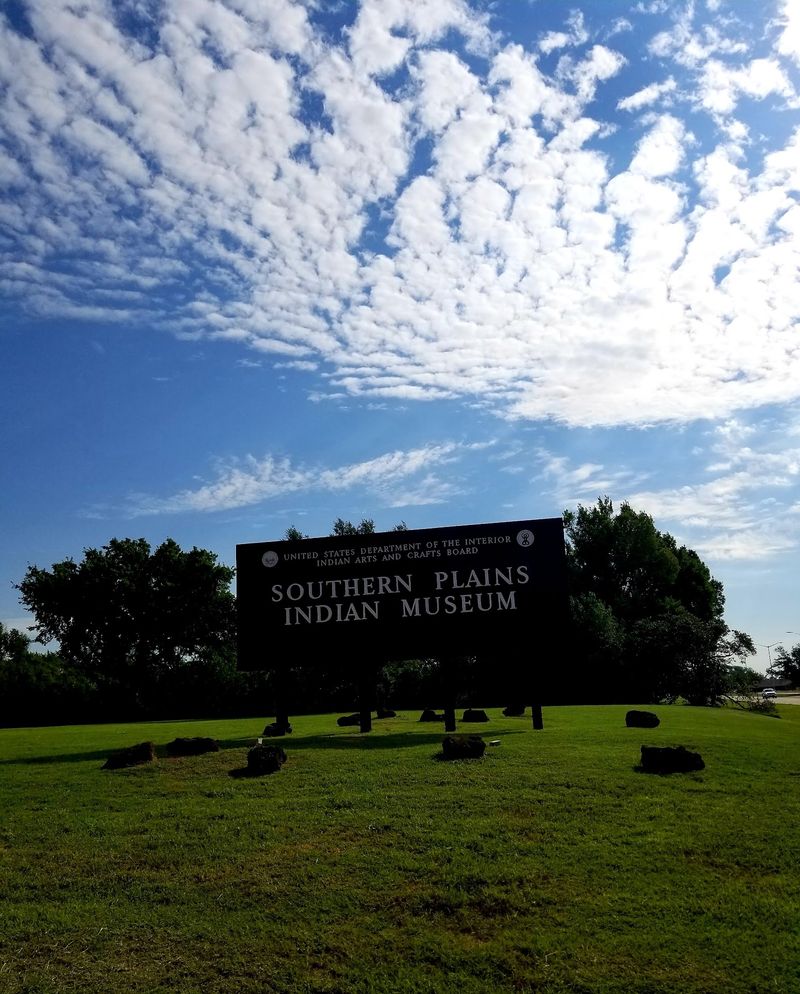
Some of Oklahoma’s best cultural stops sit right on Main Street instead of hiding behind a toll booth. The Southern Plains Indian Museum is at 801 E Central Blvd, Anadarko, OK 73005, in southwestern Oklahoma.
Anadarko sits within an easy day’s drive of Oklahoma City, which puts it within reach for plenty of families across the state. The museum is located right along Central Boulevard, so finding it is not a puzzle.
The museum is operated through the U.S. Department of the Interior’s Indian Arts and Crafts Board.
Its official web page lives on the department’s site, which is a handy place to look for updates.
The building is described as small, quiet, and neat. That compact size is part of its charm, since a family can take it all in without needing a full day.
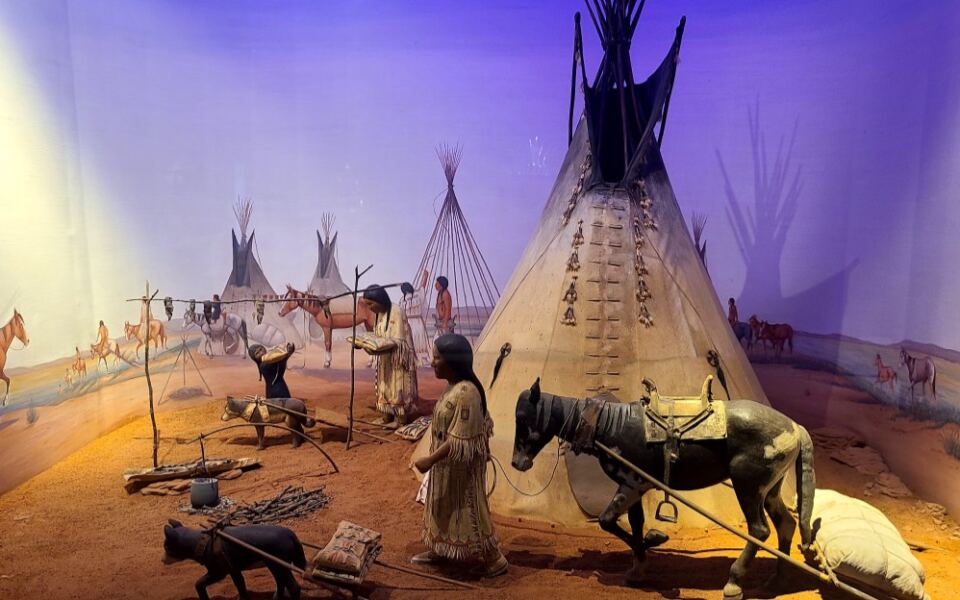
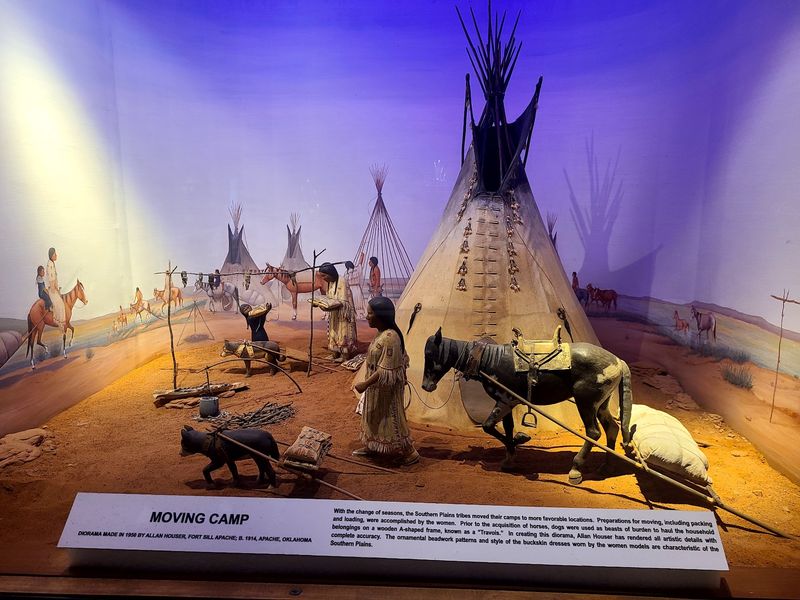
Inside, the focus is Native American art and the cultures of the Southern Plains tribes, including the Kiowa, Comanche, and Apache nations named in the title of this story. It is a place built around learning, and the galleries do the teaching.
For a town with deep tribal roots, the address alone tells you something. It sits in the heart of Anadarko, not on its edge.
2. Why Anadarko Matters
Few towns carry a title as bold as the Indian Capital of the Nation. Anadarko wears that name proudly, and the museum is one reason the label feels earned.
The area is closely tied to several tribal nations of the Southern Plains. That connection gives the museum a sense of place that a big-city gallery cannot copy.
Many people come away saying the museum helped them learn about different Native American tribes. The galleries frame that history through art, objects, and the work of living creators.
Calling it a special place is common among those who have spent time here. Part of that comes from the setting, since the culture on display is rooted in this very community.
For Oklahomans who like proving their state is far more than flat prairie, Anadarko makes a strong case. The museum turns that pride into something you can walk through in an afternoon.
It also adds a meaningful stop to any drive through southwestern Oklahoma. A town with this much heritage deserves more than a glance through the windshield.
3. Three Galleries, One Clear Purpose
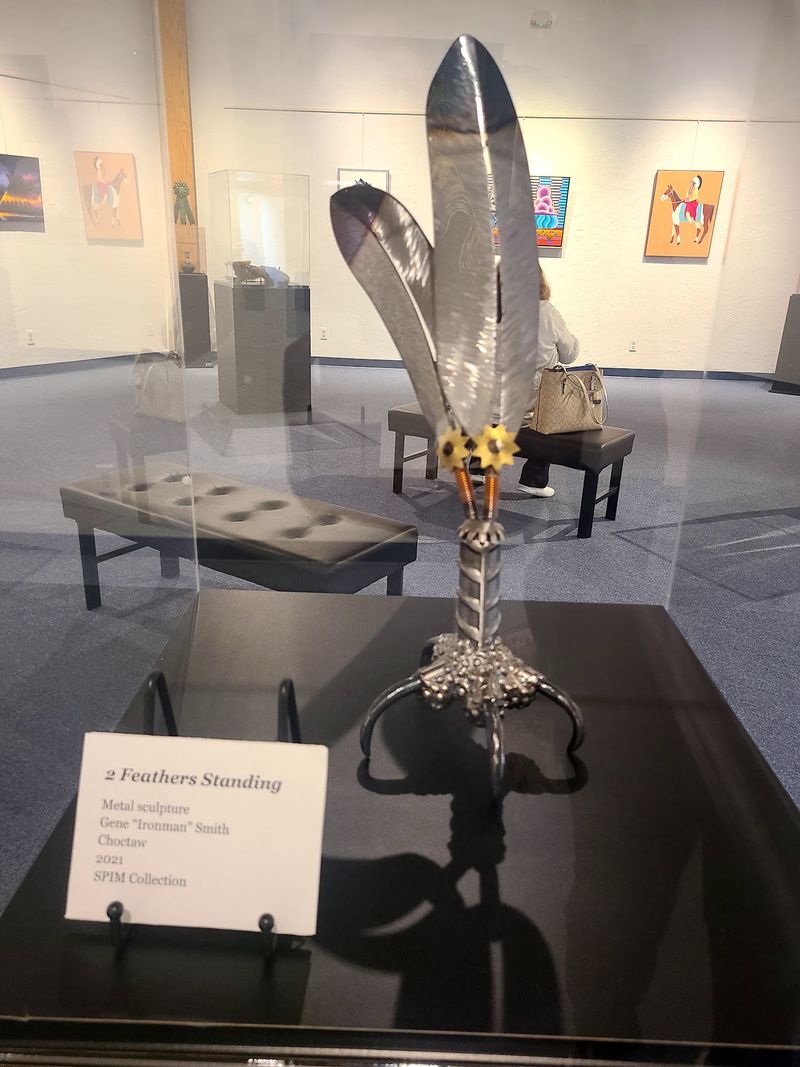
Three galleries make up the heart of the museum. That number keeps the experience focused and manageable.
Each space shows artwork and items connected to Southern Plains cultures. There are lots of pieces to look at and learn about, even within a modest footprint.
Some guests have called it more of an art gallery than a traditional museum. That is a fair description of the feel, and the art itself earns steady praise.
Families should expect quality over quantity. A few people have noted the building is smaller than they hoped, while still calling it a great asset for understanding the community.
The galleries suit a slow pace. Reading labels, studying details, and talking about what you see together is the best way to get the most from each room.
Three rooms might not sound like much on paper. Spend real time in them, and they hold more than the floor plan suggests.
4. Contemporary Native Art in the Spotlight
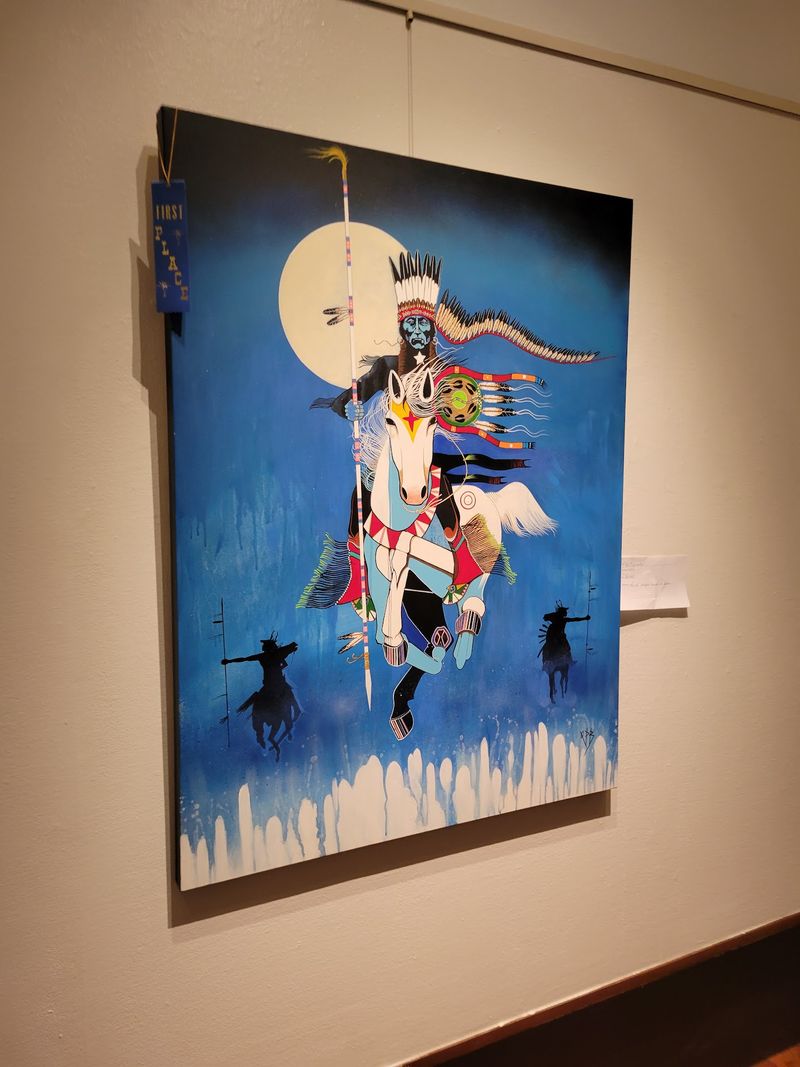
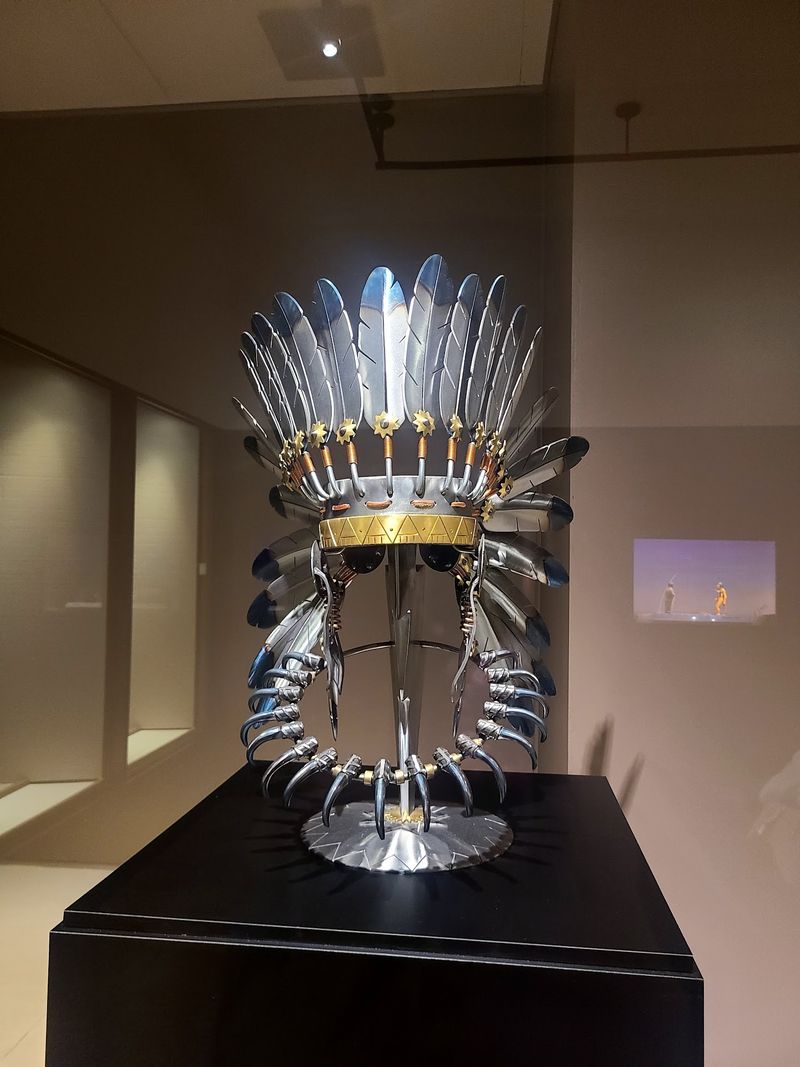
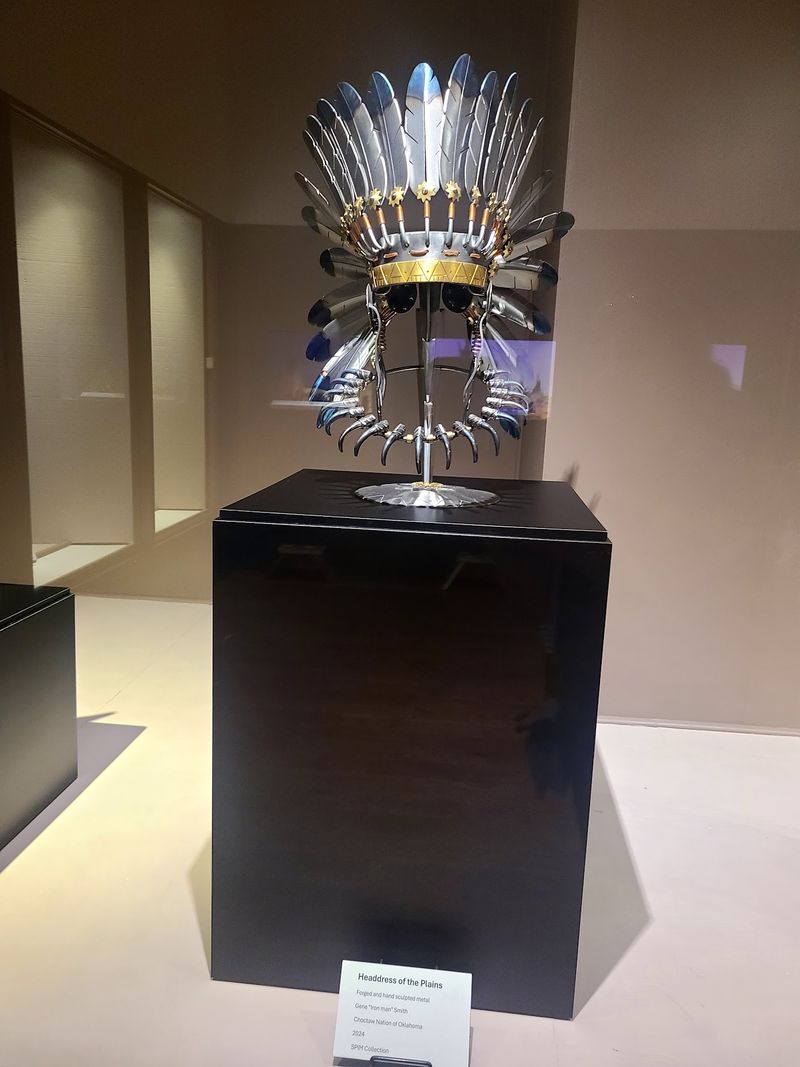
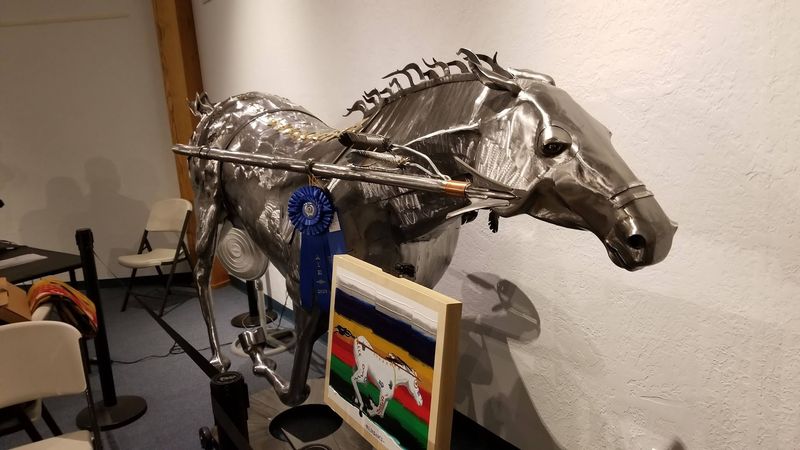
Plenty of museums treat Native culture as something from the past. Here, the emphasis includes contemporary art made by members of the community.
The museum has been praised as a great place to learn about both the culture and the contemporary art of Anadarko’s tribal community. That balance between tradition and present-day creativity is the main draw.
Kiowa, Comanche, and Apache artists are part of the regional story the museum tells. Seeing their work in a federal museum in their own homeland carries real weight.
The artwork is frequently described as beautiful and very good. Even those who wanted more traditional exhibits still credited the quality of the art.
For kids, contemporary pieces can be a great entry point. Bright, modern work often sparks questions that lead to bigger talks about history and identity.
Art here is not frozen in time. It keeps moving, much like the cultures it comes from.
5. Rotating Exhibitions Keep It Fresh
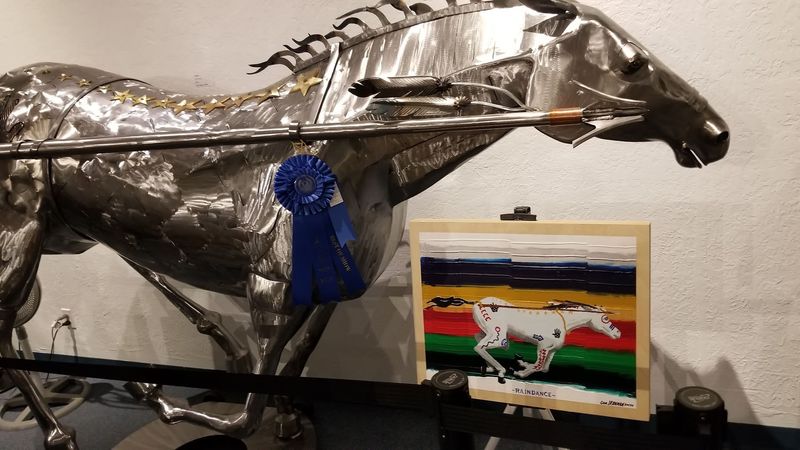
Repeat trips can pay off at this museum. It has been known for rolling exhibitions, which means the displays change over time.
That rotation gives local families a reason to come back. A visit one year may look different from a visit the next.
The changing shows also give more artists a chance to share their work. That fits the museum’s role as a showcase for the community’s creativity.
Exhibit schedules are not listed in the information available here. Checking the official page or calling ahead is the smart way to learn what is currently on view.
Some guests have described the exhibits as small, but great for what they were. Going in with that expectation helps you enjoy the details.
A museum that keeps changing rewards curious people. The second trip may teach you something the first one did not.
6. Beadwork and the Art of Detail
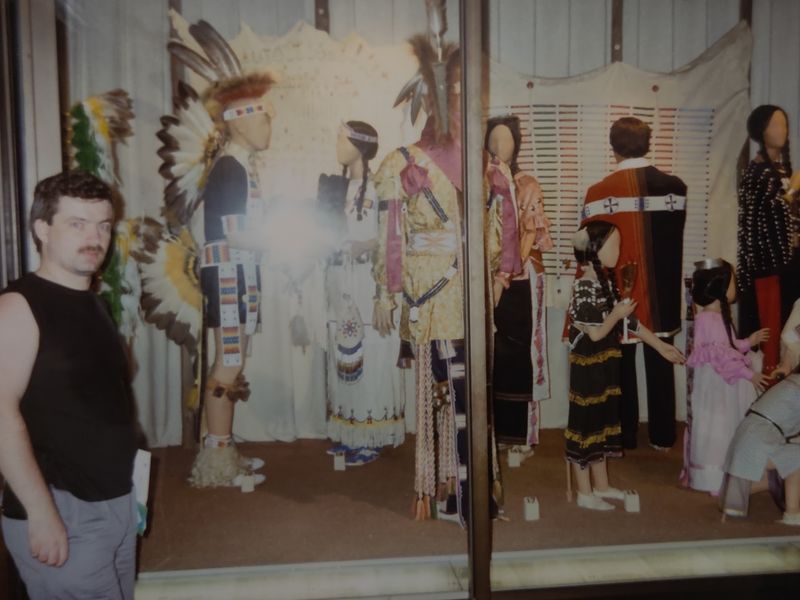
Beadwork tends to grab attention fast. At least one guest left wanting to learn even more about it, which says a lot about how it is presented.
Beadwork is a respected art form among many Southern Plains tribes. Seeing it in person shows how much skill and patience goes into each piece.
The museum’s displays offer a starting point for that curiosity. Taking time to look closely at patterns and craftsmanship makes the galleries feel richer.
Kids can make a game of spotting repeated designs or colors across different pieces. It turns a quiet room into an active search.
The labels and staff can help answer questions. Asking about techniques is a great way to go deeper than the display alone.
Small beads, big story. That sums up why this craft deserves a slow look.
7. Room Made for Young Explorers
Kids get their own corner here, and that makes a big difference for parents. The museum has offered a kids area alongside its galleries.
Families often call it a great place to bring children. Adults tend to leave having learned something new themselves too.
The small size works in a family’s favor. Little legs will not tire out, and short attention spans can still cover all three galleries.
Learning is the most common theme in how people describe this place. It works well for homeschool outings, school breaks, or a curious kid with a lot of questions.
Quiet manners matter in a space this calm. A quick talk about museum behavior before heading in can help everyone enjoy it.
The best family trips are the ones that spark conversation on the drive home. This one has a good shot at doing just that.
8. Friendly Faces at the Front Desk
A warm welcome can shape the whole trip. Staff at this museum are often described as nice, friendly, and informative.
The front desk staff tend to share helpful background on the galleries. That personal touch makes a small museum feel welcoming.
Families have pointed out how kind the staff are with children. Kids often respond well when someone takes time to explain things at their level.
Questions are welcome here. Asking about a piece, an artist, or a tribe can open up stories that labels cannot hold.
Small museums depend on people who care about the work. The staff seem to be a big part of why so many leave feeling good about the trip.
A friendly hello at the door sets the tone. Here, it is part of the experience.
9. A Stage for Community Moments
Museums are not only for quiet browsing. This one has also served as a gathering spot for the community.
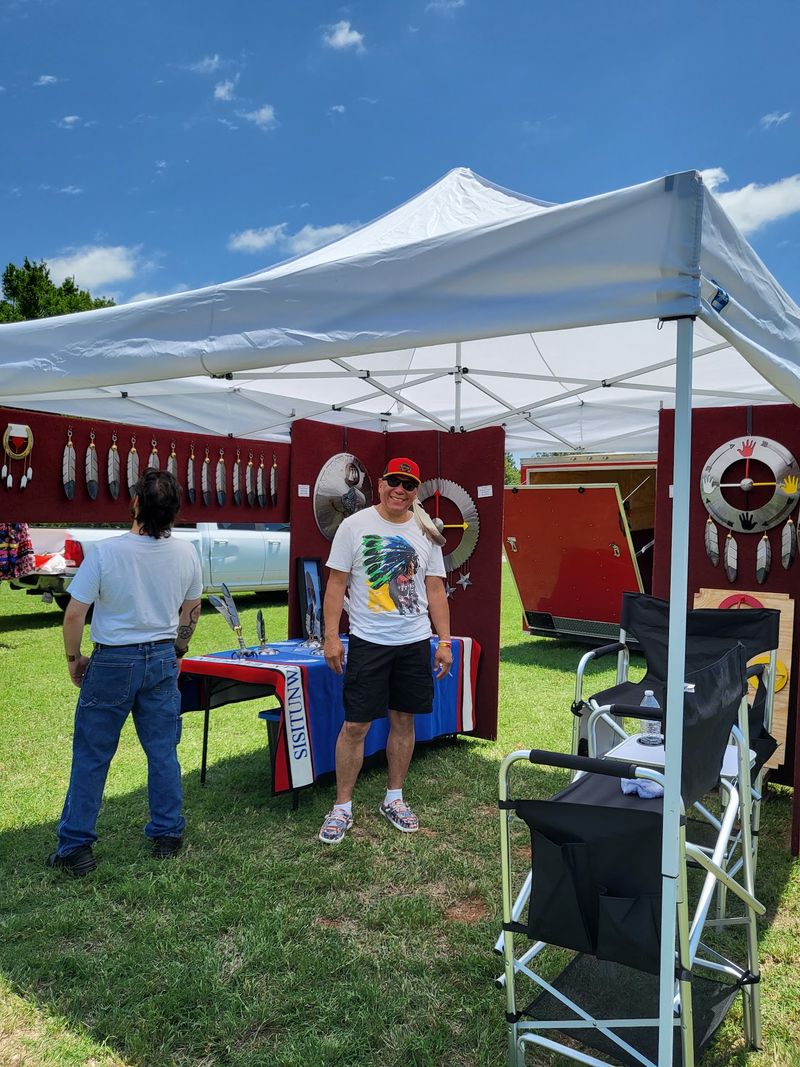
During the American Indian Exposition in 2019, the museum hosted a reception honoring Harvey Pratt as American Indian of the Year. Moments like that show how closely the building ties into local life.
The American Indian Exposition is a well-known Anadarko event. The museum’s role during it adds another layer to its story.
Events like this highlight the people behind the culture on display. The galleries become a place for celebration as well as learning.
Event schedules are not covered in the data here. Checking the official page is the best way to learn about any upcoming gatherings.
When a museum hosts its own community, it stays alive. That spirit is part of what makes this one stand out.
10. The Free Admission Bonus
Free is a beautiful price for a family outing. The museum has been free of charge, which makes it one of the best budget stops in the area.
Having this as a free activity in the heart of Anadarko is something families have specifically appreciated. It lowers the barrier for anyone curious about Native art and history.
That value pairs well with a road trip through southwestern Oklahoma. Gas money becomes the main expense for the day.
Admission policies can change over time. Confirming the current cost before you go is always a good idea.
Free entry also makes a short stop easy to justify. Even a quick look can leave a lasting impression.
Learning that costs nothing may be the best deal in town.
11. Call Before You Drive
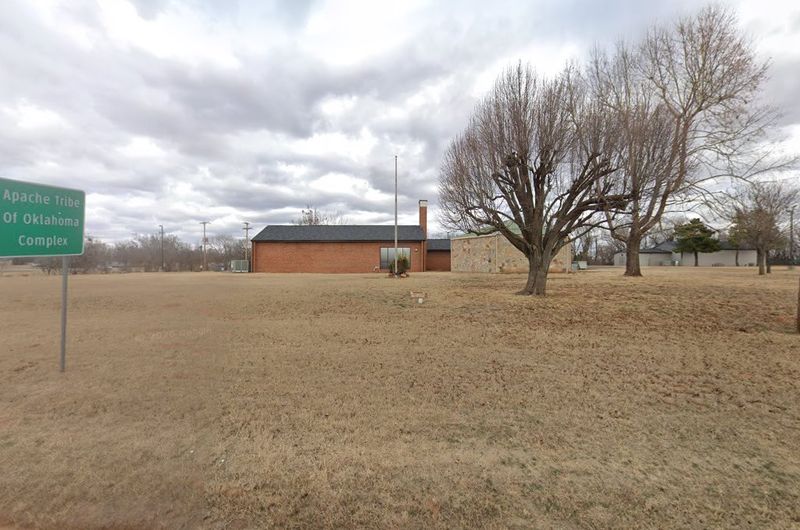
Here is the most important tip in this whole story. The museum has had closures, so a quick check before the drive matters.
Some people have arrived to find the doors closed without a clear reason. Others found the buildings boarded up with large storage cubes in the parking lot, which pointed to a longer closure.
That history makes planning essential. Calling ahead or checking the official Department of the Interior page can save a wasted trip.
Group trips need extra care. Buses and school groups should confirm the date and time directly before leaving town.
None of this takes away from the galleries themselves. It simply means flexibility is part of the plan.
A two-minute check can protect a whole day. Make it the first step, not an afterthought.
12. Hours That Fit a Weekday Trip
Weekend plans will not work here, at least based on the listed schedule. The museum is open Tuesday through Friday, from 10 am to 4:30 pm.
It is listed as closed on Saturday, Sunday, and Monday. That makes it a better fit for summer breaks, school holidays, or a weekday day off.
Arriving earlier in the day gives you plenty of time. The galleries are compact, but rushing takes the fun out of learning.
Hours may change, especially given past closures. Checking before heading out is the safest move.
A weekday trip can also be quieter. That calm suits a museum built around careful looking.
Mark the calendar for midweek. That is when this museum does its best work.
13. Worth the Trip to Anadarko
Small museums often leave the biggest impressions. This one packs Native art, culture, and community pride into three galleries.
It works best for families, curious learners, and anyone interested in the Southern Plains tribes. Art lovers will find plenty to appreciate.
Those wanting a large traditional history museum may find it limited. Going in expecting a focused art space sets the right tone.
The friendly staff, kids area, and free admission add real value. Those perks make it an easy fit for a budget day trip.
The biggest caution is the schedule. A quick call or a look at the official page keeps the trip on track.
Anadarko calls itself the Indian Capital of the Nation, and this museum helps tell that story. When the doors are open, it is a stop worth making.
Share this story