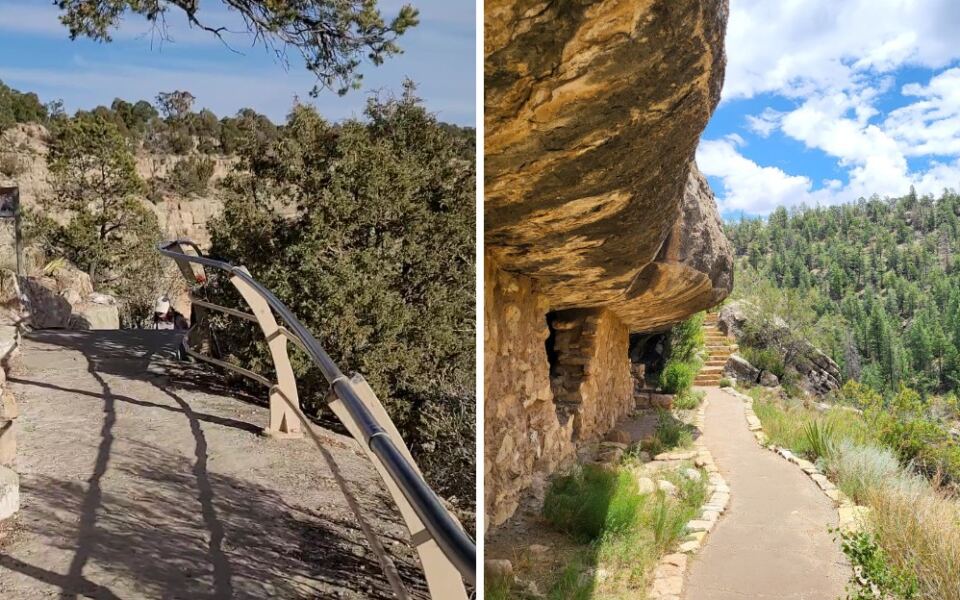
Most people blast past this canyon on the freeway near Flagstaff and never know what sits just off the exit. Tucked into its curving limestone walls are dozens of stone rooms built by people who lived here centuries ago.
A short loop trail lets you walk right beside those homes, close enough to peek inside the doorways. There is a catch, and it involves a lot of stairs, so read on before you lace up.
A Canyon Hiding in Plain Sight
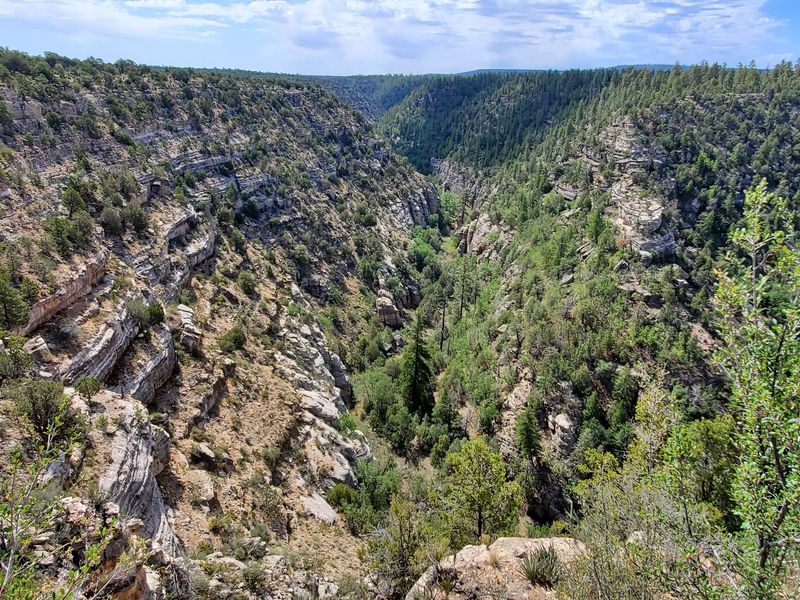
Plenty of Valley drivers have cruised by the exit dozens of times without stopping. That is a shame, because Walnut Canyon National Monument, in Arizona, United States, sits just minutes from the freeway and the town of Flagstaff.
The site protects an expansive, curved canyon packed with geological formations. Even better, it holds the ruins of Sinagua cliff dwellings tucked under rocky ledges.
Getting here from Flagstaff is easy, which makes it a natural add-on to any northern Arizona weekend. From Phoenix, it fits neatly into a day trip up the I-17 corridor.
The monument is run by the National Park Service. It is classified as a national reserve, and it carries a strong 4.8-star standing from thousands of people who have made the trip.
Small is the key word here. The parking lot is compact, and there is not much to see from the car, so the real show starts once you head out on foot.
Think of it as a compact site with outsized rewards. The next stop explains who built those stone rooms in the first place.
The Sinagua Story Etched in Stone
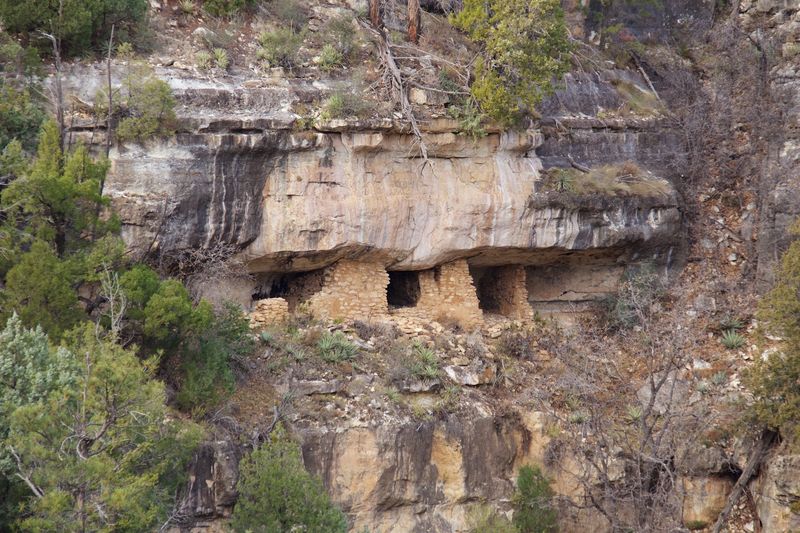
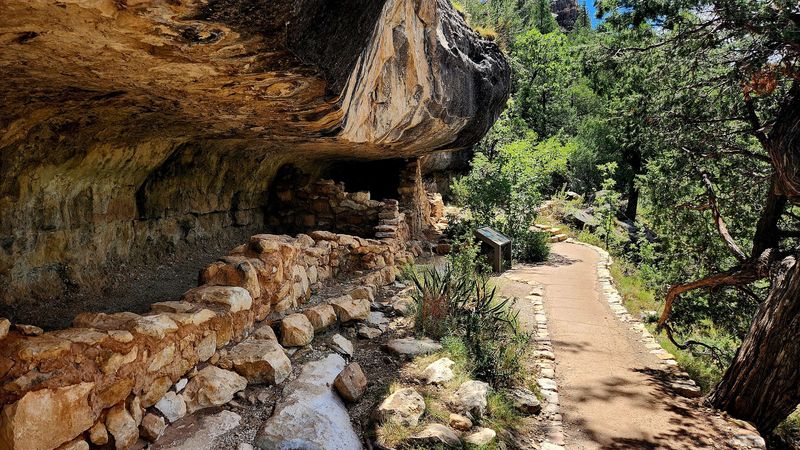
Long before anyone paved a road to Flagstaff, families made their homes right here along the canyon edge. The Sinagua people built rooms beneath the natural overhangs of the canyon walls.
What surprises most first-timers is the sheer number of them. You do not find one or two dwellings, but many lined up along the cliffs.
Interpretive signs along the trails explain how these residents lived and built their homes. Other signs name the plants and trees that grow throughout the canyon.
The dwellings remain in impressive condition. The walkways the original builders used along the canyon are just as remarkable as the rooms themselves.
A big part of the appeal is the mystery. The exhibits cover how the people lived, what happened, and how their communities eventually moved out of the area.
That question of why they left tends to follow hikers all the way back to the parking lot. It is history you can stand next to, not just read about.
Island Trail and Its Famous Staircase
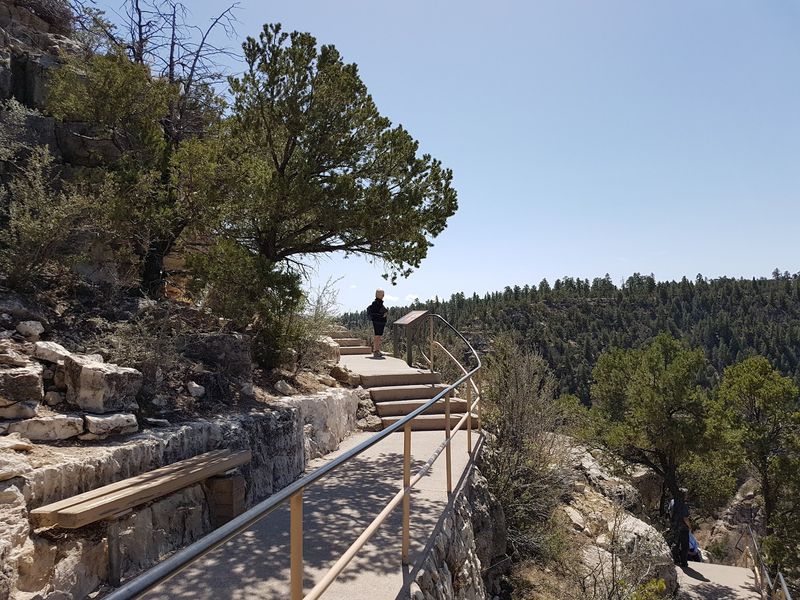
Here is the honest truth about the easy one-mile hike: the walking is easy, the stairs are not. The Island Trail is a roughly 0.9-mile loop, and it is the star of the monument.
About 240 steps lead from the visitor center down into the canyon. Counting the full loop and the return, hikers handle a total of 736 stairs.
Once you reach the island, the path around it is mainly flat with good signage. The climb back up is where legs start filing complaints, since some stairs are steep.
Fortunately, benches line the route for breathers between flights. Railings also run along some of the staircases.
The loop takes around 40 minutes for many groups, including stops for signs and photos. Slower paces are completely fine.
The elevation can make breathing a little harder for desert dwellers used to lower ground. Know your limits, take your time, and the island will wait for you.
Doorstep Views of Ancient Homes
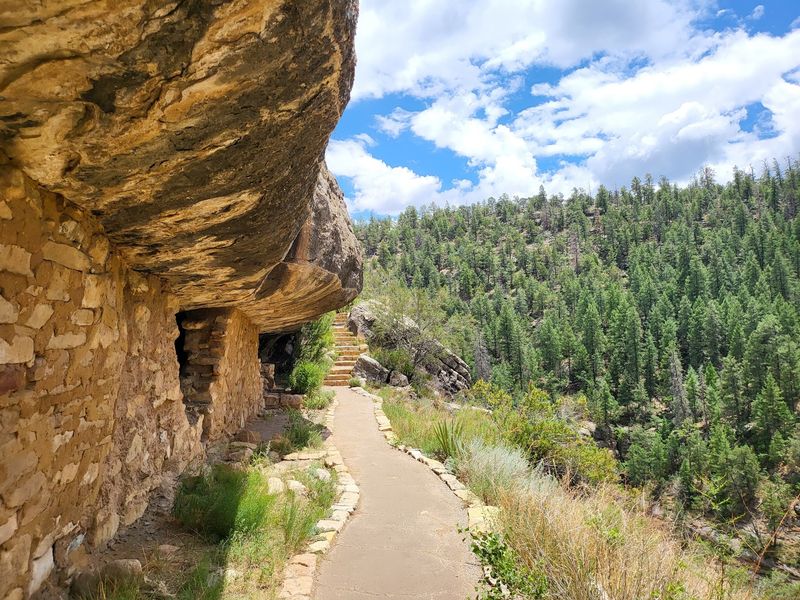
Few places in Arizona let you get this close to homes built centuries ago. On the Island Trail, the path wraps around a rocky outcrop and passes right beside large groups of cliff dwellings.
You can get extremely close to some of the rooms. That closeness is what separates this loop from simply viewing ruins across a gorge.
Many hikers compare the feel to the Cliff Palace descent at Mesa Verde in Colorado. The scale is smaller here, but the up-close access delivers its own kind of thrill.
Photographers tend to slow down a lot on this stretch. Every bend reveals another set of rooms tucked under the ledges.
A fair warning for anyone uneasy with heights: some sections run along the canyon edge. Pushing through usually pays off with views that stick around long after the drive home.
Rangers sometimes walk the trail as well. Catching one mid-loop can turn a quick hike into a mini history lesson.
The Rim Trail for Easier Strolls
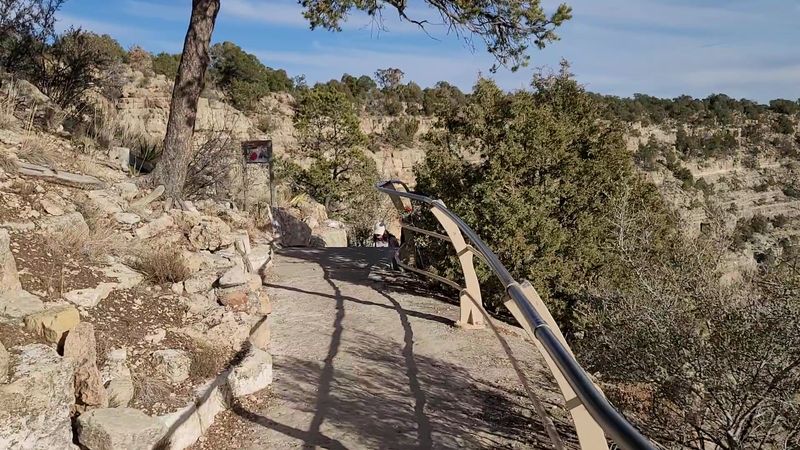
Not every knee wants 736 stairs, and the monument planned for that. A second path, the Rim Trail, stays up top along the edge of the canyon.
It is a flat, well-maintained, easy walk. Parts of the route are paved, which suits a more relaxed pace.
From the rim, you can still spot homes built into the side of the canyon walls. The views stretch across the curves of the gorge.
Families with mixed fitness levels often split up here. Some tackle the island while others take the rim and meet back at the visitor center.
Doing both is a popular move too. A smart order is the Island Trail first, while energy is high, followed by the gentler rim.
The trails are informative and nicely laid out, each with its own length and difficulty. Picking one is less about missing out and more about matching the day to your legs.
Visitor Center, Film and Friendly Rangers
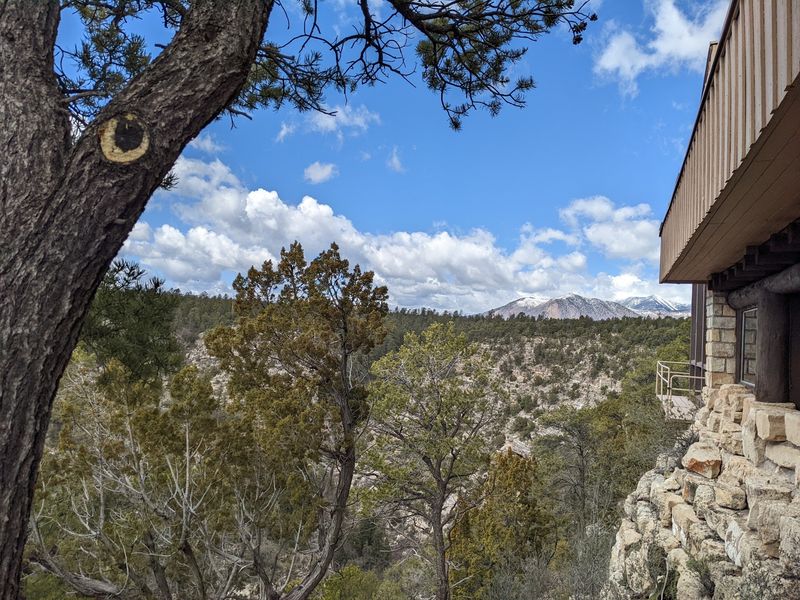
Smart hikers start indoors. The visitor center offers a small exhibit area about the people who once lived here and the artifacts they left behind.
A short film plays on repeat and gives a solid overview of the dwellings. It works well for anyone who cannot make the hike down.
The building also has water fountains, clean restrooms, and views of the canyon from inside. A small gift shop sells snacks and art pieces.
Staff members earn plenty of praise for being friendly and knowledgeable. Rangers are happy to answer questions before and after your loop.
Kids may even find themselves studying on the trail and getting quizzed back at the center. It turns a hike into a field trip without the permission slip.
Cooling off with the film after the Island Trail climb is a popular way to wrap up. Consider it a well-earned victory lap.
Seasons That Change the Whole Experience
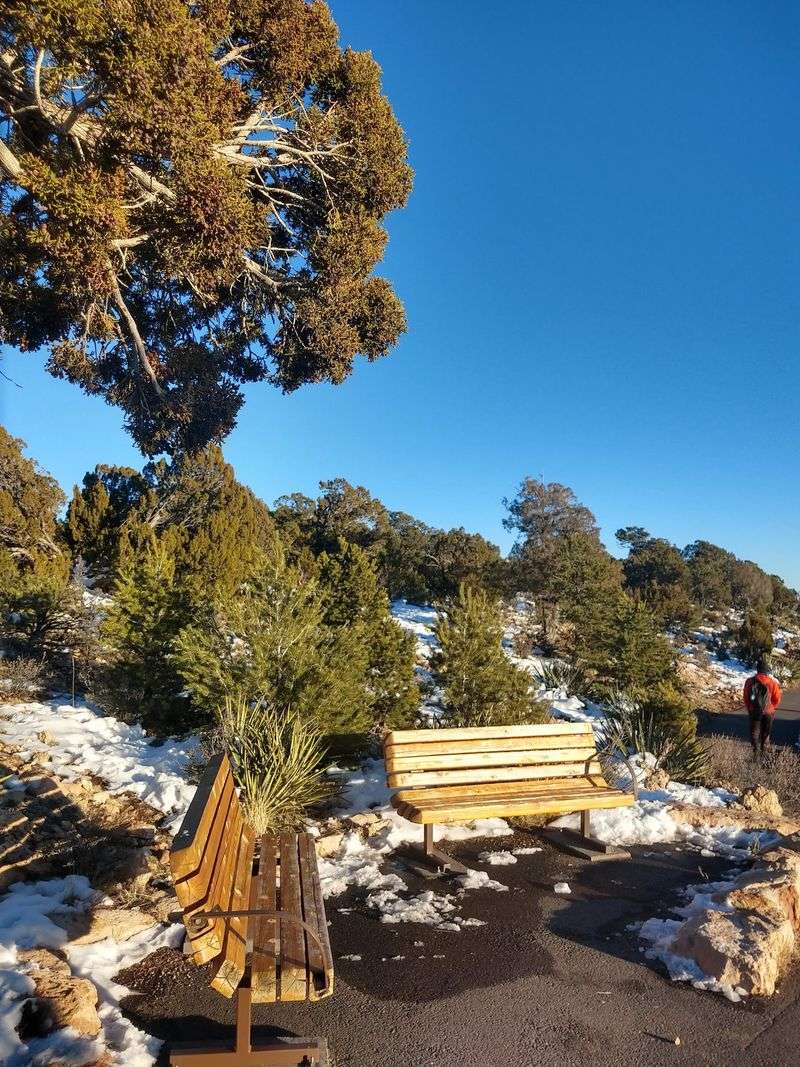
Same canyon, very different day depending on the calendar. Summer brings heat, while late fall and winter can bring snow, wind, and cold.
Summer hikes are intermittently shady, so a hat is a wise call. Water and rest stops in any shade help a lot on the climb back.
Winter visits have their own charm. Cliff dwellings dusted with snow against the red rock make for striking photos.
Snow can make some steps slick, though. Heavy weather may limit a trip to the visitor center and nearby viewpoints, so calling ahead about the Island Trail is a good habit.
Smoke from regional wildfires can also haze the views at times. Clear-sky days show the canyon at its best.
For Phoenix and Tucson folks escaping summer heat, the higher elevation offers welcome relief. Fall and spring tend to hit the sweet spot.
Planning Notes and a Final Word
Timing matters more than most people expect. The monument is open daily from 9 AM to 5 PM, and the gate closes at 5 PM sharp.
Give yourself enough time to explore without rushing. Guided programs may wrap up before closing, so arriving earlier helps.
There is an entrance fee. Entry is covered if you carry an America the Beautiful pass, and free-entry days also pop up during the year.
Parking at the visitor center is convenient but small. Bring water, comfortable shoes, and a little patience for the stairs.
So is it worth the detour off the freeway? For anyone who loves history, archaeology, nature, or photography, the answer leans strongly toward yes.
A short loop, a stack of stairs, and a village of stone homes waiting on a canyon island. Next time the Flagstaff exit flashes by, consider taking it.
Share this story