Every December, one small Upstate town hands out the same promise George Bailey learned the hard way: no one is a failure who has friends. Folks there believe their streets helped shape the most beloved holiday film ever made, and they celebrate that idea with a full festival, a museum and a famous bridge.
The town sits in the Finger Lakes, a reasonable drive from Rochester, Syracuse and even Buffalo. It also carries a serious history that reaches far beyond the movies.
Keep reading to learn how a quiet canal town turns into Bedford Falls each winter, and why it still feels like a place where tradition never went out of style.
1. A Hamlet With a Hollywood Rumor
Seneca Falls, NY 13148, sits in Seneca County in the heart of the Finger Lakes region of New York State, just east of the city of Geneva. On a map it looks modest, but its reputation is anything but small.
Officially, it is a hamlet and census-designated place inside the Town of Seneca Falls. The 2010 census counted 6,681 residents, and the 2020 count rose slightly to 6,809.
Here is the twist that surprises many New Yorkers. Seneca Falls was an incorporated village from 1831 until 2011, when residents chose to dissolve the village government.
So the community kept its name, its streets and its spirit, even after the paperwork changed. That steady sense of identity matters, because the town has a story it loves to tell every winter.
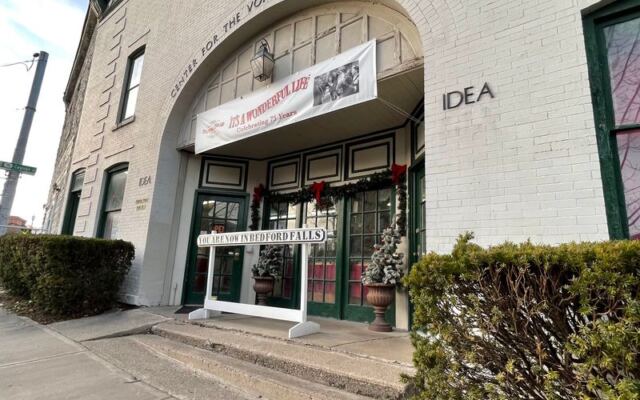
Locals widely believe Seneca Falls was the real-world model for Bedford Falls, the fictional home of George Bailey in the 1946 classic It’s a Wonderful Life. The claim has never been officially confirmed by the filmmakers, so it is fair to call it a cherished local belief rather than settled fact.
Still, belief has a way of building traditions. And in Seneca Falls, that belief built a whole December.
2. The Director Who Reportedly Passed Through
Long before the town had a festival, it had a rumor. According to local lore, director Frank Capra visited the area in the mid-1940s, around the time he was working on the film.
The story goes that he reportedly stopped in Seneca Falls and noticed details that later echoed on screen. Capra never left a public statement naming the town, so the link remains a matter of local tradition.
Supporters point to several similarities. Both places sit along water, both have a busy main street, and both share a bridge that plays a role in the story.
Skeptics note that many American towns of that era looked alike. That debate has never really ended, and honestly, it adds to the fun.
What makes the Seneca Falls version stand out is how seriously residents embrace it without overselling it. The town treats the connection as a gift to share, not a trophy to defend.
For a reader in Albany or Queens, the appeal is easy to understand. A real place quietly claiming a piece of film history feels more personal than any studio backlot ever could.
The next question is simple. What exactly do those similarities look like in person?
3. Bridges, Canals and a Very Familiar Skyline
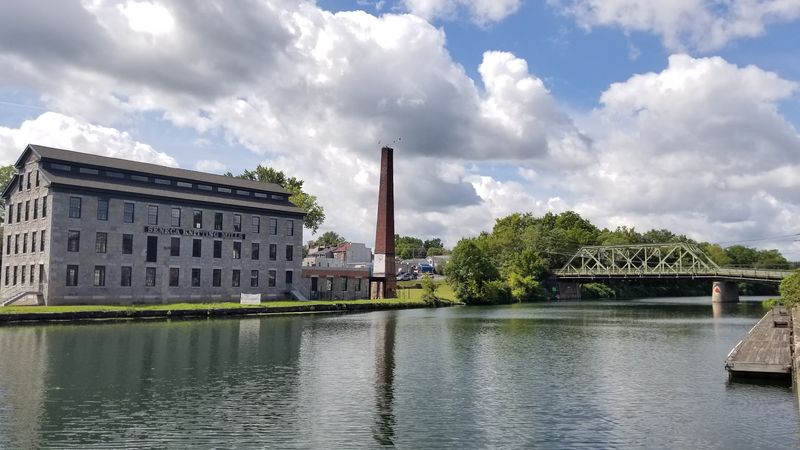
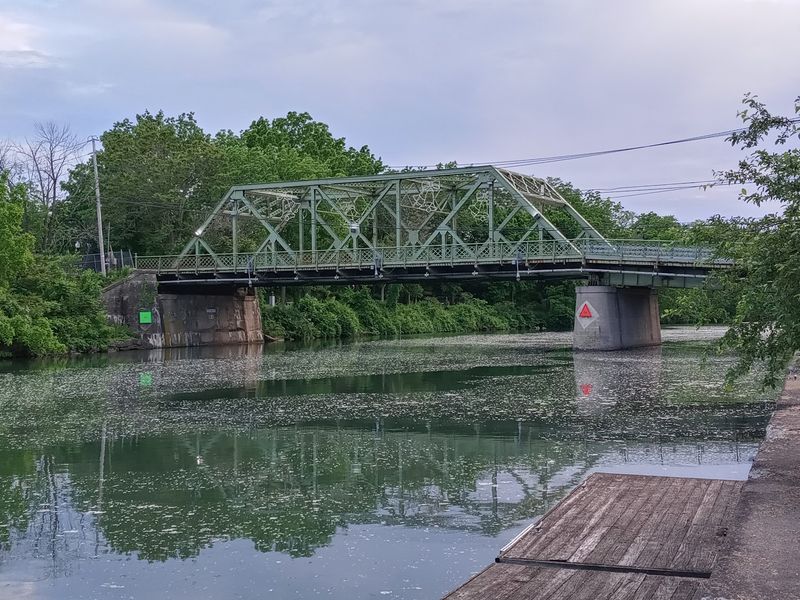
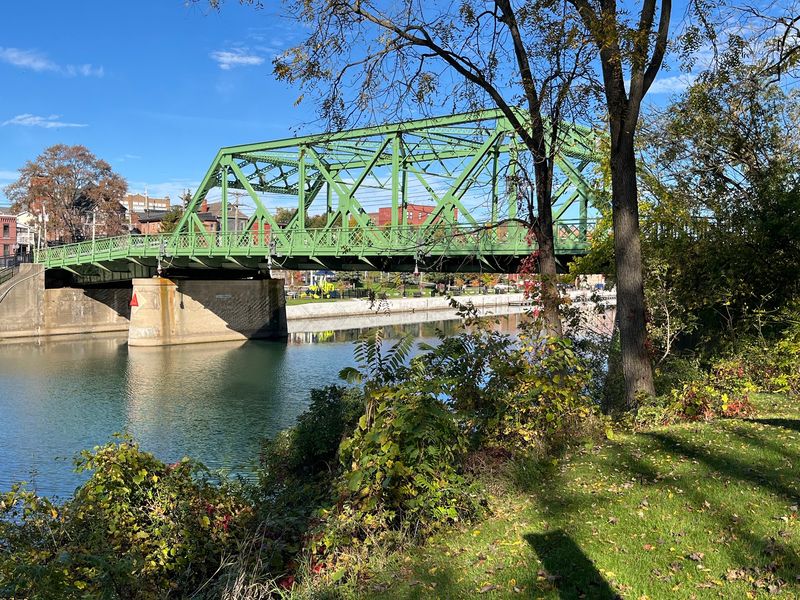
Water defines Seneca Falls. The Seneca River and the Cayuga-Seneca Canal run through the community, and the downtown grew up right alongside them.
Fans of the movie notice the layout almost immediately. A main street, a river and a bridge in the middle of it all create the kind of setting that feels lifted from Bedford Falls.
The canal once carried goods and workers, and it helped the town grow during the 1800s. Many of the brick commercial buildings downtown date to that era of industry and trade.
Today the waterfront is more relaxed. Paths, small parks and canal views give people a reason to slow down between museum stops.
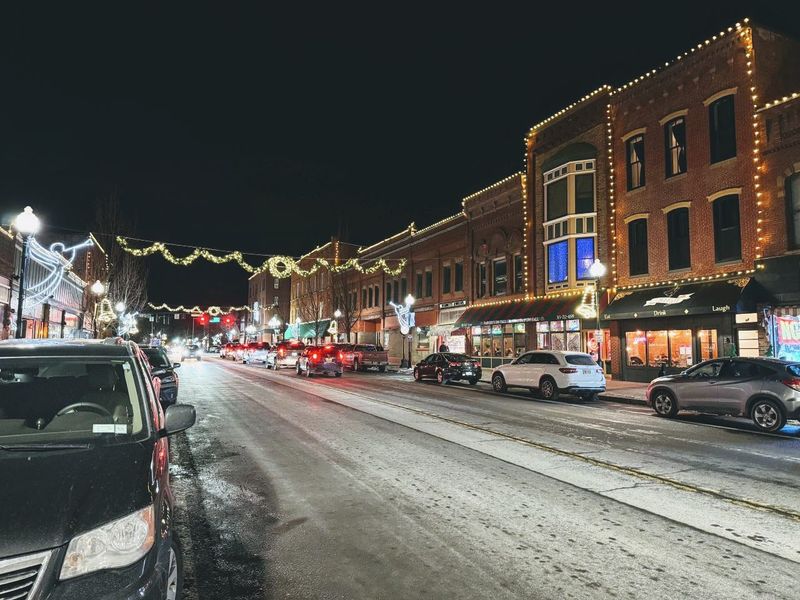
The setting also makes December decorations stand out. Lights along storefronts and near the water help the downtown look its holiday best.
Nothing about the town was built for cameras. That is exactly why it works so well as a stand-in for a film about ordinary people living ordinary, meaningful lives.
Of all the spots along the water, though, one bridge gets more attention than the rest. It comes with a true story that may sound like it came straight from a script.
4. The Real-Life Rescue on Bridge Street
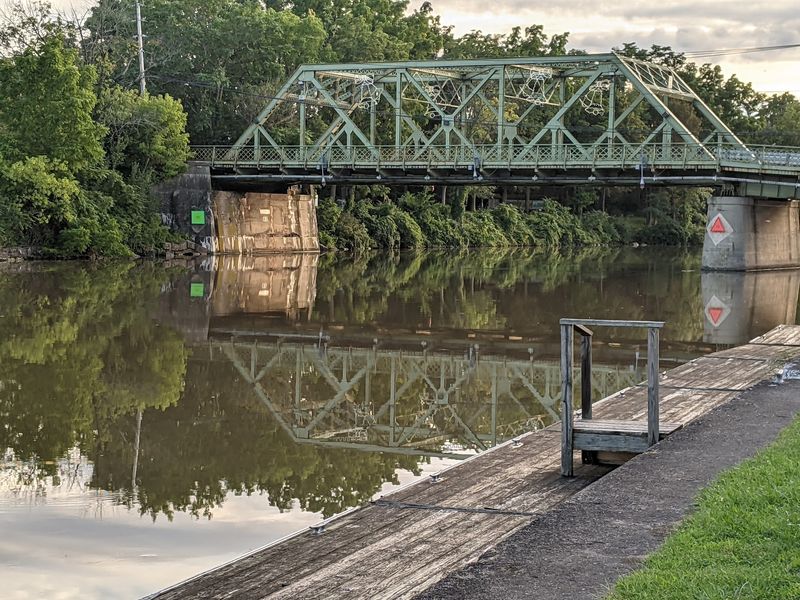
In the film, George Bailey jumps from a bridge to save Clarence. Seneca Falls has its own bridge story, and this one actually happened.
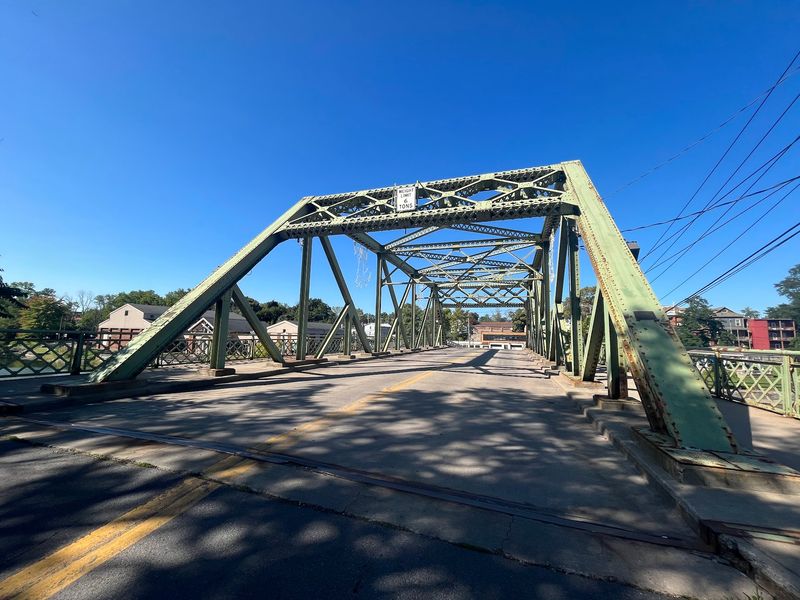
In 1917, an Italian immigrant named Antonio Varacalli reportedly jumped from a bridge in town to save a young woman in the water. His brave act is honored with a plaque on the bridge today.
Many locals connect that rescue to the famous scene in the movie. Whether Capra ever heard the story is unknown, so the link stays in the category of meaningful coincidence.
Even without the film, the plaque is worth a stop. It celebrates the kind of courage that small towns like to remember and pass down.
For New Yorkers who grew up hearing family stories of immigrant grandparents, the Varacalli tale lands close to home. It is a reminder that ordinary newcomers helped shape Upstate communities.
The bridge sits right in the heart of downtown, so it is easy to include in a walk. Many people pause there during the December festival for photos.
A plaque can only say so much, however. For the full movie story, the town built a museum.
5. A Museum Devoted to George Bailey
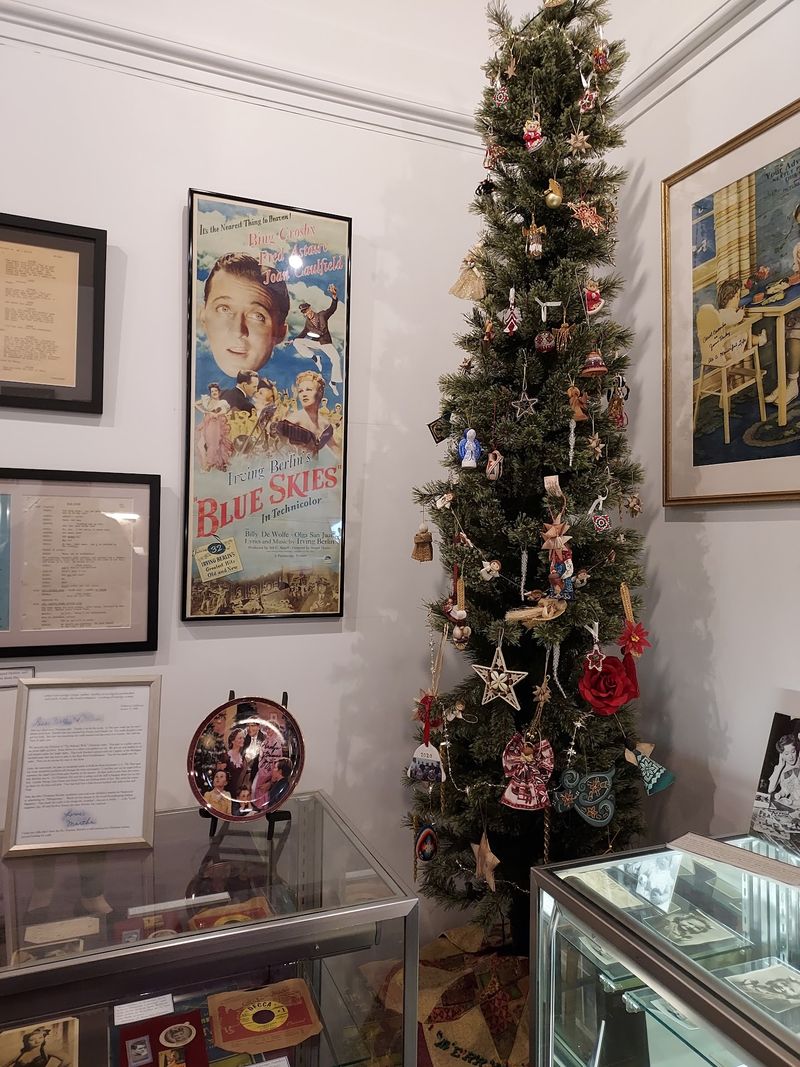
Few towns have a museum dedicated to a single holiday film. Seneca Falls does, and it is called The Seneca Falls It’s a Wonderful Life Museum.
The museum reportedly opened in 2010 and sits in the downtown area. Its displays focus on the movie, its cast and the local connection to Bedford Falls.
Collections are said to include memorabilia, photographs and information about the people who made the film. It is a small space, which keeps the experience easy and approachable for families.
The museum also plays a central role in the December festival. It serves as a hub for events and guest appearances tied to the movie.
Hours and admission can change with the season, so checking ahead before the drive is a smart move. Holiday weekends tend to bring the biggest crowds.
For film lovers, the museum adds depth to the downtown walk. Seeing the town’s claim laid out with care makes the bridge and main street feel even more connected to the story.
And if a museum is the heart of the tradition, the December festival is the full celebration around it.
6. December’s Big Celebration
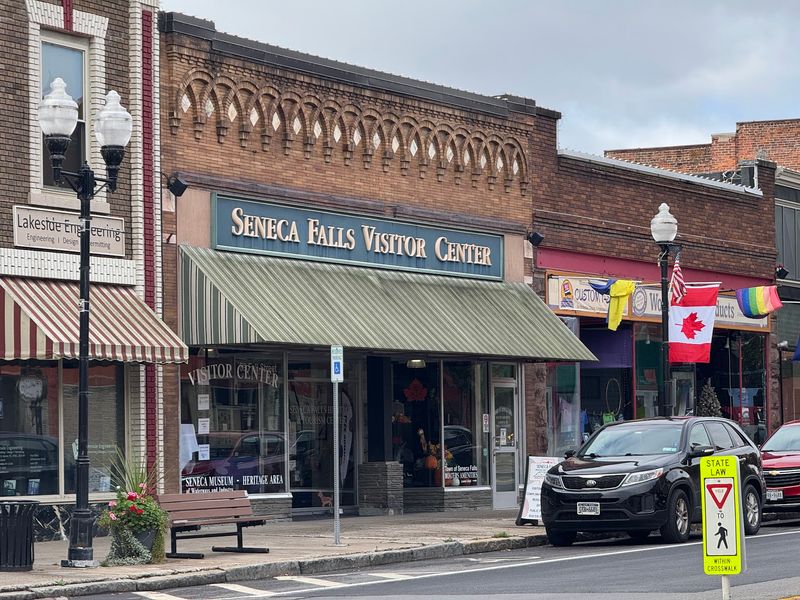
Once a year, Bedford Falls gets a real zip code. The annual It’s a Wonderful Life Festival takes over Seneca Falls in December, usually around the second weekend of the month.
The event is reported to include film screenings, talks, a parade, holiday activities and appearances connected to the movie. Exact schedules vary from year to year, so the official festival page is the best place to confirm plans.
What stands out is the community effort. Local volunteers, shops and organizations help pull the weekend together, and the result feels homegrown rather than corporate.
Many families have made the festival an annual habit. Some return year after year with kids who now bring their own children.
The downtown fills up during festival weekend, so arriving early is wise. Parking and lodging nearby can book quickly as the date gets closer.
There is no charge just to stroll the decorated streets. Some special events may require tickets, which helps support the festival and the museum.
Of course, a holiday festival is only as good as its guests. Seneca Falls has welcomed a few with a direct line to the movie itself.
7. Zuzu Comes to Town
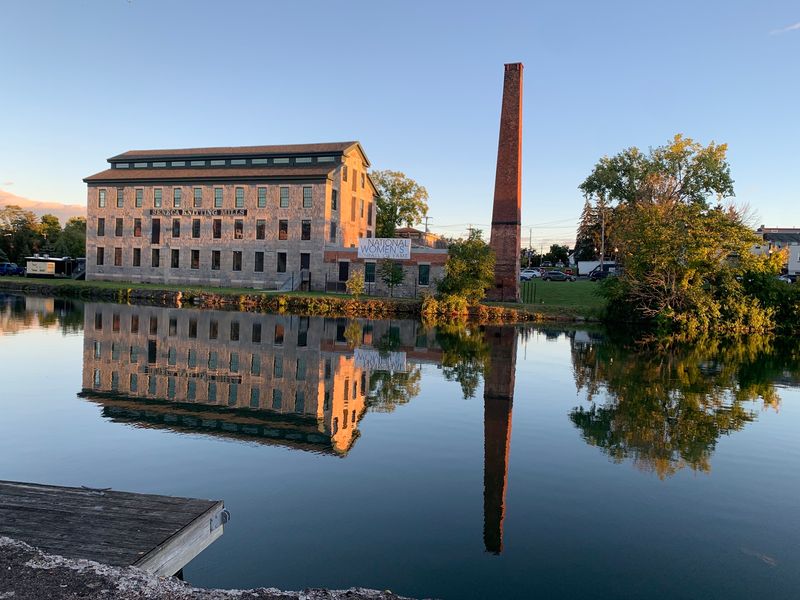
Remember the little girl who said every time a bell rings, an angel gets his wings? Karolyn Grimes, who played Zuzu Bailey, has been a frequent guest at the Seneca Falls festival.
Her appearances reportedly helped the event grow into a destination. Fans line up to meet her, hear stories from the set and take part in festival activities.
Over the years, other relatives of cast members and people connected to the film have also attended. The lineup changes, so guest details should be confirmed each season.
Meeting someone tied to the original movie gives the weekend real weight. It turns a hometown claim into a living link with film history.
Grimes has also spoken warmly about the town in past appearances, according to festival coverage. That support has given Seneca Falls a boost of credibility among fans.
The moment is especially popular with grandparents who first watched the film decades ago. Sharing it with younger family members makes it more than a photo op.
Movie magic aside, Seneca Falls carries a second identity that matters just as much. In fact, some historians would say it matters more.
8. Where a Movement Began in 1848
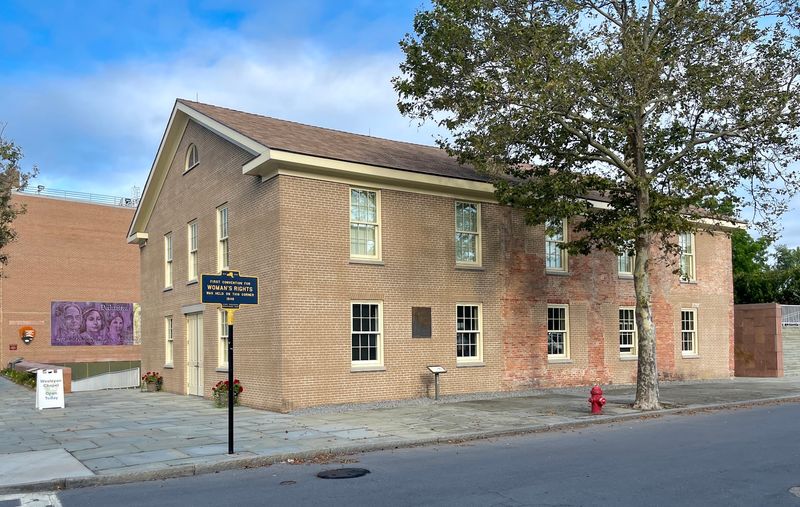
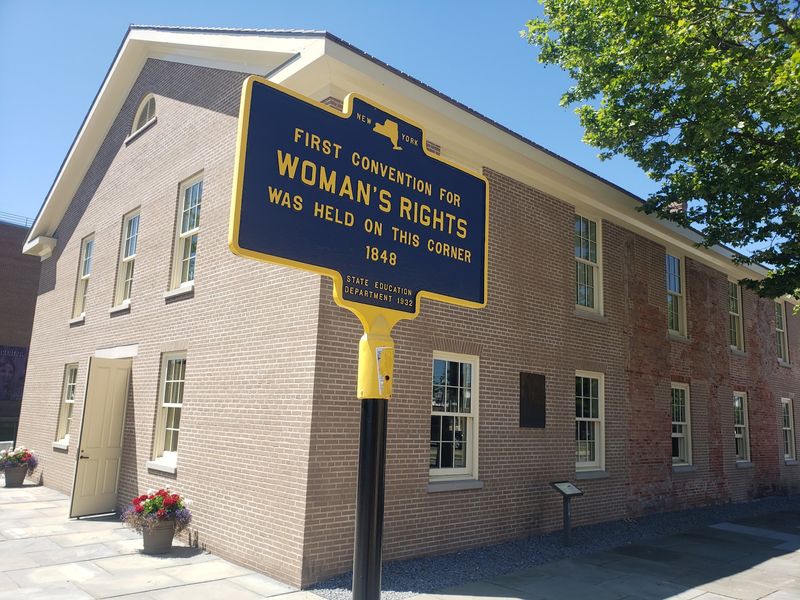
Long before George Bailey, Seneca Falls made national headlines. In July 1848, the first women’s rights convention in the United States was held here.
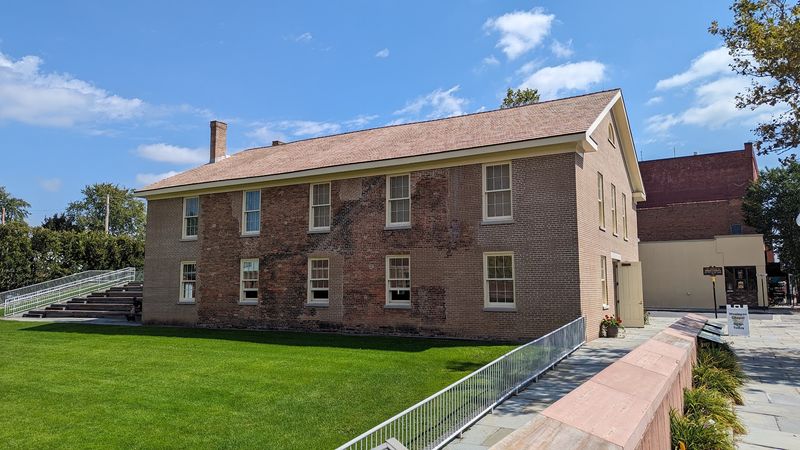
Organizers including Elizabeth Cady Stanton and Lucretia Mott gathered supporters at the Wesleyan Chapel. The meeting produced the Declaration of Sentiments, a document calling for equal rights for women.
That convention is widely considered the starting point of the organized women’s rights movement in America. It explains why the town is often called the birthplace of that movement.
The history lives on through Women’s Rights National Historical Park, run by the National Park Service. The park includes the restored chapel site and a visitor center downtown.
For New York students, this is textbook history made real. Standing near the chapel helps the story stick in a way a classroom rarely can.
Park hours shift with the seasons and some sites may close in winter, so a quick check online is helpful before a December trip.
Movie fans and history fans often end up on the same block. That overlap is one of the most interesting parts of spending a day in town.
9. Halls, Homes and Hometown Heroines
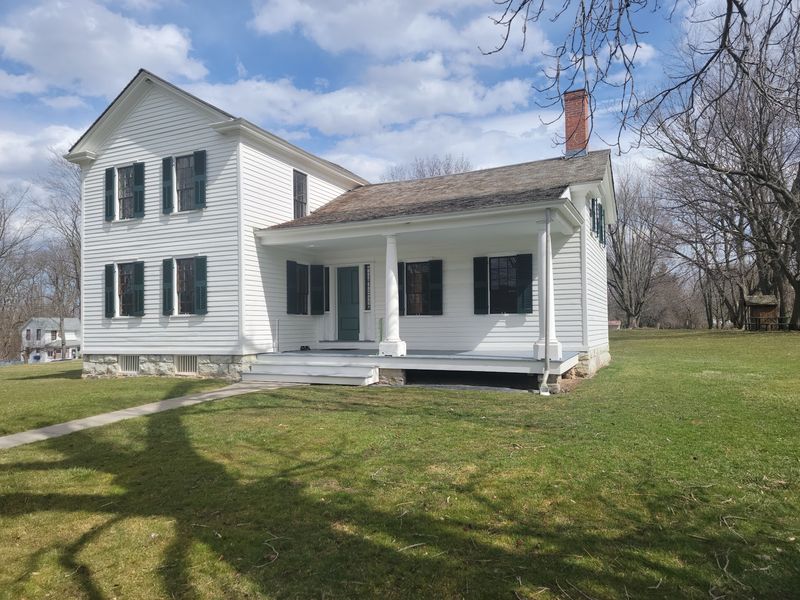
History in Seneca Falls does not stop at one chapel. The National Women’s Hall of Fame is also based in the town and honors American women who made a lasting difference.
Its inductees range across science, politics, arts and public service. The Hall of Fame gives the 1848 story a modern continuation.
Elizabeth Cady Stanton lived in Seneca Falls, and her home is part of the national historical park. It offers a closer look at the woman behind many of the convention’s ideas.
These sites sit close together, which makes them easy to combine with a downtown walk. A single afternoon can cover several stops without much driving.
For families, the mix works well. Kids can enjoy the holiday decorations while also learning why their town, state and country changed.
Hours for each site vary, especially in winter. Calling or checking websites ahead of time saves disappointment on a cold weekend.
Pairing these landmarks with the December festival creates a trip with real substance. It is fun, but it also leaves people knowing more than they did when they arrived.
Next comes the question of who will enjoy all of this most.
10. Small-Town Spirit That Never Clocked Out
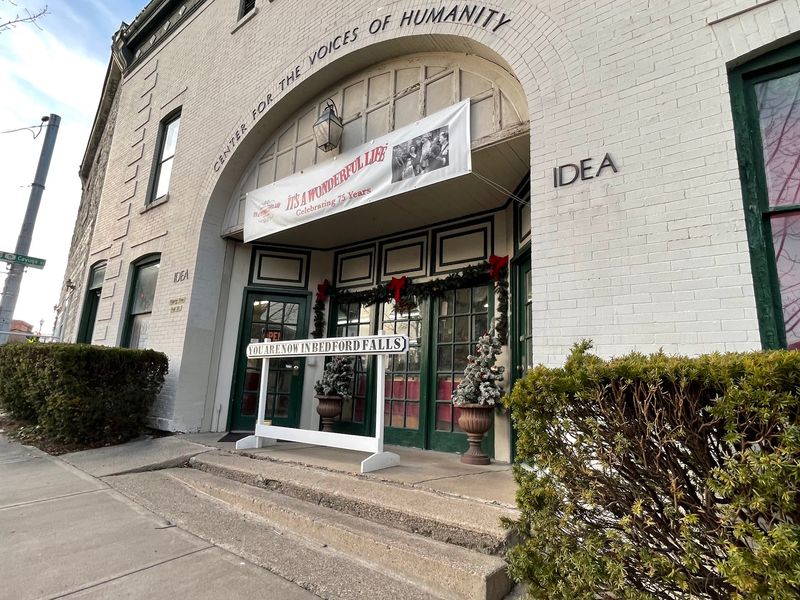
Self-checkout lanes have not conquered everything in New York. Downtown Seneca Falls still runs largely on locally owned businesses and neighbors who know each other.
That community feel is the quiet engine behind the festival. Volunteers, shop owners and residents put in the work that keeps the tradition going year after year.
The town also showed resilience when the village government dissolved in 2011. Daily life continued, and local groups kept civic traditions alive.
For Upstate readers, this kind of place feels familiar in the best way. It is the same spirit found in old Rochester neighborhoods or small Southern Tier towns.
Shopping locally during the festival is a simple way to support that spirit. Small stores downtown tend to stock gifts and seasonal items for the holiday rush.
The pace stays relaxed for most of the year. December is the exception, when the sidewalks get busier and the energy rises.
All of it ties back to the movie’s message about community. In Seneca Falls, that message is not just a theme for a weekend, it is how the town operates.
So who exactly should plan a trip?
11. Who Will Love a Bedford Falls Weekend
Some trips suit everyone, and this one comes close. Classic movie fans are the obvious match, but the audience reaches much wider.
Grandparents who watched It’s a Wonderful Life on television every Christmas tend to find the weekend moving. It gives them a chance to share a favorite tradition with grandchildren.
History buffs get the women’s rights sites on top of the holiday cheer. Teachers and students can turn a winter outing into a real learning trip.
Couples looking for a low-key getaway may enjoy the slower pace. The town is small enough to explore on foot without a strict itinerary.
People who prefer big-city crowds and nonstop nightlife might find it too quiet. That calm, though, is precisely the appeal for many.
Families with young kids should plan around nap schedules and the winter weather. Short walks between stops keep everyone happier.
The best fit is anyone who believes small places hold big stories. That group includes a lot of New Yorkers, from the Bronx to Buffalo.
Once the decision is made, it is time to talk logistics.
12. Getting There Without the Headache
Good news for Upstate drivers: Seneca Falls is easy to reach. It sits just east of Geneva in the northern Finger Lakes, close to the New York State Thruway.
Travelers from Rochester and Syracuse can usually make the trip in about an hour, depending on traffic and weather. Buffalo and Albany are longer drives but still workable for a weekend.
For outer borough residents, the trip is a commitment. Driving several hours from Queens or Brooklyn makes an overnight stay more practical.
Winter weather in the Finger Lakes can change quickly. Checking road conditions before leaving is wise, especially in mid-December.
Downtown is compact, so parking once and walking is the simplest plan. Festival weekends bring extra traffic, and spaces fill early in the day.
Lodging in town and nearby communities can sell out around the festival. Booking well ahead helps avoid a long drive at the end of a busy day.
Getting there is half the planning. Timing the visit well is the other half, and it makes a bigger difference than most people expect.
13. Timing Tips, Costs and Smart Planning
Timing is everything in a George Bailey story, and it matters for a trip too. The festival typically lands in December, often around the second weekend, but dates should be confirmed each year.
Arriving on a Friday or early Saturday gives the most breathing room. Sunday can be calmer for museum visits and photos on the bridge.
Costs depend on the plan. Walking downtown is free, while museum entry, special events and screenings may carry modest fees that change from year to year.
National park sites have their own seasonal schedules. Some buildings may operate on reduced winter hours, so planning around them helps.
Layered clothing is a must for December in the Finger Lakes. Outdoor events can run long, and weather can turn quickly.
A loose schedule works best. Leaving room for a surprise stop or a long chat with a shop owner fits the spirit of the place.
Visiting outside December has its perks as well. The museum and history sites stay meaningful all year, with smaller crowds.
With the practical side covered, one question remains. Is the trip worth it?
14. Still a Wonderful Life in Seneca County
Every town has a story, but few get to live inside one each December. Seneca Falls has made the most of its chance.
The Bedford Falls connection may never be proven, and that is fine. The town has built something real around it, with a museum, a festival and a bridge that honors a true act of courage.
Add the 1848 convention and the women’s rights landmarks, and the trip gains serious depth. Few small places can balance holiday fun with national history this well.
For New Yorkers, the deeper payoff is pride. A canal town of fewer than 7,000 people still shows up for its neighbors and keeps an old tradition going strong.
It will not suit every taste, especially anyone chasing big-city excitement. For those who love small towns, classic films and lasting traditions, it is a strong pick for December.
Bring the family, plan ahead and leave space in the schedule. Seneca Falls rewards those who slow down.
George Bailey learned that a single life touches many others. Spend a winter weekend here, and that lesson feels a little less like fiction.
Share this story