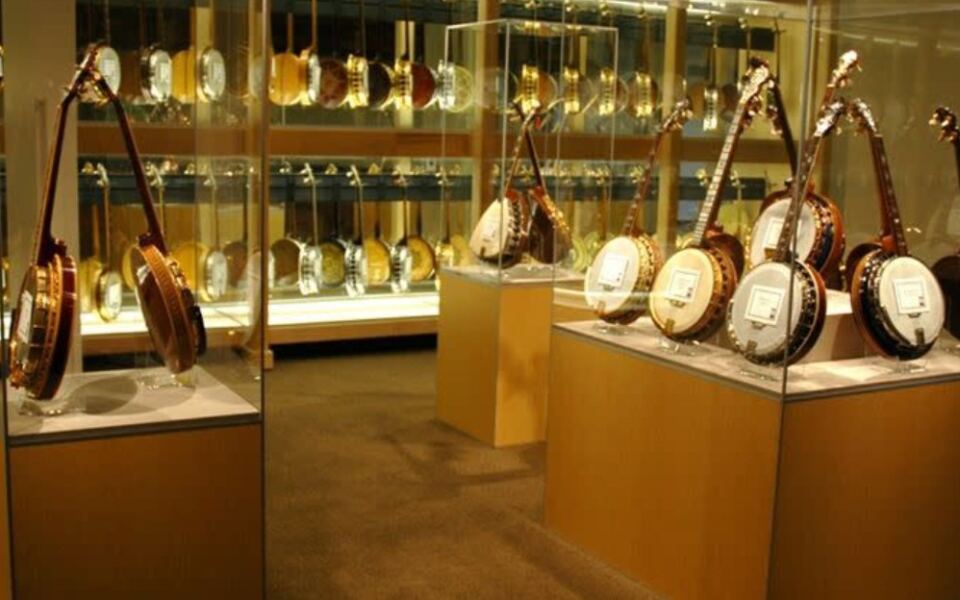
Most people think of the banjo as a simple country instrument, the kind strummed on a porch somewhere in the hills. In downtown Oklahoma City, one building quietly proves that idea wrong.
Inside, hundreds of banjos spanning almost 200 years trace a path from the Caribbean to jazz halls, folk clubs, and even a famous green frog. Some are covered in engravings so detailed they look more like sculpture than instruments.
The story behind them touches on American history in ways few people ever learn in school. Admission costs about the same as a fast food meal, and there is even a room where you can sit down and play.
Keep reading to find out where this place is, what makes it special, and how to plan a family outing that fits a weekend budget.
1. A Banjo Treasure Chest in Bricktown
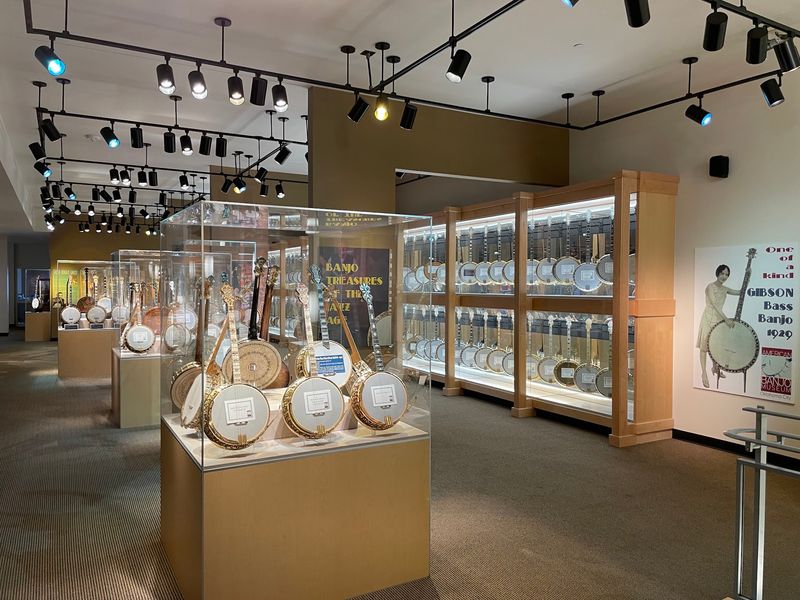
Few states can claim the only museum of its kind, and Oklahoma happens to hold one for the banjo.
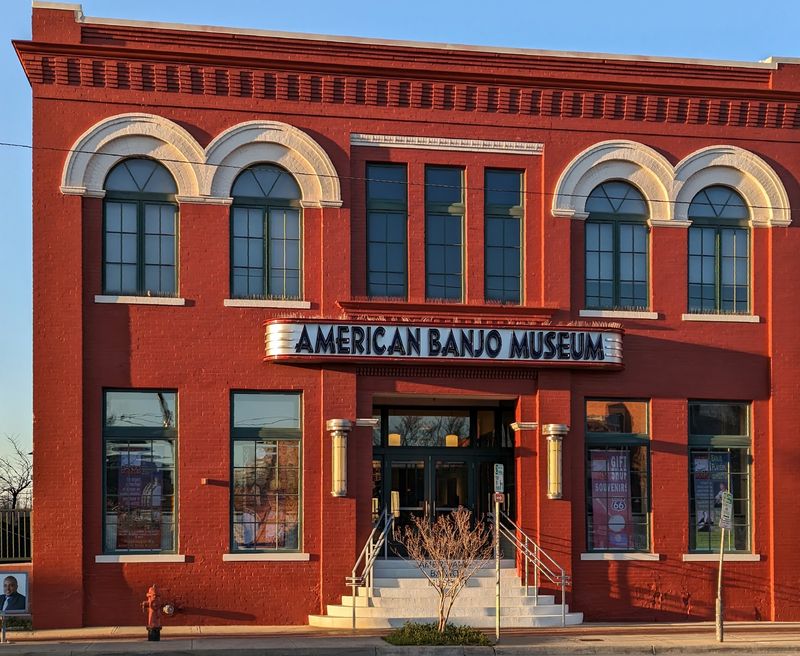
The American Banjo Museum sits at 9 E Sheridan Ave, Oklahoma City, OK 73104, in the heart of the Bricktown district. It occupies a historic building, which fits nicely with the old warehouse character of the neighborhood.
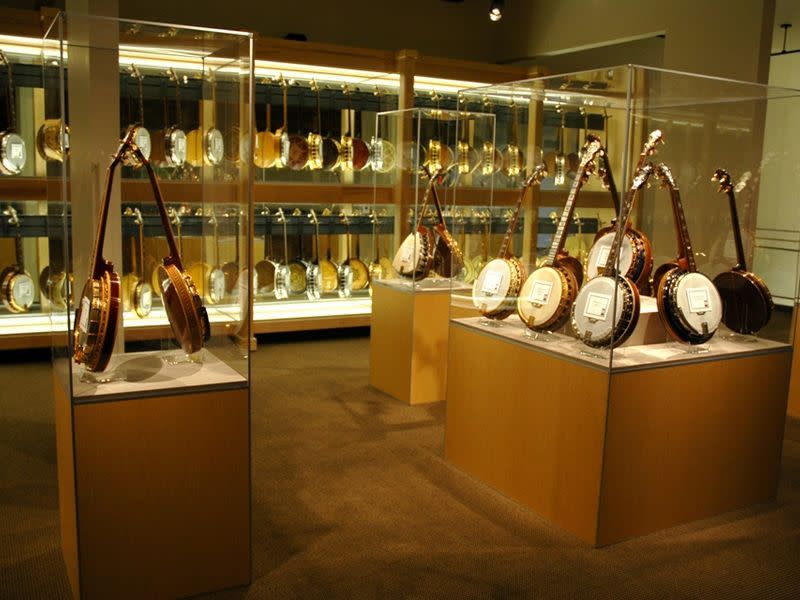
Inside, the museum focuses on banjo history, instruments, and memorabilia. Hundreds of banjos are on display, along with recordings and exhibits that explain where the instrument came from and how it changed.
The collection is known as the largest gathering of banjos in the United States. That is a big claim for a single building, but the two floors of displays back it up.
For Oklahoma families, the location is a bonus. Bricktown is easy to reach from most of the metro, and the museum makes a natural stop during a downtown day out.
The museum also carries a strong reputation, holding 4.8 stars across hundreds of public opinions. That kind of steady praise is rare for a niche attraction.
Many people show up with low expectations and leave planning a return trip. The surprise usually starts the moment the first display case comes into view.
2. Roots That Reach Back to the Caribbean
Here is the twist most guests never see coming. The banjo did not begin in Appalachia or on a Nashville stage.
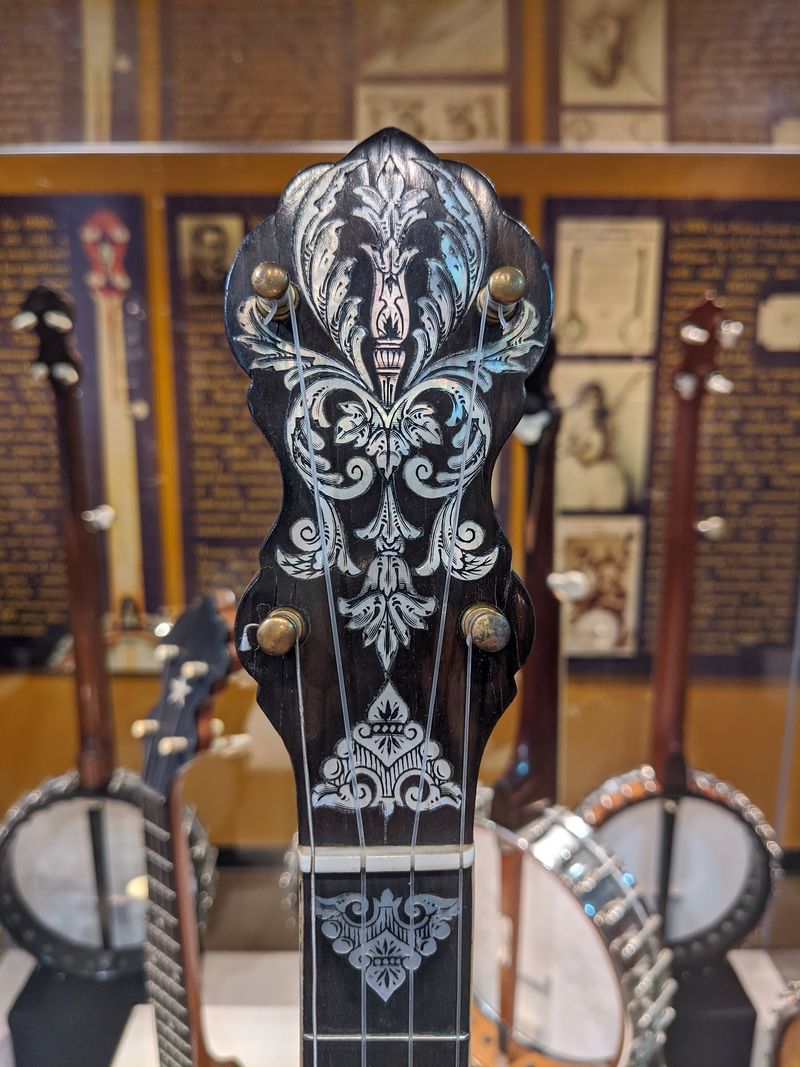
The first floor walks through the history and evolution of the instrument, starting with its creation by enslaved peoples in the Caribbean. From there, the story follows the banjo as it came to the Americas and spread.
The exhibits explain how the banjo eventually became a mass produced instrument. They also show how it found its place in jazz, folk, and country music over the decades.
A few early African American banjos are part of the collection. They help connect the instrument to the people who first shaped it.
The storytelling is easy to follow, even for guests who know nothing about music. Panels and videos guide the way without feeling like a lecture.
The museum presents the banjo’s journey across different racial and musical cultures. For many guests, it becomes a fresh lens on American history itself.
Kids pick up the timeline quickly, and adults often find themselves reading every panel. It is history class, but with far better props.
3. Instruments That Double as Fine Art
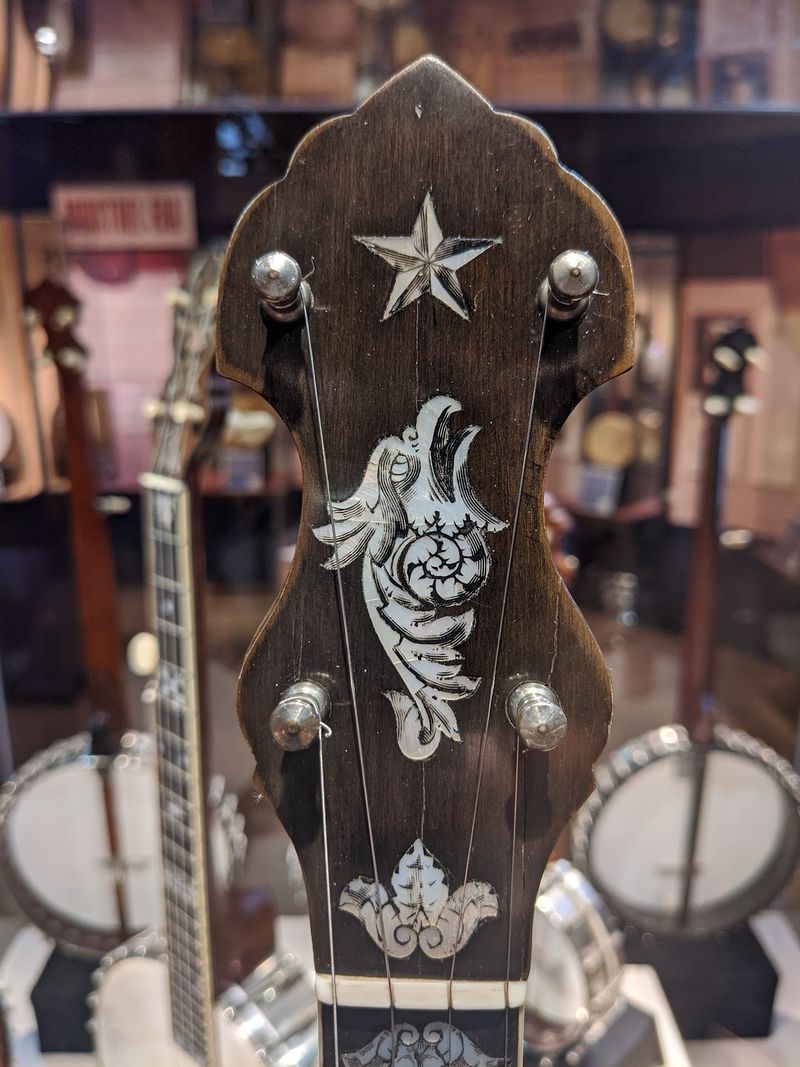
Some banjos here look like they belong in an art gallery rather than a music shop.
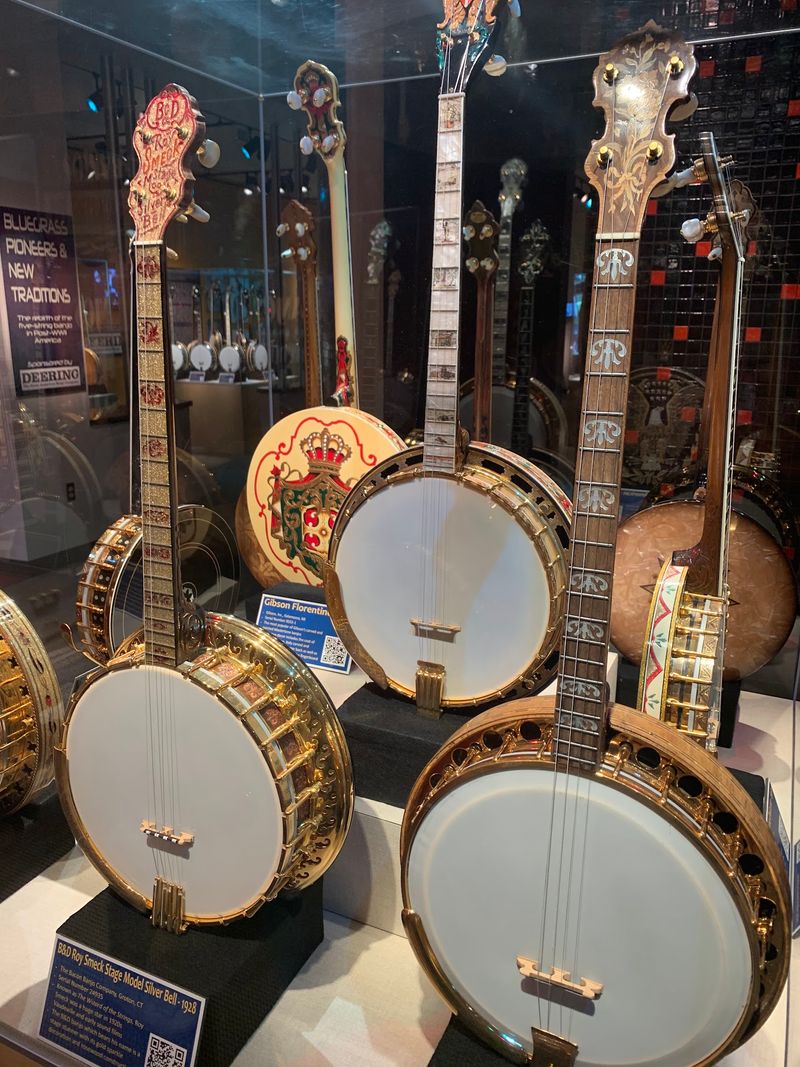
The collection includes artistic banjos covered in detailed engravings and decorative work. Many guests who are not musicians come away talking about the craftsmanship more than anything else.
These instruments combine carved wood and shaped metal in ways that turn each one into a small sculpture. People who appreciate woodworking or metalwork tend to linger at these cases.
The museum keeps everything well maintained. The upkeep shows that the staff truly cares about the cultural value of the pieces.
Banjos from the 1800s, 1900s, and 2000s sit within the same building. Comparing them side by side shows how styles shifted over time.
There is a noticeable emphasis on four string banjos, which were popular in earlier jazz and popular music. Fans of old time Appalachian styles will find less on that topic.
Even so, the variety is impressive. It is the kind of display that makes you slow down and look twice.
4. Scan, Read, and Go Deeper
Curious minds get a small but handy upgrade at this museum.
Each banjo is showcased with a written description and a QR code. A quick scan pulls up more information for anyone who wants extra detail.
That setup works well for mixed groups. One person can breeze through while another reads up on a single instrument.
The layout is well organized and easy to move through. Displays flow in a logical order, so the history unfolds step by step.
There are stairs to the second floor, which is worth knowing for anyone planning with strollers or limited mobility in mind. Calling ahead about access options is a smart move.
Videos accompany parts of the history as well. They give a break from reading and add context to the instruments in the cases.
Some guests note that playing styles are mentioned without much explanation. Musicians hoping for technique breakdowns may want to bring their questions to the staff instead.
Plan on an hour or two to see everything without rushing. Bring a charged phone for those QR codes.
5. Kermit Takes a Bow Upstairs
A certain green celebrity draws more attention than almost any antique on site.
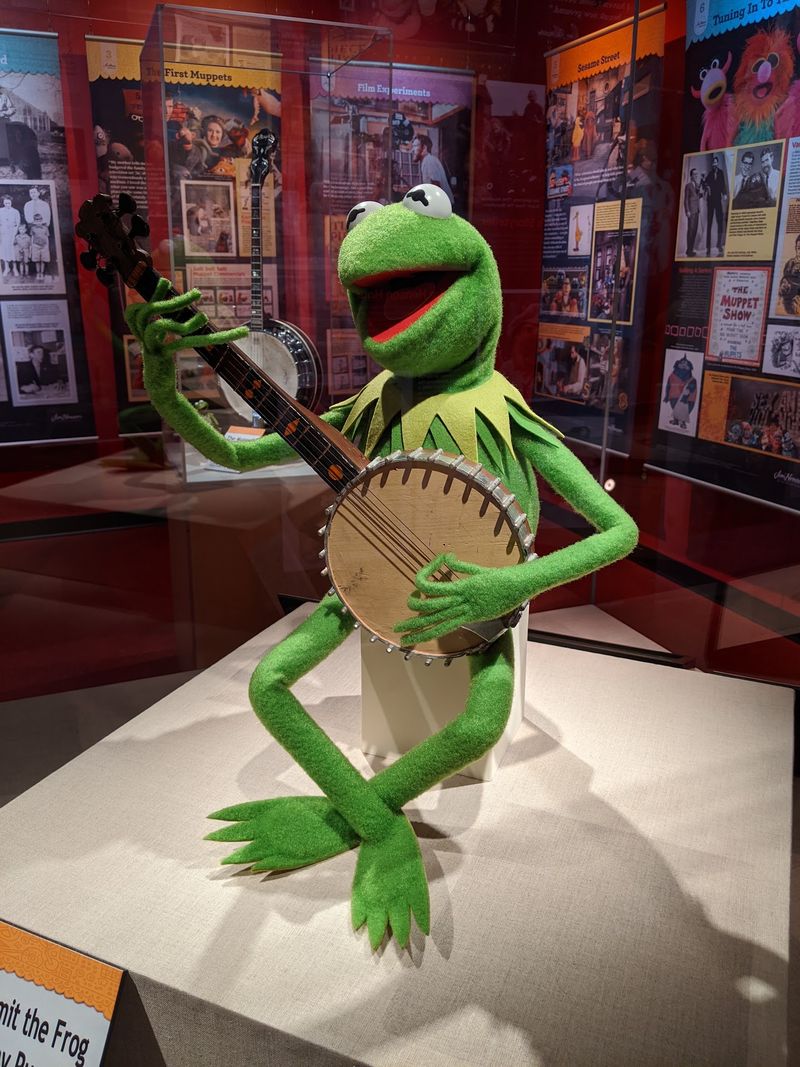
Kermit the Frog and his banjo from The Muppet Movie have been on exhibit here. Some families plan their whole trip around seeing him in person.
He shares space on the second floor with the Hall of Fame of notable banjo players. The upstairs feels more modern, with famous pickers and videos playing.
The Hall of Fame includes Earl Scruggs, actor Steve Martin, and Grandpa Jones. Roy Clark, a transplanted Okie, is honored there too, which gives Oklahoma fans a reason for local pride.
Staff members enjoy sharing stories about Kermit’s banjo connections. Asking about them can turn a quick look into a fun conversation.
Kids recognize the frog right away, which helps them connect with the rest of the exhibits. Grandparents often recognize the names on the wall just as fast.
That mix makes the upstairs a rare place where three generations each find a favorite. Not bad for a frog.
6. Women Who Made the Banjo Ring
History books often skip over them, but this museum gives women banjo players a spotlight of their own.
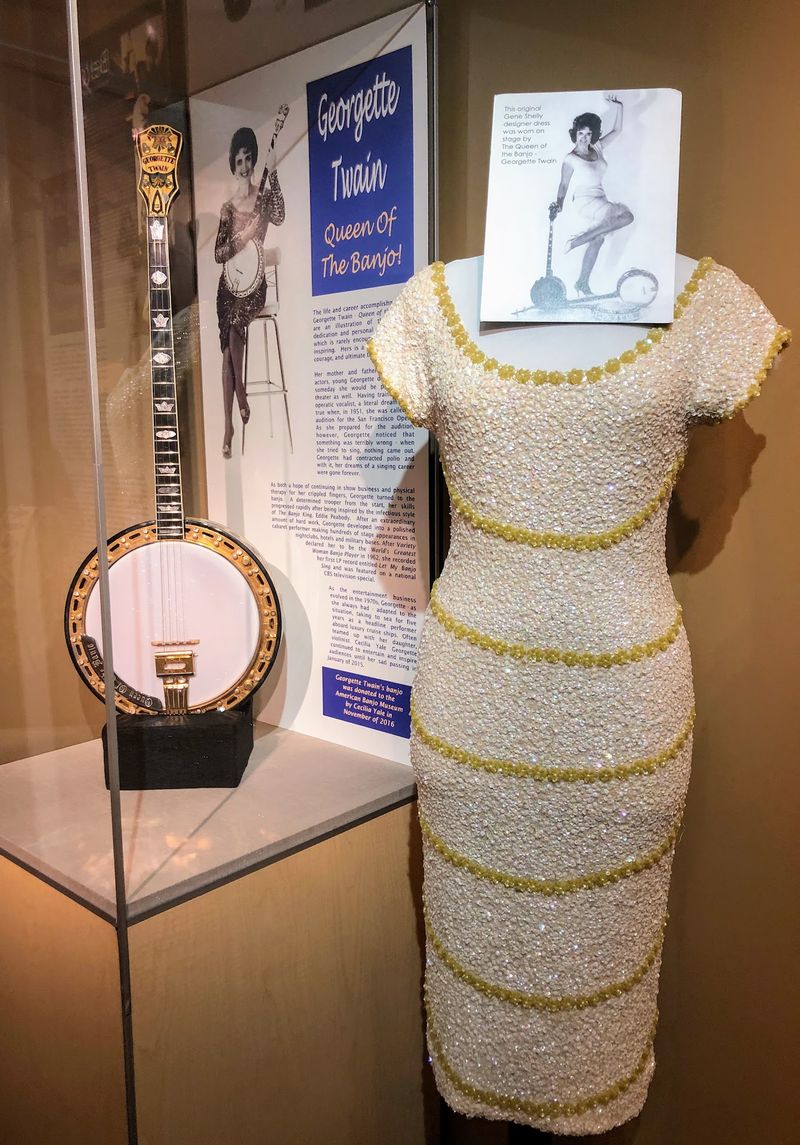
A dedicated section and exhibit highlight women who play the banjo. Many guests mention it as one of the most memorable parts of the trip.
Along with the instruments, the displays include outfits worn by performers. Some of these costumes are strikingly pretty and add a showbiz flair to the history.
The exhibit fits the museum’s broader goal of telling the full story. It shows that the banjo has always belonged to more people than the stereotypes suggest.
Young girls who are learning music may find it especially encouraging. Seeing performers who look like them can spark real interest.
The section also adds variety to the trip. After rows of instruments, the personal stories offer a nice change of pace.
Give this area a few extra minutes. It tends to reward the patient reader.
7. Go Ahead, Pick a Few Strings
Most museums post signs that say do not touch. This one hands you a banjo.
An interactive room holds several styles of banjos that guests can sit down and play. It is a favorite stop for kids and curious adults alike.
No experience is required. Even a few clumsy strums give a real sense of how different banjos compare.
Families with young children often call this their highlight. One small fan of the instrument might never want to leave.
The museum also offers banjo lessons. Anyone who catches the bug can ask the staff about getting started.
Banjo players have another perk as well. They can join the museum’s Banjo player directory for free.
The hands-on element turns the trip into more than a walk past glass cases. It gives kids something to do instead of just something to look at.
Fair warning for parents: a banjo may end up on someone’s birthday list.
8. A Pizza Parlor Room and a Performance Hall
Nostalgia fans, this part is for you.
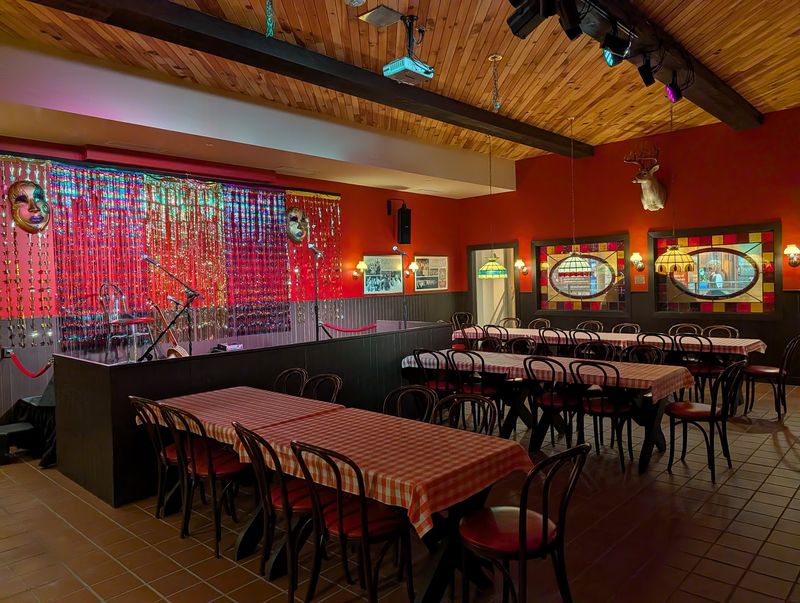
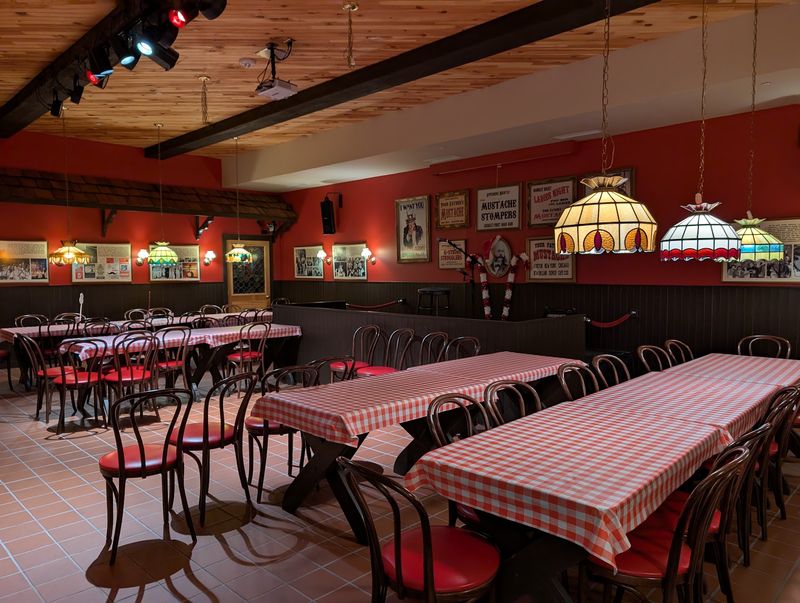
One room is set up like a Shakey’s Pizza restaurant, a nod to the days when banjo bands entertained diners. Older guests often recognize the style right away.
It is a fun stop that connects the banjo to everyday American life. Instruments were not just for stages, but for neighborhood hangouts too.
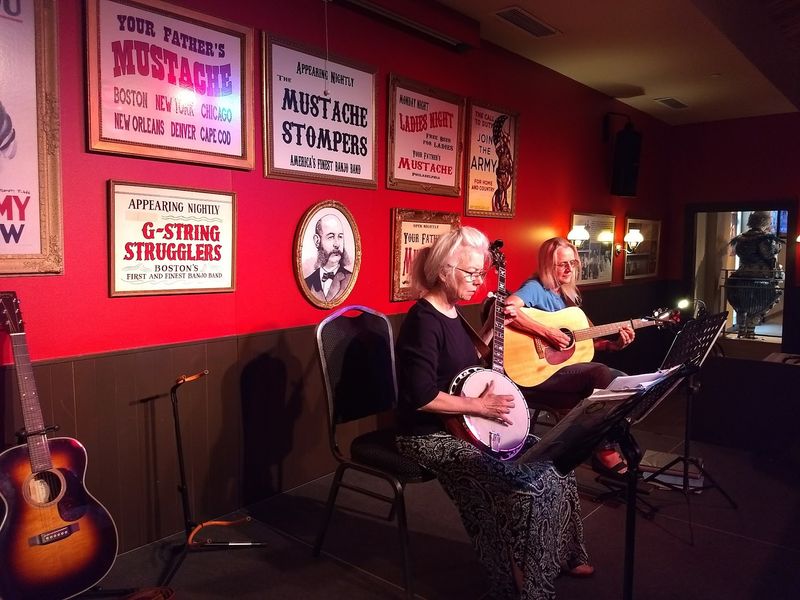
The museum also has a classically decorated hall where performances take place. It gives the building a living music feel beyond the exhibits.
Banjo Fest is another event connected to the museum. Checking the website ahead of time is the best way to catch special programs.
The front desk sometimes adds its own entertainment. A staff member has been known to pick up a banjo and play a tune for guests.
Those small moments make the trip feel personal. They also prove the music here is far from retired.
9. Friendly Faces and a Family Vibe
Ask almost anyone about this place, and the staff comes up before the instruments do.
Team members are friendly, passionate, and full of knowledge. They genuinely care about the guests who come through the door.
That warmth makes the museum easy for every age group. Families with members from 16 to 80 have enjoyed it together.
Kids around 8 to 11 tend to love it, thanks to the displays and the playable banjos. Toddlers who already adore banjos may be thrilled just to see so many in one spot.
Musicians, history buffs, and educators all find something here. So do people who simply have an hour or two to fill downtown.
The museum also works well for showing off Oklahoma to out-of-state or international guests. It offers a slice of music history that feels unique to the area.
Not every exhibit will match every viewpoint, since some videos touch on cultural history. Most guests, though, leave with a better understanding of the banjo’s full story.
It feels less like a museum tour and more like being welcomed into a club.
10. Hours, Tickets, and Free Lunch Days
Good news for budget planners: this is one of the friendlier price tags in downtown Oklahoma City.
Regular admission has been around $8 per person. Senior and military discounts are also offered.
The first Wednesday of the month brings a brown bag lunch event. Guests who bring their own lunch can get in free for an hour-long, kid friendly show, then explore the museum at no cost.
Hours run Tuesday through Saturday from 11 AM to 6 PM. Sunday hours are 12 PM to 5 PM, and the museum is closed on Mondays.
Prices, hours, and special events may change, so check the official website before driving in. A quick look can save a wasted trip.
A gift shop sits on site with souvenirs and a few beverages for purchase. It is a handy spot for a small keepsake.
Since the museum is indoors, it works year round. That makes it a solid pick for chilly or rainy weekends when outdoor plans fall through.
11. Worth the Trip Downtown
So, is a banjo museum really worth an afternoon? The short answer is yes, and then some.
This spot packs nearly 200 years of history into two easy floors. It mixes art, music, culture, and a touch of pop culture fun.
Families get hands-on time with real instruments. History lovers get a story that reaches far beyond Oklahoma.
The low admission keeps it within reach for most budgets. The free first Wednesday lunch show makes it even easier.
Bricktown’s central location means the museum can anchor a full downtown day. It pairs well with other plans in the area.
It also gives Oklahomans one more reason to brag. The state is home to a museum unlike any other in the world.
Plan for an hour or two, check the hours, and bring your curiosity. You might walk out humming a tune you did not know you liked.
Share this story