Some road trips are remembered for the miles, and some are remembered for one stop that refuses to let you leave on schedule. In western Oklahoma, Elk City holds a museum complex that plenty of travelers plan to visit for half an hour and end up exploring for an entire afternoon.
Old cars, roadside signs, a working jukebox, and a whole recreated town are packed onto one property for about the cost of a burger. Keep reading to find out what sits inside, how long to budget, and why families from across Oklahoma and far beyond keep pulling off the Mother Road to see it.
1. A Mother Road Landmark on West 3rd Street
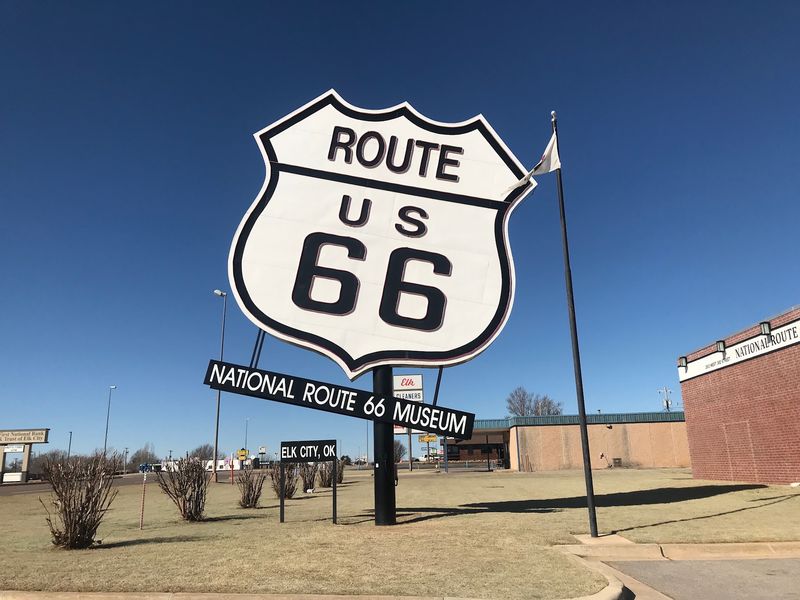
Western Oklahoma has no shortage of Route 66 stops, but few announce themselves quite so boldly. The National Route 66 Museum and Transportation Museum sits at 2717 W 3rd St, Elk City, OK 73644, in the United States, right along the historic corridor.
Giant Route 66 signage and Kachina statues stand near the road, so spotting the place is rarely a challenge. Drivers can even pause near the entrance for a quick photo before rolling into the main parking lot.
The property is run as part of the Elk City museums network, and that matters. What looks like one museum from the street is actually a cluster of buildings covering several topics.
Route 66 history anchors the experience, but the grounds also include a farm and ranch museum, an old town museum, and rodeo memorabilia. That mix gives the stop more range than a typical highway attraction.
For Oklahoma families, the location is handy too. Elk City sits right on the Interstate 40 corridor, making this an easy day trip for anyone heading west across the state.
Think of the address as the starting line, because the real fun begins once the doors open.
2. Why the Highway Still Matters Here
Route 66 recently marked its 100th anniversary, and that milestone has pushed fresh crowds back onto the old pavement. Elk City’s museum sits right in the middle of that renewed attention.
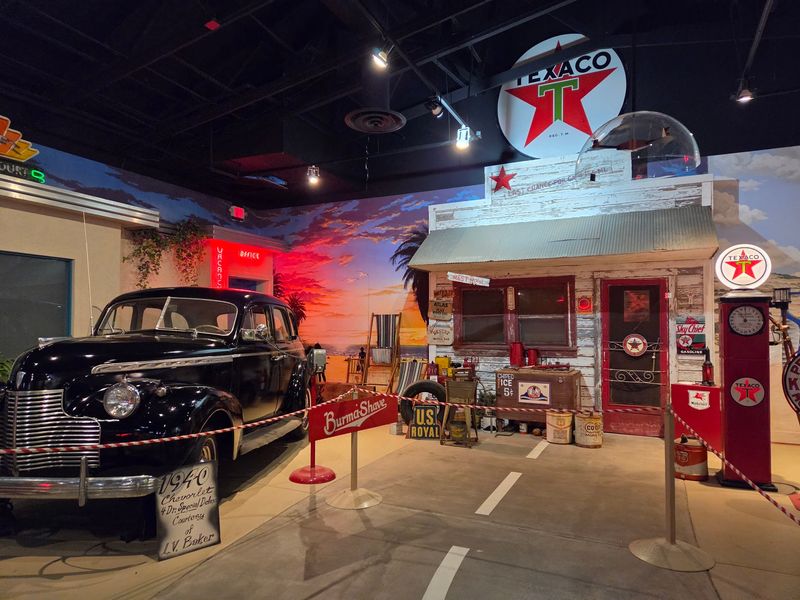
The complex leans into the road’s long story, from early travel to the golden era of car culture. Vehicles, memorabilia, and recreated roadside scenes help explain how this two-lane route shaped small towns across the country.
Travelers working through the Oklahoma Route 66 passport book will find this museum listed as one of the stops. That alone makes it a must for collectors of stamps and road trip bragging rights.
It is fair to say the museum is smaller than the well-known Route 66 museum in nearby Clinton. Even so, the Elk City collection of highway memorabilia is large and thoughtfully arranged.
What makes it stand out is the local angle. The exhibits connect the national road to the daily life of western Oklahoma, showing how communities grew, changed, and kept going as traffic came and went.
History buffs get the big picture, and curious kids get plenty of shiny distractions along the way.
3. Old Cars, Bright Signs, and Talking Scenes
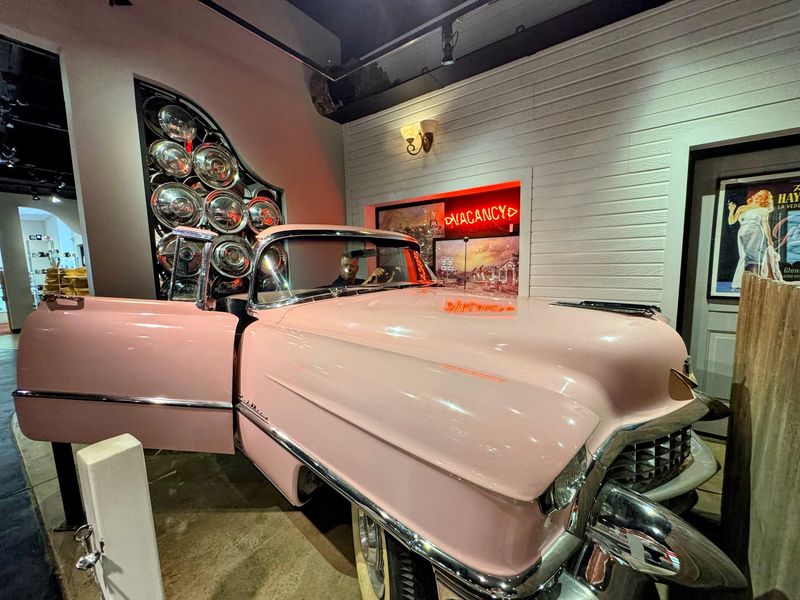
Here is a fun detail: the Route 66 exhibit literally talks to you. Roadside scenes are set up with automatic narration that follows along as guests move through the building.
That feature turns a simple walk into something closer to a guided road trip. Each scene shares a slice of the highway story without anyone needing to read every placard.
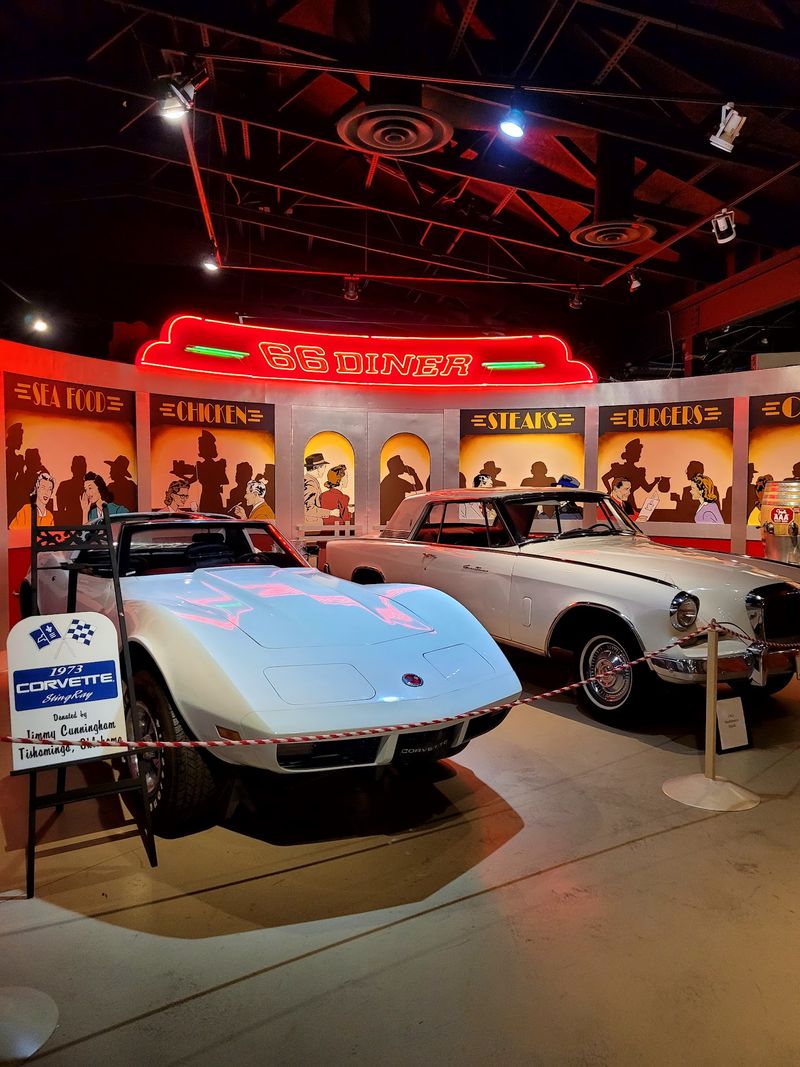
Classic vehicles fill the space, and a pink Cadillac tends to steal much of the attention. Old signs and recreated roadside settings round out the display, giving car fans plenty to study.
The layout makes it easy to linger. Families can stop for photos, point out details, and keep moving at their own pace.
For anyone who grew up hearing stories about cross-country drives in big chrome sedans, this section delivers a heavy dose of nostalgia. Younger guests often treat it like a giant showroom from another century.
Bring a phone with plenty of storage, because the photo ops pile up fast in this part of the complex.
4. The Diner Jukebox Moment
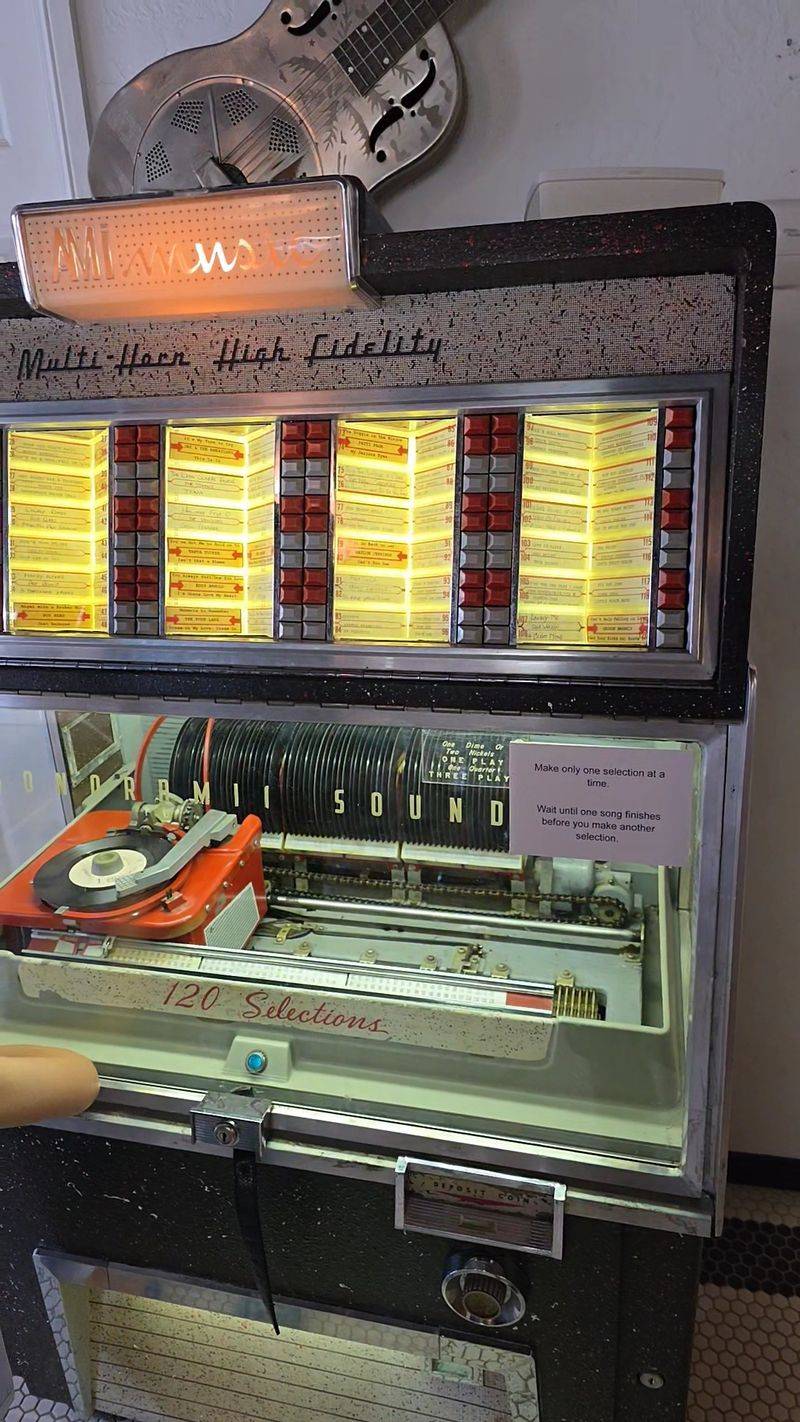
Ask families about their favorite corner of the complex, and the little diner often comes up first. A classic record jukebox sits inside, loaded with nothing but nostalgic oldies.
Guests can actually play music on it, which instantly turns a museum stop into a mini time machine. Kids tend to love pressing the buttons, while grandparents enjoy hearing tunes from their younger days.
Nearby, a small soda shop sells candy bars and pop. It is a simple setup, yet it adds a welcome break during a long walk through the buildings.
The diner space captures the spirit of the old highway well. Roadside cafes were once a key part of any Route 66 journey, and this setting gives that idea a hands-on twist.
Plan a few extra minutes here. Picking songs, snapping photos at the counter, and grabbing a snack can easily stretch into a fun pause for the whole crew.
Few museum exhibits let you pick the soundtrack, and that small freedom is a big part of the charm.
5. A Whole Town Hiding Behind the Museum
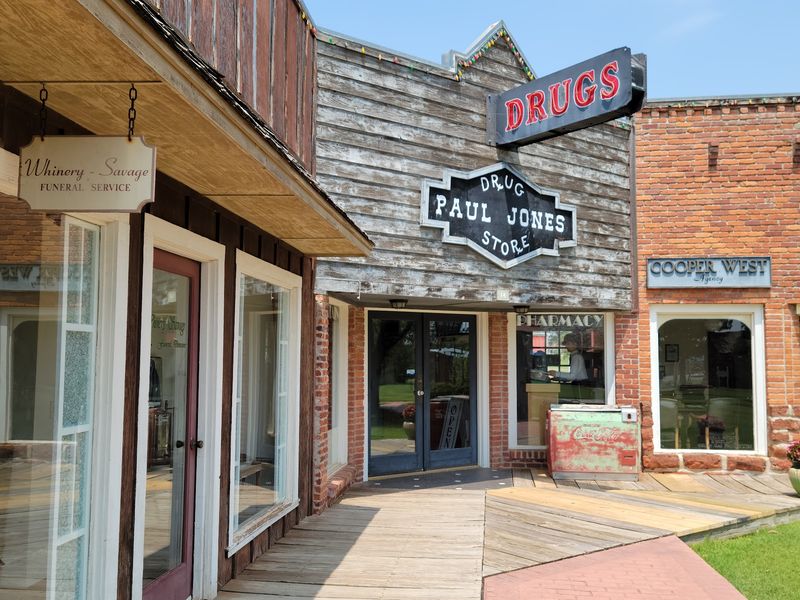
Plenty of travelers arrive expecting a single Route 66 exhibit and leave surprised. Behind the main museum stands a full town of exhibits made up of replicas and actual old buildings.
The self-guided path leads through structures arranged like a small community. Many contain period-correct displays showing how homes, shops, and workplaces were set up years ago.
Guests can peek through windows for quick snapshots of earlier life, including the clothing styles of the day. It is a clever way to make local history feel personal.
Some guests note that this part leans more toward old west heritage than highway culture. Anyone hoping for nonstop Route 66 content should know that going in.
For most families, though, the variety is a bonus. Frontier history and road history sit side by side, telling a fuller story of western Oklahoma.
A couple of buildings also offer clean restrooms, a small but appreciated perk during a long wander.
Wear comfortable shoes, because this town is meant to be explored on foot.
6. Rodeo Grit and Farm Life
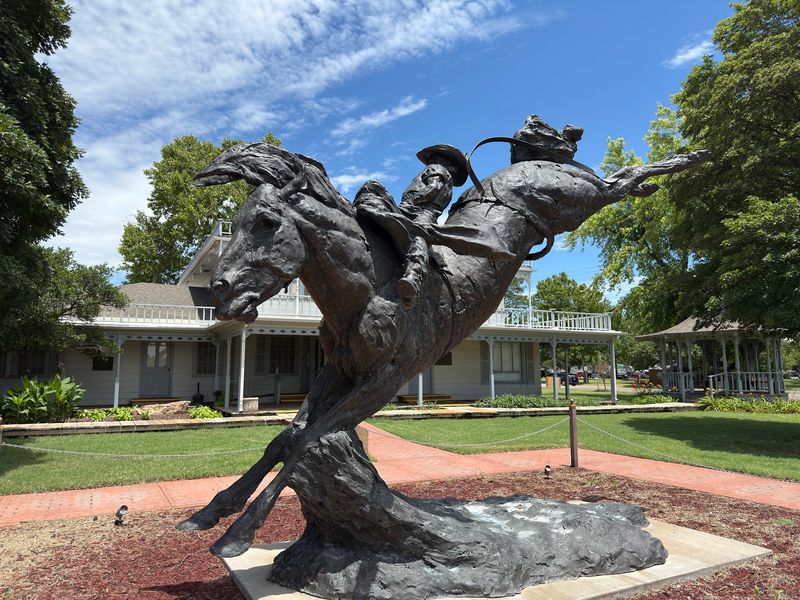
Western Oklahoma runs on ranch work and rodeo pride, and the complex makes room for both. A farm and ranch museum shares the grounds with rodeo memorabilia.
These exhibits bring the frontier heritage of the region into focus. They show the working side of life that kept towns like Elk City going long before tourists arrived by car.
The pieces here reflect the people of the area as much as the tools they used. Many guests leave with a sharper sense of local character.
For families who love cowboy stories, this section adds a welcome change of pace. It also gives kids a look at chores and jobs that look very different from modern life.
The collection connects nicely with the old town buildings nearby. Together they paint a picture of a farming and ranching community built with patience and hard work.
Road trippers chasing only neon may be tempted to skip ahead, but this corner rewards anyone who slows down.
7. Friendly Faces and a Souvenir Stop
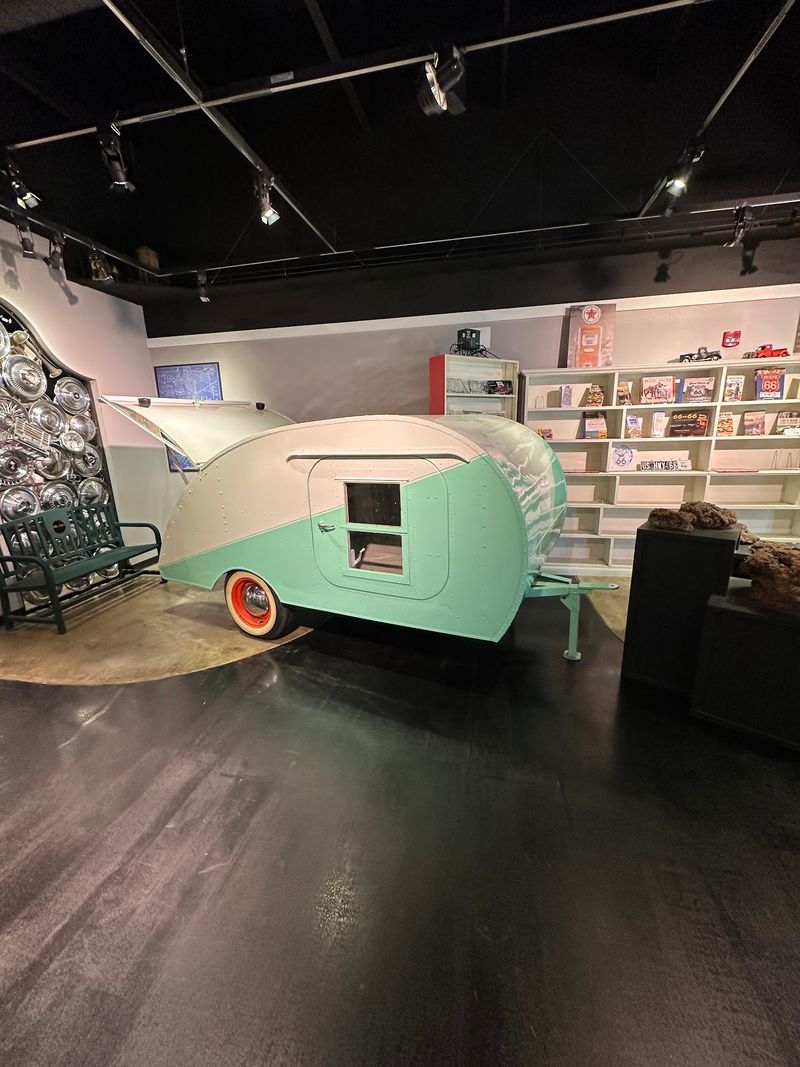
A museum can have great exhibits, but the people inside often make the lasting impression. In Elk City, the staff and volunteers are known for being warm, chatty, and full of local knowledge.
Travelers from as far away as Canada have enjoyed swapping stories with the team. That kind of welcome turns a quick stop into a real conversation about the road.
Small gestures stand out too. Some Route 66 travelers have received a license plate showing the entire route, meant to celebrate finishing the journey at the Santa Monica Pier.
The gift shop offers a solid selection of merchandise, from t-shirts to Route 66 keepsakes. Even late arrivals near closing time have been allowed a few minutes to browse.
Bringing home a souvenir is part of the classic highway tradition. Here, it also supports a community museum run with obvious care.
Save a little room in the budget, because leaving empty-handed is harder than it sounds.
8. Hours, Admission, and Time to Budget
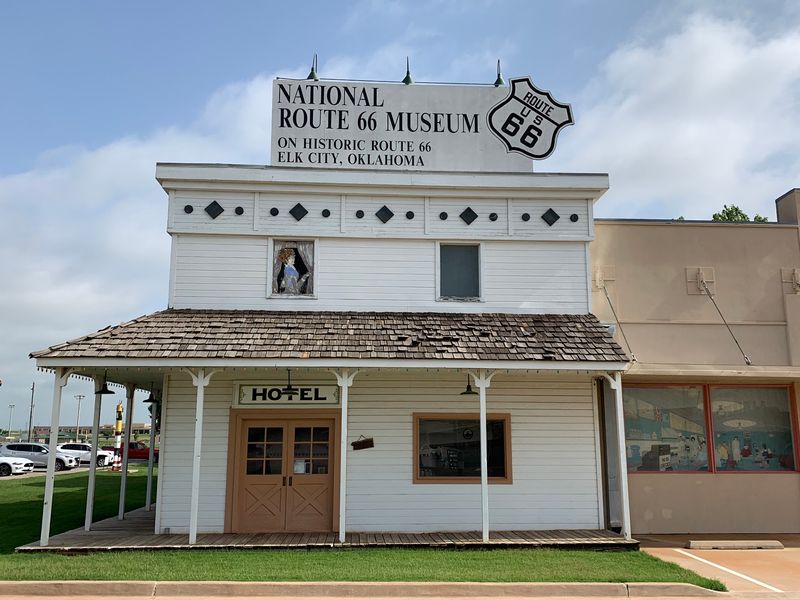
Good news for budget-minded families: this is one of the friendliest ticket prices on the Mother Road. Recent admission has been $5 for adults and $4 for kids, with seniors also listed at $4.
That single ticket covers several buildings, making the value hard to beat. Prices may change, so a quick check before driving is a smart move.
The museum is open Monday through Saturday from 9 AM to 5 PM. It is closed on Sundays, so plan weekend trips around Saturday.
Time is the bigger budget item. Most guests recommend allowing two to three hours, and some happily spend four or five exploring every corner.
Arriving in the morning gives plenty of breathing room. Rushing in an hour before closing means missing much of the old town section.
The official Elk City museums website is the best place to confirm hours or special notes before setting out.
Block off the afternoon, and the complex will happily fill it.
9. Worth the Exit Ramp
Plenty of roadside attractions promise a lot and deliver a postcard. Elk City’s complex flips that script by offering far more than its modest ticket suggests.
Car lovers get classic vehicles and talking roadside scenes. Families get a jukebox, a soda shop, and a walkable town full of photo ops.
History fans get Route 66 lore blended with ranching, rodeo, and frontier life. That mix proves western Oklahoma has stories worth stopping for.
Anyone expecting only highway exhibits might find the old west focus a surprise. For most, though, that variety becomes the highlight rather than a drawback.
With friendly staff, affordable admission, and enough to fill an afternoon, it suits road trippers and local day-trippers alike. It also makes a strong case for Oklahoma pride along America’s most famous road.
Next time the Mother Road calls, give Elk City a few hours, and let the past take the wheel for a while.
Share this story