Oklahoma sits hundreds of miles from the nearest ocean, yet one building just south of Tulsa holds sharks big enough to make grown-ups pause mid-step. Winter here usually means bundled-up kids, cancelled park days, and a long list of indoor options that run out fast.
This spot breaks that cycle. Kids can hand-feed sea turtles, stingrays, and shrimp, then walk under a tunnel full of bull sharks without ever zipping up a coat.
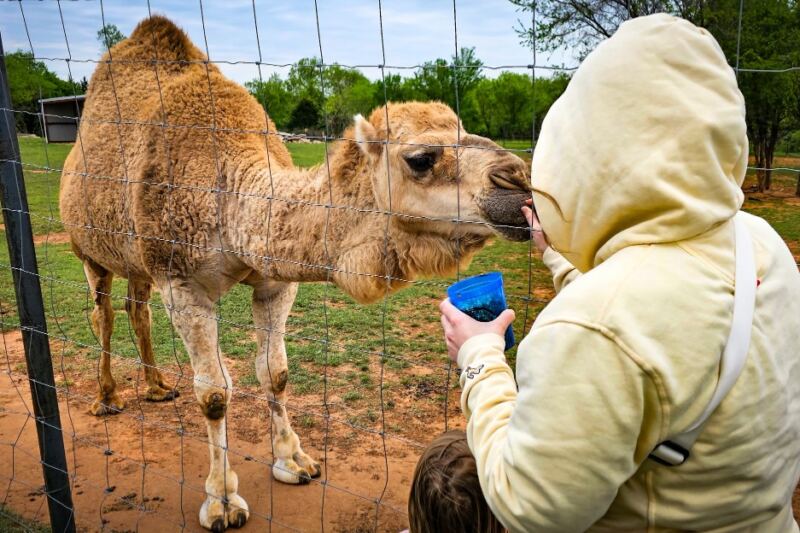
There are no giraffes on the menu here, but the swap may win over your crew anyway. The feeding stations cost only a few dollars, the building stays the same comfortable temperature in January as in July, and there is a playground and carousel waiting for any leftover energy.
Keep reading for the hours, the ticket costs, the animals worth hunting down first, and a few smart tricks that make a winter visit go smoother for the whole family.
1. An Ocean Address in the Middle of Green Country
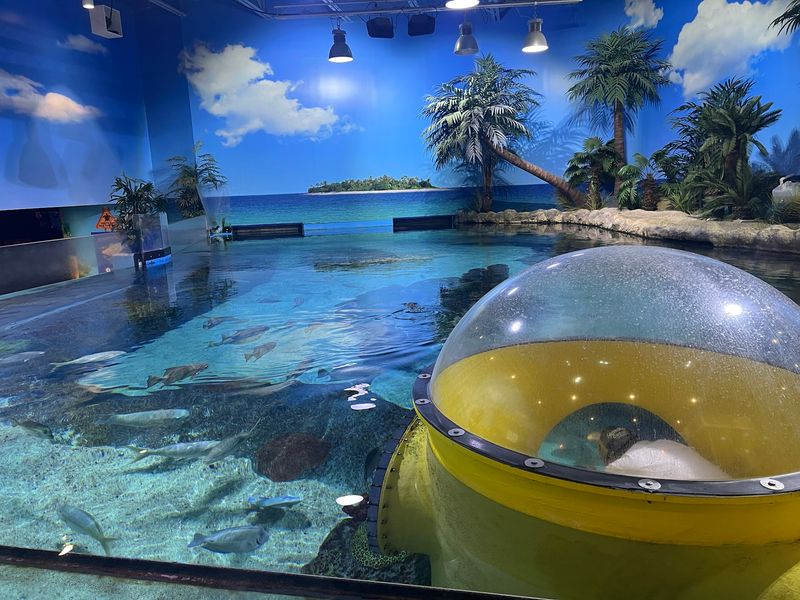
The nearest saltwater beach is a long road trip away, but the Oklahoma Aquarium brings the sea to the Tulsa metro. You will find it at 300 Aquarium Dr, Jenks, OK 74037, in the suburb of Jenks just south of Tulsa, Oklahoma.
The aquarium focuses on local and exotic aquatic life. Thousands of aquatic species live under one roof, along with a walk-through shark tunnel and chances to touch sharks and stingrays.
That mix is what makes it a strong winter pick. Everything important happens indoors, so a gray February Saturday does not wreck the plan.
The building is not enormous, and it does not pretend to be. Still, it holds an impressive number of exhibits for its size, and it compares well with aquariums found along the coasts.
For a landlocked state, that is a point of real pride. Oklahoma families who like proving their home is more than flat prairie can add a shark tunnel to the list of surprises.
Plenty of parking surrounds the building, and check-in tends to move quickly. That matters when you are herding small children out of a warm car.
Families drive in from Oklahoma City just for this stop, which says a lot about its pull. Once the doors open, the real question becomes which animal to visit first.
2. Feeding Stations That Steal the Show
Forget the giraffe line at the zoo. At this Jenks aquarium, the hand-feeding happens with shells, fins, and tiny claws.
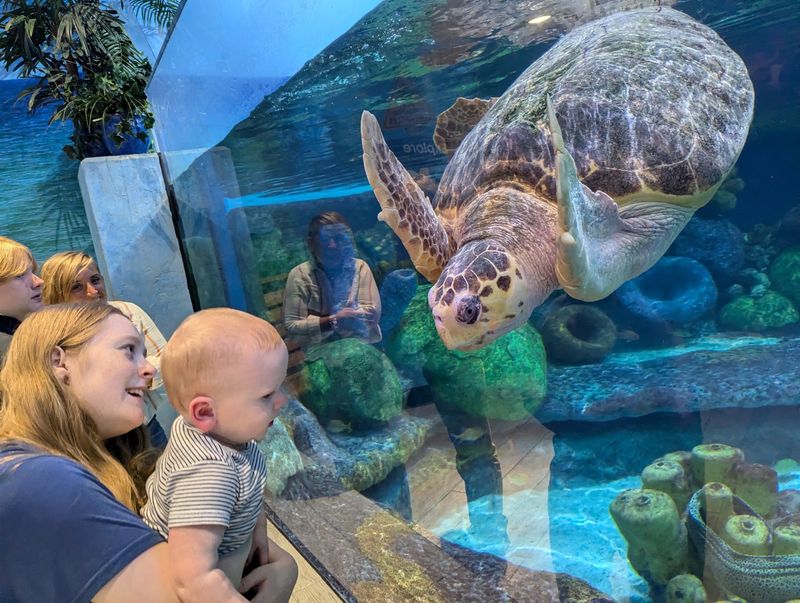
Kids can feed sea turtles, stingrays, and shrimp at dedicated stations. Each feeding costs a small extra fee, around $5, though that amount may change.
Families who come often say they do all three feedings every single visit. For many kids, the turtle feeding turns into the highlight they talk about on the drive home.
Stingray feeding has its own fan club. Children can feed the rays and pet them too, which adds a hands-on moment most parents remember long after the trip.
The shrimp feeding is the quiet sleeper of the bunch. It is smaller in scale, but younger kids often enjoy the close look.
Here is the budget-friendly part. None of these extras are required, and there is still plenty to do without spending beyond admission.
Parents can set a simple rule before walking in, like one feeding per child. That keeps the day affordable while still giving everyone a turn at the counter.
Staff also feed the sharks, and catching that moment makes a fun bonus between the hands-on stations.
3. Bull Sharks Overhead
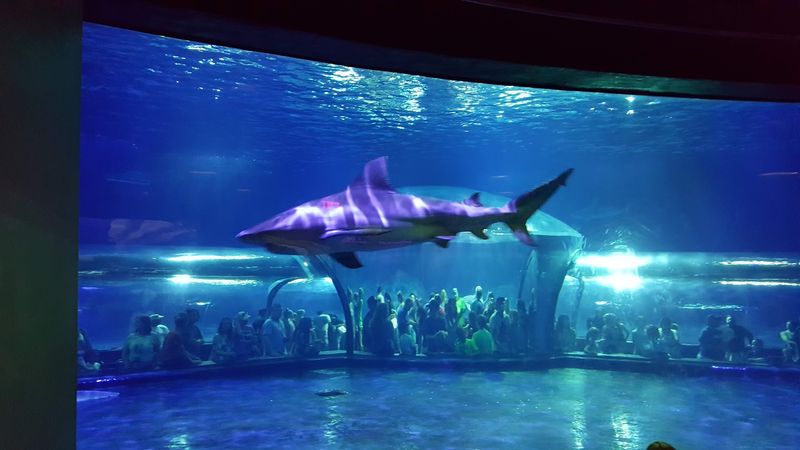
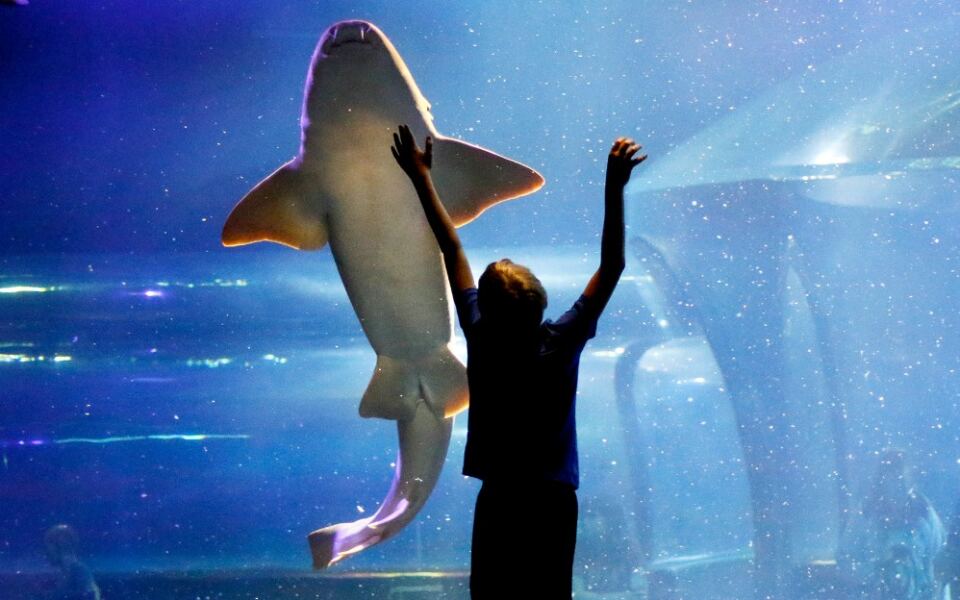
Sharks swim above, beside, and all around you in the most talked-about part of the building. The walk-through shark tunnel is the attraction people bring up first, and for good reason.
The aquarium is known for holding the world’s largest collection of bull sharks. That single fact turns a regular tunnel into a bragging point for the whole state.
The sharks are big. Some kids find them thrilling, while others grab a parent’s hand and stare from a safe step back.
Toddlers seem to love it in particular. Two-year-olds often press close to the glass and refuse to budge.
Adults are not immune either. Plenty of grown-ups admit they could happily camp out in that tunnel for a very long time.
The shark exhibit also works as a resting spot. Families sit, relax, and watch the sharks glide by while kids catch their breath.
Even guests who feel lukewarm about other parts of the aquarium tend to call the shark tank the main event. If you only have time for one exhibit, make it this one, then circle back before you leave.
4. Touch Tanks for Curious Fingers
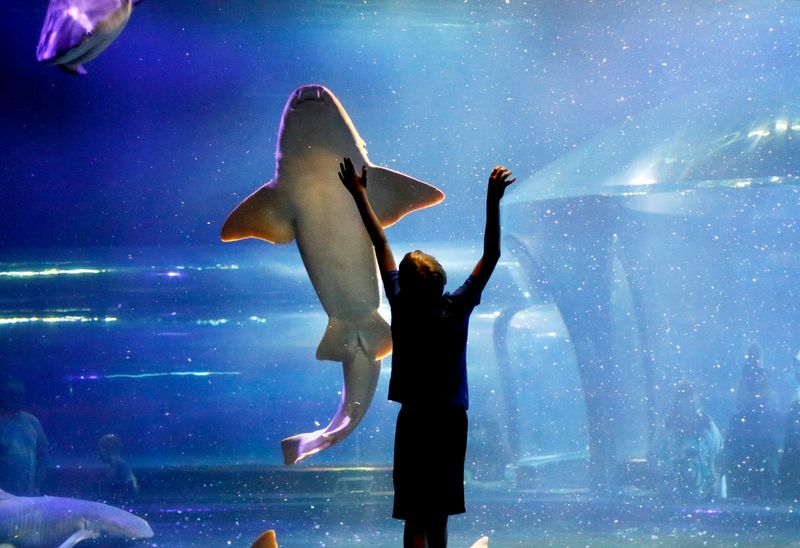
Some kids learn by reading signs. Most learn by poking things, and this aquarium plans for that.
Several touch tanks are spread throughout the building. Children can touch stingrays, shrimp, and even jellyfish, which tends to surprise parents the most.
The aquarium also offers chances to touch sharks. It is a rare experience in a state that sits nowhere near an ocean.
These petting areas give small kids a reason to slow down. Instead of racing from tank to tank, they stay put and pay attention.
Staff members are often nearby to help. They answer questions with enthusiasm, which helps nervous kids work up the courage to reach in.
There is also a VR headset experience for kids who want a different kind of interaction. It adds variety for older children who have already met the stingrays a few times.
A quick tip for parents: bring wipes or plan a restroom stop after the touch tanks. The restrooms are kept clean, so that part is easy.
With small hands busy and minds engaged, the next exhibits feel even more fun to explore.
5. Otters, an Octopus, and a Turtle Named Seamore
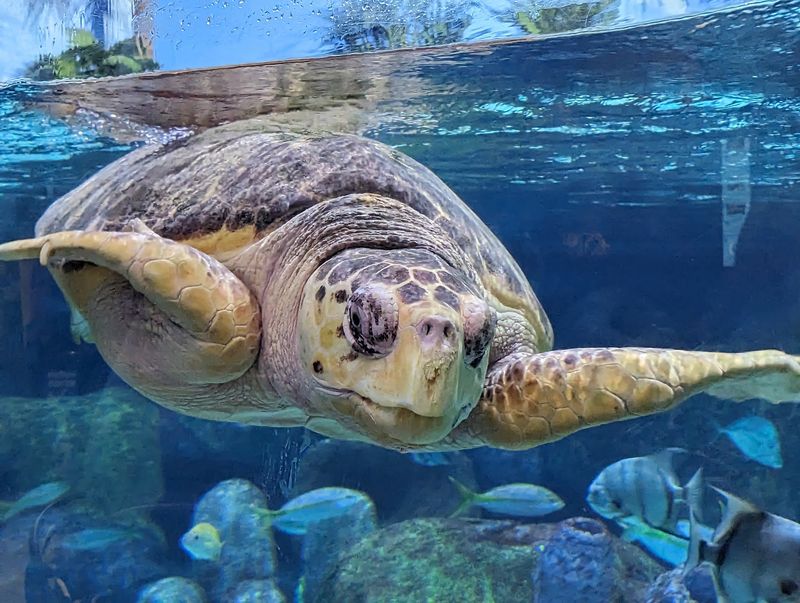
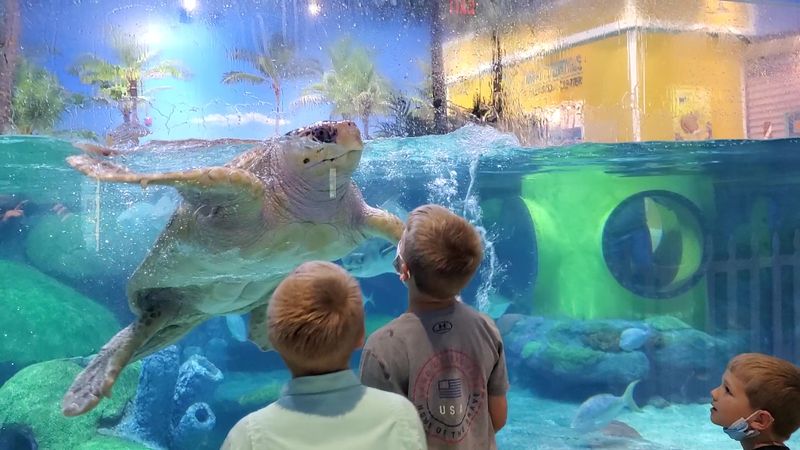
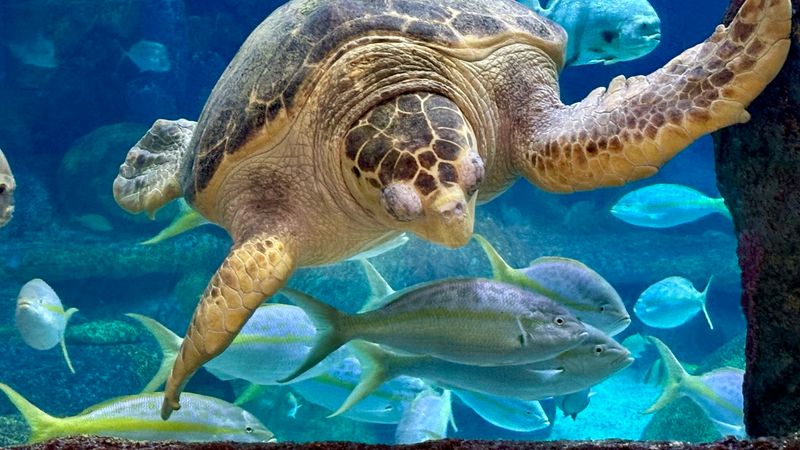
Every family seems to pick a favorite resident here. For a lot of them, the winner has a name: Seamore the turtle.
The big sea turtle is a crowd favorite with regular families. Kids often call it the best part of the trip, right alongside the jellyfish.
Then come the otters. They rank high with all ages, from kids to aunts who visit on their own.
The octopus also gets plenty of attention. It is worth looking closely, since octopuses can be easy to miss in their tanks.
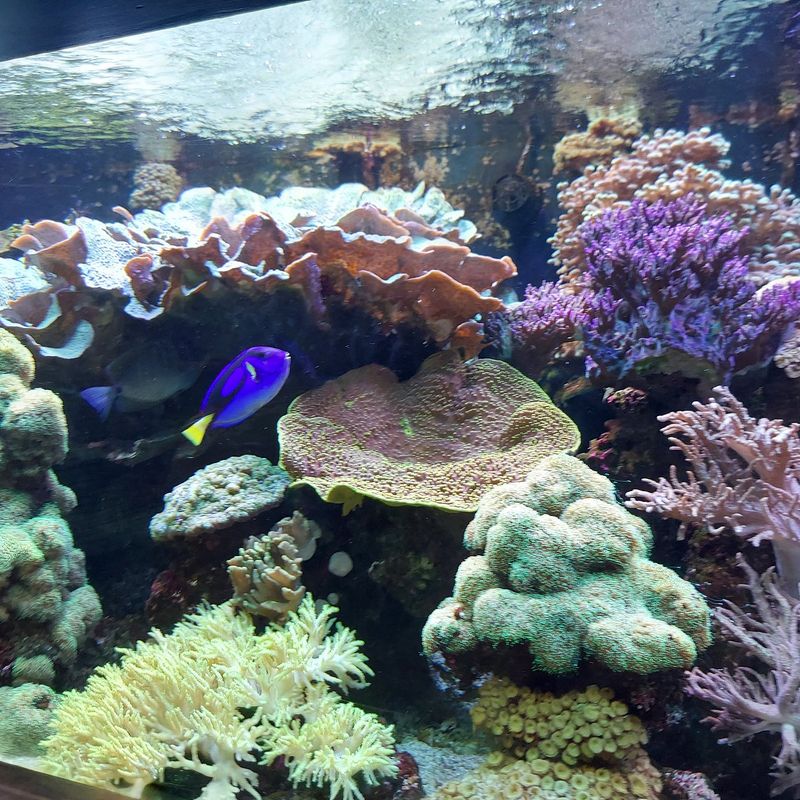
Beyond the stars, the aquarium covers a wide range of species. You will see fish, amphibians, and some mammals, plus animals that many people have not spotted at other aquariums.
Exhibits are clearly marked and informative. Kids who like reading facts can learn a lot, and families who read every sign can easily stretch a visit to half a day.
A fun game for the car ride: have each child guess which animal will become their new favorite. Then compare answers on the way out.
Odds are good that a certain shelled celebrity gets at least one vote.
6. Jellyfish in Changing Light
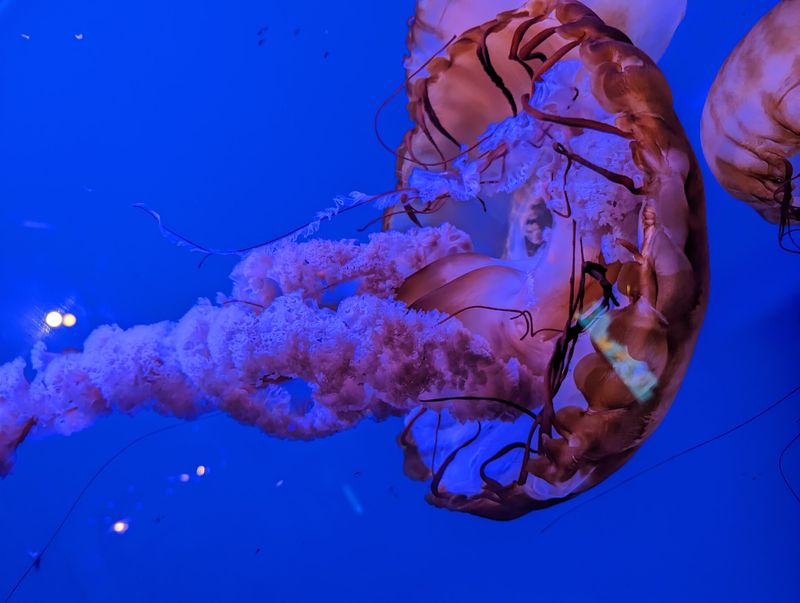
Kids rarely expect jellyfish to be the exhibit they beg to revisit. Then they meet the tank with the shifting lights.
The jellyfish exhibit uses light that changes color. Children often rank it near the very top, right next to the big turtle.
The tanks are remarkably clear and well maintained. Some guests walk past at first thinking they are looking at a screen rather than live animals.
That clarity is a big part of what makes the jellyfish feel special. It also shows how much care goes into the displays across the building.
For families with sensory-sensitive children, there is good news here. The aquarium does not rely on bright, harsh lighting, so the dimmer exhibit areas tend to feel calmer.
Noise is another story, which comes up in a later section. For now, the jellyfish room makes a nice pause between the busier stations.
And yes, kids can touch jellyfish at a touch tank elsewhere in the building. Seeing them float in the colorful tank first can make that moment even more interesting.
Save a second loop past these drifting residents before heading outside.
7. Carousel Rides and Coin Funnels
Not every memory at an aquarium involves water. Here, a carousel and a coin machine hold their own against the sharks.
The merry-go-round is a popular extra for younger kids. Many children plan their next trip around finally getting a ride.
Nearby sits a coin funnel machine. Kids drop in a coin and watch it spin around and around until it reaches the bottom.
That machine is a small thing, but it carries a nostalgic charm. Many parents remember dropping coins into similar funnels when they were young.
The gift shop is organized and has cute items. Some families find the selection fairly basic and prices a little high, which is common at attractions like this.
A simple strategy helps. Give each child a set amount before you arrive, and let them choose between a carousel ride, a coin spin, or a souvenir.
Photo opportunities are everywhere too, from the tunnel to the carousel. Bring a charged phone, because kids tend to want a picture with every animal.
These extras round out the indoor visit before the outdoor space calls.
8. Playground, Pollinator Garden, and the River Nearby

Once the tanks are explored, the fun keeps going outside. A playground sits just beyond the building for kids who still have energy to burn.
Families with toddlers often save it for the end. It makes a smooth wrap-up after a couple of hours indoors.
The aquarium allows exit and reentry for the whole day. That means you can pack a lunch, eat at the playground, and head back in afterward.
For budget-minded families, that reentry policy is a quiet win. It cuts down on food costs and makes a long day feel more relaxed.
There is also a pollinator garden outside. During warmer months, it attracts plenty of pollinators.
The aquarium sits near a river park, and the outdoor area is a nice place to spend extra time. On mild winter days, a short stroll outside can break up the visit.
On truly cold days, though, the indoor exhibits carry the trip just fine. The playground and garden are bonuses, not requirements.
Some families even skip the playground entirely because they spend so long inside. That alone hints at how much the building packs in.
9. Hours, Tickets, and Timing Tricks
Planning ahead saves both money and patience. The aquarium opens at 10 AM every day of the week.
Most days it closes at 6 PM. Tuesday is the exception, with hours stretching until 9 PM.
An adult ticket has run about $24.95. Two adult tickets have totaled around $55, and a family of four can expect to spend roughly $90, though prices may change, so check the official website before driving.
Some families feel the cost runs a bit high for the time spent. Others say the atmosphere and interactions make up for it.
Most groups spend about two to three hours inside. Readers of every sign can stretch it to half a day.
Crowds come and go. On a quiet weekday, it can feel almost like having the place to yourself, while busy days still move steadily thanks to good flow.
Noise is worth planning for. With lots of kids around, the building can get loud, so families with autistic children may want to bring noise-canceling ear muffs.
A café and snack areas sit off to the side, and the eating area stays tidy. Smart timing makes the whole visit feel lighter.
10. A Winter Escape Worth the Drive
Some outings work for one age group. This one manages to keep three generations happy at once.
Families bring babies, toddlers, school-age kids, parents, and great-grandparents. A one-year-old and a great-grandfather can share the same afternoon without anyone feeling left out.
The building is clean and well kept, and the staff are welcoming. Those details matter when you are bringing a crowd of relatives along.
Not everyone leaves thrilled with the value. Some families wish for more variety at the price, especially compared with free parks and splash pads.
Still, the bigger picture holds up. Winter limits outdoor options, and this aquarium offers hands-on animal moments that a playground simply cannot.
Kids get to feed sea turtles, pet stingrays, and walk beneath the world’s largest collection of bull sharks. That is a strong lineup for a state far from any coast.
So no, there are no giraffes waiting in Jenks. But a turtle named Seamore and a tunnel full of sharks make a pretty convincing case for the next cold Saturday on your calendar.
Share this story