On a September day in 1893, a starting signal sent thousands of hopeful settlers racing across northwest Oklahoma to stake a claim. That rush built Enid almost overnight, and the paperwork side of the story happened inside one small wooden building that still stands today.
You can walk through its door, then wander a schoolhouse, a chapel, and a 1905 homestead before heading inside for the bigger story. It is a hands-on history stop that fits neatly into an afternoon and will not empty your wallet.
Families, history fans, and anyone who thinks Oklahoma is just flat prairie will find plenty to talk about on the drive home. Keep reading to learn what makes this place special, how long to plan, and a few honest tips that help the visit go smoothly.
1. A Heritage Campus on Enid’s South Side
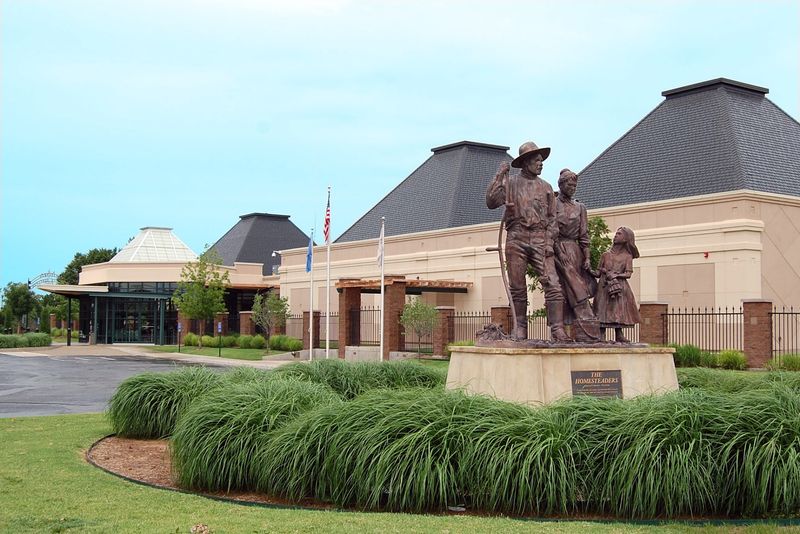
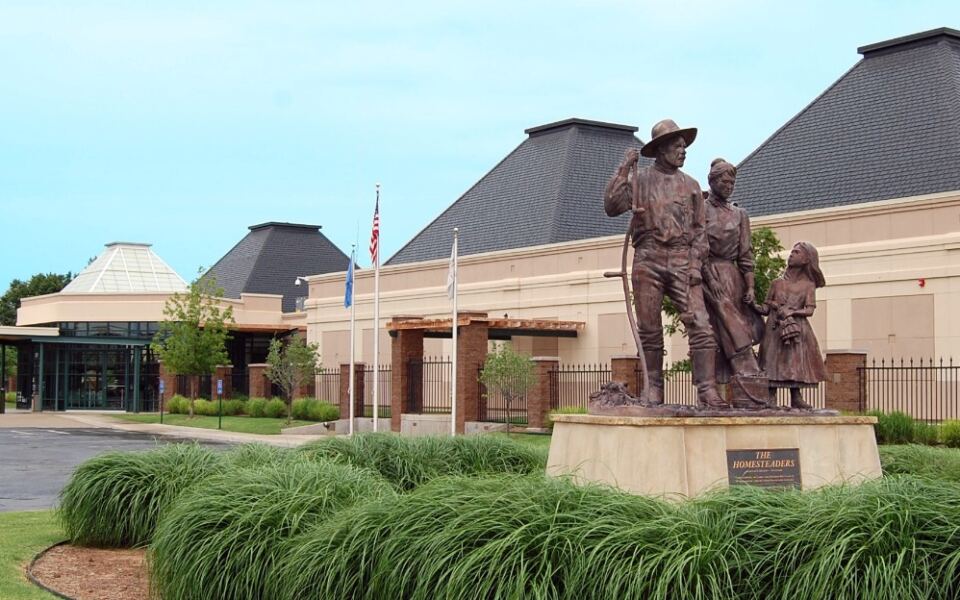
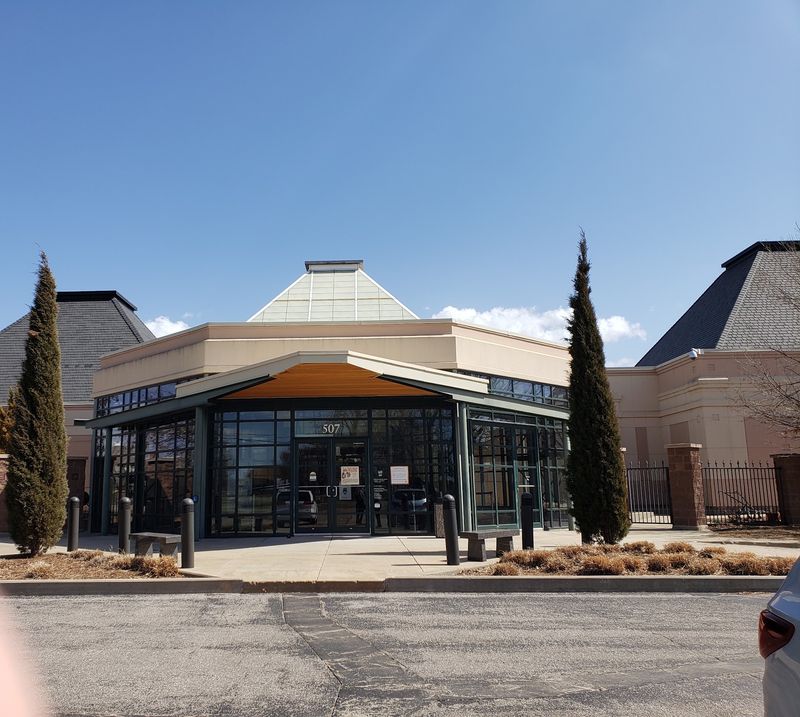
Enid has a front-row seat to one of the wildest days in Oklahoma history, and the Cherokee Strip Regional Heritage Center is where that story gets told in full. The museum sits at 507 S 4th St, Enid, OK 73701, in the northwest part of the state.
It is more than one building. The campus pairs an indoor museum with a research center and an outdoor historic village, so a single stop covers a lot of ground.
The focus is clear from the start. Exhibits trace the area’s settlement beginning with the Land Run of 1893, then follow the region forward through the decades that shaped Enid and its neighbors.
For day-trippers, the setup is easy to manage. Indoor galleries come first for many guests, and the village outside rounds things out once the big picture makes sense.
The overall impression is of a place that takes care of its grounds. Buildings, paths, and restrooms are kept clean and well maintained, which matters when you are bringing grandparents or kids along.
Out-of-state guests often get brought here by local hosts who want to show off their hometown. That alone says a lot about how residents feel about it.
So the address is set, the map is ready, and the real adventure starts with a single starting signal from 1893.
2. The Race That Built a City
Ready, set, homestead. In 1893, the Cherokee Outlet opened to settlement, and the Land Run that followed is described here as the largest land run in history.
Enid was founded as a direct result. One day there was open country, and soon after there were claims, lots, and the start of a working town.
The museum treats that moment as the opening chapter rather than the whole book. Galleries move in a logical sequence, explaining the run and then showing how settlement played out across the region.
First-person accounts from the land run are a highlight. These colorful personal stories turn a famous date into something human, with real people making real gambles on a piece of ground.
Coverage goes wide, too. Exhibits touch on the people, geography, business, and politics of the Cherokee Strip and surrounding areas, giving context that textbooks often skip.
One fair note for planning: the center’s stated focus is European settlement beginning in 1893. Guests hoping for in-depth tribal history may want to pair this trip with one of Oklahoma’s tribal museums for a fuller picture of the land.
With the starting line behind you, the next stop shows how the museum keeps all that history from feeling like homework.
3. Galleries Built for Short Attention Spans
Reading panel after reading panel can wear anyone down. Here, the exhibit design mixes it up on purpose.
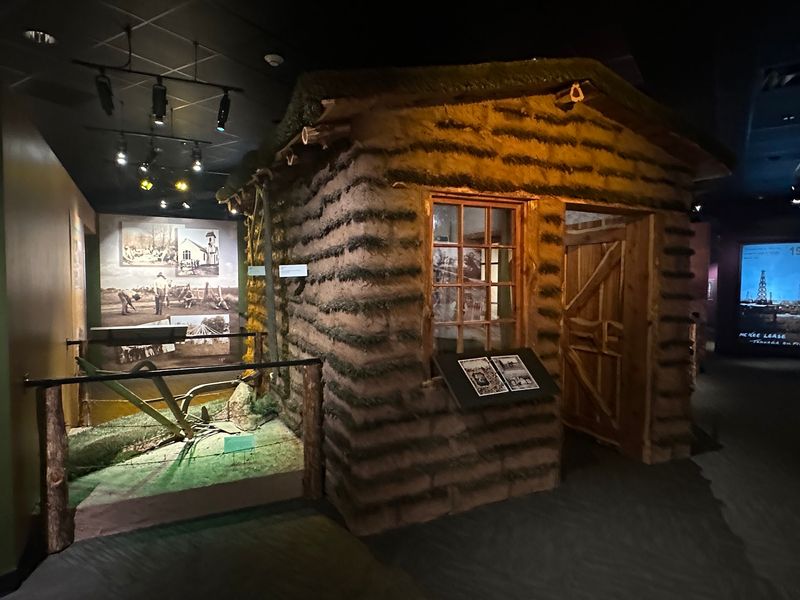
Some displays are text, some are large objects, and others play video or recorded presentations. That variety keeps the pace moving and makes it easier to stay curious for the long haul.
Kids get their own hooks. There are phones to pick up and listen to, buttons to press, and small books tucked into displays.
Interactive media also shows up in the land run and oil and gas sections. Those pieces share perspectives from people of the day, which helps younger guests connect with history that happened long before their grandparents were born.
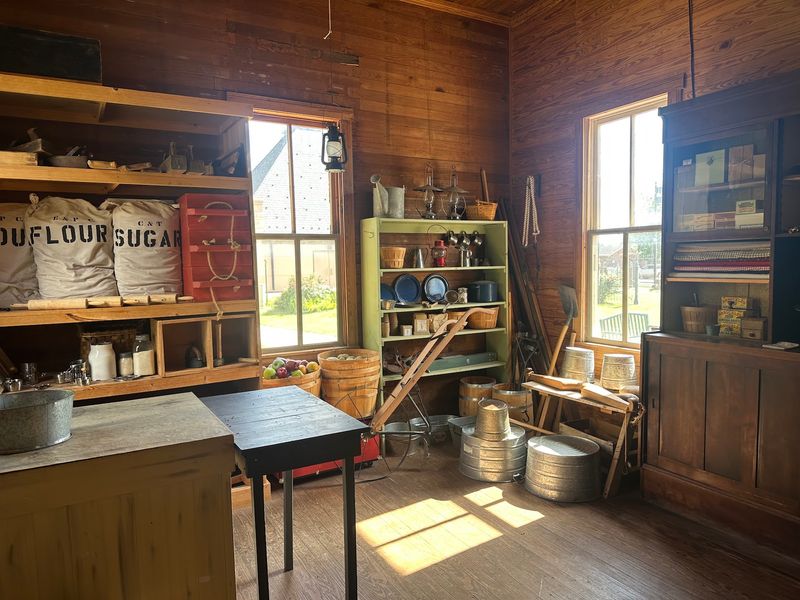
Everyday objects deserve attention as well. The collection includes authentic items from ordinary life that are rarely seen anymore, the kind of tools and goods that make you grateful for modern kitchens.
A quick word for parents of very small children: the indoor galleries lean toward school-age kids and adults. Toddlers may run out of patience before the oil boom does.
Once the galleries have done their job, the back door leads somewhere even better.
4. The Last Land Office Standing
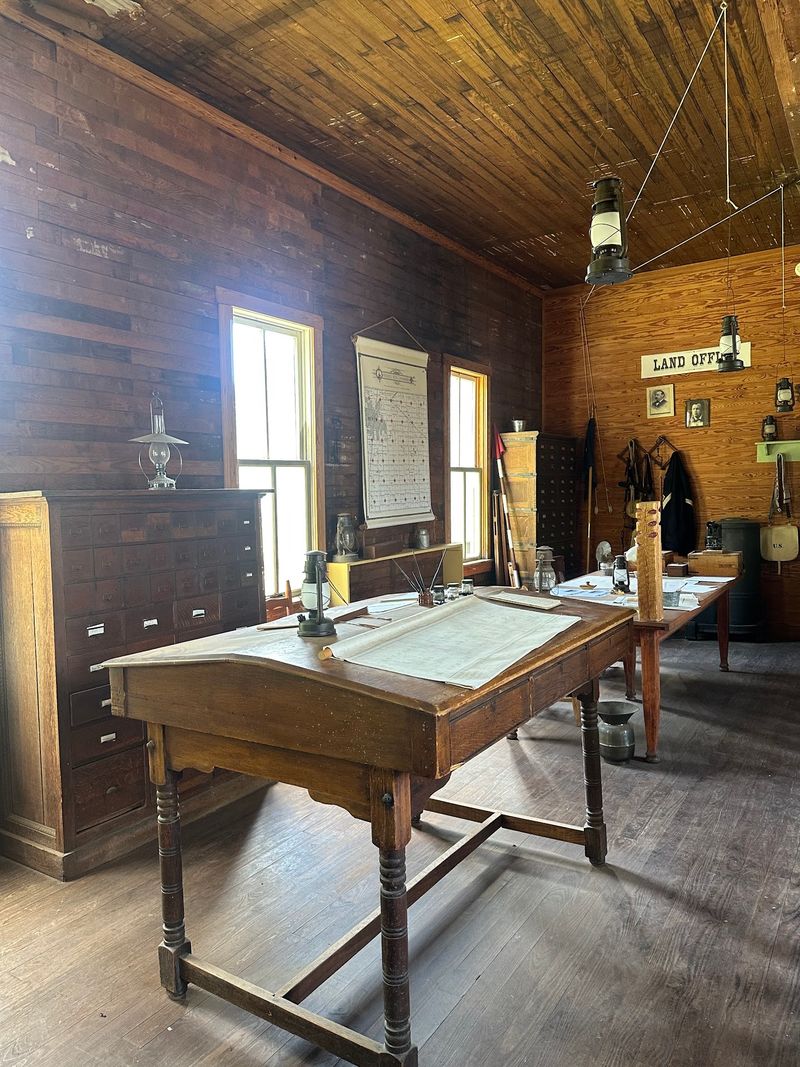
Plenty of museums talk about the Land Run. Very few can hand you the actual building where claims were filed.
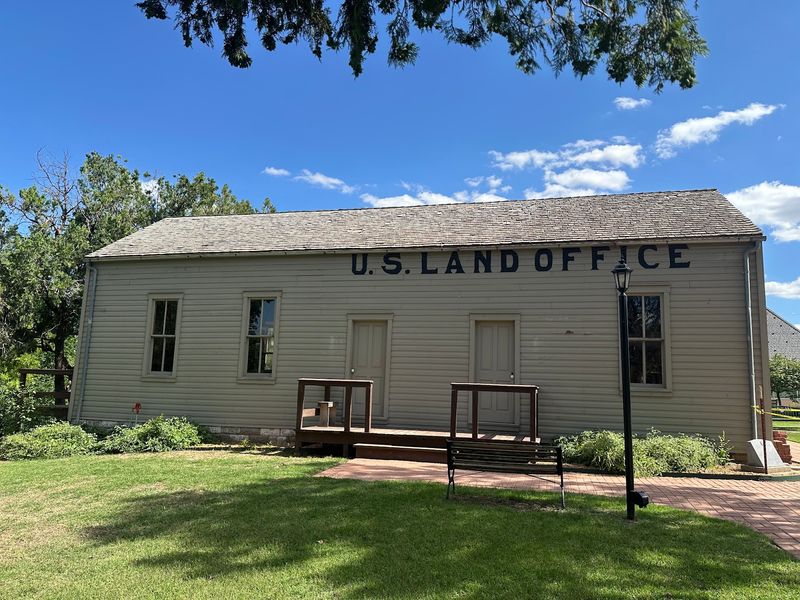
The outdoor village here includes a land office used during the Oklahoma land run, noted as the only remaining one of its kind. For history fans, that is the headline act.
Settlers who made the run still had to make it official. The land office was where dreams turned into paperwork, and standing inside connects the race on the prairie to the legal claim that followed.
Guides are often stationed here, and they tend to engage guests with questions and a short presentation. Many people love that living history approach because it makes the building’s role easy to grasp.
Others prefer to browse quietly. If that is your style, it helps to know ahead of time that a guide will likely greet you, so you can set expectations before walking over.
Either way, this small structure carries a big piece of Oklahoma’s origin story. Few spots in the state let you stand so close to the moment a homestead claim became real.
5. Humphrey Heritage Village Rooftops
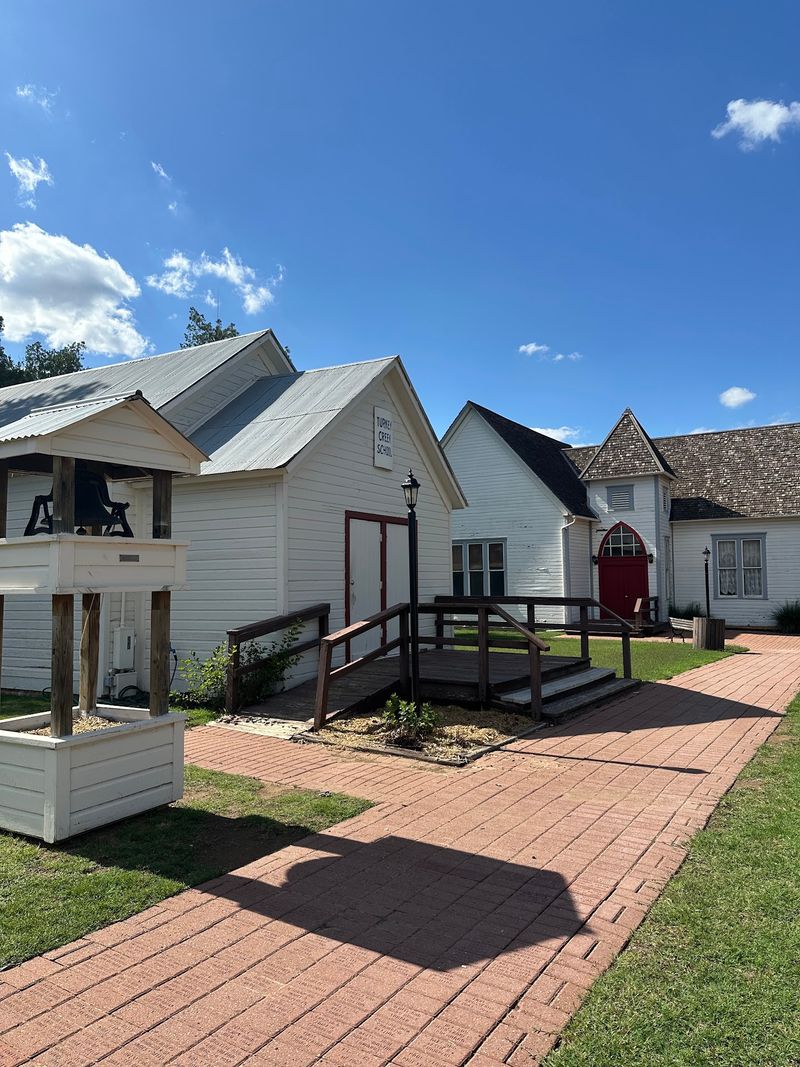
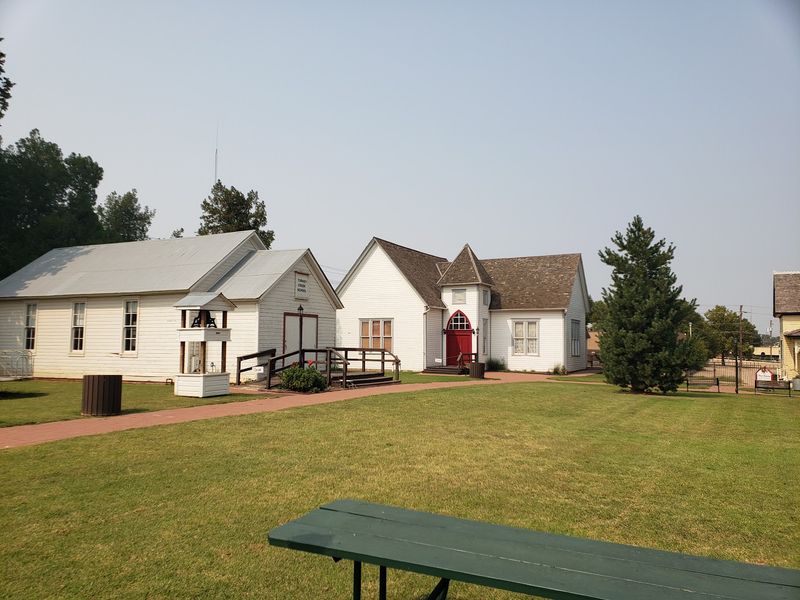
Out back, the museum turns into a small town. Humphrey Heritage Village gathers several historic buildings on the grounds for guests to explore.
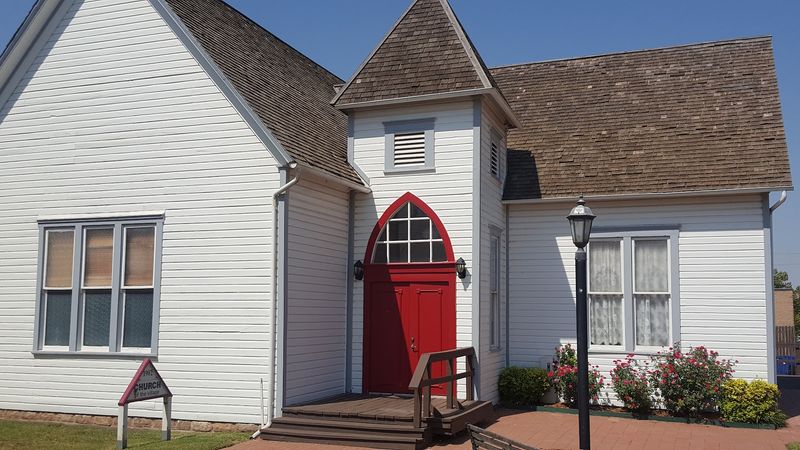
The lineup includes a one-room schoolhouse, a chapel, the land office, a general store, and a 1905 homestead. A larger house, often described as a mansion, adds a different slice of early Enid life.
Each building comes with its own backstory. Guides can explain where a structure came from and how the center acquired it, which is often as interesting as the furniture inside.
The layout is easy to follow. Paths connect the buildings neatly, so nobody needs a map to find the next door.
Families like that the village breaks up the day. After time indoors, kids get fresh air and a reason to move between stops.
The buildings are kept in good shape and fully set up, so this is more than peeking through windows. You can go in and see how rooms were arranged and used.
Of all the stops, the homestead might be the one that sticks with you longest.
6. Chalkboards, Pews, and a 1905 Homestead
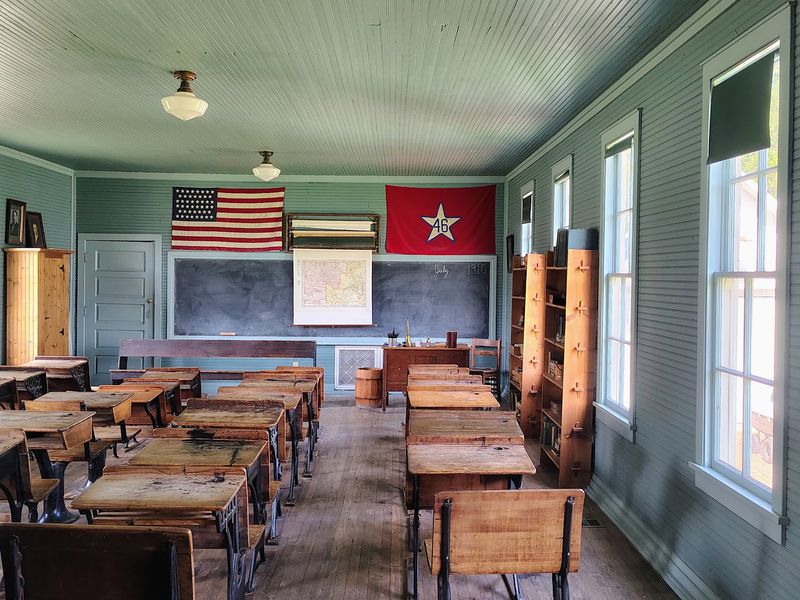
Homework in a one-room schoolhouse meant every grade shared the same space and the same teacher. The schoolhouse in the village gives kids a chance to compare that setup with their own classrooms.
Local elementary schools even hold classes in the old school. That says plenty about how useful the building still is as a teaching tool.
Next door in spirit, the chapel draws a lot of fondness. It is popular enough that weddings have taken place on the grounds, with guests touring the village between celebrations.
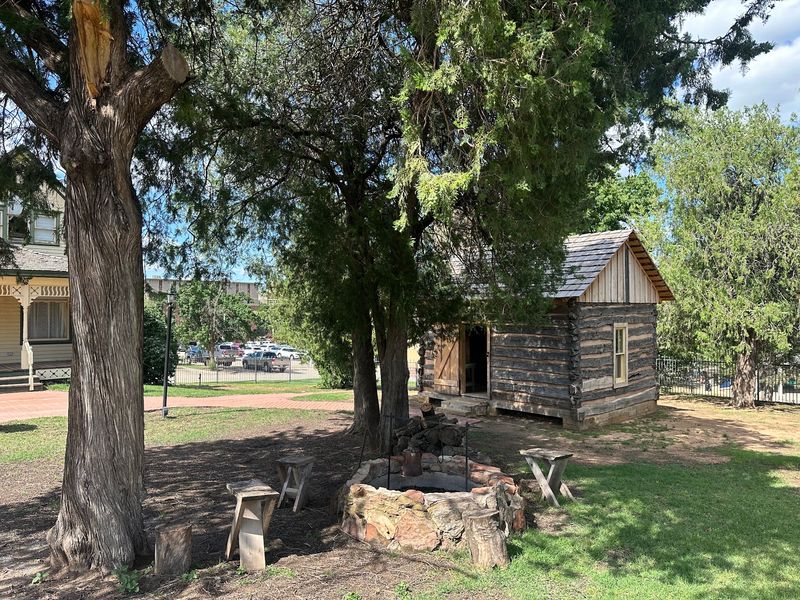
The 1905 homestead shows what settlement looked like a dozen years after the run. Inside, household details reveal how a family set up life on the plains once the claim was secure.
Old wooden toys have also been a hit with children. Low-tech fun turns out to be surprisingly popular when there is no screen in sight.
Guides in these buildings share details about the objects inside, so questions are welcome. Kids who ask the most usually leave with the best stories.
History here is something to step into, not just read about.
7. Living History, Your Way
Staff friendliness comes up again and again when people talk about this place. Guides and front desk staff are known for being welcoming, informative, and knowledgeable.
They will share as much or as little about an exhibit as you want. Curious guests can ask follow-up questions, and the answers tend to go deeper than the signs.
In the village, the living history format means guides are often posted at buildings. Many guests find that personal touch is what makes the outdoor tour memorable.
A smaller number would rather explore at their own pace. A polite heads-up to the guide that you prefer to look around quietly is a reasonable way to shape the visit.
Events and new exhibits keep regulars coming back. Families who live nearby return often, since programs are designed to be fun for a wide range of ages.
Rotating art shows appear too. One past exhibit, called Art of the Wish, left a strong impression on guests who saw it.
The people are a big part of the experience, and they help the history feel like a conversation.
8. A Research Center for Family Detectives
Some ancestors left behind deeds, letters, and a trail of questions. The research center on site helps people chase those answers.
Genealogy is a real strength here. Staff with genealogy expertise have helped guests dig into family histories tied to northwest Oklahoma.
That makes the center worth a look for anyone whose relatives made the run or settled nearby later. Connecting a family name to the land run era can turn a museum trip into a personal one.
The research side also supports the museum’s broader mission. It covers the history of northwestern Oklahoma and its people, from early settlement through later growth.
Plan ahead before showing up with a stack of family charts. Calling or checking the website first is smart, since research help and availability may vary.
Even casual guests might find themselves curious. A quick look at local records can show just how many families started from scratch after 1893.
The museum tells the region’s story, and the research center may help you find your own chapter in it.
9. Souvenirs With Oklahoma Roots
Every good field trip ends with someone asking for a souvenir. The gift shop here is ready for that moment.
It is small, cute, and easy to reach, with a solid variety of souvenirs. Prices are described as affordable, which helps when several kids are each holding something up.
Replicas are part of the mix. These pieces echo the kinds of items seen in the galleries and village, so they make natural keepsakes.
The shelves also carry a few made-in-Oklahoma treasures. Picking one up is a simple way to support local makers while bringing home a piece of the state.
Families with a budget can treat the shop as a quick final stop rather than a big expense. A modest pick still does the job of remembering the day.
Grandparents visiting from out of town may appreciate the local goods most. Those items tell a little of the story the museum shares, even after the trip ends.
A small bag on the way out makes a tidy ending to a day spent with the pioneers.
10. Hours, Admission, and Time to Budget
Timing matters, since the doors are not open every day. The center is listed as open Tuesday through Saturday from 10 AM to 5 PM, and closed Sunday and Monday.
That makes Saturday the go-to option for working families. Weekday visits can suit retirees, homeschool groups, and summer road trips.
Admission is described as affordable and reasonable. One past guest paid a maximum fee of six dollars several years ago, but prices may have changed, so check the official website before driving over.
Plan for roughly two to three hours. Some groups finish the museum and outdoor buildings in under two hours, while history fans who read everything can easily stay three.
Wear comfortable shoes for the village. Moving between buildings is part of the fun, and the grounds are tidy and simple to navigate.
Restrooms are easy to reach and kept clean. That small detail goes a long way with kids in tow.
Hours and fees may change, so a quick check at csrhc.org can save a wasted trip.
11. A Day Trip Worth the Drive
Good history stops leave you with more questions on the drive home than you had on the drive in. This one tends to do exactly that.
It suits history buffs, curious families with school-age kids, and anyone hosting relatives who want to understand Enid. Locals regularly bring visiting friends here for that reason.
The appeal comes from the combination. Indoor galleries explain the land run and the region, and the village lets you walk into the buildings where that story unfolded.
Families on a budget get solid value. Modest admission, interactive displays, and outdoor exploring add up to a full afternoon without a big bill.
The center also fits the Oklahoma pride angle well. It shows a state built by bold choices and long odds, not just wide skies and wheat fields.
Anyone wanting a broader view of the land’s history can pair the trip with a tribal museum elsewhere in Oklahoma.
Settlers lined up in 1893 with big plans and little certainty. Over a century later, standing where they filed their claims is a quiet reminder that Oklahoma has always been a place where people bet on the future.
Share this story