Some Western New York drives end at a highway exit, and some end on a main street that still feels like it belongs to the people who live there. East of Buffalo, a small village has kept its own name, its own government, and its own small-town rhythm while the metro area grows around it.
Older storefronts, a walkable center, and a population of about ten thousand give it the scale of a place where neighbors still recognize each other. Keep reading to learn where it is, what makes it different from the suburbs nearby, and how to plan an easy afternoon there.
1. A Village on the East Side of Buffalo
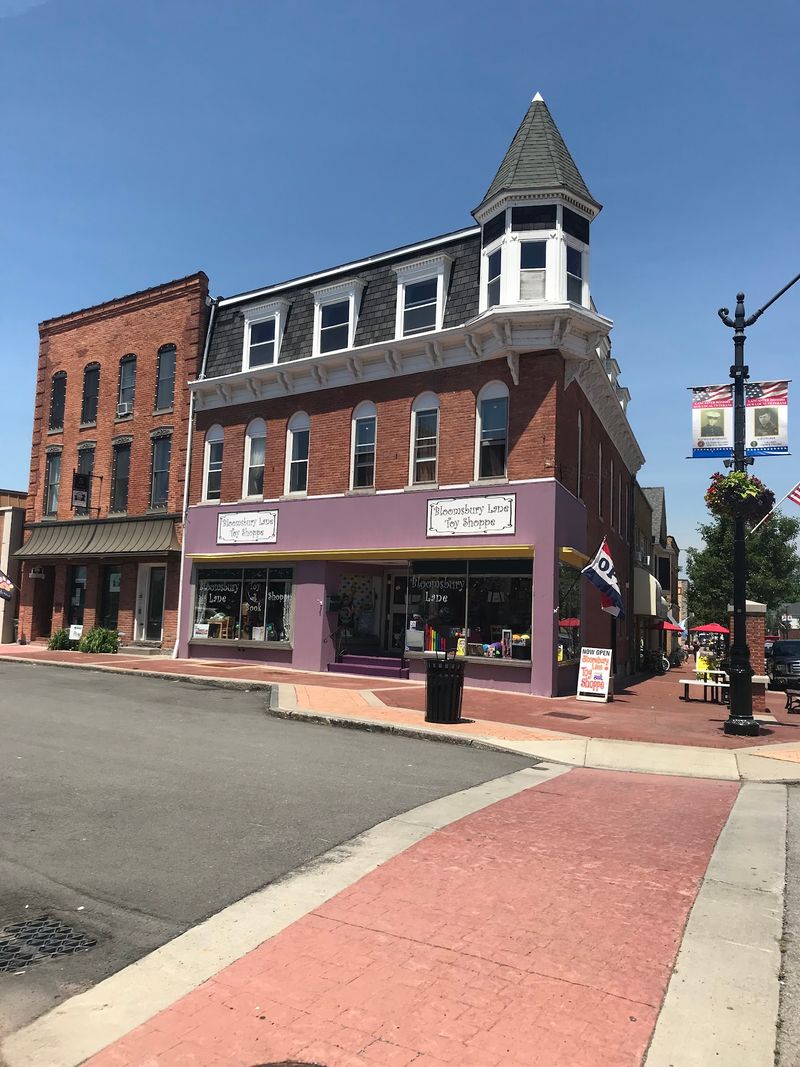
The answer to the mystery is Lancaster, a village in Lancaster, NY, in Erie County, New York, United States. It sits east of the city of Buffalo and belongs to the Buffalo-Niagara Falls metropolitan area.
That location matters more than it first appears. Lancaster is close enough to the city that a quick trip is easy, yet it has kept the identity of a self-contained village.
Plenty of places near a big city blur into one long stretch of strip malls. Lancaster has its own center, its own name on the map, and its own story.
For Buffalo residents, that means a change of pace without a long drive. For people coming from elsewhere in Upstate New York, it offers a look at how a traditional village can hold its shape inside a busy region.
The rest of this guide walks through how the village is organized, why its scale feels so manageable, and what to keep in mind before heading over.
Consider this the first stop on a short route east, one that rewards anyone who enjoys places with a little history still showing.
2. The Village Inside a Town
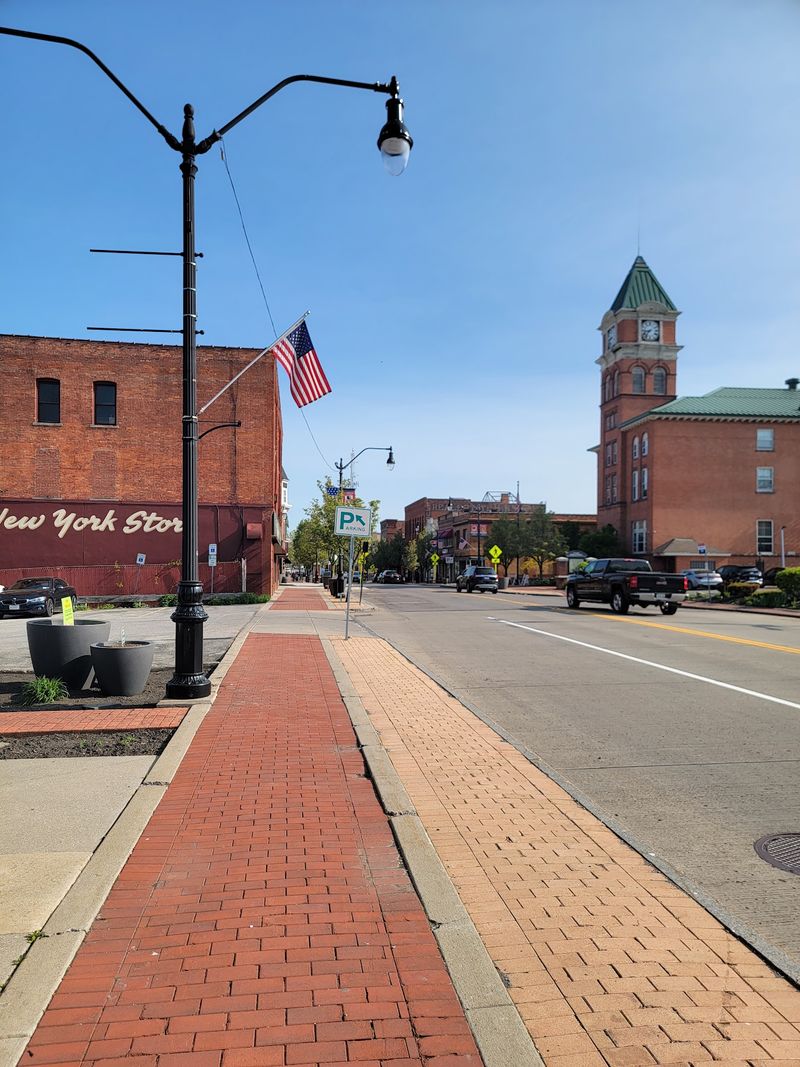
Here is a detail that confuses plenty of newcomers. There is a village of Lancaster and a town of Lancaster, and they are not the same thing.
The village sits in the western part of the town. In New York State, villages often exist inside larger towns, with their own local government layered on top.
So when someone says they are headed to Lancaster, they might mean the broader town or the compact village center. This article focuses on the village.
That arrangement is one of the quiet traditions of New York local life. Villages were often the commercial and civic heart of a wider area, the place where people came to shop, meet, and handle business.
It helps explain why the village has a more concentrated, walkable feel than the surrounding areas. Its center was built for a time when daily errands happened on foot.
Knowing the difference also makes trip planning easier. Searching for the village center, rather than just the town name, should point you toward the older main street area.
A small geography lesson, sure, but it is the key to understanding why this spot feels the way it does.
3. Ten Thousand Neighbors and Counting
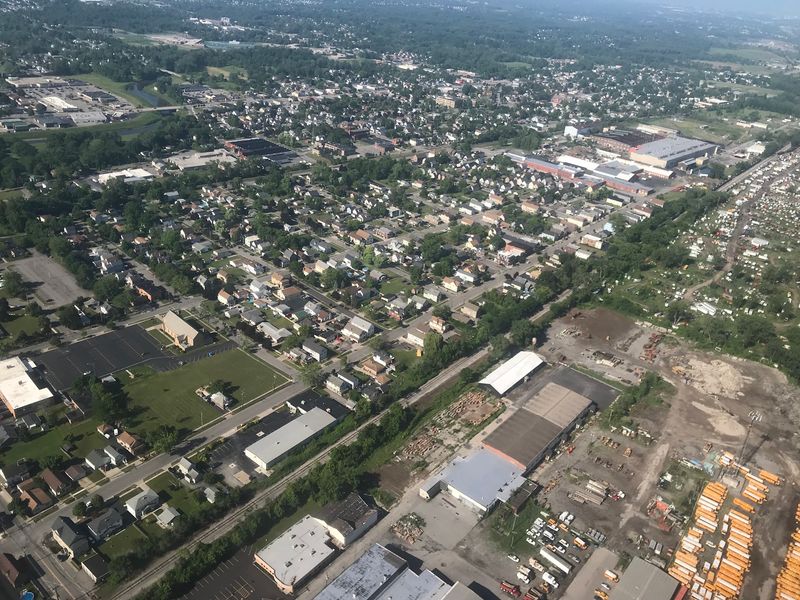
Numbers tell part of the story. As of the 2010 census, the village of Lancaster had a population of 10,027.
That is big enough to support a real village center, yet small enough that it never feels like a city. It is the kind of size where familiar faces show up at the same shops and events.
For readers from Buffalo, Rochester, or the outer boroughs, that scale can feel almost old-fashioned. It is closer to the classic image of a hometown than to a sprawling suburb.
Population figures change over time, of course. The 2010 number is a snapshot, and the current count may be different.
Still, the figure gives a useful sense of proportion. A village of roughly ten thousand people tends to have a defined center, local institutions, and a strong sense of who lives where.
Small numbers, big community energy. That balance is a large part of why the village stands out within the Buffalo-Niagara Falls area.
4. Storefronts From Another Century
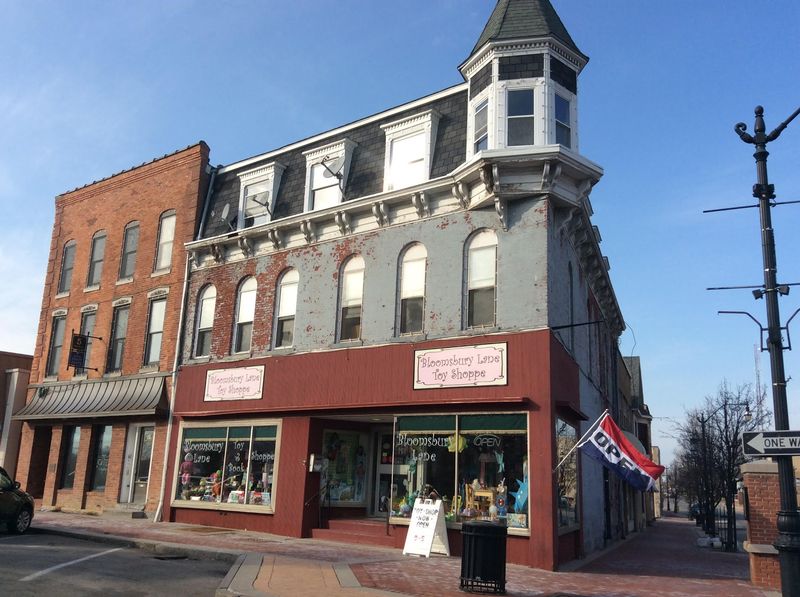
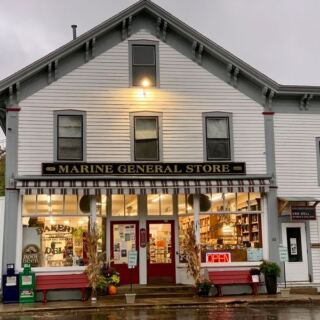
Older commercial buildings are a big part of the draw here. The village center is reportedly lined with storefronts that reflect Victorian-era design.
Buildings from that period often share common traits. Think two or three stories, large ground-floor shop windows, and upper floors that were once used for offices or apartments.
Exact construction dates vary from building to building, and not every structure on the street is from the same era. A quick look around will show a mix of ages and styles.
What matters most is that the older storefronts have stuck around. Many New York main streets lost their historic buildings to demolition or heavy remodeling over the decades.
Lancaster appears to have held onto a good share of its older streetscape. That continuity is what gives the center its classic village character.
For architecture fans, the best approach is simple. Walk slowly, look up above the modern signs, and notice the details that the original builders left behind.
The upper floors often hold the real story.
5. Brick Underfoot, Easy Pace Ahead
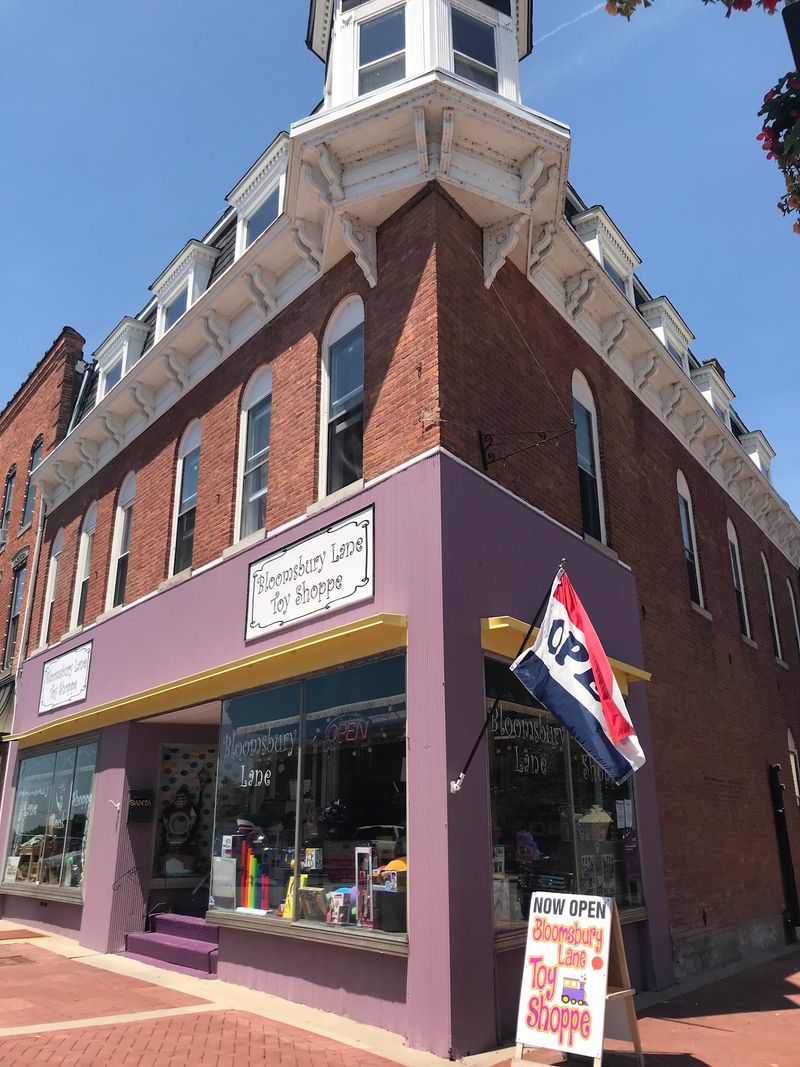
Brick sidewalks are one of the details that set the village apart from newer suburban developments nearby. They reportedly line parts of the village center, matching the older buildings around them.
Brick paving is more than decoration. Many communities choose it to signal a historic district or a walkable shopping area.
Walkability is really the main point. A compact center means visitors can park once and explore on foot.
That is a rare thing in a region where most errands happen by car. Here, strolling from shop to shop is part of the experience.
Comfortable shoes are a smart choice. Brick surfaces can be uneven in spots, especially after a hard Western New York winter.
Families with strollers and people using mobility aids may want to watch their step. Curbs and crossings in older districts are not always as smooth as newer sidewalks.
Small trade-off, big payoff. Few things capture traditional village life like a walkable main street that invites people to slow down.
6. The Short Hop From the City
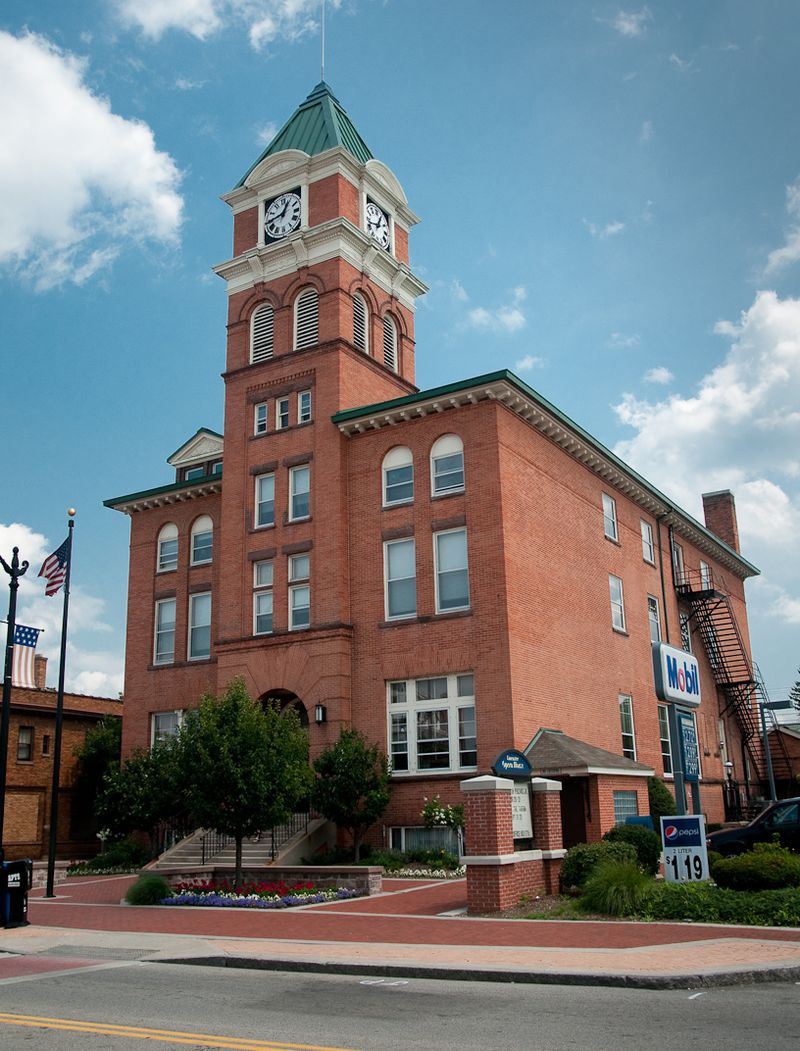
Distance is one of the village’s best selling points. Lancaster lies east of Buffalo, and the title’s 20-minute estimate is a fair guide for many drivers.
Actual travel time depends on where in Buffalo you start, which route you take, and the time of day. Rush hour can stretch the trip.
That closeness makes the village an easy half-day outing. There is no need to pack a suitcase or book a room.
For people living in the city, it can be a refreshing reminder that a small-town setting sits just beyond the city limits. A short drive can feel like a real change of scenery.
Travelers coming from Rochester or other parts of Upstate New York can also fold the village into a broader trip to the Buffalo area. It pairs nicely with a day in the city.
A navigation app is the simplest way to plan the route. Set the destination to the village center to land near the older storefronts.
Close enough for a whim, far enough to feel like an escape.
7. Holding Its Own in a Growing Metro
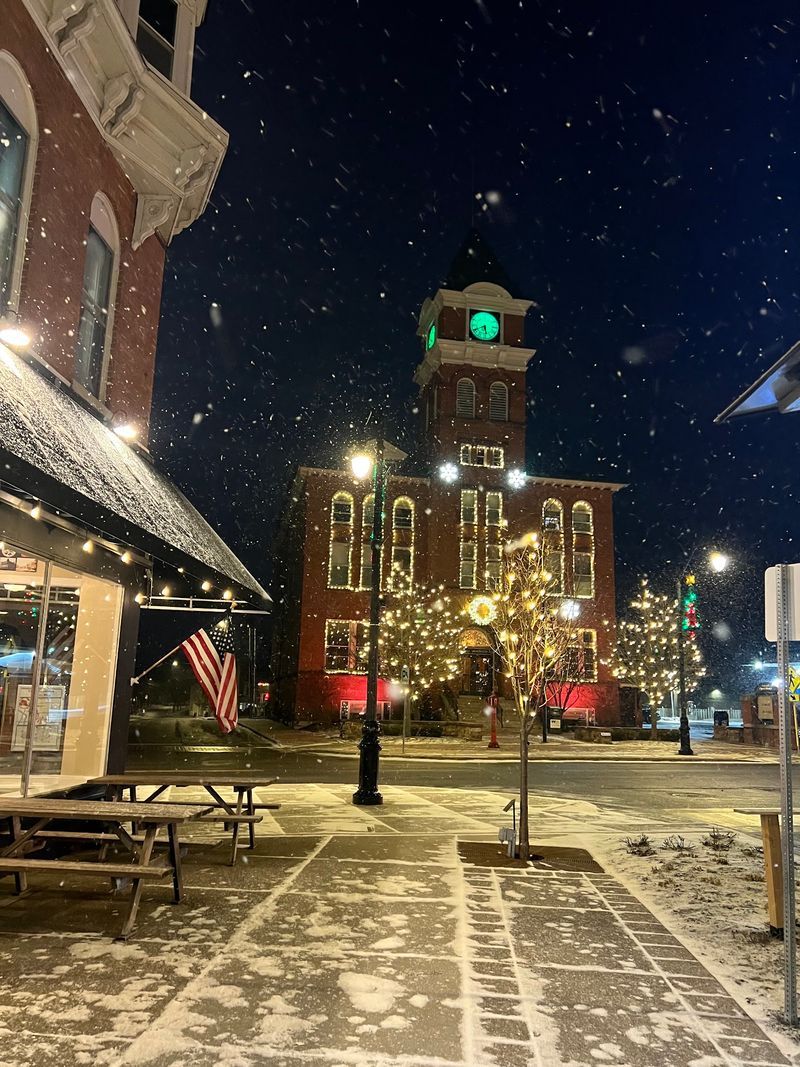
Plenty of small places near a major city slowly lose their identity. Lancaster has stayed a distinct village while being part of the larger Buffalo-Niagara Falls metropolitan area.
That is the heart of its appeal for many Western New Yorkers. It shows that a traditional village center can survive next door to modern growth.
Big-box stores and self-checkout lanes are easy to find across the region. A main street with independent storefronts offers a different kind of experience.
The village does not need to compete with the city. Its strength is simply being itself, with its own government, its own center, and its own sense of place.
For longtime residents, that continuity can be a point of real pride. For newcomers, it is a chance to see an older style of community life still in action.
No grand monuments are required for that feeling. A preserved streetscape and a manageable scale do most of the work.
Quiet persistence, it turns out, can be its own kind of landmark.
8. Main Street Habits Worth Keeping
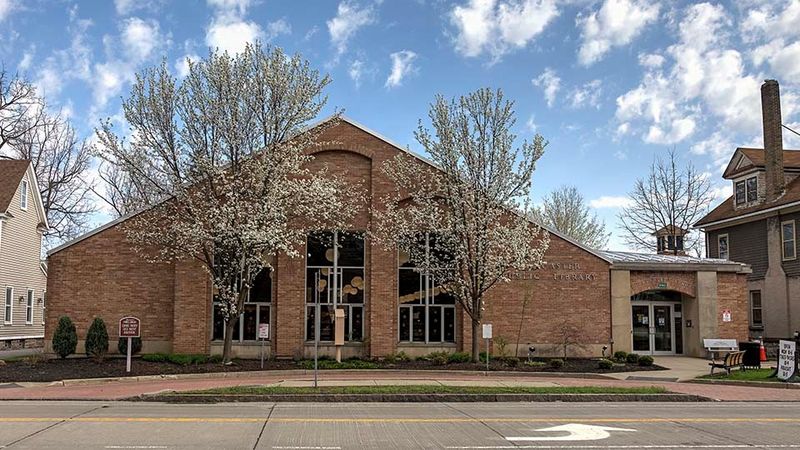
Old-fashioned village life tends to revolve around local shops. A main street of older storefronts is usually home to small, independent businesses.
The specific shops in Lancaster change over time, so it is best to check current listings before a visit. Businesses open, close, and move just like anywhere else.
What does tend to stay the same is the format. A walkable center encourages browsing, chatting, and supporting businesses run by people who live nearby.
That style of shopping is a little slower than clicking through a website. It is also a lot more personal.
Visitors who want to make the most of it can treat the street as the attraction. Pop into a few places, ask questions, and let the afternoon unfold.
Shop owners in small villages often know the area well. A friendly question can lead to suggestions that never show up online.
Spending locally is also a simple way to help keep a historic main street alive. Every purchase helps those old storefronts stay occupied.
9. Timing a Visit Through the Seasons

Western New York weather shapes nearly every outing, and a village stroll is no exception. Timing can make the trip far more pleasant.
Late spring through early fall is usually the most comfortable stretch for walking. Sidewalks are clear, and longer days give more time to explore.
Autumn is a popular choice across Upstate New York. Changing leaves can add color to an older streetscape, making the brick and storefronts stand out.
Winter brings its own character, but it also brings snow. Buffalo-area winters are famous for a reason, so check the forecast before heading out.
Weekdays may be calmer than weekends. Shop hours can vary, though, so a quick check online helps avoid arriving to locked doors.
Local events and holiday celebrations may also shape the calendar. The village or town website is a good place to look for current happenings.
Pick the season that suits your style, and the main street will be waiting.
10. Who Will Enjoy It Most
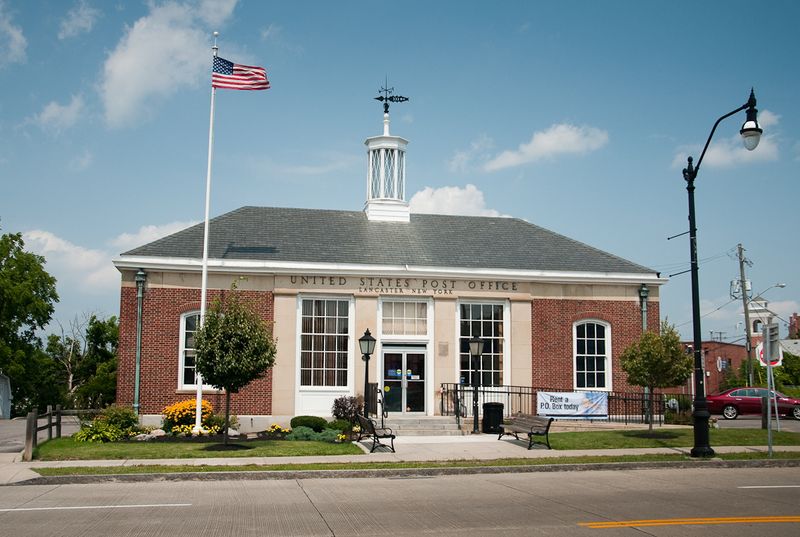
Not every destination needs roller coasters or skyline views. Some places are simply good for a relaxed afternoon, and Lancaster fits that bill.
History and architecture fans have plenty to notice in the older storefronts. Looking at building details can easily fill an hour.
People who enjoy small-business shopping will appreciate a walkable center. It is a welcome alternative to the mall.
Buffalo residents looking for a short outing without a long drive are another natural fit. The location east of the city keeps the trip simple.
Families may enjoy an easy walk with kids, especially in warmer months. Just keep an eye on uneven brick surfaces.
Photographers who like classic main street scenes may find good material here. Early or late daylight can help show off the facades.
Thrill seekers might want to look elsewhere. This is a place for slowing down, noticing details, and enjoying a traditional village setting.
Patience, it seems, is the main entry requirement.
11. Practical Notes Before You Go
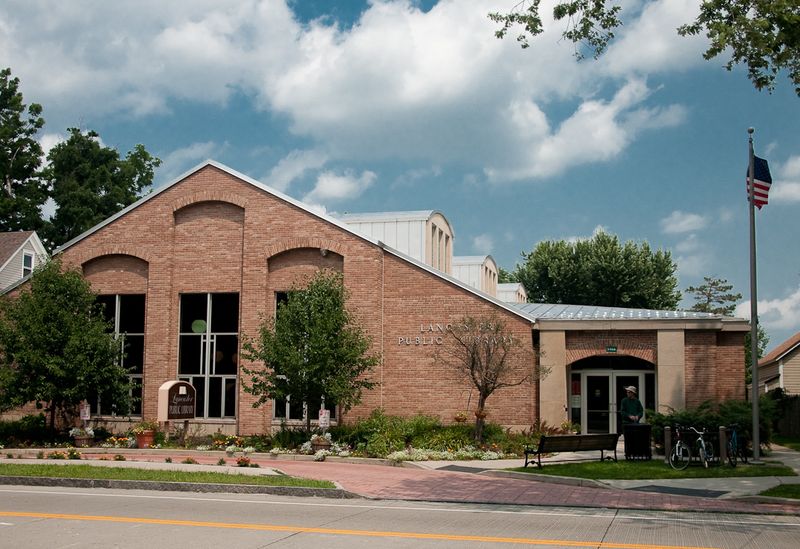
A little planning goes a long way. Because Lancaster is a village rather than a single attraction, there is no admission fee or set opening time for the streets themselves.
Individual shops and businesses keep their own hours, and those hours can change. Checking ahead is the easiest way to avoid disappointment.
Parking options vary around the village center. Look for posted signs and follow local rules on time limits.
A car is the most common way to arrive from Buffalo. Public transit options may exist in the region, but routes and schedules should be confirmed before relying on them.
Dress for the weather, especially from late fall to early spring. Western New York conditions can shift quickly.
Comfortable walking shoes are a must for exploring the brick sidewalks. A phone with maps helps when hunting for a particular shop.
Budgets can stay flexible. Strolling and window shopping cost nothing, while purchases depend entirely on personal choice.
Simple preparation, smooth afternoon.
12. Respecting a Lived-In Place
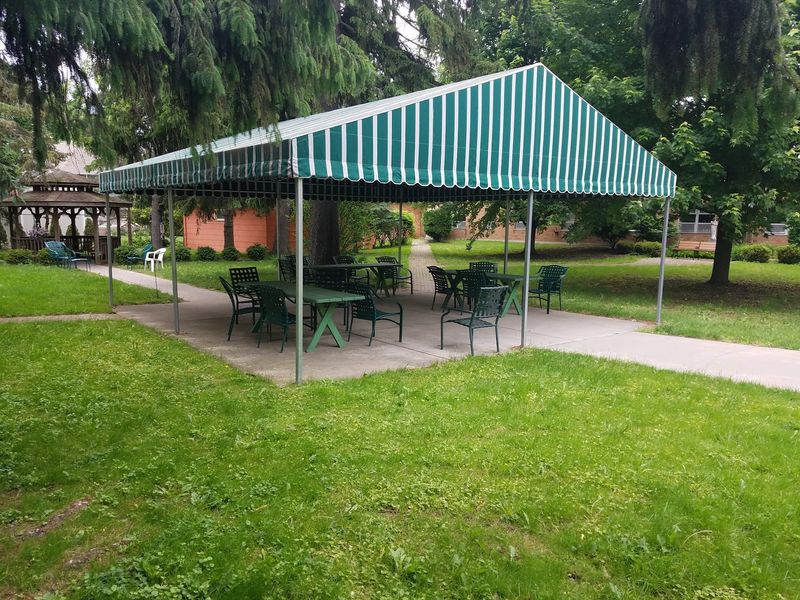
Lancaster is not a museum or a theme park. It is a real village where about ten thousand people, according to the 2010 census, make their homes.
That makes good visitor habits especially important. Parking in proper spots and keeping sidewalks clear helps everyone.
Residents use the main street for daily errands. A visit goes best when it blends into that everyday rhythm.
Photographers should be mindful of people and private property. Shooting building facades from the sidewalk is usually fine, but asking before photographing someone is a kind gesture.
Leaving no trash behind keeps the brick sidewalks looking their best. Small actions add up in a compact center.
Supporting local businesses is another way to show respect. Those storefronts stay open because people choose to shop there.
Courtesy is a classic Upstate value. Bringing it along fits right in with the village’s traditional character.
13. A Main Street That Stayed Put
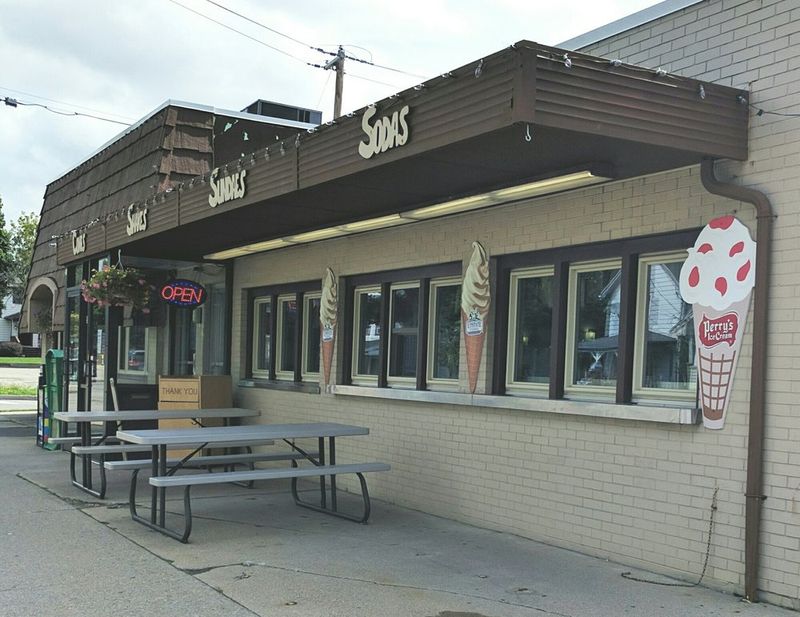
Some places earn attention with big attractions. Lancaster earns it by keeping something many towns let slip away.
A distinct village identity, older storefronts, and a walkable center make it a refreshing stop just east of Buffalo. It proves that tradition can hold steady inside a busy metro area.
The trip is short, the plan is simple, and the reward is a classic village setting. That combination is hard to beat for an easy afternoon.
Western New Yorkers who appreciate history and hometown character will likely find plenty to enjoy. Newcomers to the region can get a quick lesson in how villages shaped local life.
Bring comfortable shoes, check shop hours ahead, and leave room in the schedule to wander. The best moments here tend to come from slowing down.
Not every good thing in New York has been replaced by something faster or bigger. On this stretch of brick, the old main street is still doing its job, one storefront at a time.
Share this story