Pelicans are not the first thing most people expect to find in the East Valley. Yet these big water birds show up on ponds just off a busy suburban road, a short drive from Phoenix. Plenty of longtime locals have driven past for years without ever stopping.
The trails are flat, the gate costs nothing, and the bird list is long enough to surprise even seasoned watchers. There are also ducks you can feed, an observatory run by friendly volunteers, and a dinosaur-bone dig site for kids. Keep reading to learn where it is, when to go, what to bring, and which pond deserves your first stop.
1. A Wetland Hiding in Plain Sight
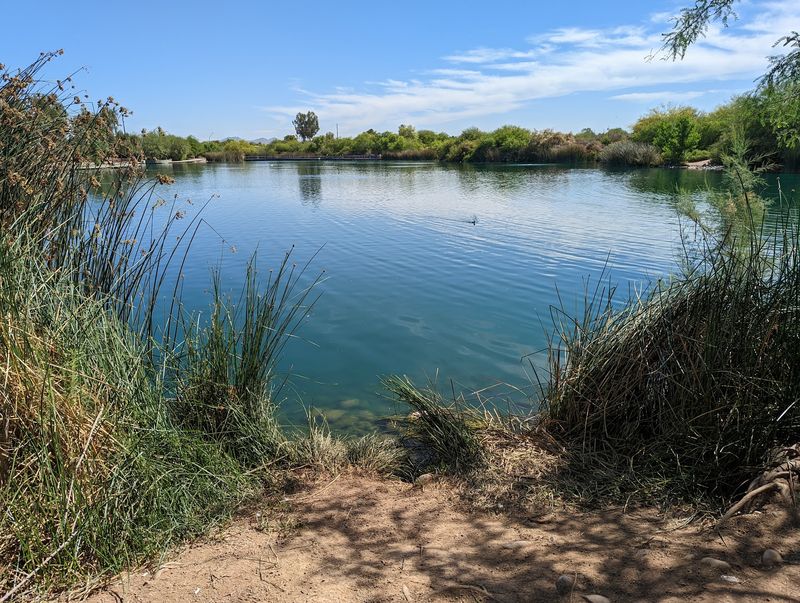
Few spots in the Valley pack this much wildlife into a neighborhood setting. The Riparian Preserve at Water Ranch sits at 2757 E Guadalupe Rd, Gilbert, AZ 85234, in the heart of the East Valley.
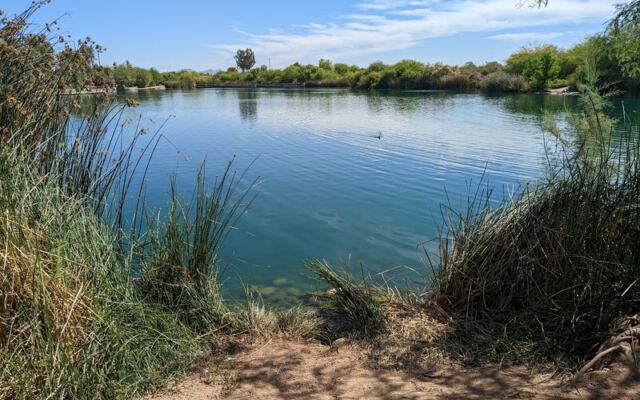
It is a nature preserve managed by the Town of Gilbert. The land holds seven ponds, a network of walking trails, an observatory, and a dinosaur-bone dig site.
That mix makes it feel bigger than a typical city park. You can spend an hour here or most of a day and still find a trail you have not walked yet.
The best part for budget-minded locals is simple. Entry is free.
Many Valley residents admit they lived nearby for years before their first visit. Once they find it, they tend to come back again and again.
The preserve fills a role that is rare in a desert metro area. It gives water birds a place to rest and gives people a quiet patch of nature without leaving town.
So who exactly are those pelicans paddling around out there, and why do they bother stopping in Gilbert at all? The next sections answer that and more.
2. Desert Ponds With a Purpose
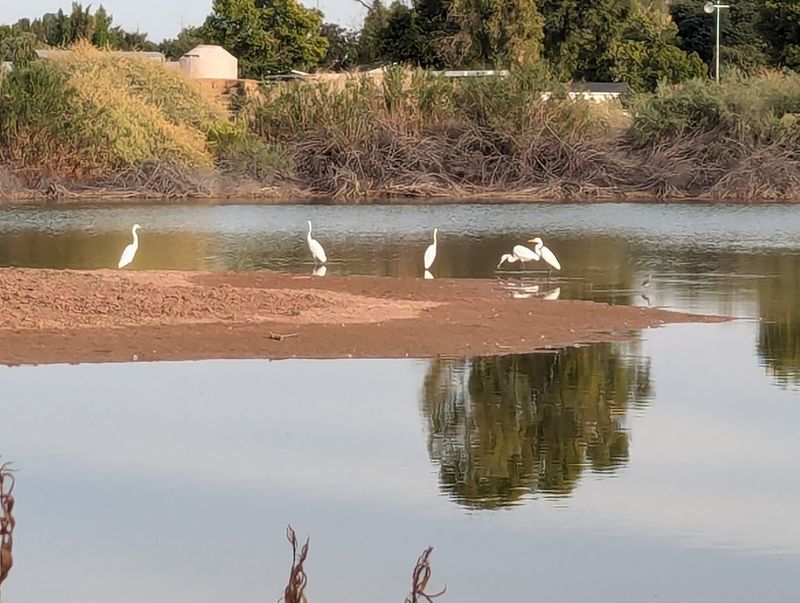
Riparian is a fancy word with a simple meaning. It describes land along water, like streams and ponds, where plants and animals cluster.
In the Sonoran Desert, those zones are scarce. The preserve recreates one on purpose, giving birds and other wildlife a reliable stop.
Informative signs along the trails explain how desert riparian areas form. They also cover the plants that grow along the water and the birds you might spot.
That turns a casual walk into a small lesson without any homework. Kids and adults can learn something new at nearly every bend.
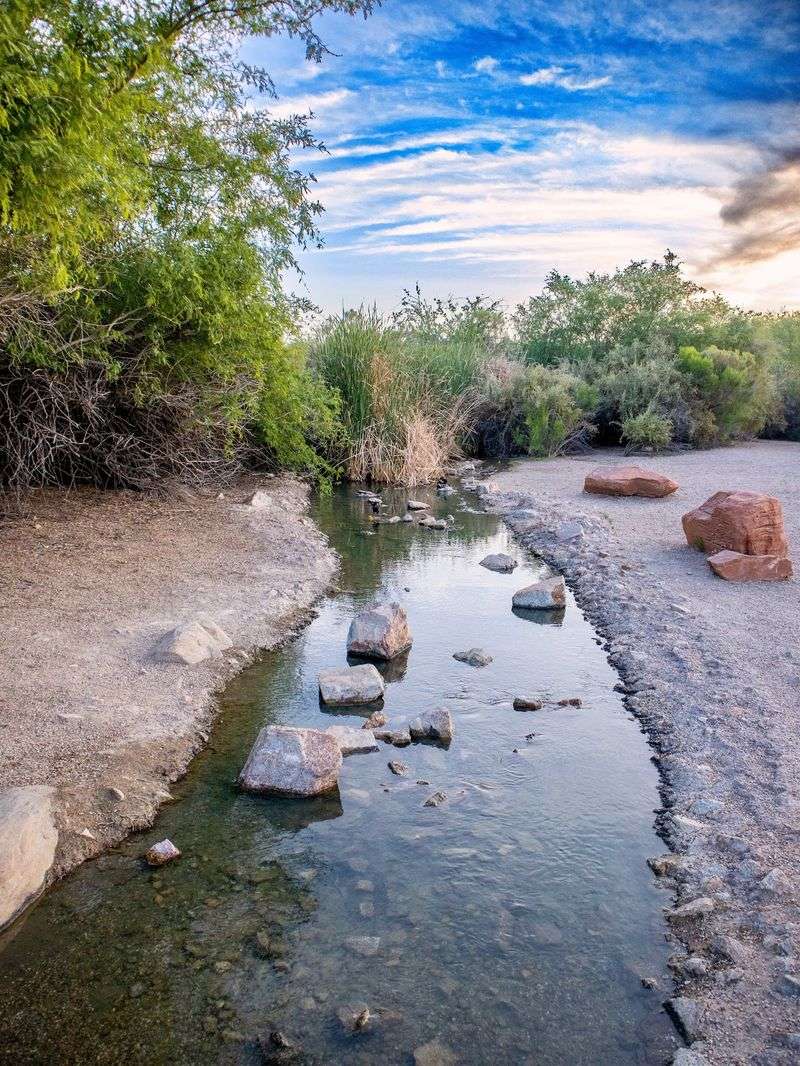
The water levels change with the seasons. In the summer, some ponds can be dry, while others stay full.
One pond even has water that trickles and moves like a small creek. Others hold still, deeper water that ducks and fish favor.
That variety is part of the design. Different water conditions attract different creatures, which explains why the bird list here runs so long.
It also means the preserve looks a little different each time you return. A pond that was dry in August may be busy with birds by winter.
3. Pelicans in the Suburbs
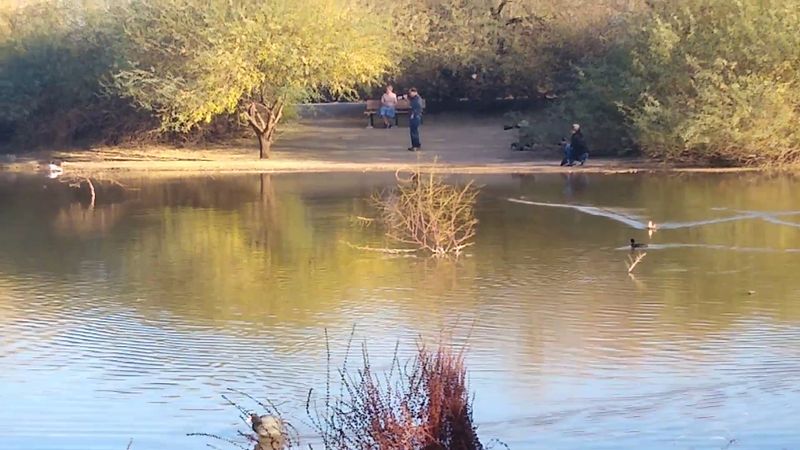
Yes, the headline is true. Pelicans really do show up on these ponds in the middle of the desert.
Many first-timers are caught off guard by them. Water birds are not what most people associate with Gilbert, so spotting a pelican tends to become the highlight of the walk.
Pelicans share the water with plenty of company. Egrets, geese, swans, and ospreys are also part of the regular cast.
Bird visits shift with the seasons. Different species stop at the preserve at different times of the year, so the lineup changes from month to month.
That keeps regulars coming back to see who is in town. A walk in one season can look very different from a walk a few months later.
There is no guarantee pelicans will be out on any given day. Wildlife keeps its own schedule.
Still, your odds improve when the ponds are full and you take your time. A slow lap around the larger ponds usually pays off.
Bring patience along with your binoculars. The pelicans may be late, but the egrets rarely seem to miss a shift.
4. Birdwatching Heaven on Flat Trails
Birders talk about this place the way some people talk about their favorite diner. Bird watching is one of the most discussed topics about the preserve, and for good reason.
The trails are flat and loop around the ponds. That makes it easy to move slowly, stop often, and scan the water without a steep climb.
Signs posted along the paths list the birds you may see. Benches are spread throughout, so you can sit and wait for activity.
A stand of saguaro cactus draws its own crowd of birds. It is a nice reminder that desert species and water birds share this space.
Bird call apps are popular here. Tools like the Merlin app can help identify the many species singing from the trees.
Binoculars are worth packing. A camera with a good zoom lens helps too, since the preserve is a favorite for wildlife photography.
Even beginners can rack up a solid list in one morning. You do not need expert skills, just a little curiosity and a willingness to stand still.
Just be warned that birding can become a habit. One lap may turn into a weekly routine.
5. The Duck Feeding Rules You Need to Know
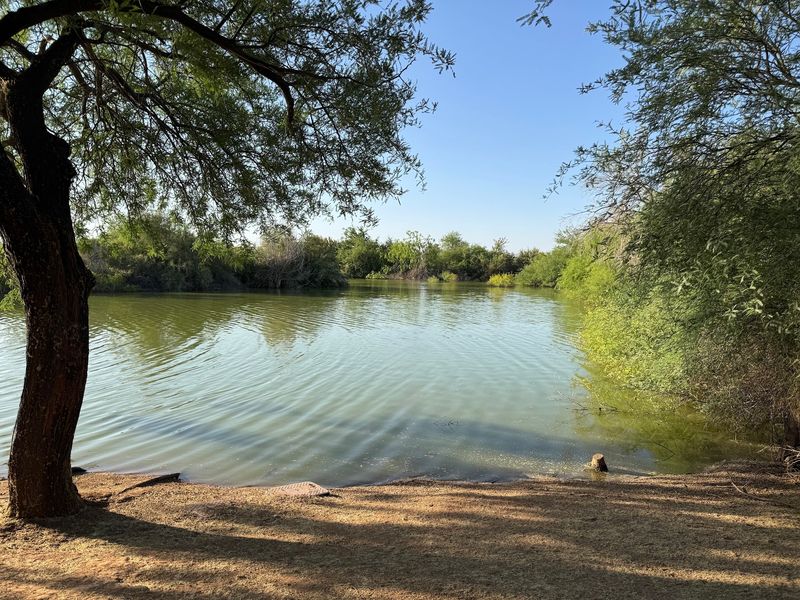
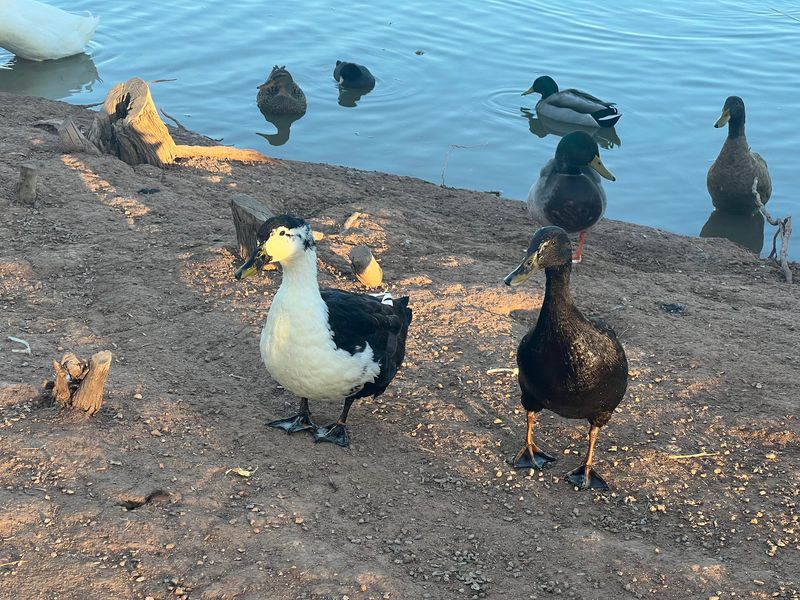
Here is the hands-on part kids love most. You can feed the ducks at the preserve, but there is a catch.
Bread is not allowed. It is not healthy for the waterfowl, so leave the loaf at home.
Feeding is permitted at one pond. Approved options include birdseed, corn, and whole grain cereal.
Regulars often bring a bag of wild bird food or whole grain cereal for the trip. A small bag goes a long way, and it costs far less than most family outings.
The ducks here are known for being friendly. They tend to gather quickly once they figure out a snack is on the way.
Feeding ducks comes up often when people talk about the preserve. It is a simple activity that turns a walk into something younger kids remember.
Please stick to the rules and the designated area. Healthy food keeps the birds healthy, and that keeps the whole place thriving.
A good habit is to toss small amounts and let every duck get a turn. The bigger, bossier ones tend to crowd in otherwise.
Consider it a lesson in sharing that the ducks clearly still need.
6. Pond #7 and the Fishing Crowd
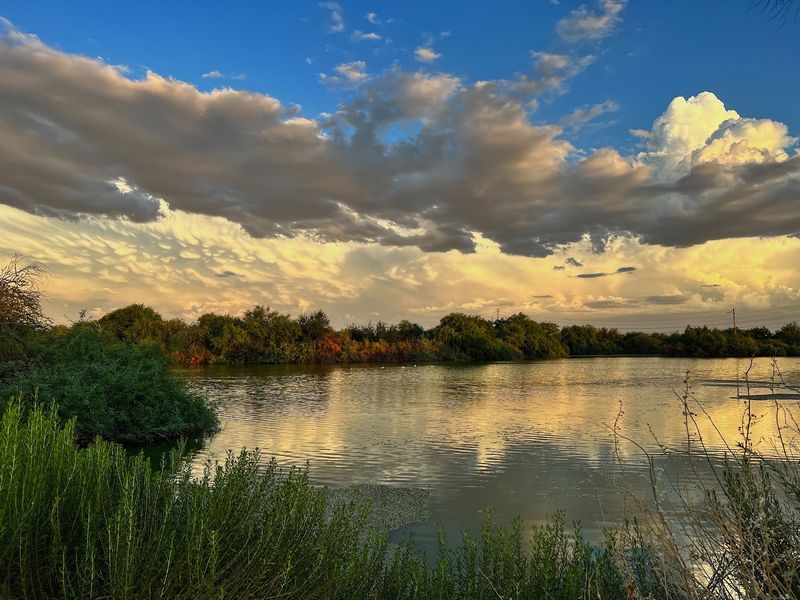
Ask around and one pond name keeps popping up. Pond #7 is among the most talked-about spots in the entire preserve.
It is the large lake used for fishing. Fishing is one of the top topics connected to the preserve, so expect to see anglers along the shore.
The lake offers a different pace than the birding trails. People settle in, cast a line, and stay a while.
Fish are visible from some of the trails too. A few paths cross over the water, giving kids a view of fish and ducks below.
Turtles also live in the ponds. Spotting one sunning on the bank is a fun bonus for young explorers.
Before you bring gear, check current fishing rules with the Town of Gilbert. Requirements can change, and it is best to know them ahead of time.
Even non-anglers enjoy wandering past Pond #7. It is one of the busier and more lively spots, with plenty of birds working the water too.
Some days the herons seem to catch more than the people. That is part of the charm.
7. Bunnies, Jackrabbits, and Other Locals
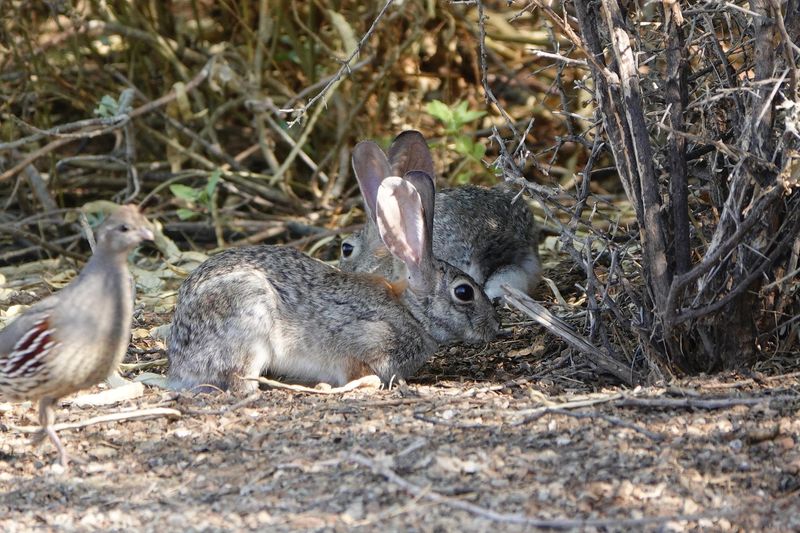
Birds get the headlines, but the preserve has plenty of furry residents too. Rabbits are a common sight along the trails.
Cottontails and jackrabbits both make appearances. Squirrels dart around as well, keeping things busy near the paths.
Rabbits come up surprisingly often when people describe the preserve. Kids especially enjoy counting how many they can spot on one loop.
Turtles and fish round out the water side of the wildlife list. Combined with the birds, the variety is impressive for a park inside town limits.
Wildlife viewing is the single most discussed topic about the preserve. That says a lot about how much animal activity there is to enjoy.
Keep a respectful distance from the animals. They are wild, even if some seem used to people.
Early mornings and evenings tend to be good times to see activity. Many animals are more active when the heat is lower.
Move slowly and keep voices low for the best results. The quieter you are, the more you will likely see.
A jackrabbit sighting may not top a pelican, but it comes close for younger fans.
8. Stars Over the Observatory
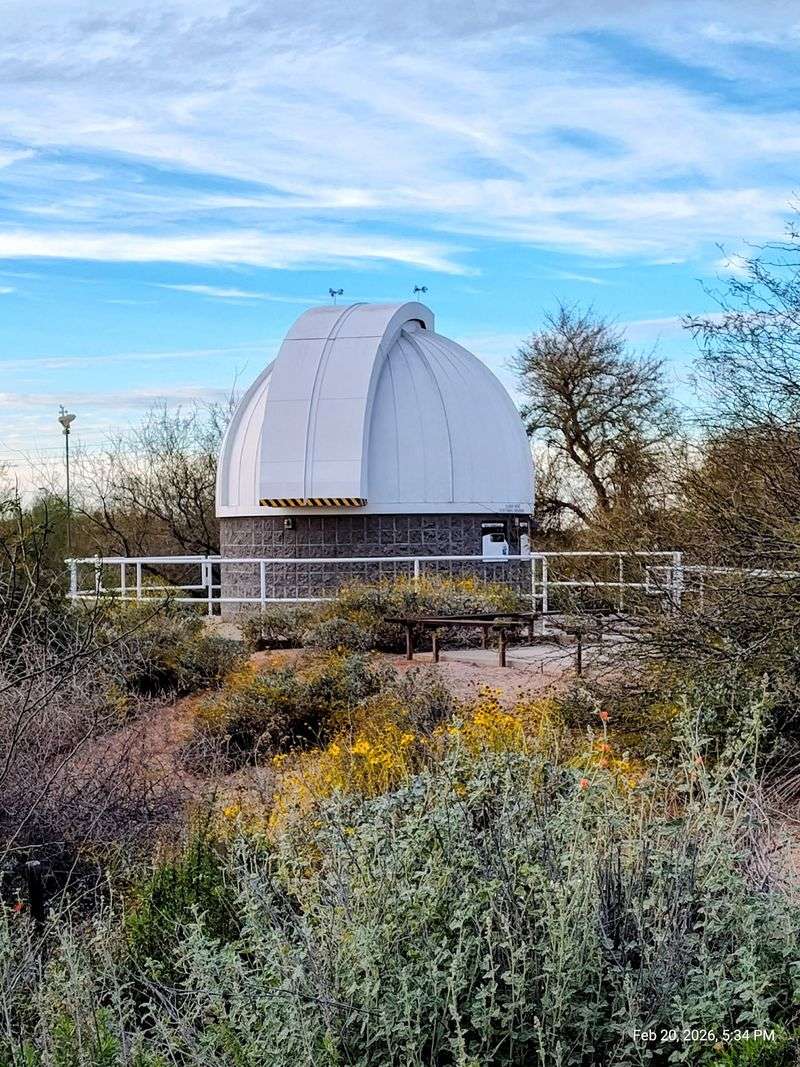
When the birds settle down for the night, the sky takes over. The preserve includes an observatory, a feature that surprises many first-time guests.
It is a fairly small setup, and much of the experience happens outdoors. Set your expectations for a short, casual stop rather than a full planetarium.
The volunteers are a big part of the appeal. They are friendly and knowledgeable, and they help make each visit more interesting.
The observatory area also works well for watching the sunset. Some people come just for that view before heading home.
Check the Town of Gilbert website for observatory schedules. Hours for the observatory can differ from the general park hours.
The preserve itself stays open until 10 PM. That late closing time makes evening visits easy for anyone working during the day.
A night trip offers a nice change of pace from morning birding. You get two very different experiences from the same free park.
Bring a light jacket in cooler months. Desert evenings can shift quickly once the sun is down.
Not many parks give you pelicans by day and planets by night.
9. A Dig Site for Future Paleontologists
Got a kid who will not stop talking about dinosaurs? The preserve has an answer.
Among its features is a dinosaur-bone dig site. It gives young visitors a chance to get their hands dirty and play explorer.
It fits right into the hands-on spirit of the place. Between duck feeding, trail walking, and digging, kids rarely run out of things to do.
The dig site pairs well with a morning walk. Families can loop a few ponds, then let the kids burn off energy in the sand.
Pack a small brush or shovel if your kids have one. It can make the experience feel more official.
Like the rest of the preserve, there is no entry fee to enjoy it. That makes it an easy add-on rather than a pricey extra.
Summer sun can make the dig area hot by midday. Plan to visit early or near sunset in the warmer months.
It is a small feature, but it rounds out the preserve nicely. Nature, science, and play all share the same address here.
Just be ready to hear about fossils on the whole drive home.
10. Quiet Corners and Encouraging Signs
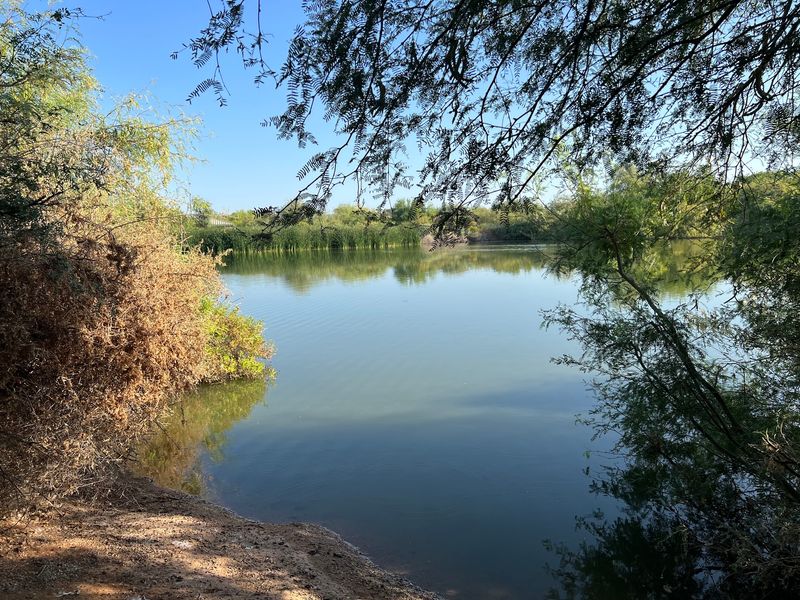
Calm can be hard to find in a busy metro area. The preserve manages to offer it right in the middle of the Valley.
Even when the parking lots look full, the park often feels spacious. Many small paths, trees, and bushes spread people out and create pockets of solitude.
Native plants line the trails. Wolfberry, mesquite, and palo verde trees provide shade and give the preserve its desert character.
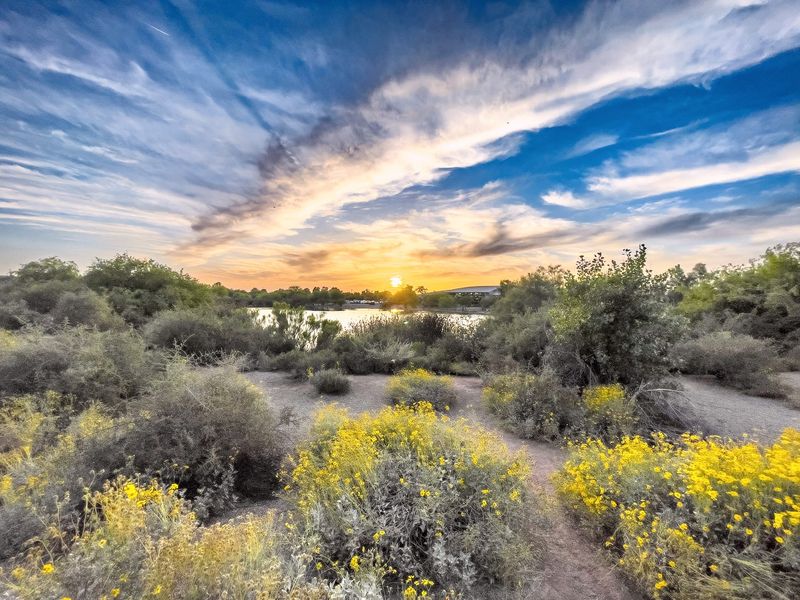
The landscape mixes desert and lush greenery in a way that surprises newcomers. Some describe it as part desert and part jungle.
Look for the mental health signs posted throughout the grounds. They share uplifting and motivating messages along the trails.
Many people appreciate them as a gentle nudge to slow down. The preserve has become a go-to spot for decompressing after a long week.
Benches and shaded rest areas make it easy to pause. You can sit, breathe, and simply watch the water.
Solo walkers, couples, and families all find room here. It is a place where you can enjoy your own company or share it with others.
Sometimes the best plan is no plan at all.
11. Photos, Picnics, and Pups
On a typical evening, the preserve doubles as a community backyard. Photographers, families, and dog walkers all share the trails.
It is a popular backdrop for family photos, graduation pictures, and maternity shoots. Weddings have even taken place on the grounds.
Couples often settle onto benches to watch the sunset. Kids walk the paths with parents, stopping to point out birds.
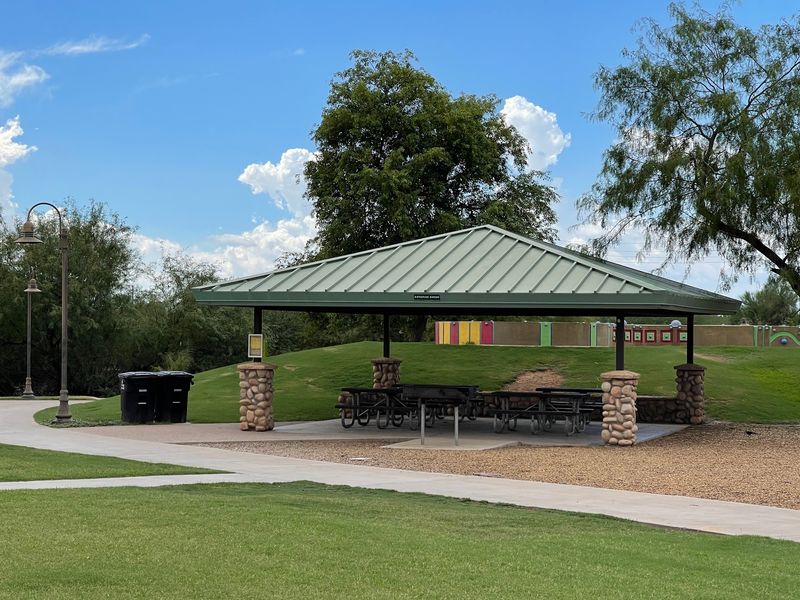
Picnics under the mesquite trees are a local favorite. Pack lunch after a morning walk and find a shady spot.
Dog owners appreciate the setup as well. Trails are marked, and waste bag dispensers are placed around the grounds in case you forget yours.
Some trails cross the water with railings. That helps parents keep little ones safe while they watch ducks and fish below.
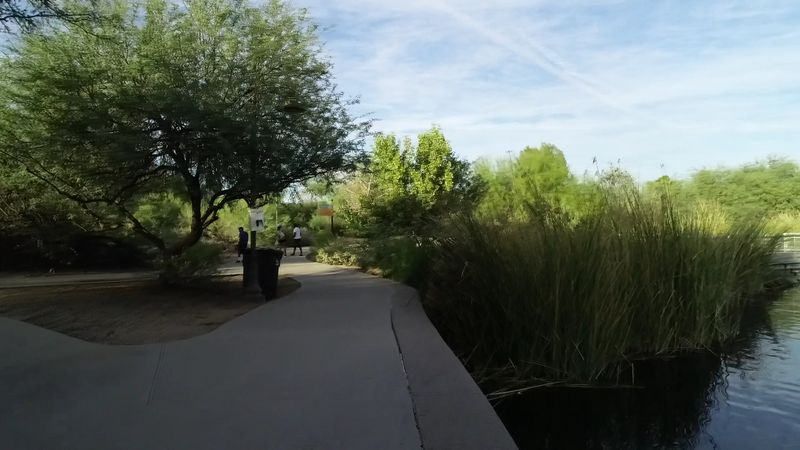
The flat paths suit walkers and joggers alike. Strollers can usually handle them too.
Keep dogs leashed and clean up after them. Doing so helps protect the wildlife and keeps the trails pleasant for everyone.
Bring a camera even if you are not a photographer. Odds are good you will want a picture of something.
12. Hours, Parking, and What to Pack
Good news first. The preserve is open every day from 5:30 AM to 10 PM, and entry is free.
Those long hours give you options. Dawn and evening are the smartest choices in warmer months, when the midday sun can be intense.
There are two parking areas. Lots can fill up, especially on nice evenings and weekends, so arriving early helps.
Restrooms and water fountains are available. Note that facilities on the far side of the preserve are limited, so plan accordingly.
Trails are well marked, and maps are posted throughout. Getting lost is unlikely, even on a first visit.
Pack water, sunscreen, sunglasses, and a hat. Binoculars and a bird app can make the visit more fun.
Bring approved duck food if you plan to feed the waterfowl. Birdseed, corn, or whole grain cereal all work.
Summer can leave some ponds dry. Fall through spring tends to be a better bet for full water and active birds.
For questions, the Town of Gilbert parks website lists current details. A quick check before you go is always wise.
13. Why Gilbert Deserves a Weekend Morning
Some places ask for a full tank of gas and a long drive. This one just asks for an early alarm.
The Riparian Preserve at Water Ranch delivers far more than most city parks. Pelicans, ducks, rabbits, an observatory, and a dig site all share one free address.
The overall response from people who visit is glowing. The preserve holds a 4.8-star average from thousands of guests, which says plenty about its appeal.
Even longtime Valley residents admit they waited too long to find it. Many leave already planning their next trip.
It works for nearly anyone. Birders, families, joggers, dog owners, and stargazers can all find something worth the trip.
Time your visit for cooler hours, bring the right duck snacks, and take the slow route around the ponds. The rewards tend to follow patience.
Best of all, you get bragging rights. Telling friends you watched pelicans in Gilbert usually earns a double take.
So add it to the weekend list before everyone else catches on. The ducks will be waiting, and the pelicans might be too.
Share this story