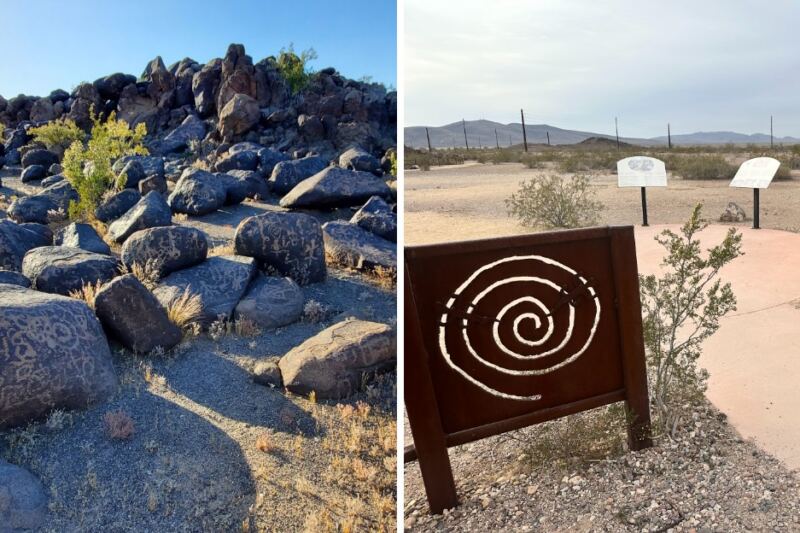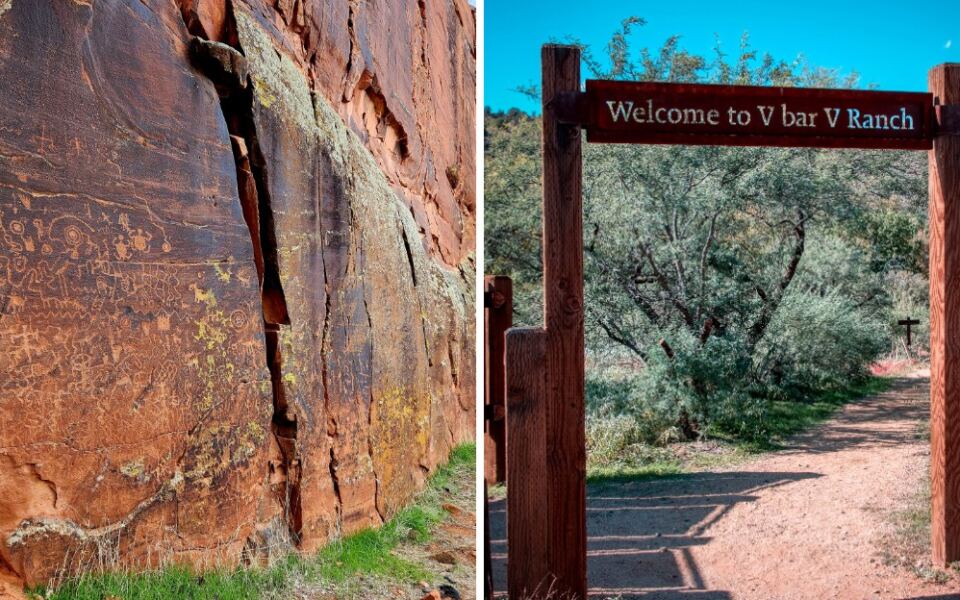
Long before anyone printed a wall calendar, people in the Verde Valley were carving one into stone. Those marks are still there, chipped into a red rock wall roughly 900 years ago, and the sun still lines up with them as the seasons turn. The site sits just off I-17, an easy morning drive north from Phoenix, yet plenty of Valley locals have never heard of it.
Admission can cost as little as $5 per vehicle, and volunteer guides walk you through what the symbols may mean. Stick around to learn where it is, how the solar calendar works, and the one scheduling catch that trips up first-timers.
1. A Rock Art Wall Hiding Near Rimrock
The address reads 6750 Forest Service Rd 618, Rimrock, AZ 86335, and it belongs to the Crane Petroglyph Heritage Site in the Verde Valley of Arizona.
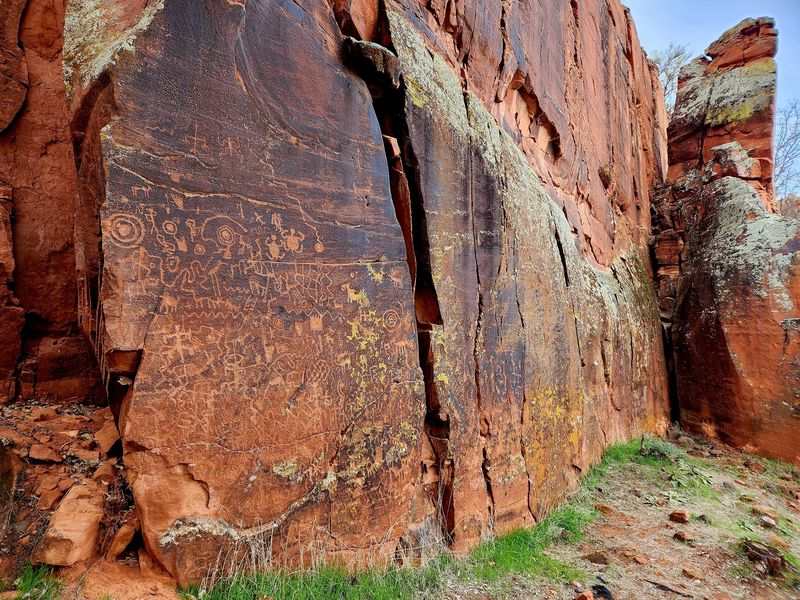
Managed within the Coconino National Forest, the site protects conserved rock art dating back to about 1150. It also has a small visitor center and bookstore where every trip begins.
Getting there involves a short stretch of dirt road after the turnoff. Watch the signs closely instead of trusting GPS alone, because it is easy to roll right past the entrance once you are on the property.
A large unpaved lot offers plenty of parking. From there, a short walk leads down to the rustic office, where you sign in before heading to the wall.
For Phoenix drivers, it makes a natural break on the way to Flagstaff. For Sedona day-trippers, it is a calmer alternative to the busy trailheads in town.
Plenty of people pass this exit for years without stopping. That is exactly why finding it feels like a small local victory.
2. From V Bar V to Crane
Longtime Arizonans may know this spot by an older name. Until a couple of years ago, it was called the V Bar V Heritage Site, and some maps and old trip notes still use that label.
The rename to Crane Petroglyph Heritage Site did not change what matters most. The carvings stayed put, and so did the guides who explain them.
The people credited with making the petroglyphs are the Southern Sinagua, who lived in the Verde Valley centuries ago. Their work here forms the largest petroglyph collection in the valley.
Guides are quick to point out that the carvers were far from primitive. They understood migration, planting seasons, and record keeping, and the wall reflects that knowledge.
The story does not stop in the past either. Hopi people still come to the site for ceremony a few times a year, and guides also share connections to Yavapai culture.
So if an old map sends you looking for V Bar V, you are in the right place. New name, same ancient homework.
3. The Half-Mile Path to the Panels
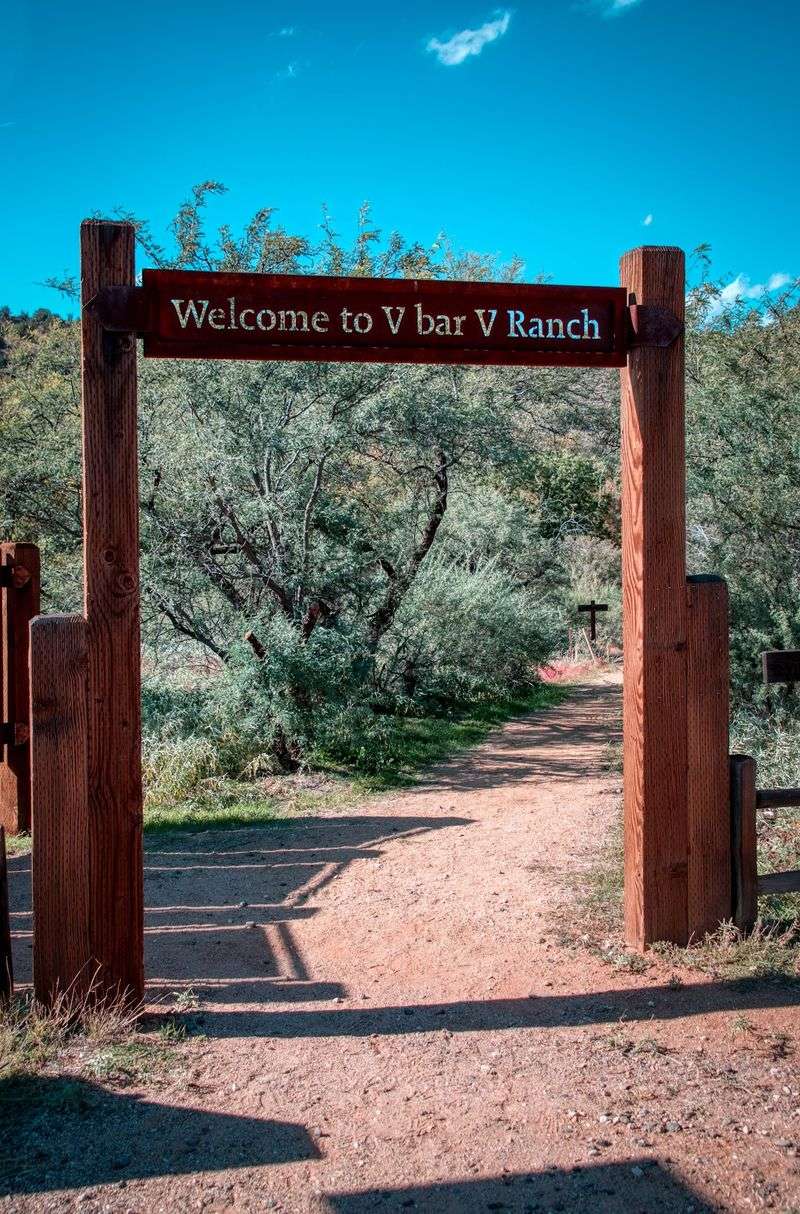
Good news for anyone who prefers a stroll over a sweaty scramble. The walk to the petroglyphs is short, flat, and well maintained.
Expect roughly half a mile from the parking lot, with the trail segment from the visitor center running about 0.3 to 0.4 miles. A few benches line the way for anyone who wants a breather.
The path is wide and made of dirt. It is considered wheelchair accessible, sometimes with a little help on the surface.
One detail worth planning around is shade. Most of the trail is open to the sky, while the petroglyph wall itself sits in complete shade.
A vault-style restroom sits near the site, and another is at the visitor center. Keep an eye out for small lizards darting across the ground, since they are regular residents.
Pets are not allowed, so leave the dog at home for this one. The trail is easy enough for most families, which leaves more energy for the real show at the end.
4. Hundreds of Symbols on One Stone Wall
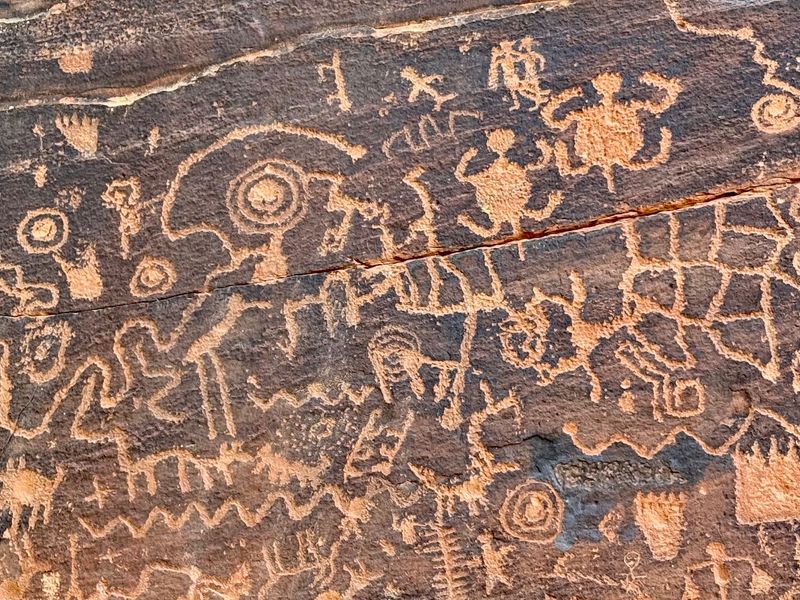
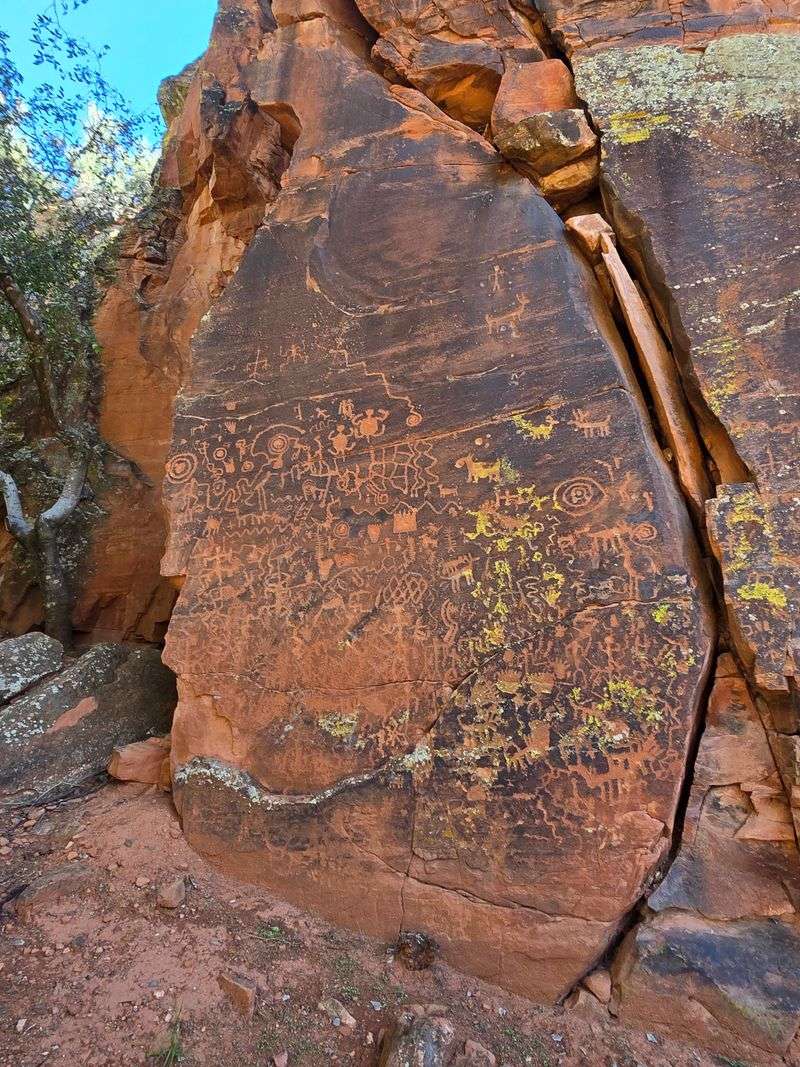
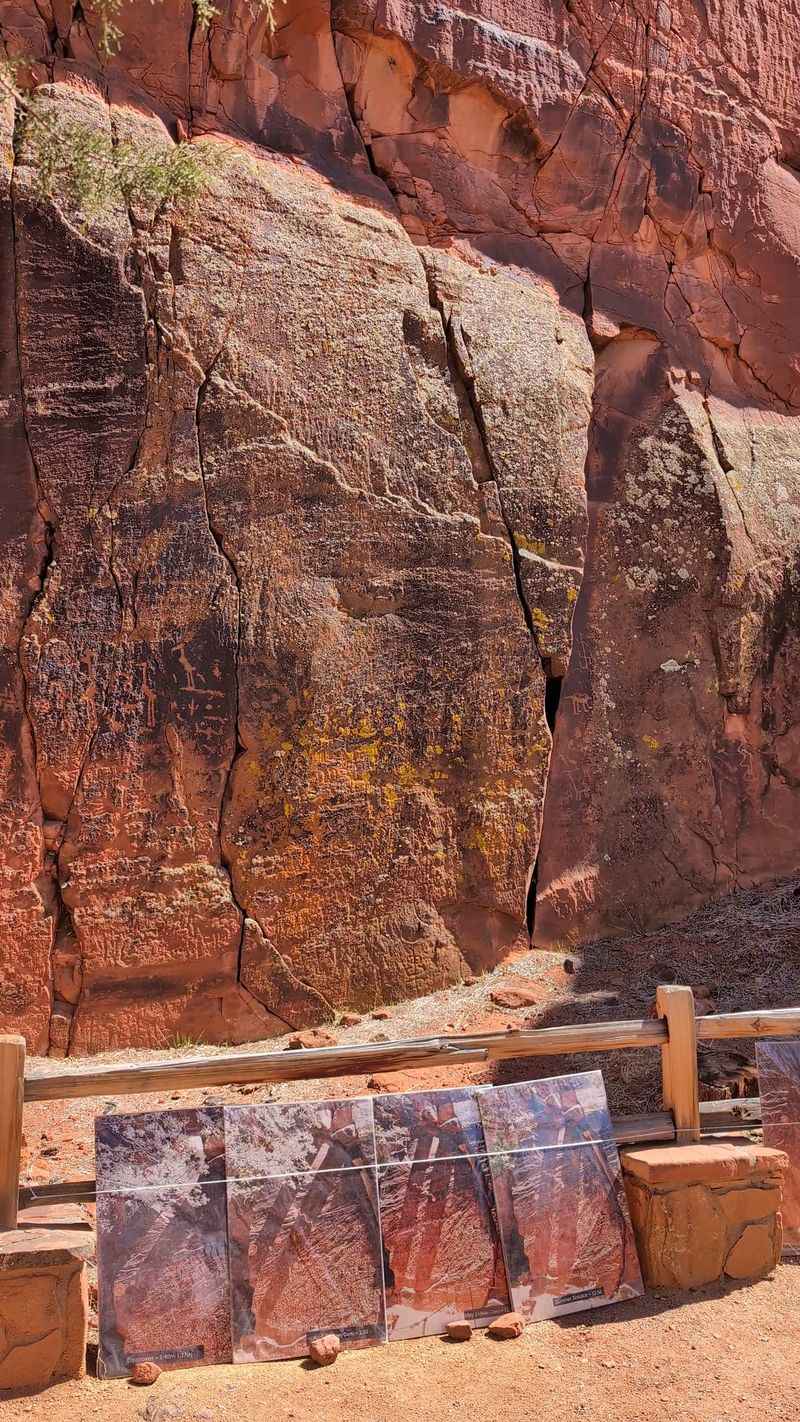
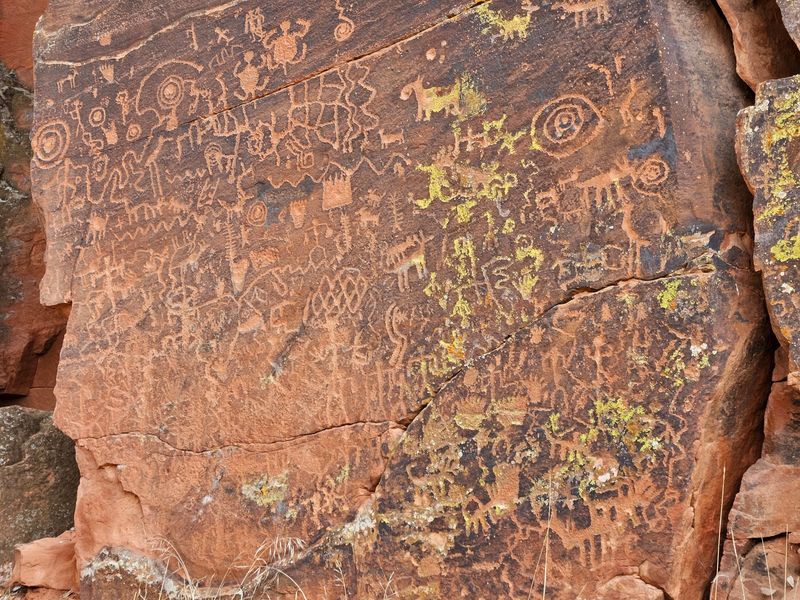
Some petroglyph sites make you squint at a faint scratch on a distant boulder. Here, the carvings come in large numbers, close to the viewing area, and with impressive clarity.
The panels hold figures, shapes, and patterns chipped into the rock by the Southern Sinagua. Many guests set aside about an hour to take it all in.
Guides explain the meanings and theories behind much of the symbolism. They are careful to share possible interpretations rather than pretend every mark has a single answer.
That honesty is part of the appeal. Most people leave with more questions than they arrived with, and that seems to be the point.
The wall also offers a glimpse into how people communicated with one another long before written English reached this valley.
Bring curiosity and maybe a notebook. The rock has been holding these messages for about 900 years, so it can wait while you think.
5. A Calendar Set in Stone
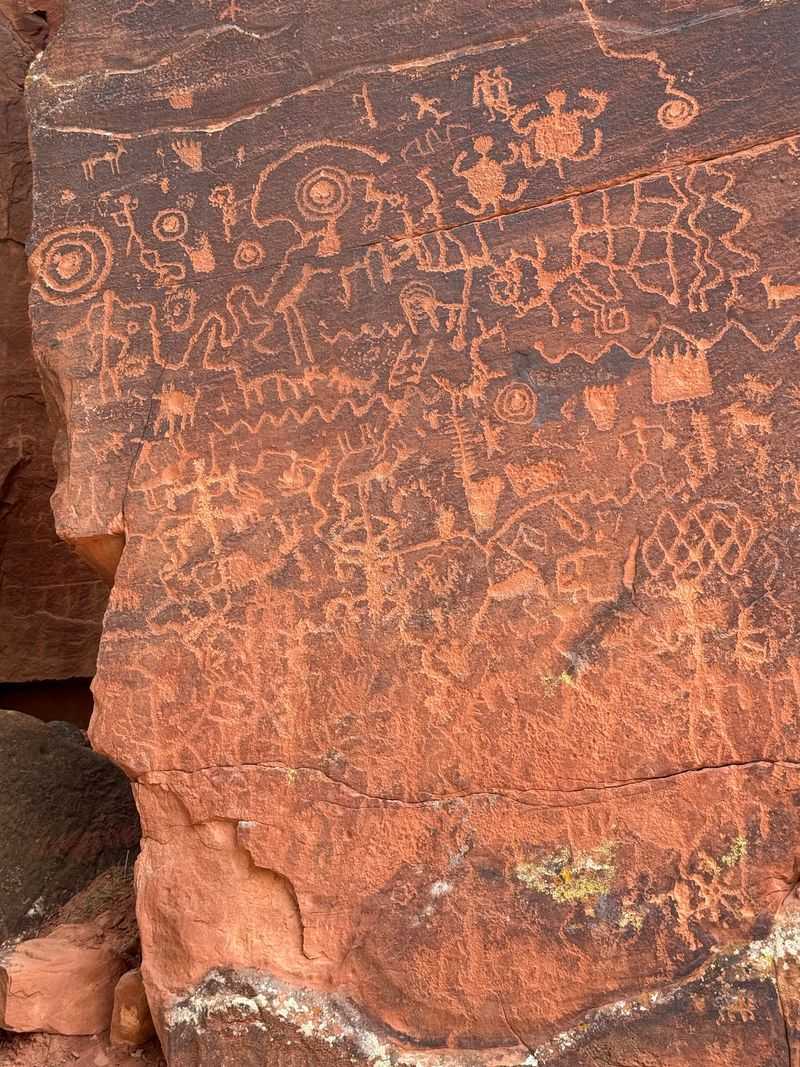
Here is the headline act. Among the carvings is a solar calendar, a feature that uses sunlight and shadow to mark key points in the year.
Guides demonstrate how this sun dial works, showing how the light interacts with specific symbols as the seasons change. It is a hands-on lesson in what experts call archaeoastronomy.
The idea makes practical sense. People who farmed in the Verde Valley needed to know when to plant, and the wall helped them keep track.
Some curious travelers time their trip near an equinox to see the effect for themselves. A visit close to the September equinox has confirmed that the calendar still works.
Even outside those dates, the explanation alone is worth the drive. Seeing math and astronomy carved into a cliff changes how you think about the people who lived here.
Your phone calendar needs updates and a charger. This one has run on sunshine for nine centuries.
6. Docents Who Make the Rock Talk
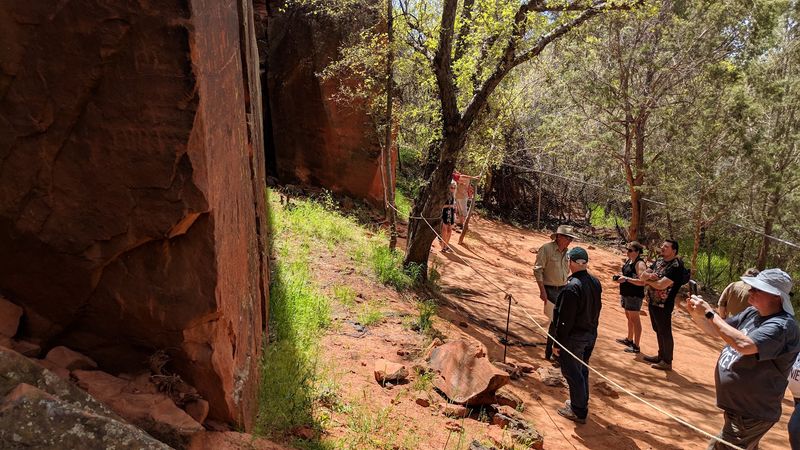
Signage at many rock art sites leaves you guessing. At Crane, a person meets you at the wall and fills in the blanks.
Rangers, park hosts, and volunteer docents share the history of the site, the people who made the carvings, and the theories behind the images. They are known for being friendly, passionate, and deeply informed.
Talks often run an hour or more, yet they rarely drag. Arrive early and you might get a one-on-one session that turns into an interactive conversation.
Larger groups get the same attention, with guides adjusting their presentations to fit the crowd. On some days, a volunteer has even played a Native American style flute at the site.
The staff shares this knowledge with respect for the tribes who trace their origins to these panels. Many docents also happily recommend other places to explore in the area.
Kids are covered too, with one-page junior ranger activities available at the visitor center. Everyone walks out knowing more than they did walking in.
7. Hours, Fees, and the Heat Rule
The biggest catch is the schedule. The site opens Friday through Monday, from 9:30 a.m. to 3 p.m., and stays closed Tuesday, Wednesday, and Thursday.
Summer adds another wrinkle. The site does not open when temperatures hit 100 degrees, so hot-season hours can be limited to mornings, and checking ahead is smart.
Entry is a bargain at $5 per vehicle. A Red Rocks Pass also works, and an America the Beautiful or National Parks pass gets you in with no extra fee.
A pass station sits at the parking area if you need to buy one. After that, check in at the visitor center before heading down the trail.
Fall, winter, and spring make the most comfortable seasons for Valley residents. Mid-May can still be pleasant, while an early July morning may already feel warm by 9 a.m.
For details, visit the Coconino National Forest page for the site. A quick look before leaving Phoenix can save a wasted drive.
8. A Worthy Detour Off I-17
Sedona gets the crowds, the traffic, and the social media buzz. Just down the road, this small site quietly holds the largest petroglyph collection in the Verde Valley.
It does not even show up much on social media, which may be its best feature. You get room to listen, ask questions, and look closely without fighting for space.
The appeal works for many kinds of travelers. Families get an easy walk and junior ranger pages, history fans get expert storytelling, and road trippers get a meaningful leg stretch.
The price fits a cheap weekend outing. For $5 a carload, you get a guided lesson in Sinagua history and a working solar calendar.
Plan around the Friday through Monday schedule and the summer heat rule. Then arrive early, sign in, and let the guides take it from there.
Plenty of Arizonans drive past this exit without a second thought. Now you know better, and the sun has been keeping the date for you.
Share this story