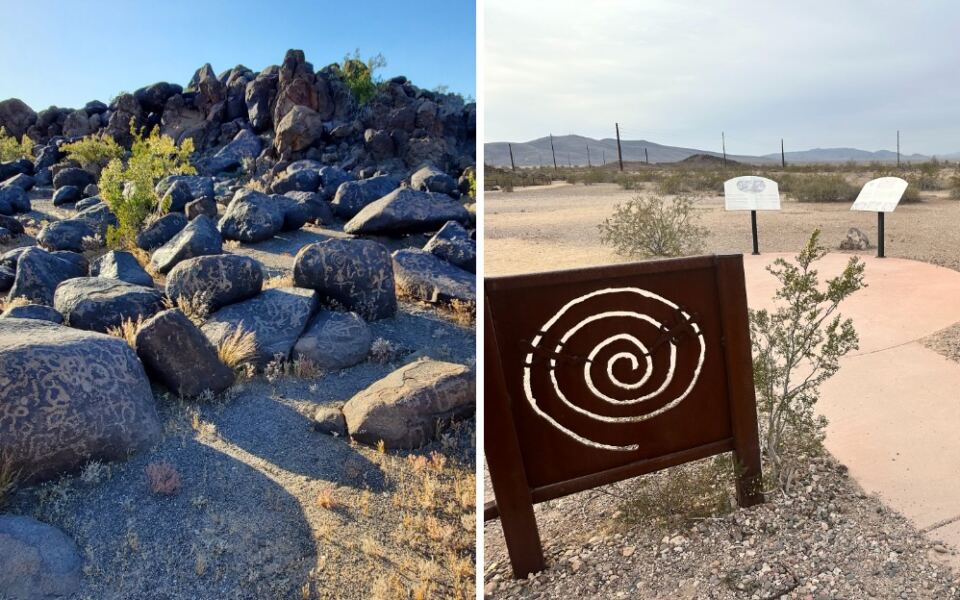
Somewhere west of Gila Bend, a dark hill of volcanic boulders holds hundreds of carvings made long before anyone in Arizona owned a car. There are spirals, maze patterns, and small animal figures scratched into the stone, plus a few names and dates added in the 1920s. The walk to see them is short, flat, and easy enough for kids and grandparents.
Best of all, the petroglyph area appears to be free, and the drive off the interstate is paved. Phoenix and Tucson folks blast past the exit on I-8 all the time without knowing what sits a few miles north. Keep reading to find out where this rock art hides, what to look for on the boulders, and how to turn a quick detour into an overnight desert stay.
1. A Rock Pile North of Interstate 8
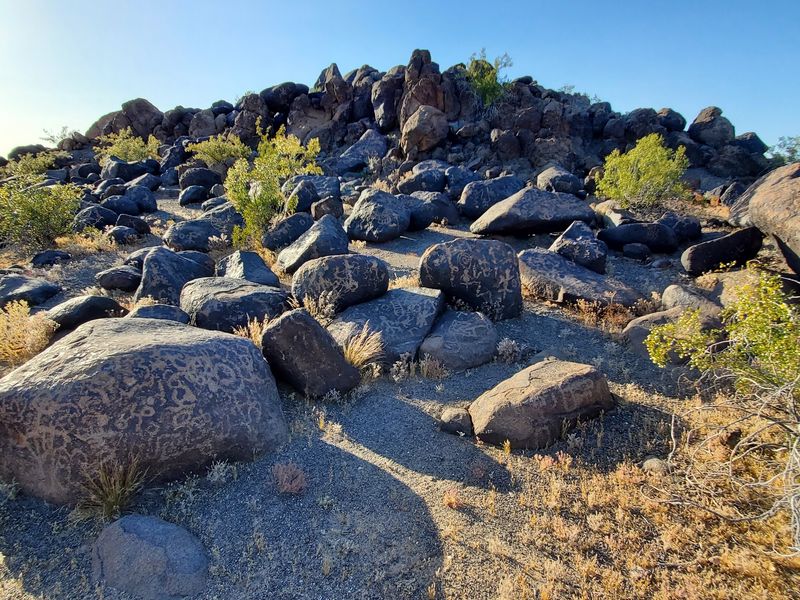
The site goes by the name Painted Rock Petroglyph Site and Campground, and it sits at 2XF2+2R, Rocky Point Rd, Dateland, AZ 85333. That puts it in the open desert of southwestern Arizona, managed by the Bureau of Land Management.
Despite the name, the art here is carved rather than painted. People pecked and scratched the designs into dark volcanic rock over long stretches of time.
The location is part of the appeal. The site rises out of flat desert about 10 to 11 miles north of I-8, so it feels remote without being hard to reach.
Gila Bend is the closest town with food, lodging, and gas, roughly 15 to 20 minutes away. For Phoenix residents, that makes it a realistic day trip, and Tucson drivers heading toward San Diego can treat it as a stretch-your-legs stop.
Two features share the property. The day-use petroglyph area holds the main attraction, while the adjoining campground offers dry camping for people who want to linger.
Most travelers on the interstate never take the exit. That is exactly why it rewards the ones who do.
2. Eleven Easy Miles of Road
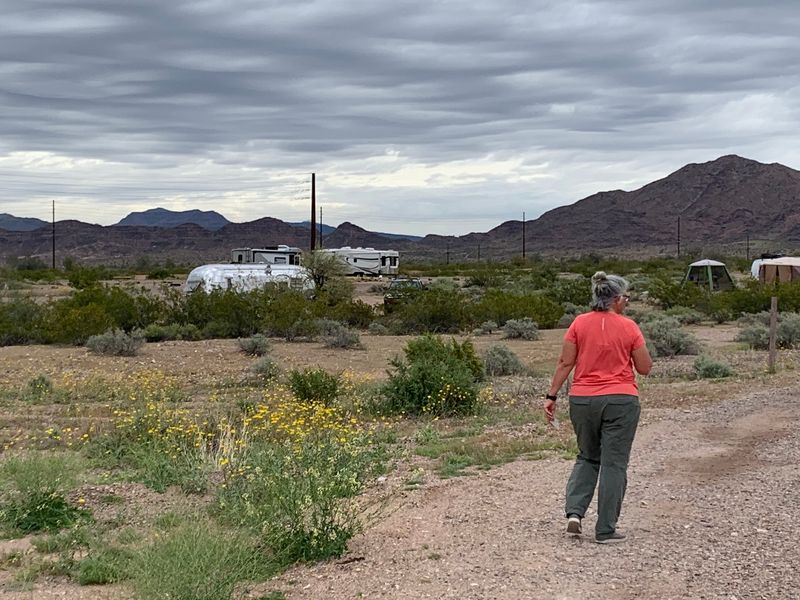
Getting there takes less effort than finding parking at a Scottsdale brunch spot. From I-8, the route runs about 10 to 11 miles north on paved and graded road.
Signage along the way is clear, and GPS tools lead straight to the entrance. The pavement has stayed in good condition for years.
Plan on 11 miles in and 11 miles back out. That round trip is the whole commitment for a quick visit.
Parking is easy and sits right on site. The lot is paved, and there is plenty of room, including space for large rigs.
One RV owner pulled in with a 43-foot coach towing a 28-foot enclosed trailer and had no trouble getting in and out. That says a lot about how roomy the layout is.
The drive out is part of the experience too. Flat desert stretches in every direction, and the rock hill grows larger as the road gets closer.
Fuel up in Gila Bend before heading out. There are no services at the site itself.
3. Centuries of Travelers at One Landmark
Long before RVs, this pile of rocks worked as a meeting place. Ancient Indigenous groups, armies, and explorers all passed through over the centuries.
The area sat along long-standing travel routes near the Gila River. Even the Juan Bautista de Anza expedition passed nearby in the late 1700s.
That history changes how the site reads. It stops feeling like a roadside stop and starts feeling like a place people kept returning to for generations.
Many history fans describe it as a focal point among historically significant spots along the Gila River. Some hope the wider area gains National Monument status someday.
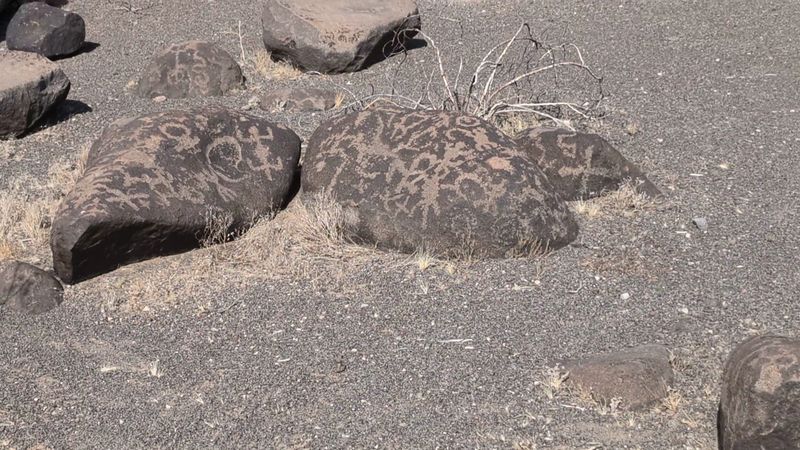
The carvings span various times and groups. Older Indigenous designs share space with much more recent marks left by later travelers.
For Arizona residents who like their history hands-on, the setting delivers. The story is literally written on the stones, waiting to be read.
4. Spirals and Mazes in Dark Stone
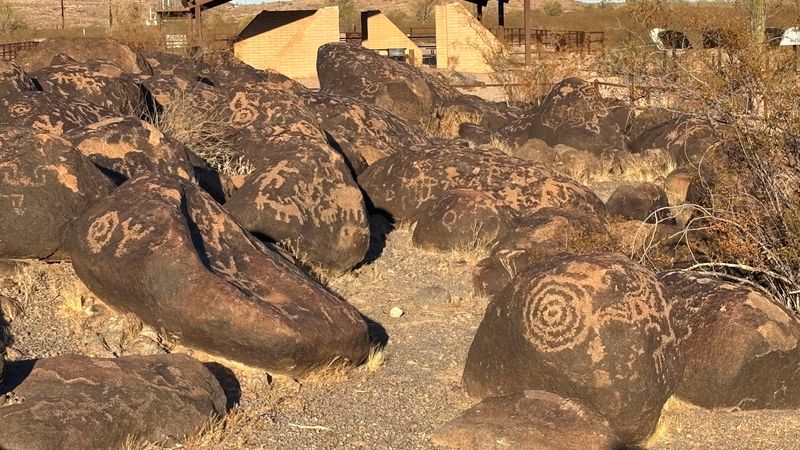
Would anyone guess that ancient desert people carved mazes? Here, they did, and the patterns are among the most memorable designs on the boulders.
Spirals show up across the rock faces as well. Several symbols are easy to recognize, even for first-timers.
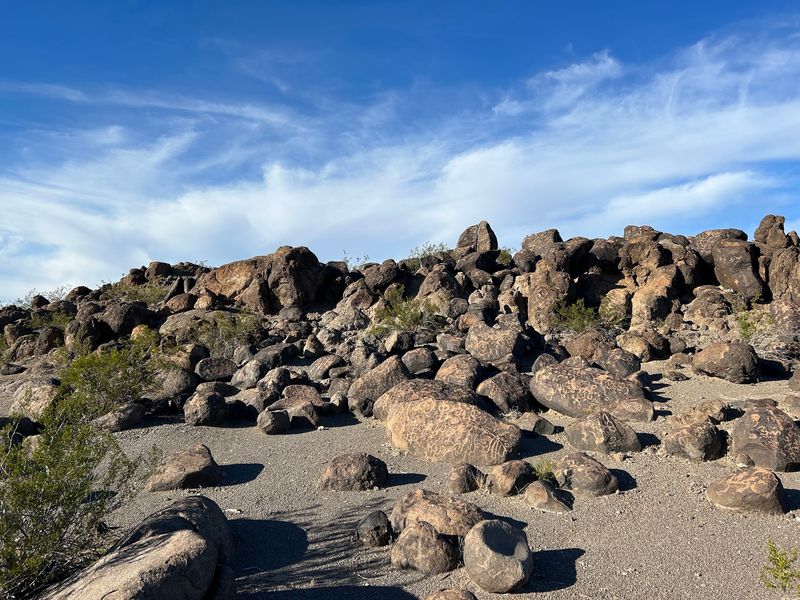
Hundreds of petroglyphs cover the dark volcanic stone. Many people call it one of the most concentrated collections they have seen anywhere.
The density is the real story. Instead of hunting for one carving, the challenge becomes deciding where to look next.
Most of the petroglyphs sit on the south and east sides of the hill. Starting there gives the best return for a short visit.
Meanings behind the designs are not always clear. The mound has been described as possibly a library, a classroom, or a canvas for early artists, and that open question keeps people studying the rocks longer than planned.
5. Tiny Animals on the Boulders
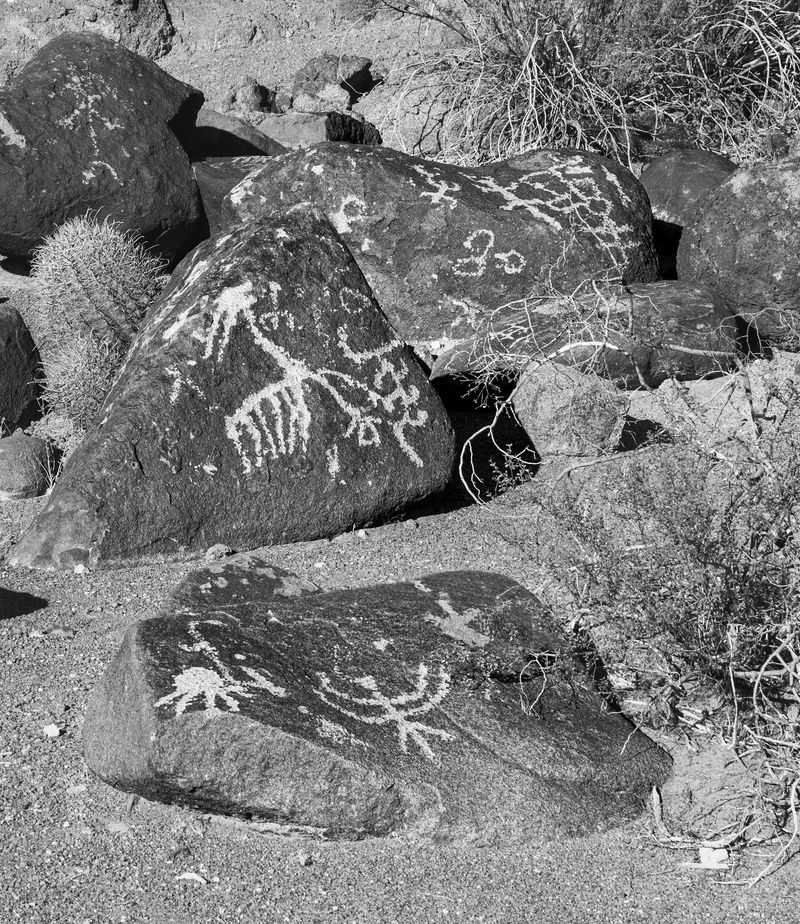
Small creatures march across the stone here, carved by hands that knew the local wildlife well. Animal figures are part of what makes the boulders so fun to scan.
Spotting them turns the visit into a bit of a scavenger hunt. Kids tend to treat it like a game, calling out each new figure they find.
The figures also raise good questions. Which animals lived in the area, and why did people choose to record them on these rocks?
Interpretive signs offer just enough context to help. They explain what is on display without turning the walk into a lecture.
Families have used the site as a homeschool outing for exactly this reason. History, geology, and culture all come together in one compact place.
A pair of binoculars can help with carvings higher up on the boulders. Patience helps even more, since some figures only stand out after a second look.
6. Names and Dates From the 1920s
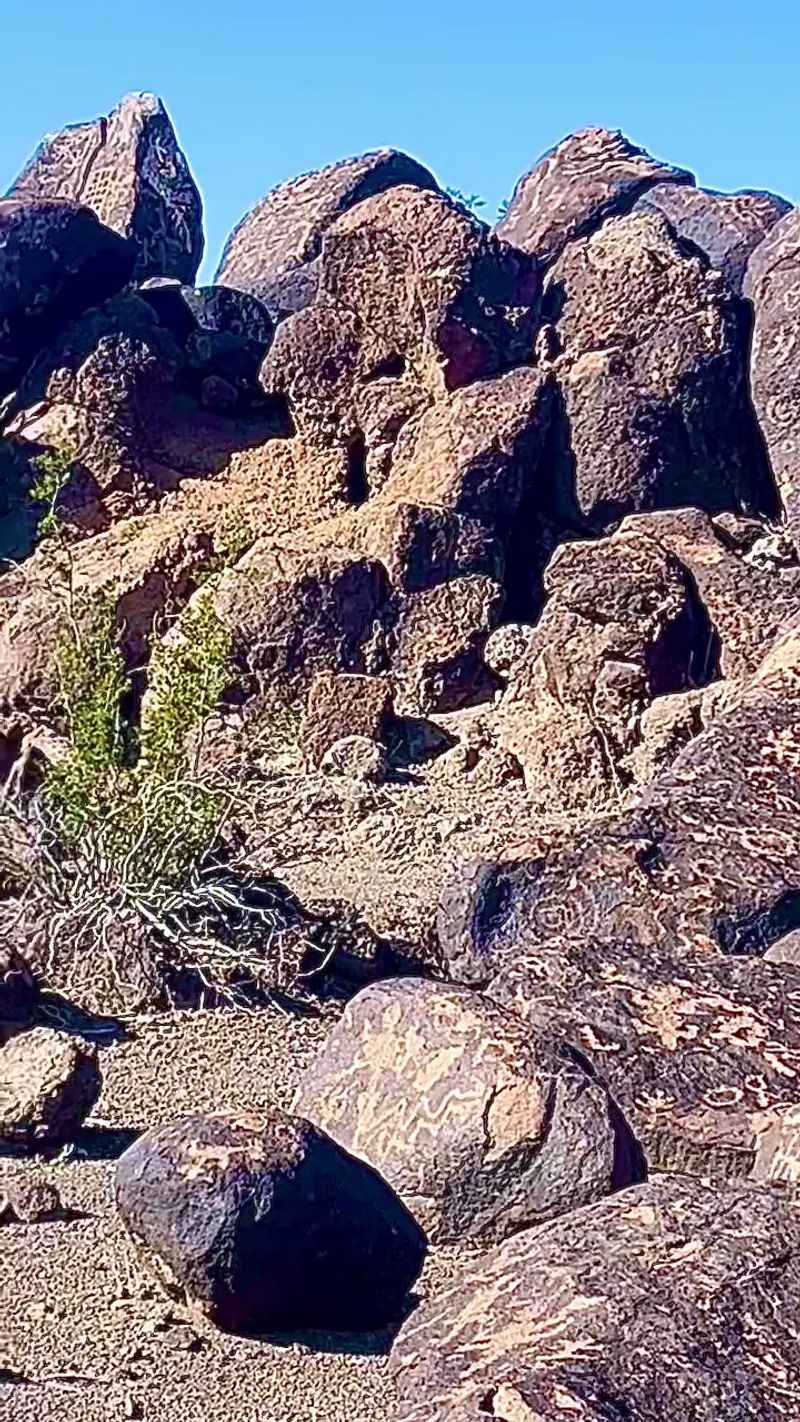
Not every mark on the rocks is ancient. Some early travelers carved their initials and dates into the stone back in the 1920s.
Those later etchings sit alongside the much older Indigenous designs. The mix shows how many different groups left something behind here.
It makes for an interesting comparison. One rock face can hold centuries of history in just a few feet.
Of course, those 1920s carvings come from a different era of thinking. Today, the rule is simple: look, photograph, and leave every stone untouched.
The site is still considered culturally important and sacred by many Native communities in southern Arizona. That status gives the place a weight worth respecting during every visit.
Treat the boulders like a museum with no glass. The art has lasted this long because most people choose to keep their hands to themselves.
7. Two Connected Volcanic Cones
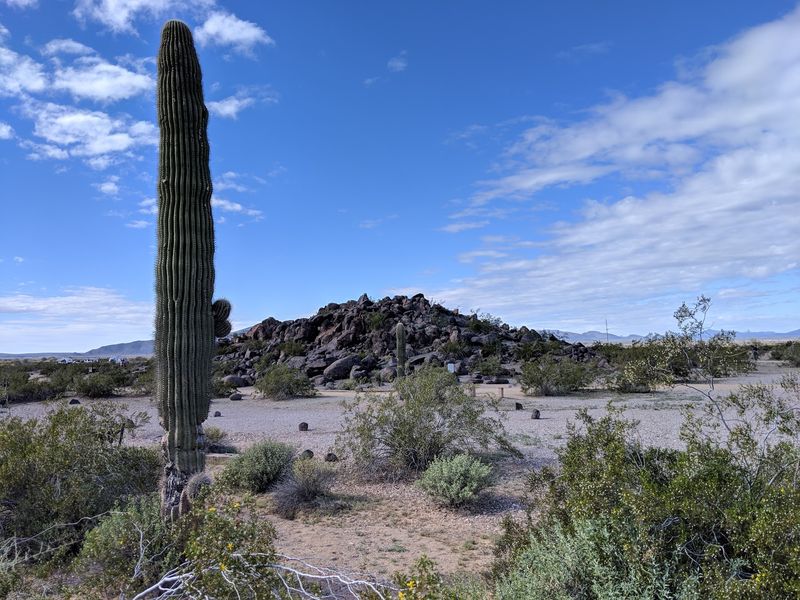
Geology deserves some credit here. The site is made up of two connected volcanic cones covered in dark boulders.
The dark surface of the rock is what made it such a good canvas. Carvings show up as lighter marks against the stone.
The petroglyphs concentrate mostly on the south and east sides of one cone. The other cone holds a tree that many people consider significant.
Walking between the two gives a sense of the whole landform. It is not a large area, which is part of why it works so well for a short stop.
Rock fans will enjoy the volcanic angle just as much as the art. It is a reminder that the desert around Dateland has a fiery backstory.
Stay on the established trail as you explore. The boulders are part of a protected site, and climbing on them is not the way to see the art.
8. A Flat, Family-Friendly Trail
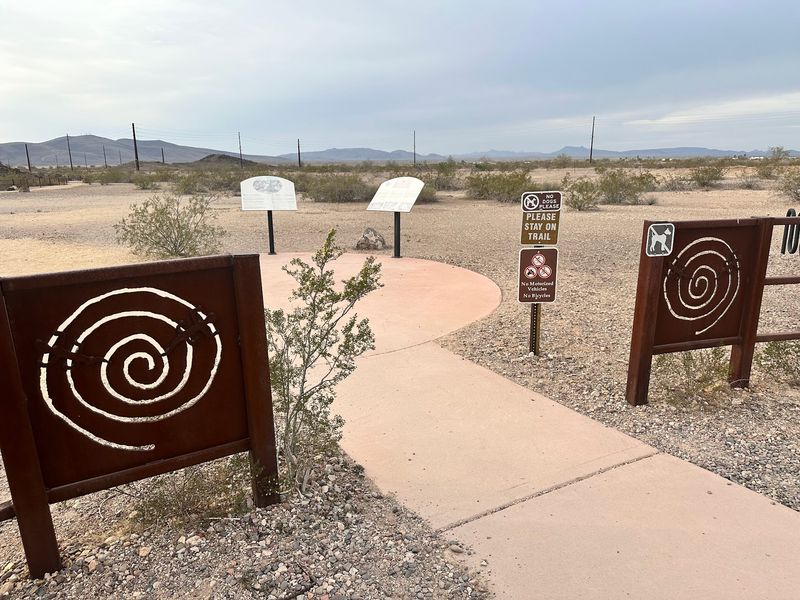
Short legs and tired knees both win on this trail. The main petroglyph area sits only about 50 feet from the paved parking lot.
The path is flat, with paved and dirt-gravel sections. It is accessible for all ages and easy to walk at any pace.
Interpretive signs line the route. Many people praise them as well done, offering context without slowing things down.
A full visit does not take much time. Many travelers treat it as a quick stopover, though curious folks often stay longer than planned.
The trail has very little shade, which matters in this part of the state. Bring water and a hat, even for a short walk.
Accessible features extend to the facilities too. The toilets at the campground are accessible, and there are handicapped campsites available.
Easy walking, big payoff. That combination is rare, and it is a large part of why the site stays popular.
9. Shade Ramadas and Picnic Tables
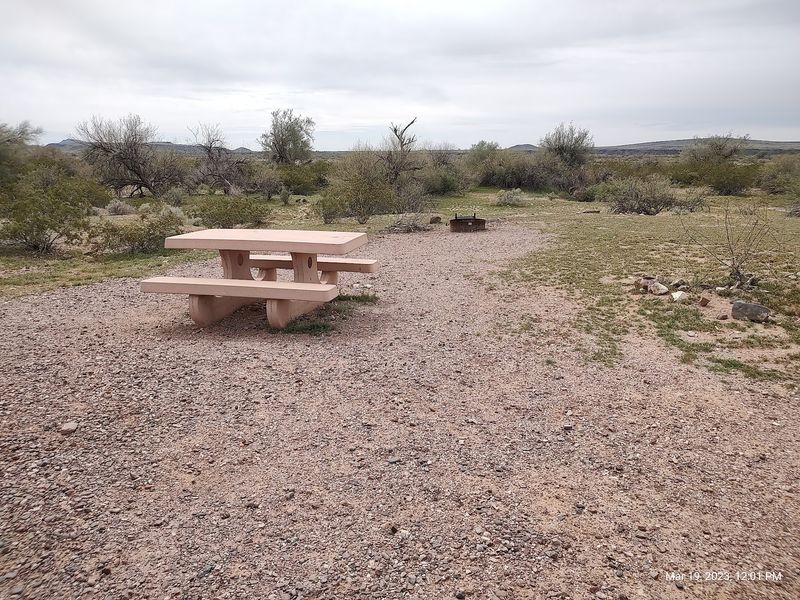
Lunch with a side of ancient art is on the menu here. The day-use area includes covered picnic tables near the petroglyphs.
Those awnings matter. Summer visits can get hot, and the shade structures offer a needed break from the sun.
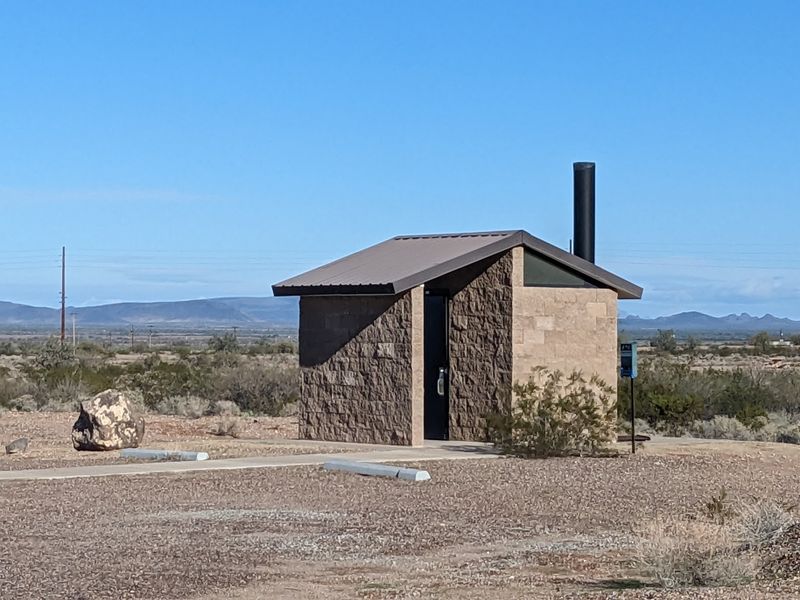
Restrooms sit at the parking area, with vault toilets at the adjoining campground. The bathrooms earn steady praise for being clean, and they often come stocked with toilet paper.
The facilities are bare-bones, which is part of the charm. Do not expect a gift shop or snack stand.
Pack lunch and plenty of water before leaving Gila Bend. Everything you need should be in the car when you arrive.
A picnic stop turns a 20-minute detour into a relaxed afternoon. Few interstate breaks come with this kind of backdrop.
10. Roomy Sites for Dry Camping
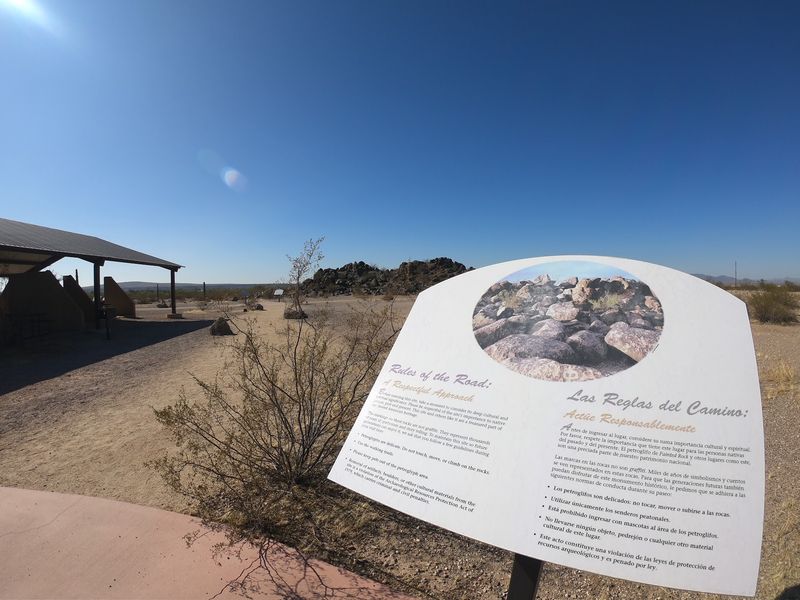
Elbow room is the campground’s love language. Many of the sites are huge and set well apart, with most of them pull-throughs.
The campground has around 60 sites. Each one comes with a picnic table, often a large stone or concrete one, and a fire ring.
Camping here is dry. There is no water, no electricity, and no dump station, though toilets and dumpsters are available.
The setup suits RVs, vans, and trucks best. Tents work too, but the open layout offers little privacy.
Campsites have no shade either. Bring your own shelter and plenty of water for every person in the group.
Camp hosts are on site and keep the grounds in good shape. Garbage service is a bonus many campers appreciate.
Generator hours run from 8 a.m. to 8 p.m. Respecting that window keeps the evenings peaceful for everyone.
11. What It Costs to Stay
Cheap desert nights still exist in Arizona, and this campground proves it. Camping has been listed at $8 per night.
Senior pass holders have reported paying $4 per night. Fees can change, so check the BLM website before going.
Payment works on a scan-and-pay system. Some campers find check-in a bit of a hassle, so having a phone signal and a plan helps.
Some of the best sites are available by online registration only. Those have carried an extra fee of about $4 per day on top of the nightly rate.
The petroglyph area itself appears to be free for day use. There were no payment signs posted at the viewing area.
For a Phoenix family, that means gas money and snacks cover most of the trip. Confirm current details on the BLM site, since prices are the kind of thing that can shift.
12. Quiet Nights Under Dark Skies
Silence is the main amenity after dark. The campground is often described as incredibly quiet and wide open.
Distance from town helps keep light pollution low. That makes the site a solid pick for stargazing.
Sunsets get plenty of attention too. The surrounding desert stays open in every direction, so the view is unbroken.
Motorcycle travelers, RV crews, and van campers all find it a calm place to spend a night. Some stay a few nights to settle in.
Camping on the south end puts more distance between your site and the main road. It is a simple trick for extra calm.
The occasional late generator can break the hush. Most nights, though, the stars do all the talking.
13. Timing Your Trip Right
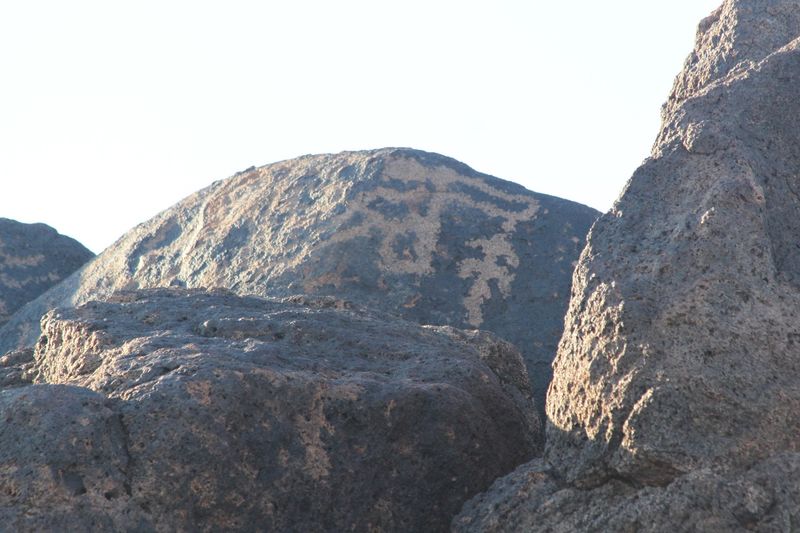
Clock-watching pays off at this site. The carvings stand out best during sunrise or sunset, when light and shadow sharpen the designs.
Early hours also beat the heat. With almost no shade on the trail, mornings are the smarter choice for most of the year.
Winter is a favorite season for campers. One February stay brought great weather and a campground only half full.
Summer visits are possible but warm. The covered picnic areas help, though water is essential.
Fall through spring makes the most sense for Valley and Tucson day-trippers. Cooler months turn the short walk into a pleasant outing.
For photos, plan to arrive near golden hour. The rocks seem to reveal more of their art as the sun drops low.
14. Worth the Exit Off I-8
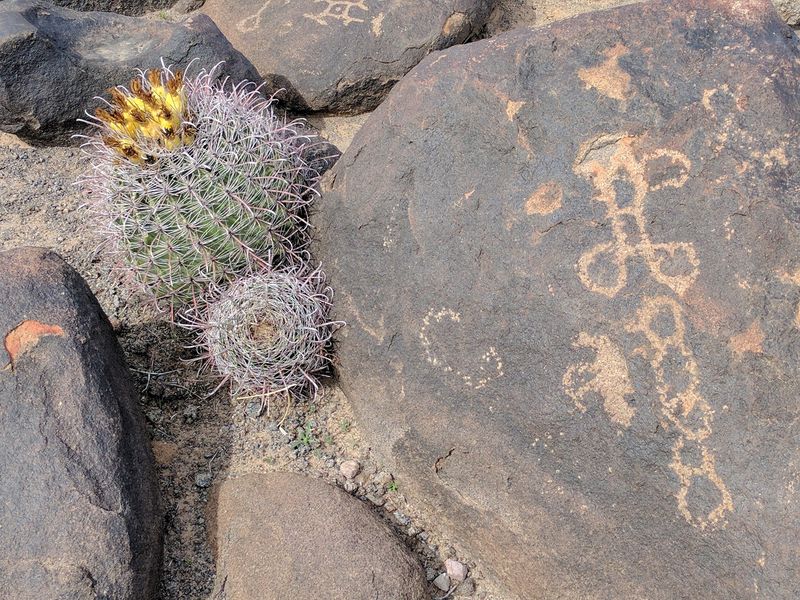
Some detours eat a whole afternoon and leave little to show for it. This one takes a short drive and delivers hundreds of carvings, centuries of history, and a quiet campground.
The appeal crosses age groups easily. Kids get a scavenger hunt, history fans get a crossroads of cultures, and campers get roomy sites at a low price.
Practical needs are simple. Bring water, sun protection, and snacks, and fill the tank in Gila Bend.
Respect is the only real entry requirement. The site still holds deep meaning for Native communities in southern Arizona.
For locals who like finding the spots everyone else drives past, this one fits the bill. The rocks have waited a long time, and they are still there for anyone curious enough to take the exit.
Share this story