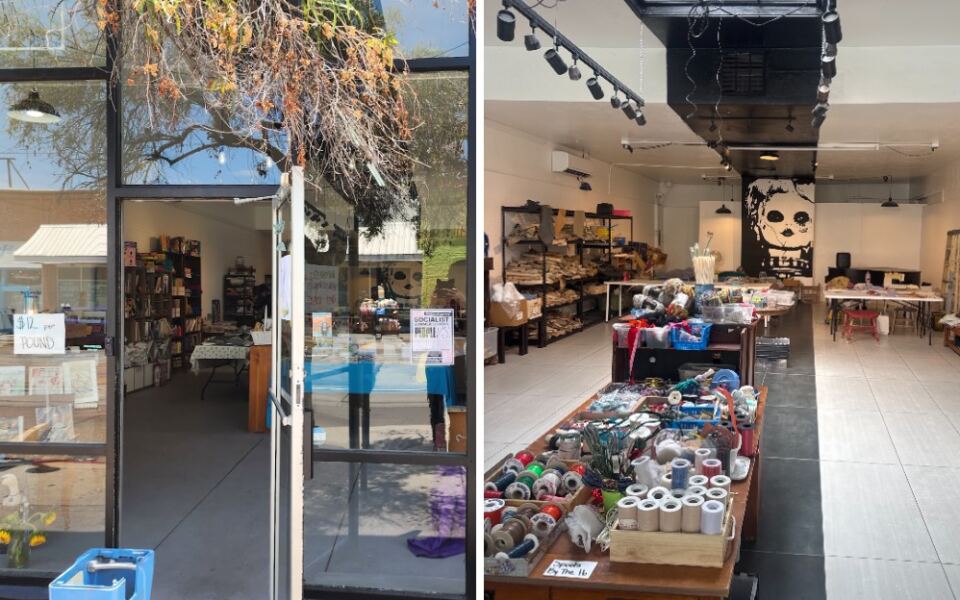
Somewhere on a busy Tucson street, a half-used tube of paint is waiting for its second act. So is a shelf of leather scraps, a spool of industrial Velcro, and a box of old beads someone cleared out of a closet. A newer shop near the University of Arizona collects these castoffs and hands them to crafters at prices that barely dent a wallet.
Teachers, sewists, junk journal fans, and curious kids all leave with something. There is even a grand piano in the room, which is not something most craft stores can claim. Keep reading to learn where it is, how the weigh-and-pay system works, what kinds of supplies show up, and how to make the most of a weekend trip from Phoenix or across town.
Your next project might already be sitting on one of its shelves.
1. A Fourth Avenue Address Worth Bookmarking
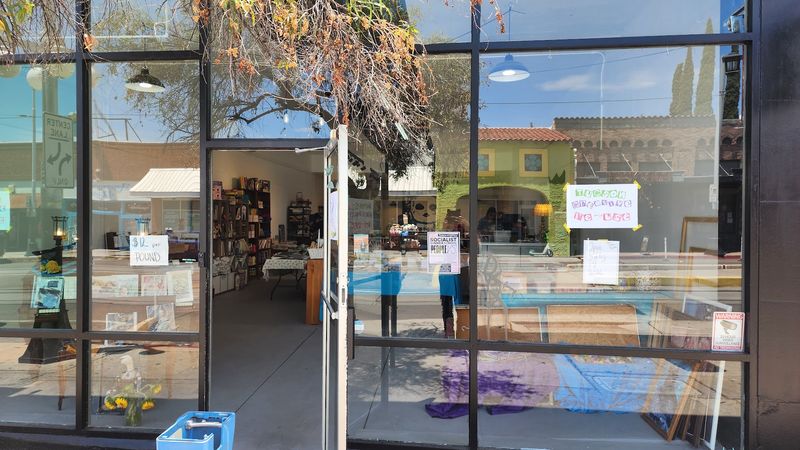
Tucson Creative Reuse sits at 419 N 4th Ave, Tucson, AZ 85705, right in the middle of one of the city’s most walkable shopping strips. The shop shares the block with Antigone Books and Cafe Passe, so it is easy to find.
It is classified as an art supply store, but the business model is different from a big chain. Nearly everything inside arrives as a donation from the community.
That means the shelves hold leftovers, extras, and forgotten stashes from local crafters, artists, and households. Those materials then go back out the door to people who will actually use them.
For Phoenix residents, the trip is a straightforward drive down I-10, usually around two hours depending on traffic. Tucson locals can roll over from almost anywhere in town in a short hop.
Fourth Avenue already draws people for its independent shops and murals. This store adds a hands-on reason to linger, since browsing here is part treasure hunt and part supply run.
The address is the starting point. The real story is what happens to all that donated stuff once it lands inside.
2. A Young Shop With Big Plans
Opening day landed on the 14th of the month, only a few months back, which makes this one of the newest creative spots on the avenue. Early shoppers were already talking about its potential before the paint on the signage had settled.
The concept is simple. Keep usable art and craft materials out of the trash and make them affordable for anyone with a project in mind.
Creative reuse stores exist in other cities, but this one has quickly built a following for its unusual mix of goods. Even travelers who visit similar shops across the country have pointed to its selection as standing out within the category.
Like any new business, it had a few early hiccups. At one point the hours and the store name were not posted out front, and the owner responded by promising to put the hours up right away.
That kind of quick fix says a lot about how the place operates. Community feedback matters here, and the owner openly invites people to share ideas.
So the shop is still growing into itself. Watching it change from month to month is half the fun.
3. Paying By The Pound
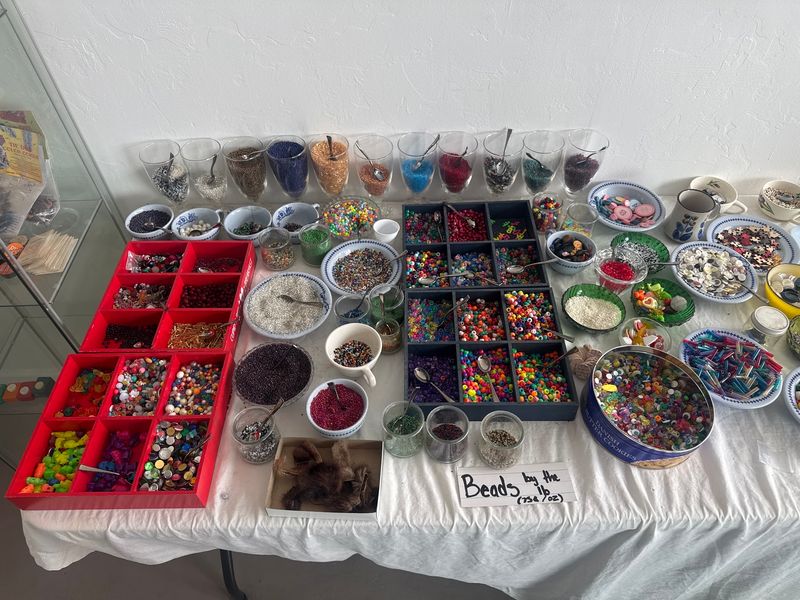
Here is the twist that makes bargain hunters grin. Many supplies are sold by weight, so you fill a box and pay based on how heavy it is.
That system rewards smart shopping. Fabric scraps, ribbon, lace, and paper weigh very little, so a full box of lightweight goodies can cost far less than the same items new.
Exact per-pound rates are not posted publicly in the details available, so ask at the counter on your first trip. The staff are known for patiently explaining how everything works to newcomers.
Weight-based pricing also takes the pressure off. You do not need to agonize over each tiny item when the scale settles the math.
It encourages experimenting too. Grab the odd trim, the mystery button, or the half sheet of something shiny, since one extra piece barely moves the needle.
Shoppers repeatedly praise the idea of saving art supplies and selling them by the box weight. It is a fresh approach that makes crafting feel accessible again.
Bring a sense of curiosity and a sturdy bag. Your wallet will likely be lighter only by a little.
4. Half-Used Paint, Full-Size Value
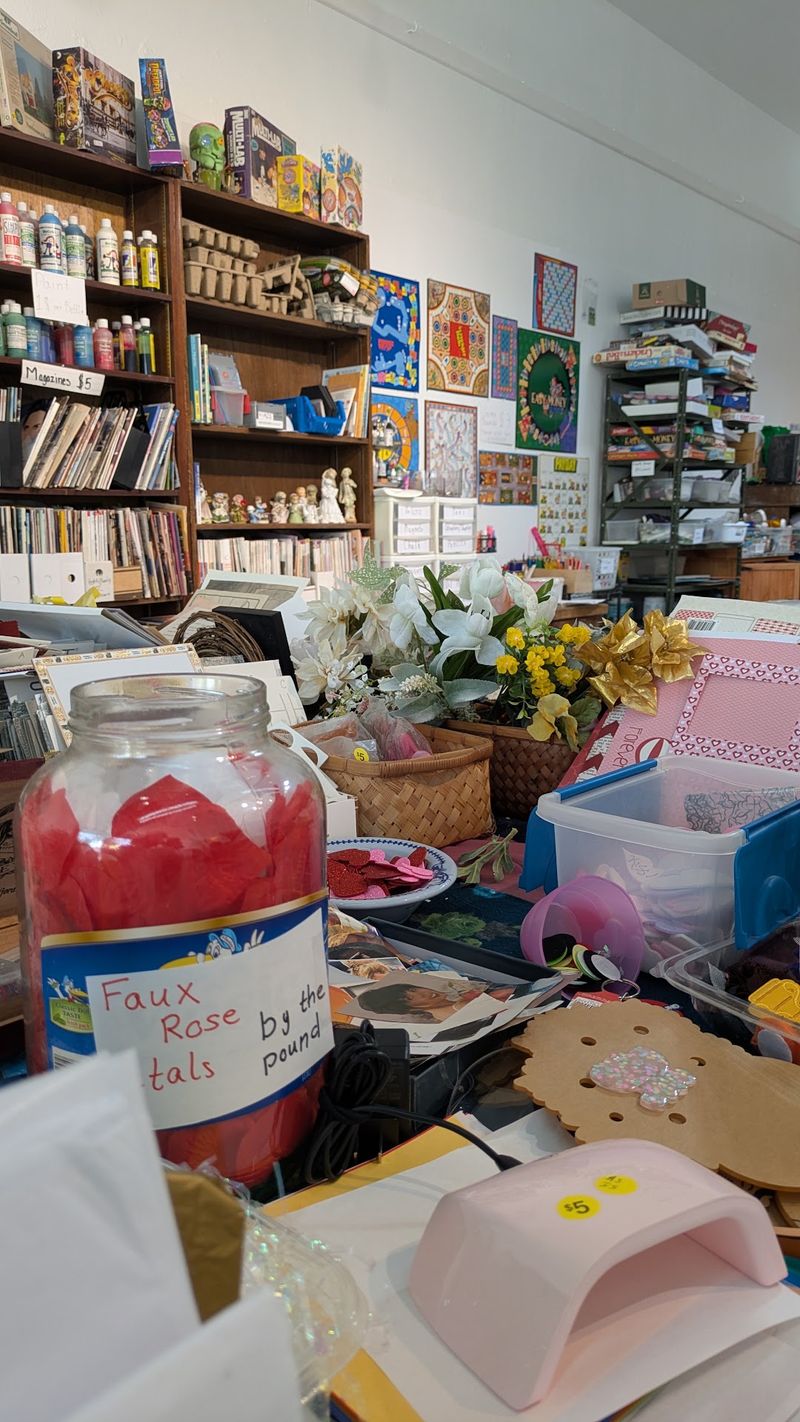
Sometimes a project needs only a dab of one specific color. Buying a whole new tube for that feels wasteful, and this shop solves the problem nicely.
Donated paint shows up in all sorts of conditions, including tubes that are only partly full. One shopper found the exact shade needed in a tube about a third full, which was just right for a small job.
That is the beauty of reuse. Partial supplies fit partial needs, and nobody pays for paint that will dry out in a drawer.
The selection changes constantly because it depends on what people drop off. A color that is missing today might show up next week.
Painters on a budget, students, and hobbyists testing a new medium can all benefit. It is a low-risk way to try something without a big commitment.
Check caps and labels as you browse. Grab what works, leave the rest for the next artist, and let the cycle keep turning.
5. The Famous Leather Shelf
Leather comes up more than almost anything else when people talk about this store. A whole bookshelf rack is stacked with scrap pieces in different sizes and finishes.
New leather can be expensive, which often scares beginners away. Scraps make it possible to practice cutting, stitching, and tooling without spending much.
Shoppers learning leatherwork have described the material supply as a huge help. Small pieces work well for keychains, patches, wallets, bookmarks, and jewelry.
Experienced makers find value here too. Odd offcuts can become trim, straps, or repair patches for bigger projects.
Because the shelf restocks through donations, colors and thicknesses shift over time. Visiting regularly is the best way to catch something special.
Bring measurements if you have a particular piece in mind. Or just browse and let a scrap suggest its own future.
6. Fabric, Lace, And Sewing Scraps
Sewists, take note. Shelves of scrap fabric line the store, and they rank among its most talked-about offerings.
Quilters can hunt for patchwork pieces. Doll clothes, small pouches, and mending projects also become easier when the material costs almost nothing.
Lace and trim pieces turn up among the donations as well, perfect for embellishing garments, cards, or journals. Since they weigh so little, the by-weight model works strongly in your favor.
People who are just learning to sew have shared how helpful it is to have so many materials in one place. Practicing on inexpensive scraps removes the fear of ruining something pricey.
Inventory rotates often, so patterns and textiles change from visit to visit. It pays to be flexible about color and print.
Fill a bag, head home, and start stitching. The next quilt might begin with a stranger’s leftover yardage.
7. A Bead And Glitter Bar
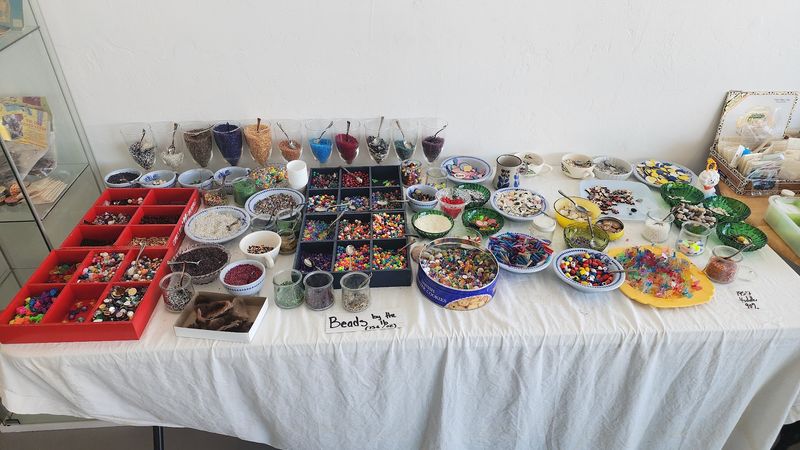
Few shops have a bar where the specialty is sparkle. This one does, with a bead and glitter station that lets shoppers pick out just what they want.
A long table holds assorted beads in many shapes and colors. Jewelry makers can sort through it at their own pace and build a custom collection.
Kids tend to love this area, and adults are not far behind. Choosing tiny craft treasures one by one is a fun activity on its own.
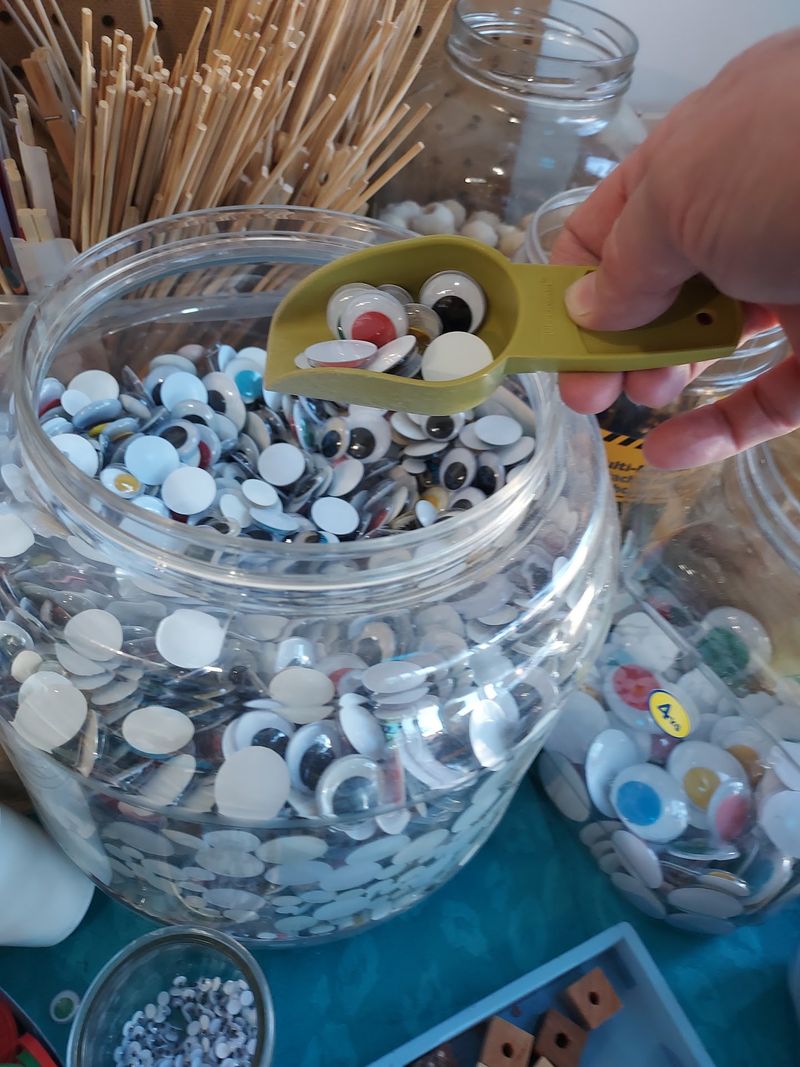
Unusual finds show up here too. One shopper spotted vintage holographic eye stickers and planned to turn them into jewelry immediately.
Buying only what you need is a smart way to keep costs low. There is no need to purchase a giant bag when a handful will do.
Give yourself extra time at this table. It has a way of turning a quick stop into a much longer one.
8. Odds, Ends, And Junk Journal Gold
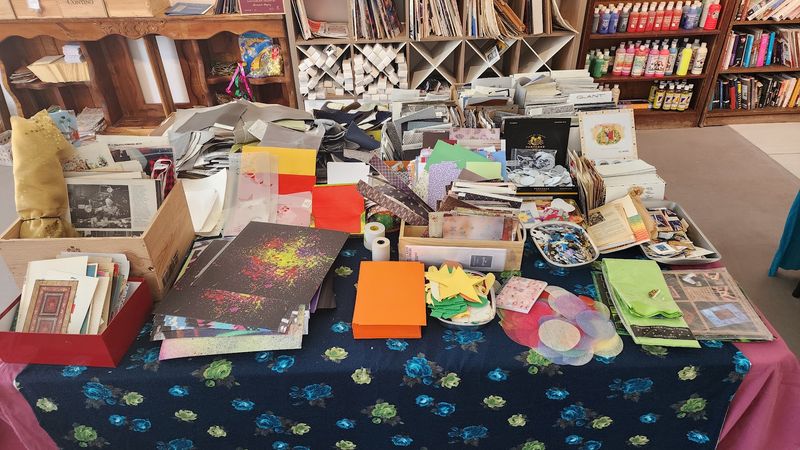
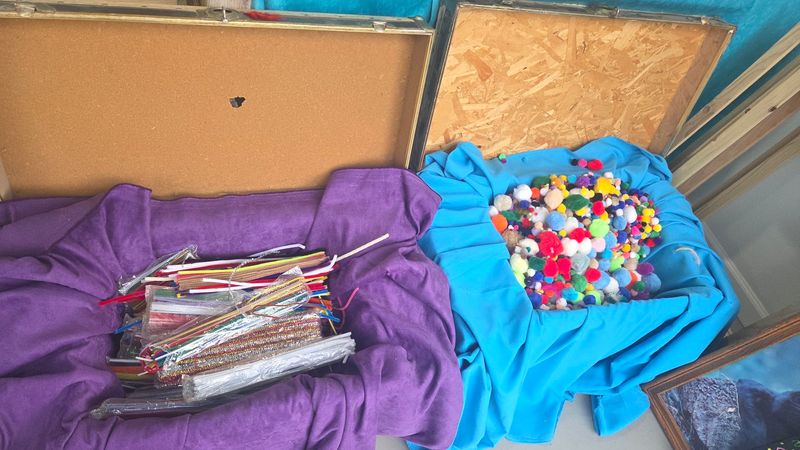
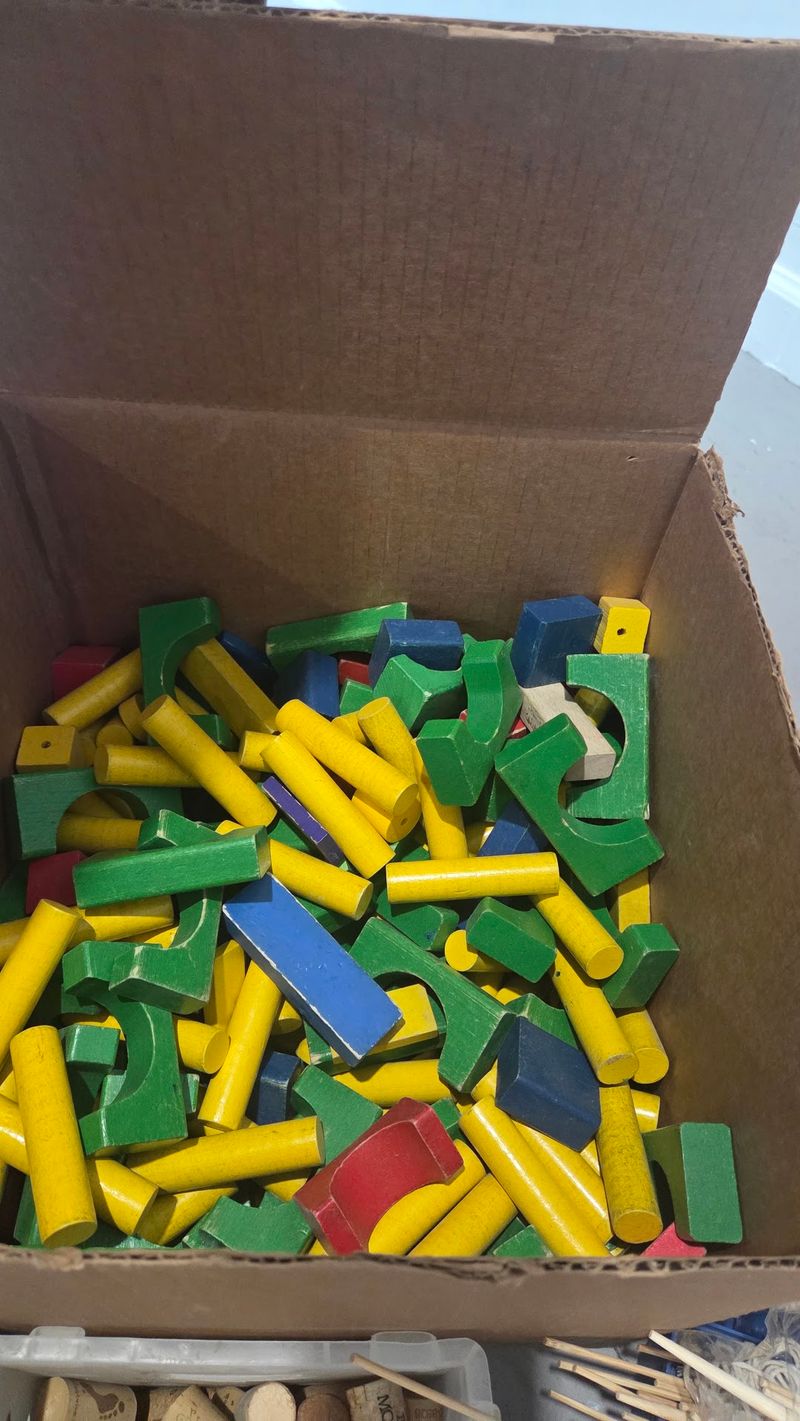
Some of the best items here are hard to categorize. Wooden blocks for kids, industrial spools of Velcro, and all sorts of artsy bits fill the shelves.
Junk journal fans will find plenty of material. Paper scraps, stickers, and small ephemera are ideal for layering and collage.
Picture frames are another pleasant surprise. Shoppers have walked out with whole stacks for displaying photos and artwork.
Vintage posters, artwork, and gift bags also appear among the donations. Those finds make the store useful beyond pure craft supplies.
Because everything is donated, the mix is unpredictable in the best way. Hidden finds are part of the appeal, and regulars mention there is something for everyone.
Keep an open mind while you browse. The item you did not plan to buy may become the star of your next project.
9. Grand Pianos And Live Music
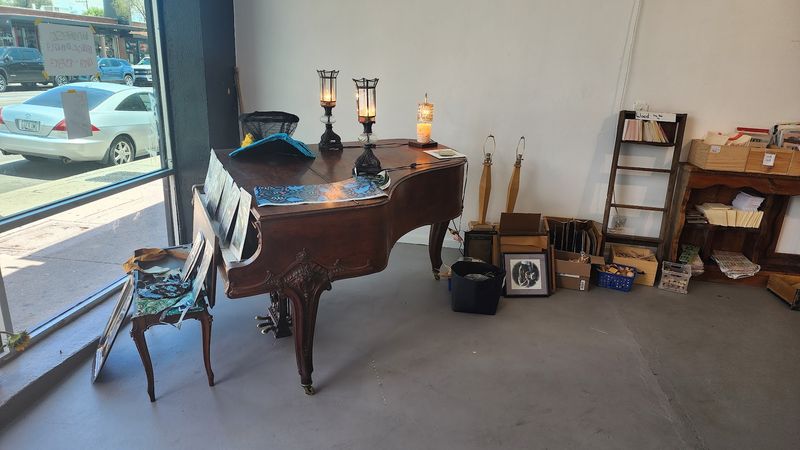
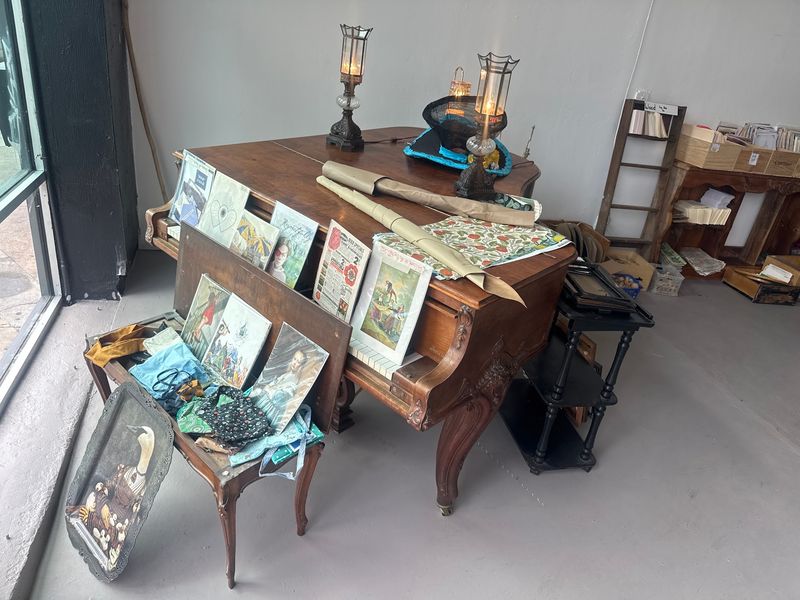
Not many craft stores can be spotted from the sidewalk because of their pianos. Here, grand pianos inside the shop catch attention before you even open the door.
Music is part of the identity. On some days the store has hosted live music, giving browsing a relaxed, community feel.
There has also been talk of possible piano jam sessions and synthesizers. Those plans are not confirmed in the available details, so check the website or ask staff about upcoming events.
The combination of art and music fits Fourth Avenue well. The street has long attracted creative types, and the shop adds to that mix.
Musicians who also craft might find this especially fun. It is a rare place where both interests can share a room.
Visit on different days and you might catch a performance. Either way, the pianos make for a memorable first impression.
10. Classes For Curious Makers
Learning a new skill is easier with a teacher nearby. The shop offers classes, and attendees speak warmly about them.
Sewing is one class that has earned praise. Students have said they loved the experience and keep coming back.
Classes pair naturally with the inventory. You can learn a technique and then grab affordable materials to practice at home.
Specific class schedules and fees are not listed in the available information. Check the official website for current offerings before planning a trip.
For locals, classes are a great reason to make repeat visits. Each session is a chance to build skills and meet other makers.
Bring curiosity and maybe a notebook. You may leave with a finished piece and a new hobby.
11. Clean Space, Kind Faces
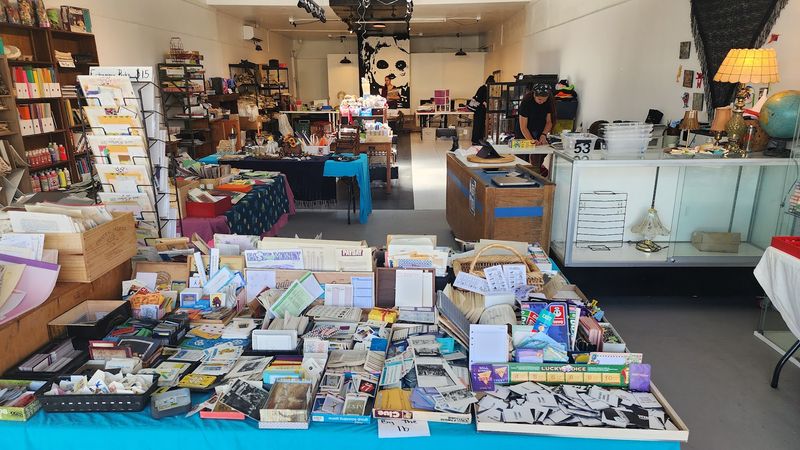
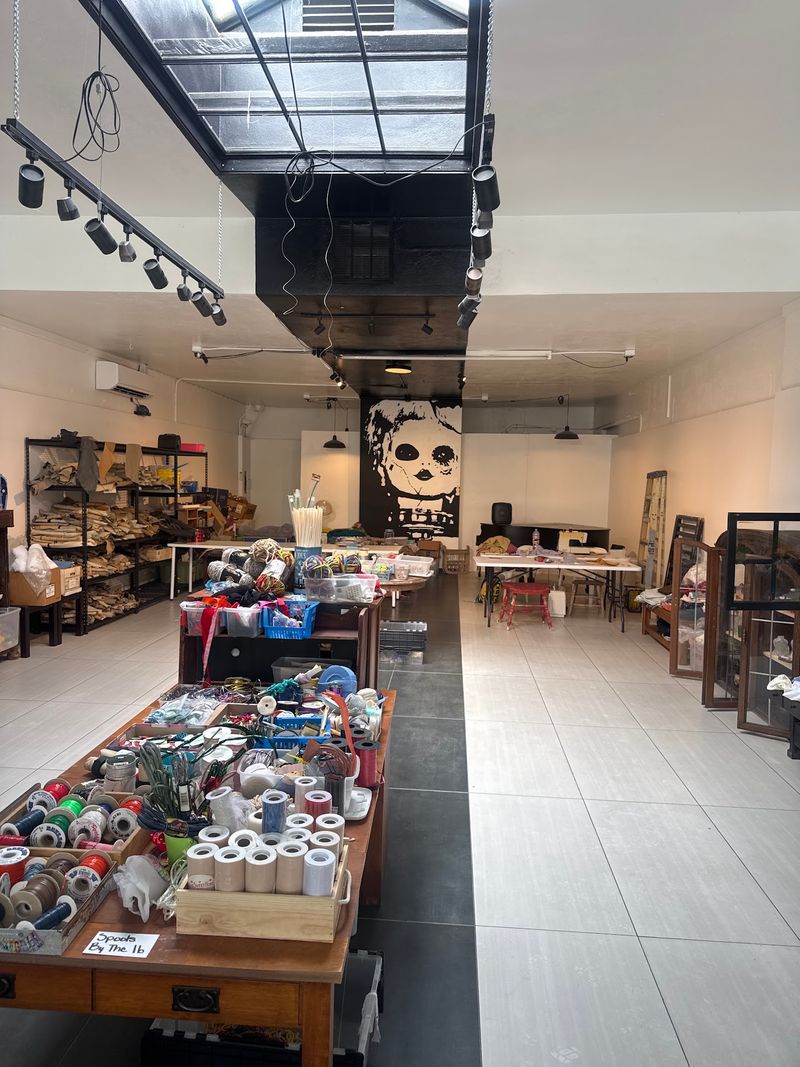
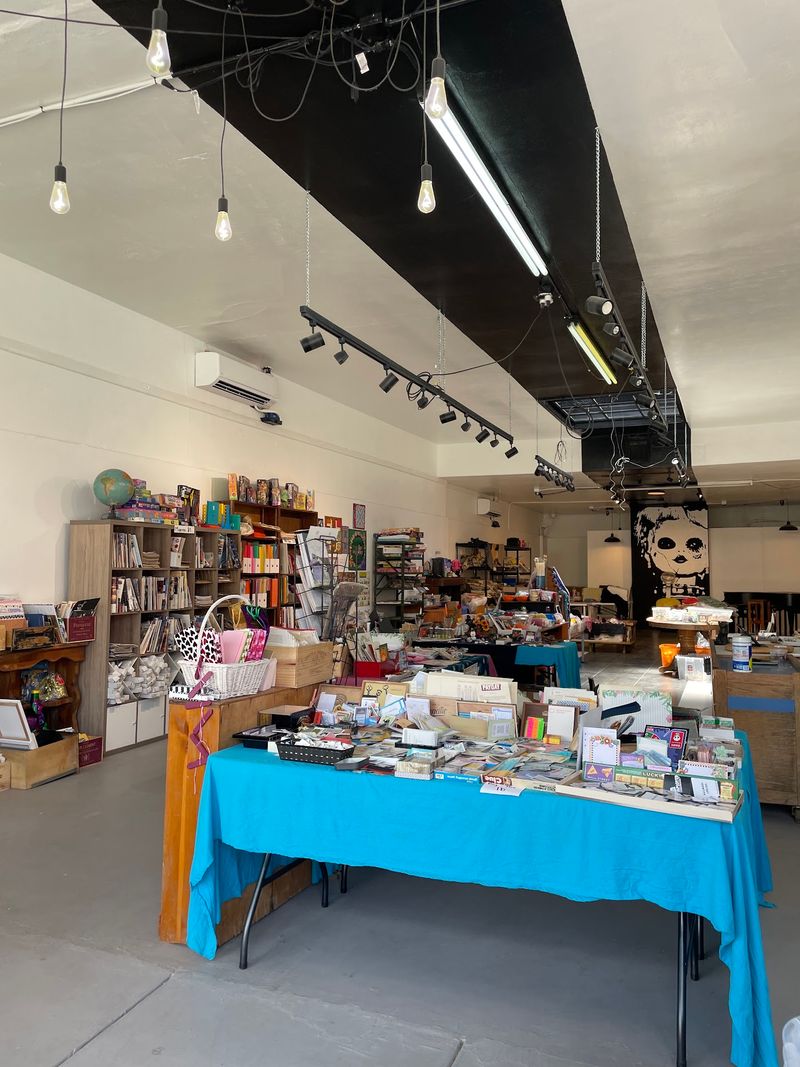
Secondhand stores sometimes feel cluttered, but this one breaks the mold. The space is clean and open, with high ceilings that make browsing easy.
Old furniture serves as display shelving for much of the merchandise. It fits the reuse theme and gives the shop a homey character.
Staff and the owner are consistently described as friendly, patient, and helpful. First-time shoppers appreciate having the system explained clearly.
Teachers get special mention. The staff are known for being very supportive of educators looking for classroom supplies.
The owner also responds to almost every comment online with thanks. That personal touch builds a strong sense of neighborhood loyalty.
A shop is only as good as the people running it. Here, the welcome may be the best freebie of all.
12. Donating Your Craft Stash
Every crafter has a closet of unfinished ideas. This store gives those supplies a new home instead of a trip to the landfill.
Donations power the entire operation, and shoppers love that they can drop things off. Many people plan to bring donations on their next visit.
It creates a satisfying loop. You clear space at home, someone else gets materials, and you might leave with fresh supplies of your own.
Paint, fabric, leather, beads, and frames are all examples of items found on the shelves. That gives a good idea of what tends to be welcome.
Guidelines for accepted donations are not detailed in the available information. Check the website before loading up the car so you know what to bring.
Giving here feels good and practical. Your leftovers can spark someone else’s masterpiece.
13. Hours, Parking, And The Trolley
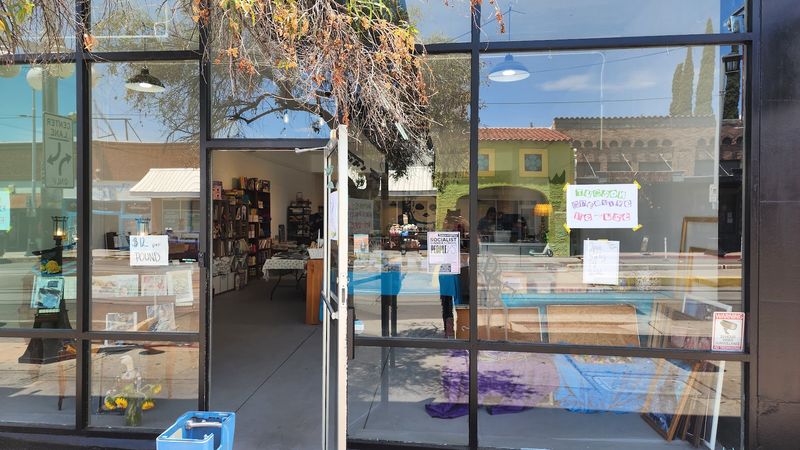
Planning is simple because the schedule never changes. The store is open every day of the week from 10 AM to 7 PM.
Parking is street parking along Fourth Avenue, so give yourself a few extra minutes to find a spot. Weekends on the avenue can get busy.
The shop sits near a streetcar stop, which is handy for anyone coming from downtown or the university area. Leaving the car behind is a real option.
Phoenix day-trippers should note the drive time of roughly two hours. Summer visitors can take advantage of the indoor setting and plan the trip for later in the day.
Bring a bag or box for your finds. Since many items sell by weight, a sturdy container helps.
With daily hours, there is no wrong day to stop by. Just pick the one that fits your weekend.
14. Worth The Weekend Drive
Some shops sell supplies. This one sells second chances, one box at a time.
The appeal is clear. Paint, lace, leather, beads, and fabric come at low prices, and the weight-based system keeps costs friendly.
Add live music, classes, a glitter bar, and a staff that clearly cares, and you get more than a quick errand. It becomes an outing.
Praise has been nearly universal since opening, with the main early complaint about missing signage addressed quickly. That track record suggests a business that listens.
Tucson locals have an easy new favorite on Fourth Avenue. Phoenix crafters have a solid reason to plan a road trip south.
Bring a donation, leave with a project, and come back soon. The shelves will look different next time, and that is exactly the point.
Share this story