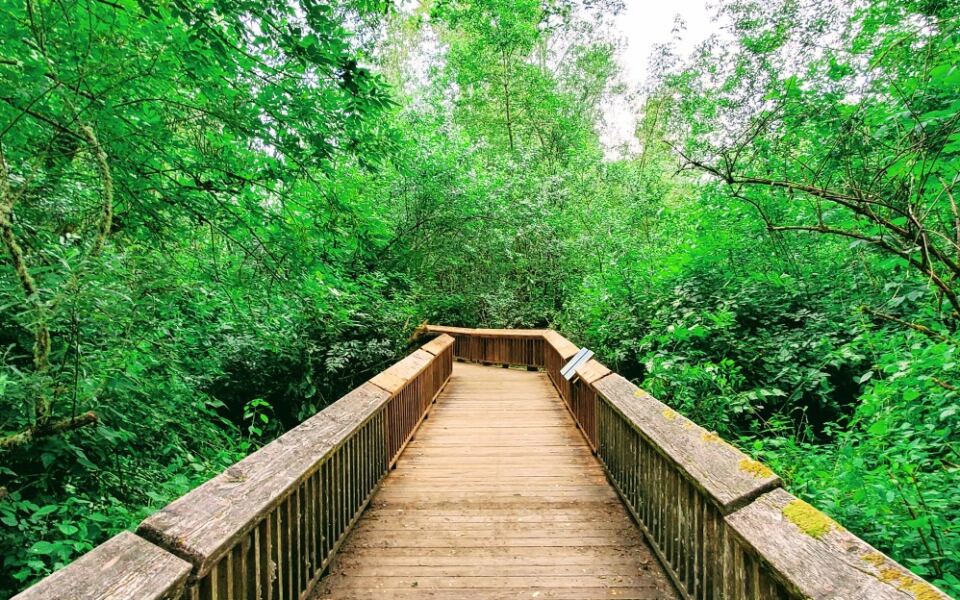
A boardwalk carries you about a mile over tidal mudflats, putting open water, shorebirds, and the occasional harbor seal within view. It’s a remarkable finish to a walk that begins beside two historic barns.
Between those barns and the boardwalk, the landscape changes from freshwater wetlands to open salt marsh. Bald eagles, great blue herons, and flocks of ducks give you reasons to stop along the way.
I’d want binoculars handy, though part of the pleasure would be taking in the sheer amount of sky.
The roughly four-mile round trip stays flat, making the distance feel more approachable for anyone who prefers a gentler outing. There’s a small admission fee, and plenty to spend time looking at once you’re inside.
What appeals to me is having a walk that rewards slowing down. You can cover the distance, but you can also linger over a bird you haven’t identified or watch the water around the mudflats.
The boardwalk is the obvious draw. Everything you might notice on the way gives this route its real promise.
Your Wallet Will Barely Notice This Admission Price
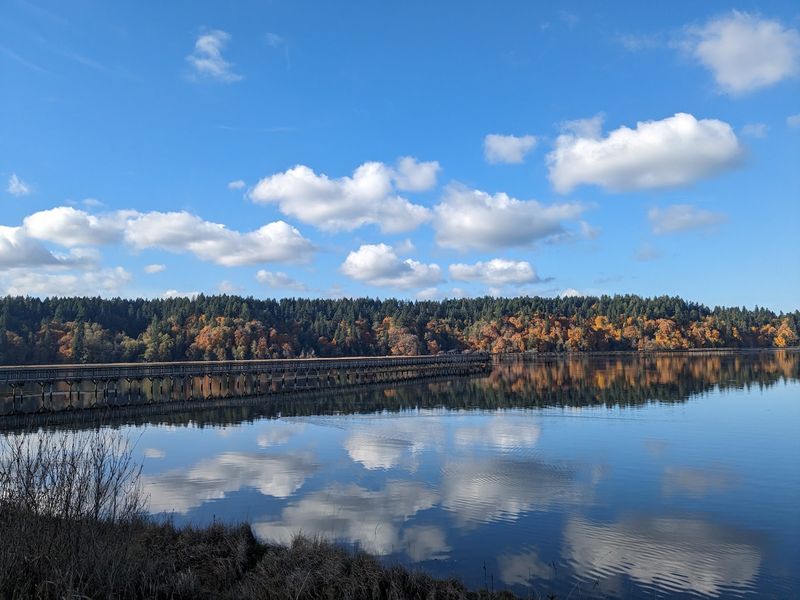
Some outings drain your bank account before you even park. The Billy Frank Jr. Nisqually National Wildlife Refuge goes the opposite direction with a tiny daily entrance fee.
That single fee covers a whole carload of up to four adults. Kids under 16 get in free, which makes family trips extra friendly on the budget.
Federal recreation passes also work here. If you carry an America the Beautiful pass, your entry is already covered.
Plan ahead for payment, since bringing cash is a smart move. A small detail like that can save you an awkward shuffle at the fee box.
The refuge is run by the U.S. Fish and Wildlife Service.
Your fee helps support the trails, boardwalks, and habitat you came to enjoy.
Hours run from sunrise to sunset, so the trails follow the sun’s schedule. The visitor center keeps its own shorter hours, so check before you go.
Honestly, it’s hard to find a cheaper way to spend a whole morning outside in Washington. You get miles of trail, big views, and plenty of wildlife for pocket change.
Not a bad trade at all.
The Boardwalk Out Over the Tides Steals the Show
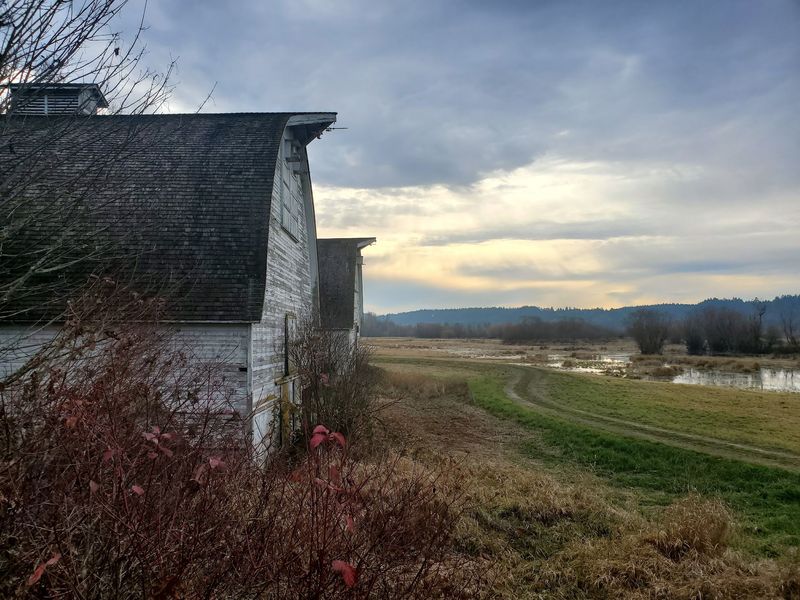
Roughly a mile of elevated boardwalk juts out over the Nisqually estuary. It ranks as the star attraction for good reason.
The Nisqually Estuary Boardwalk Trail carries you above the salt marsh and mudflats. Water, grass, and sky spread out on every side.
Conditions change with the tides throughout the day. At high tide, water may fill the marsh around you.
At low tide, mudflats open up and shorebirds get busy feeding.
Checking a tide chart before you leave is a clever move. It helps you choose the scene you’d rather see.
Near the end, a viewing area opens toward Puget Sound. It’s a fine spot to pause, catch your breath, and scan for movement.
Part of the outer boardwalk can close seasonally during waterfowl hunting season on nearby lands. Most of the route still stays open, so it’s worth confirming before your trip.
The round trip from the parking area to the boardwalk’s end and back runs about four miles. Flat, steady, and scenic, it feels shorter than it sounds.
Your legs may disagree slightly by the last stretch.
Bring Binoculars Because the Birds Show Up in Big Numbers
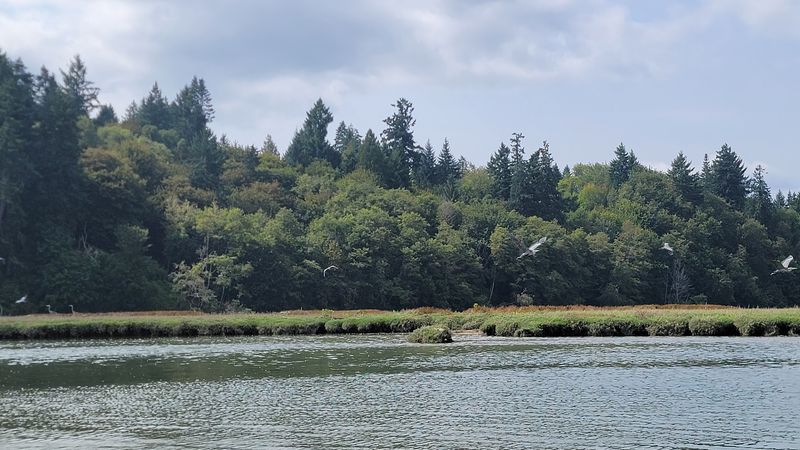
Over 200 bird species have been recorded at this refuge. That number alone makes birders reach for their binoculars.
Great blue herons stalk the shallows with serious focus. Bald eagles perch high and watch everything below like tiny feathered supervisors.
Waterfowl arrive in large numbers during fall and winter. Ducks and geese crowd the wetlands while traveling along the Pacific Flyway.
Spring and summer bring a different cast of characters. Songbirds, swallows, and nesting birds take over the trees and fields.
A pair of binoculars turns small dots into actual birds. Even a basic pair makes a huge difference out on the open marsh.
Kids especially enjoy having a mission during the walk. Spotting a heron or an eagle gives a long trail some exciting stops along the way.
A bird checklist or field guide adds another fun layer. You might start the day unable to tell ducks apart and finish it feeling oddly proud.
Birding sneaks up on people that way, one heron at a time.
Keep an Eye on the Water for Whiskers and Fins
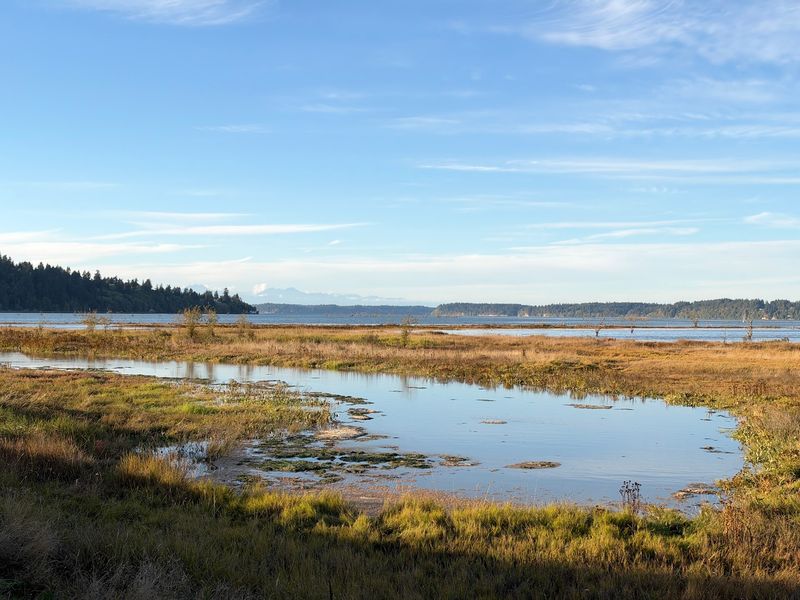
Birds get most of the attention, but mammals make surprise appearances too. Harbor seals sometimes rest on the shores of the estuary.
River otters live in the area as well. Spotting one gliding through the water feels like winning a small prize.
Deer wander through the fields and forest edges. Muskrats, coyotes, and other creatures also call the refuge home.
The refuge description mentions whale-watching opportunities from the area. Sightings are never guaranteed, though, so treat any whale as a bonus.
Frogs and other amphibians thrive in the freshwater wetlands. You may hear them before you ever see them.
Fish matter here more than many people realize. Salmon use the Nisqually River and its estuary, which helps feed eagles, seals, and plenty of other animals.
Patience pays off on these trails. Walk slowly, stop often, and scan the edges of the water.
Wildlife doesn’t follow a schedule, and every visit can look different. That’s half the fun, honestly.
Two Old Barns Tell the Story Before You Hit the Trail
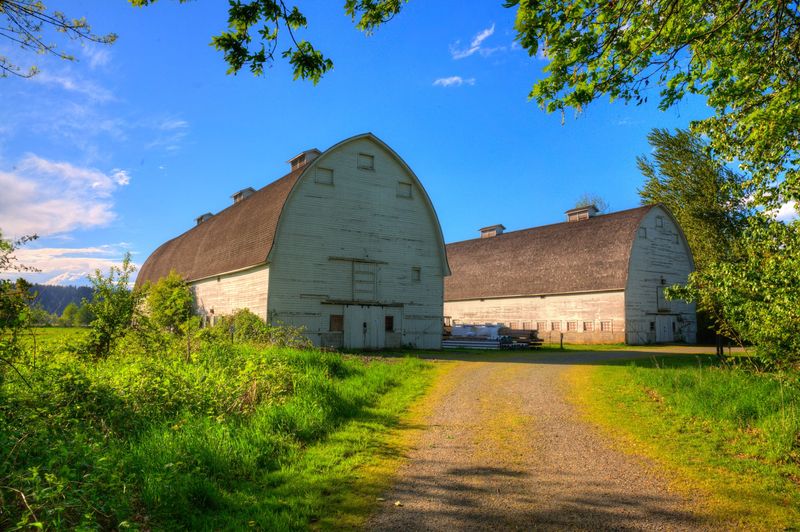
Long before this place protected wildlife, it was farmland. The twin barns near the start of the trail are leftovers from that era.
The Brown family farmed this land starting in the early 1900s. They built dikes to hold back the tides and turn marsh into fields.
The Twin Barns Loop Trail circles around those barns and nearby wetlands. It’s a shorter, mostly boardwalk route at about a mile in length.
That loop works nicely for younger kids or quick visits. You still get great views without committing to the full trek.
Signs near the barns share history about the land. Taking a few minutes to read them adds real meaning to the walk ahead.
The barns also make a fun photo backdrop. Their weathered wood against green marsh grass looks lovely in almost any season.
It’s a good reminder that landscapes can change dramatically over time. Farm fields became wetlands again, and wildlife moved right back in.
The barns simply stayed put and watched.
Removing a Dike Brought the Whole Delta Back to Life
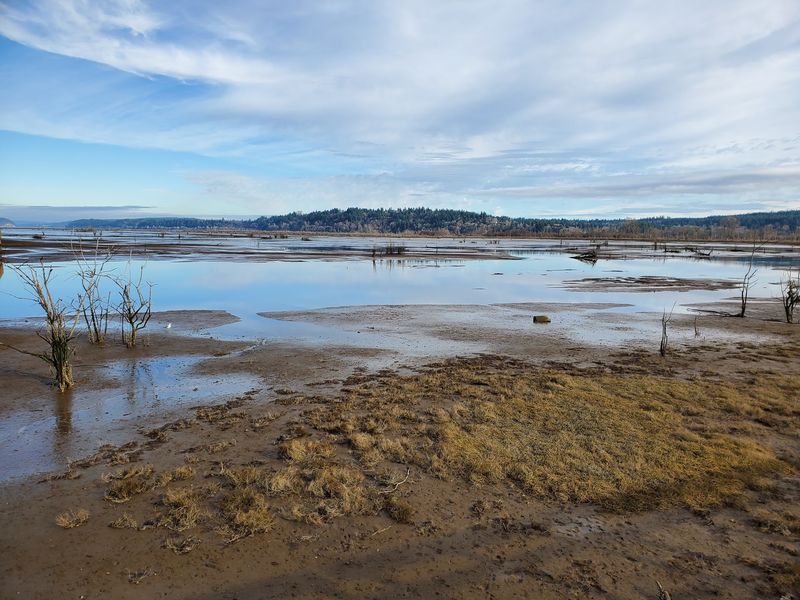
In 2009, crews removed a large dike that had held back the tides for about a century. Saltwater flowed back across hundreds of acres.
It became one of the largest estuary restoration projects in the Pacific Northwest. Partners, including the Nisqually Indian Tribe, worked together to make it happen.
The results changed the landscape in a big way. Salt marsh returned, creeks formed new channels, and young salmon gained valuable habitat.
Birds and other wildlife responded quickly. The estuary boardwalk now lets you see that recovery up close.
The refuge’s name honors Billy Frank Jr., a Nisqually tribal member and treaty rights leader. He spent decades fighting for salmon, rivers, and tribal fishing rights.
The refuge was renamed for him in 2015. That name carries a powerful message about protecting the land and water for future generations.
Knowing this story makes the walk feel different. Every tide rushing through those channels represents years of effort.
It’s a comeback story you can stroll through in a single morning in Washington.
Flat Paths Mean Almost Everyone Can Join the Fun
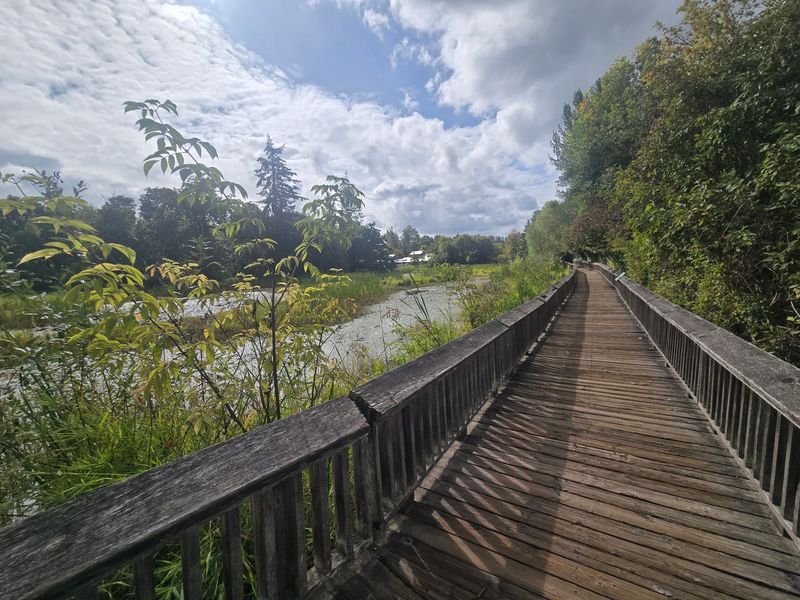
Steep climbs and rocky switchbacks are nowhere to be found here. The trails stay level from start to finish.
Boardwalks and packed paths make the main routes stroller-friendly. Many sections also work well for wheelchairs and mobility devices.
Some portions are gravel rather than boardwalk. Wide wheels handle those stretches better than tiny stroller wheels.
The full walk is long for small kids, though. Planning a turnaround point keeps everyone happier.
Shade is limited once you head out across the marsh. On sunny days, a hat, sunscreen, and water bottle become your best friends.
Restrooms are available at the visitor center area. A portable toilet sits along the trail too, but planning ahead never hurts.
Pets are not allowed on the refuge, which keeps the wildlife calmer. Bikes and jogging aren’t permitted on trails either, so the pace stays relaxed.
Think slow stroll, not race day, and you’ll fit right in.
A Stop Inside the Visitor Center Pays Off
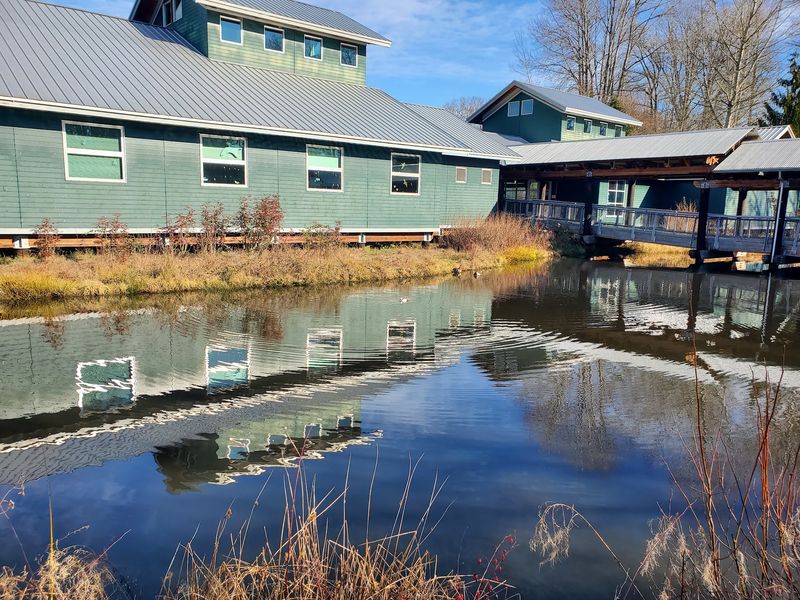
Knowledge makes every bird sighting more fun. The visitor center near the trailhead is a great place to start.
Exhibits explain the estuary, its wildlife, and how the habitat works. Kids can learn what to look for before heading outside.
Staff and volunteers often answer questions about recent sightings. A quick chat could point you toward eagles or seals.
A nature shop sits inside as well. Books, gifts, and apparel make easy souvenirs or last-minute layers on chilly days.
The refuge also hosts guided walks and programs at various times of year. Checking the schedule ahead of time can add a bonus activity to your visit.
Restrooms are located here too. It’s smart to make a stop before setting out on the long walk to the estuary.
Visitor center hours differ from trail hours, so plan accordingly. Pop in at the beginning or end of your walk.
Either way, you’ll leave knowing a lot more about that marsh than when you arrived.
Arrive Early and Snag a Parking Spot Before It Vanishes
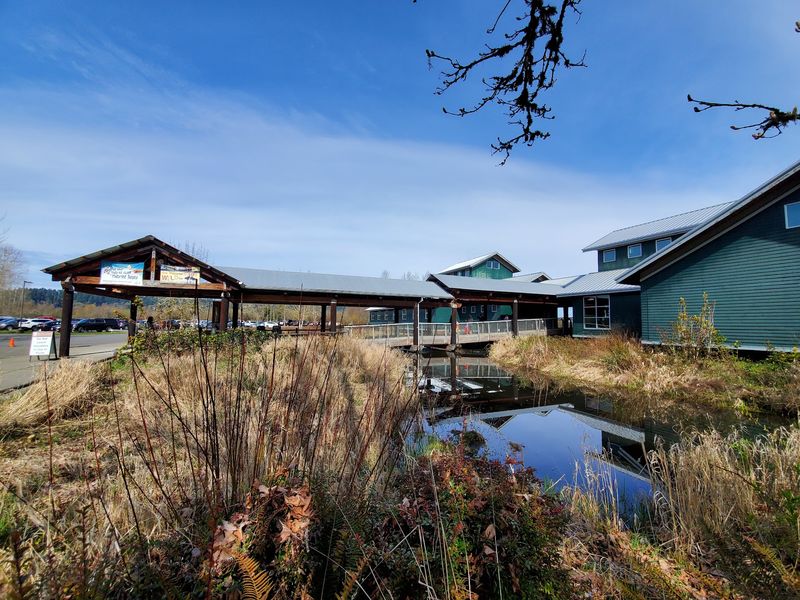
Popularity comes with one small catch: limited parking. The lots can fill quickly, especially on weekends and holidays.
Arriving early in the day gives you the best shot at a space. Weekdays are usually easier too.
Finding the refuge is simple. It sits at 100 Brown Farm Rd NE, Olympia, WA 98516, right off Interstate 5 at exit 114.
That location makes it an easy stop for road trippers. It’s also close to Olympia and Lacey for a quick local escape.
Early mornings bring another perk. Wildlife tends to be active then, and the light over the marsh looks beautiful.
Cell service can be spotty for some carriers out on the trails. Downloading a map or tide chart before you arrive is a wise move.
Pack water, layers, and binoculars before leaving home. The Billy Frank Jr. Nisqually National Wildlife Refuge rewards a little planning with a whole lot of Washington scenery.
And all it asks in return is a few bucks and some patience.
Share this story