A rooster with a rough past gets his own carefully built enclosure here, not because he is fancy, but because he has been through enough.
That tells you a lot about Freedom Farm Animal Rescue before you even meet the pigs, goats, cows, horses, emus, parrots, and the occasional animal who looks like they knows exactly how photogenic they are.
Tucked along Newport Road in Cedarville, this South Jersey sanctuary is not the polished, pony-ride version of farm life. It is muddy boots, full feed buckets, patched fences, wagging tails, curious snouts, and volunteers who understand that rescue work is less about cute pictures and more about daily care.
On 43 acres in Cumberland County, animals who came from neglect, abandonment, cruelty cases, auctions, and owner surrenders get something simple and huge at the same time. They get room. They get routine. They get to be safe.
A 43 Acre Refuge Where Rescued Farm Animals Get A Second Chance
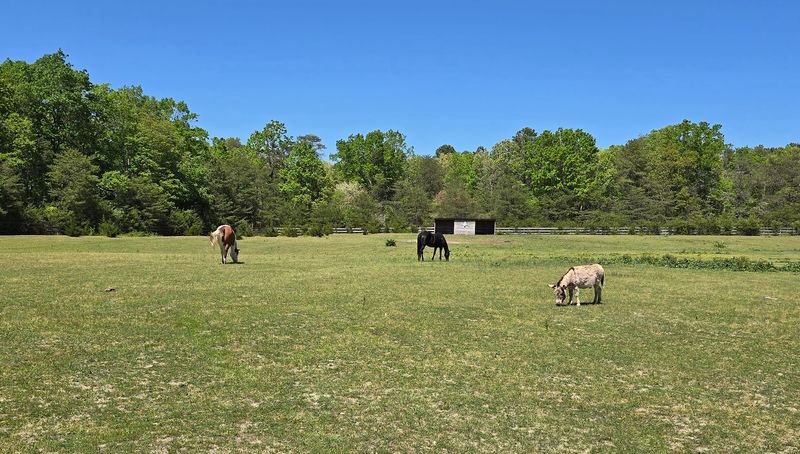
The number sounds generous on paper, but 43 acres feels different when you picture who is using it. At Freedom Farm Animal Rescue, those acres are not there for hayrides and pumpkin-photo backdrops.
They are there for animals who needed a permanent place to land after humans failed them in one way or another. The sanctuary became Freedom Farm’s Cedarville home in 2018, after years of moving, renting, and trying to keep rescued animals safe without a forever property.
That matters, because farm animals are not exactly easy to relocate. You do not just toss a few cows, pigs, goats, horses, and birds into a van and hope the next place has enough fencing.
Space is part of the care. A pig needs room to root and flop. A horse needs safe shelter and open ground. Roosters from cruelty or fighting cases may need to be separated from each other.
Older animals may need quieter routines, different food, or a little extra patience. The setup here reflects that kind of reality.
Enclosures are built around the animals’ needs, not around what looks neat on a visitor map. That is why Freedom Farm does not feel like a cute roadside stop someone added to a Saturday errand run.
It feels like a working refuge. Cedarville itself helps set the tone.
This is rural Cumberland County, far from the louder parts of New Jersey that tend to hog the spotlight. The landscape gives the sanctuary breathing room, and the animals use every bit of it in their own way.
Some stroll toward the fence like regulars greeting neighbors. Others hang back, which is also the point. A second chance does not have to be loud. Sometimes it looks like an animal choosing where to stand.
Why Freedom Farm Animal Rescue Feels Different From A Typical Farm Visit
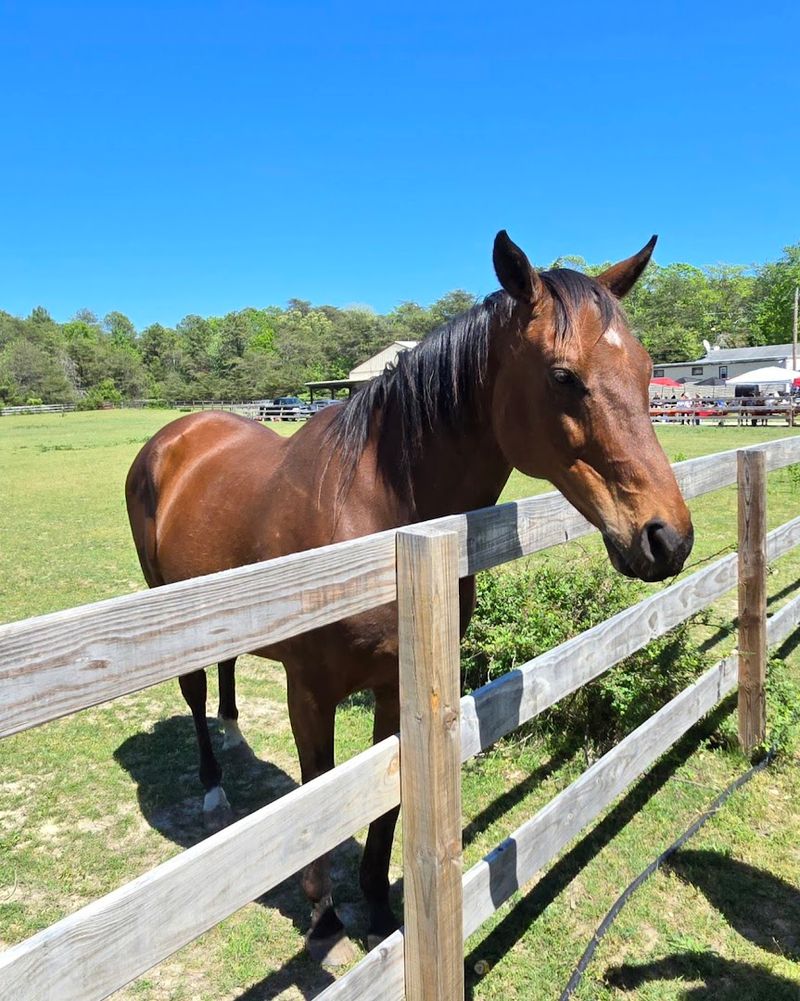
Most farm visits are built around what people want to do. Feed this. Pet that. Take the picture. Keep moving. Freedom Farm flips that script pretty quickly.
The animals are not performers here, and nobody is pretending otherwise. If a goat comes up looking for attention, wonderful. If a horse decides today is a watch-from-a-distance day, that is respected too. That one difference changes the whole mood of the place.
Visitors are guests in the animals’ home, not customers waiting for a show to begin. It is a subtle shift, but parents notice it, kids notice it, and honestly, the animals seem to notice it too.
The sanctuary is open to the public on Saturdays from 10 a.m. to 2 p.m., and those hours are less about creating a tourist attraction than opening the gates so people can see what rescue actually involves. There are rules that make sense once you are there.
No outside food for people or animals, because even a harmless-looking snack can be a problem when you have many species with different diets. No smoking on the property or in the parking area, because this is still a farm environment with hay, bedding, animals, and people moving around.
The visit feels casual, but the care behind it is serious. You may see someone filling water tanks, cleaning an enclosure, moving feed, checking a fence, or answering a question while clearly thinking about six more things that need doing.
That is part of the charm, if charm is even the right word. Freedom Farm does not smooth over the work.
It lets you see the work, and that makes the sweet parts feel earned.
The Stories Behind The Pigs, Goats, Horses, Donkeys, And Birds
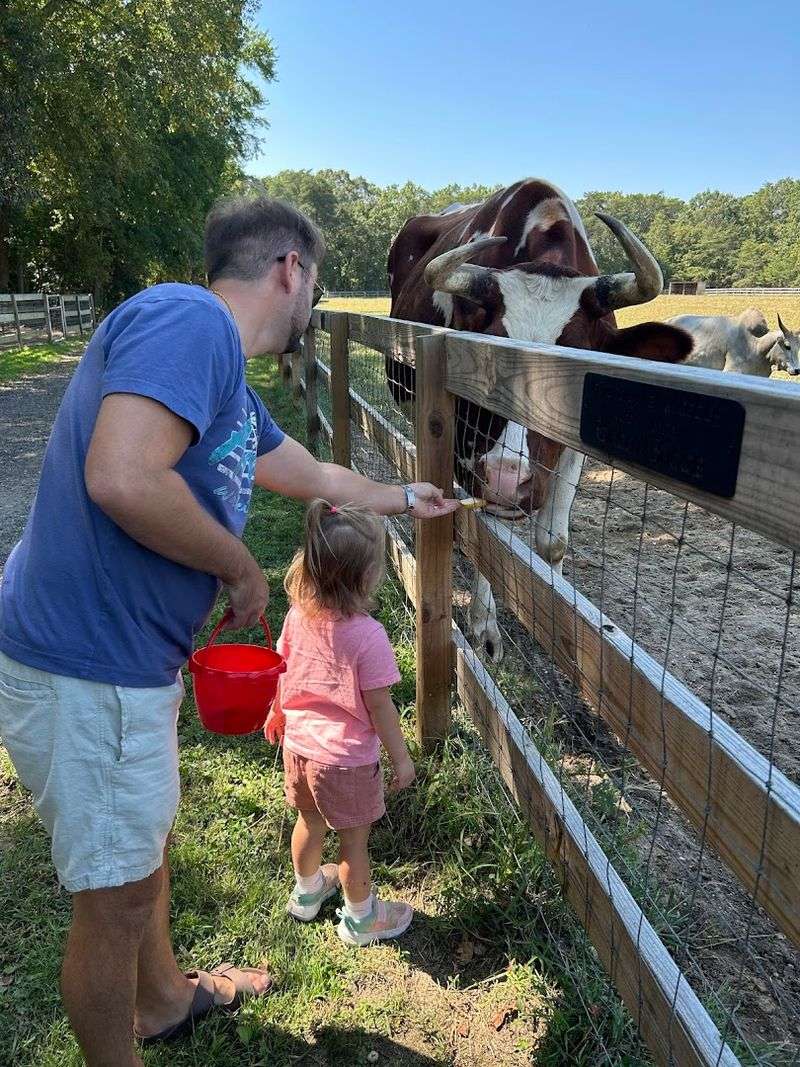
Rescue is one of those words that can sound soft until you stand near an animal who clearly had to survive something before getting here. Many of the residents at Freedom Farm arrived from neglect, abandonment, cruelty cases, auctions, or owner surrenders.
That background shows up in small ways. A horse that once feared people may need months before she decides the fence is a safe place to stand.
A rooster used for fighting cannot simply be tossed in with other birds and expected to play nice. A pig who spent too much time hungry may treat feeding time like the most important appointment on earth.
The sanctuary’s job is to learn those personalities instead of forcing all of them into one neat rescue story. That is where the place becomes unexpectedly moving.
You are not just looking at a field full of animals. You are watching individual lives unfold at their own pace.
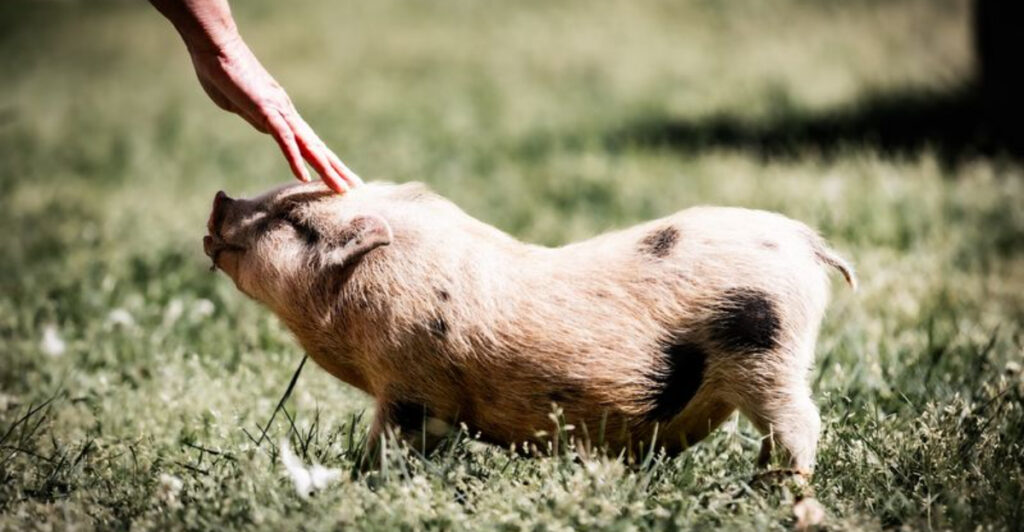
There are pigs with main-character energy, goats who operate like tiny chaos committees, cows who know exactly when someone has snacks, and birds who somehow manage to look both dramatic and suspicious. Then there are quieter residents, the ones who do not rush over.
Their progress may be harder for visitors to spot, but it is no less important. In animal rescue, a win is not always a big transformation scene.
Sometimes it is a former cruelty-case animal deciding to take one step closer. Sometimes it is eating calmly. Sometimes it is resting in the sun without looking over a shoulder. Freedom Farm gives those small wins enough space to happen.
How Cedarville Became A Safe Haven For Animals With Nowhere Else To Go
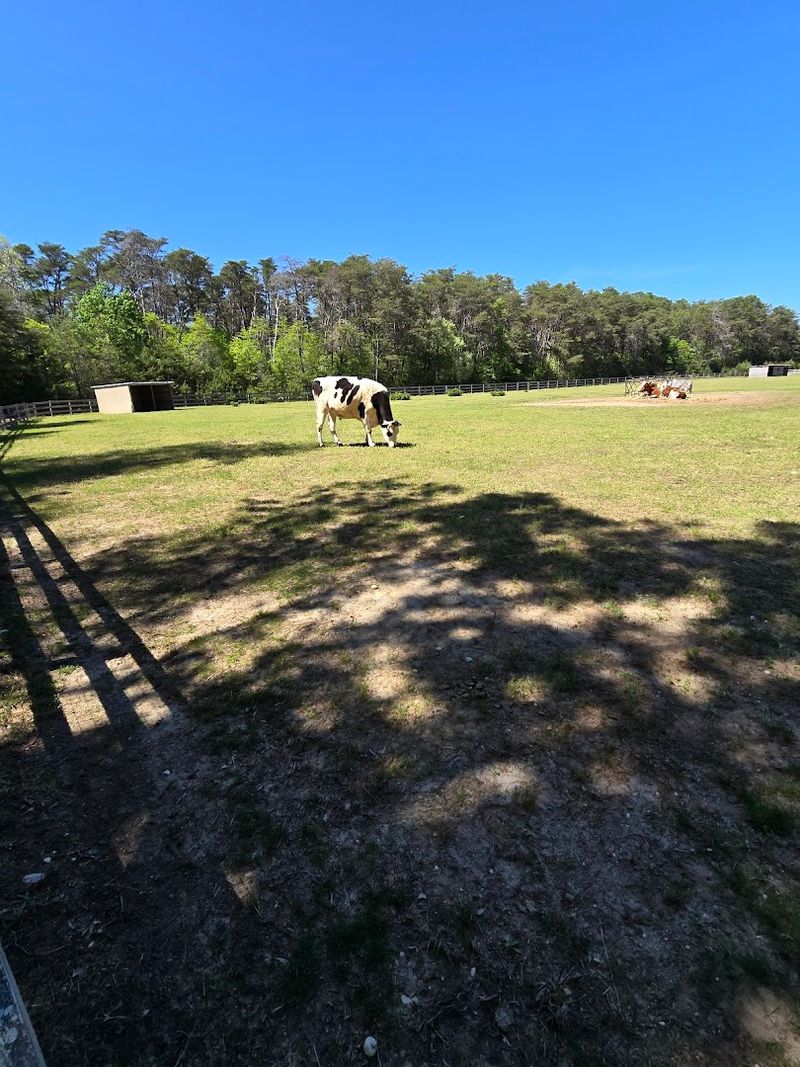
Cumberland County is not the New Jersey people picture when they only know the state from turnpike jokes, shore traffic, and diners with menus the size of phone books.
This part of South Jersey is quieter, flatter, and more agricultural, with long roads, open land, and the kind of rural pockets where a sanctuary can actually spread out.
That setting became essential for Jamie and Tara Castano, whose rescue work started with dogs before the farm-animal need became too big to ignore. The shift makes sense once you think about it.
New Jersey has plenty of pet rescues, but a stray dog and a stray pig are very different problems. A dog may need a foster home, training, and adoption help.
A pig may need secure fencing, special feed, veterinary care, shelter, and a property where neighbors will not panic every time someone oinks. Multiply that by goats, cows, horses, donkeys, sheep, roosters, pigeons, emus, parrots, and animals with medical or behavioral needs, and you understand why a few acres were never going to be enough.
Freedom Farm’s Cedarville property gave the rescue a permanent base after earlier uncertainty, and that stability changed everything. It meant the team could build enclosures with long-term care in mind instead of constantly solving the next emergency move.
It also gave South Jersey a rare kind of public-facing sanctuary, one where visitors can connect the dots between animal welfare and the daily, unglamorous work required to maintain it. Cedarville may be small, but in this story, that is part of its strength.
The sanctuary could not do what it does in a cramped, overbuilt corner of the state. It needed room, and South Jersey gave it room.
What Visitors Can Expect On A Saturday At The Sanctuary
Saturday visits at Freedom Farm are refreshingly straightforward. The sanctuary sits at 229 Newport Road in Cedarville, and visiting hours run from 10 a.m. to 2 p.m. on Saturdays.
The rhythm is simple. You walk the property, meet the animals, ask questions, and see how a real rescue operates when there are stalls to clean, mouths to feed, and fences doing the very important job of staying fences.
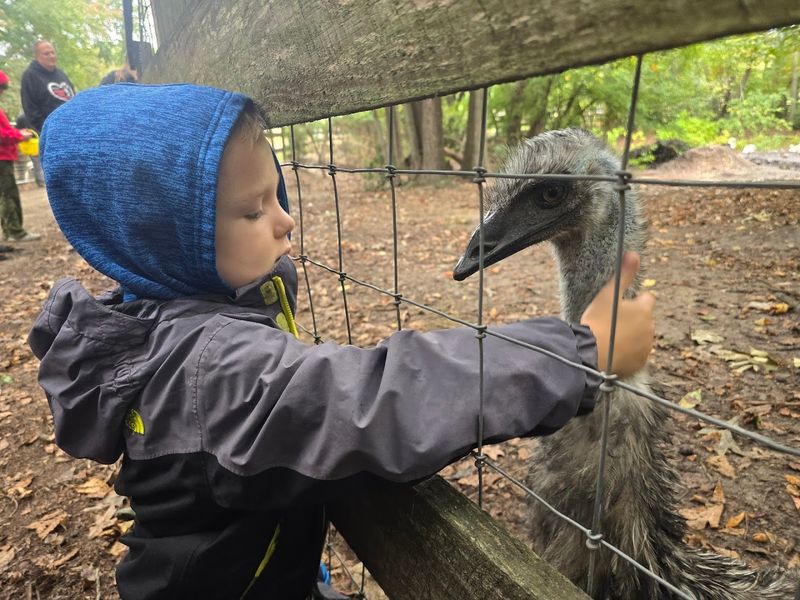
Families will like it here, but not because it has been sanded down into a kid attraction. Children can see cows, pigs, goats, horses, birds, and other residents up close, while also learning that animals have boundaries.
That lesson is worth the drive on its own. Some animals may wander right up, especially if they associate visitors with treats provided by the farm.
Others may keep their distance. Nobody needs to take it personally. A sanctuary visit works best when you slow down and let the animals decide how social they feel. Wear shoes that can handle dirt, gravel, or a little mud, because this is still a farm.
Leave outside food at home, for both humans and animals, and skip bringing pets along. Even friendly dogs can stress out sanctuary animals who have complicated histories.
The experience is easygoing, but it is not careless. You are likely to leave with a better understanding of how much work sits behind every peaceful animal photo.
The hay, the water, the medical care, the grooming, the repairs, the daily cleaning, all of it adds up. Freedom Farm lets visitors see the sweetness without hiding the effort.
Why This South Jersey Sanctuary Leaves Such A Lasting Impression
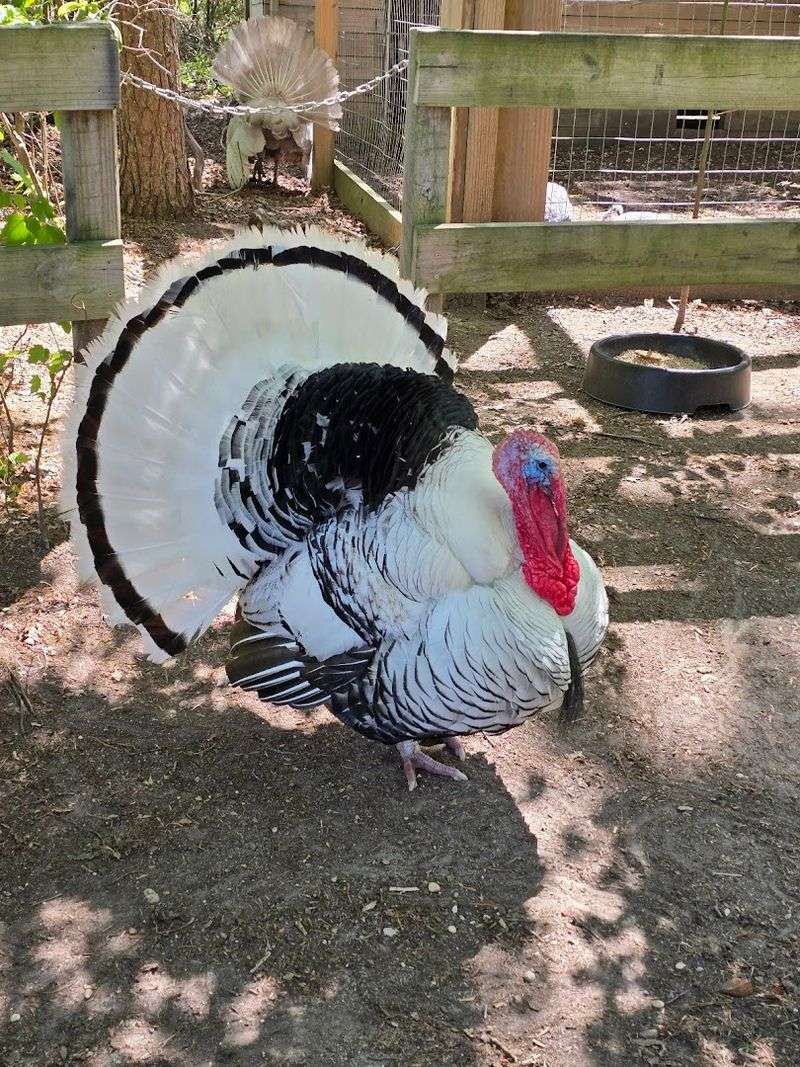
What lingers after Freedom Farm is not just the size of the place or the number of animals. It is the way the sanctuary treats every resident like a full story instead of a sad beginning.
That sounds simple until you see what it looks like in practice. A rooster who needs a separate enclosure gets one.
A horse who needs time gets time. A cow who came from a bad situation becomes more than a rescue statistic.
A pig with a big personality gets to be ridiculous, demanding, charming, stubborn, or all four before lunch. There is something very South Jersey about that, too.
Freedom Farm is practical, big-hearted, a little muddy, and not interested in putting on airs. It does not need a dramatic overlook or a fancy welcome center to make the visit memorable.
The power is in the ordinary details: feed buckets lined up for the day, animals waiting at a fence, volunteers moving with the calm urgency of people who know exactly what still needs doing. It also leaves visitors with a clearer picture of what rescue really means.
Saving an animal is not one heroic moment. It is the next morning, and the morning after that, and every vet bill, feed delivery, broken latch, water tank, hoof trim, and weather problem that follows.
Freedom Farm makes that commitment visible without turning it into a lecture. You can come for the animals, laugh at a goat being a goat, and still leave with a deeper respect for the people doing the work.
In a state full of loud attractions, this 43-acre refuge stays with you because it is quiet, honest, and completely focused on giving animals the safest life it can.
Share this story