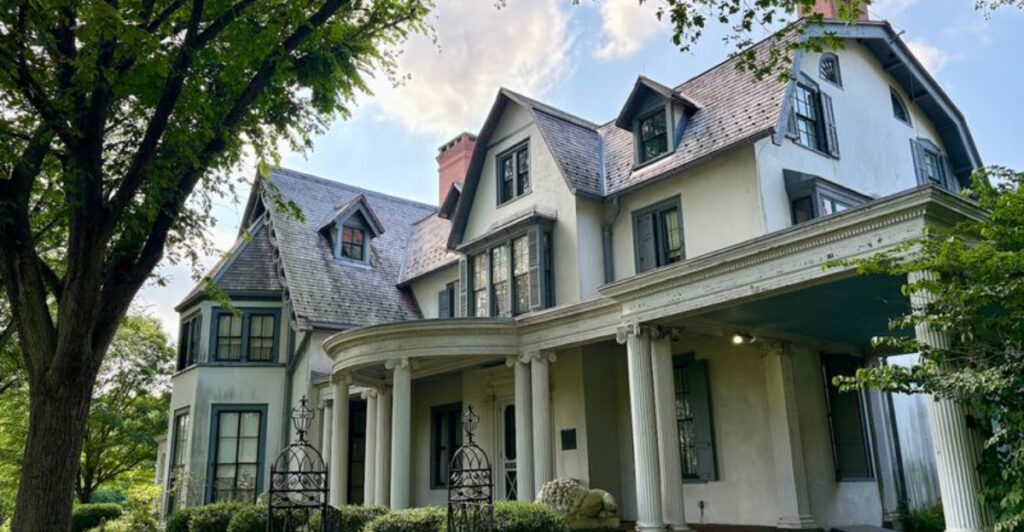
There are supposed Revolutionary War chain links sitting out in front of Ringwood Manor, which is a very New Jersey way for history to announce itself. Not with velvet ropes or hushed museum voices, but with iron, stone, old roads, mountain air, and the sense that somebody left half the Industrial Revolution scattered across the lawn.
Tucked in the Ramapo Mountains of Passaic County, this 582-acre National Historic Landmark District is part mansion, part ironworks story, part garden stroll, and part “wait, how did I not know this was here?”
The place has the kind of layered past that refuses to fit neatly into one category. It was a mining hub, a Revolutionary-era worksite, an ironmaster’s headquarters, and later a grand summer estate for the Cooper and Hewitt families.
Ringwood Manor does not feel staged. It feels accumulated, which is exactly what makes it so fascinating.
Why Ringwood Manor Feels Like a Hidden Chapter of New Jersey History
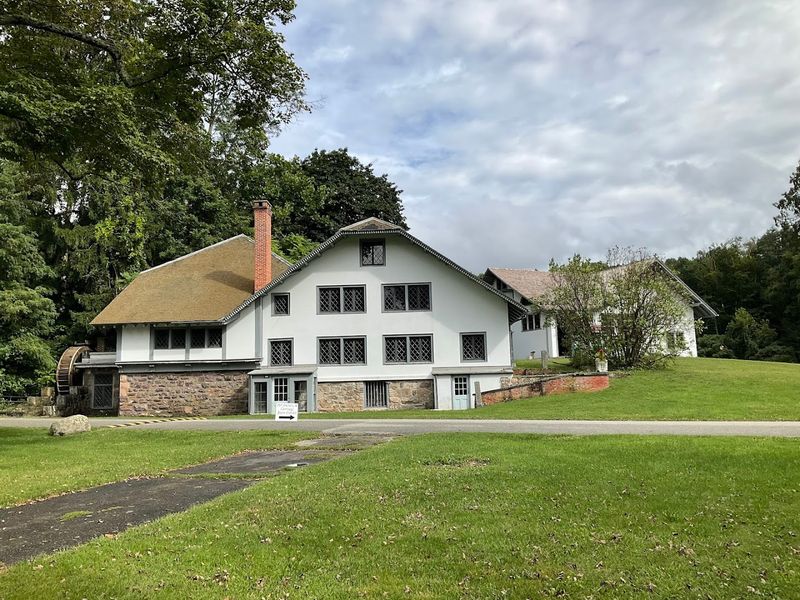
New Jersey has plenty of historic places that come with famous names attached, but Ringwood Manor has a sneakier kind of importance. It sits in northern Passaic County, near the New York border, at 1304 Sloatsburg Road, where the landscape starts feeling more Highlands than Parkway.
The Ramapo Mountains rise around it, and the property spreads out in a way that makes the modern world feel temporarily misplaced. One minute you are driving through Ringwood, and the next you are looking at a mansion that grew out of mines, furnaces, political ambition, family money, and a whole lot of iron.
What makes Ringwood Manor so interesting is that it does not tell just one New Jersey story. Its timeline stretches from Native American presence in the region through the early 20th century, with ironmasters shaping the property for more than 200 years.
That is a lot of history for one estate to carry, and the site wears it in layers. You can see the mansion, the lawns, the outbuildings, the gardens, the old industrial artifacts, and the landscape that made the whole operation possible.
It is also not some isolated mansion that existed only for parties and portraits. Ringwood was tied to work.
Hard, smoky, loud, practical work. The area’s magnetite iron deposits helped make it a serious mining and manufacturing center long before the Gilded Age polished parts of the property into a summer retreat.
That contrast is the hook. Ringwood Manor is elegant, yes, but its elegance is sitting on top of a rugged industrial backbone.
That gives the estate a little grit, and honestly, that is where the fun begins.
The Iron Mines and Forges That Helped Shape Early America
Long before Ringwood Manor became a place associated with gardens and grand family rooms, it was valuable because of what was under the ground. The Ramapo Mountains were rich in magnetite, the kind of iron ore that made entrepreneurs look at the woods and see dollar signs, furnaces, and military supply lines.
In the 1740s, the Ogden family of Newark helped establish the Ringwood Company, and by 1742 they had built a blast furnace that made Ringwood one of the important early iron-producing sites in the region. Then came Peter Hasenclever, a German-born ironmaster with big plans and, apparently, no interest in thinking small.
In the 1760s, he took over the works and expanded aggressively, developing furnaces, forges, roads, canals, and worker housing across a sprawling iron operation. His ambitions were almost too big to survive financially, but they helped cement Ringwood’s role in the early American iron industry.
The Revolutionary War added another layer. Robert Erskine, a Scottish engineer and mathematician, managed the ironworks here and later became George Washington’s Geographer and Surveyor General.
He produced hundreds of maps for the Continental Army while keeping the Ringwood furnaces active. That is the kind of detail that makes this place feel less like a preserved mansion and more like a machine room of American history.
The iron story did not stop after the Revolution. Martin J.
Ryerson bought the property in 1807, restarted production, and made shot for U.S. forces during the War of 1812. Later, the Cooper Hewitt operation would connect Ringwood’s ore to rails, beams, bridge cables, and Civil War manufacturing.
In other words, this was not background history. Ringwood helped build things that moved, defended, and reshaped the country.
How a Working Industrial Site Became a Gilded Age Retreat
Picture the place in the mid-1800s, and the contrast gets almost funny. On one side, you have mines, furnaces, workers, wagons, waterpower, and the messy business of extracting wealth from rock.
On the other, you have a family turning the same property into a summer estate, complete with entertaining, gardens, collected objects, and a house that kept expanding as tastes and fortunes changed. Ringwood did not switch from industry to luxury overnight.
It sort of did both at once for a while. The present manor house began with Martin J. Ryerson, who bought Ringwood in 1807 and built the early core of the residence. Later owners kept adding to it, remodeling it, and attaching pieces until the house became a 51-room estate with a wonderfully complicated personality.
Its architecture reflects different eras rather than one tidy design plan. Federal, Italianate, Gothic Revival, and Neo-Classical elements all show up, which sounds chaotic until you see how well the house tells its own story.
The big shift came with Peter Cooper and Abram S. Hewitt. Cooper, the industrialist and inventor, acquired the Ringwood property in the 1850s, and Hewitt, his son-in-law and business partner, became deeply connected to the estate.
Sarah Amelia Cooper Hewitt reportedly loved the property, and the family turned it into a summer home tucked between mountains while industrial operations continued around the broader landscape.
That is why Ringwood feels different from a polished Newport-style mansion. It was not built just to show off.
It evolved from a working iron property into a family seat. Even the elegant details have a recycled, collected, practical streak, from architectural additions to objects brought in from elsewhere.
It is luxury with soot in its backstory, which makes it far more interesting than another pretty old house with a fancy staircase.
Inside the Cooper Hewitt Legacy at Ringwood Manor
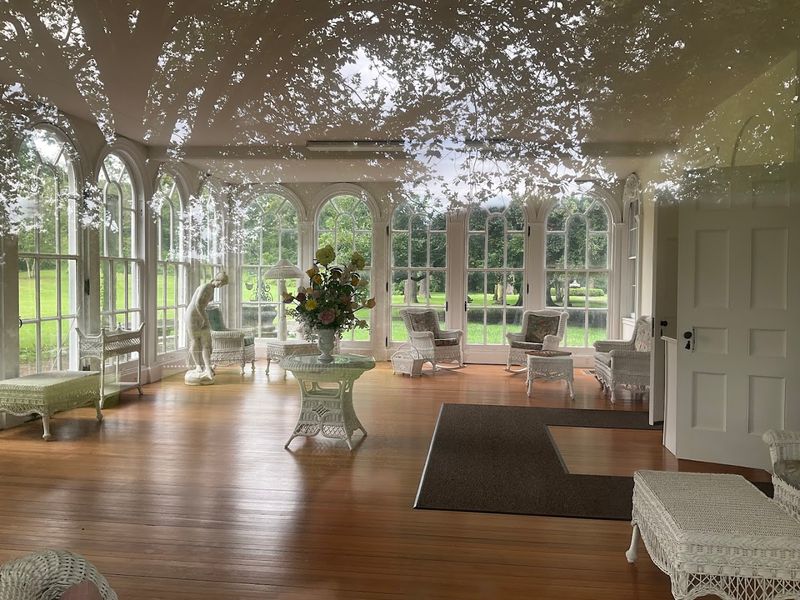
The Cooper Hewitt name carries a lot of weight, and Ringwood Manor helps explain why. Peter Cooper was one of those restless 19th-century figures who seemed allergic to doing just one thing.
He worked in manufacturing, invention, iron, education, philanthropy, and politics, and he founded Cooper Union in New York City with the belief that education should be open to people who could not otherwise afford it. His business world eventually led him into iron, and that is where Ringwood enters the family story.
Abram S. Hewitt may be even more central to Ringwood’s identity.
He married Cooper’s daughter, Sarah Amelia, helped run the family’s iron interests, served in Congress, became mayor of New York City, and was deeply involved in civic reform. Through Cooper, Hewitt & Co., the family’s industrial work touched railroads, structural iron, Civil War supplies, and the broader rise of American infrastructure.
At Ringwood, that national-scale ambition becomes personal. The estate was not just where the family visited.
It was where business, politics, family life, and status all overlapped. The next generation made the legacy even more interesting.
Sarah Cooper Hewitt and Eleanor Garnier Hewitt, Abram and Sarah Amelia’s daughters, were collectors with serious taste and energy. They helped found what became the Cooper Hewitt, Smithsonian Design Museum, originally the Cooper Union Museum for the Arts of Decoration.
That detail matters because it explains the eye behind Ringwood’s collections. The objects here were not random rich-family clutter.
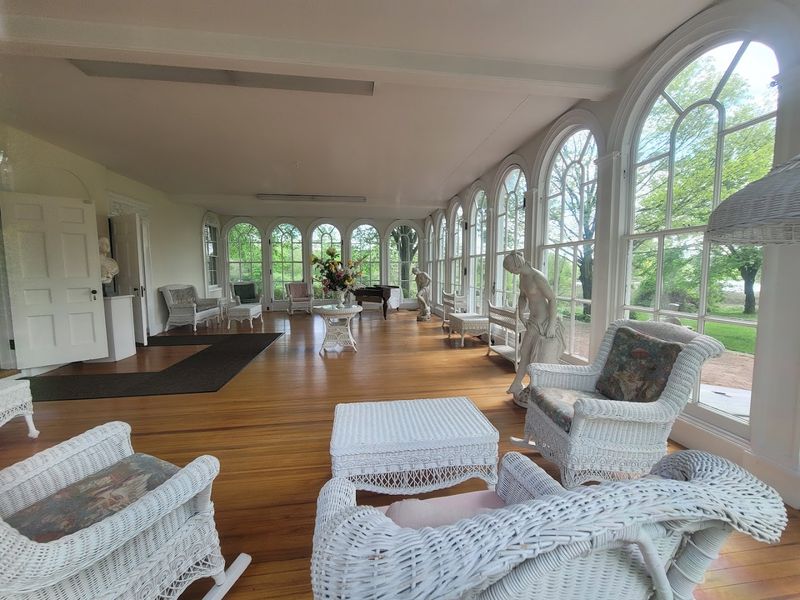
They reflected a family that cared about design, craftsmanship, history, and the usefulness of beautiful things. Inside Ringwood Manor, that legacy shows up in the preserved rooms, period furnishings, decorative arts, family objects, and the sense that each generation left something behind.
The house is not frozen at one perfect moment. It feels more like a family archive with wallpaper, fireplaces, iron, carriages, and a few very strong personalities still hanging around.
The Gardens Collections and Grounds That Make the Estate Feel Frozen in Time
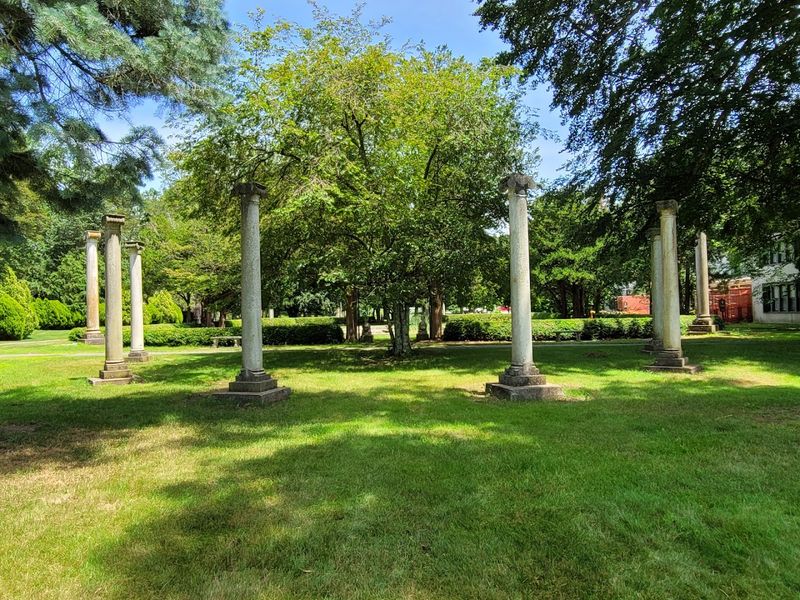
The best part of wandering Ringwood Manor’s grounds is that the estate keeps surprising you with objects that feel like they wandered in from entirely different stories. A formal garden might give you statuary.
A lawn might give you iron artifacts. The area near the house includes relics from the iron industry, old architectural fragments, and decorative pieces that the Hewitts collected over time.
It is not a minimalist landscape, thank goodness. This is a place with stuff to look at.
Some of that “stuff” is wonderfully specific. The formal garden north of the house has been associated with French and Italian statuary, while the grounds have included pieces brought from New York City, such as columns from the old New York Life Insurance Building and gates from the Astor House.
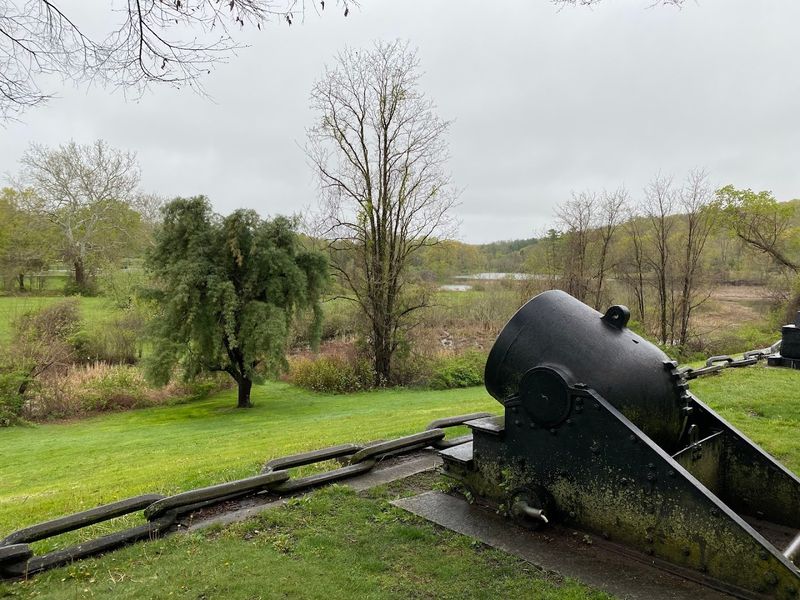
There is also a 60-foot well dug by Robert Erskine, later dressed up with a Venetian well curb and ironwork. In front of the manor, iron artifacts have included a hammer and anvil from the original forges, along with links traditionally associated with the Revolutionary chain across the Hudson at West Point.
That mix is what makes the grounds feel so alive. Ringwood is not just saying, “Here is a mansion.” It is saying, “Here is the mansion, and here are the tools, gates, stones, ponds, roads, and odd treasures that explain how people used this place.” The landscape itself helps with the storytelling.
The millpond, cemetery, fields, gardens, and outbuildings create a slow reveal, where the estate becomes less polished the more closely you pay attention. Even the gardens have a practical edge.
They are pretty, but they are also evidence of how the Hewitts shaped the immediate area around a property that had once been dominated by industrial use. Ringwood Manor’s beauty is not delicate.
It is layered, collected, and just a little eccentric, which is exactly why it sticks with you.
What Visitors Can Still Experience Across the 582 Acre Landmark
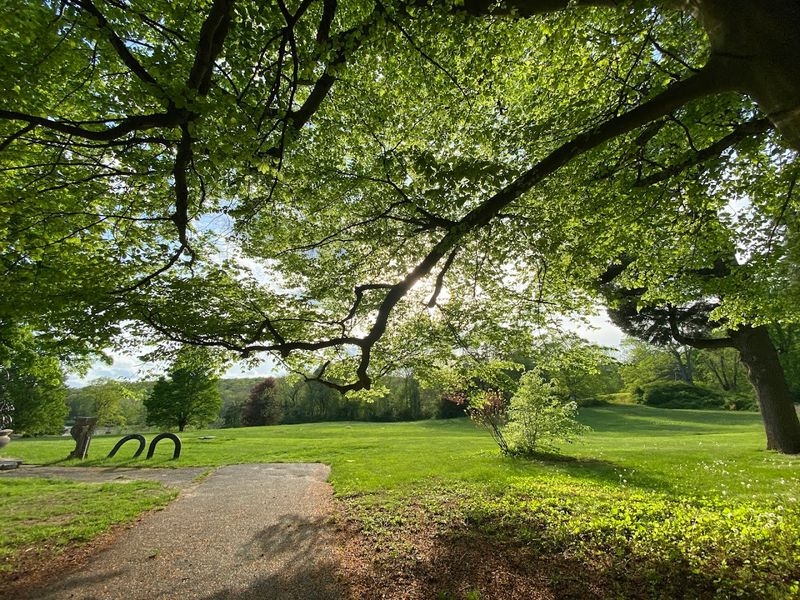
A visit today is less about rushing through a checklist and more about letting the property unfold. Ringwood Manor sits within Ringwood State Park, and the grounds around the manor are open year-round, with current posted park hours from 8 a.m. to 8 p.m.
The address is 1304 Sloatsburg Road in Ringwood, which puts it within easy reach of other northern New Jersey parkland, including the larger Ringwood State Park network.
There is one important note for anyone hoping to tour the mansion interior: the manor has been listed as closed for interior public tours because of an exterior restoration project, so the house schedule should be checked before planning around indoor access.
When regular general admission tours are operating, posted tour pricing has been $10 for adults, $8 for seniors 62 and older, $5 for children ages 6 to 12, and free for children 5 and under. The site has also offered outdoor tours, special events, and a carriage barn exhibit seasonally.
The grounds are still a big part of the experience. Visitors can see historic buildings and landscape features, explore formal gardens, picnic near parking lot B, and connect with hiking and mountain biking trails in the surrounding park.
The property is carry-in, carry-out, and pets are allowed on the grounds as long as they are leashed and under control. From Memorial Day weekend through Labor Day, weekend parking fees have been posted at $5 per car for New Jersey residents and $7 for out-of-state visitors.
Seasonal programming adds another reason to pay attention to the calendar. Grounds and garden tours have been scheduled as free two-hour guided walks on weekends during the warmer months, with guides pointing out the outbuildings, planned gardens, historic objects, and landscape details that are easy to miss on your own.
That is where Ringwood Manor works best: not as a quick mansion stop, but as a place where iron, money, mountains, and memory all sit in the same field.
Share this story