Nashville’s dining scene just hit a milestone that most cities only dream about. The Catbird Seat, tucked away on the fifth floor of a building on 8th Avenue South, recently earned both James Beard recognition and a coveted Michelin star.
For a restaurant that already had food lovers scrambling for reservations, these accolades have turned it into the hottest table in Tennessee and one of the most talked-about dining experiences in the entire South.
The Nashville Restaurant Everyone Is Trying to Book Right Now
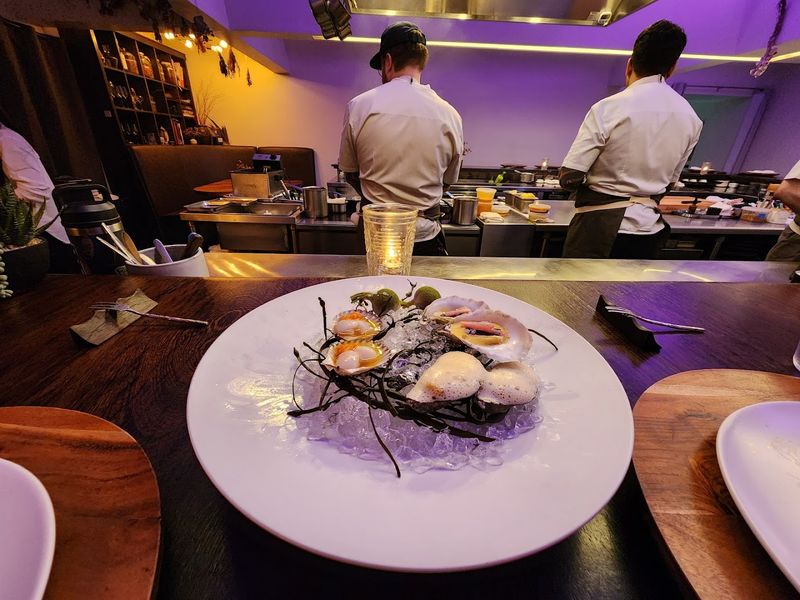
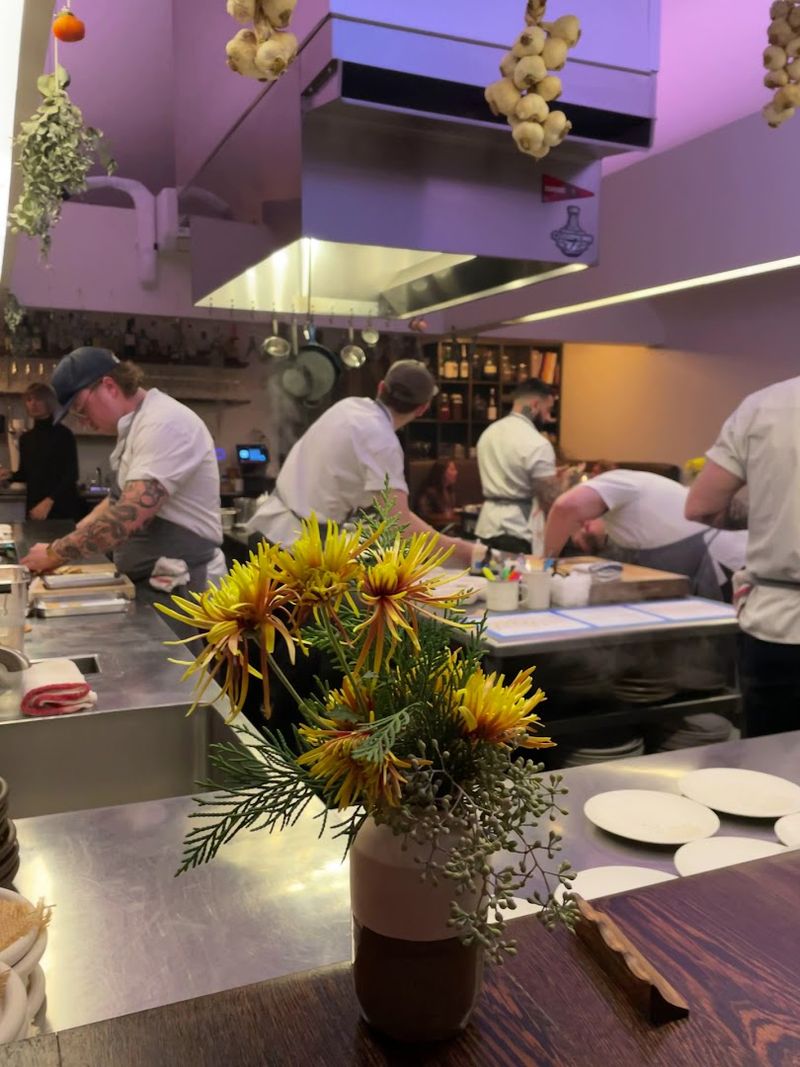
Getting a reservation at The Catbird Seat feels a bit like winning the lottery these days. Located on the fifth floor at 700 8th Avenue South, this restaurant operates only Wednesday through Saturday evenings, opening its doors at five in the afternoon. With just 32 seats arranged in a U-shape around an open kitchen, every spot in the house offers a front-row view of culinary magic happening in real time.
Reservations open exactly one month in advance, and they disappear faster than hot chicken at a Sunday picnic. The restaurant’s booking system requires you to mark your calendar and be ready right when slots drop. Many diners report refreshing their browsers repeatedly, hoping to snag one of those precious seats for a special occasion or just to experience what all the buzz is about.
What makes people so determined to get in? Part of it is the exclusivity, sure. But mostly it’s the reputation this place has built for delivering an unforgettable evening.
Guests describe walking into a space that feels both modern and intimate, with old-school hip hop playing in the background while chefs work with surgical precision just inches away.
The restaurant requires full prepayment when you book, and with prices hovering around $300 per person before beverages, it’s definitely a splurge. But for those who’ve experienced it, the investment feels justified.
Phone reservations aren’t really a thing here. Everything happens online, which keeps the process fair but also means you need to be tech-savvy and quick. The restaurant does accommodate dietary restrictions if you notify them when booking, though some guests with shellfish allergies have noted that substitutions tend to lean heavily on vegetables rather than alternative proteins.
What Makes The Catbird Seat So Different From a Regular Fine Dining Spot
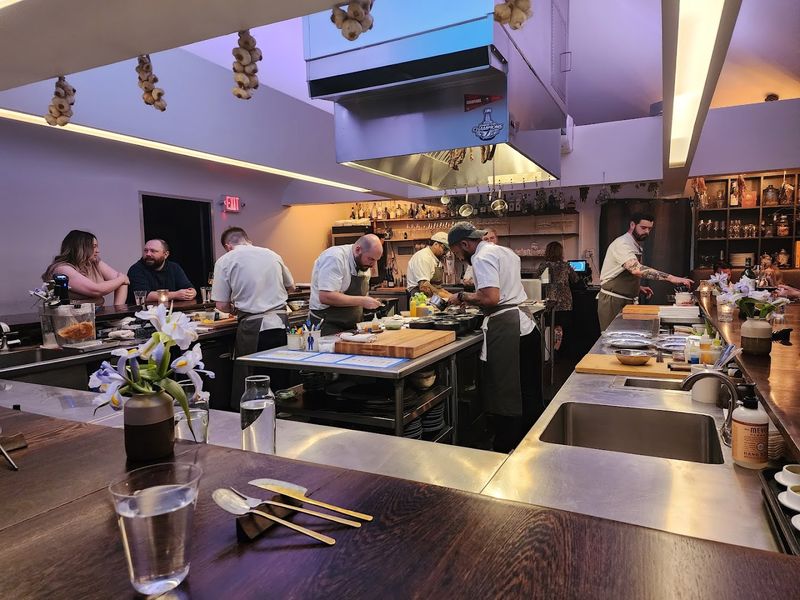
Most fancy restaurants keep their kitchens hidden behind swinging doors, but The Catbird Seat throws that playbook out the window. Every single seat surrounds the kitchen in a U-shaped counter arrangement, putting diners right in the action. You’re not just eating here; you’re watching artists work, smelling ingredients as they hit hot pans, and hearing the sizzle and pop of each course coming together.
The format is prix fixe only, meaning there’s no menu to order from. Everyone gets the same tasting progression, which typically runs between 11 and 13 courses depending on the season. The menu changes constantly based on what’s fresh and what inspires the culinary team, so your experience in March will look completely different from someone else’s in October.
Staff members don’t just drop plates and disappear. Each course gets explained by the chef who prepared it, creating personal connections throughout the evening. The beverage director walks you through wine pairings if you opt for them, showing bottles and discussing regions.
Even the sommelier takes time to chat, making recommendations based on your preferences rather than just following a script.
The whole experience lasts around two and a half to three hours, though some guests report quicker pacing depending on seating times. You’re not rushed exactly, but there’s a rhythm to the evening that keeps things moving.
What really sets this place apart is how transparent everything is. You see every garnish placed, every sauce drizzled, every plate wiped clean before it reaches you. That level of openness creates trust and excitement, turning dinner into theater without feeling performative or stuffy.
It’s fine dining that somehow manages to feel approachable despite the white-tablecloth polish.
The James Beard Recognition That Changed the Conversation
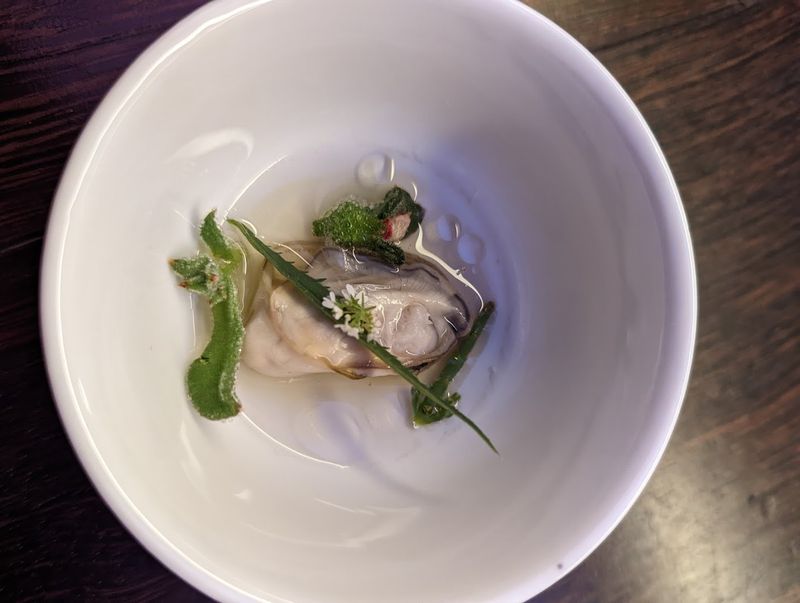
When The Catbird Seat earned James Beard recognition, it wasn’t just another trophy for the shelf. The James Beard Awards represent the culinary world’s highest honor in America, often compared to the Oscars of the food industry. Getting a nod from this organization means your restaurant has reached a level of excellence that peers and critics can’t ignore, and it immediately elevates your reputation on a national stage.
For Nashville, this recognition carried extra weight. The city has long been known for hot chicken, barbecue, and honky-tonk bars, but fine dining hasn’t always been part of the conversation. The Catbird Seat’s James Beard acknowledgment helped shift that narrative, proving that Music City could compete with coastal culinary capitals when it comes to sophisticated, innovative cooking.
The nomination process for James Beard Awards is rigorous. Chefs, restaurateurs, food writers, and past winners all participate in voting, making it a true peer-reviewed honor. To even be considered, a restaurant needs to demonstrate consistent excellence, creativity, and impact on the broader culinary landscape.
The Catbird Seat checked all those boxes and then some.
What this recognition did for reservations was immediate and dramatic. Suddenly, food enthusiasts from across the country were adding Nashville to their travel itineraries specifically to eat here. Local diners who might have hesitated at the price point decided this was the moment to splurge.
The restaurant’s already-challenging booking situation became even more competitive.
Beyond the practical effects, the James Beard nod gave the entire staff validation for years of hard work. Creating a tasting menu that changes constantly requires incredible dedication and creativity. Every dish needs to be perfect because there are no fallback options.
The recognition acknowledged that level of commitment and craftsmanship, cementing The Catbird Seat’s place among America’s most famous restaurants.
Why Michelin’s Attention Matters So Much in Tennessee
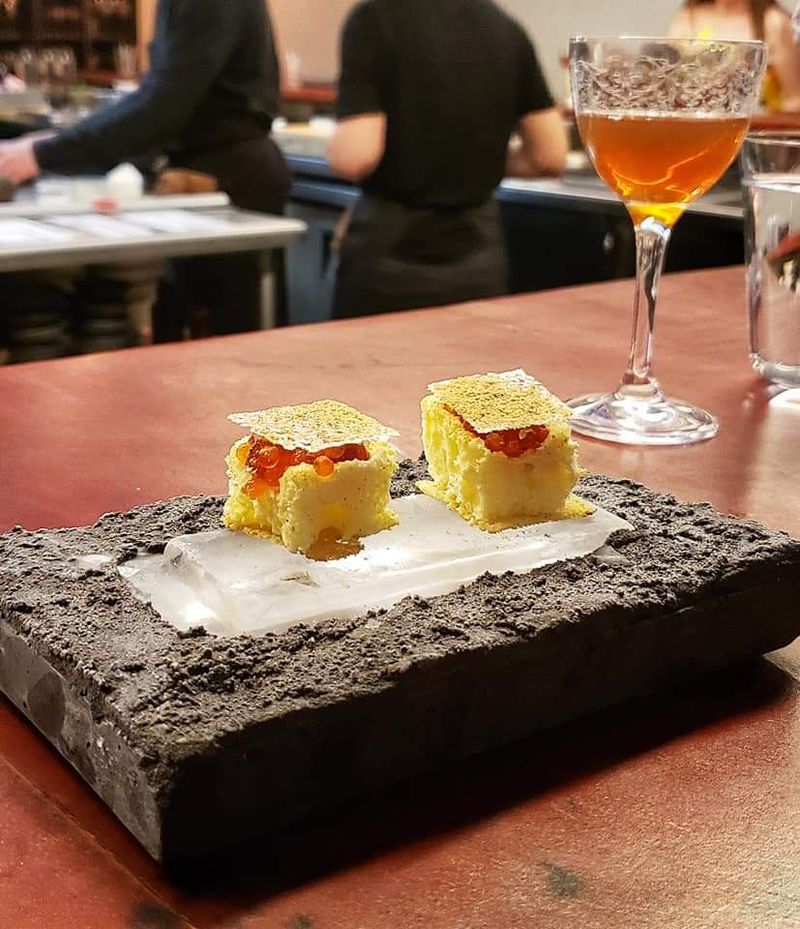
Michelin stars have been the gold standard of restaurant ratings in Europe for over a century, but the famous red guide only started covering American cities in recent decades. When Michelin announced they’d be evaluating restaurants in Tennessee, it sent shockwaves through the local food scene. No one knew exactly what would happen, but everyone understood the stakes were enormous.
For The Catbird Seat, earning a Michelin star in November 2024 represented validation from an entirely different authority than James Beard. While the Beard Awards focus on American culinary excellence, Michelin brings a global perspective and standards refined over generations. A Michelin star tells the world that this restaurant would hold its own in Paris, Tokyo, or Copenhagen.
Tennessee had never been part of the Michelin conversation before. The state’s culinary identity revolved around comfort food and regional specialties, not the kind of refined technique and artistic presentation that Michelin typically celebrates. The Catbird Seat proved those assumptions wrong, showing that world-class fine dining could thrive in Nashville just as well as in New York or San Francisco.
The economic impact of a Michelin star extends far beyond the restaurant itself. Tourism boards use these accolades to attract visitors, hotels promote proximity to starred restaurants, and the entire local food scene benefits from increased attention. When one restaurant earns a star, it raises the profile of the whole city, inspiring other chefs to push boundaries and potentially earn recognition of their own.
For diners, a Michelin star serves as a guarantee. It tells you that anonymous inspectors visited multiple times, evaluated every aspect of the experience, and determined that this restaurant delivers something truly exceptional. That kind of third-party validation matters when you’re about to spend several hundred dollars on dinner.
A Dinner Experience Built Around Surprise, Skill, and Spectacle
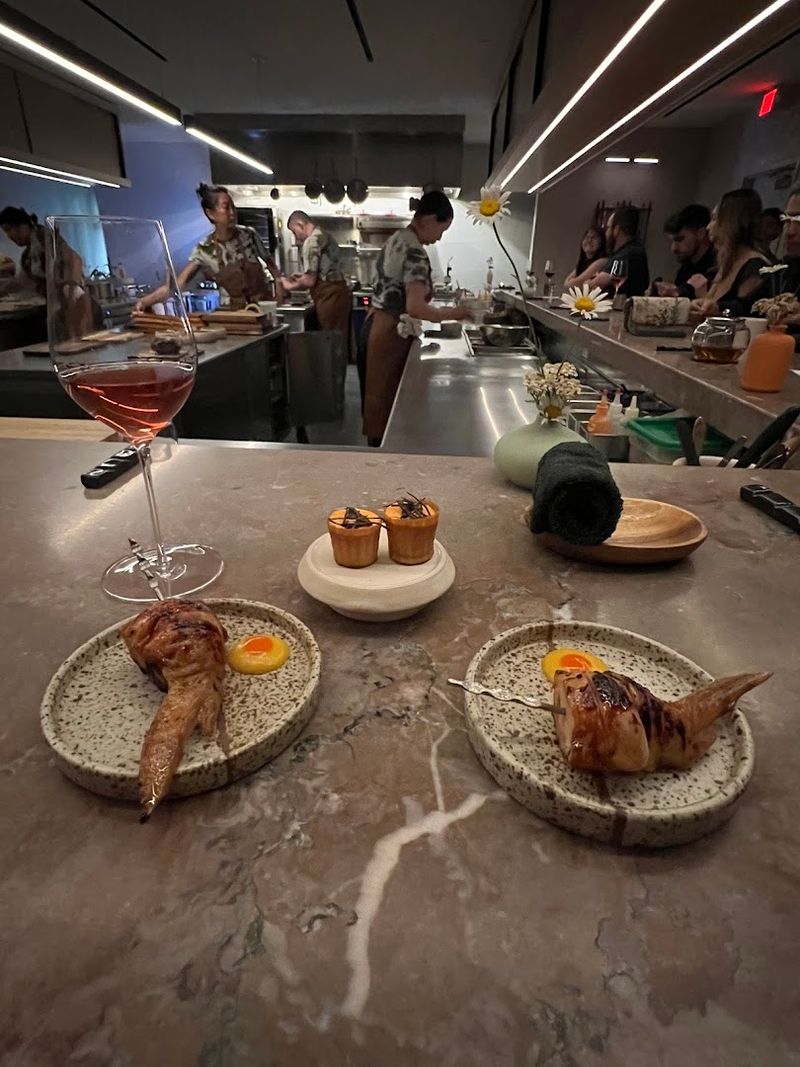
Walking into The Catbird Seat means surrendering control in the best possible way. You don’t know what you’ll be eating until each course arrives, and that element of surprise transforms dinner into an adventure. One moment you’re tasting something that looks like a work of modern art, the next you’re experiencing flavor combinations you didn’t know existed.
The skill on display is genuinely impressive. Chefs use tweezers to place individual microgreens, blowtorches to finish sauces, and techniques borrowed from molecular gastronomy to create textures that surprise your palate.
Each course is petite, which is typical for tasting menus, but by the time you reach the 11th or 13th plate, most diners report feeling genuinely full. The progression is carefully designed to build flavors and intensities, starting lighter and gradually moving toward richer, more complex dishes before finishing with desserts that feel both playful and sophisticated.
What makes the spectacle work is how unpretentious it all feels. Yes, you’re watching chefs execute techniques that require years of training, but they’re doing it while hip hop plays in the background and they chat with you about their inspiration for each dish.
Wine pairings elevate the experience even further. The beverage team doesn’t just pour glasses; they tell stories about vineyards, explain why certain wines complement specific dishes, and adjust recommendations based on your preferences. Some guests opt for the petite pairing to keep things moderate, while others go all-in on the full experience, trusting the staff to guide them through an evening of perfectly matched flavors.
Why This Restaurant Feels Almost Impossible to Ignore
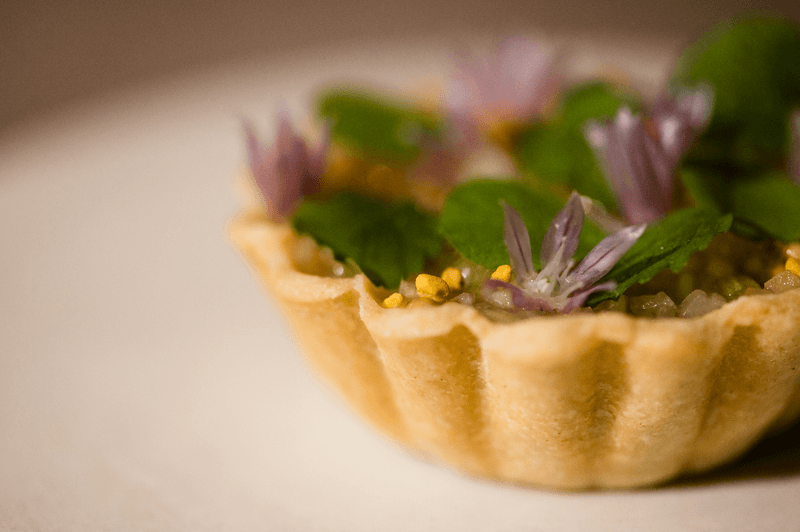
Momentum has a way of building on itself, and The Catbird Seat is riding a wave that shows no signs of breaking. Between the James Beard recognition, the Michelin star, and countless glowing reviews from guests, this restaurant has become the kind of place people feel they need to experience. It’s not just about eating anymore; it’s about being part of a cultural moment.
Social media amplifies everything. When someone scores a reservation and shares photos of those beautifully plated courses, their friends see it and immediately want the same experience. Food bloggers and influencers have made The Catbird Seat a must-visit destination, creating a feedback loop where popularity breeds more popularity.
The restaurant’s Instagram-worthy presentations don’t hurt either, though the focus remains squarely on flavor over aesthetics.
What makes ignoring this place truly difficult is how rare the combination of accolades has become. Plenty of restaurants earn James Beard nominations, and a growing number have Michelin stars, but having both puts you in extremely exclusive company. In Tennessee, there’s simply no other restaurant that can claim this level of recognition from both major authorities.
What The Catbird Seat’s Rise Means for Nashville’s Food Scene
A rising tide lifts all boats, and The Catbird Seat’s success is creating opportunities for the entire Nashville culinary community. When one restaurant achieves this level of recognition, it attracts food-focused travelers who don’t just eat at one place during their visit. They explore the whole scene, trying other ambitious restaurants, visiting markets, and spreading their tourism dollars across the city.
Young chefs watching The Catbird Seat’s trajectory are getting inspired to push boundaries themselves. The message is clear: you don’t have to move to New York or Los Angeles to cook at the highest level. You can build something world-class right here in Tennessee, and the industry will take notice.
That shift in mindset could shape Nashville’s food culture for decades to come.
The city’s reputation is evolving in real time. Nashville is no longer just the place you go for bachelorette parties and country music. It’s becoming recognized as a legitimate culinary destination where serious food lovers can find experiences that rival anything on the coasts.
That transformation attracts investment, encourages more talented chefs to open restaurants here, and raises expectations across the board.
Local suppliers and farmers benefit too. A restaurant like The Catbird Seat, with its farm-to-table philosophy and constantly changing menu, needs access to the best ingredients available. That creates demand for small producers growing specialty items, raising the quality and variety of what’s available throughout the region.
Other restaurants can then access those same ingredients, elevating their own menus.
There’s also a pride factor that shouldn’t be underestimated. Nashville residents love seeing their city gain recognition for something beyond the usual stereotypes. Having a Michelin-starred restaurant gives locals a new reason to celebrate their hometown, and it provides a sophisticated option for impressing out-of-town visitors.
The Catbird Seat has become part of Nashville’s identity, proof that this city can compete on any stage.
Share this story