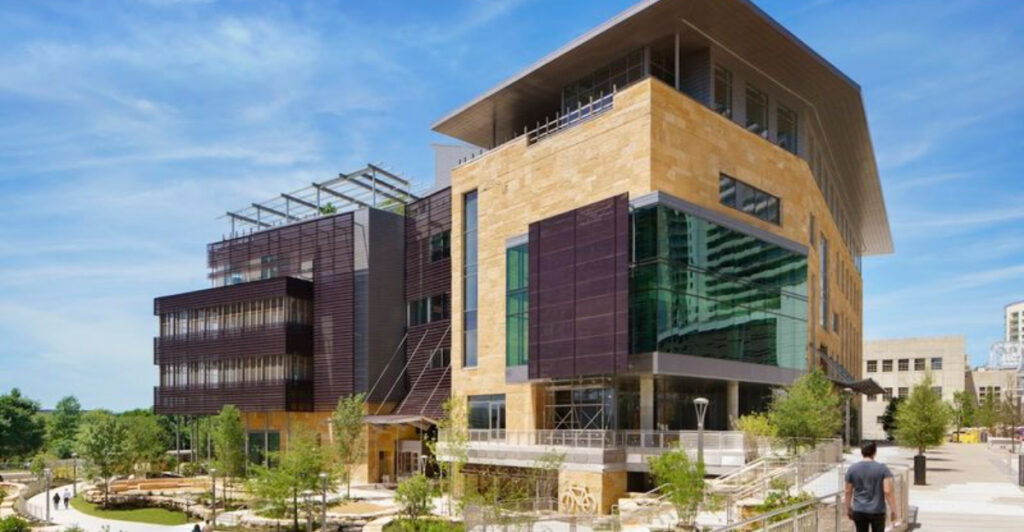
Most people think libraries are just quiet places to check out books, but Austin Central Library flips that idea completely upside down. This six-story architectural marvel at 710 W Cesar Chavez Street has won awards for its stunning design and serves as a community hub where you can do everything from playing life-sized chess to relaxing in a rooftop garden with sweeping city views. Whether you’re a local looking for a cool spot to spend an afternoon or a visitor wanting to experience something uniquely Austin without spending a dime, this downtown gem delivers way more than you’d expect from a public library.
1. Modern Architecture That Stops You in Your Tracks
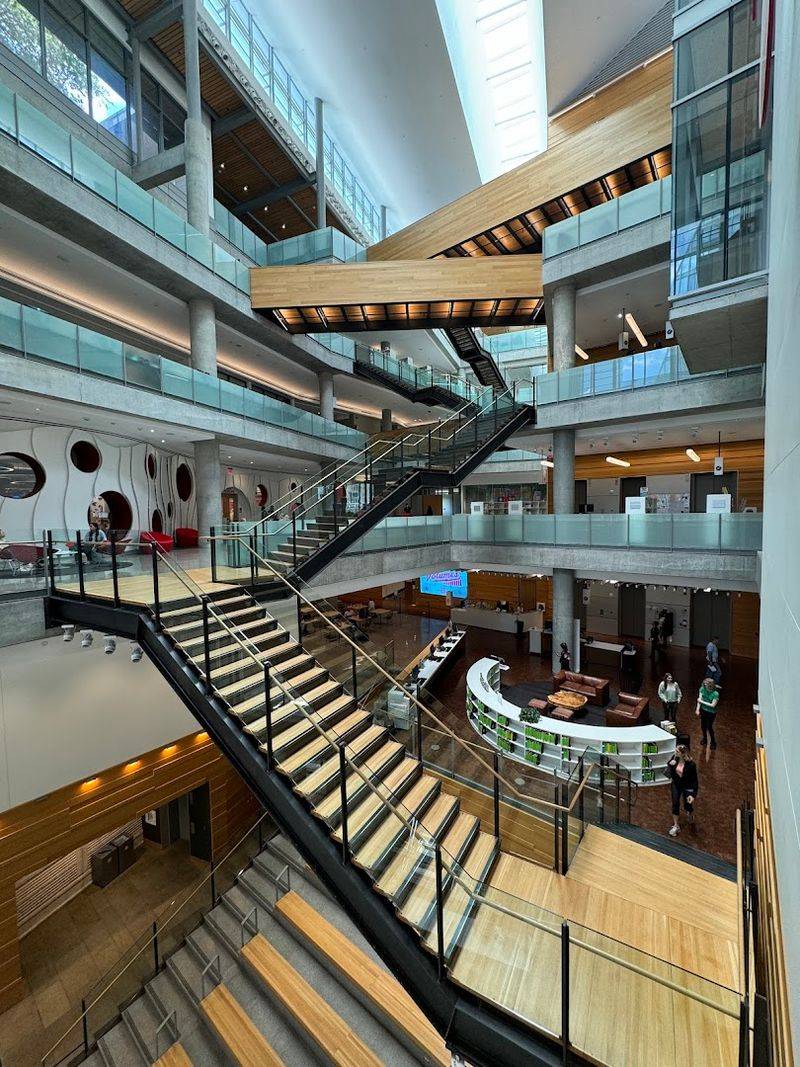
Walking up to Austin Central Library feels more like approaching a cutting-edge museum than a traditional book repository. The building’s sleek lines and massive glass panels create an open, inviting atmosphere that screams modern Austin. Designed by Lake|Flato Architects, this structure earned serious recognition in the architectural world for blending functionality with jaw-dropping aesthetics.
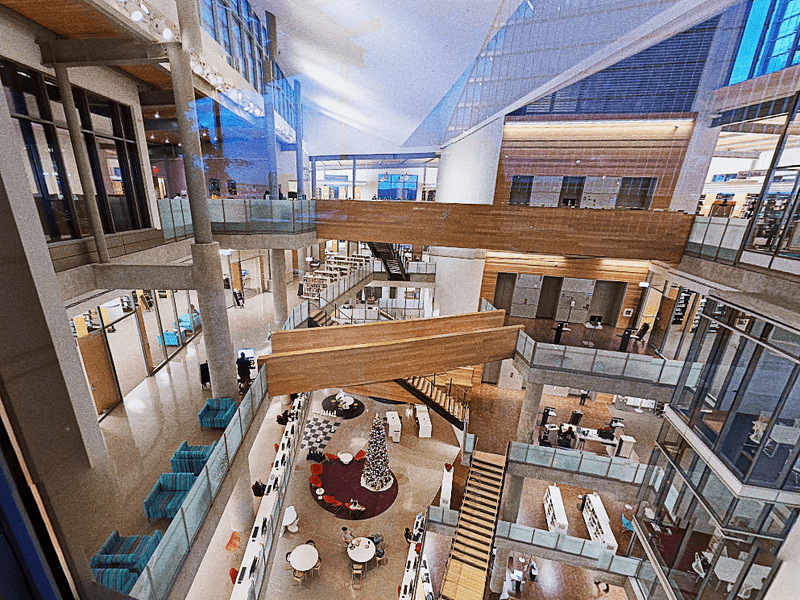
Inside, you’ll find an open central atrium that rises through multiple floors, giving you vertical views that make the space feel enormous and airy. Natural light floods in from strategically placed windows, reducing the need for artificial lighting while creating warm, welcoming study spots throughout. The design team clearly understood that a library should inspire curiosity, not put you to sleep.
Every floor offers something visually interesting, from art installations scattered throughout to thoughtfully designed furniture that balances comfort with style. The building itself tells a story about what public spaces can become when cities invest in their communities. Even the staircases become Instagram-worthy features, winding through the atrium in ways that make climbing stairs actually enjoyable.
Locals and tourists alike find themselves wandering the building just to appreciate the design details. The contemporary aesthetic fits perfectly with Austin’s progressive vibe while remaining accessible and non-intimidating. This isn’t some stuffy institution—it’s a space designed for real people to enjoy, explore, and feel inspired by their surroundings every single day.
2. Rooftop Garden With Seriously Impressive Views
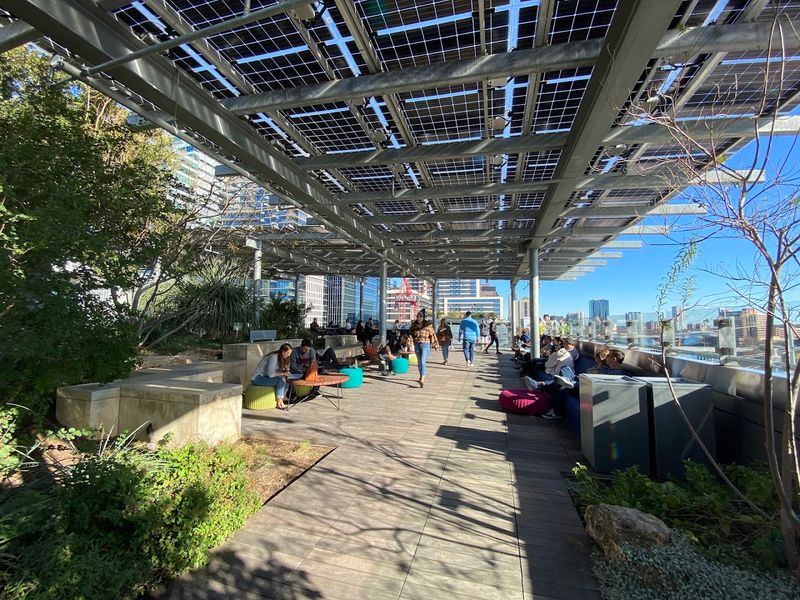
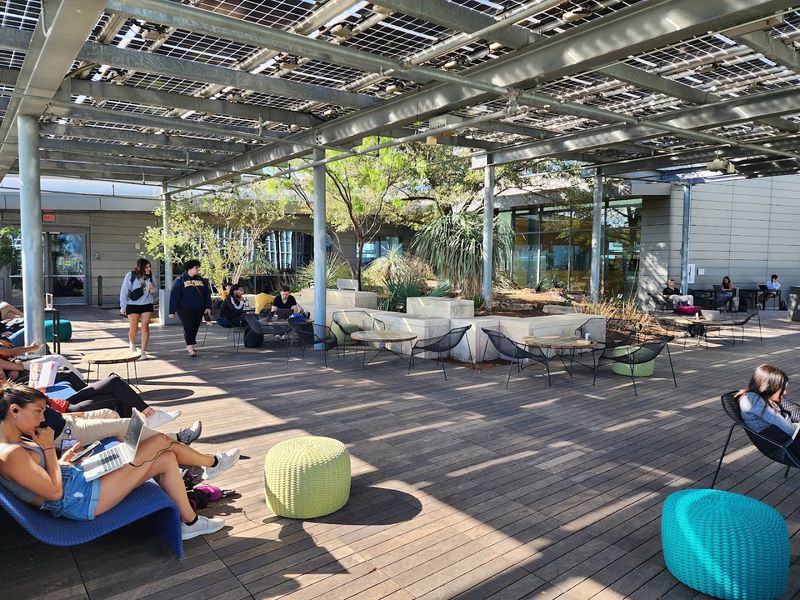
Climb to the sixth floor and you’ll discover something totally unexpected: a legitimate rooftop garden with panoramic views of downtown Austin and Lady Bird Lake. Solar panel canopies provide shade while generating clean energy, proving that sustainability can look seriously cool. The outdoor space feels like a secret escape from the bustling city below, even though you’re right in the heart of downtown.
Comfortable seating areas invite you to bring a book outside or just soak in the scenery. The breeze up there hits differently, especially on hot Texas days when you need relief from the heat. Many visitors say this rooftop spot alone makes the trip worthwhile, offering perspectives of Austin’s skyline that rival paid observation decks.
The garden design incorporates native Texas plants that thrive in the local climate without requiring excessive watering or maintenance. This thoughtful landscaping creates pockets of green space that soften the urban environment. You’ll often find people sketching, reading, or simply decompressing while enjoying views that stretch across the Colorado River.
Photographers love the golden hour lighting up here, when the setting sun paints the city in warm tones. Families bring kids to run around in the open space, and couples find quiet corners for conversations. The rooftop proves that public amenities don’t need hefty admission fees to deliver memorable experiences that stick with you long after you leave.
3. Kids’ Paradise on the Second Floor
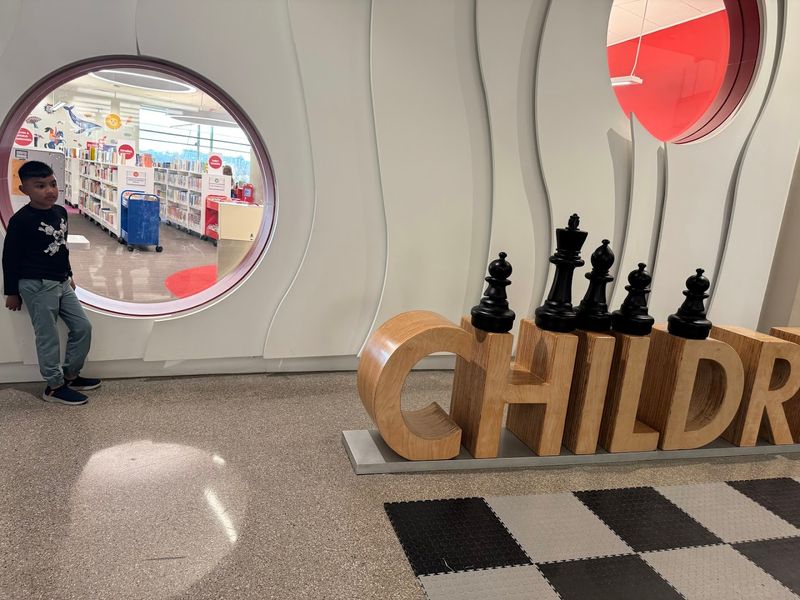
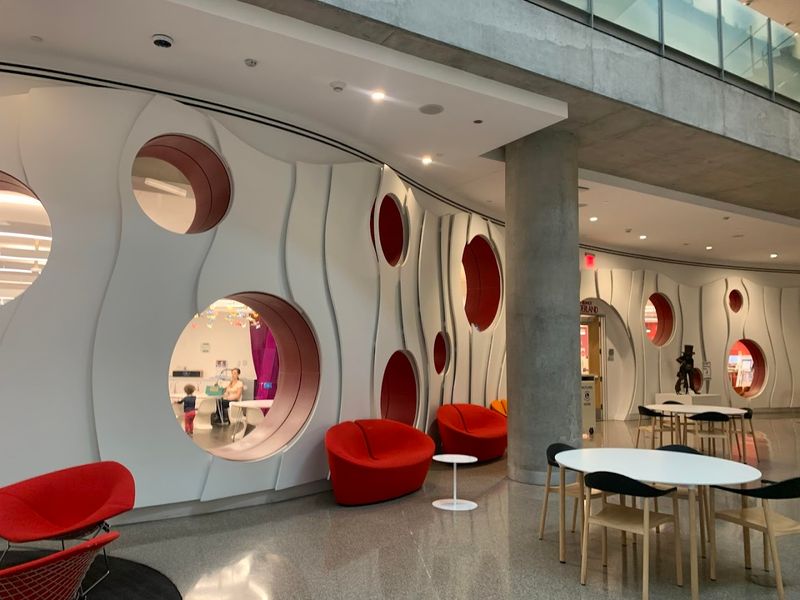
Parents consistently rave about the entire second floor dedicated to children and teens, where learning meets play in the most engaging ways. The life-sized chess board immediately catches kids’ attention, turning abstract strategy into physical movement and hands-on fun. Smaller chess sets scattered around offer alternatives for kids who prefer traditional gameplay or want to challenge friends.
The children’s area staff brings genuine warmth and enthusiasm to their interactions, greeting families with welcoming smiles and helpful suggestions. Craft activities rotate regularly, giving kids creative outlets beyond screen time. Many families grab craft kits to take home, extending the library experience beyond their visit.
Computers loaded with educational games provide tech-savvy entertainment that parents actually approve of. The space divides cleverly between younger children and teens, acknowledging that different age groups need different environments. Teens get their own designated zone with laptops available for four-hour checkout periods, plus comfortable seating that feels more like a cool hangout than a study hall.
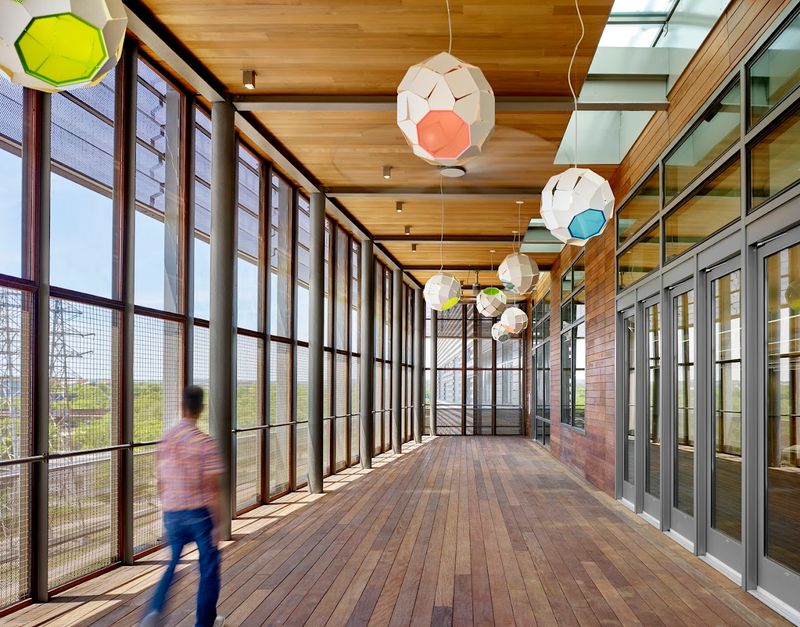
Outdoor reading porches connected to the children’s area offer fresh air without leaving the floor. The thoughtful design recognizes that kids need movement and variety to stay engaged. Toys, games, and interactive displays supplement the extensive book collection, proving that modern libraries understand how children actually learn.
This floor alone could entertain families for hours, making it a lifesaver for parents seeking free, educational activities downtown.
4. Free Parking for the First Hour
Here’s something you don’t hear often in downtown Austin: free parking actually exists. The attached underground garage offers your first hour completely free, which sounds almost too good to be true for this area. A clear sign at the entrance breaks down the fee structure for longer stays, so you’ll know exactly what to expect if your library adventure extends beyond sixty minutes.
The two-level garage connects directly to the library, meaning you won’t get rained on during those sudden Texas downpours. Fair warning though—the space gets tight in spots, so bigger vehicles need extra caution when navigating the turns. Take your time maneuvering, especially during busy weekend hours when the garage fills up quickly.
Payment machines on the library’s second floor make settling your parking bill convenient before you head out. Several reviewers mention that exit lines can back up, particularly during peak times, so factor in a few extra minutes if you’re on a tight schedule. The system works smoothly once you understand the flow, though first-timers sometimes feel confused about where to pay.
For downtown Austin, even paid parking here remains reasonably affordable compared to surrounding lots and meters. The free first hour works perfectly for quick visits—grabbing a book, checking out the rooftop, or letting kids burn energy in the children’s section. Longer study sessions or leisurely exploration days will cost you, but the convenience of covered, connected parking still beats circling blocks searching for street spots.
5. Study Spaces That Actually Work
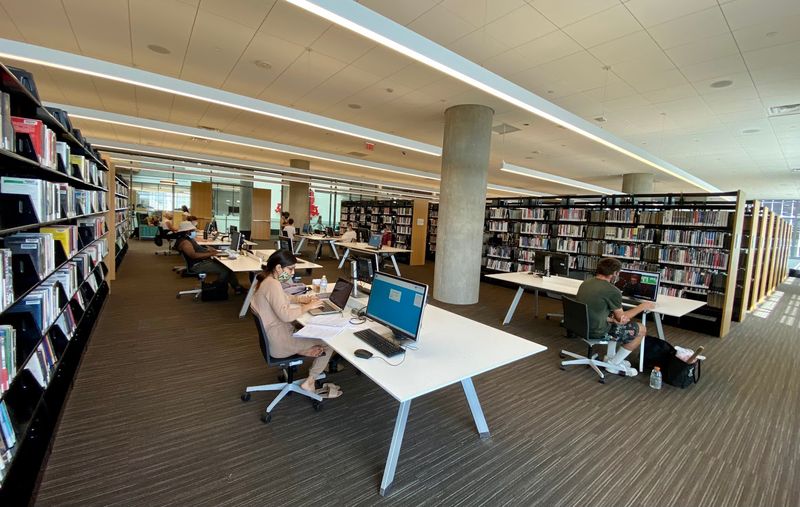
College students and remote workers have basically adopted this library as their second office, and one visit makes it obvious why. Outlets and charging stations appear everywhere you turn, eliminating the usual desperate hunt for power sources that plagues most public spaces. The furniture variety means you can choose your ideal work setup—solo desk, collaborative table, cozy armchair, or outdoor bench.
Designated quiet areas provide the silence serious studiers need, while the central atrium allows for normal conversation and group work. This zoning system keeps everyone happy, whether you need absolute concentration or prefer background buzz while working. Meeting rooms available for reservation give groups private spaces for projects, book clubs, or study sessions.
Seating spreads across all six floors, so even during busy periods you’ll likely find a spot that suits your needs. Some areas feature sofas for more relaxed reading, while traditional library tables accommodate serious note-taking and laptop work. The abundance of natural light reduces eye strain and keeps you alert longer than fluorescent-lit alternatives.
Free WiFi throughout the building performs reliably, supporting everything from video calls to research-heavy projects. The library clearly invested in infrastructure that supports modern work and study habits. Temperature control stays comfortable year-round, which matters more than people realize when you’re settling in for extended sessions.
Whether you’re cramming for exams, meeting deadlines, or just need a productive environment away from home distractions, this library delivers the goods.
6. On-Site Café and Gift Shop
Café Cream on the first floor recently opened and immediately became a game-changer for library visitors planning longer stays. Good coffee within steps of your study spot means you don’t need to pack up belongings and lose your seat for a caffeine run. The café offers plenty of seating with nice views, creating a coffee shop vibe inside the library itself.
The gift shop, while admittedly pricey according to some reviews, stocks reading-related items and Austin-themed merchandise that make decent souvenirs. A separate used book section offers incredibly cheap options for building your home library without breaking the bank. Proceeds from gift shop sales support library programs, so your purchases directly benefit the community.
Having these amenities in-house transforms the library from a quick stop into an all-day destination. You can grab breakfast at the café, explore the collections, break for lunch nearby (Trader Joe’s sits just a block away), return for afternoon reading, and never feel rushed. The café respects the library atmosphere, keeping noise levels reasonable while still providing that social coffee shop energy some people need for productivity.
Both spaces acknowledge that modern library users want convenience alongside books and quiet. You’re not forced to choose between a comfortable study environment and access to refreshments. This integrated approach to public space design recognizes how people actually use libraries today—as community hubs where they might spend several hours rather than fifteen-minute book pickups.
7. Tech Resources Beyond Basic Computers
Forget everything you think you know about library technology stopping at desktop computers and copiers. Austin Central Library houses 3D printers available for public use, opening up maker-space possibilities that usually require expensive memberships elsewhere. The printers reportedly work reliably and process jobs fairly quickly, giving you hands-on access to technology that can bring creative projects to life.
Computer stations throughout the building provide internet access for those who need it, supporting everything from job applications to homework assignments. The library offers classes on various topics, including 3D printing workshops that teach you how to use the equipment effectively. These free educational opportunities level the playing field, giving everyone access to skills and tools regardless of economic background.
Beyond hardware, the library provides access to digital resources, databases, and online learning platforms that would cost serious money as individual subscriptions. You can borrow laptops for use within the building, which helps when you need a bigger screen than your phone provides. The tech infrastructure supports the library’s mission of universal access to information and learning tools.
Staff members stationed throughout the building offer assistance with technology questions, helping navigate everything from catalog searches to 3D printer operation. This human support system prevents technology from becoming a barrier to access. The library continues updating and expanding its tech offerings, staying relevant as community needs evolve.
For a free public resource, the technological capabilities here rival some university libraries and coworking spaces.
8. Board Games and Social Spaces
In a brilliant move that recognizes libraries as community gathering spots, Austin Central Library maintains a collection of board games you can borrow and play right there in the building. This transforms the space into a social destination where friends can meet for game afternoons without spending money at cafes or entertainment venues. The game selection includes classics and newer titles, appealing to different age groups and interests.
Dedicated gaming areas provide tables and comfortable seating designed for group activities. You’ll spot families teaching kids strategic thinking through gameplay, friends catching up over card games, and couples enjoying date activities that cost exactly zero dollars. The relaxed atmosphere encourages interaction and community building in ways that isolated reading can’t achieve.
This amenity particularly shines on weekends or during summer months when families seek air-conditioned activities that won’t drain their budgets. The games stay in good condition thanks to library staff oversight and community respect for shared resources. Unlike home game collections that gather dust, these actually get used and appreciated by rotating groups of players.
The gaming option exemplifies how modern libraries evolve beyond book lending into true community centers. They provide third spaces—locations that aren’t home or work where people can gather, socialize, and build connections. Austin Central Library nails this concept, offering activities that bring people together rather than isolating them in individual pursuits.
Whether you’re new to town seeking social connections or a longtime resident wanting free entertainment, the board game collection opens doors to community engagement.
Share this story