
A black bear resting in a tree beside the Teaneck Armory sounds like the setup to a North Jersey joke, but residents actually watched that scene unfold this year. Elsewhere, another bear wandered onto the grounds of Turtle Back Zoo, briefly making the visitor more famous than the animals inside the exhibits.
New Jersey’s summer bear activity has been especially noticeable in Bergen and Essex counties, where wooded corridors run surprisingly close to schools, sidewalks, and tightly packed neighborhoods. Most of these bears are simply passing through while looking for food or new territory.
Still, a backyard sighting can turn an ordinary morning into a neighborhood-wide group-chat event. State wildlife officials stress that residents should never approach or feed a bear.
Secure the garbage, clean the grill, bring pet food inside, and give every animal a clear escape route. Here are seven New Jersey areas where residents have had good reason to stay alert.
1. Midland Park
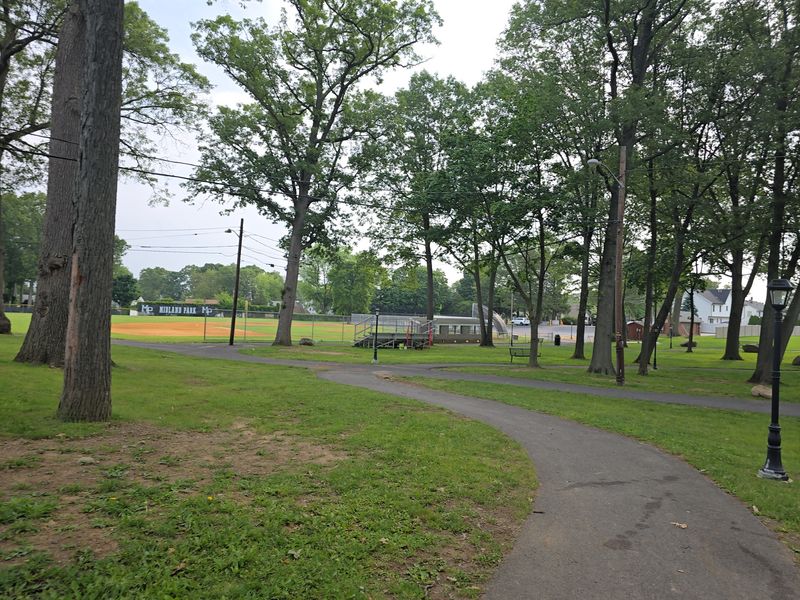
Prospect and Hill streets became the center of Midland Park’s attention in early June when local police alerted residents to a black bear moving through the area. In a borough where quiet residential blocks sit close to wooded pockets, the visit was a reminder that bears do not need a vast wilderness to travel.
A strip of trees, a stream corridor, or a chain of leafy backyards can work perfectly well as a wildlife highway. The most important thing residents can do is make the borough a disappointing place for a hungry bear.
Garbage should remain secured until collection time, while bird feeders, pet bowls, greasy grills, and accessible compost deserve a second look. A bear’s nose can lead it toward an easy meal from an impressive distance, and one successful raid may encourage a return visit.
Anyone walking a dog should keep it leashed, especially near wooded edges. Dogs sometimes bark, chase, or otherwise turn a peaceful encounter into a tense one.
If a bear appears, stay calm, gather children and pets, and move indoors when possible. Never crowd the animal for a photograph or block the direction in which it is traveling.
Midland Park’s sighting did not make the borough dangerous overnight. It simply confirmed that this compact Bergen County community sits along routes bears already use.
A little preparation helps ensure the visitor keeps moving instead of adding the neighborhood to its regular dining circuit.
2. Ridgewood

Security footage from Hillcrest Road gave Ridgewood residents an unusually close look at a young bear’s determination. The animal worked its way into a trash container despite the lid being held down with bungee cords, proving that “secured” and “bear-resistant” are not always the same thing.
Another reported sighting near Sheridan Avenue and North Monroe Street brought the concern even closer to ordinary neighborhood routines. Ridgewood’s tree-lined streets are part of its appeal, but the village’s mature landscaping also creates cover for wildlife moving between larger green spaces.
Bears generally prefer to avoid people, so one crossing a lawn or driveway is likely searching for a route, food, or both. The trouble starts when an overflowing bin, birdseed, or food left outdoors rewards that search.
Residents do not need to strip their yards bare. They should, however, bring feeders inside during active bear periods, rinse food containers before recycling, and clean grease from outdoor cooking equipment.
Fruit that has fallen from backyard trees should also be collected instead of being left on the ground. If a bear lingers, make your presence known from a safe position by speaking firmly, clapping, or making another loud noise.
Leave it plenty of room to retreat and never run toward or away from it. Ridgewood may feel thoroughly suburban, but the recent sightings show how easily wildlife can follow the village’s green seams straight into a residential block.
3. Norwood
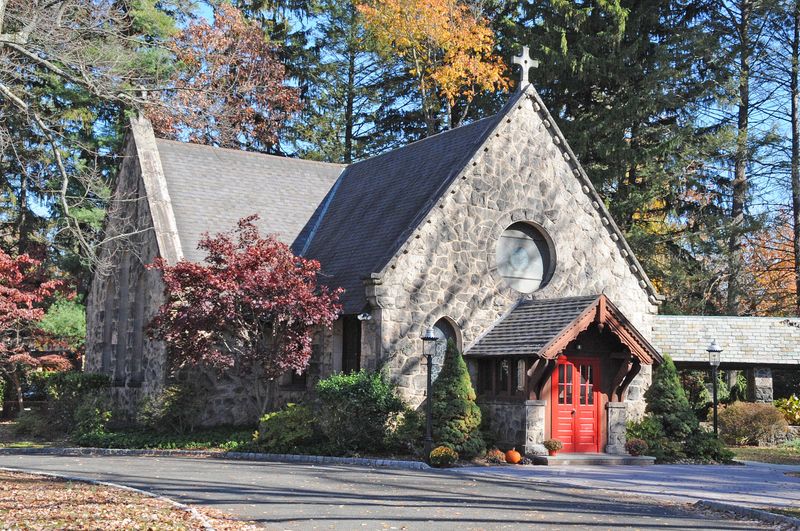
A mother bear and her cub near the trail behind Rockleigh Borough Hall put the northern end of Bergen County on notice. The location is immediately beside Norwood, and wildlife pays no attention to the municipal boundary separating the two communities.
For local walkers, the encounter carried an extra warning: a bear with a cub deserves considerably more room than an ordinary trail obstruction. This corner of the county contains the sort of connected habitat bears favor.
Wooded parcels, stream banks, trails, and lightly developed stretches allow an animal to move while avoiding busy roads and dense crowds. That makes the Norwood area pleasant for an evening walk, but it also means residents should look ahead and remain aware near trail entrances and brushy property lines.
Surprising a bear at close range is best avoided. Hikers can talk periodically, keep children nearby, and leave earbuds low enough to hear movement around them.
Dogs belong on a leash rather than investigating sounds in the trees. If cubs appear, never move closer for a better view; the mother is likely nearby even if she cannot immediately be seen.
Back at home, the familiar precautions matter just as much. Secure garbage, remove outdoor food, and avoid leaving anything scented near an open garage.
Norwood is not suddenly overrun with bears, and there is no reason to abandon the local trails. The lesson is simpler: this suburban landscape is shared space, and a respectful distance keeps a memorable sighting from becoming a dangerous encounter.
4. West Orange

A bear entering a zoo sounds like a creature arriving for an awkward family reunion. That was essentially the scene in West Orange on June 22, when a wild black bear traveled from South Mountain Reservation onto the grounds of Turtle Back Zoo.
Visitors and employees were directed to shelter inside buildings, and the zoo closed as officials monitored the situation. No one came into contact with the animal.
The episode was dramatic, but the route made sense. South Mountain Reservation covers more than 2,000 acres of woodland directly beside busy neighborhoods and attractions.
Its trails, ridges, and dense vegetation provide wildlife habitat only a short distance from Northfield Avenue. A roaming bear can move from deep cover to a highly public setting faster than many visitors would expect.
Anyone heading into the reservation should stay on marked trails, keep dogs leashed, and avoid carrying open food that creates a tempting scent. Encountering a bear does not call for sprinting in the opposite direction.
Back away slowly, speak in a firm voice, and make certain the animal has space to leave. For homeowners near the reservation, prevention begins before the bear reaches the yard.
Put garbage out as close to collection time as local rules allow, clean grills thoroughly, and bring pet food indoors. The zoo incident was unusual enough to grab attention, yet it illustrated an everyday West Orange reality: one of Essex County’s busiest recreational hubs sits directly alongside genuine wildlife habitat.
5. Westwood
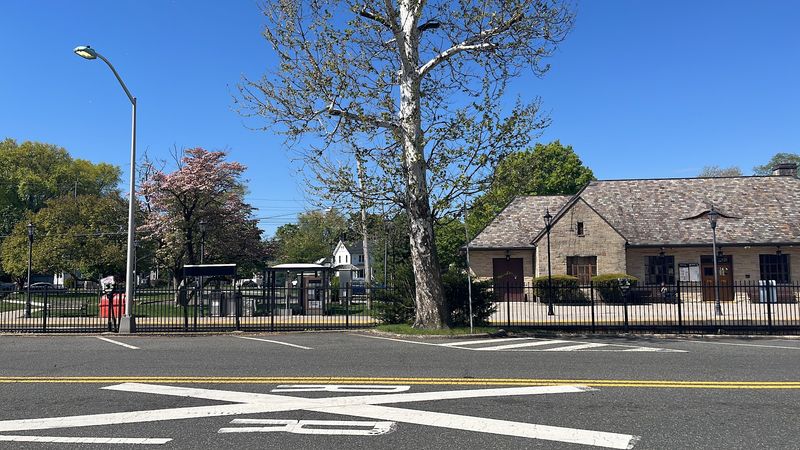
The most relevant warning for Westwood came from just across the borough line. Hillsdale police advised residents to stay indoors after a black bear was spotted near Ann Blanche Smith School, only a short distance from Westwood.
In the Pascack Valley, where neighboring downtowns and residential streets flow into one another, a bear can cross from one municipality to the next before an alert reaches everyone’s phone. A sighting near a school naturally gets more attention than one deep in the woods.
Parents should give children a simple plan rather than a frightening lecture: do not approach, do not run, and go inside or find a trusted adult. A bear standing upright is not necessarily preparing to attack; it may simply be trying to see or smell more clearly.
Distance remains the safest response. Westwood residents should be particularly mindful of food sources tucked into otherwise tidy yards.
Compost, birdseed, fallen fruit, pet dishes, and garbage all offer more calories than a bear can find by wandering through the woods. Even a cooler or food wrapper left in a vehicle can produce an inviting odor.
The borough’s busy center does not make it immune to wildlife movement. Quieter streets near wooded strips and waterways can provide an easy route around heavier traffic.
Keeping dogs leashed and checking the yard before letting pets outside are sensible temporary habits when sightings are reported nearby. A bear passing through is usually exactly that—a traveler best encouraged to continue on its way.
6. Teaneck
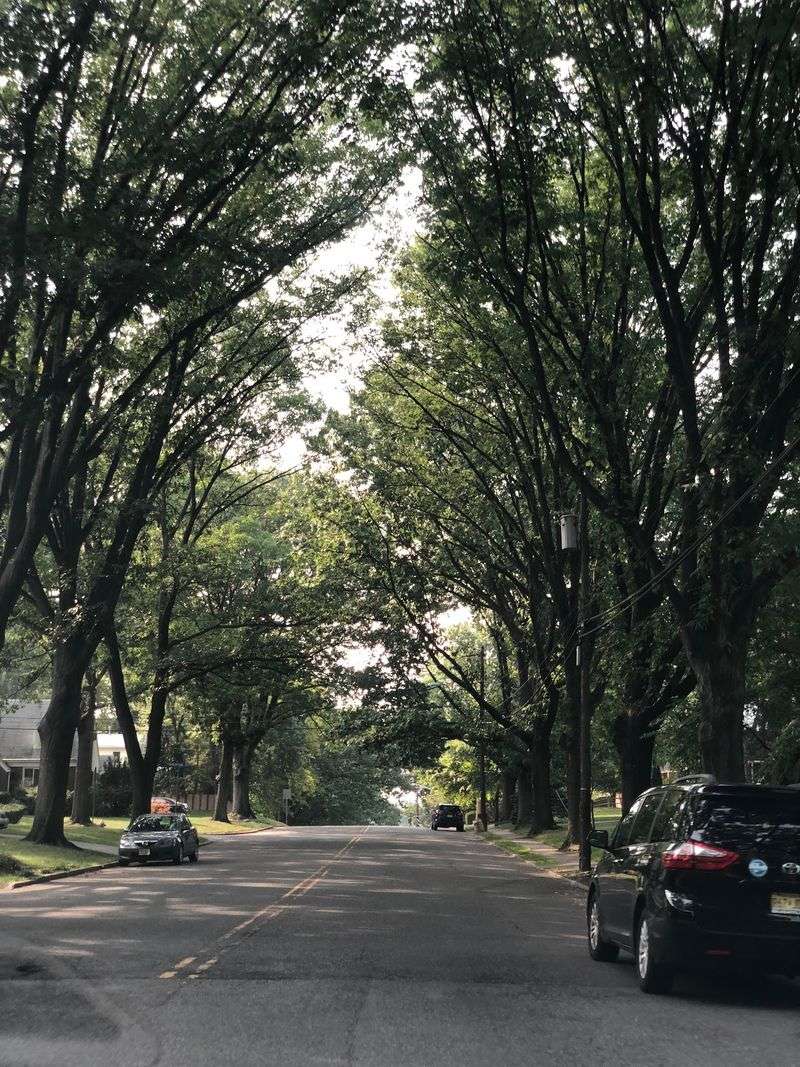
Late one April night, the tree near the Teaneck Armory had a much larger occupant than anyone expected. Police confirmed that a black bear was resting among the branches and monitored the area while asking residents not to approach or disturb it.
The image was striking precisely because the surroundings felt so urban: a military landmark, well-traveled roads, nearby homes, and a bear taking a break above it all. A bear in a tree is not automatically trapped or aggressive.
It may climb to rest, avoid people, or escape something that frightened it. Gathering beneath the branches, shouting, or trying to force it down can make the situation harder by preventing the animal from feeling safe enough to leave.
Teaneck police gave the sensible advice—keep away and let wildlife officials track its movement. The sighting also demonstrated how bears navigate developed towns.
Railroad edges, creek corridors, parks, and connected tree cover can guide an animal through densely populated neighborhoods without requiring much time on an open street. Residents may never notice until a doorbell camera or an unusually alert dog catches the visitor.
When a local sighting is active, bring small pets indoors and inspect the yard before stepping outside. Keep garbage inaccessible and remove feeders that might persuade the bear to linger.
Teaneck’s unexpected tree climber was fascinating from a safe distance, but it was still a wild animal. The best ending is an uneventful one: the bear climbs down when the area quiets and continues toward better cover.
7. Englewood
Pleasant Avenue lived up to its name for one roaming bear, which was recorded strolling along the sidewalk and turning into a residential driveway as casually as a neighbor taking a morning walk. Englewood Mayor Michael Wildes shared the footage, and authorities increased attention around routes used by students.
The animal caused no reported injuries or damage, but its appearance made clear that even a busy Bergen County city can sit along a bear’s path. Englewood combines densely settled streets with parks, mature trees, and green connections to neighboring communities.
Those features can funnel wildlife through places that appear far removed from traditional bear country. A young bear searching for territory may cover substantial ground, slipping through several towns while residents assume each sighting involves a different animal.
The correct response is caution without chaos. Watch from indoors, keep children and pets away, and call local authorities if the bear remains in a populated area or behaves aggressively.
Chasing it for video can corner the animal or push it toward traffic. Running is also a mistake; anyone caught outside should remain calm and back away slowly.
Food control is the practical defense. Lock trash inside a sturdy enclosure, remove bird feeders, and never intentionally leave snacks for a visiting bear.
Feeding one may feel harmless, but it teaches the animal to associate homes and people with food. Englewood’s sidewalk visitor seemed content to keep moving.
Residents can help future bears do the same by offering them space—and absolutely nothing worth coming back for.