
Memphis sits at the heart of a region packed with hiking trails, historic landmarks, and outdoor spaces perfect for exploring on foot. Within a two-hour drive, you can step into state parks with miles of trails, walk through charming town squares, and trace Civil War history across open fields. Whether you want a quick morning hike or a full day of wandering, these destinations offer something for every kind of explorer without requiring a long road trip.
1. Collierville Town Square – Collierville

Walking through Collierville Town Square feels like stepping back to a time when town centers were the heart of community life. The square covers several blocks filled with locally owned shops, restaurants, and cafes housed in historic buildings that date back more than a century. Brick sidewalks and mature shade trees make it easy to spend an afternoon browsing boutiques or grabbing lunch at one of the family-run eateries.
The town has done an impressive job preserving the area’s character while keeping it vibrant and accessible. You’ll find everything from antique stores to modern coffee shops, all within easy walking distance. The square hosts farmers markets, seasonal festivals, and live music events that draw crowds from across the region.
Parking is plentiful around the perimeter, and once you’re on foot, everything is compact enough to explore without getting tired. Side streets branch off from the main square, revealing more shops and tree-lined residential areas that are just as pleasant to wander. It’s a great spot for a leisurely stroll any time of year.
Collierville itself has grown into one of the Memphis area’s most desirable suburbs, but the town square has kept its small-town charm intact. Whether you’re shopping for gifts, enjoying a meal outdoors, or just people-watching from a bench, the square offers a relaxed pace that’s hard to find in bigger cities. It’s an easy drive from Memphis and makes for a perfect half-day outing.
2. Meeman-Shelby Forest State Park – Millington
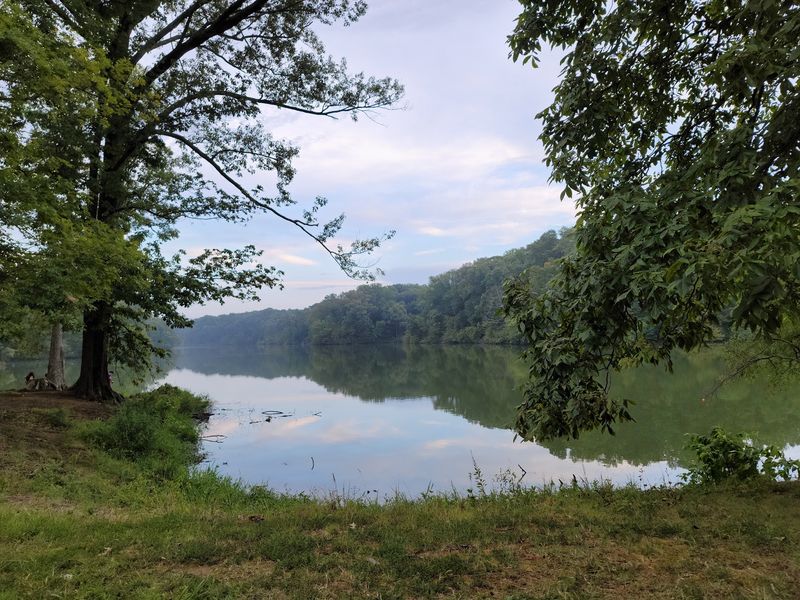
Perched along the bluffs overlooking the Mississippi River, Meeman-Shelby Forest State Park offers more than 20 miles of trails through hardwood bottomlands and upland forests. The park protects one of the few remaining large tracts of bottomland hardwood forest in West Tennessee, making it a haven for wildlife and a peaceful escape from city noise. Trails range from easy lakeside loops to more challenging routes that climb to scenic overlooks.
The Chickasaw Bluff Trail is a favorite, winding along the river bluffs with views that stretch across the water into Arkansas. Spring and fall are particularly beautiful times to visit, when wildflowers bloom or leaves turn brilliant shades of orange and red. The park is also home to Poplar Tree Lake, where a paved trail circles the water and offers flat, easy walking for families.
Wildlife is abundant here. Deer, wild turkeys, and countless bird species make their home in the forest, and patient hikers often spot them along the quieter trails. The park’s location along a major migratory route makes it especially popular with birdwatchers during spring and fall migrations.
Facilities include picnic areas, a campground, and a nature center that provides maps and information about the park’s ecology. It’s close enough to Memphis for a morning hike before lunch, yet remote enough to feel like a true wilderness experience. The mix of river views, forest trails, and wildlife makes it one of the best walking destinations near the city.
3. T.O. Fuller State Park – Memphis
Right on the edge of Memphis, T.O. Fuller State Park packs a surprising amount of nature into its 1,138 acres. Named after a prominent African American educator and civic leader, the park was one of the first state parks in the South built for African American visitors during segregation.
Today it serves everyone and offers a network of trails that wind through forests, past ponds, and along ridgelines with views of the surrounding area.
The trails here aren’t overly difficult, making them perfect for a quick after-work hike or a weekend morning walk with the family. The park’s terrain includes rolling hills and wooded areas that provide shade even on hot summer days. Several loops connect, so you can customize your walk to be as short or long as you like.
One of the park’s highlights is the Chucalissa Archaeological Site, a reconstructed Native American village that offers a glimpse into the region’s history before European contact. Walking through the site adds a cultural dimension to your outdoor experience and is especially interesting for kids learning about Tennessee’s indigenous peoples.
The park also features a swimming pool, picnic pavilions, and a golf course, making it a multi-use recreational area. But the trails remain the main draw for those looking to get some steps in without leaving the city limits. It’s an easy destination for a spontaneous outing, and the variety of landscapes keeps things interesting no matter how many times you visit.
4. Shelby Farms Park – Memphis

At 4,500 acres, Shelby Farms Park is one of the largest urban parks in the country, dwarfing even New York’s Central Park. Located just east of Memphis, it offers more than 40 miles of paved and natural trails that wind through forests, meadows, wetlands, and around lakes. Whether you’re walking, running, or biking, there’s enough space here to never feel crowded even on busy weekends.
The Woodland Discovery Playground is a massive attraction for families, but the real magic happens on the trails. The Chickasaw Trail loops around Patriot Lake and offers flat, easy walking with plenty of spots to stop and watch waterfowl or enjoy the views. For a longer trek, the Buffalo Trail takes you through more remote sections of the park where you might spot deer, foxes, or even bison from the park’s small herd.
The park’s newest addition, the Outback, features elevated boardwalks through wetlands and forests, giving you a chance to explore areas that were previously inaccessible. These trails are designed to minimize environmental impact while maximizing your experience of the park’s diverse ecosystems.
Shelby Farms also hosts events year-round, from outdoor concerts to farmers markets, adding extra reasons to visit beyond just the trails. The park is free to enter, well-maintained, and easily accessible from multiple points around Memphis. It’s the kind of place you can visit weekly and still discover new corners and trails you haven’t explored yet.
5. Fort Pillow State Historic Park – Henning
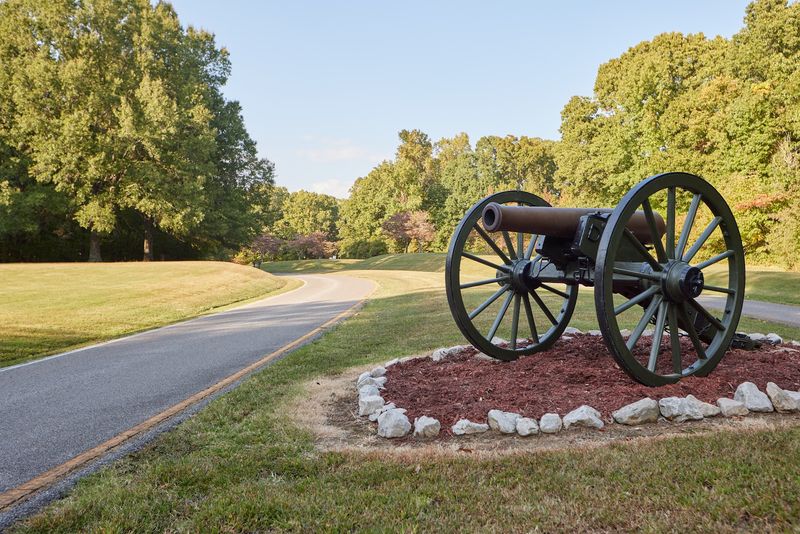
Fort Pillow sits on bluffs high above the Mississippi River, where one of the Civil War’s most controversial battles took place in 1864. Walking the trails here means tracing history through earthwork fortifications, interpretive markers, and overlooks that survey the river below. The park preserves the site where Confederate forces attacked Union troops, leading to a battle that still sparks historical debate today.
The main trail system takes you through the fort’s remains, past cannons and markers that explain troop positions and the flow of battle. It’s a sobering walk, but an important one for understanding Tennessee’s role in the Civil War. The trails are well-maintained and relatively easy, suitable for most fitness levels.
Beyond the historic areas, the park offers additional trails that explore the natural landscape along the river bluffs. These paths wind through forests and offer glimpses of the river through the trees. Spring brings wildflowers, and fall turns the forest into a tapestry of color.
A small museum near the entrance provides context and artifacts from the battle, helping visitors understand what they’re seeing as they walk the grounds. The park is quieter than some of Tennessee’s more popular historic sites, which means you can often explore without crowds. It’s about an hour north of Memphis and makes for a meaningful day trip that combines outdoor activity with a history lesson you won’t forget.
6. West Tennessee Delta Heritage Center – Brownsville

Brownsville’s Delta Heritage Center sits in the heart of a region known for its rich musical and agricultural history. The center includes a museum, the Tina Turner Museum celebrating the legendary performer’s roots in nearby Nutbush, and walking paths that connect historic buildings and exhibits. It’s a compact area perfect for exploring on foot, with plenty to see within a few blocks.
The museum tells the story of West Tennessee’s delta region, from its Native American inhabitants through the development of blues music and cotton agriculture. Interactive exhibits and artifacts bring the past to life, and you can easily spend an hour or more browsing the collections. The Tina Turner Museum is a highlight, showcasing memorabilia and telling the story of her rise from humble beginnings to international stardom.
Outside, the grounds include restored historic buildings and gardens that you can explore at your own pace. The Hatchie River is nearby, and local trails along the riverbank offer pleasant walking through natural areas that contrast nicely with the museum’s indoor exhibits. The downtown area around the center has antique shops and cafes worth checking out as well.
Brownsville itself is a small town with a lot of character, and the Delta Heritage Center serves as a good starting point for exploring the area. It’s about an hour northeast of Memphis and offers a different perspective on Tennessee’s history than you’ll find in the larger cities. The combination of music history, local culture, and outdoor walking makes it a well-rounded destination.
7. Casey Jones Village – Jackson

Casey Jones Village celebrates the life of America’s most famous railroad engineer, who died heroically in a train wreck near Jackson in 1900. The village includes a museum housed in Jones’s restored home, a replica of the train station, and several shops and restaurants spread across a walkable complex. It’s part history lesson, part nostalgic Americana, and entirely worth a stop if you’re passing through Jackson.
The museum contains artifacts from Jones’s life and the golden age of railroading, including photographs, equipment, and detailed accounts of the famous wreck that made him a legend. Walking through the home gives you a sense of what life was like for a railroad family at the turn of the century. The grounds also feature vintage train cars and equipment you can explore up close.
Beyond the museum, the village has expanded to include an old-fashioned ice cream parlor, gift shops, and a restaurant serving Southern comfort food. Everything is clustered together, making it easy to park once and walk between attractions. The atmosphere leans heavily into railroad nostalgia, with train-themed decor and memorabilia everywhere you look.
Jackson is about 90 minutes east of Memphis, and Casey Jones Village makes a convenient stopping point if you’re heading further into Middle Tennessee. The site appeals to railroad enthusiasts and history buffs, but it’s accessible enough for casual visitors and families. The walkable layout and variety of attractions mean you can spend anywhere from 30 minutes to a few hours depending on your interest level.
8. Pinson Mounds State Archaeological Park – Pinson
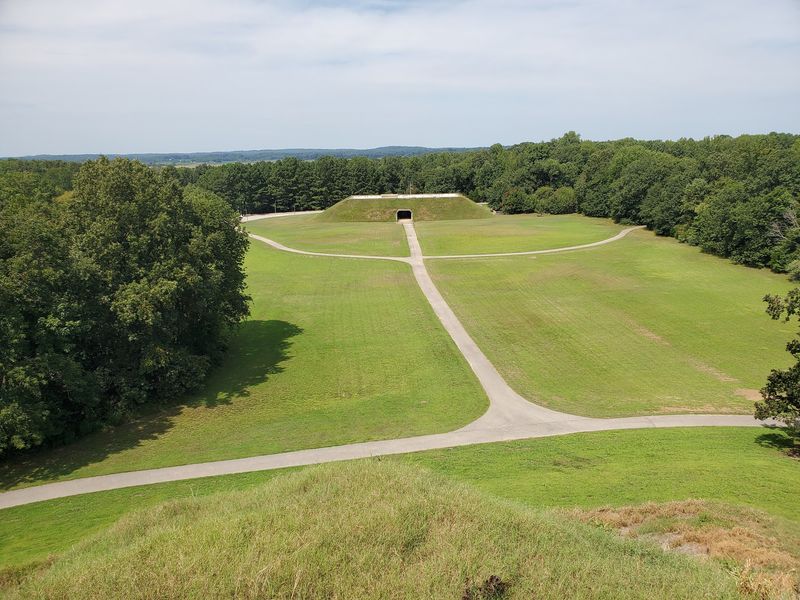
Pinson Mounds protects one of the largest Middle Woodland period ceremonial centers in the United States, with at least 17 mounds spread across more than 1,200 acres. Walking the trails here means following in the footsteps of Native Americans who built these structures more than 2,000 years ago. The largest mound, Sauls Mound, rises 72 feet and offers views across the surrounding countryside from its summit.
The park’s trail system connects the major mounds and interpretive sites, with paths ranging from short loops to longer hikes that explore the park’s forests and wetlands. Informational markers along the way explain the purpose and construction of the mounds, though much about the culture that built them remains mysterious. It’s a peaceful place to walk and contemplate the deep history beneath your feet.
A museum near the park entrance houses artifacts excavated from the site and provides context for what you’ll see on the trails. The exhibits include pottery, tools, and other objects that offer glimpses into the daily lives of the mound builders. Park rangers lead guided walks during certain times of the year, adding depth to the self-guided experience.
The landscape here is gently rolling, with a mix of open fields and wooded areas that make for pleasant walking in any season. Spring brings wildflowers, and fall colors are spectacular against the earthen mounds. It’s about 90 minutes from Memphis and offers a unique combination of outdoor recreation and archaeological exploration you won’t find anywhere else in the region.
9. Chickasaw State Park – Henderson
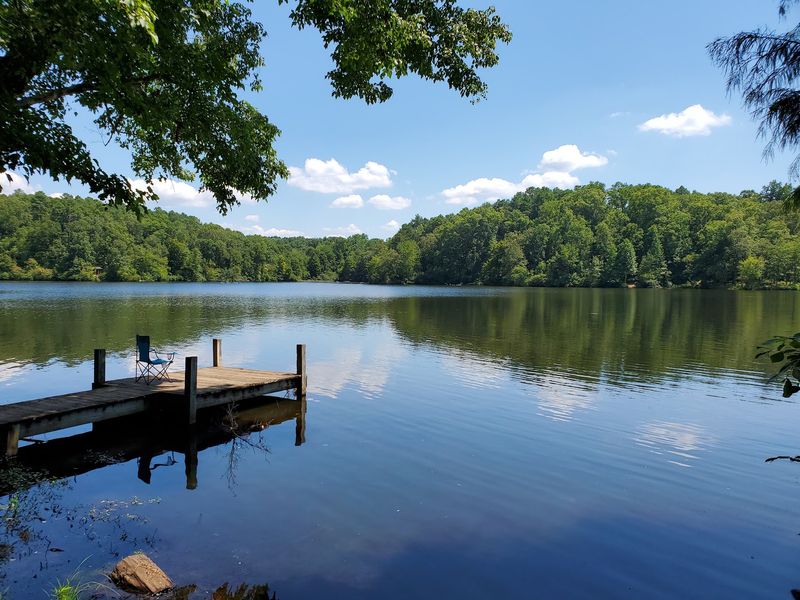
Chickasaw State Park sprawls across more than 14,000 acres of West Tennessee forest and offers some of the best hiking in the region. The park features several lakes, miles of trails through hardwood forests, and facilities that make it easy to spend a full day exploring on foot. It’s about 90 minutes from Memphis and feels worlds away from city life.
The trail system includes everything from short nature walks to challenging backcountry routes that take you deep into the forest. The Lake Trail circles the park’s main lake and provides relatively flat walking with opportunities to spot waterfowl and other wildlife. For a more strenuous hike, the backcountry trails climb through hills and along ridges, offering solitude and a true wilderness experience.
One of the park’s unique features is its location within the Chickasaw State Forest, which means you’re walking through a working forest managed for both recreation and timber production. This gives the landscape a different character than purely protected areas, with a mix of mature forest and younger growth. The diversity of habitats supports a wide range of wildlife, from deer and turkeys to numerous bird species.
The park also offers a golf course, campground, and group lodge, making it a destination for multi-day visits. But even a quick afternoon hike rewards you with beautiful scenery and a sense of escape from everyday stress. The trails are well-marked and maintained, and the park sees fewer visitors than some of Tennessee’s more famous destinations, meaning you’ll often have the trails largely to yourself.
10. Discovery Park of America – Union City

Discovery Park of America is part museum, part theme park, and entirely dedicated to exploring history, science, and culture through interactive exhibits and outdoor spaces. The 50-acre campus in Union City includes a massive museum building and extensive outdoor areas with walking paths, gardens, and full-scale exhibits you can explore on foot. It’s the furthest destination on this list at just under two hours from Memphis, but it’s worth the drive.
The outdoor Heritage Park features a replica of a frontier settlement, a train depot, and other historical buildings you can walk through and explore. Paths connect these attractions and wind through landscaped gardens and natural areas. The park’s earthquake simulator sits outdoors and demonstrates the power of the New Madrid earthquakes that shook the region in the early 1800s.
Inside the museum, you’ll find galleries covering everything from natural history to military artifacts, but the outdoor spaces are where you’ll rack up your steps. The campus is designed for walking, with wide paths, plenty of seating, and attractions spaced far enough apart to give you a good workout without feeling exhausting. Families with kids will appreciate the combination of education and physical activity.
The park sits in a relatively remote part of Northwest Tennessee, making it a destination unto itself rather than a quick stop. Plan to spend several hours exploring both the indoor exhibits and outdoor areas. The admission price is higher than a typical state park, but the quality and variety of experiences justify the cost for most visitors.
11. Shiloh National Military Park – Shiloh
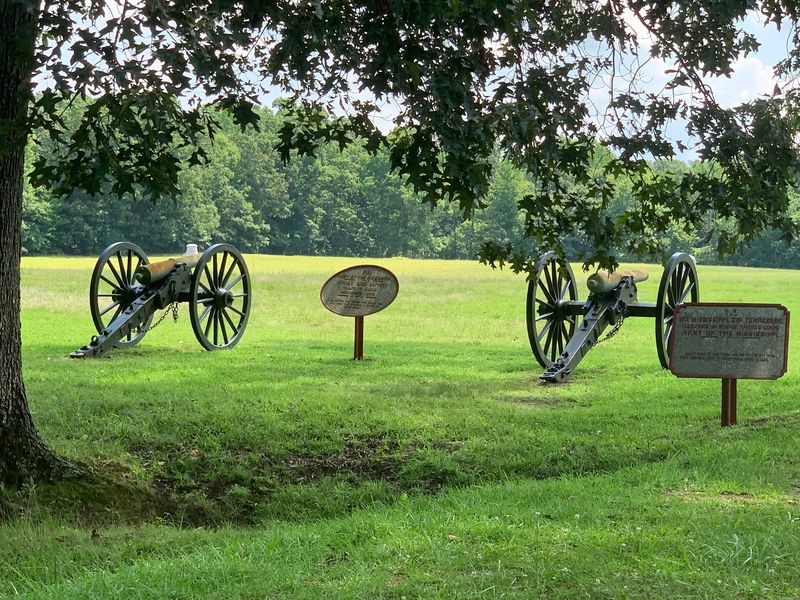
Shiloh National Military Park preserves the site of one of the Civil War’s bloodiest battles, where more than 23,000 soldiers were killed, wounded, or went missing over two days in April 1862. Walking the battlefield today is a powerful experience, with miles of trails and driving routes that take you past monuments, cannons, and markers explaining the battle’s progression. The landscape looks much as it did in 1862, with open fields, wooded areas, and the Tennessee River nearby.
The park offers both short interpretive walks and longer trails that cover significant portions of the battlefield. The Peach Orchard, Hornet’s Nest, and Bloody Pond are among the most famous sites, each with its own story of courage and tragedy. Informational signs and audio tour stops help you understand what happened at each location, making the walk both educational and moving.
Beyond the main battlefield, the park includes a national cemetery where thousands of Union soldiers are buried, many in graves marked only as “Unknown.” Walking among the rows of white headstones is a sobering reminder of the war’s human cost. The park’s visitor center houses a museum with artifacts, maps, and exhibits that provide context before you head out on the trails.
Shiloh is about two hours from Memphis in the state’s southwest corner, near the Mississippi border. It’s a destination that deserves several hours at minimum, though you could easily spend a full day exploring all the trails and sites. The combination of historical significance and natural beauty makes it one of Tennessee’s most important places to visit on foot.
12. Herb Parsons Lake – Eads

Herb Parsons Lake sits just east of Memphis in the community of Eads, offering a quiet escape for walking, fishing, and enjoying nature without driving far from the city. The lake covers about 180 acres and is surrounded by a trail that provides easy, flat walking with constant water views. It’s a popular spot for locals but rarely feels crowded, even on nice weekends.
The trail around the lake is unpaved but well-maintained, making it suitable for most walkers though not ideal for strollers or wheelchairs. The loop is roughly three miles, perfect for an hour-long walk at a moderate pace. Trees line much of the trail, providing shade in summer and beautiful color in fall.
The lake itself is stocked with fish, so you’ll often see anglers along the shore.
Wildlife is abundant around the lake, with herons, egrets, and other water birds common sights. Turtles sun themselves on logs, and deer occasionally venture down to the water’s edge in the early morning or evening. The peaceful atmosphere makes it a favorite spot for those looking to clear their heads or get some exercise in a natural setting without the drive to a state park.
Facilities are minimal, just a parking area and a few benches, which helps keep the area feeling natural and uncrowded. The lake is managed by the Tennessee Wildlife Resources Agency primarily for fishing, but walkers have claimed it as their own over the years. It’s close enough to Memphis for a before-work walk or a sunset stroll, making it a valuable resource for anyone living in the eastern suburbs.
Share this story