Deep in the Pennsylvania Wilds, a wild bull elk can lift his head at first light and let loose a call that carries across the hills. Plenty of Pennsylvanians have no idea this happens a few hours from home.
The hills around Benezette hold one of the best places in the state to watch the state’s elk herd up close, and fall is when things get loud. Best of all, watching from the fields costs nothing.
This guide covers where to stand, when to show up, what waits inside the building, and the small tips that can turn a long drive into a story worth retelling. Pack some patience, because these animals keep their own schedule.
A Hilltop Home Base in Benezette
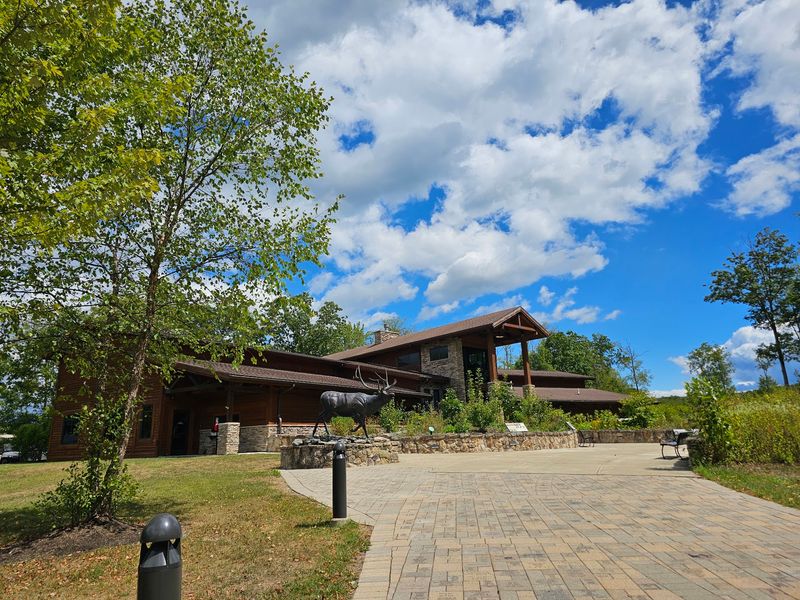
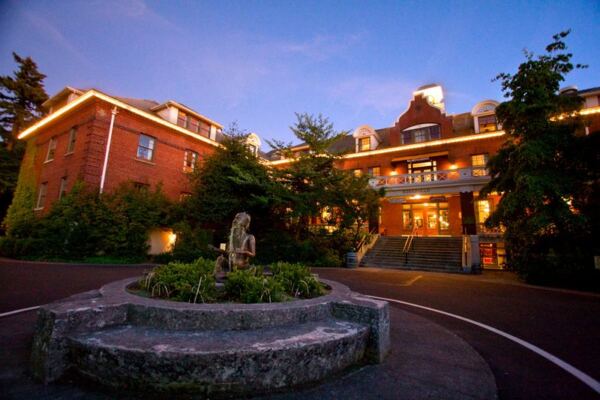
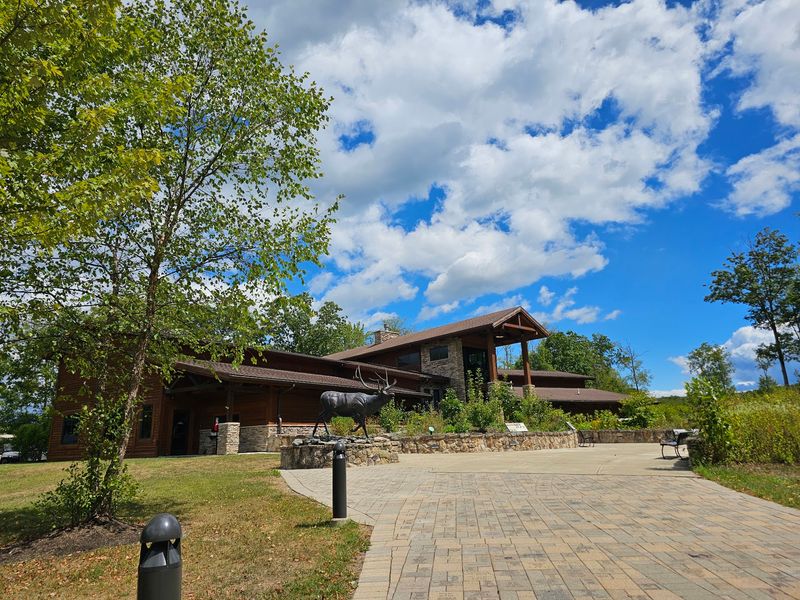
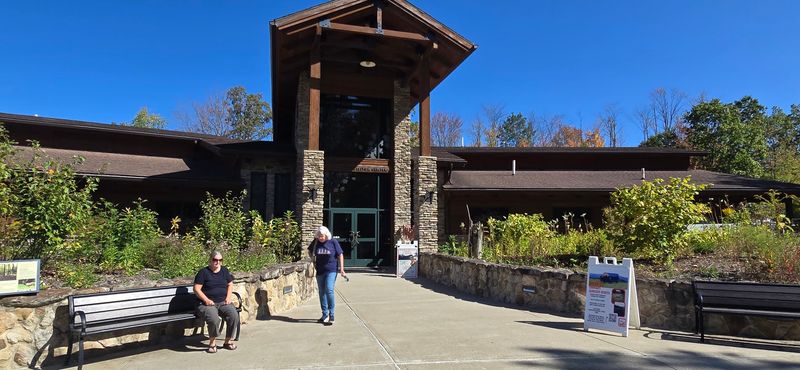
Every elk adventure needs a starting line, and this one sits on a hill in Elk County. The Elk Country Visitor Center, run by the Keystone Elk Country Alliance, is found at 950 Winslow Hill Rd, Benezette, PA 15821, in north-central Pennsylvania.
The building itself fits neatly into its natural setting. Its architecture blends with the surrounding land, and the grounds are kept tidy and well maintained.
Mountains frame the property on every side. That hilltop position gives open views across the fields where elk often wander out of the tree line.
Inside, the center works as a small museum and education hub. Outside, walking paths lead toward viewing areas facing those same fields.
It has become a favorite stop for families, road-trippers, and even folks driving in from upstate New York. Some return year after year, and a few couples even plan anniversaries around a trip here.
The place earns a 4.8-star average from more than 2,600 people, which says plenty about its pull. For a visitor center in a tiny town, that is a big bull of a number.
Getting oriented here first makes the rest of the elk hunt, the camera kind, much easier.
Why October Belongs to the Bulls
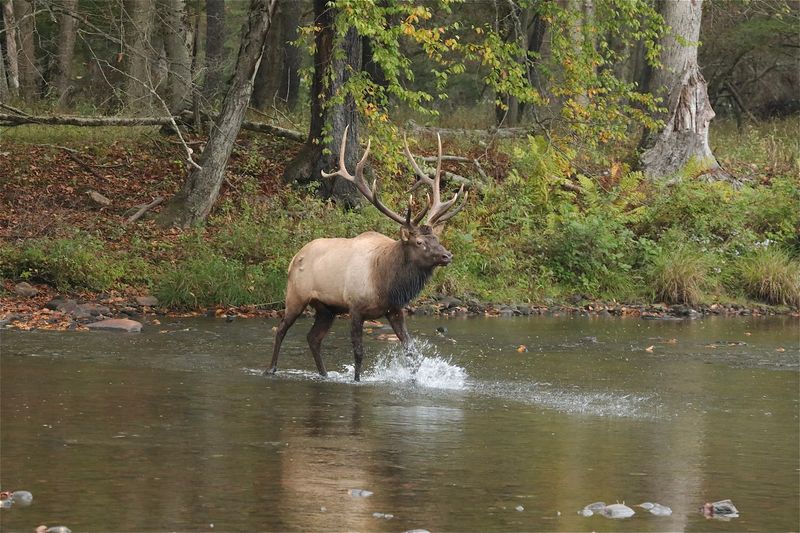
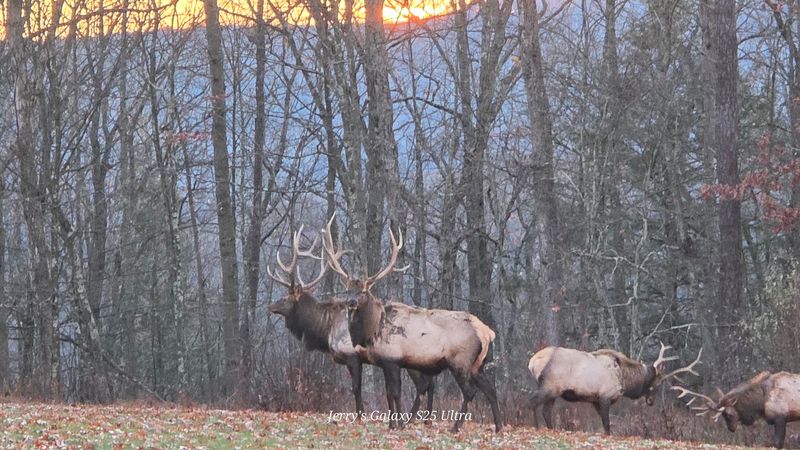
Fall is rut season, and that changes everything in elk country. Bulls start calling out across the valleys, and that bugle can be heard from far away.
September is often named as the top month for rutting activity. The bugling stretches into the fall, which is why an October dawn trip can still deliver the show.
Seeing a bull bugle in person is the moment many people remember most. Guests on the wagon rides have described it as the highlight of the whole trip.
Timing matters as much as the month. Elk tend to show up around dawn and dusk, much like deer, so midday trips may come up empty.
One family drove hours, waited through a cold morning, and saw nothing. They came back near dusk and found a herd of cows with a bull at the edge of the field.
That pattern is worth remembering. A two-part plan, with one stop early and one late, gives far better odds.
Each season brings something a little different here. Fall simply happens to be the noisiest chapter of the year.
Free Seats on the Field’s Edge
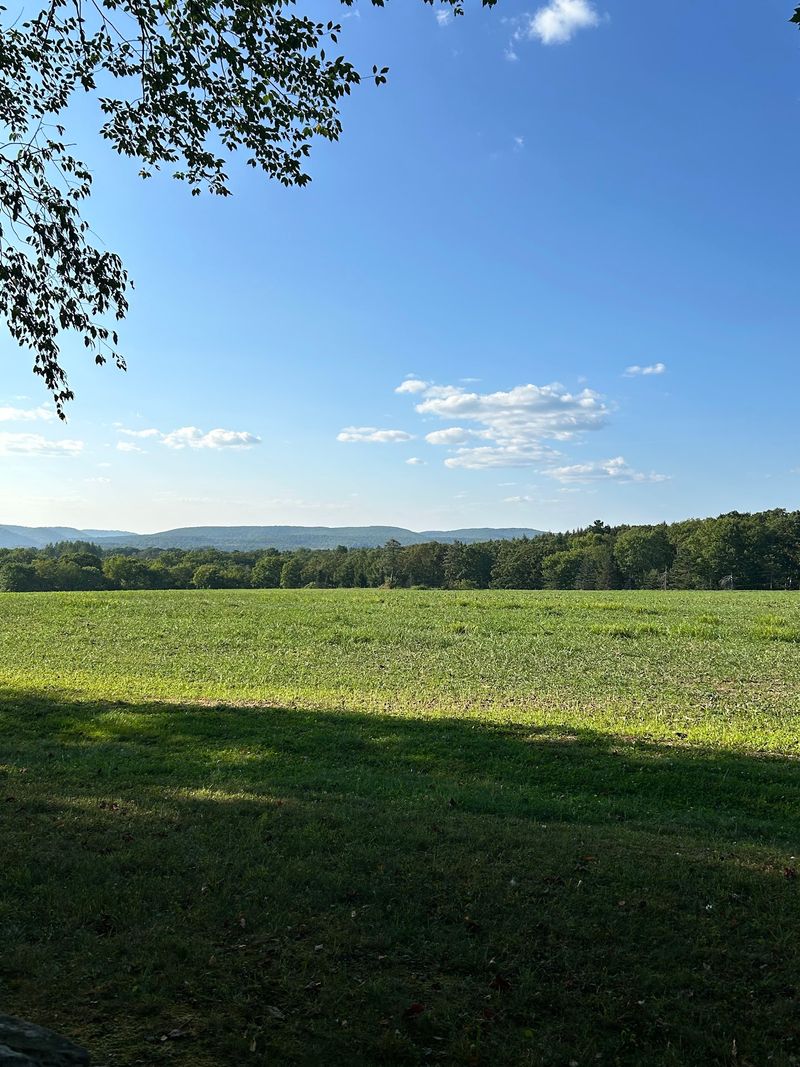
Here is the insider part that saves money: there is no fee to watch elk from the grounds. Park, walk out, and wait.
Short trails connect the parking area to the viewing spots. The paths are easy to walk, and benches line the way for anyone who wants a seat.
A ramp to the viewing area is handicap accessible. That makes the main field reachable for more people than many wildlife spots allow.
Parking is plentiful. Even on a busy September evening with lots of cars, there was still room to spare.
Bring binoculars and a folding chair if seeing elk is the goal. Elk often linger along the tree line, and people with binoculars can spot them when others cannot.
Distance can also limit phone photos. A good pair of binoculars often beats a phone camera out here.
Even when the elk stay hidden, the trails show plenty of signs that the herd passes through. Deer often graze in the fields too, so the evening rarely feels wasted.
For a free outing, it is hard to top a sunset over these hills.
Wagon Rides Through the Herd
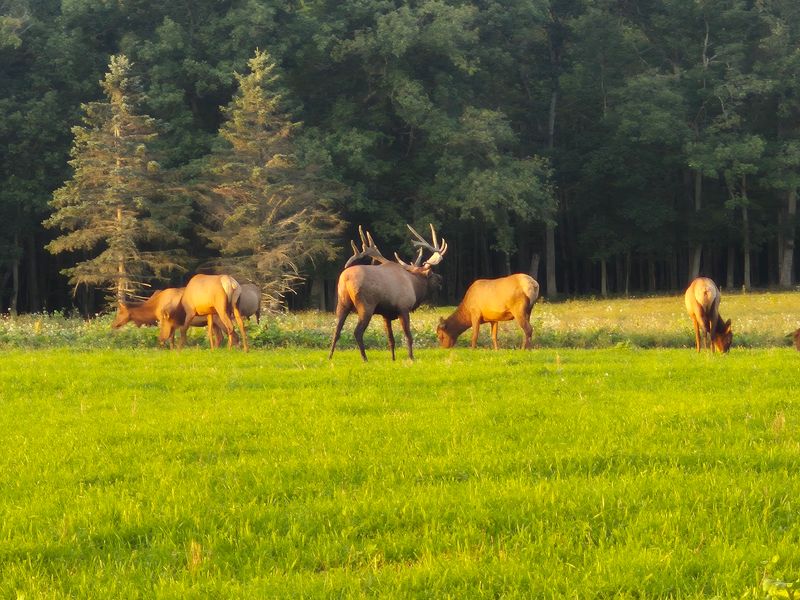
For a closer look, the center offers horse-drawn wagon rides that roll right through the fields where elk spend their time.
Guides ride along and share what they know. People describe them as friendly and full of useful facts about the herd.
Many families call the wagon ride the best part of the trip. One recommended the 7 o’clock ride, and others say the stretch close to sundown is ideal.
There is a catch, though. Tickets can sell out fast, so it pays to plan ahead rather than hope for a spot at the door.
The ride is a separate experience from the free field viewing, so expect a ticket cost. Check the official website for current prices and schedules, since those can change by season.
On a good evening, riders may watch elk going about their daily routines from surprisingly close range. A bugling bull during the ride is the jackpot.
For anyone who has struck out from the benches before, this is the best way to tip the odds in your favor.
Exhibits, Taxidermy, and a 4D Theater
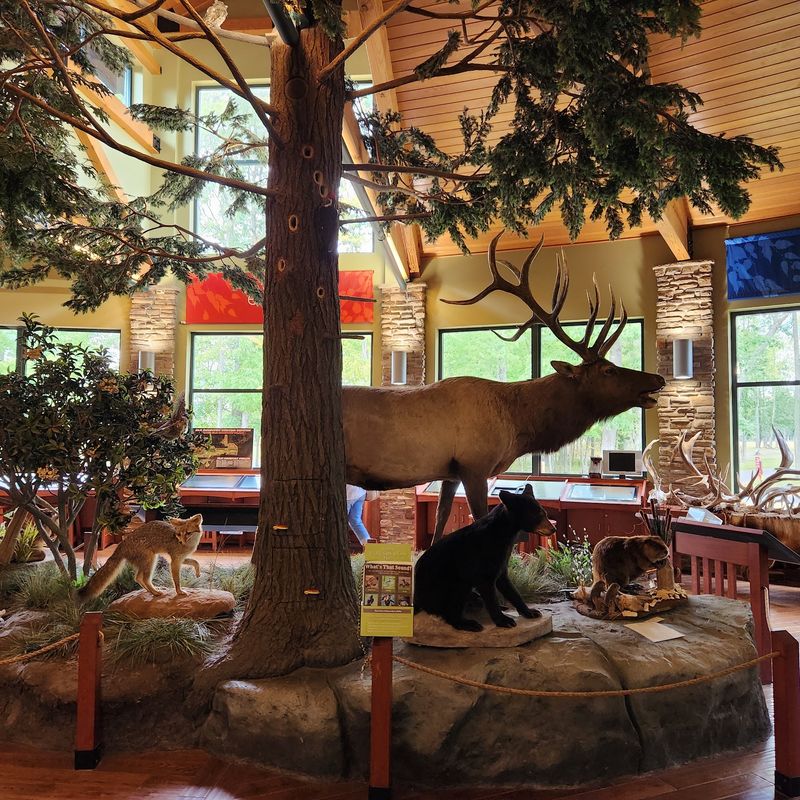
Between dawn and dusk, the indoor exhibits fill the gap nicely.
The displays cover elk habitat, history, and biology. A lineup of taxidermy animals includes elk, beaver, mountain lion, bobcats, a fisher, and a squirrel.
Live reptiles are another favorite with returning guests. Kids tend to gravitate right toward them.
The museum is on the smaller side. That works well for young children, since it will not take all day to see.
A 4D theater adds a short film about the region. It costs a small extra fee, mentioned as around $3, so check before you go.
Adults tend to find the film informative. Some parents note the effects did not hold younger kids’ attention for long, so plan around little ones’ patience.
The staff often points guests outside the moment elk appear. One group was sent straight to the fields as soon as they walked in because the herd was just stepping out.
Learning about the animals first makes spotting them later even more rewarding.
Souvenirs and the 51-Cent Bargain
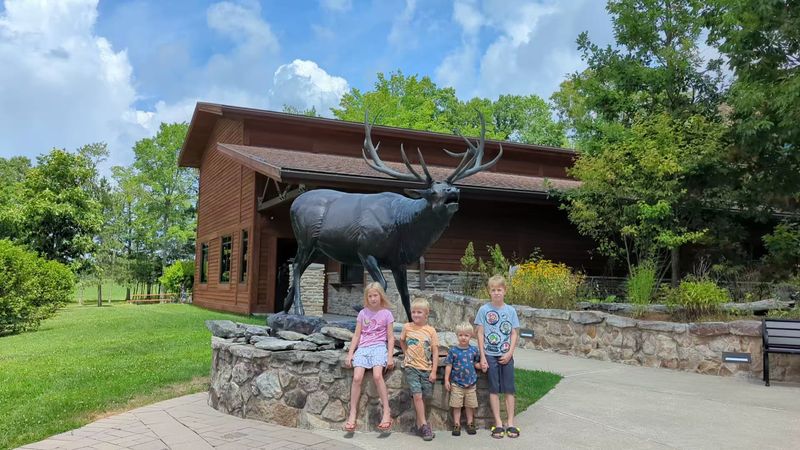
Collectors, take note of the smallest souvenir in the building.
A penny press machine stamps an elk design onto a coin for 51 cents. Some families come back every year partly to add to their pressed-penny collections.
The gift shop itself is a popular stop. It carries elk-themed items and plenty of promotional goods tied to the Pennsylvania Wilds.
Opinions on price are mixed. Some shoppers found the prices reasonable, while others felt apparel such as shirts ran high for the quality.
A smart move is to browse first and set a budget, especially with kids in tow. The pressed penny keeps the cost almost nothing.
Donations also help the center continue caring for the land and running its education programs. Even a small gift supports that work.
Clean restrooms with indoor plumbing are available inside, which is a welcome perk after a long drive. Outdoor facilities near the trails are more basic.
Leave with a pressed penny and a photo, and the trip pays for itself in memories.
Who Feels Right at Home Here
Families with young kids top the list. The relaxed pace, compact exhibits, and open paths make for an easy day.
Picnic areas give everyone a place to sit and eat lunch. Food and drink options on site are limited, though, so packing your own makes sense.
Road-trippers passing through the Pennsylvania Wilds find it a handy stop. Couples turn it into an anniversary tradition.
The grounds even host special events. A couple held their August wedding at the Parker Outdoor Classroom Building and the field beside it, with elk showing up that evening.
Wildlife fans and photographers get the most out of patient evenings. Staff members often tell guests to be patient, because the elk are around.
That advice tends to hold up. Some groups who saw nothing on the grounds spotted elk on the roads nearby shortly after leaving.
Other viewing spots dot the area as well, a few minutes away. Checking a map for those sites can rescue a quiet evening at the main field.
Hours, Timing, and a Fair Verdict
Listed hours run from 8 AM to 8 PM, seven days a week. Hours can shift with the seasons, so a quick check of the official website or a call ahead is wise.
One October tip stands out. Arrive near opening or plan to stay into the evening, since elk activity peaks around dawn and dusk.
Dress for cold mornings, carry binoculars, and bring a chair. Book wagon ride tickets early, because they go quickly in fall.
Remember that these are wild animals with no appointment book. Some trips end without a single sighting, and that is part of the deal.
Still, most people leave happy. Free viewing, clean facilities, friendly staff, and a beautiful hilltop make the stop worthwhile even on a quiet day.
For Pennsylvanians, this is a rare thing: a world-class wildlife experience within driving distance that costs nothing to enjoy from the field.
Show up early, stay patient, and listen closely. That October bugle might be the best free sound in the state.
Share this story