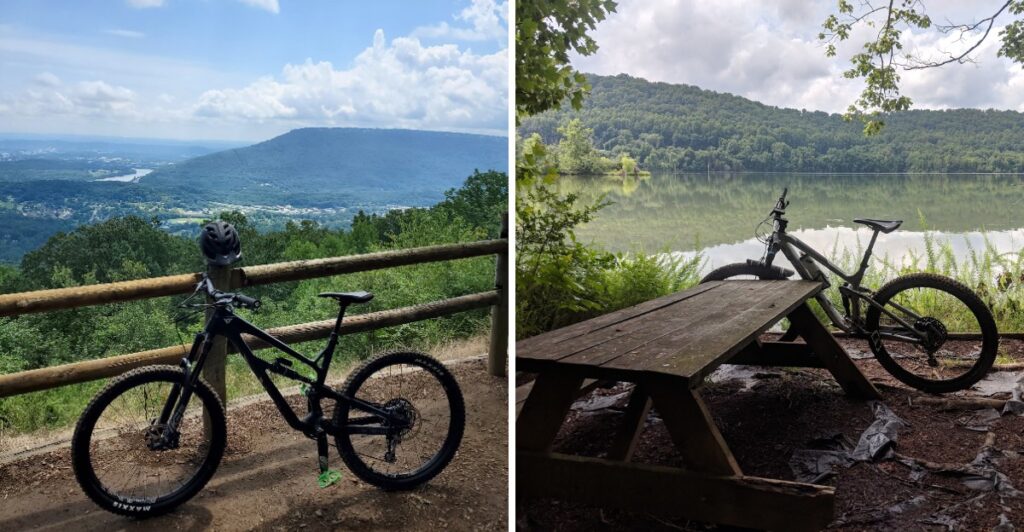
East Tennessee hides some of the best biking routes you have probably never heard of, and 2026 is the perfect year to explore them. Whether you are looking for smooth paths that follow old railroad tracks or challenging mountain trails that test your skills, this corner of the state has something for every rider. These trails let you pedal through forests, along ridges, and past quiet lakes without the crowds you will find at more popular spots.
1. Tweetsie Trail – Johnson City
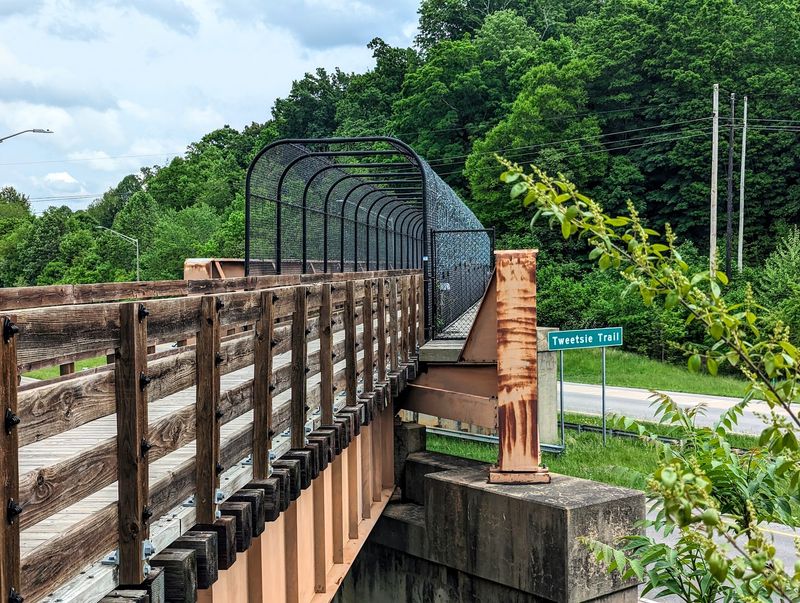
Originally a railroad line that carried passengers and freight through the mountains, this paved trail now offers a peaceful ride between Johnson City and Elizabethton. The flat, smooth surface makes it perfect for families, casual riders, or anyone who wants to enjoy the scenery without worrying about steep climbs. You will pass through tunnels, cross historic bridges, and see remnants of the area’s railroad past along the way.
The trail stretches for about 10 miles and connects several parks and neighborhoods, so you can stop whenever you want to rest or explore. Local coffee shops and ice cream stands sit near the trailheads, which makes it easy to turn your ride into a full afternoon adventure. Kids especially love the tunnels, which add a bit of excitement to the journey.
Wildlife sightings are common here, with deer, rabbits, and songbirds appearing regularly along the forested sections. The trail stays relatively cool even in summer because of the tree cover, and fall brings spectacular color changes that make every turn photo-worthy. Spring wildflowers line the edges, adding bursts of color to your ride.
Parking is available at multiple access points, including the Johnson City trailhead near Founders Park. The trail surface is well-maintained year-round, though you might encounter occasional leaf coverage in autumn. Benches and picnic tables appear at regular intervals, giving you plenty of spots to take a break and soak in the mountain views that surround this historic route.
2. Tannery Knobs Mountain Bike Park – Johnson City
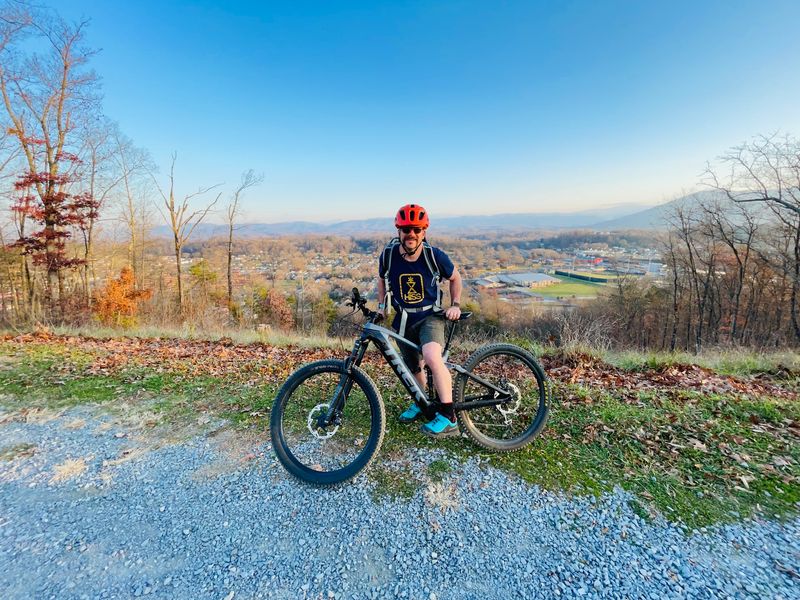
Built specifically for mountain bikers who crave technical challenges, this park delivers flow trails, jumps, and rocky sections that will keep you coming back. The trails wind through dense woods on the slopes above Johnson City, offering everything from beginner-friendly loops to expert-level descents. You will find yourself navigating roots, rocks, and carefully designed features that test your handling skills.
The park includes multiple trail systems that let you customize your ride based on your skill level and how much time you have. Beginners can stick to the green-rated trails, which teach basic mountain biking techniques without overwhelming you. Intermediate and advanced riders will appreciate the blue and black trails, which include berms, drops, and technical rock gardens that demand focus and precision.
Local mountain biking groups maintain the trails through volunteer work days, keeping them in excellent condition throughout the year. The community atmosphere here is welcoming, with experienced riders often offering tips to newcomers at the trailhead. You might spot riders practicing jumps at the skills area, which is a great place to work on technique before hitting the main trails.
Trail maps are posted at the parking area, and the entire system is well-marked with color-coded signs. Summer afternoons can get warm, so early morning or evening rides work best during peak season. The park stays open year-round, and riding after a light rain can actually improve traction on some of the harder-packed sections.
3. Baker Creek Preserve – Knoxville
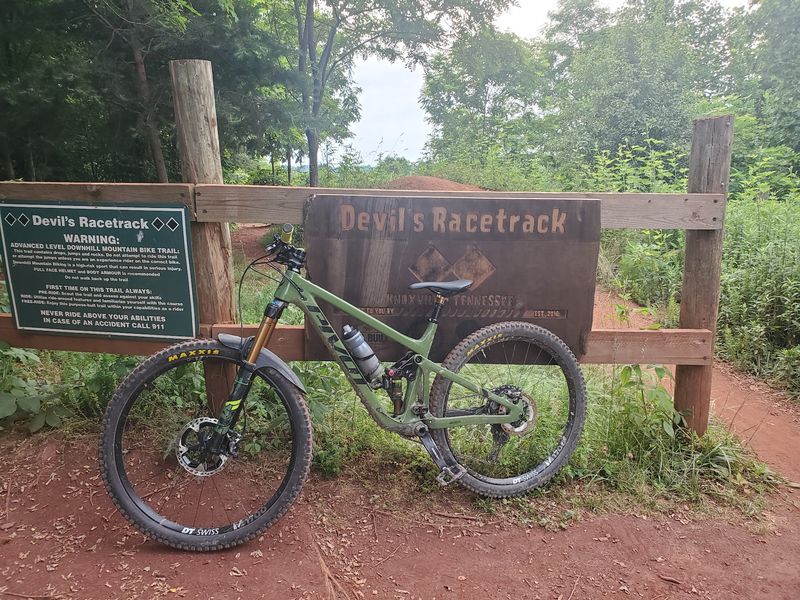
Hidden away in west Knoxville, this 860-acre preserve offers trails that feel worlds away from the city despite being just minutes from downtown. The network includes both hiking and biking paths, with the mountain bike trails taking you through hardwood forests and along ridgelines that offer glimpses of the surrounding valleys. The preserve protects a diverse ecosystem, so you will ride past everything from wetlands to rocky outcrops.
Trail builders here focused on creating sustainable routes that follow the natural contours of the land. You will encounter rolling terrain with moderate climbs and descents, making it accessible to intermediate riders while still providing enough challenge to keep things interesting. The trails connect in loops, allowing you to extend or shorten your ride based on how you feel.
Baker Creek itself runs through the property, and several trail sections bring you close to the water where you can hear it rushing over rocks. Spring brings wildflowers to the forest floor, while summer provides thick canopy coverage that keeps the trails shaded. Fall colors here rival any in East Tennessee, with the mixed hardwoods putting on a spectacular show.
The preserve is a conservation area, so you will likely see wildlife including wild turkeys, deer, and various bird species. Trail etiquette is important here since hikers and bikers share some sections. Parking is available at the main trailhead off Westland Drive, and the trails are well-marked with directional signs at major intersections throughout the system.
4. Haw Ridge Park – Oak Ridge
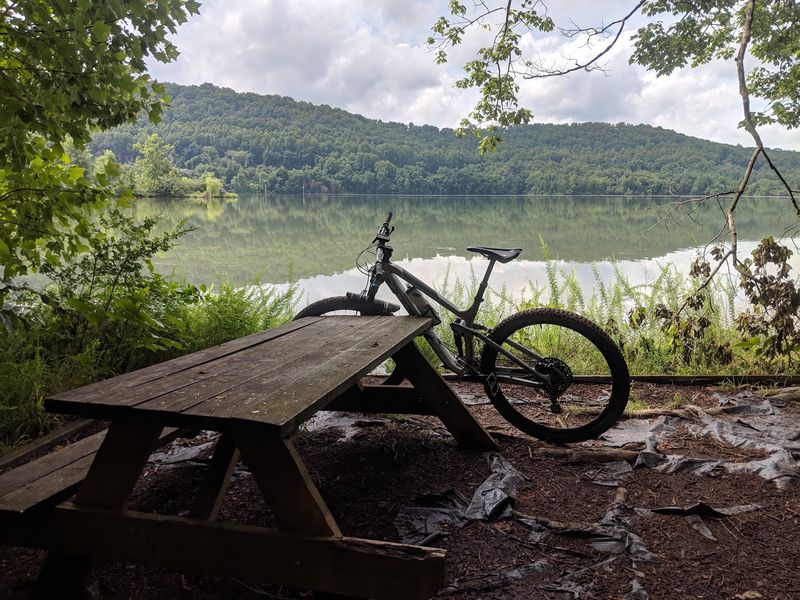
Perched on a peninsula jutting into Melton Hill Lake, this park combines waterfront views with challenging mountain bike trails that have earned a loyal following. The terrain here is technical, with rocky climbs, root-strewn descents, and narrow ridgeline sections that demand your full attention. You will gain elevation quickly on some trails, but the payoff comes in the form of stunning lake views that open up at unexpected moments.
The trail system covers about 11 miles and includes multiple loops that can be combined for longer rides. Advanced riders love the technical challenges, while those still building skills can stick to the easier sections near the parking area. The park’s unique geography means you are never far from water, and several trails bring you right to the shoreline where you can take a break and watch boats passing by.
Oak Ridge’s cycling community treats Haw Ridge as a local treasure, and you will often see riders here on weekday evenings and weekend mornings. The trails are directional on certain days to reduce conflicts between riders, so check the posted schedule before heading out. This system helps maintain trail quality and makes the experience safer for everyone.
Parking fills up quickly on nice weekends, so arriving early is smart if you want to avoid the crowds. The trails drain well after rain, but some sections can be slick when wet. Winter riding is popular here since the lack of leaves makes it easier to spot the rocky sections before you reach them, and the lake views become more expansive without foliage blocking the sight lines.
5. Loyston Point Mountain Bike Trails – Andersonville
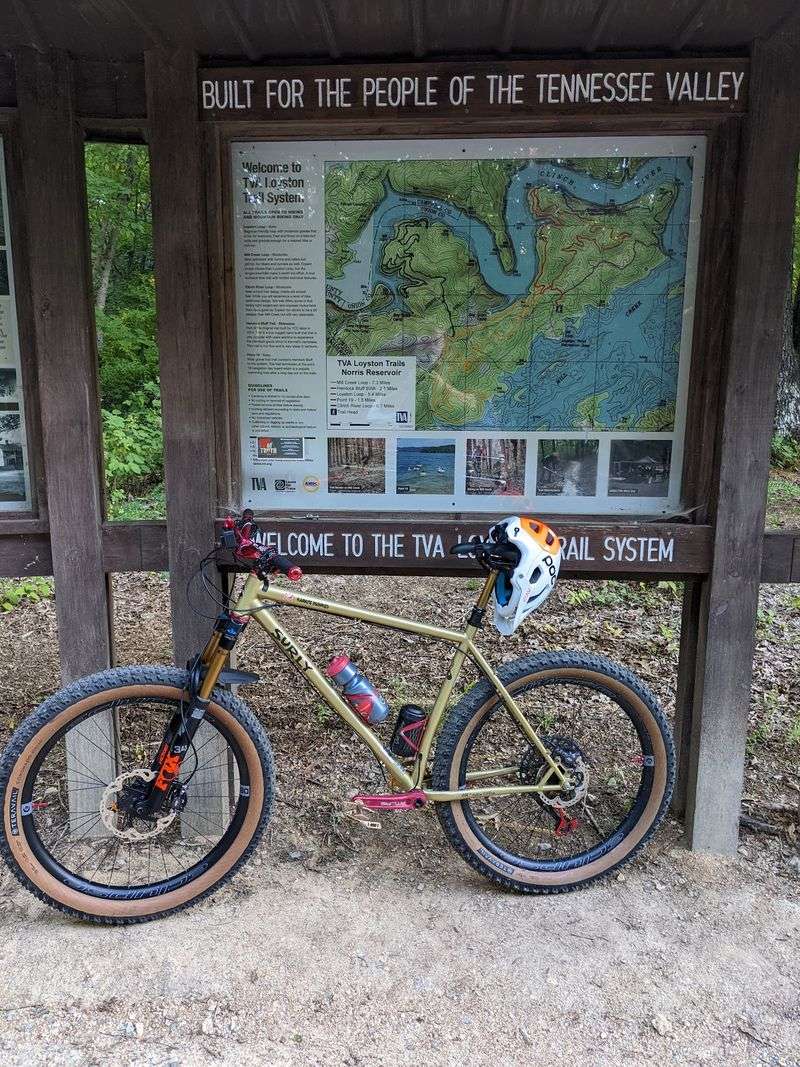
Located on the shores of Norris Lake, these trails take you through an area rich in history and natural beauty. Before the lake was created in the 1930s, the town of Loyston occupied this land, and riding here feels like pedaling through time. The trails wind through forests that have reclaimed the old settlement, with occasional stone foundations and other remnants visible from the path.
The riding here varies from smooth flowy sections to more technical spots with rocks and roots. Most of the trails are rated intermediate, making this a great place to develop your skills without feeling overwhelmed. The system includes several loops that connect, so you can design a route that matches your energy level and available time.
Lake views pop up regularly as you ride, especially on the trails that follow the shoreline more closely. Summer weekends bring boaters to the area, but the trails themselves rarely feel crowded. The combination of water access and quality mountain biking makes this a unique destination where you could easily spend an entire day riding and relaxing by the lake.
Trail maintenance is handled by local volunteers who keep the routes in good shape throughout the riding season. The area is part of the larger Norris Lake watershed, so you will see conservation signage explaining the importance of protecting water quality. Parking is available near the boat ramp, and restroom facilities are located at the trailhead, which is not always the case at more remote riding spots in the region.
6. Norris Watershed Trails – Norris
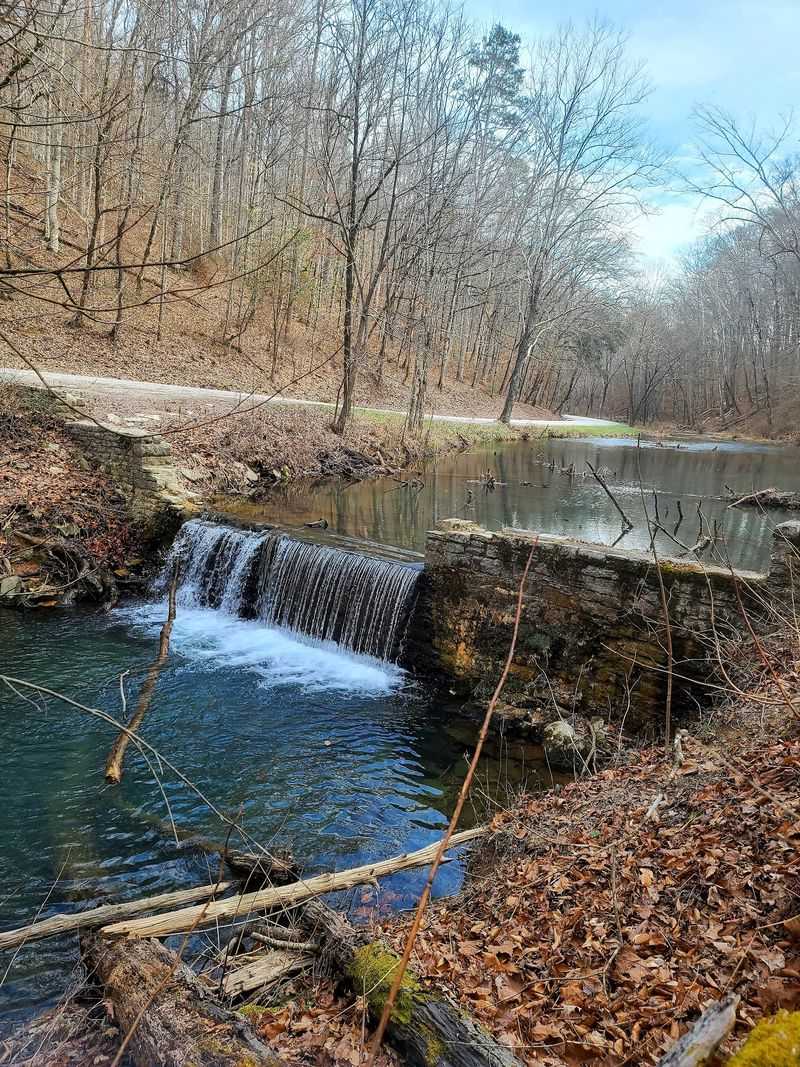
Spread across protected watershed land surrounding Norris Lake, this trail system offers some of the most pristine riding conditions in East Tennessee. The trails here exist primarily because of conservation efforts, and the riding experience reflects the careful balance between recreation and environmental protection. You will pedal through mature forests where the trees tower overhead and wildlife sightings are common.
The trail network includes options for all skill levels, with clearly marked routes that help you choose the right challenge. Beginner trails stick to gentler terrain with fewer obstacles, while advanced routes incorporate steeper climbs and more technical features. The soil here drains exceptionally well, which means you can often ride within a day or two after rain.
Because this is watershed land, the trails are maintained with special attention to erosion control and water quality protection. You will notice drainage features and carefully designed trail surfaces that minimize environmental impact. This approach creates sustainable trails that will remain rideable for years to come while protecting the water supply for surrounding communities.
The area feels remote despite being relatively close to Norris town center, giving you a true backcountry experience. Cell phone service can be spotty in some sections, so letting someone know your plans before heading out is a good idea. The trails are open year-round, though winter riding requires extra caution on north-facing slopes that can hold frost longer than other areas of the system.
7. Tanasi Trail System – Ocoee
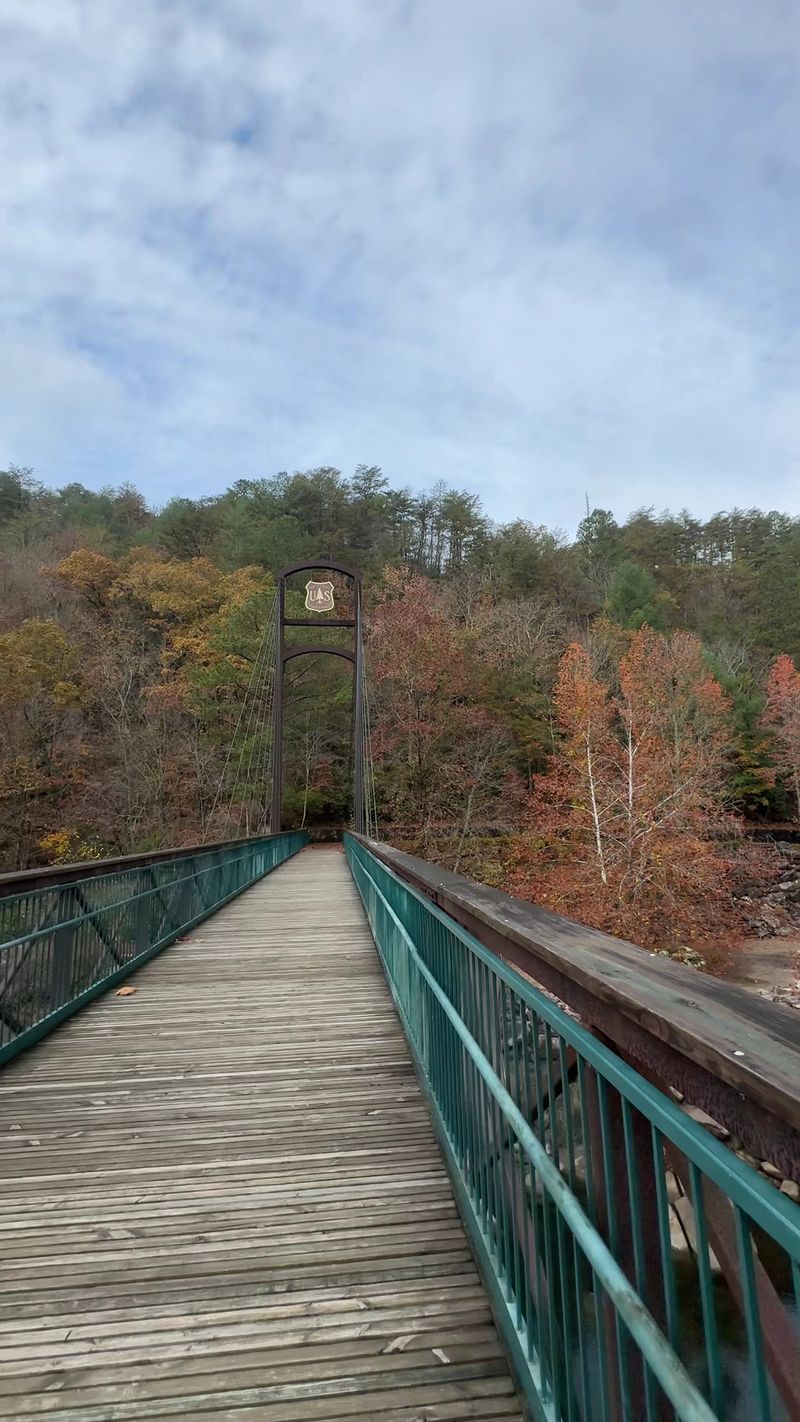
Named after the ancient Cherokee town that once stood in this region, these trails bring you into the heart of the Cherokee National Forest. The Ocoee area is famous for whitewater rafting, but the mountain bike trails here deserve equal recognition. You will ride through terrain that ranges from smooth flowing singletrack to rocky technical sections that require careful navigation.
The trail system connects several different loops, giving you options for short afternoon rides or full-day adventures. Some trails climb high enough to offer views of the Ocoee River valley below, where you can often hear the river rushing through its rocky channel. The forest here is thick and lush, with rhododendron and mountain laurel creating tunnel-like sections along some trails.
Summer can be hot in the valley, but the forest canopy provides welcome shade on most trail sections. Spring brings wildflowers and rushing streams, while fall transforms the forest into a tapestry of reds, oranges, and yellows. The trails stay relatively dry compared to lower-elevation systems because of the well-draining mountain soil.
Because this is national forest land, you will need to follow forest service regulations, including staying on marked trails to protect the surrounding wilderness. The trailhead includes parking and basic facilities, though amenities are limited compared to urban trail systems. The remoteness is part of the appeal, offering an escape into genuine mountain terrain where your focus stays on the trail ahead and the forest around you.
8. White Oak Mountain Biology Trails – Collegedale
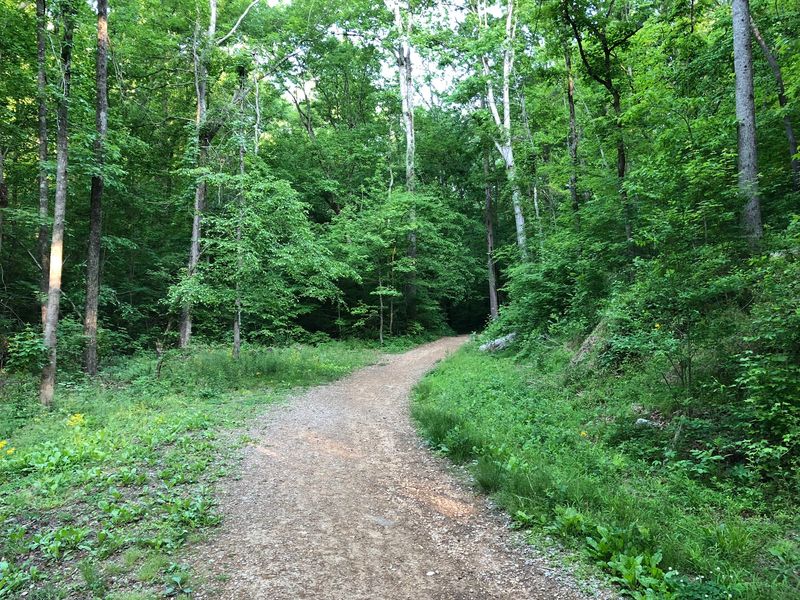
Part of Southern Adventist University’s outdoor education program, these trails serve double duty as both mountain biking routes and living classrooms. Students study the local ecosystem here, but the trails are open to the public and offer surprisingly good riding. You will pass interpretive signs explaining the biology and geology of White Oak Mountain as you ride, adding an educational element to your outdoor adventure.
The trails here are well-maintained and designed with sustainability in mind, making them a model for how recreation and education can coexist. Most routes are suitable for intermediate riders, with enough technical features to keep things interesting but nothing so extreme that you need advanced skills. The trail system loops through mixed hardwood and pine forests, crossing small streams and climbing moderate grades.
Because the university maintains these trails, you will find them in excellent condition with clear signage throughout. The academic connection means trail closures occasionally happen for research projects or educational programs, so checking ahead before making a special trip is worthwhile. When open, the trails offer a peaceful riding experience away from more crowded areas.
The mountain itself is not particularly high, but the trails make good use of the available terrain with smart routing that creates interesting climbs and descents. Views open up occasionally through the trees, showing the surrounding valley and distant ridges. Fall and spring are ideal riding seasons here, with comfortable temperatures and beautiful scenery that changes dramatically with the seasons throughout this corner of East Tennessee.
9. Stringers Ridge Park – Chattanooga
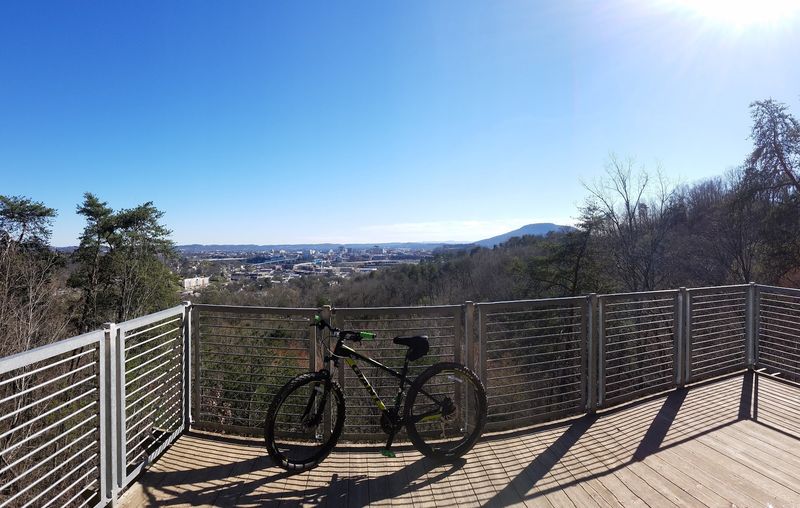
Rising above downtown Chattanooga, this park proves you do not need to leave the city to find quality mountain biking. The trails climb up Stringers Ridge, offering unexpected wilderness just minutes from urban streets. You will gain elevation quickly on some routes, but the effort pays off with views of the Tennessee River valley and the city skyline spread out below.
The trail system includes about six miles of singletrack that ranges from beginner-friendly to quite challenging. Some sections incorporate rock features and steep grades that will test your climbing and descending skills. The proximity to downtown means these trails get regular use, but the riding community here is friendly and welcoming to newcomers.
What makes Stringers Ridge special is the contrast between wild forest and urban environment. You will hear city sounds drifting up from below while riding through dense woods that feel completely removed from civilization. The trails are well-marked and maintained by local volunteers who work hard to keep them in good shape despite heavy use.
Parking is available at several access points around the base of the ridge, with the North Hawthorne Street trailhead being the most popular. The trails can be ridden year-round, though summer afternoons get hot and humid. Early morning or evening rides are best during warmer months, and you will often see other riders enjoying the cooler temperatures and softer light that make the city views even more spectacular from these elevated trails above Chattanooga.
10. Raccoon Mountain MTB Trailhead – Chattanooga
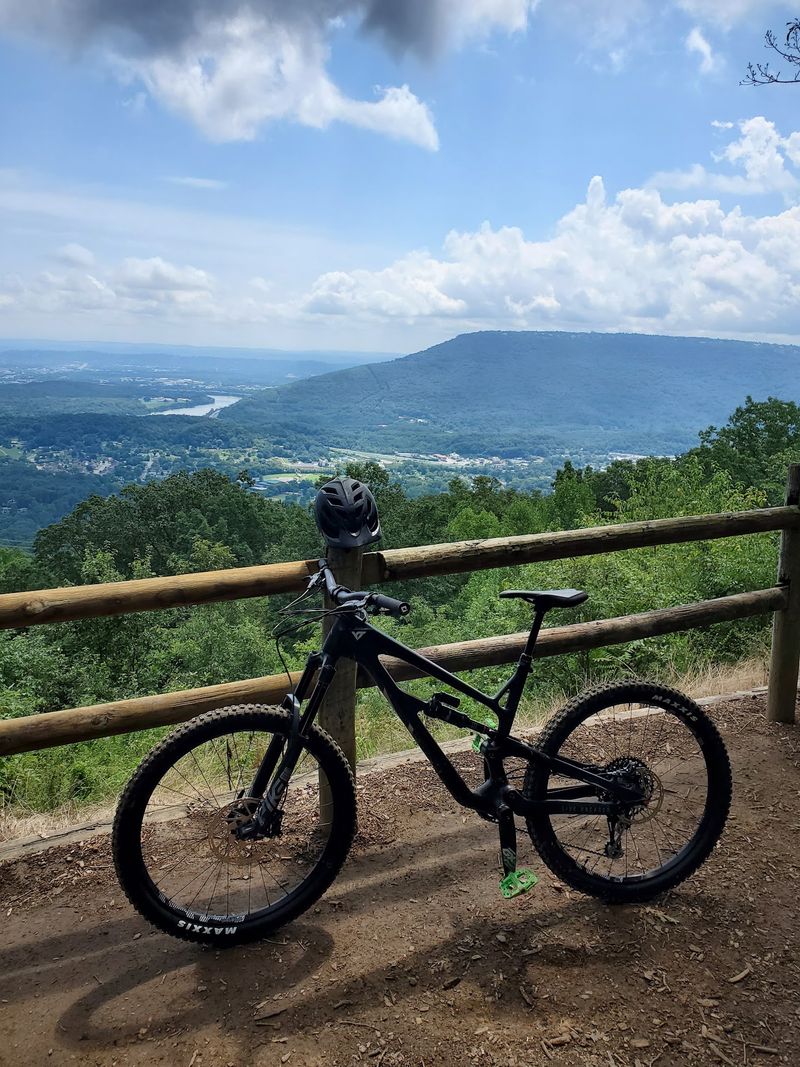
Sitting just west of Chattanooga, Raccoon Mountain offers some of the most challenging and rewarding mountain biking in the region. The trail system here is extensive, with over 30 miles of singletrack that takes you deep into the mountain’s forests and along ridgelines with dramatic views. You will encounter everything from smooth flowing sections to brutally steep climbs that will have you questioning your gear choices.
The trails are organized into different loops and sections, each with its own character and difficulty level. Some routes follow old logging roads that have been converted into enjoyable riding paths, while others are pure singletrack carved into the mountainside. The terrain varies constantly, keeping you engaged and forcing you to adapt your riding style as conditions change.
What sets Raccoon Mountain apart is the sheer variety of riding experiences available in one location. You can spend an entire day here and never ride the same section twice. The mountain is also home to a pumped storage facility, and some trails pass near the reservoir, adding an interesting industrial element to the natural landscape.
The main trailhead includes parking and facilities, making it easy to spend several hours exploring the system. Trail maps are available at the entrance, and the routes are well-marked with signs at major intersections. The mountain faces west, which means afternoon sun can make summer rides quite warm.
Spring and fall offer the best conditions, with moderate temperatures and the kind of weather that makes you want to stay on the trails until the sun sets over the Tennessee Valley below.
Share this story