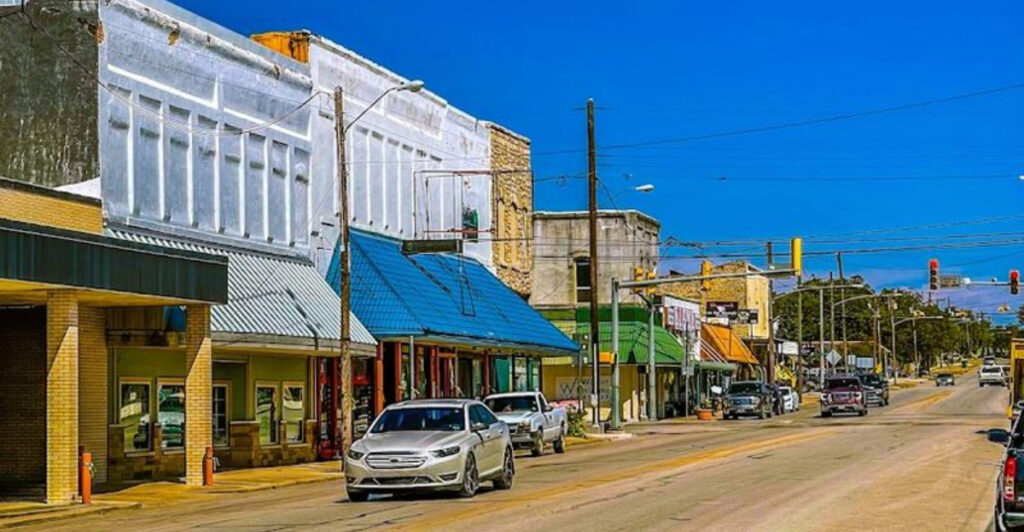
Dublin sits in the heart of Erath County like a well-kept secret that locals hope you’ll discover but never quite want to share. This Central Texas town of just over 3,000 people moves at a pace that feels downright revolutionary in our hurry-up world. With its famous Dr Pepper history and genuine small-town charm, Dublin offers something increasingly rare: a place where neighbors still wave from porches and Friday night lights mean everything.
Once you experience what makes this community tick, leaving might be the hardest decision you’ll ever make.
1. The Legendary Dr Pepper Heritage
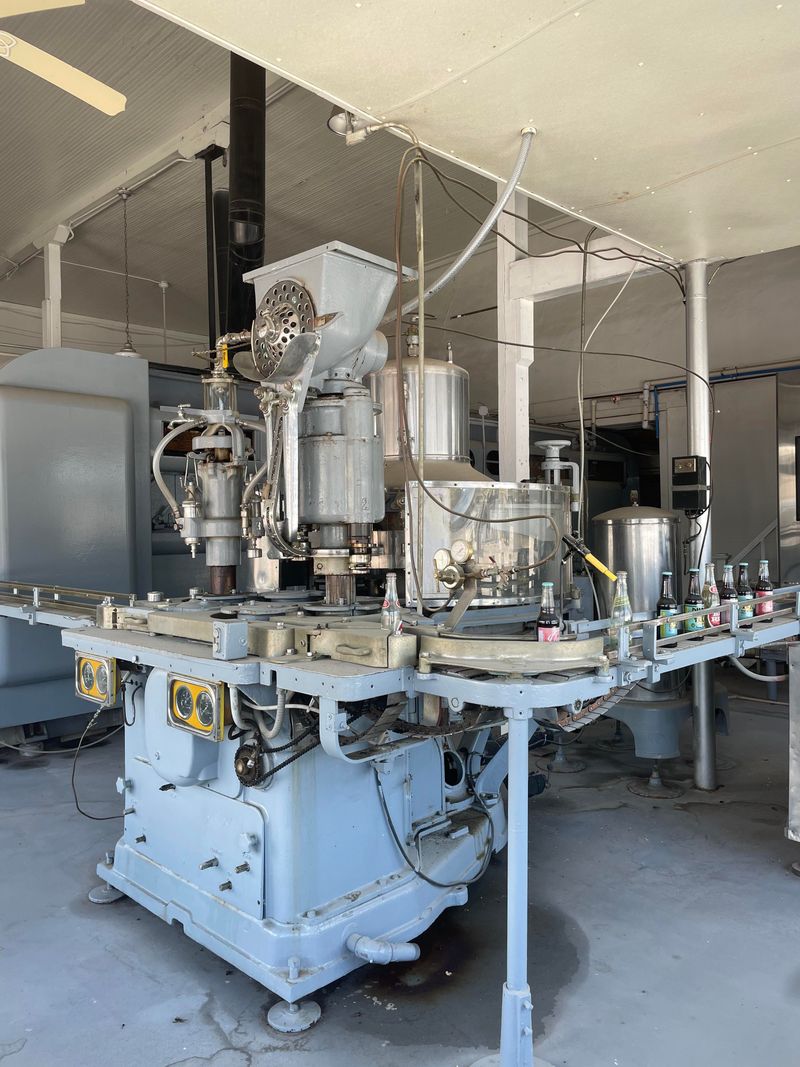
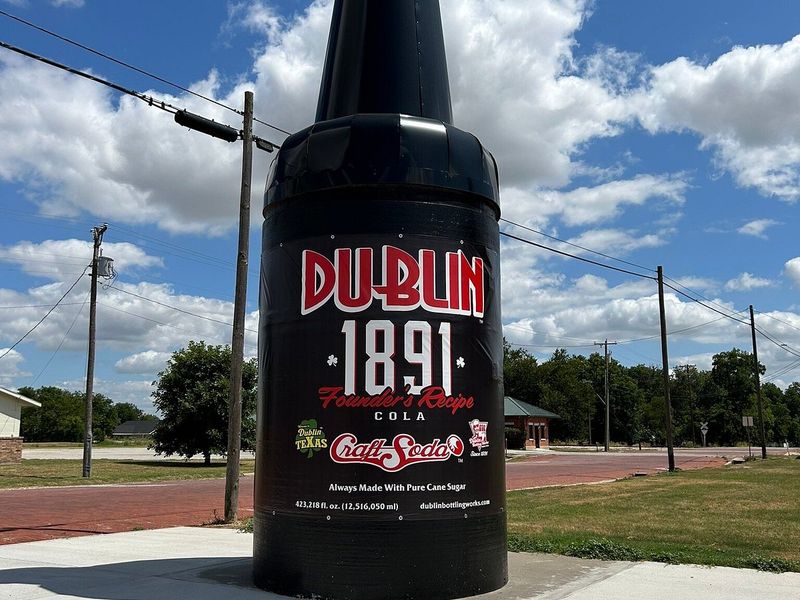
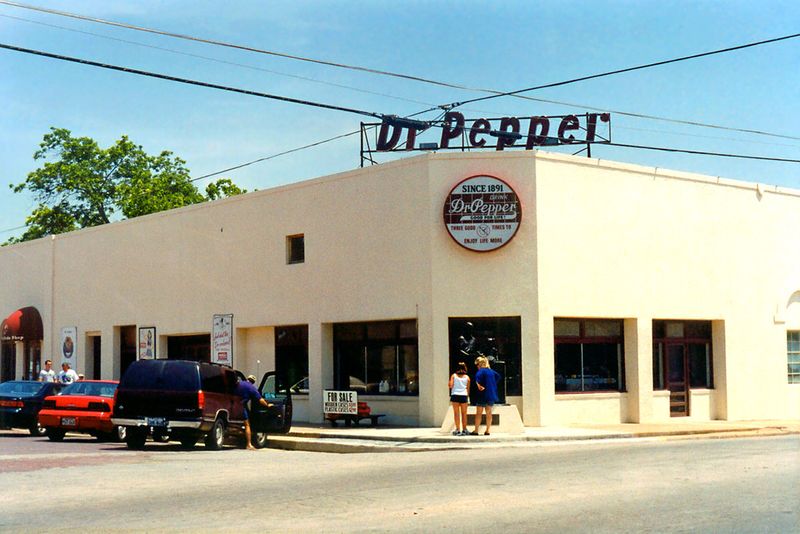
Walk down Main Street and you’re literally strolling through soft drink history. Dublin housed the world’s oldest Dr Pepper bottling plant, and that legacy still flavors everything about this town. The original plant operated from 1891 until 2012, making Dublin synonymous with the beloved beverage for generations of Texans.
Even though the official Dr Pepper connection ended, the town hasn’t forgotten its fizzy roots. Locals still talk about the days when Dublin Dr Pepper was made with real imperial pure cane sugar instead of corn syrup. Visitors came from across the state just to taste the difference and tour the facility.
That pride in craftsmanship and tradition defines Dublin’s character today. The old bottling plant building remains a landmark that reminds everyone how a small town can make a big impact. You’ll find Dr Pepper memorabilia in shops, restaurants serve it ice-cold in glass bottles when they can, and the story gets passed down like treasured family recipes.
This heritage taught Dublin something valuable about authenticity and staying true to your roots. When a town can turn a soft drink into a cultural touchstone, you know there’s something special in the water—or maybe the soda fountain.
2. Small-Town Hospitality That Actually Means It
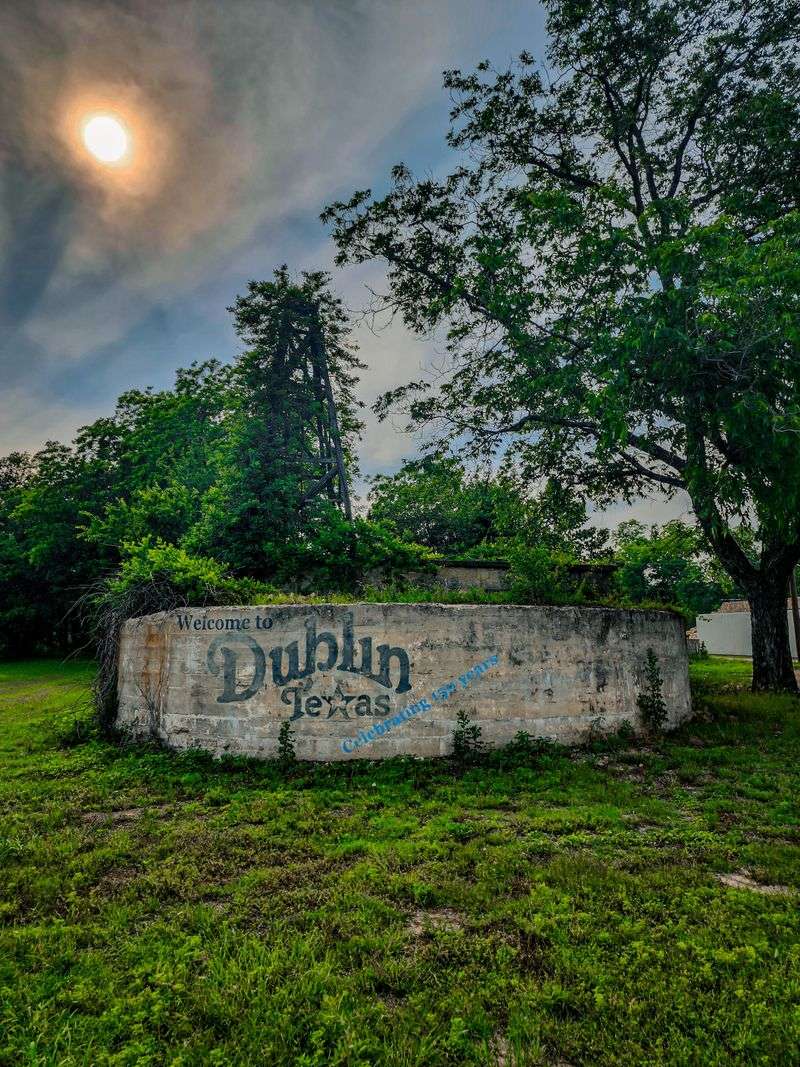
Forget everything you think you know about Southern hospitality until you’ve experienced Dublin’s version. Here, when someone asks how you’re doing, they actually wait for the answer. Store owners remember your name after one visit, and newcomers get treated like long-lost cousins at the annual chili cook-off.
This isn’t some tourist-brochure fantasy—it’s daily life. The local coffee shop knows your order by heart. Your mechanic might refuse payment and tell you to catch him next time.
People hold doors, start conversations in grocery store aisles, and genuinely care when your kid makes the honor roll.
What makes Dublin different from other small towns trying to maintain this culture? The community actually lives it instead of performing it. There’s no pretense, no fake friendliness that disappears once you’re off Main Street.
The same warmth exists at the post office, the hardware store, and the high school football games.
Young families moving here from bigger cities often say the adjustment feels like stepping back in time—in the absolute best way. Kids ride bikes without helicopter parents hovering. Teenagers get their first jobs from business owners who knew their grandparents.
Everyone shows up when someone needs help, whether it’s a barn raising or a hospital visit.
3. Friday Night Lights and Community Pride
If you’ve never witnessed Texas high school football in a town like Dublin, you’re missing a cultural phenomenon that defines rural life. Come Friday night, the entire town migrates to the stadium like it’s a religious pilgrimage. Business owners close shops early.
Restaurants adjust their hours. Everything revolves around those lights blazing against the Central Texas sky.
Dublin High School football isn’t just entertainment—it’s the community’s heartbeat. Grandparents who graduated decades ago still attend every home game. Local businesses sponsor players and buy ads in the program.
The marching band gets as much respect as the quarterback, and the concession stand serves as the town’s unofficial social headquarters.
The energy in those bleachers can’t be manufactured or explained to outsiders. Strangers become instant friends when they’re cheering for the same touchdowns. Three generations of families sit together, passing down traditions and creating memories that’ll get retold at Thanksgiving tables for years.
Win or lose, the town supports its team with unwavering loyalty. Players learn about commitment, coaches teach life lessons that extend far beyond X’s and O’s, and everyone understands they’re part of something bigger than themselves. That sense of collective identity and shared purpose makes Dublin feel less like a town and more like an extended family.
4. Cost of Living That Won’t Break Your Spirit
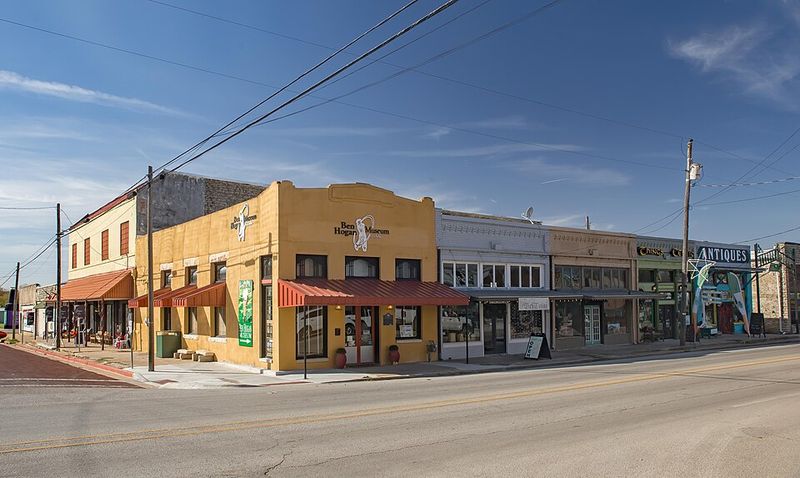
Let’s talk money, because Dublin’s affordability might shock you if you’re coming from anywhere with inflated housing markets. Three-bedroom homes with actual yards sell for prices that wouldn’t cover a down payment in Austin or Dallas. Property taxes won’t require a second mortgage, and your grocery bill shrinks when you’re shopping at local stores instead of overpriced organic chains.
Rent prices feel downright quaint compared to urban Texas. Young couples can actually save for a house while renting. Families don’t need dual six-figure incomes to live comfortably.
Retirees discover their fixed incomes stretch considerably further when housing costs drop by half or more.
The lower cost of living doesn’t mean lower quality of life—that’s the beautiful paradox. Kids attend good schools, crime rates stay remarkably low, and community resources serve residents well. You’re not sacrificing safety or education by choosing affordability; you’re just opting out of the overpriced urban rat race.
Local business owners can actually afford to start and maintain shops without venture capital or crushing debt. That economic accessibility creates entrepreneurial opportunities that disappeared from bigger cities long ago. Your coffee shop owner isn’t a corporate franchise manager—they’re your neighbor who took a chance on their dream and made it work.
5. Genuine Connection to Texas Land and Heritage
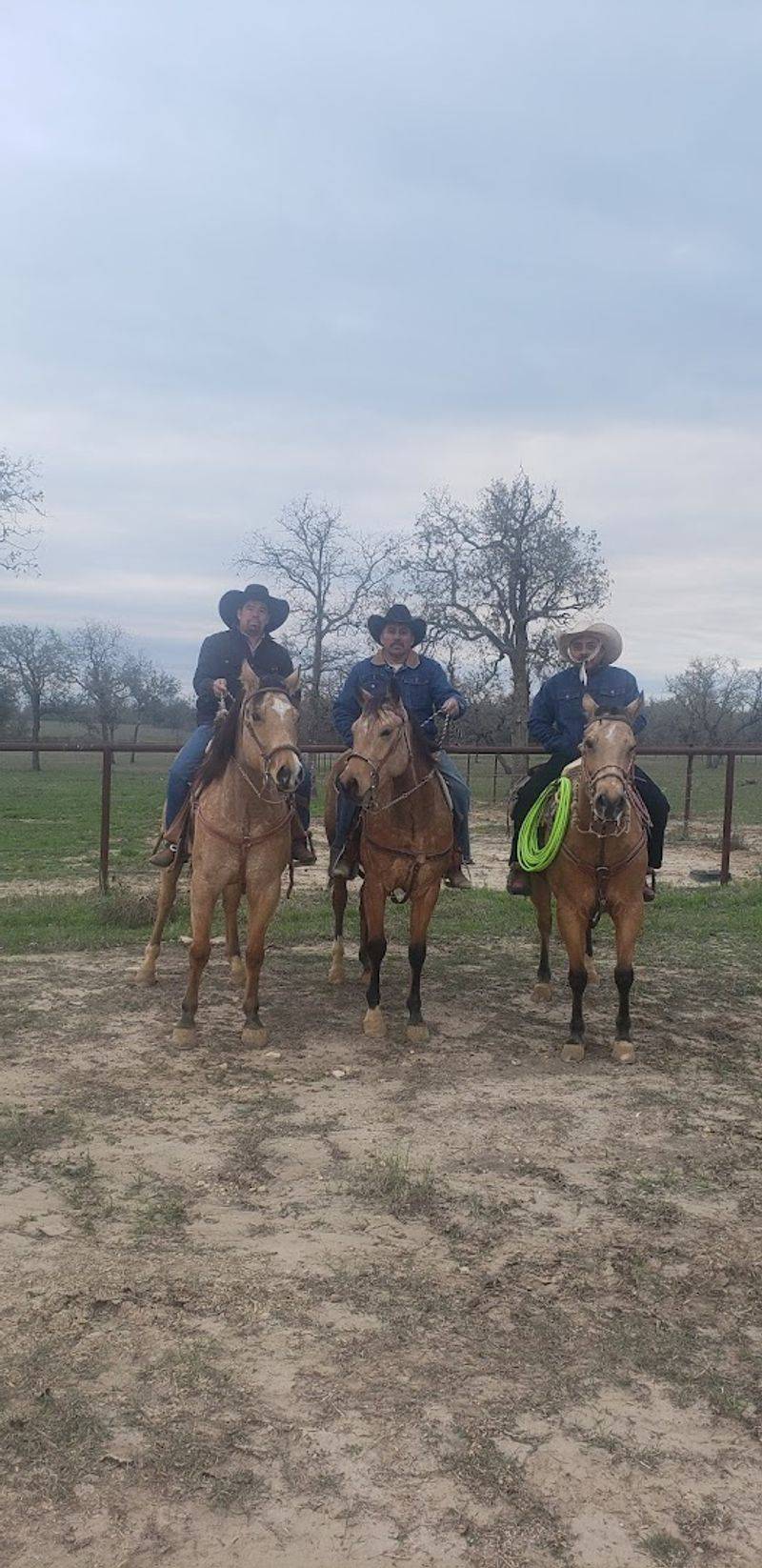
Dublin sits in authentic ranch country where the land still matters and people maintain connections to Texas heritage that urban areas lost generations ago. Surrounding ranches raise cattle the old-fashioned way. Families farm land their great-grandparents homesteaded.
The relationship between people and earth feels tangible here, not romanticized or nostalgic—just real.
Drive ten minutes in any direction and you’re surrounded by classic Central Texas landscape. Rolling hills dotted with live oaks, pastures where cattle graze peacefully, and skies so big they make you understand why Texans brag about everything. This isn’t Hill Country tourist territory with wine tastings and luxury resorts; it’s working land where agriculture still drives the local economy.
Kids grow up understanding where food actually comes from. They help neighbors during harvest season, learn to respect the work ranching requires, and develop appreciation for the land that sustains their community. That connection creates a different kind of person—more grounded, more practical, more aware of life’s fundamental rhythms.
The heritage isn’t just preserved in museums or historical markers. It lives in daily practices, seasonal routines, and the knowledge passed down through families who’ve worked this land for over a century. You can’t fake that kind of authenticity or buy it with a weekend ranch vacation.
6. Slower Pace That Restores Your Sanity
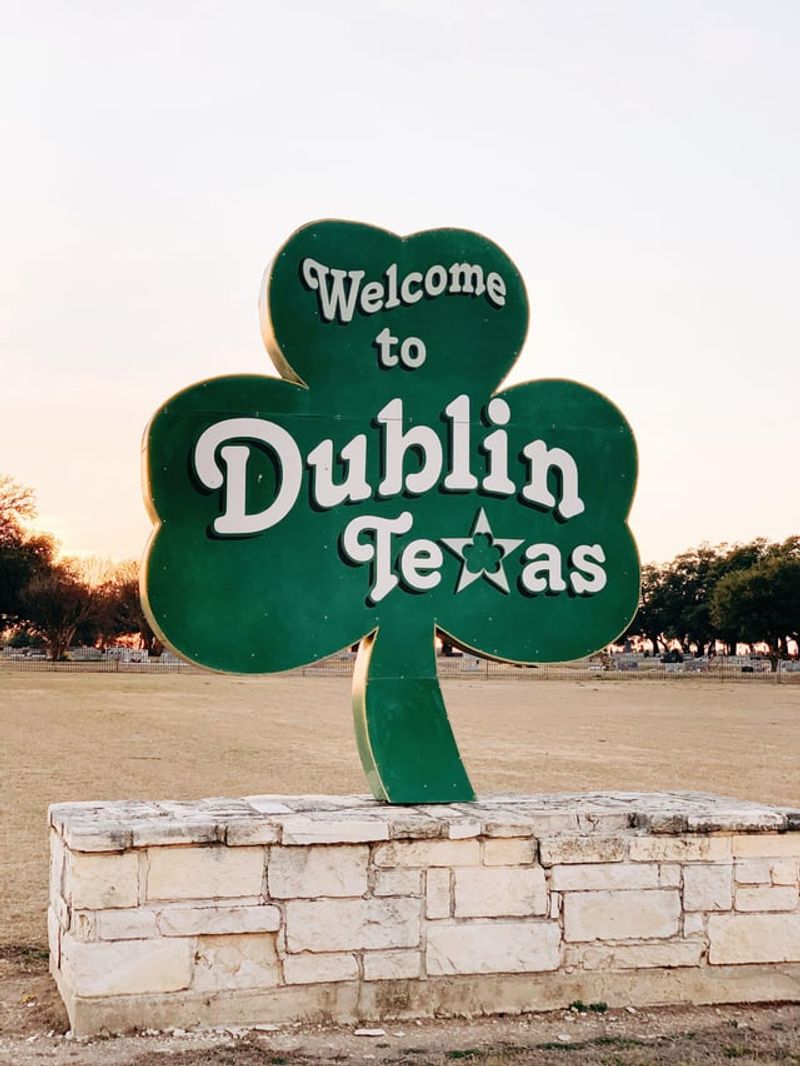
Rush hour in Dublin means maybe five cars at the stoplight. Traffic jams don’t exist. Road rage is something you hear about happening in other places but never witness yourself.
The pace of life moves slow enough that you can actually breathe, think, and remember what relaxation feels like.
Mornings start with coffee on the porch instead of frantic commutes. Lunch breaks actually provide breaks rather than hurried desk-eating sessions. Evenings allow for family dinners, porch sitting, and conversations that last as long as they need to.
Time stops feeling like an enemy constantly stealing your peace.
This slower rhythm isn’t laziness or lack of ambition—it’s intentional living. People work hard, businesses operate successfully, and things get accomplished. The difference is nobody’s glorifying exhaustion or competing to see who can be most stressed.
Success gets measured differently when you’re not trapped in hustle culture.
New residents often report feeling disoriented at first, like they’re waiting for the other shoe to drop. Where’s the traffic? Why isn’t everyone rushing?
When does the stress start? Eventually they realize it doesn’t, and that adjustment transforms them. Blood pressure drops.
Sleep improves. Relationships deepen when you have time to invest in them properly. You rediscover hobbies, creativity, and parts of yourself that got buried under urban chaos.
7. Local Businesses Run by People You’ll Actually Know
Every dollar you spend in Dublin goes directly into your neighbor’s pocket, not some corporate headquarters three states away. The hardware store owner coaches Little League. Your favorite restaurant’s chef serves on the school board.
The woman who runs the boutique volunteers at the library. Commerce and community intertwine so completely you can’t separate them.
Shopping local isn’t a trendy hashtag here—it’s simply how things work. You don’t need farmer’s markets when you can buy directly from farmers you know by name. The feed store carries exactly what local ranchers need because the owner is one himself.
Service stays personal because reputation actually matters when everyone knows everyone.
These businesses survive because the community actively supports them. Residents understand that choosing Walmart over the local shop doesn’t just affect one store—it impacts a family, weakens the tax base, and erodes the town’s character. That awareness creates economic ecosystems where small businesses can still thrive.
The quality of service reflects genuine care rather than corporate scripts. Your mechanic fixes things right because he’ll see you at church Sunday. The baker takes pride in her work because her kids go to school with yours.
Accountability comes naturally when you’re serving friends and neighbors, not anonymous customers you’ll never encounter again.
8. Safety and Security That Lets Kids Be Kids
Parents in Dublin do something that seems radical in modern America: they let their kids roam. Children ride bikes to friends’ houses without GPS tracking. Teenagers walk downtown after dark.
Kids play in yards without supervised activities or constant adult intervention. This isn’t neglect—it’s childhood the way it used to exist before fear became the dominant parenting emotion.
Crime rates stay remarkably low because everyone watches out for everyone else’s children. The unofficial neighborhood watch system operates through porch-sitters, dog-walkers, and people who actually notice when something seems off. Strangers stand out immediately in a town this size, and community vigilance provides security that cameras and alarm systems can’t match.
Schools maintain safe environments where teachers know every student’s name and family situation. Bullying gets addressed quickly because problems can’t hide in anonymity. Kids develop independence and confidence when they’re allowed to make mistakes, solve problems, and navigate their world without helicopter parents hovering constantly.
This freedom creates different kinds of childhoods. Kids build forts in creeks, organize their own baseball games, and entertain themselves without screens dominating every moment. They learn risk assessment, develop resilience, and gain confidence that comes from genuine independence.
Parents rediscover what peace of mind actually feels like when you trust your community and your children.
9. Seasons and Traditions That Mark Real Time
Dublin’s calendar follows rhythms that urban areas abandoned long ago. The county fair isn’t just an event—it’s a week-long celebration where school basically shuts down and everyone participates. Christmas means luminarias lining Main Street and a community tree lighting where half the town shows up.
Fourth of July brings fireworks, barbecue competitions, and patriotic displays that would make your heart swell even if you’re usually cynical about such things.
These traditions aren’t performative or maintained for tourism. They’re genuine expressions of community identity that residents anticipate all year. Kids grow up with the same seasonal markers their grandparents experienced.
That continuity creates deep roots and lasting memories that anchor people to place in profound ways.
Spring brings wildflowers painting the countryside in bluebonnets and Indian paintbrush. Summer means evening thunderstorms that cool things down and bring neighbors to their porches. Fall delivers perfect weather for high school football and harvest activities.
Winter stays mild enough that you enjoy the season without dreading it.
The agricultural calendar still influences town life. Planting and harvest seasons affect schedules, conversations, and community energy. Living in sync with these natural rhythms connects you to something larger than yourself—cycles that have repeated for generations and will continue long after you’re gone.
That perspective changes how you experience time and your place in the world.
Share this story