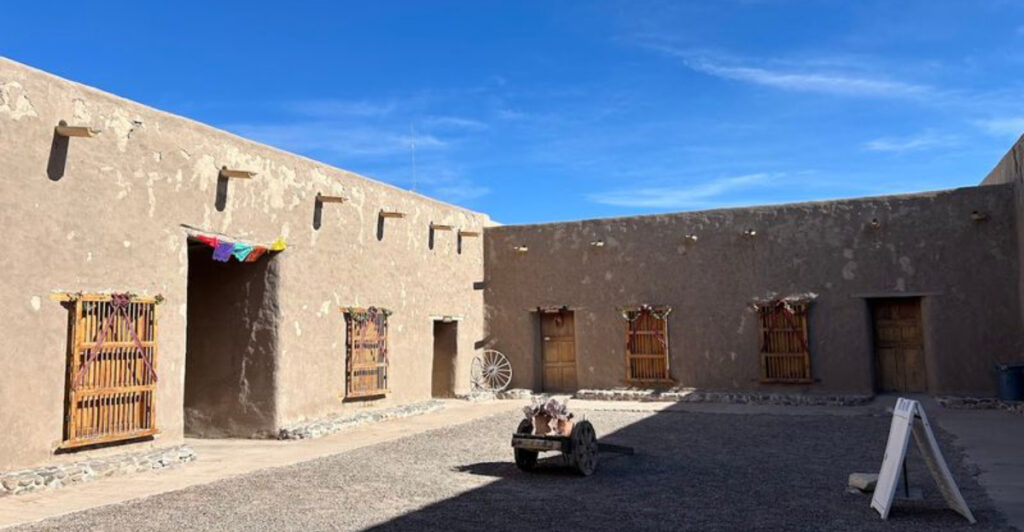
Deep in the remote desert of Far West Texas stands a fortress-like structure that looks like it could have been plucked straight out of the Old West. Fort Leaton State Historic Site near Presidio showcases some of the largest and most impressive adobe buildings in the entire state, built back in 1848 as a private trading post along the Rio Grande. Walking through its thick-walled rooms and sprawling courtyard gives you an authentic glimpse into frontier life when traders, travelers, and settlers braved the harsh desert to make their fortune along this wild border region.
1. The Massive Adobe Fortress That Started as a Trading Post
Built by pioneer Ben Leaton in 1848, this sprawling compound wasn’t actually a military fort at all. Instead, it served as a private trading post where Leaton conducted business with travelers, settlers, and indigenous groups passing through the region. The name “fort” came later because of its fortress-like appearance and protective design.
What makes this place truly remarkable is its sheer size and construction. The adobe walls stretch thick enough to keep the interior a full 30 degrees cooler than outside, even during scorching summer days. Walking through the rooms, you’ll notice how the architecture cleverly funnels breezes through the corridors, creating natural air conditioning long before electricity existed.
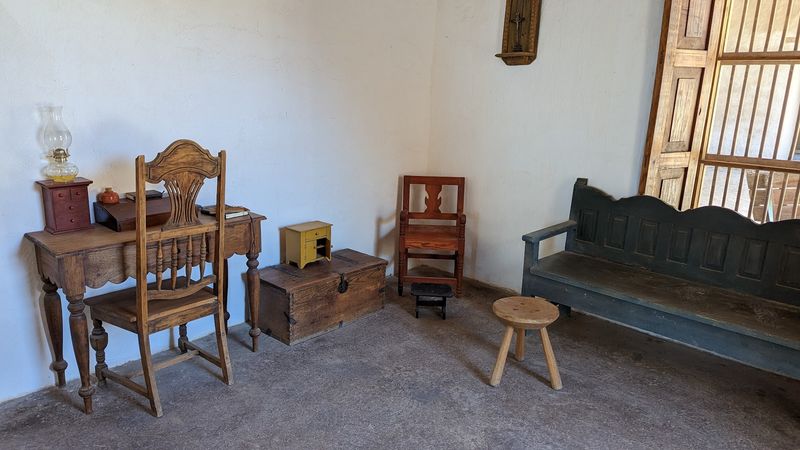
The State of Texas took over the crumbling site and invested serious effort into restoration work. Today, visitors can explore fully restored rooms alongside sections intentionally left in various stages of repair to show the building’s evolution. Some rooms feature period furnishings and tools that help you picture daily life in the 1800s.
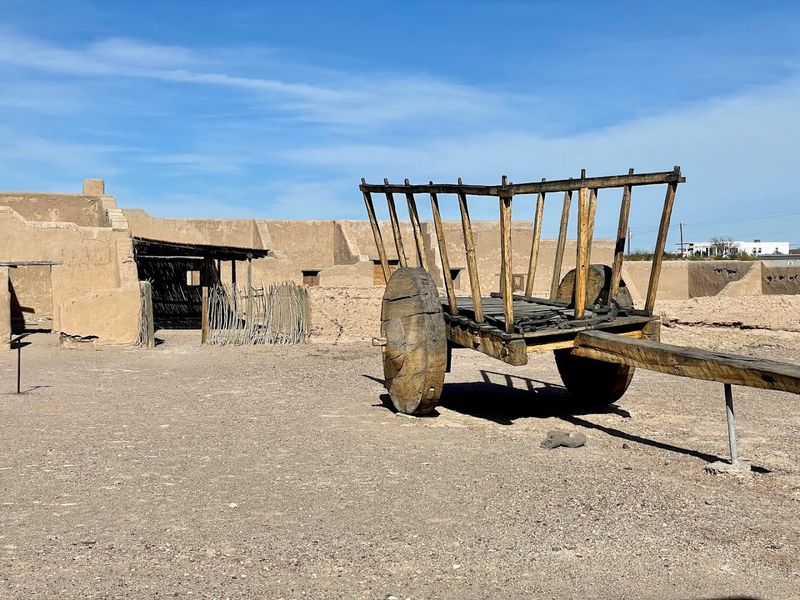
The courtyard alone impresses with its open layout and giant hay wagon sitting as a centerpiece. You can easily spend an hour wandering through the different sections, each telling part of the story about frontier commerce and survival along the Rio Grande.
2. Self-Guided Tours Through Furnished Period Rooms
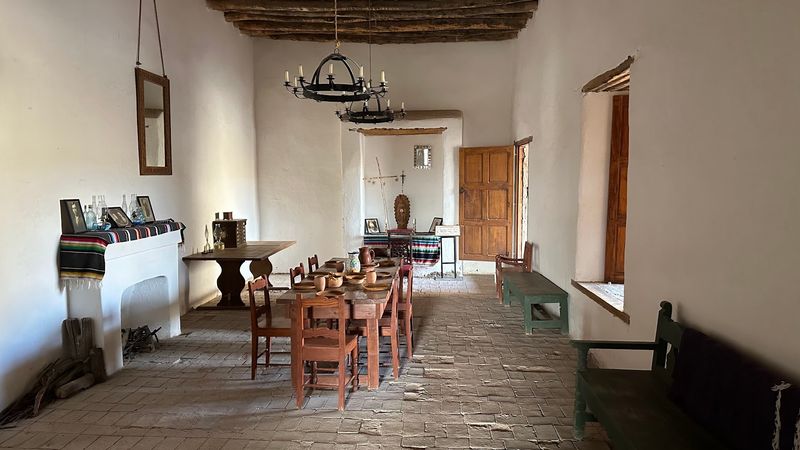
Forget boring museum displays behind glass cases. Fort Leaton lets you walk directly into history by strolling through rooms set up just like they would have been during the trading post’s heyday. Each space tells a different story about how families lived, worked, and survived in this isolated desert outpost.
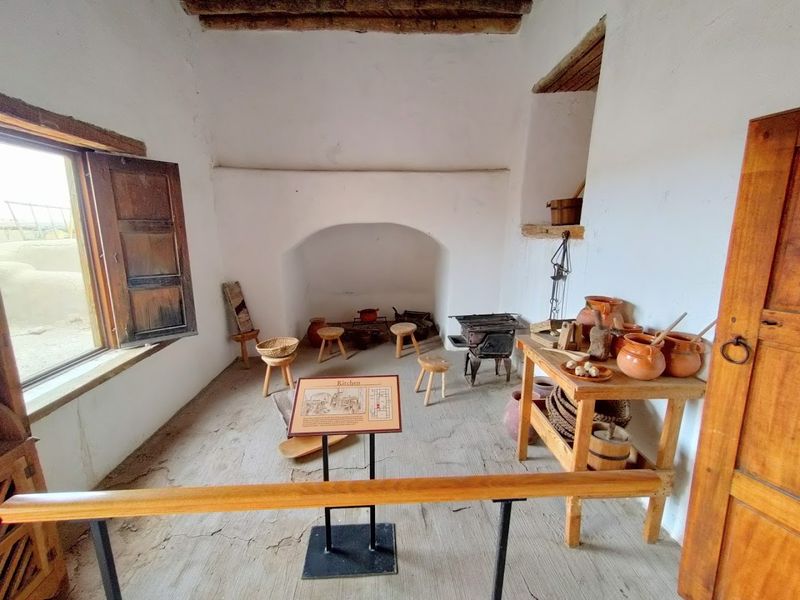
The self-guided tour setup means you can move at your own pace without feeling rushed. Information plaques throughout explain the purpose of each room and the items inside. You’ll see everything from cooking utensils and bedroom furniture to the kinds of goods traders would have stocked for sale.
Staff members are incredibly knowledgeable and eager to share stories about the fort’s history. Many visitors mention how helpful the rangers are in bringing the past to life with colorful details and answering questions. Some lucky guests even get impromptu guided tours when rangers have time to walk through with small groups.
The combination of furnished rooms and bare spaces creates an interesting contrast. You get to see both the lived-in feeling of a functioning trading post and the raw adobe architecture that made these buildings so resilient. It’s hands-on history that beats reading any textbook.
3. The Nature Trail With Desert Flora and Scenic Fort Views
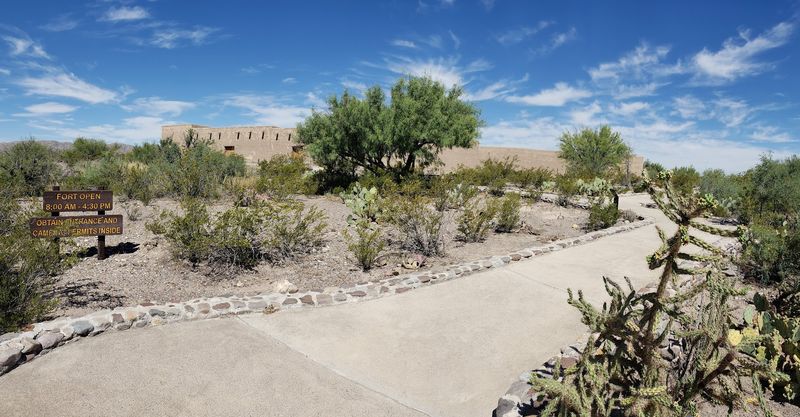
Beyond the fort walls lies a surprisingly pleasant nature trail that loops around the entire complex. This easy walk offers the best exterior views of the massive adobe structure while introducing you to the tough desert plants that thrive in this harsh environment. Every plant along the path comes with identification labels, turning your stroll into an educational botany lesson.
The trail isn’t long or difficult, making it perfect for families with kids or anyone not looking for a strenuous hike. Picnic tables are strategically placed along the route, giving you shaded spots to rest and take in the scenery. Dogs are welcome on the outdoor grounds, so your four-legged friends can join the adventure too.
What really sets this trail apart is how it frames the fort from different angles. You’ll get photo opportunities showing the building’s impressive scale and architectural details that aren’t visible from inside the courtyard. The contrast between the human-made adobe walls and the wild desert landscape creates striking views.
Near the end of the loop, you’ll encounter the bat house, a fascinating structure designed to provide habitat for these beneficial flying mammals. It’s a quirky addition that gets visitors talking and adds an unexpected wildlife element to the historical experience.
4. Museum Exhibits That Bring Southwest History to Life
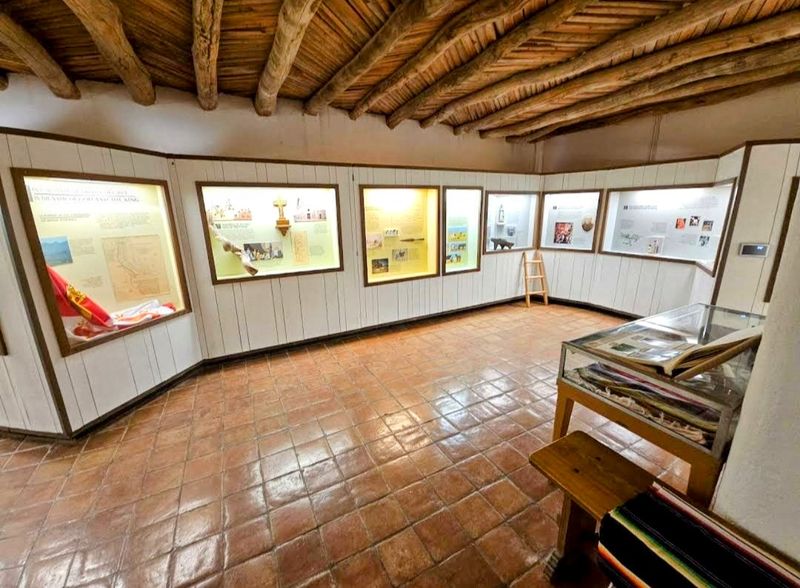
Don’t rush past the small museum attached to the visitor center. Though compact, it packs a powerful punch with first-rate displays covering regional history from indigenous peoples through early American settlement. The exhibits explain how this border region developed and why trading posts like Fort Leaton played such crucial roles.
The progression toward settlement gets special attention, showing how the Southwest transformed from indigenous territory to Spanish colonial outpost to Mexican borderland to American frontier. You’ll learn about the complex relationships between different groups and how trade served as both a bridge and a source of conflict.
Visitors consistently praise the quality of information presented. The displays avoid dry academic language in favor of engaging storytelling that makes history accessible and interesting. You’ll come away understanding not just what happened, but why it mattered and how it shaped modern Texas.
The museum also provides context for what you’ll see in the fort itself. Learning about the types of goods traded, the dangers travelers faced, and the daily challenges of desert life makes exploring the actual rooms much more meaningful. It’s worth spending time here before or after your fort tour.
Staff members in the attached gift shop are happy to answer questions and point you toward additional resources if any topics spark your curiosity.
5. Remarkably Cool Interiors Thanks to Thick Adobe Walls
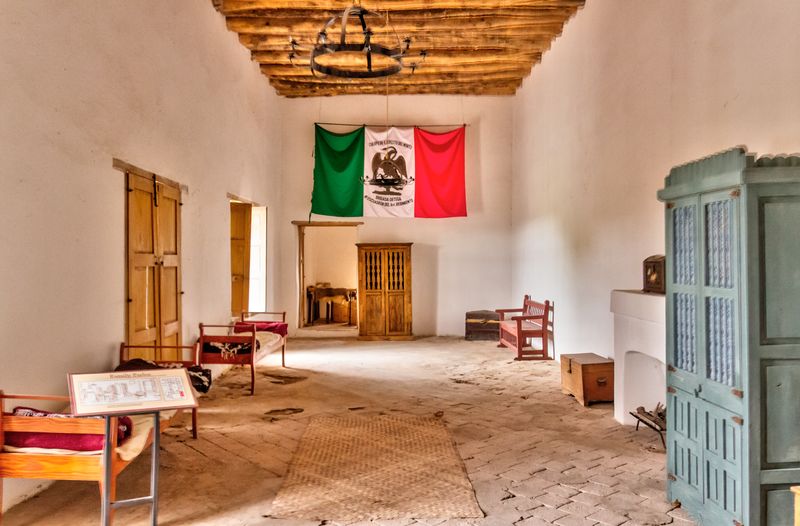
Step inside Fort Leaton on a blazing summer day and you’ll immediately understand why adobe construction dominated desert architecture for centuries. The walls measure several feet thick, creating incredible insulation that keeps interior temperatures dramatically lower than outside. Multiple visitors report the inside feeling 30 degrees cooler than the scorching exterior.
This isn’t just pleasant comfort. It’s a testament to the ingenuity of builders who understood their environment and worked with available materials to create livable spaces. Adobe bricks made from mud, straw, and water provided thermal mass that absorbed heat slowly during the day and released it gradually at night.
The building’s design enhances this natural cooling through strategic placement of doors and windows. Breezes get funneled through corridors in ways that maximize airflow without requiring any mechanical systems. Standing in these rooms, you’re experiencing the same climate control technology that kept the original inhabitants comfortable nearly 200 years ago.
The architecture itself becomes part of the educational experience. You can see the layers and textures of the adobe construction, understanding how these massive walls were built up gradually. It’s a far cry from modern construction methods and gives you appreciation for the labor involved in creating such an impressive structure.
6. Perfect Starting Point for Big Bend Adventures
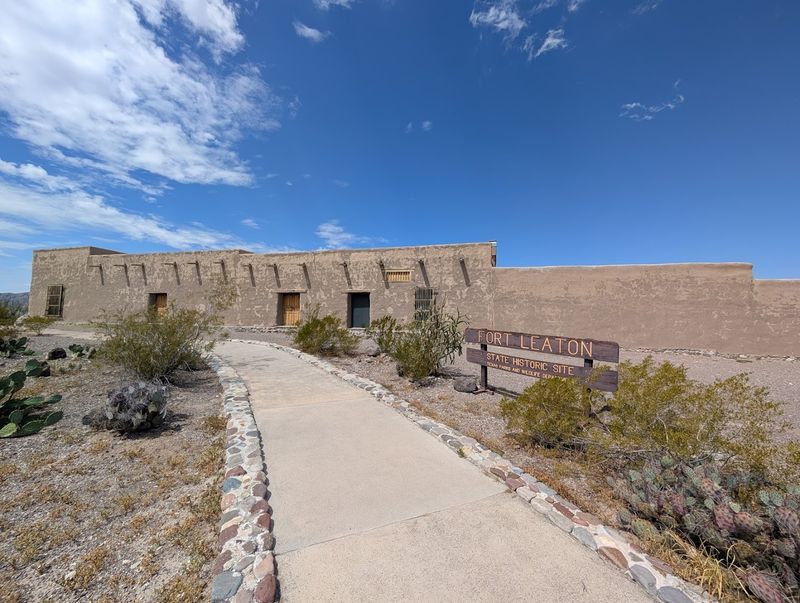
Located right at the western entrance to Big Bend Ranch State Park, Fort Leaton serves as an ideal first stop before heading deeper into the wilderness. Your entrance fee here covers access to the entire state park for the day, making it a smart financial move. Many visitors recommend purchasing an annual Texas State Parks Pass at this location to maximize value if you plan to explore multiple parks.
The knowledgeable staff provide invaluable help planning your Big Bend adventures. They’ll give you current road conditions, trail recommendations based on your fitness level, and insider tips about less crowded spots worth visiting. Several reviews mention rangers going above and beyond to help visitors plan their routes and understand what to expect.
Clean restrooms and picnic facilities make this a practical rest stop after long drives through remote desert country. You can stretch your legs on the nature trail, use the facilities, grab snacks from the gift shop, and gather information all in one convenient location.
Starting here also provides historical context that enriches your entire Big Bend experience. Understanding how people survived and thrived in this harsh environment centuries ago makes you appreciate the landscape differently as you explore further into the park system. It’s education and preparation rolled into one worthwhile stop.
7. Fascinating Glimpse Into 1800s Border Life
Life along the Rio Grande in the mid-1800s was anything but easy. Fort Leaton offers a window into this challenging world where settlers, traders, and travelers faced constant threats from bandits, harsh weather, and the isolation of frontier existence. The fort provided a rare safe haven where people could rest, trade, and resupply before continuing their journeys.
Ben Leaton himself was a controversial figure who profited from the border’s lawlessness while also providing legitimate services to travelers heading west. The exhibits don’t shy away from the complex moral landscape of frontier commerce, acknowledging both the entrepreneurial spirit and the sometimes questionable ethics of border trading.
Walking through the rooms, you get a sense of how families actually lived in these spaces. The restored areas show sleeping quarters, cooking facilities, and work areas arranged for both domestic life and commercial activity. It’s a reminder that this wasn’t just a business, it was someone’s home.
The cemetery on the grounds adds a sobering element to the story. The graves represent the very real dangers people faced and the permanent mark they left on this landscape. It’s these authentic touches that make Fort Leaton feel less like a museum and more like a preserved slice of actual history.
8. Bat House and Wildlife Viewing Opportunities
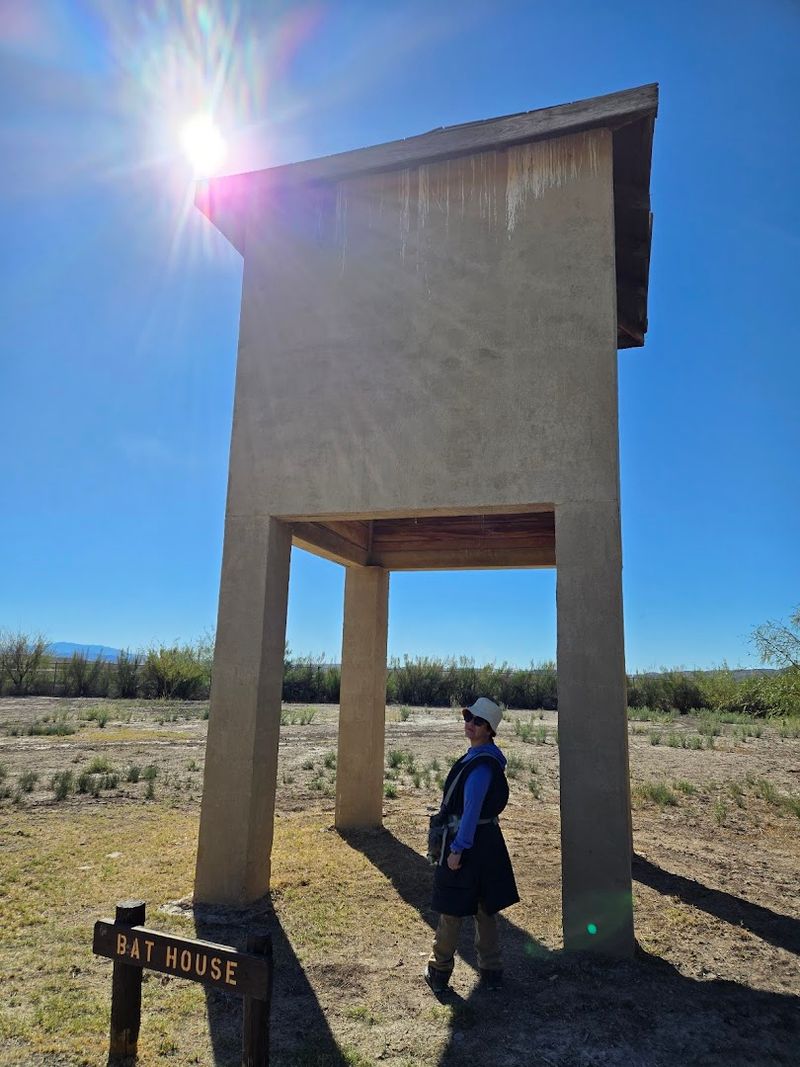
Near the end of the nature trail sits one of the fort’s quirkiest features: a purpose-built bat house designed to provide habitat for these misunderstood flying mammals. While you might not see bats during daytime visits, knowing they’re there adds an exciting wildlife dimension to the historic site. Some visitors to the fort itself report hearing bats in the ceiling, creating memorable moments of connection with the building’s living ecosystem.
Bats play crucial roles in desert environments by controlling insect populations and pollinating native plants. The bat house represents modern conservation efforts coexisting with historic preservation. It’s a teaching opportunity about how humans and wildlife can share spaces beneficially.
Beyond bats, the surrounding desert habitat supports various birds, lizards, and other creatures adapted to the harsh environment. The labeled plants along the nature trail often attract pollinators, giving observant visitors chances to spot butterflies, bees, and hummingbirds going about their business.
Bringing binoculars can enhance your visit, especially in early morning or late afternoon when wildlife is most active. The open desert landscape around the fort provides good visibility for spotting birds of prey riding thermal currents overhead. It’s a reminder that this historic site exists within a living, breathing ecosystem that continues to thrive despite the challenges of desert life.
9. Affordable Entry and Family-Friendly Facilities
At just five dollars for adult admission, Fort Leaton offers incredible value for the experience you receive. That single fee grants you access not only to the fort and museum but also to Big Bend Ranch State Park for the entire day. It’s one of the best bargains in Texas tourism, especially considering the quality of restoration and interpretation you’ll encounter.
Families particularly appreciate how kid-friendly the site is. Children can explore the rooms, walk the nature trail, and learn about history in hands-on ways that beat sitting in a classroom. The fort’s impressive architecture naturally captures young imaginations, and the open courtyard gives kids safe space to burn energy between educational moments.
The gift shop stocks interesting knickknacks and educational materials that make great souvenirs without breaking the bank. Staff members are consistently praised for being welcoming and helpful, creating a positive atmosphere that makes visitors feel comfortable asking questions or requesting assistance.
Clean facilities including restrooms and picnic areas mean families can comfortably spend several hours exploring without needing to leave for basic amenities. Dogs are allowed on the outdoor grounds, so pet owners don’t have to leave their furry friends behind in hot cars. These practical touches make Fort Leaton accessible and enjoyable for diverse visitors with different needs and interests.
Share this story