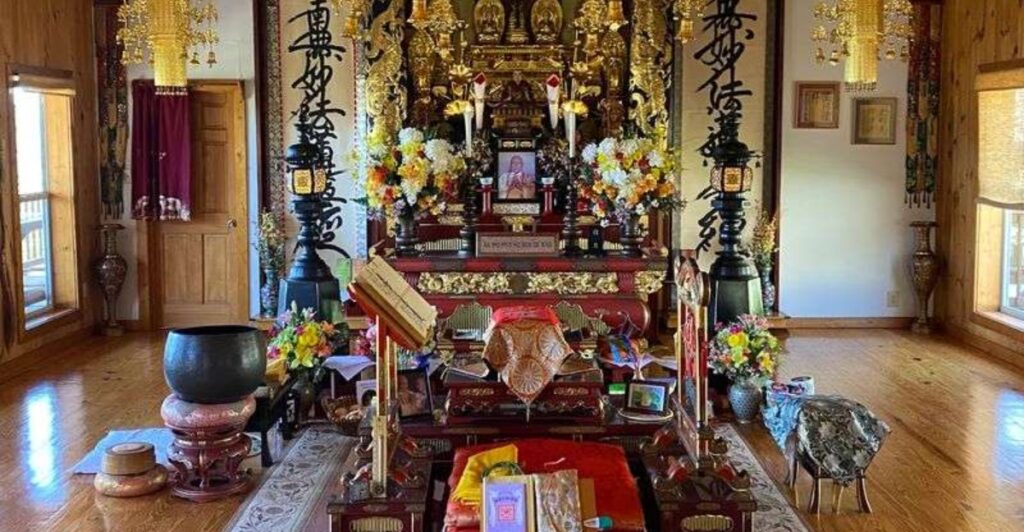
Hidden high in the mountains near Newport, Tennessee, a stunning Buddhist temple sits quietly waiting for visitors who crave peace and natural beauty. The Great Smoky Mountains Peace Pagoda feels like stepping into Japan without leaving the state, complete with traditional architecture, prayer gardens, and monks who welcome guests with warmth and kindness. Most Tennesseans drive right past this remarkable spot without knowing it exists, tucked away on a steep mountainside where tranquility replaces the noise of everyday life.
Whether you’re seeking spiritual reflection, curious about Buddhist culture, or just want to experience one of Tennessee’s best-kept secrets, this pagoda offers an unforgettable escape.
The Steep Mountain Journey That Tests Your Vehicle
Getting to the Peace Pagoda isn’t your typical Sunday drive. The access road climbs sharply up the mountain with tight switchbacks that demand respect and proper preparation. You’ll need a 4-wheel drive or all-wheel drive vehicle with good brakes and tires to handle the steep, gravel path safely.
If your car isn’t up for the challenge, don’t worry. Parking at the bottom is totally fine, and walking sticks are thoughtfully provided for hikers who choose the uphill trek. The walk itself becomes part of the experience, giving you time to disconnect from the rush of normal life and prepare mentally for the peaceful space waiting above.
Several visitors mention the climb is worth every bit of effort. One person who’d had multiple knee surgeries and back procedures made it up and encourages others not to let excuses hold them back. The gravel can get slippery on the way down, so using one of those walking sticks really helps with traction and balance.
The steep entrance serves as a natural filter, keeping the site relatively quiet and free from crowds. Unlike popular tourist spots that get overrun, the Peace Pagoda maintains its tranquil atmosphere partly because reaching it requires commitment. That commitment pays off immediately when you arrive at the top and see the breathtaking views stretching across the Smoky Mountains.
Plan for the drive to take longer than you’d expect. The switchbacks slow you down considerably, but rushing would be dangerous and completely against the spirit of where you’re headed. Confident drivers handle it best, so if you’re nervous about mountain roads, consider parking below and hiking.
Either way, the journey upward becomes a transition from the hectic outside world to a space designed entirely for peace and reflection.
The Welcoming Monks Who Build Peace By Hand
What makes this place truly special isn’t just the buildings or views. The resident monks, including Utsumi-shonin and others who’ve dedicated years to this project, create an atmosphere of genuine warmth that visitors consistently mention in their reviews. One guest was surprised to find two monks working alone and was immediately greeted with such friendliness that they volunteered on the spot.
These aren’t monks hidden away behind walls. They’re actively building the Peace Pagoda themselves, working year-round with volunteers from around the world to complete the massive project. When you visit, you might see them working on construction, maintaining the grounds, or simply available to explain the history and mission of the site.
The monks host work parties in spring and autumn where anyone can come help for a day, a week, or longer. All you need is willingness to work and clothes you don’t mind getting dirty. They provide food and accommodation for volunteers, creating a community experience that goes far beyond typical tourism.
Their mission centers entirely on peace, which sounds simple but proves incredibly profound when you spend time there. They’re not trying to convert anyone or push beliefs. Instead, they’ve created a space where people of any faith or background can come to pray, reflect, or simply enjoy beauty and quiet away from life’s chaos.
The monks’ dedication shows in every detail of the property. Despite sometimes appearing unattended when they’re resting after big ceremonies, the site stays impeccably maintained. Their response to one visitor’s comment about it feeling abandoned was kind and informative, explaining that leaving the temple open allows people to come pray anytime, which is exactly the point of what they’re building here in the Tennessee mountains.
The Japanese-Style Temple That Transports You Across Oceans
Walking onto the Peace Pagoda property genuinely feels like teleportation to Japan. The architecture follows traditional Japanese Buddhist design, creating an authentic experience that shocks first-time visitors who weren’t expecting something so elaborate hidden in rural Tennessee. Multiple guests describe feeling like they’d actually traveled to another country rather than just driving up a mountain road.
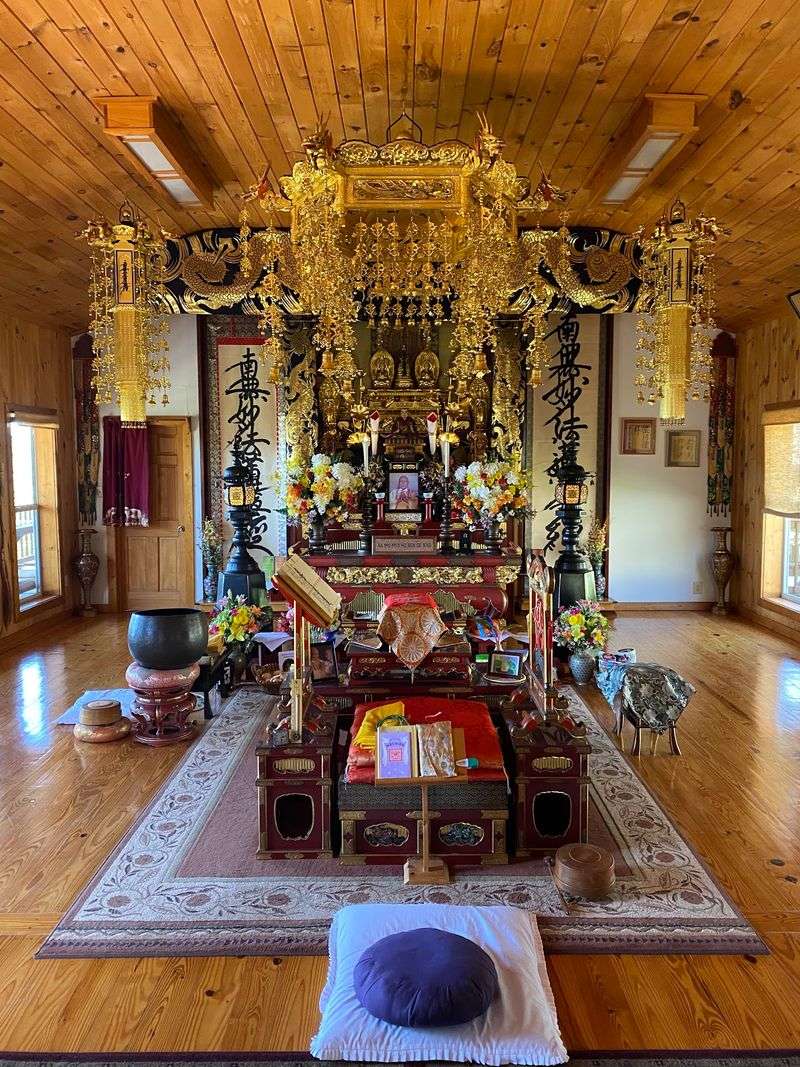
The main temple building welcomes visitors to remove their shoes and enter respectfully. Inside, you’ll find a quiet space designed specifically for prayer and meditation, open to people of all faiths or none at all. Many visitors mention spending time in silent contemplation, finding the atmosphere naturally encourages peaceful reflection without any pressure or expectations.
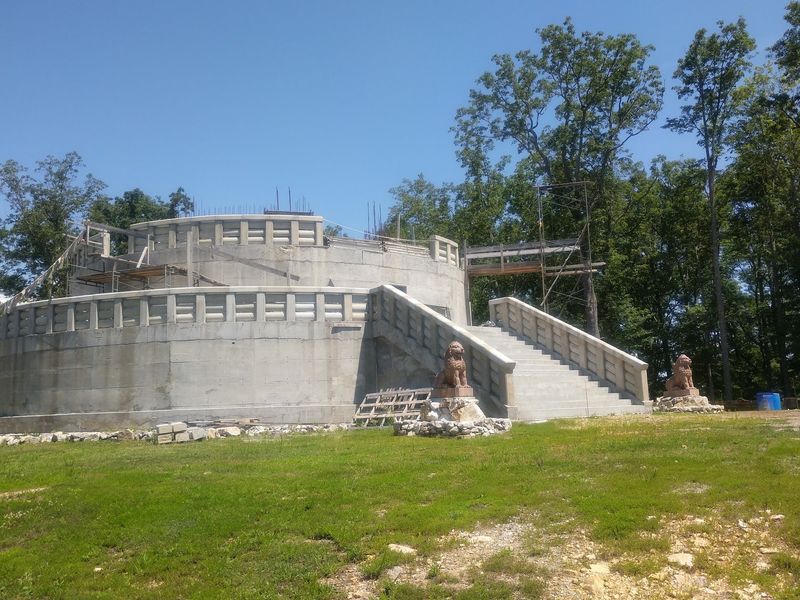
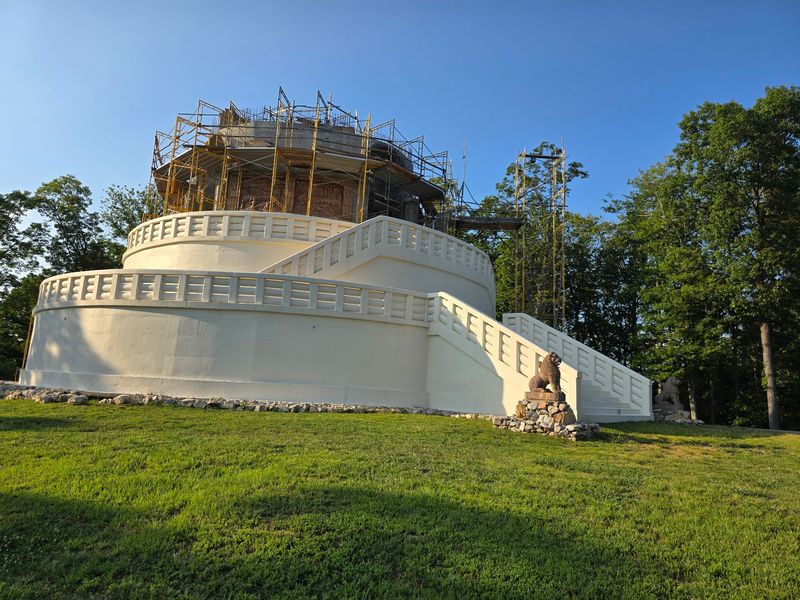
The pagoda itself represents years of work by the monks and volunteers. Unlike quick commercial construction, this is a labor of love built to last generations. You can see the craftsmanship in every detail, from the traditional roof lines to the careful placement within the mountain landscape.
A visitor center on the property houses extensive information about the mission and history of Peace Pagodas worldwide. One couple spent an hour reading about the movement and wished they had more time to absorb all the educational materials available. The center helps visitors understand the broader context of what they’re experiencing and why these temples exist.
Some construction continues, including work on an impressive statue and ongoing improvements to the main temple. Rather than detracting from the experience, seeing the building process in action connects you to the dedication required to create something meaningful. This isn’t a finished museum piece but a living, growing spiritual center that welcomes you into its ongoing story of promoting peace through beauty, tradition, and open-hearted hospitality to all who make the journey up the mountain.
The Prayer Garden And Walking Trails That Quiet Your Mind
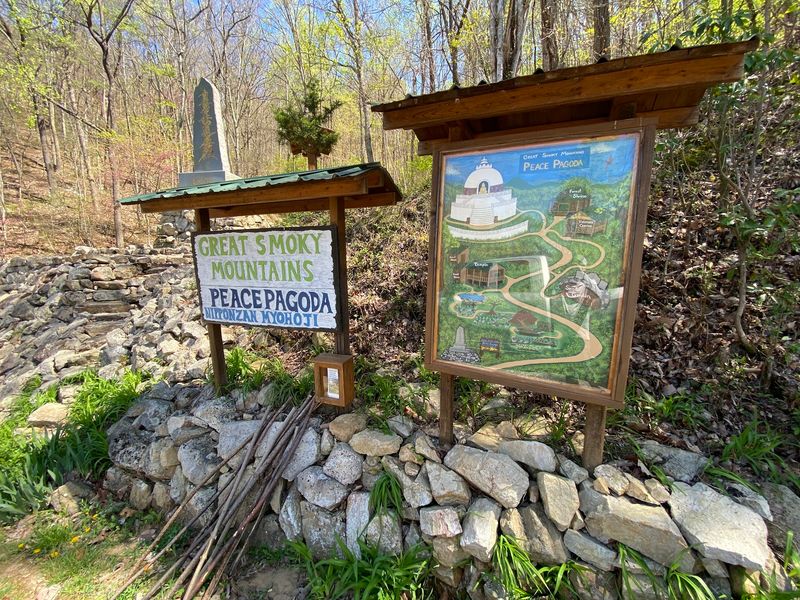
Beyond the main buildings, carefully maintained walking trails wind through the property, offering different perspectives on the mountains and opportunities for quiet contemplation. The prayer garden provides designated spaces for reflection, with thoughtful design that blends Japanese tradition with the natural Tennessee landscape surrounding it.
Walking these paths feels meditative even if you’re not trying to meditate. The combination of mountain air, distant views, and intentional peacefulness naturally slows your thoughts and breathing. Several visitors mention the trails as highlights of their experience, noting how the physical movement through beautiful space created mental clarity they hadn’t expected.
Along some paths, you’ll find small shrines where individuals’ remains have been enshrined. These memorial areas invite visitors to pause and honor those who’ve passed, adding a layer of reverence to the walking experience. One guest specifically mentioned taking time to honor these individuals, feeling moved by the respect shown to those commemorated there.
The Forest House Shrine offers another prayer space, kept open like the main temple so visitors can come anytime during operating hours. This accessibility reflects the monks’ philosophy that sacred spaces should be available to anyone seeking peace, not locked away or restricted to specific groups or times.
Taking your time on these trails matters more than covering every inch of the property. Some visitors report spending several hours simply wandering, sitting, and absorbing the atmosphere. Others make shorter visits but still feel the impact of the intentional peacefulness woven into every aspect of the grounds.
The garden and trails aren’t just pretty landscaping but integral parts of creating an environment where stress naturally falls away and your mind gets the rest it rarely receives in normal daily life.
The Stunning Mountain Views That Frame Everything
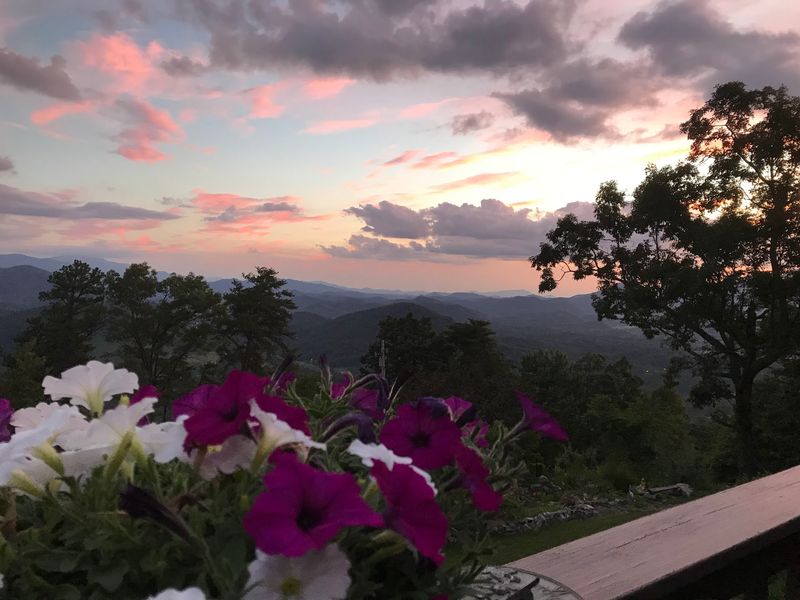
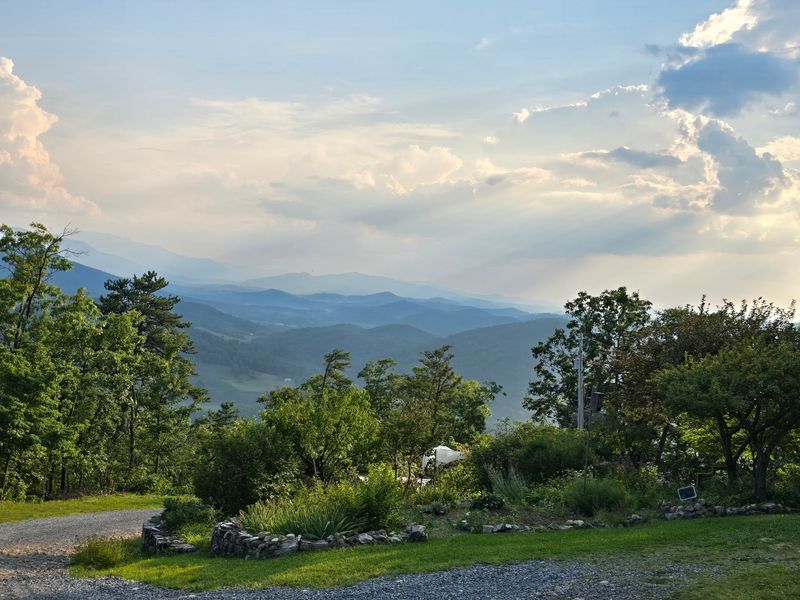
Once you reach the top of that challenging drive, the views alone justify the entire journey. The Peace Pagoda sits at an elevation that provides sweeping panoramas of the Smoky Mountains, with layers of ridges stretching into the distance. Visitors consistently describe the views as amazing, gorgeous, and breathtaking in their reviews.
The monks chose this location deliberately, not just for seclusion but because the natural beauty enhances the spiritual experience they’re creating. Mountains hold significance in many spiritual traditions, and standing at this elevation surrounded by ancient peaks adds weight to the sense of peace the property cultivates. One visitor described watching the sunset from the pagoda as magical, and it’s easy to imagine how the changing light transforms the mountain views throughout the day.
Photography opportunities abound, though many visitors mention choosing not to photograph the temple interiors out of respect. The exterior views and landscapes, however, provide endless options for capturing the beauty. The contrast between traditional Japanese architecture and Tennessee mountains creates unique images you won’t find anywhere else.
The elevation means weather can change quickly. Clouds might roll through, creating mysterious atmospheres where the pagoda seems to float above the valleys. Clear days offer visibility for miles, letting you appreciate the full scope of the mountain range.
Even rain adds its own beauty, with mist clinging to the ridges and the sound of drops on traditional roof tiles.
These views remind visitors how small their daily problems actually are when seen against the scale of ancient mountains. That perspective shift happens naturally here, not through any forced philosophy but simply by standing in a beautiful place and letting your eyes travel across landscapes that existed long before you and will remain long after. The views become part of the healing experience, working together with the architecture and atmosphere to create something genuinely transformative for those who make the journey.
The Open Invitation To Stay And Volunteer
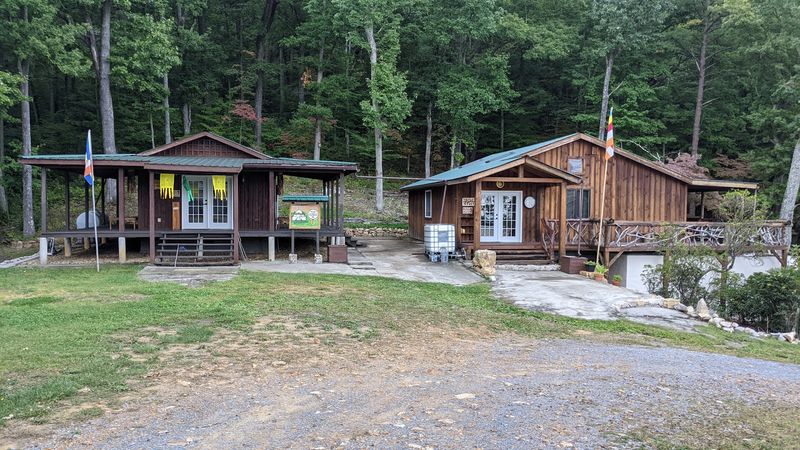
Unlike most religious sites that welcome day visitors only, the Peace Pagoda actively invites people to stay longer and participate in the ongoing construction and maintenance. The monks have created a volunteer program that brings people from around the world to help build peace literally, one stone and timber at a time.
Volunteers don’t need construction experience or Buddhist background. The monks teach what’s needed and welcome anyone willing to work hard and respect the mission. One reviewer gave the experience ten stars after spontaneously volunteering and spending time working alongside a monk, calling it the greatest experience ever.
The accommodation allows volunteers to fully immerse themselves in the rhythm of temple life. You’ll wake with the mountains, work during the day, and spend evenings in one of Tennessee’s most peaceful settings. Meals are provided, creating a complete experience where you don’t need to worry about logistics but can focus entirely on the work and the community.
These work parties happen primarily in spring and fall, but the monks welcome help year-round if you arrange it in advance. Some volunteers stay for just a weekend, while others commit to weeks or months of service. The flexibility allows people to contribute whatever time they can spare.
What you gain from volunteering goes far beyond the satisfaction of helping build something beautiful. You’ll learn construction techniques, gain insight into Buddhist practice and philosophy, form connections with people from diverse backgrounds, and experience a simpler way of living that many find profoundly refreshing. Several reviews mention the transformative nature of spending time at the pagoda, and volunteering deepens that transformation by making you an active participant rather than just an observer.
The monks aren’t looking for tourists but for people willing to help create peace through action, and they welcome everyone who approaches with sincerity and respect for the mission.
The Practical Details For Planning Your Visit
The Peace Pagoda opens daily from 7 AM to 7 PM, giving you flexibility to visit morning, afternoon, or evening. Early mornings offer cooler temperatures for the hike up if you’re walking, plus the chance to experience the mountains waking up. Late afternoon visits reward you with sunset possibilities and softer light on the mountains.
The address is 1878 Peace Pagoda Way, Newport, Tennessee. Your GPS will get you to the base of the access road, but don’t trust it to tell you the road is easy. Read reviews first and prepare appropriately for the steep climb.
The phone number is 404-627-8948 if you want to call ahead with questions or arrange a volunteer stay.
Admission is free, though donations are welcomed and help support the ongoing construction and maintenance. The monks don’t charge for visits or push sales, keeping the experience genuine and accessible to everyone regardless of financial means. That said, their work depends entirely on donations and volunteer labor, so contributing what you can helps ensure this special place continues.
The website smokymountainpeacepagoda.org provides additional information about the history, mission, and volunteer opportunities. Checking it before you visit helps you understand what you’re about to experience and shows respect for the monks’ work by arriving informed.
Plan to spend at least an hour or two if you’re just visiting, longer if you want to really explore the trails and spend time in quiet reflection. There are no restaurants or shops, so bring water and snacks if you’ll be there a while. The remote location means cell service might be spotty, which actually enhances the disconnected, peaceful experience most visitors seek.
Dress modestly and respectfully, remove shoes when entering temple buildings, and remember you’re visiting an active religious site where people come to pray and find peace. Your respect for the space and mission ensures this hidden gem remains welcoming to all who discover it.
Share this story