Rhodes College might be small, but it packs a serious punch when it comes to academic excellence and financial support. Tucked away on a stunning Gothic campus in Memphis, this private liberal arts school has earned a reputation for offering generous full-tuition scholarships that make top-tier education accessible to talented students from all backgrounds. With its commitment to personalized learning, tight-knit community, and opportunities that rival much larger universities, Rhodes proves that size doesn’t determine quality.
What makes this Tennessee gem truly special goes far beyond the beautiful buildings and competitive scholarships.
Generous Merit Scholarships That Actually Change Lives
Walking onto the Rhodes campus for the first time, many students share a common story: they almost didn’t apply because they assumed a prestigious private college would be out of reach financially. That’s where Rhodes flips the script in a major way. The college offers multiple full-tuition scholarships, including the highly competitive Bellingrath Scholarship, which covers all tuition costs for four years.
What sets Rhodes apart is how seriously they take merit-based aid. Unlike some schools that promise big but deliver little, Rhodes actually funds these scholarships at levels that make a real difference. Students who demonstrate academic excellence, leadership potential, and community involvement find themselves competing for awards that can save their families over $200,000 across four years.
The application process itself teaches valuable skills. Scholarship candidates participate in on-campus interviews, group discussions, and presentations that mirror real-world professional scenarios. Even students who don’t land the full ride often receive substantial partial scholarships, making Rhodes surprisingly affordable compared to other top liberal arts colleges.
Beyond the money, scholarship recipients become part of a special community within the larger Rhodes family. They attend exclusive seminars, connect with accomplished alumni, and gain access to research opportunities that build impressive resumes. Many recipients say the recognition boosted their confidence as much as it eased their financial burden.
Parents visiting campus frequently express relief and gratitude when learning about the scholarship opportunities. The financial aid office works personally with families to craft packages that combine merit awards, need-based grants, and work-study options. This personalized approach means fewer students graduate with crushing debt, allowing them to pursue meaningful careers rather than just high-paying jobs to cover loans.
Intimate Class Sizes With Professors Who Know Your Name
Picture this: you raise your hand in class, and your professor doesn’t squint at a seating chart or call you “you in the blue shirt.” At Rhodes, with an average class size hovering around 13 students, your professors know not just your name but your academic goals, your strengths, and where you need extra support. This isn’t some marketing exaggeration but the daily reality that shapes the Rhodes experience.
The small classes create an atmosphere more like a seminar than a lecture hall. Students can’t hide in the back row or zone out during discussions because everyone’s participation matters. This might sound intimidating at first, but it actually builds confidence faster than you’d expect.
Faculty members at Rhodes view teaching as a calling, not just a job requirement between research projects. Multiple reviews mention professors who remain accessible outside class hours, meeting students for coffee to discuss everything from thesis topics to career anxieties. One student shared how a professor helped connect them with internship opportunities in Memphis that perfectly aligned with their interests.
The accessibility extends beyond office hours. Professors regularly invite small groups to their homes for dinners or study sessions, creating mentorship relationships that last well beyond graduation. Alumni frequently credit specific faculty members for opening doors, writing recommendation letters that got them into top graduate programs, or simply providing guidance during difficult times.
Rhodes attracts high-caliber faculty despite being a small school because professors value the teaching-focused environment. They’re not pressured to prioritize research grants over student interaction. This creates a virtuous cycle where excellent teachers attract motivated students, which in turn attracts more talented faculty who want to work with engaged learners rather than bored lecture attendees.
A Breathtaking Gothic Campus That Inspires Daily
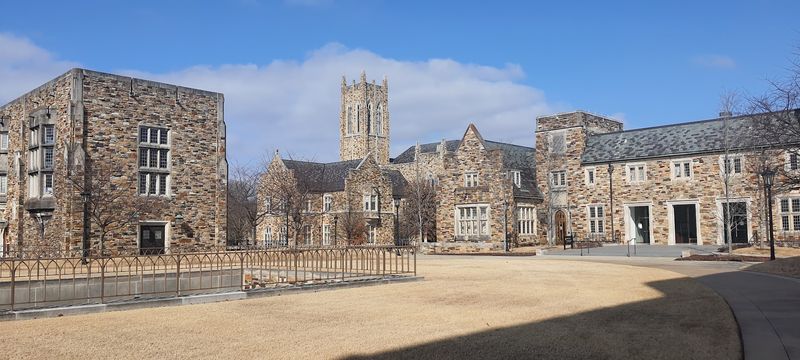
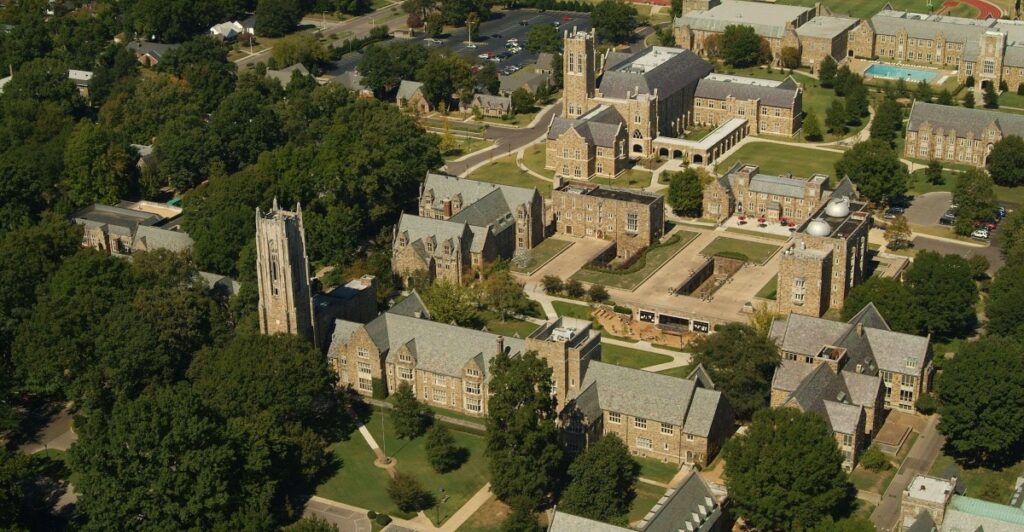
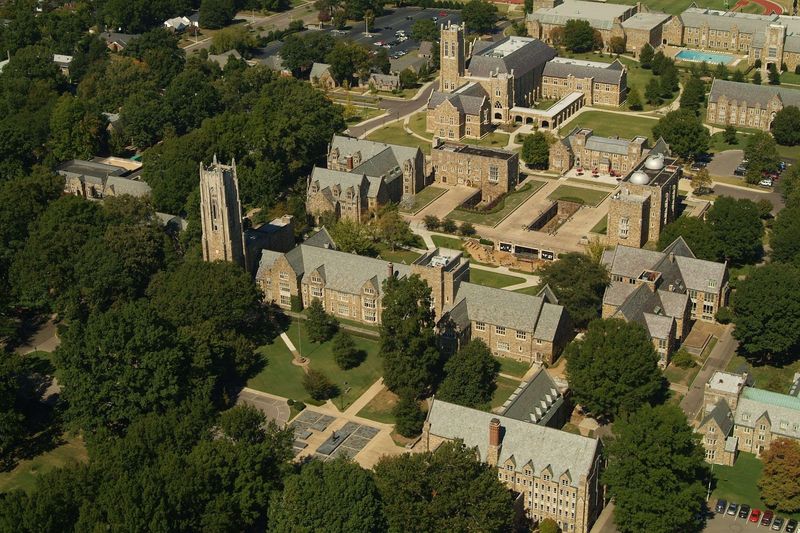
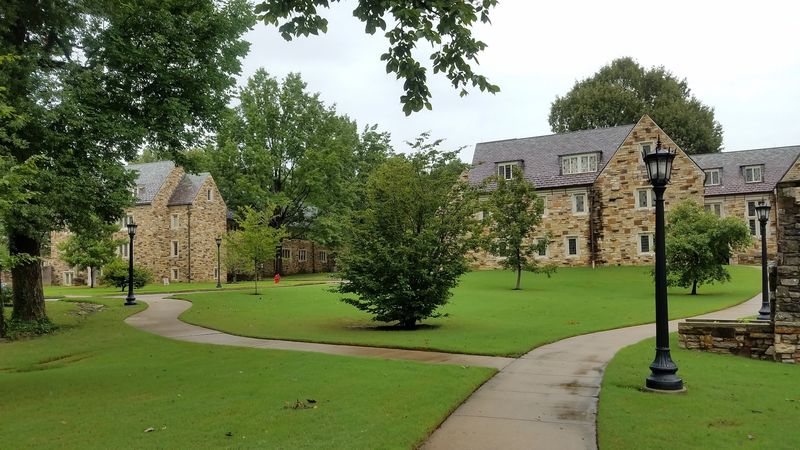
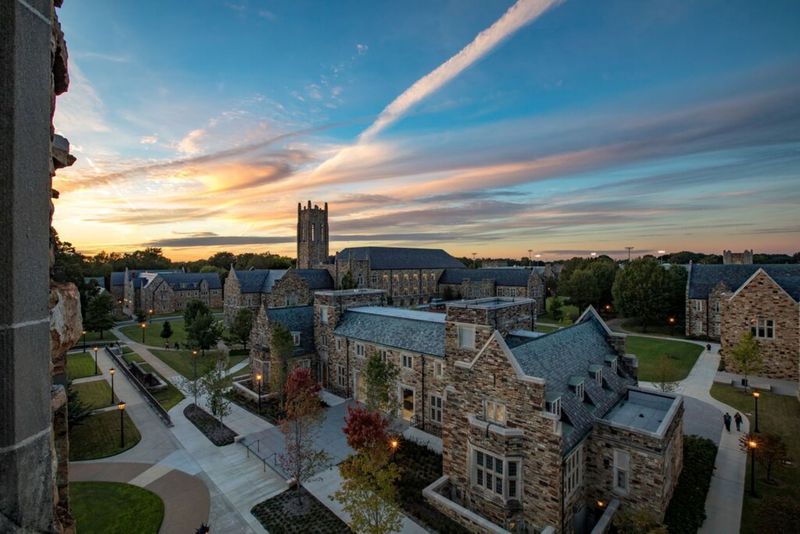
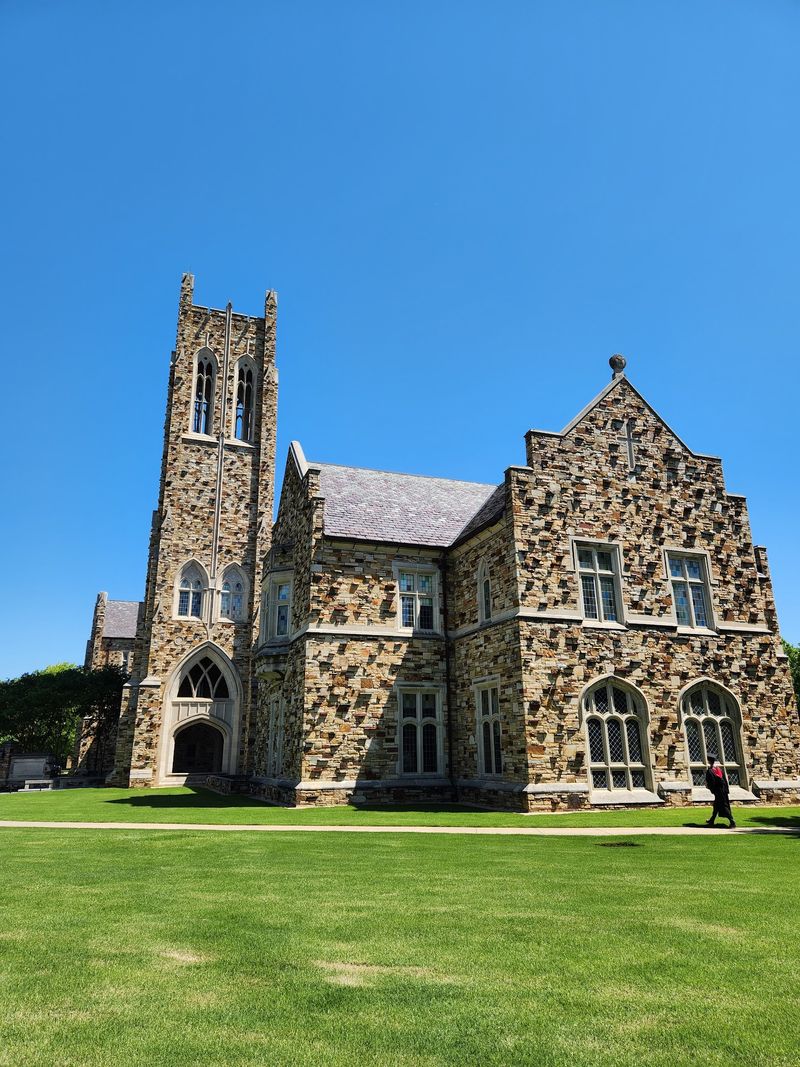
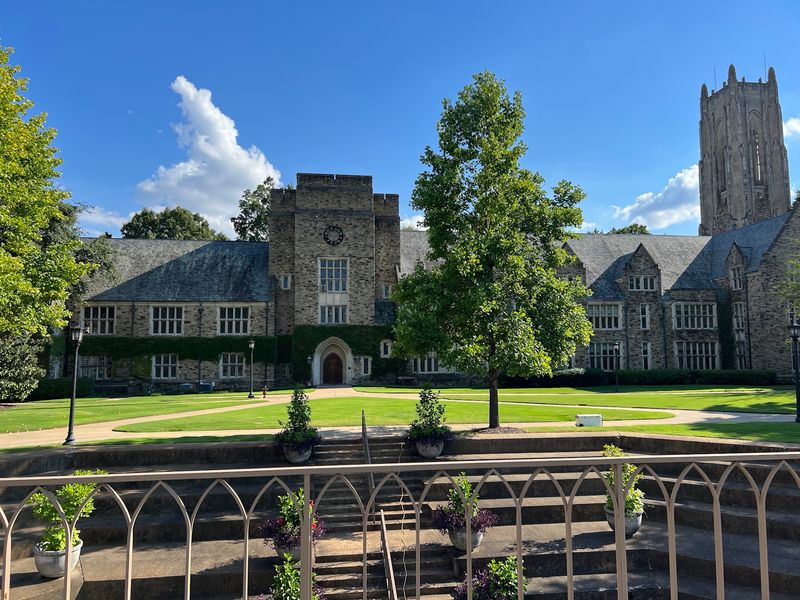
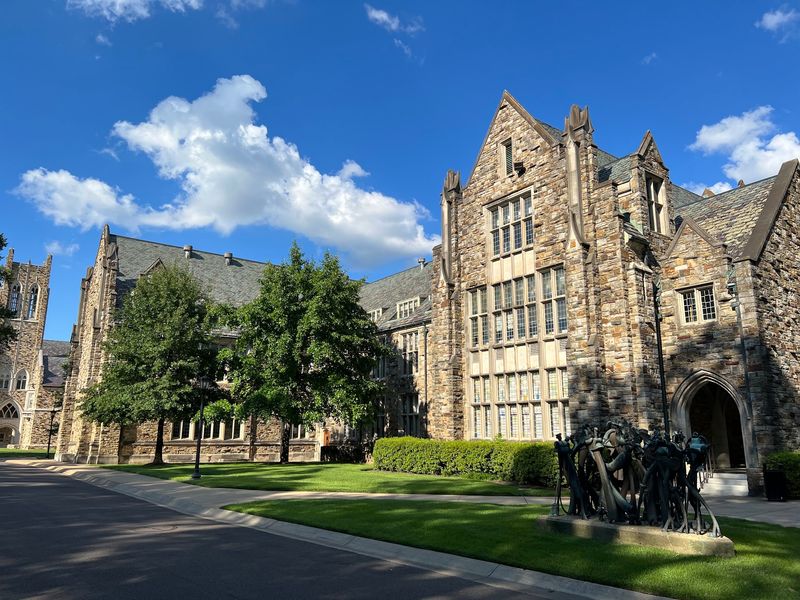
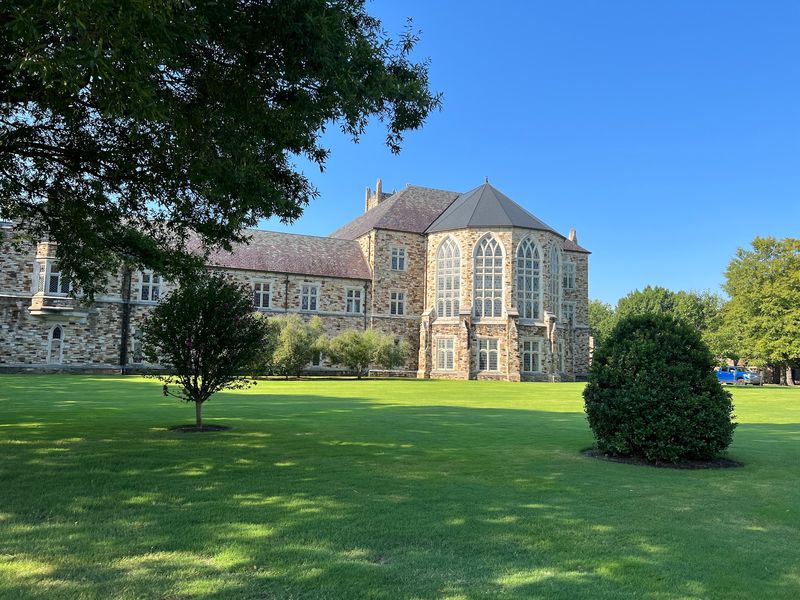
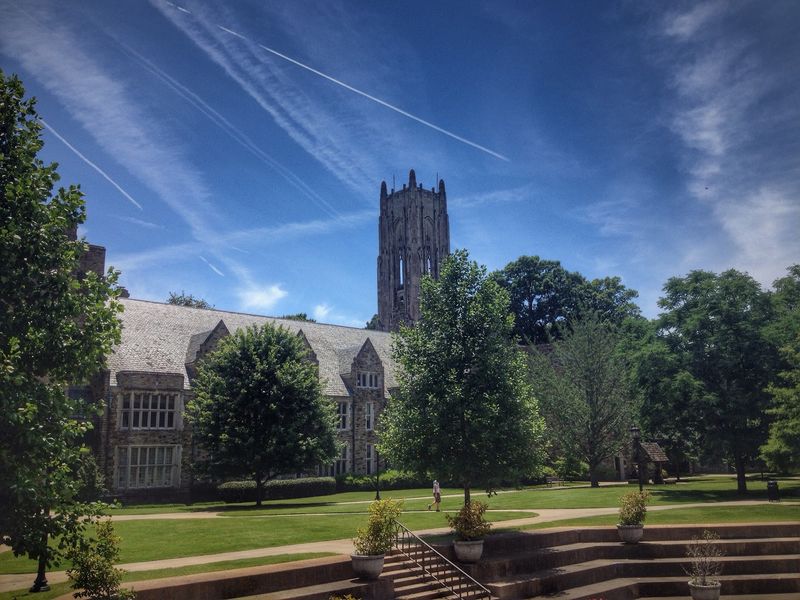
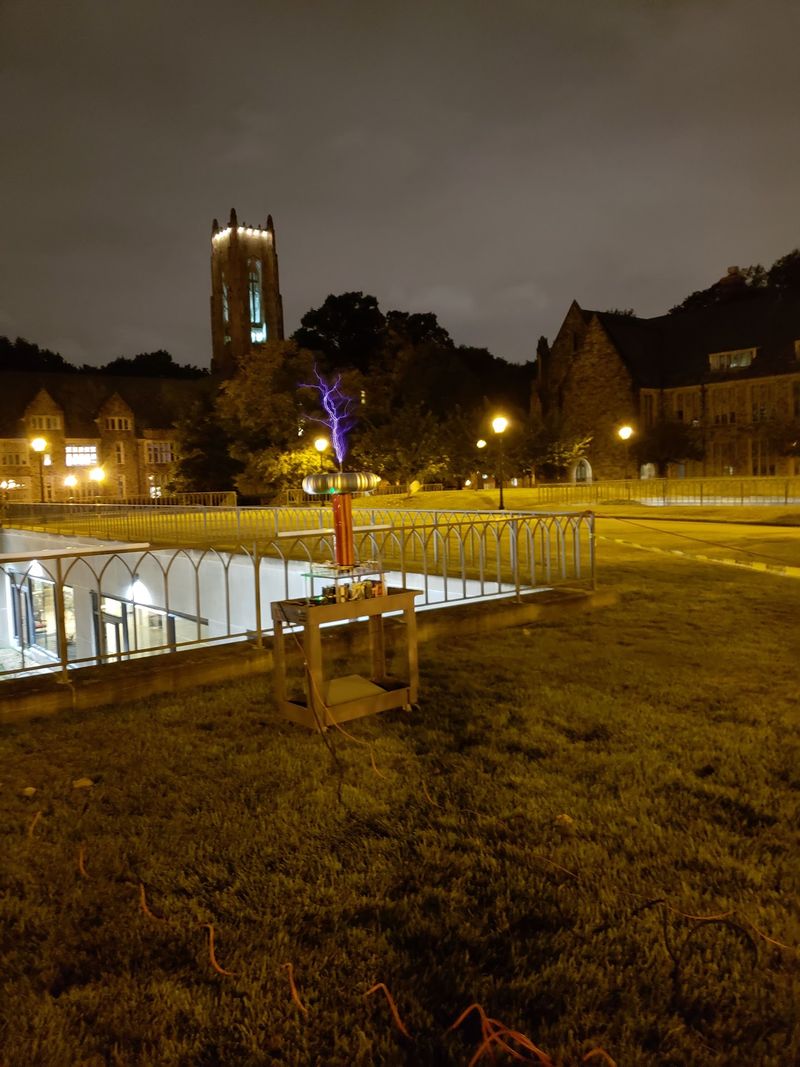
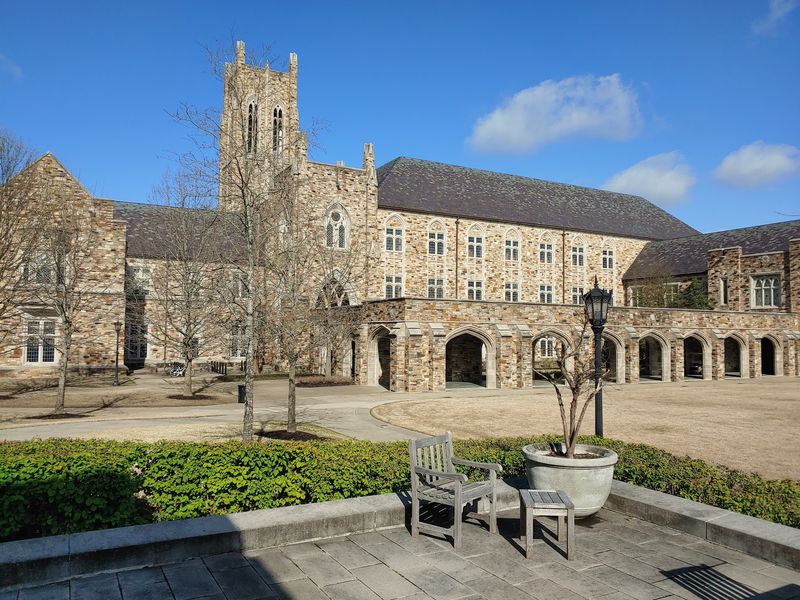
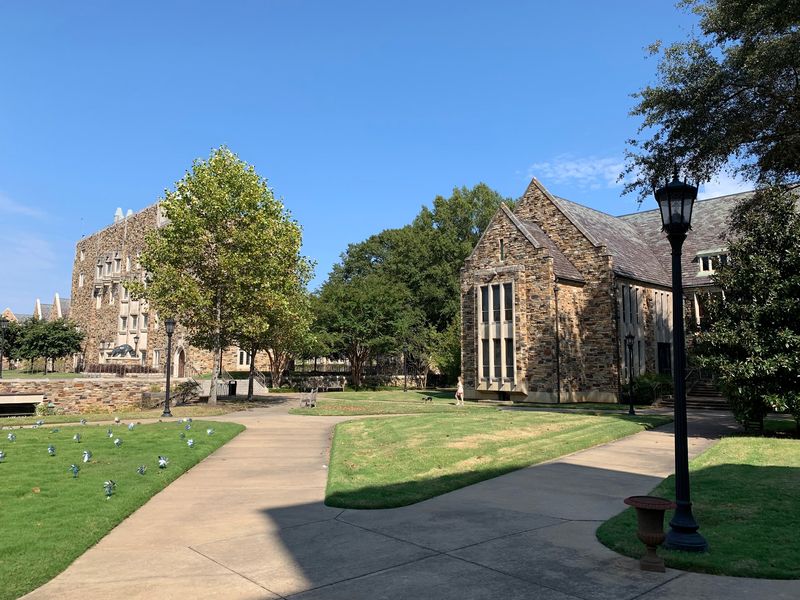
Rhodes College looks like it was airlifted straight from Oxford or Cambridge and gently set down in the heart of Memphis. The 100-acre campus features stunning Collegiate Gothic architecture that makes every walk to class feel a bit like stepping into a Harry Potter movie. But this isn’t just pretty window dressing for Instagram photos, though students definitely take advantage of those photo ops.
The architectural beauty creates an environment that elevates the entire educational experience. Students consistently mention how the campus itself motivates them to take their studies seriously. There’s something about sitting in a stone building with soaring ceilings and stained glass that makes you want to write a better essay or dig deeper into research.
Every building tells a story, from the iconic Palmer Hall to the intimate courtyards where students gather between classes. The campus design encourages chance encounters and spontaneous conversations, with plenty of outdoor spaces where you’ll find study groups sprawled on blankets or friends catching up on benches under ancient oak trees. The layout feels intentional, creating pockets of community throughout the grounds.
Visitors constantly comment on how peaceful the campus feels despite being located in a major city. The security measures are tight, as multiple reviews note, which allows students and their families to feel safe while still enjoying the open, park-like atmosphere. One parent mentioned that dropping off their daughter felt secure thanks to the visible but unobtrusive security presence.
The campus also serves the broader Memphis community, hosting events like the National Veteran Golden Age Games track and field competitions. This openness creates opportunities for students to interact with diverse groups beyond their typical college bubble, enriching their education through real-world connections while maintaining the special character that makes Rhodes feel like a hidden sanctuary.
Memphis Location Provides Real-World Learning Opportunities
Attending college in Memphis isn’t just about geography but about opportunity. Rhodes students gain access to internships, research projects, and community engagement experiences that simply wouldn’t exist at a rural liberal arts college. The city becomes an extension of the classroom, offering everything from Fortune 500 company headquarters to grassroots nonprofit organizations where students can apply what they’re learning.
Memphis’s rich cultural heritage provides unique educational advantages. Students studying music can explore the birthplace of blues and rock ‘n’ roll. Those interested in civil rights history have the National Civil Rights Museum practically in their backyard.
Business majors intern at FedEx global headquarters, while pre-med students volunteer at world-renowned St. Jude Children’s Research Hospital.
What makes this particularly valuable is how Rhodes intentionally integrates the city into its curriculum. Professors don’t just lecture about urban poverty, economic development, or public health; they take students into Memphis neighborhoods to witness these issues firsthand and work on solutions. This approach transforms abstract theories into concrete understanding.
The city also offers the social and cultural amenities that make college life richer. Students can catch live music on Beale Street, explore diverse food scenes, attend Grizzlies basketball games, or volunteer at community events. This balance between campus life and city access prevents the isolation that sometimes plagues small colleges in remote locations.
Alumni frequently mention how their Memphis experience prepared them for careers in ways they didn’t initially recognize. Learning to navigate a complex, diverse urban environment while still enjoying the support of a small college community develops adaptability and cultural competence. Employers value graduates who’ve done more than just study textbooks, and Rhodes students graduate with portfolios full of real-world projects and experiences that set them apart in competitive job markets and graduate school applications.
Honor Code Creates Unique Culture of Trust
Rhodes operates under an honor code that fundamentally shapes campus culture in ways that might seem quaint or idealistic until you experience it firsthand. Students take unproctored exams, often completing tests in their dorm rooms or favorite study spots. Professors schedule exams and then leave the room, trusting students to uphold their commitment to academic integrity.
This system works because the entire community takes it seriously. During orientation, new students participate in honor code discussions and formally pledge to uphold these standards. It’s not just about not cheating but about creating an environment where everyone can trust each other, from academic work to personal belongings left unattended in the library.
The honor code extends beyond academics into social interactions and campus life. Students are expected to treat each other with respect, report violations they witness, and participate in the honor council if called upon. This creates a sense of collective responsibility that you don’t find at schools where rules are simply imposed from above.
Critics might wonder if this really works or if it’s just naive. The answer is that it works remarkably well, though not perfectly. When violations occur, they’re handled by a student-run honor council rather than administration, which reinforces the idea that this is a community standard rather than an institutional rule.
The process focuses on education and restoration rather than purely punitive measures.
Alumni consistently cite the honor code as one of Rhodes’s most distinctive and valuable features. Learning to function in a high-trust environment prepares students for professional settings where integrity matters. Employers and graduate schools recognize that Rhodes graduates have been trained to hold themselves accountable, work independently, and maintain ethical standards even when no one’s watching.
In a world where trust seems increasingly rare, this foundation proves invaluable throughout graduates’ careers and personal lives.
Strong Alumni Network Opens Doors Nationwide
Rhodes graduates punch above their weight class when it comes to professional networks and career opportunities. Despite the small size of each graduating class, around 500 students, the alumni community maintains remarkably strong connections that benefit current students and recent graduates. This tight-knit network functions more like an extended family than a typical college alumni association.
The loyalty Rhodes inspires in its graduates shows up in concrete ways. Alumni regularly return to campus for recruiting events, offer internships at their companies, and mentor current students in their fields of interest. Multiple reviews mention how professors helped connect students with alumni working in their desired industries, creating pathways that might otherwise remain closed to graduates from a small Tennessee college.
What’s particularly impressive is the diversity of fields where Rhodes alumni have succeeded. You’ll find them leading nonprofit organizations, arguing cases before the Supreme Court, conducting medical research, running businesses, teaching at universities, and working in government at all levels. This variety means that no matter what career path interests you, there’s likely a Rhodes graduate willing to offer advice and assistance.
The alumni network also provides emotional support and friendship that extends far beyond professional networking. Graduates consistently express deep affection for their time at Rhodes, with many staying connected to former classmates decades after graduation. This emotional investment translates into generous financial support for scholarships and programs that benefit current students.
Regional alumni chapters organize events in major cities, creating opportunities for recent graduates to connect with established professionals in their new hometowns. These gatherings aren’t stuffy networking events but genuine community celebrations where the Rhodes spirit lives on. For students worried about leaving the supportive Rhodes bubble after graduation, knowing this network exists provides reassurance that they’ll never be entirely on their own in navigating their careers and adult lives.
Preparation for Top Graduate Schools and Professional Programs
Rhodes consistently sends graduates to elite graduate and professional programs at rates that rival much larger and better-known universities. Students gain acceptance to medical schools, law schools, PhD programs, and competitive fellowships like Rhodes Scholarships (no relation to the college name, though the coincidence delights everyone) and Fulbrights. The college’s track record in this area provides concrete evidence that the education received matches or exceeds that of prestigious competitors.
The preparation starts freshman year, not senior year when panic sets in. Academic advisors work with students to map out coursework that will position them competitively for their goals. Pre-med students receive guidance on research opportunities, clinical experiences, and MCAT preparation.
Those interested in law school get connected with internships at firms, courts, and legal aid organizations throughout Memphis.
Faculty members play a crucial role in this preparation by pushing students academically while providing the support needed to meet high expectations. The small class sizes mean professors can write detailed, personalized recommendation letters that graduate programs value far more than generic form letters from professors who barely know the applicant. These recommendations often make the difference in competitive admissions processes.
Rhodes also benefits from institutional relationships with top graduate programs. Admissions committees at prestigious universities recognize Rhodes as a school that produces well-prepared, intellectually curious graduates. This reputation opens doors, though students still need to perform well to walk through them.
The combination of rigorous academics, research opportunities, and strong faculty mentorship creates a foundation for success.
Perhaps most importantly, Rhodes graduates enter graduate school with skills that extend beyond test scores and GPAs. They’ve learned to think critically, write persuasively, speak confidently, and manage their time effectively. These capabilities, developed through four years of intensive liberal arts education, help them thrive in demanding graduate programs where many students struggle with the transition from undergraduate to advanced study.
Community Service and Social Responsibility Emphasis
Rhodes takes the liberal arts mission seriously, which means educating students not just for careers but for lives of meaning and service. The college emphasizes community engagement and social responsibility as core components of education, not as extracurricular add-ons. Students regularly participate in service projects throughout Memphis, addressing issues from education inequality to food insecurity to environmental challenges.
The Bonner Scholars Program exemplifies this commitment by providing scholarships to students who dedicate significant time to community service throughout their four years. These scholars don’t just show up to volunteer occasionally but develop deep relationships with community partners, working on sustained projects that create real impact. This model teaches students that meaningful change requires long-term commitment, not just feel-good one-day events.
Faculty incorporate community engagement into coursework across disciplines. Sociology students might conduct research on housing patterns in Memphis neighborhoods. Education majors work in local schools as part of their training.
Environmental studies students partner with city organizations on sustainability initiatives. This integration ensures that service isn’t separate from learning but central to it.
The emphasis on social responsibility also shapes campus culture and conversations. Students grapple with difficult questions about privilege, inequality, justice, and their responsibilities as educated citizens. These discussions don’t always reach easy conclusions, but they prepare students to engage thoughtfully with the complex social issues they’ll face throughout their lives.
Critics have noted that Rhodes struggles with diversity and that the student body doesn’t always reflect the Memphis community it serves. This tension creates both challenges and opportunities for growth. Students who engage authentically with the city and its residents gain perspectives that challenge assumptions and broaden worldviews.
The college continues working to make its campus more inclusive while maintaining strong connections to the diverse Memphis community, recognizing that both efforts are essential to fulfilling its educational mission.
Study Abroad and International Opportunities
Rhodes students study abroad at rates significantly higher than the national average, with roughly half of each graduating class spending a semester or summer in another country. The college doesn’t just encourage international experiences but provides the academic structure and financial support to make them accessible to students regardless of their economic backgrounds. Scholarships that cover tuition at Rhodes also apply to approved study abroad programs, removing a major barrier.
The International Studies department has built relationships with programs worldwide, from traditional destinations in Western Europe to emerging opportunities in Asia, Africa, and Latin America. Students can choose from semester-long immersive programs, faculty-led summer courses, or even year-long exchanges. The variety ensures that students can find experiences that align with their academic interests and personal goals.
What distinguishes Rhodes’s approach is how study abroad integrates with the overall curriculum rather than functioning as an isolated experience. Students work with advisors to select programs that complement their majors and career aspirations. Language students gain fluency through immersion.
History majors study in locations relevant to their research interests. Science students participate in international research collaborations.
The benefits extend far beyond academic credits and passport stamps. Students return with expanded worldviews, increased independence, and cross-cultural competencies that prove valuable in increasingly globalized careers. Many alumni cite their study abroad experiences as transformative moments that shaped their personal development and career trajectories in unexpected ways.
Rhodes also brings international perspectives to campus through visiting scholars, international student enrollment, and globally-focused coursework. This combination of sending students abroad and bringing the world to Memphis creates a campus culture that values international understanding. In a world where cultural competence and global awareness have become essential skills, Rhodes ensures its graduates can navigate diverse environments and collaborate across cultural boundaries with confidence and respect.
Tight-Knit Community That Feels Like Family
Ask Rhodes students what they love most about their college, and “community” appears in nearly every answer. With only about 2,000 students total, Rhodes creates an environment where you recognize most faces on campus, where friendships form quickly, and where you genuinely feel like you belong to something special. This isn’t the anonymous university experience where you’re just another student ID number.
The small size means you’ll see the same people in multiple contexts: your lab partner might also be in your intramural sports team, your residence hall, and your favorite study spot. This overlap creates depth in relationships that’s harder to achieve at larger schools. Students develop genuine friendships rather than just casual acquaintances, and these bonds often last well beyond graduation.
The family atmosphere extends to faculty and staff, who invest in students as whole people rather than just academic performers. Multiple reviews mention how welcomed families feel when visiting campus, from friendly security guards who provide directions to administrators who remember students’ names and circumstances. This personal attention makes a significant difference, especially for students experiencing homesickness or struggling with challenges.
Rhodes also cultivates traditions that strengthen community bonds. From Rites of Spring music festival to late-night study breaks during finals, these shared experiences create collective memories and inside jokes that unite each graduating class. The traditions connect current students to generations of alumni who participated in the same rituals.
The downside of such a tight community is that it can sometimes feel too small or insular. Students who don’t immediately find their niche may struggle more than they would at a larger school with more diverse social groups. The Greek system plays a significant role in social life, which appeals to some but not everyone.
However, most students find their people eventually, whether through academic programs, clubs, sports teams, or shared interests. The key is being proactive about getting involved and remaining open to forming connections across different groups on campus.
Liberal Arts Education That Develops Critical Thinking
Rhodes champions liberal arts education at a time when many question its value compared to pre-professional programs. The college’s approach rests on the belief that learning how to think critically, communicate effectively, and understand complex issues from multiple perspectives provides better long-term preparation than narrow technical training. This philosophy shapes everything from curriculum requirements to the types of assignments professors create.
Students complete a diverse core curriculum that exposes them to sciences, humanities, social sciences, and arts regardless of their major. A biology major takes philosophy courses. An English major studies statistics.
This breadth might seem inefficient to students eager to dive deep into their chosen field, but it develops intellectual flexibility that proves invaluable in careers that didn’t exist when they started college.
The emphasis on writing and verbal communication sets Rhodes apart from many competitors. Students write constantly across all disciplines, receiving detailed feedback that helps them develop clarity and persuasiveness. They present research findings, defend arguments in seminars, and learn to articulate complex ideas to diverse audiences.
These communication skills translate directly into professional success.
Critical thinking development happens through constant questioning and analysis rather than memorization and regurgitation. Professors push students to examine assumptions, evaluate evidence, consider alternative perspectives, and construct well-reasoned arguments. This intellectual rigor can be challenging, especially for students accustomed to simply learning correct answers, but it prepares them for a world where problems rarely have simple solutions.
The liberal arts approach also encourages intellectual curiosity and lifelong learning. Rhodes graduates don’t just acquire knowledge in specific subjects but develop the tools to continue learning and adapting throughout their lives. In rapidly changing fields where technical skills become obsolete quickly, this adaptability proves more valuable than any specific content knowledge.
Employers increasingly recognize this value, seeking graduates who can think creatively, solve novel problems, and grow with their organizations rather than just fill predefined roles.
Research Opportunities Typically Reserved for Graduate Students
Rhodes undergraduates gain access to research opportunities that most students don’t encounter until graduate school. Faculty members actively recruit student research assistants, involve them in ongoing projects, and support independent student research across all disciplines. This hands-on experience transforms students from passive learners into active contributors to their fields, building skills and confidence that prove invaluable in future careers.
The summer research program provides funding for students to remain on campus working full-time on research projects with faculty mentors. These experiences often result in co-authored publications, conference presentations, and strong graduate school applications. Students in sciences conduct original experiments, while humanities students dig into archives and develop original arguments based on primary sources.
What makes these opportunities particularly valuable is the mentorship component. Unlike large research universities where undergraduates might wash glassware for graduate students, Rhodes students work directly with professors on meaningful aspects of projects. They learn research design, data analysis, academic writing, and presentation skills through authentic practice rather than simulated exercises.
The small student-to-faculty ratio makes this possible. Professors have time to train undergraduates properly and involve them substantively in research. Students aren’t competing with graduate students for attention and opportunities.
This creates a unique advantage for Rhodes undergraduates who graduate with research credentials that help them stand out in competitive graduate school and job applications.
Research experiences also help students clarify their interests and goals. A student might discover a passion for laboratory work or realize that research doesn’t appeal to them after all. Either outcome proves valuable in making informed decisions about careers and graduate education.
The opportunity to explore these possibilities as an undergraduate, with faculty support and institutional resources, allows students to make better choices about their futures rather than committing to graduate programs or career paths that might not suit them.
Share this story