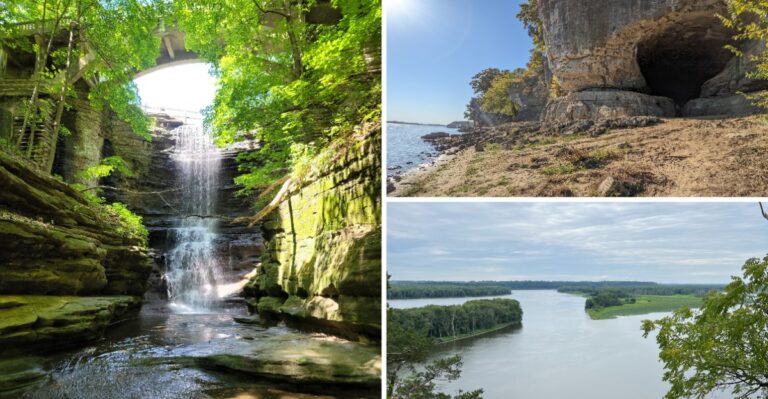
Few hiking destinations in the Midwest pack as much scenery into a single day as Starved Rock State Park. Its network of trails winds through towering sandstone canyons, wooded bluffs overlooking the Illinois River, and secluded ravines where seasonal waterfalls spill over ancient rock walls after periods of rain.
Every turn reveals another dramatic landscape, making it easy to forget you’re in the Prairie State. Whether you’re chasing waterfalls, photographing striking rock formations, or simply looking for one of Illinois’ most rewarding hikes, Starved Rock delivers an outdoor adventure that’s as beautiful as it is unforgettable.
Where the Trail Opens to River Bluffs
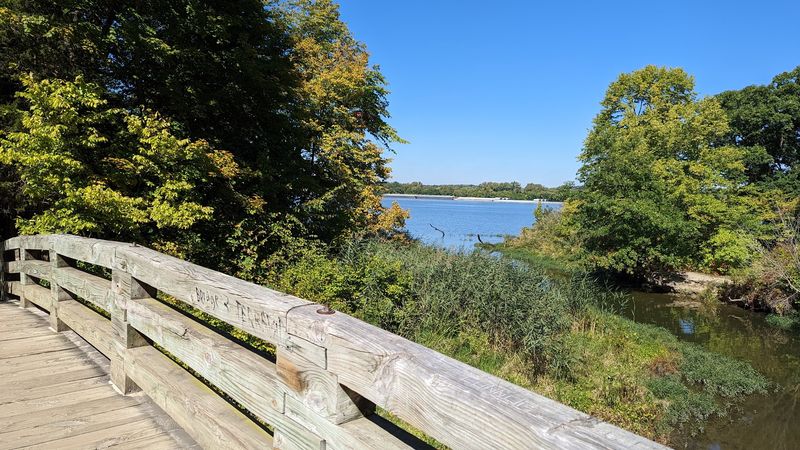
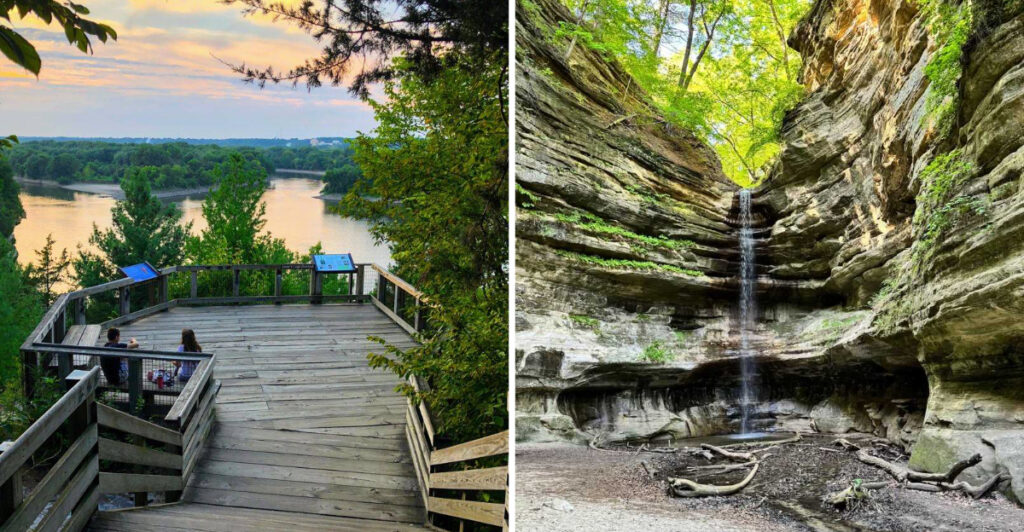
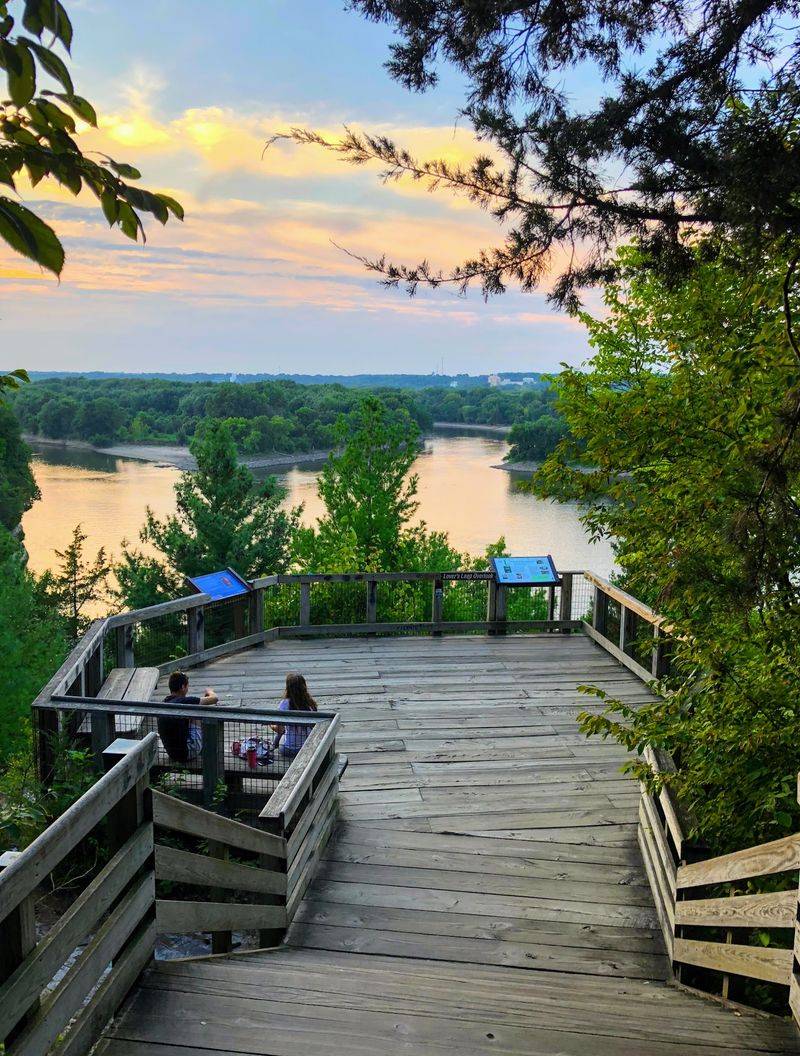
Long before the canyons steal the show, the park grabs attention with height. Trails near the main overlooks rise above the Illinois River and give hikers a broad view of water, trees, and pale stone ledges that look far bigger than most people expect in Illinois.
The change in scenery happens fast. One stretch may feel like a wooded walk, then a short climb puts the river below your feet and opens a view that seems built for a long pause, especially when leaves are turning or morning light hits the bluff edges.
That first visual payoff matters because it sets the pace for the day. Starved Rock is not a park where the best part waits until the very end, since scenic overlooks appear early and remind hikers to look up, look out, and slow down between canyon stops.
Several paths are well maintained, and some of the approach to the main overlook is paved, which helps families or casual walkers ease into the experience. Even so, the park is famous for stairs, so comfortable shoes and a little patience make a big difference once the route starts climbing.
River views also help with navigation. When the woods begin to look similar, the bluff edges and overlooks give a clear sense of place, making the park feel less like a maze and more like a connected landscape shaped by water and rock.
Come early if this part of the park is high on your list. Parking fills quickly on pleasant weekends, and the quietest moment often arrives in the first part of the morning, when the river looks smooth, the birds are louder than the crowds, and the trail still belongs to the day ahead.
Sandstone Canyons That Change the Whole Hike
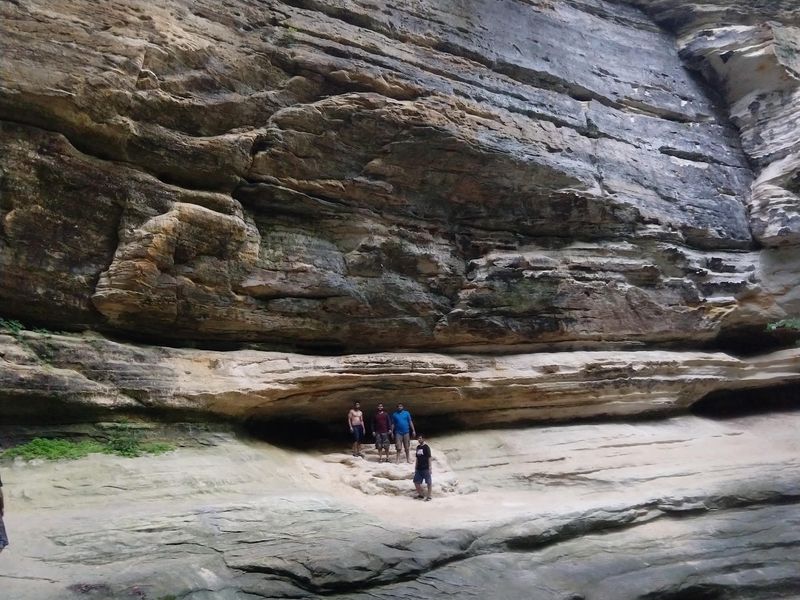
Then the park switches character completely. Instead of open bluff views, hikers step into cool sandstone canyons where the walls rise on both sides, sunlight narrows into strips, and the air often feels a little damper and quieter than the trail outside.
This is the feature that gives Starved Rock its strongest identity. The canyons are not giant in the western mountain sense, but they are dramatic because they appear so suddenly in northern Illinois, carved by water into passageways that feel secretive, twisting, and surprisingly wild.
Places like Wildcat Canyon and St. Louis Canyon are especially popular because they offer that enclosed look people come for. Stone walls, overhangs, worn steps, and patches of green along the rock create a landscape that seems shaped for both casual walkers and serious photographers.
Sandstone also changes the sound of the hike. Wind softens, footsteps echo differently, and after wet weather the trickle of water bouncing off rock can become the soundtrack for the whole stretch, which is very different from the wider, breezier river trail above.
These canyons work best when hikers give them time. Rushing through means missing details like shallow grooves in the rock, roots gripping ledges, or the way the canyon floor stays cool even on warmer days when the exposed overlooks feel much brighter.
A small planning note matters here. Some canyon trails may close because of conditions, damage, or maintenance, so checking the visitor center before starting can save time and help you build a route around the best open sections instead of backtracking later.
For many hikers, this is the point where Starved Rock stops being a nice park and starts feeling unusual. The trail no longer reads as a simple walk in the woods. It becomes a stone corridor with turns, shadows, and textures that keep changing around every bend.
Hidden Waterfalls Need the Right Timing
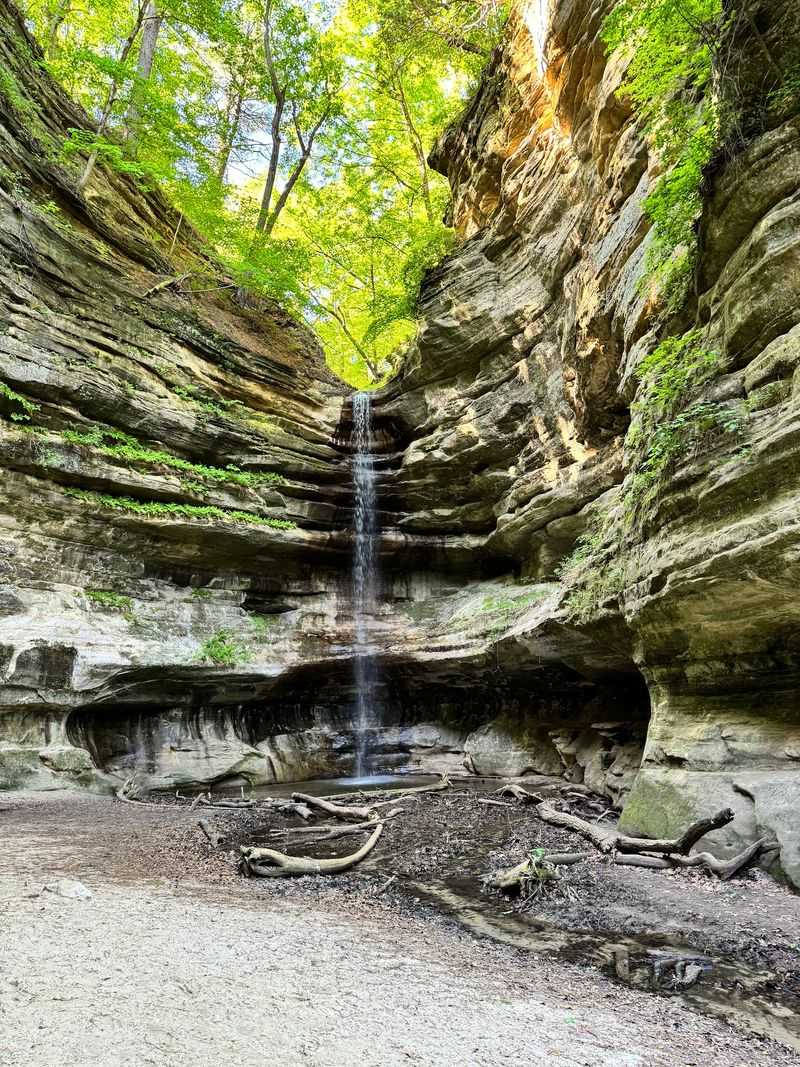
Waterfalls are the park’s most exciting surprise, but they are also the part that depends most on timing. After rain or during spring melt, canyon walls can come alive with flowing water, turning a solid hike into a much more dramatic one.
On dry summer stretches, some falls may shrink to a trickle or disappear entirely. That does not ruin the visit, since the canyons still look impressive, but anyone chasing the strongest waterfall scenes should plan around recent rain instead of assuming every cascade will be running.
Wildcat Canyon often gets a lot of attention for good reason. When water is moving, the vertical drop framed by stone walls creates one of the park’s standout views, and the enclosed setting makes the waterfall seem larger because the canyon concentrates both sound and motion.
The quieter thrill comes from not always seeing water until the final approach. A trail may wind through trees and steps with little warning, then open into a damp rock chamber where a waterfall appears at the back like a curtain, partly hidden until the last few yards.
That sense of discovery is why people keep checking conditions and returning in different seasons. Starved Rock changes more with weather than some parks do, and the same canyon can look calm one month, muddy the next, and suddenly full of spray after a strong rain.
Good shoes matter most on waterfall days. Stone, wood, and packed dirt can all turn slick, and stairways that seem easy in dry weather need more care when leaves, mud, or runoff are added to the route.
Early spring and the day or two after a decent rain often offer the best odds for seeing the canyons at their most active. Arrive hoping for moving water, but also pay attention to the damp rock, the cooler air, and the echo inside the canyon, because those details build the full experience.
Stairs, Switchbacks, and the Real Workout
A funny thing happens at Starved Rock. The trails are often described as manageable, and that is true for many people, but the park also sneaks in a workout through repeated stair climbs, uneven ground, and routes that keep rising and dropping between overlooks and canyon floors.
The challenge is not extreme distance so much as rhythm. Legs get tested by going down into a canyon, climbing back out, crossing to another section, then doing it again, which can surprise hikers who expected a gentle walk after seeing a paved entry path.
That is why pacing matters here more than speed. Saving energy for the canyon routes usually pays off better than burning it all on the first overlook, especially for families, casual hikers, or anyone carrying water, snacks, and camera gear.
Footwear can decide whether the day feels smooth or frustrating. Supportive shoes help on stairs, while grip matters on dirt sections and damp boards, and a small backpack is easier to handle than carrying bottles and jackets by hand during repeated climbs.
There is also a practical upside to the stair-heavy layout. Frequent rises create new views, spread out groups a bit, and make each canyon stop feel earned, so the physical effort becomes part of the flow rather than a random obstacle dropped into the middle of the park.
Hikers with limited mobility should plan carefully and ask about current trail conditions before heading out. Some sections are more accessible than others, while canyon routes may include steeper grades, worn steps, or narrow passages that are harder to manage.
The smartest approach is to treat the park like a choose-your-own-distance hike. Pick one or two main goals, take breaks at overlooks, and leave room for the return trip. Starved Rock rewards steady movement far better than a rushed sprint, especially once the stairs start adding up.
Why Illinois Looks Different Here
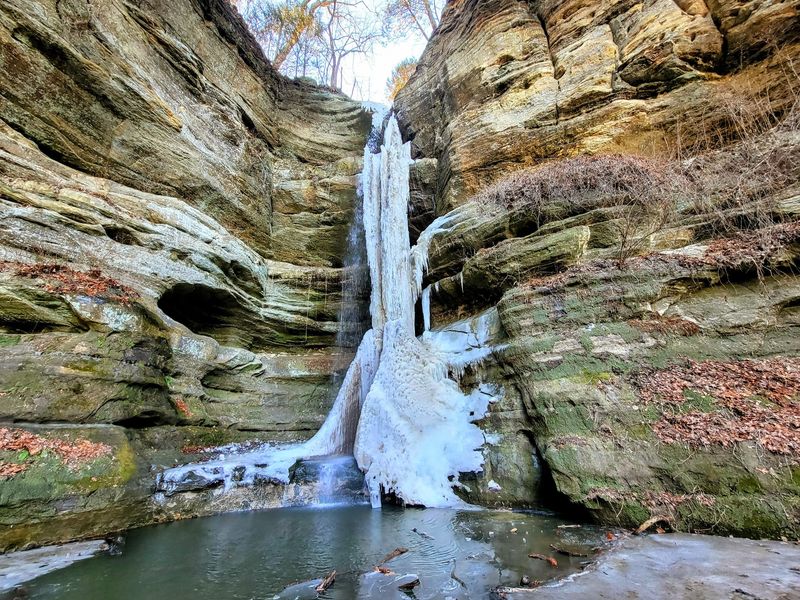
One of the biggest surprises at Starved Rock is how completely it changes expectations about Illinois. Visitors expecting endless flat farmland instead find sandstone bluffs, narrow canyons, wooded ravines, and dramatic overlooks that feel far removed from the landscape most people associate with the state.
That transformation is the result of thousands of years of natural forces. Water slowly carved through layers of sandstone, creating the steep canyon walls, rock ledges, and winding passages that now define the park’s most popular trails.
Every overlook and canyon floor tells part of that long geological story, even if visitors simply come for the scenery. The landscape also carries an important human history.
Starved Rock has long been connected to Native American history, early French exploration, and the settlement of Illinois, giving the park cultural significance alongside its natural beauty. Those stories add another dimension to the hike and help explain why the area remains one of the state’s best-known landmarks.
The visitor center is worth visiting before hitting the trails. Along with maps, restrooms, and current trail updates, it provides useful background that makes the overlooks and canyons more meaningful once you’re out on the paths.
Understanding how the landscape formed and why it mattered to earlier generations gives the scenery greater depth. Even younger hikers can appreciate those connections because the geology is so easy to see.
Layered rock walls, narrow canyon passages, and weather-shaped cliffs provide visible examples of erosion without requiring any scientific background. The park becomes an outdoor classroom without ever feeling like one.
By the end of the hike, the scenery has usually changed the way visitors think about Illinois itself. Starved Rock proves the state offers far more than open prairie, replacing familiar expectations with rugged canyons, towering bluffs, and one of the Midwest’s most unexpectedly dramatic landscapes.
How to Build a Smarter Day on the Trail
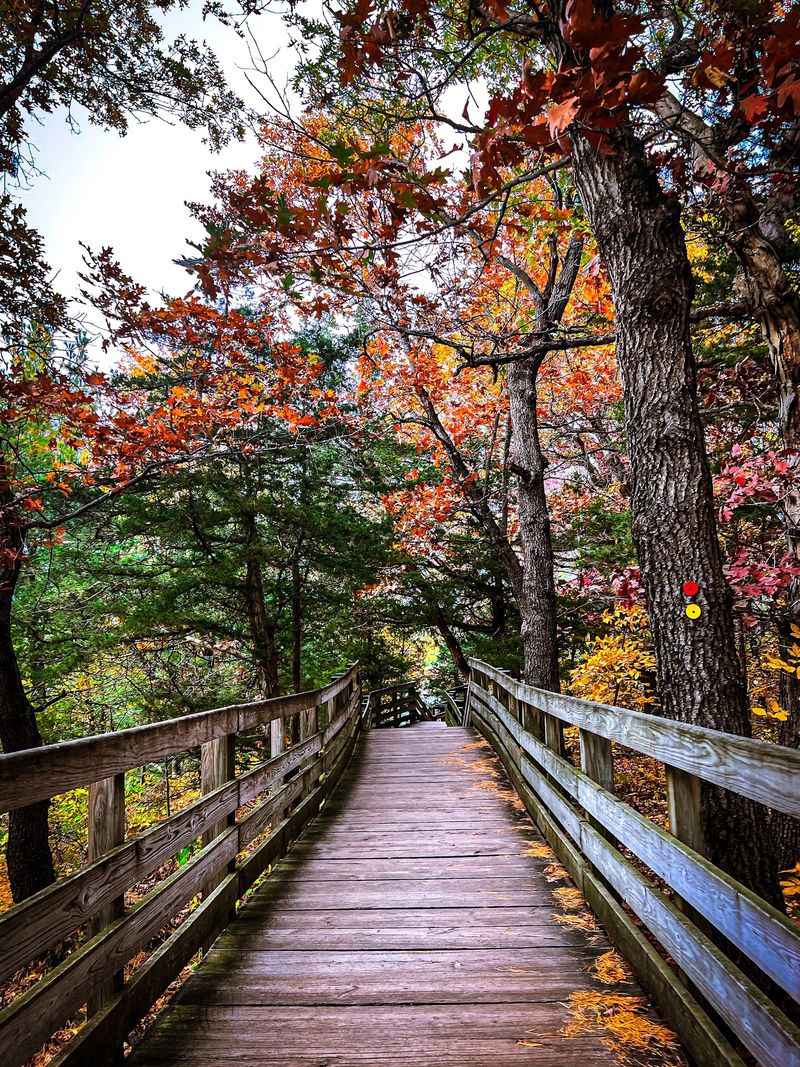
Plenty of parks are easy to visit but oddly hard to plan once you arrive. Starved Rock gets crowded, trails branch in several directions, and a little strategy goes a long way if the goal is to see canyons, waterfalls, and river views without wasting energy.
Morning is the winning move. Early arrival helps with parking, keeps the first miles calmer, and gives hikers a better shot at hearing birds and running water instead of spending the best part of the day weaving around packed trail sections.
A strong route usually combines one overlook area with one or two canyon goals. That mix gives the day some variety, since the bluff views show off the river and the canyon trails bring the enclosed rock scenery that makes the park famous.
Checking in at the visitor center is more useful than many first-timers expect. Staff can point out closures, trail conditions, and realistic route options based on time, weather, and ability, which matters in a park where one blocked canyon can shift the whole plan.
Weekdays often feel more relaxed than sunny weekends, especially in spring and fall when the park is at its most popular. Late afternoon can also work for a quieter hike, though anyone chasing waterfalls should remember that lower light changes photos and canyon visibility.
Bring water even for a shorter outing. Stairs, humidity, and repeated climbs can wear people down faster than the mileage suggests, and a snack break between canyon sections can make the second half of the day much more enjoyable.
One final planning trick is to stay flexible. If the headline canyon is crowded, muddy, or closed, the park still offers enough side options to rescue the day.
Starved Rock works best when hikers arrive with a few priorities, not one rigid checklist, because the best route often depends on conditions that change from week to week.
The Finish Line Comes With a Lodge and One Last View
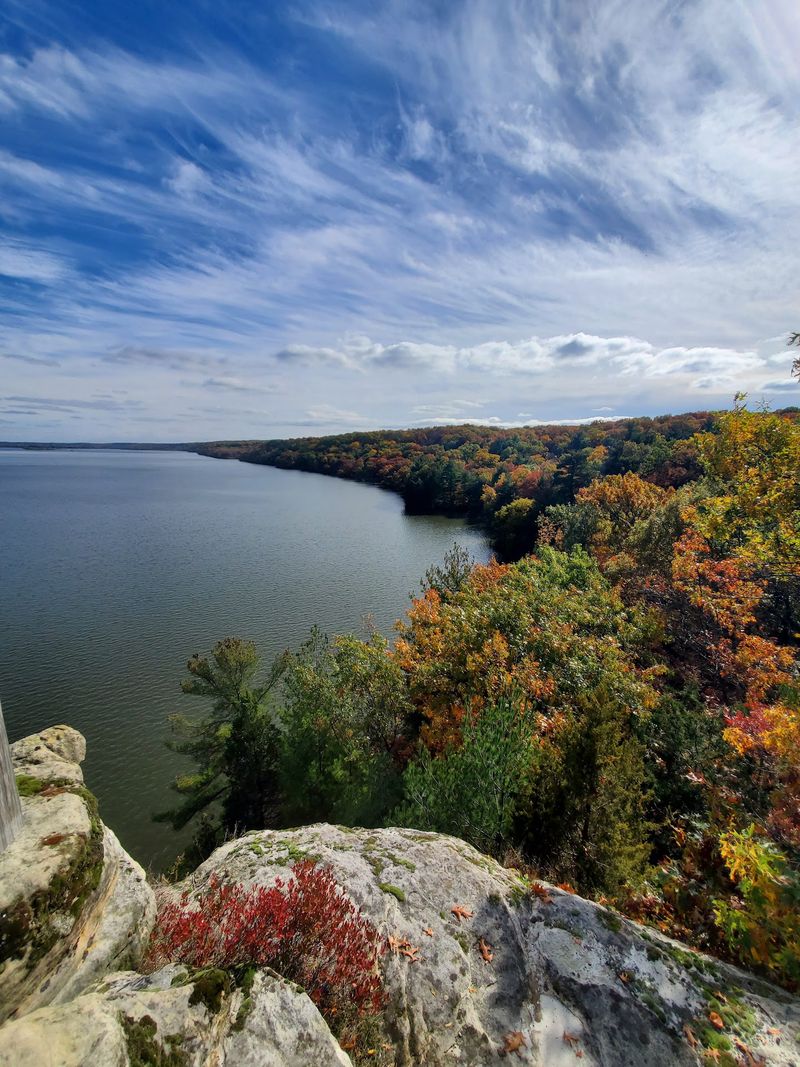
After climbing stairs, exploring sandstone canyons, and stopping at overlooks above the Illinois River, Starved Rock offers something many trail systems do not: a comfortable place to slow down once the hike is over. The park’s lodge, cabins, and visitor facilities make it easy to turn a few hours on the trail into a full day exploring one of Illinois’ most remarkable landscapes.
That extra layer adds real value. A park known for steep canyon trails can leave hikers ready for a break, so having a central gathering place nearby feels like a natural extension of the experience.
Families, road-trippers, and first-time visitors can rest, enjoy a meal, or simply recharge before heading home. The visitor center is useful both before and after the hike.
Maps, trail updates, restrooms, and ranger information help visitors plan their routes, while the indoor space offers a welcome stop after a muddy spring walk or a chilly autumn afternoon. Spending a few minutes there also helps tie together the park’s natural and historical stories.
The lodge creates a different kind of finish. Rather than walking straight from the trail to the car, visitors can slow the pace, enjoy the surroundings, and reflect on the day’s highlights.
That contrast between rugged canyon scenery and a welcoming place to relax gives the park a more complete destination feel than many hiking areas offer. One hour you may be standing beneath towering sandstone walls or watching a seasonal waterfall spill into a canyon.
The next, you’re enjoying a quiet meal or looking back across the bluffs from the lodge grounds. That balance is one of Starved Rock’s greatest strengths.
The park succeeds because it combines dramatic scenery, rewarding hikes, and thoughtful amenities in one destination. The canyons, waterfalls, river overlooks, and welcoming lodge all work together to create an outdoor experience that stays memorable long after the drive home.
Share this story