When the Tennessee Valley Authority started building Douglas Dam in the 1940s, it looked like Dandridge would end up underwater forever. This small Jefferson County town faced complete destruction as the reservoir waters rose, threatening to erase centuries of history. But through clever engineering, determined citizens, and a massive relocation effort, Dandridge became the only Tennessee town to successfully survive the TVA’s dam-building era, keeping its historic downtown intact while watching the lake rise around it.
The TVA’s Grand Plan Nearly Wiped Dandridge Off The Map
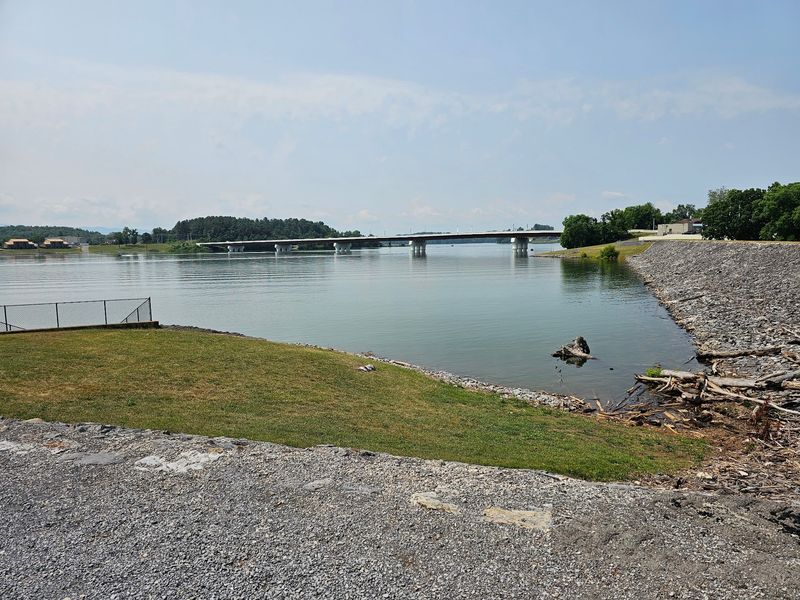
Douglas Dam construction began in 1942 as part of the Tennessee Valley Authority’s massive hydroelectric project. The dam would create Douglas Lake, flooding thousands of acres of farmland, homes, and entire communities. Dandridge sat directly in the path of the rising waters, and initial plans called for the complete abandonment and destruction of Tennessee’s second-oldest town.
The TVA had already flooded several communities across East Tennessee without much resistance. Most towns simply packed up and moved to higher ground, leaving their old homes to disappear beneath the reservoir. Dandridge looked like it would suffer the same fate, with engineers calculating that much of the historic downtown would end up submerged under 20 feet of water.
Town leaders quickly realized they faced an impossible choice. They could accept a cash settlement and relocate the entire community, losing centuries of history in the process. Or they could fight back against one of the most powerful federal agencies in the country, risking everything on an uncertain outcome.
What made Dandridge different was its status as county seat and its collection of irreplaceable historic buildings. The 1845 courthouse, antebellum homes, and commercial district represented architectural treasures that couldn’t simply be rebuilt somewhere else. Losing these structures would erase tangible connections to America’s founding era.
The town’s population of about 500 people faced displacement, but more importantly, Jefferson County would lose its governmental center. Moving the county seat would require legislative action, new construction costs, and the destruction of civic identity built over 150 years. Local officials knew they had to act fast before the dam’s completion made relocation inevitable.
Citizens organized quickly, forming committees to explore every possible alternative. They hired engineers, consulted lawyers, and lobbied politicians at state and federal levels. The fight to save Dandridge had begun, but nobody knew if a small town could actually stop the TVA’s unstoppable march across Tennessee.
Engineering A Miracle With Dirt And Determination
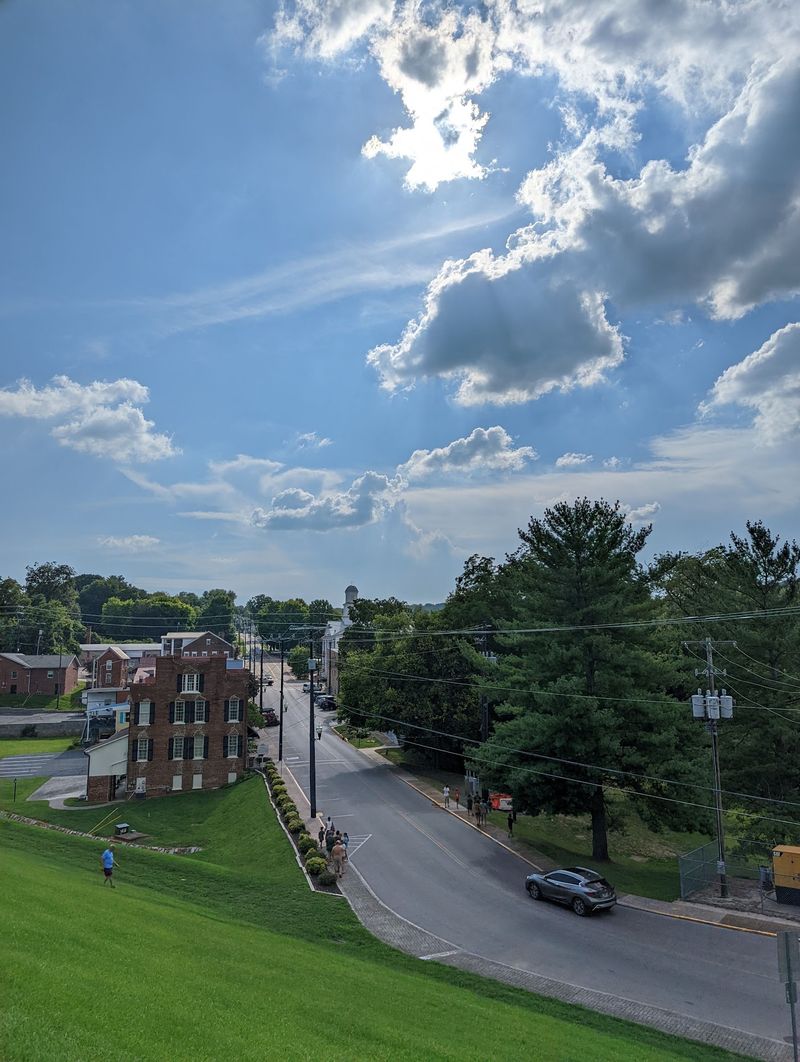
Instead of accepting defeat, Dandridge proposed something unprecedented. Town leaders asked the TVA to build a protective levee around the historic district, essentially creating an island of dry land surrounded by the new reservoir. No Tennessee community had attempted anything like this before, and many experts doubted it would work.
The proposal faced immediate skepticism from federal engineers. Building a levee tall and strong enough to hold back a permanent reservoir presented enormous technical challenges. The earthen wall would need to withstand constant water pressure, prevent seepage, and last indefinitely without catastrophic failure that could flood the town overnight.
After months of negotiations and engineering studies, the TVA agreed to attempt the levee construction. The project required moving massive amounts of earth to build a protective barrier around Dandridge’s core. Workers used steam shovels and dump trucks to pile dirt into a wall that would eventually stretch nearly two miles around the threatened area.
Construction crews worked around the clock as Douglas Dam neared completion. The levee had to reach its full height before reservoir waters rose high enough to overtop the barrier. Engineers constantly monitored soil compaction, drainage systems, and structural integrity as the wall grew taller each day.
The finished levee stood roughly 18 feet high in most places, creating a bowl-shaped protection zone around downtown Dandridge. Engineers installed drainage pumps to remove rainwater and seepage that collected inside the protected area. Without these pumps running continuously, the town would slowly fill with water like a leaky bathtub.
This engineering solution saved Dandridge’s historic core but came with permanent consequences. The town now sits below the normal lake level, completely dependent on the levee’s integrity and pumping systems. One major breach or pump failure could flood downtown within hours, making ongoing maintenance absolutely critical for the town’s survival.
Moving Buildings Brick By Brick To Higher Ground
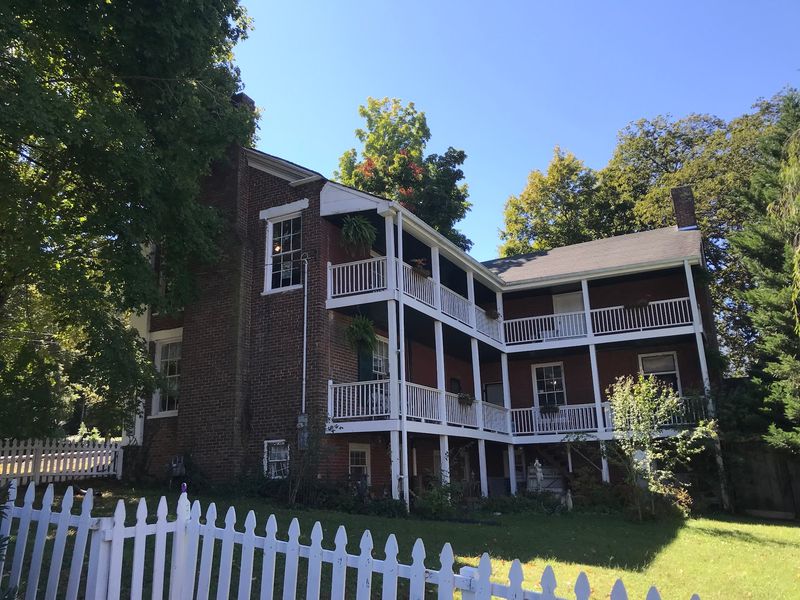
While the levee protected downtown, dozens of homes and buildings outside the barrier zone still faced flooding. Rather than demolish these structures, residents launched an ambitious campaign to physically relocate them to higher ground. This massive undertaking involved jacking up entire buildings, placing them on rollers or flatbed trucks, and moving them to new foundations above the future waterline.
Professional house movers arrived with specialized equipment designed for these delicate operations. Wooden homes proved easier to relocate than brick structures, but determined owners insisted on saving even the heaviest masonry buildings. Workers carefully disconnected utilities, reinforced walls, and lifted buildings inch by inch onto moving platforms.
The relocation process often attracted crowds of spectators who watched houses slowly roll down streets at walking speed. Moving a single building could take days or even weeks, depending on its size, construction, and the distance to its new location. Some structures traveled only a few hundred feet, while others moved more than a mile to reach safe elevation.
Not every building survived the journey intact. The stress of lifting and moving caused some structures to crack or partially collapse despite careful handling. Older homes with deteriorating foundations proved especially vulnerable, forcing owners to make heartbreaking decisions about which buildings were worth the expensive and risky relocation effort.
Churches, stores, and residences all made the trek to higher ground during this frantic period. The community worked together, sharing equipment and labor to help neighbors save their properties. This collaborative spirit strengthened bonds between residents who understood they were fighting for their town’s survival as a living community rather than an abandoned ghost town.
Today, many of these relocated buildings still stand on the hillsides surrounding downtown Dandridge. Their presence tells the story of a community that refused to give up, choosing the difficult path of preservation over the easier option of starting fresh somewhere else.
The Lake That Became Dandridge’s New Neighbor
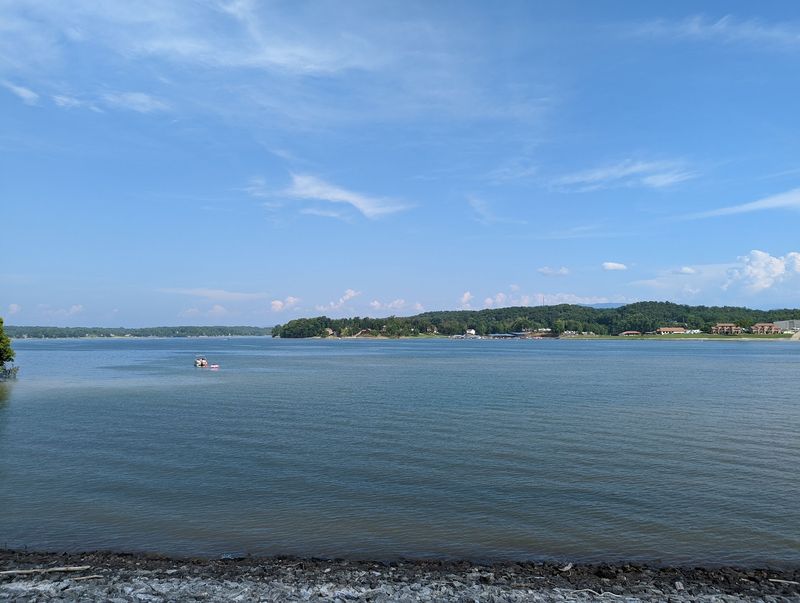
When Douglas Dam’s gates finally closed in 1943, water began filling the new reservoir at an alarming rate. Residents watched nervously as the lake crept closer each day, eventually lapping against the base of their protective levee. What had been farmland and forest transformed into a 28,000-acre lake that surrounded Dandridge on three sides.
The new lake brought dramatic changes beyond just the altered landscape. Douglas Lake’s water level fluctuates significantly throughout the year as the TVA manages power generation and flood control. During winter drawdown periods, the reservoir can drop 40 feet or more, exposing mudflats and old foundations where communities once stood.
This variable water level means Dandridge’s relationship with the lake constantly changes. In summer, when the reservoir reaches full pool, water comes within feet of the levee’s crest, creating an almost claustrophobic feeling of living inside a fishbowl. During winter drawdown, the lake retreats hundreds of yards, revealing stumps, old roads, and other remnants of the pre-dam landscape.
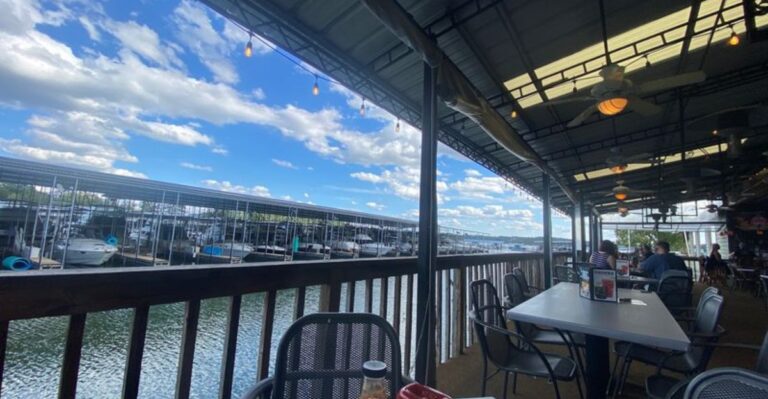
Surprisingly, the lake eventually became an economic asset rather than just a threat. Douglas Lake attracted recreational boaters, fishermen, and tourists who needed places to eat, sleep, and buy supplies. Dandridge adapted, developing marinas, boat ramps, and lakeside businesses that catered to this new visitor population.
The town’s unique situation as a historic community perched beside a massive reservoir created tourism opportunities nobody anticipated during the desperate fight for survival. Visitors came to see the town that refused to drown, combining history tours with lake recreation. This dual identity helped Dandridge maintain economic vitality when many rural Tennessee towns struggled with population loss.
Living with Douglas Lake requires constant vigilance and adaptation. Town officials monitor the levee daily, maintain pumping systems, and plan for emergencies that could threaten the protective barrier. The lake that nearly destroyed Dandridge now defines the town’s character and economy in ways residents from the 1940s never imagined possible.
Preserving History While Pumps Run Day And Night
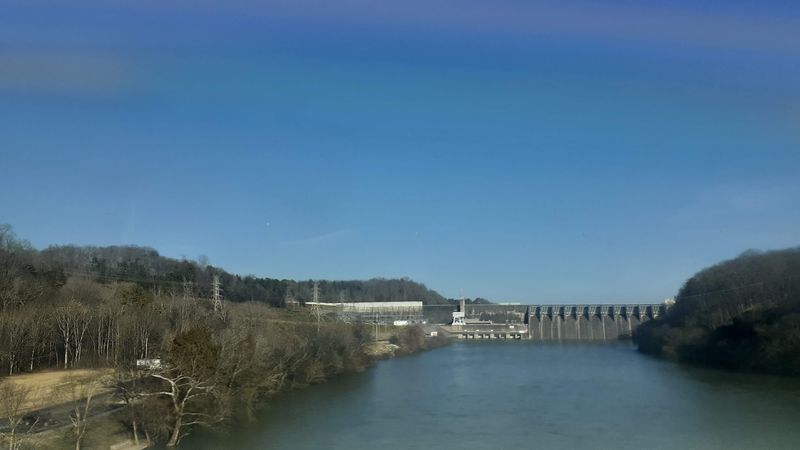
Saving Dandridge’s buildings was only half the battle. Keeping them dry requires infrastructure that runs continuously, 365 days per year. The pump systems installed during the 1940s have been upgraded multiple times, but the basic challenge remains the same.
Rainwater and groundwater seepage constantly accumulate inside the levee-protected area, and without pumps removing this water, downtown would flood from within.
Modern pump stations use sophisticated sensors and backup systems to prevent catastrophic failures. If primary pumps stop working, alarms immediately alert maintenance crews while backup pumps activate automatically. The town maintains emergency generators capable of running the pumping system during power outages, understanding that even a few hours of pump failure could cause serious flooding.
This constant battle against water has shaped Dandridge’s approach to historic preservation. Building owners must address moisture issues more aggressively than communities on naturally high ground. Basements are rare in downtown structures, and foundation waterproofing receives careful attention during any renovation project.
The ongoing costs of maintaining the levee and pumping systems create financial burdens that small-town budgets struggle to cover. Federal and state grants help fund major infrastructure upgrades, but routine maintenance falls to local government. This reality means Dandridge residents pay for their town’s survival through higher taxes and utility fees than comparable communities.
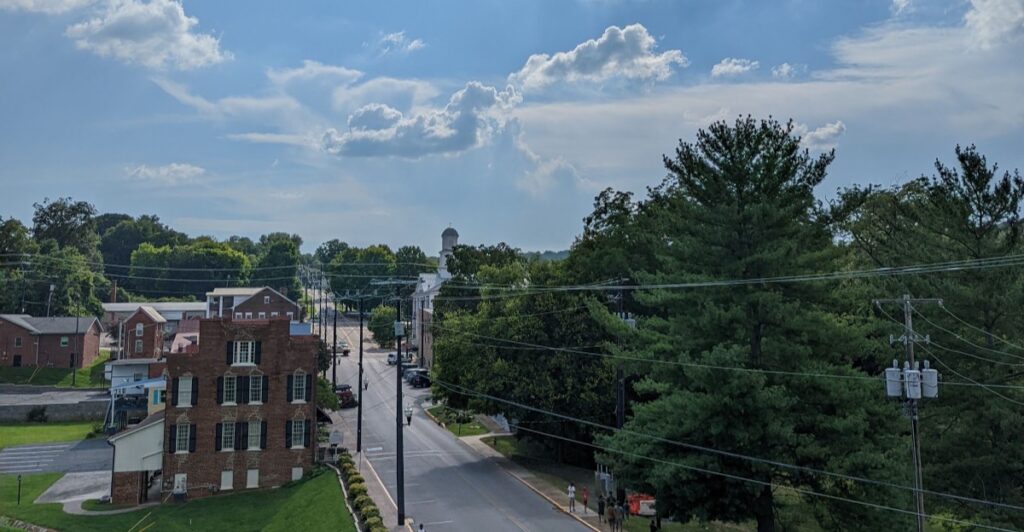
Despite these challenges, the preserved historic district attracts visitors interested in architecture and Tennessee history. The 1845 Jefferson County Courthouse still serves its original function, making it one of the oldest continuously operating courthouses in the state. Antebellum homes, 19th-century commercial buildings, and historic churches create a streetscape that looks remarkably similar to pre-dam photographs.
Walking through downtown Dandridge today, you might not immediately realize you’re standing below lake level. The levee blocks views of Douglas Lake from many streets, creating an illusion of normalcy. But the constant hum of drainage pumps reminds locals that their town’s survival depends on machinery that must never stop working.
A National Historic District Rises From Near-Destruction
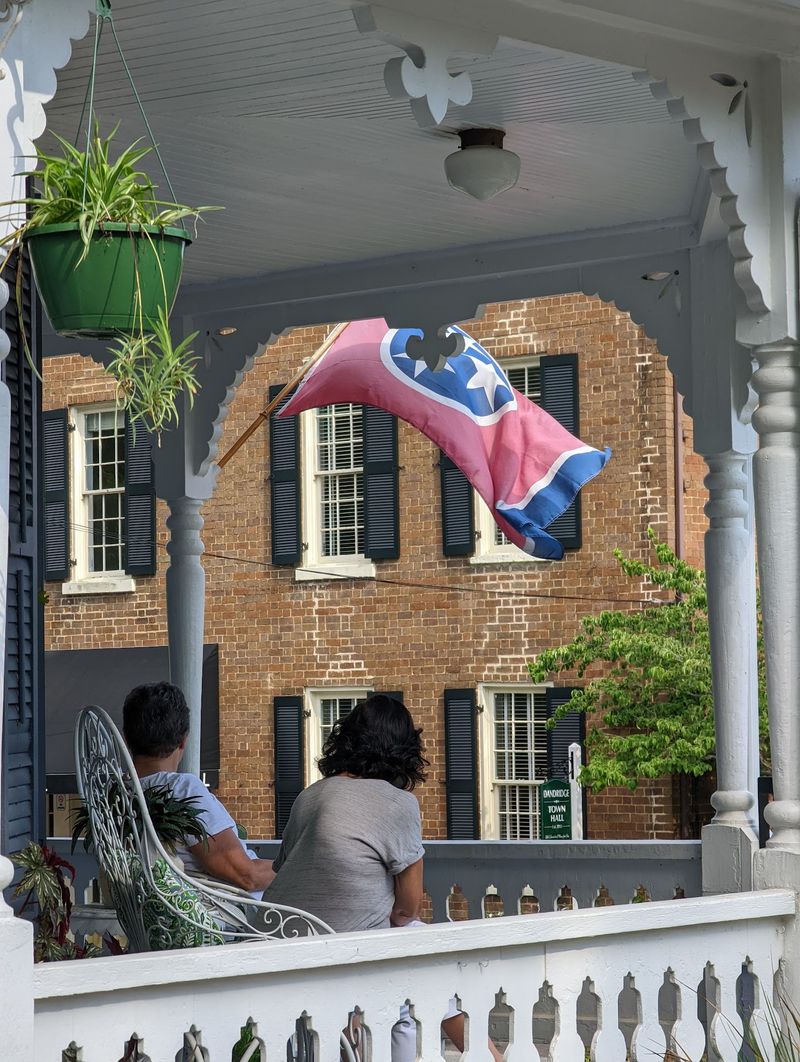
Dandridge’s successful fight against the TVA ultimately led to national recognition of its historic significance. In 1973, the entire downtown area received designation as a National Historic District, acknowledging both the architectural treasures preserved and the remarkable story of the town’s survival. This federal recognition brought new preservation standards and access to restoration grants.
The historic district encompasses roughly 40 buildings representing architectural styles from the late 18th century through the early 20th century. Federal-style homes, Greek Revival commercial buildings, and Victorian residences showcase the evolution of American architecture in a small Southern town. Many structures feature original details like hand-blown glass windows, heart-pine floors, and handmade bricks.
National Historic District status created new opportunities but also imposed restrictions on property owners. Any exterior modifications to buildings within the district must receive approval to ensure changes don’t compromise historic character. This oversight prevents inappropriate renovations but can frustrate owners who want to modernize their properties.
Tourism increased significantly after the historic designation, as history enthusiasts and architecture buffs added Dandridge to their Tennessee itineraries. The town developed walking tour routes, installed interpretive markers, and trained volunteer guides to share stories about individual buildings and the families who built them.
Several notable structures anchor the historic district. The Shepard-Fain House dates to the 1790s, making it one of East Tennessee’s oldest surviving homes. The Dandridge Tavern served travelers along the stagecoach route between Knoxville and Asheville.
These buildings connect modern visitors to the frontier era when Tennessee was America’s western boundary.
Maintaining historic district status requires ongoing commitment from property owners, local government, and preservation organizations. Regular maintenance costs more for historic buildings than modern structures, and finding contractors skilled in traditional construction techniques can be challenging. Yet residents understand that their town’s unique character and economic vitality depend on preserving the architecture that makes Dandridge special and distinguishes it from generic modern development.
The Only Tennessee Town That Refused To Drown
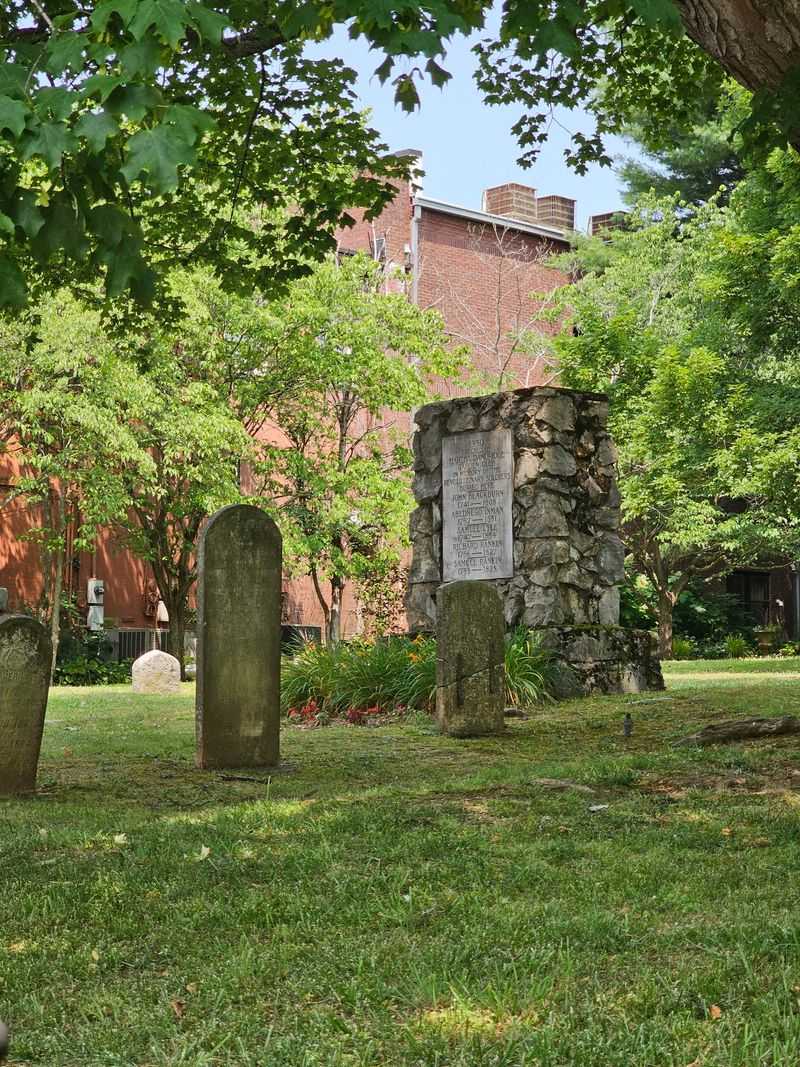
Dandridge holds a unique place in Tennessee history as the only town that successfully resisted complete destruction by TVA dam projects. While other communities like Butler, Loyston, and Willow Grove disappeared beneath reservoirs, Dandridge’s combination of historic significance, political will, and engineering innovation allowed it to survive. This distinction has become central to the town’s identity and appeal.
The survival story resonates because it represents ordinary people standing up to powerful government agencies. During the 1940s, the TVA wielded enormous authority, and few believed a small town could negotiate alternative solutions. Dandridge’s success inspired other communities facing similar threats, though none achieved the same outcome.
Modern Dandridge embraces its survivor status through festivals, tourism marketing, and community pride. The town hosts events celebrating its heritage and the generations who fought to preserve it. Local businesses incorporate the survival story into their branding, recognizing that this narrative attracts visitors and creates emotional connections with customers.
Younger generations growing up in Dandridge learn the town’s history from an early age. Schools teach about the TVA era, the levee construction, and the community effort that saved their hometown. This historical consciousness creates strong local identity and appreciation for the sacrifices previous generations made.
The town’s survival also raises interesting questions about progress versus preservation. The TVA’s dam-building program brought electricity, flood control, and economic development to Tennessee, benefits that required difficult tradeoffs. Dandridge’s story doesn’t reject these improvements but demonstrates that creative solutions can sometimes preserve heritage while still achieving modernization goals.
Today, Dandridge continues adapting to 21st-century challenges while honoring its past. The levee requires ongoing upgrades to meet current safety standards. Historic buildings need constant maintenance to prevent deterioration.
Balancing preservation with economic development remains an ongoing conversation as the town plans for its future.
Visiting Dandridge offers a tangible connection to Tennessee history and a reminder that determined communities can sometimes change their fate. The town that refused to drown stands as proof that heritage matters and that creative problem-solving can find alternatives to seemingly inevitable destruction.
Share this story