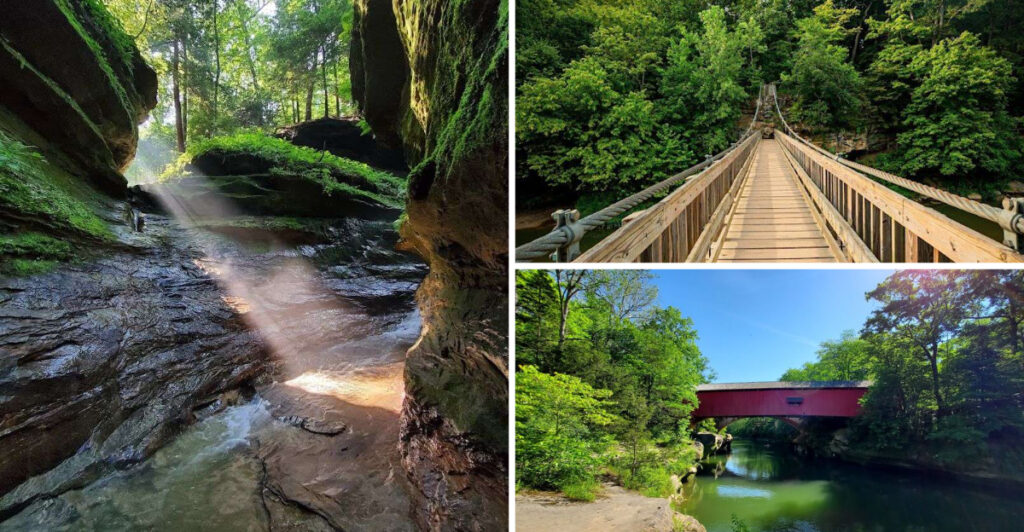
Forget everything you think you know about Indiana’s landscape. Turkey Run State Park quickly replaces images of flat farmland with rugged sandstone gorges, narrow ravines, suspension bridges, winding creeks, and some of the state’s most adventurous hiking trails.
Covering more than 3,000 acres near Marshall, this beloved destination also offers scenic picnic areas, canoeing on Sugar Creek, an historic inn, a campground, and abundant wildlife, making it just as appealing for a weekend getaway as a day trip. One visit is all it takes to understand why this remarkable park deserves far more attention than it often receives.
The Ravines That Rewrite Your Idea of Indiana
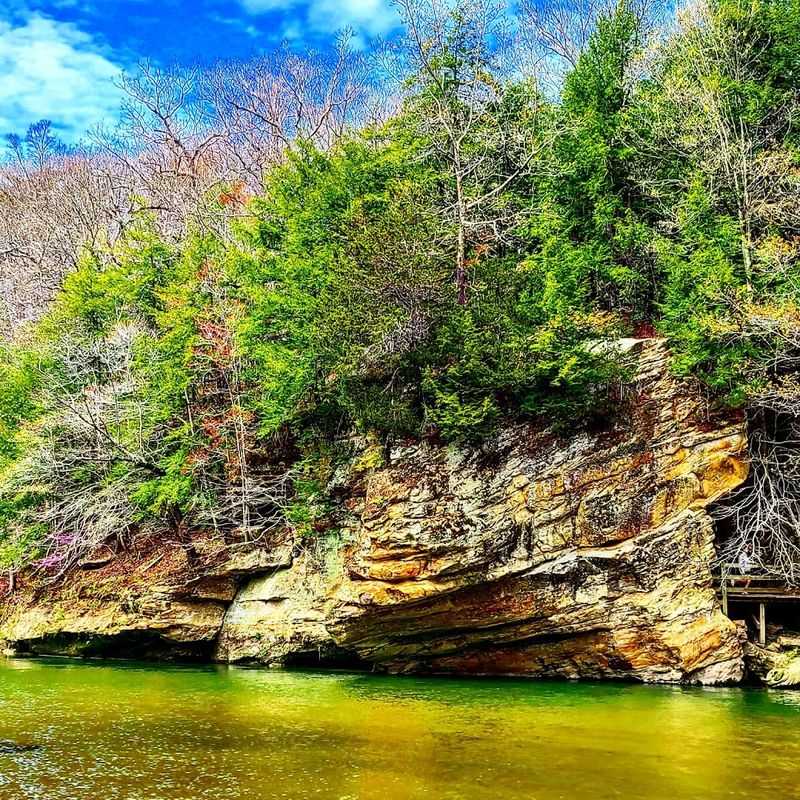
The first surprise at Turkey Run State Park is how quickly Indiana disappears. One minute the landscape reads as wooded and familiar, and the next you are staring up at sandstone walls, narrow ravines, and stair-stepped ledges cut by water over long stretches of time.
The terrain compresses and deepens in ways that feel more rugged than most people expect from this part of the Midwest.
That visual turn is the park’s great trick. Instead of broad overlooks doing all the work, Turkey Run pulls you inward through shaded gorges where moss, wet stone, exposed roots, and trickling water create a tighter, more immersive scene.
The scale is not alpine, but the intimacy is stronger because the geology closes around the trail and keeps changing with every bend.
Several of the park’s most memorable sections are defined by movement through the landscape rather than simply beside it.
You climb ladders, step across rock, descend into streambeds, and pass through cool passages where the air shifts noticeably under tree cover and canyon walls.
It is hands-on hiking in the best sense, with the route itself becoming part of the attraction. That is also why photos never quite explain the place.
A frame can capture cliffs or foliage, but it cannot fully show the sensation of moving from sunlit forest into a narrow hollow where sound softens and the path turns damp underfoot. Turkey Run works on contrast, and the contrasts arrive fast.
For a state better known nationally for farmland and racing, this park delivers a completely different visual identity. It is not a minor scenic stop with one good overlook. It is a full landscape shift, and the ravines make that clear within the first serious stretch of trail.
Trail 3 Is the Park’s Signature Adventure
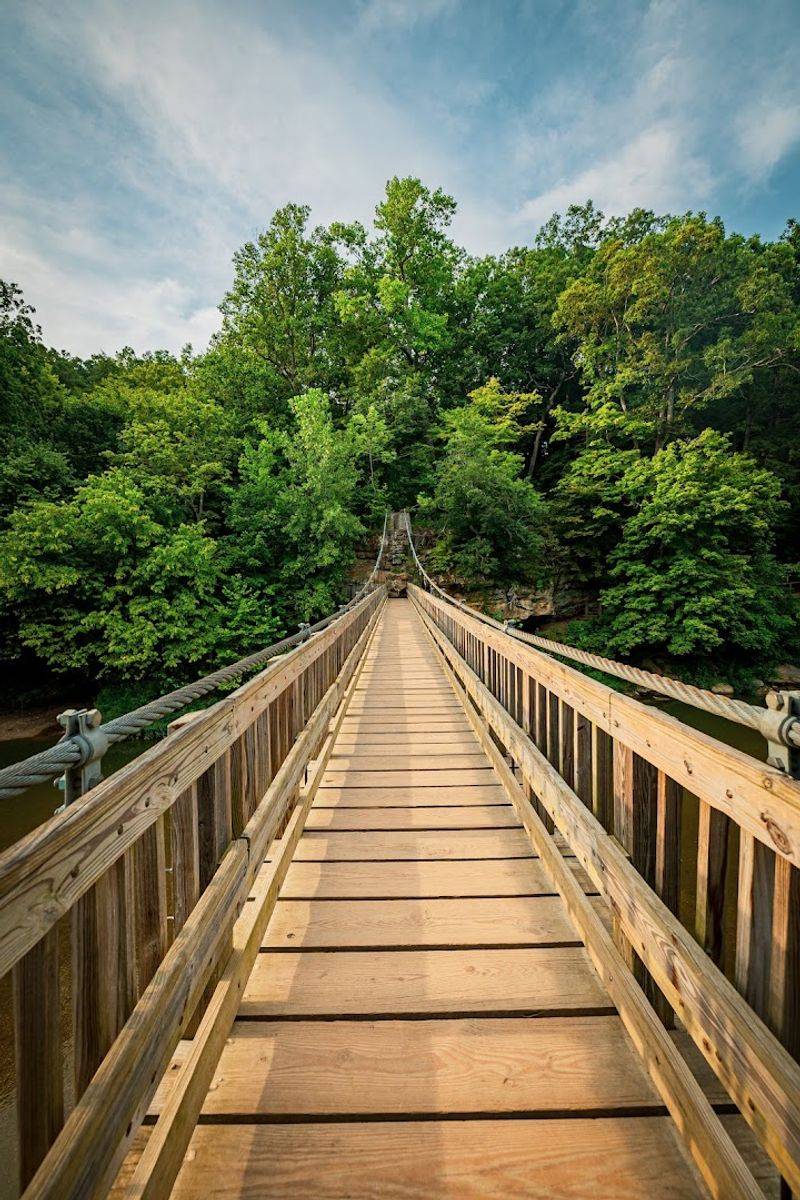
If one trail captures why Turkey Run has such a loyal following, it is Trail 3. This route is the park’s headline act because it turns a hike into an obstacle-filled adventure, mixing ladders, creek edges, rock passages, stairs, and narrow sections that require attention from start to finish.
It is not technical mountaineering by any stretch, but it demands more engagement than the average state park stroll.
The appeal starts with variety. Instead of locking into one rhythm, the trail keeps interrupting you with a new surface, a new angle, or a new feature just as you settle in.
A suspension bridge, streamside stretches, muddy patches, stair climbs, and rugged canyon walls all show up in a relatively compact experience, making the route feel larger and more dynamic than the mileage suggests.
That constant shift changes who enjoys it most. Hikers who want a simple paved loop may find it demanding, especially after rain, but anyone who likes a route with texture and a little problem solving will understand the hype quickly.
Good traction matters here, and waterproof footwear is a smart move when creek water and mud are in play. Early timing matters too. On pleasant weekends, the most popular rugged sections can become crowded by late morning, which changes the pace on ladders and tighter passages.
Starting close to opening gives the trail more breathing room and makes the route feel wilder, quieter, and easier to navigate on your own terms.
Trail 3 is the clearest example of how Turkey Run distinguishes itself from many Midwestern parks. You are not just looking at scenery from a comfortable distance. You are moving through it, adjusting to it, and occasionally getting a little muddy in the process.
Punch Bowl, Bridges, and the Smaller Details That Sharpen the Day
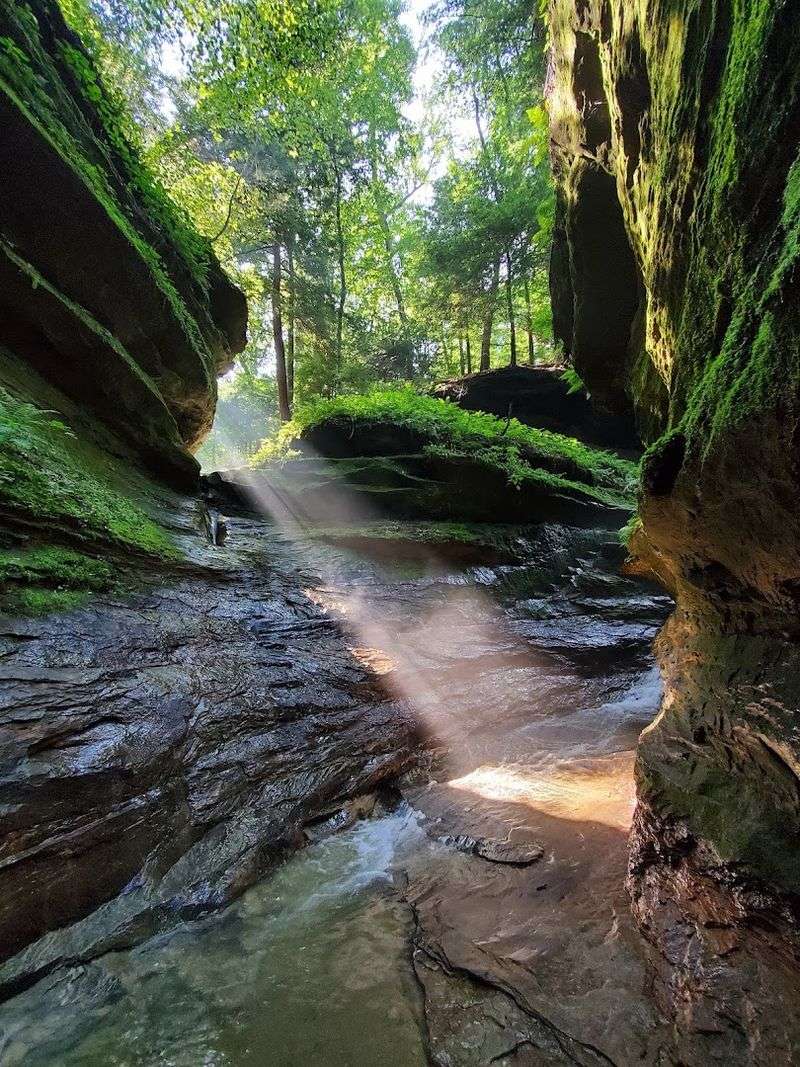
Turkey Run’s big geology gets most of the attention, but the park’s smaller features are what keep the day from flattening into one long hike.
There is a steady mix of bridges, stream corridors, rock formations, historic elements, and tucked-away scenes that break up the experience and give each section its own character. The result is a park that rewards curiosity, not just mileage.
The Punch Bowl is a good example of that appeal. Rather than functioning as a single grand vista, it works like a sculpted natural room, a place where erosion has shaped stone into a form that feels distinct from the surrounding trail.
It is the kind of feature that changes your pace because you stop looking for the next marker and start studying the rock itself.
Bridges add another layer. Suspension crossings bring a little movement and drama, while the nearby covered bridge lends an unmistakable Indiana note without pulling the park into nostalgia overload.
These structures do more than connect paths. They create transitions between wooded uplands, ravines, and water, helping the landscape feel varied instead of repetitive.
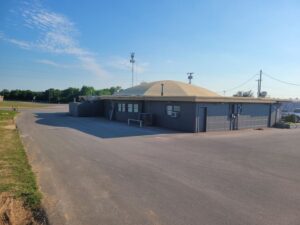
The nature center is worth working into the schedule as well, especially if you want a better read on the park before or after hiking.
It provides context and a useful indoor pause without distracting from the main event outside. When a park has a lot of terrain options, that kind of anchor improves the whole visit.
Even practical details contribute to the rhythm here. Bathrooms, parking areas, and trail connections are spread in ways that support longer exploration, and the park gives you enough to mix scenic stops with tougher sections. Turkey Run succeeds because the memorable pieces are not isolated. They are threaded all through the day.
Why Turkey Run Matters in Indiana’s Park Story
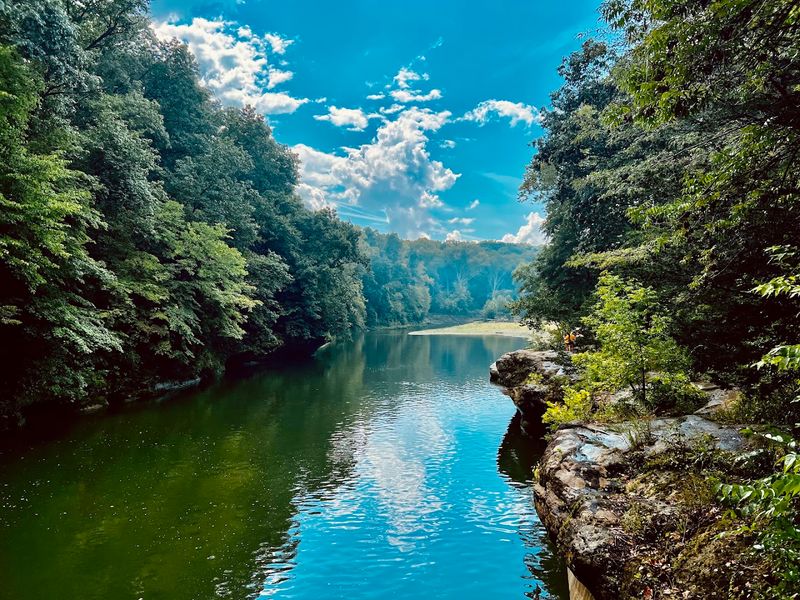
Turkey Run is not only a strong hiking park. It is one of the places that helps explain why Indiana’s state park system has such deep affection attached to it.
The setting combines dramatic natural features with the classic infrastructure of an older park, where rustic buildings, mature trees, established trails, and a lived-in sense of stewardship create a stronger identity than a simple recreation area.
That continuity shows in the way the park is used. Some people arrive for a quick morning hike, others build full weekends around the inn or campground, and many return across different seasons instead of treating it like a one-time checklist stop.
Turkey Run supports all of those patterns because it functions as both destination and tradition. The historic note matters here, but it does not overwhelm the landscape. Pioneer-era elements and the broader sense of park heritage add depth without turning the place into a static museum.
You still come for ravines, creeks, ladders, and forest, yet the human imprint gives the experience shape and helps the park feel rooted rather than generic.
That blend is especially noticeable around the inn area and developed sections. Amenities exist, but they do not erase the woods-first character.
Instead, they make longer stays possible, which is important at a park where the trail system can easily fill more than a few casual hours.
In Indiana, Turkey Run occupies an interesting space. It is famous enough to inspire repeat trips and family rituals, yet still underestimated by people who assume the state cannot deliver this kind of geological drama.
Once you place it in the context of Indiana’s park story, its reputation makes complete sense. It is scenic, yes, but it is also one of the state’s most complete outdoor experiences.
How to Experience the Park Without Wasting the Best Hours
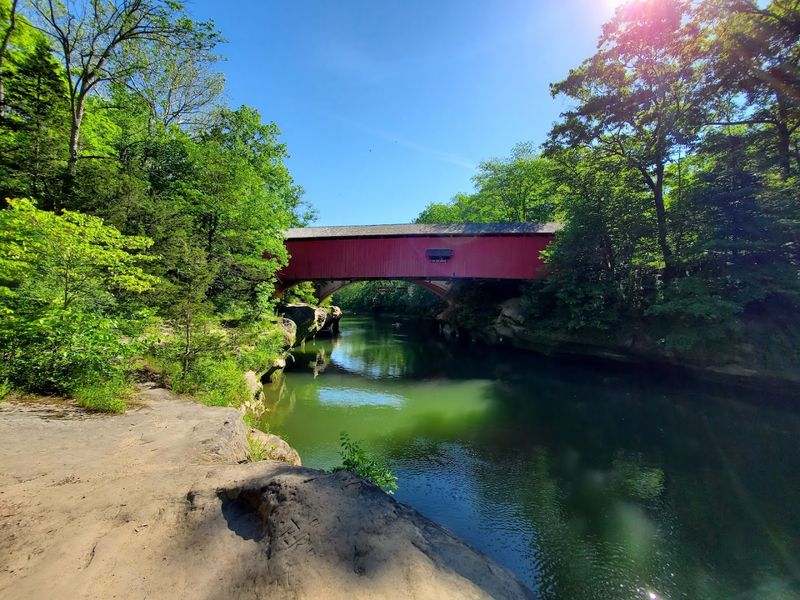
The best way to do Turkey Run is to respect its timing. This is a park where the difference between arriving at opening and showing up late morning can completely change the day, especially on weekends and during pleasant spring or fall weather.
Early starts buy you quieter trails, easier parking, and more freedom on the narrow, rugged sections. That matters most if Trail 3 or Trail 5 is on your list. The ladders, creek crossings, and tighter ravine passages are more fun when you can move steadily instead of waiting your turn at every pinch point.
When the park gets busy, those sections can still be enjoyable, but the sense of discovery is reduced because the route becomes more stop-and-go.
Footwear is the practical detail that should be taken seriously. The rougher trails can be muddy, slick, and wet depending on conditions, and shoes with weak traction are a poor match for streambeds, stone, and stair descents.
Boots or sturdy trail shoes make the park more comfortable and safer without turning the outing into a gear-heavy production.
It also helps to choose the day’s goal before starting. Turkey Run can work as a short scenic sampler, a half-day hike, or a fuller park day that includes the nature center, picnic time, campground life, or seasonal pool use.
Deciding whether you want challenge, variety, or a slower family rhythm keeps the experience from feeling scattered.
One more practical move is simple: use the official trail information inside the park instead of assuming every outside app captures current conditions.
Closures and terrain ratings can shift, and this is a place where those details affect the route in a real way. Good planning here does not dull the adventure. It improves it.
A Full-Day Park, Not a Quick Roadside Detour
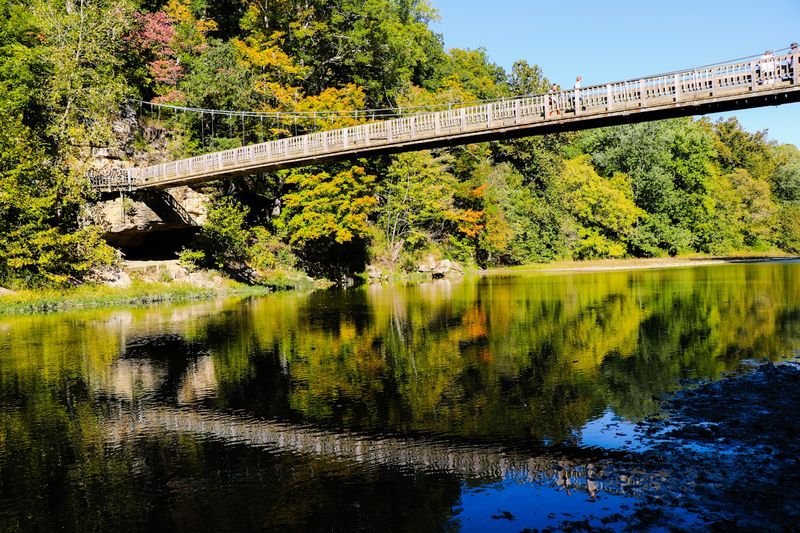
Turkey Run stands out because it is not built around one single look and then little else. The park has the kind of headline scenery that could carry a shorter stop, but it also has the support system for a longer visit, which changes how you use it.
You can hike hard in the morning, reset in a developed area, and still have enough left to turn the trip into an all-day outing or overnight stay.
The campground expands that flexibility. For travelers who want early access to the trails or a slower weekend pace, staying on site makes the park easier to enjoy without compressing everything into one tired afternoon.
The inn offers another version of that same advantage, giving you a base inside the landscape rather than miles away from it.
Then there are the extra recreational layers that keep the park from being one-note. Creek activities, picnic spaces, playgrounds, sports areas, and the seasonal pool broaden the audience without diluting the identity of the place.
Turkey Run can satisfy serious hikers and still leave room for families who want a mixed day instead of a purely trail-centered one.
That range is why the park keeps resurfacing in Indiana travel conversations even when bigger-name destinations grab the spotlight.
It is scenic enough for dedicated outdoor trips, structured enough for easy planning, and varied enough to justify repeat visits in different seasons. Summer greenery, spring water levels, and fall color all reshape the experience in noticeable ways.
For anyone scanning Indiana for a park that delivers more than expected, Turkey Run is the answer hiding in plain sight.
It has drama, challenge, comfort, and enough variety to avoid the quick-browse feeling some parks never escape. This is not a place to squeeze between other stops. It is the stop that deserves the day.
Share this story