Discovery Center at Murfree Spring offers families an engaging mix of indoor learning and outdoor exploration in the heart of Murfreesboro. Inside the museum, children can discover hands-on exhibits that encourage them to experiment, solve problems, use their imaginations, and learn through play. The activities introduce young visitors to subjects such as science, nature, art, health, and the human body without making the experience feel like a traditional classroom lesson.
The adventure continues beyond the museum walls at Murfree Spring, where approximately 25 acres of protected wetlands create a peaceful natural setting. Families can follow accessible trails and boardwalks while looking for turtles, birds, insects, and other native wildlife. Interpretive features along the way help children better understand the importance of wetlands and the plants and animals that depend on them.
With interactive exhibits, seasonal programs, wildlife viewing, and scenic walking paths in one destination, Discovery Center at Murfree Spring makes it easy to plan an outing that is both entertaining and educational. It is an inviting Tennessee attraction where curious kids can play indoors, explore outdoors, and leave with a deeper appreciation for the natural world.
Interactive Indoor Exhibits That Spark Imagination
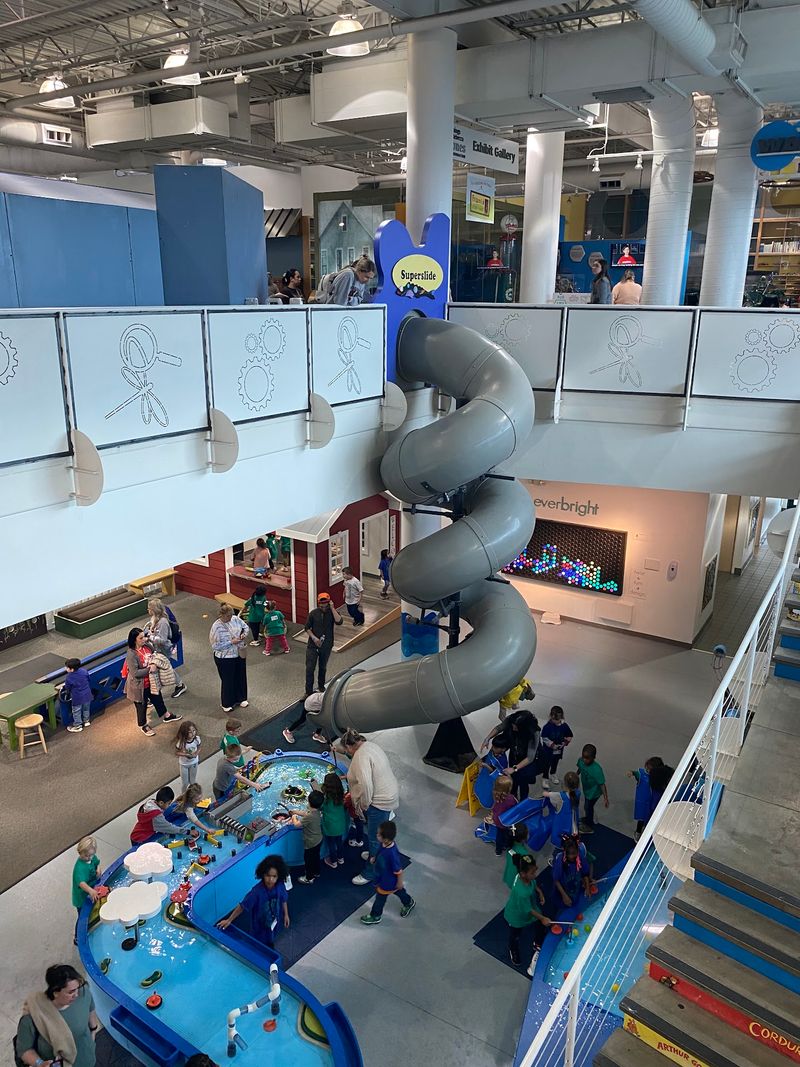
Walking through the doors, you’ll immediately notice the buzz of excited kids moving between stations designed to teach through play. The museum spreads across multiple floors, each packed with activities that let children touch, build, create, and discover. Tiny Town captures the imagination of toddlers who love pretending to run their own mini community complete with shops and vehicles.
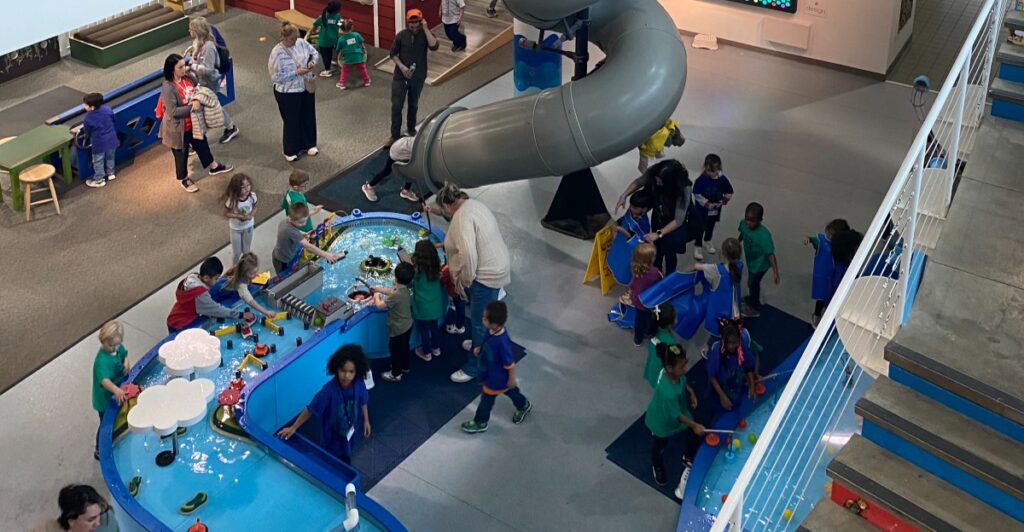
Water play areas rank as consistent favorites, featuring giant water tables where kids experiment with flow, dams, and water movement. Parents appreciate the genius of combining physics lessons with pure splashing joy, though bringing a change of clothes proves wise. The hands-on approach means every exhibit invites participation rather than just observation.
Art stations let creative minds run free with supplies that rotate regularly, keeping repeat visitors engaged. Music areas introduce rhythm and sound exploration without the chaos you might expect. The fire truck exhibit draws crowds of aspiring firefighters who climb aboard and imagine rescue missions.
What sets this museum apart is the rotating upstairs exhibit that changes themes throughout the year. One visit might feature dinosaur excavations, the next could showcase construction zones or cultural celebrations. This rotation strategy keeps annual pass holders from experiencing exhibit fatigue.
The layout prevents overwhelming younger visitors while still offering enough variety to occupy school-age children. Staff members position themselves throughout activity areas, providing supervision and assistance without hovering. During weekdays, the space feels comfortably populated, but weekends can pack in families looking for indoor entertainment.
For families with children who need sensory breaks, a dedicated calming room offers quiet space with supportive equipment including weighted vests and noise-reducing headphones. This thoughtful inclusion makes the museum accessible to neurodivergent children who might struggle in typical museum environments. The museum truly understands that learning happens best when kids feel comfortable and engaged on their own terms.
Live Animal Encounters With Turtles And Otters
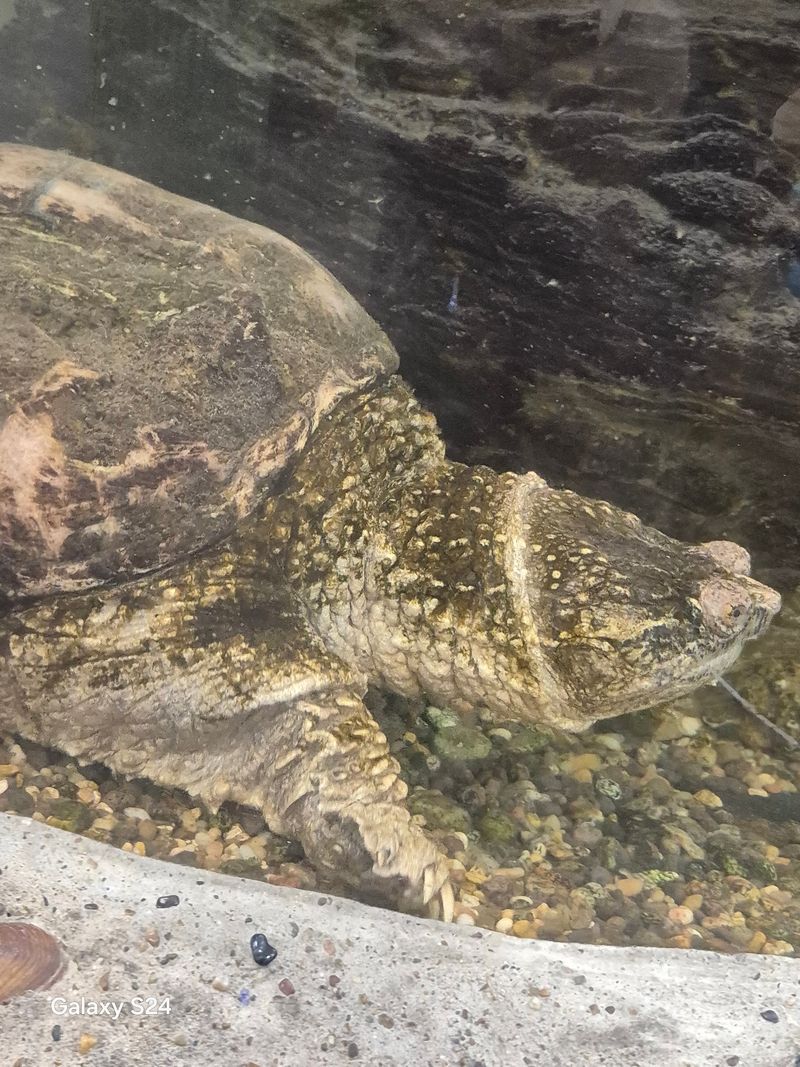
Behind the glass of carefully maintained habitats, residents with shells and whiskers go about their daily routines while captivated kids press close for better views. The turtle viewing area showcases these ancient reptiles in environments that mimic their natural wetland homes. Watching them glide through water or bask under heat lamps teaches children about reptile behavior without textbooks or lectures.
Otters steal the show with their playful antics and incredible swimming abilities. These charismatic creatures dive, twist, and play in ways that mesmerize audiences of all ages. Staff members often time feedings to coincide with peak visiting hours, turning mealtime into an educational presentation about otter diets and behaviors in the wild.
The animal exhibits connect directly to the outdoor wetlands that surround the building, creating context for why these species matter to Tennessee ecosystems. Children learn that the turtles they’re watching represent species living in nearby creeks and ponds. This local connection makes conservation feel relevant rather than abstract.
Unlike zoos where animals might seem distant, the Discovery Center’s smaller scale creates intimate viewing opportunities. Kids can observe details like how turtles use their claws or how otters use their sensitive whiskers. These close encounters spark questions that lead to deeper understanding about adaptation and survival.
Educational signage accompanies each habitat, but the real learning happens through observation and the questions kids naturally ask. Why does that turtle have a shell? How long can otters hold their breath?
Staff members welcome these inquiries and often expand answers into broader ecological concepts.
The live animal component transforms the museum from just a play space into a genuine nature center. Children who might never venture into actual wetlands get safe, comfortable exposure to wildlife that calls Tennessee home. Many families report that these encounters inspire backyard nature watching and increased interest in environmental stewardship, proving that seeing really does lead to caring.
Wetland Trails Through 20 Acres Of Natural Beauty
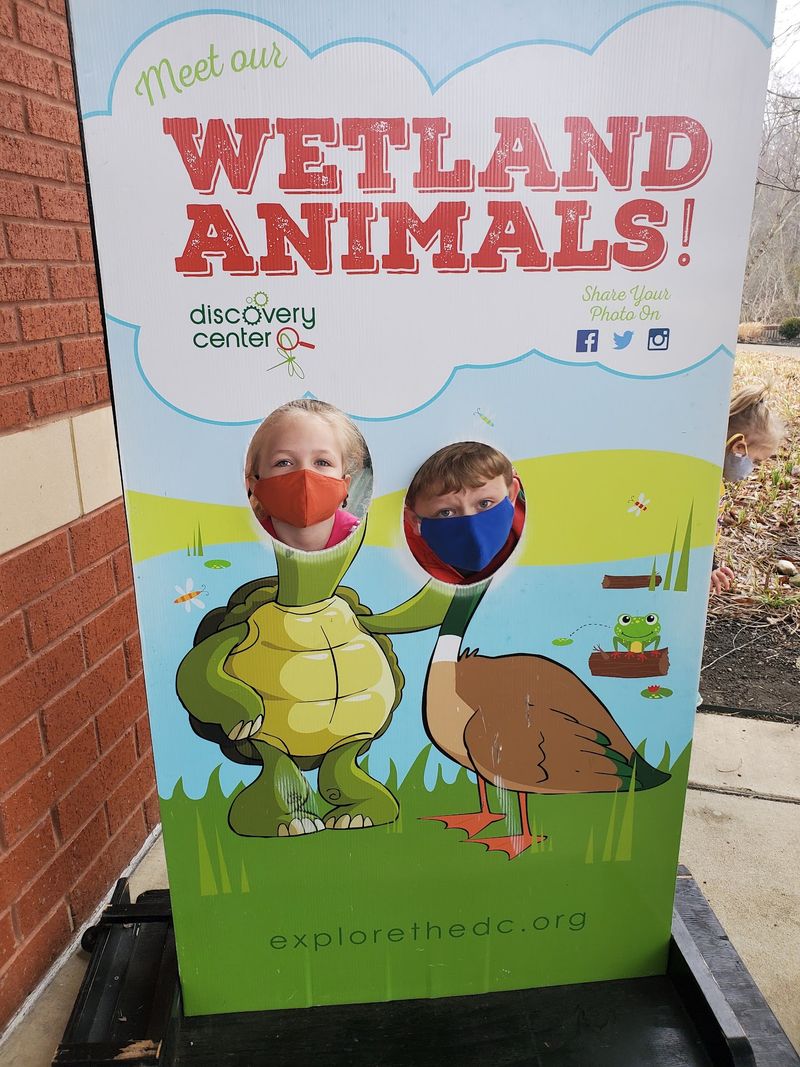
Step outside the museum building and suddenly you’re transported from indoor activities to legitimate wilderness that feels miles from civilization. The trail system winds through wetlands that have existed long before the museum, protected and enhanced to showcase Middle Tennessee’s aquatic ecosystems. Boardwalks keep feet dry while allowing close-up views of marsh plants, flowing springs, and the creatures that depend on these habitats.
Murfree Spring itself creates the centerpiece of the outdoor experience, with clear water bubbling up and flowing through the property. The sound of moving water adds a calming backdrop to nature walks that contrast beautifully with the energetic indoor exhibits. Parents often mention the morning wetland walks as personal highlights, offering peaceful moments while kids attend programs.
The 20-acre property provides enough space for genuine exploration without overwhelming young hikers. Trails range from easy loops suitable for strollers to slightly more adventurous paths that reward walkers with pond views and wildlife spotting opportunities. Benches positioned along routes give families places to pause, observe, and discuss what they’re seeing.
Seasonal changes transform the trails throughout the year, making repeat visits feel fresh. Spring brings blooming wetland flowers and active bird nesting. Summer showcases lush green growth and dragonflies darting over water.
Fall colors reflect in still pond sections, while winter reveals the structural beauty of bare trees and evergreen plants.
Educational markers identify native plants and explain their roles in wetland ecosystems, turning casual walks into learning opportunities. Children discover that wetlands aren’t just muddy areas but complex systems that filter water, prevent flooding, and support diverse wildlife. These lessons stick better when experienced firsthand rather than read in books.
The outdoor areas also include traditional playground equipment, giving kids space to burn energy after indoor exploration. The combination of structured play areas with wild nature spaces creates balance that appeals to different interests and energy levels within the same family, making everyone’s visit more satisfying.
Age-Specific Play Zones From Toddlers To School-Age Kids
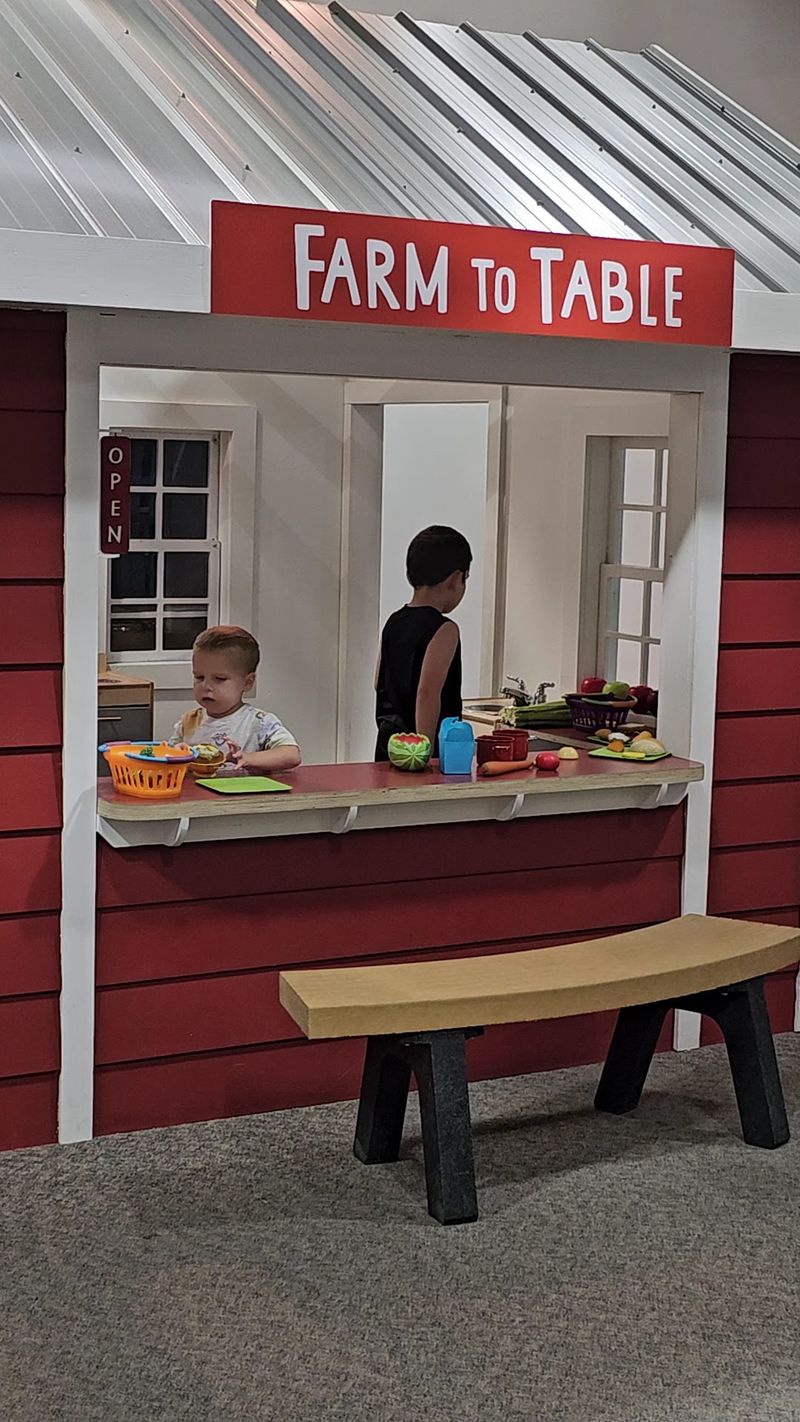
Smart design separates the museum into zones that cater to different developmental stages, preventing the chaos that happens when toddlers and older kids compete for the same spaces. The dedicated 0-2 year area features soft surfaces, age-appropriate toys, and activities scaled for babies and early walkers. Parents of multiple children appreciate being able to let older siblings explore elsewhere while staying with littlest ones in this protected zone.
For the 3-6 crowd, Tiny Town becomes the main attraction with its child-sized buildings and role-play opportunities. Preschoolers can pretend to shop, cook, drive, and manage their miniature community for hours without boredom setting in. The scale makes everything accessible without adult assistance, building independence and confidence.
Older elementary-age children gravitate toward more complex exhibits that challenge problem-solving skills and creativity. Building zones, science experiments, and art projects offer engagement that doesn’t feel babyish to kids who’ve outgrown basic pretend play. The rotating upstairs exhibit often targets this age group with themes that match school curriculum topics.
This age-appropriate separation means families with children spanning different stages all find value in membership or visits. A family with a two-year-old and a seven-year-old can spend quality time together without either child feeling under-stimulated or overwhelmed. The layout encourages kids to naturally find their comfort zones.
Staff members understand the developmental differences and adjust their interactions accordingly. They might help a toddler stack blocks while challenging an older child to engineer a more complex structure. This individualized attention enhances the experience beyond what static exhibits alone could provide.
Parents consistently mention that the museum works well for the toddler through early elementary range, with sweet spots around ages 2-8. Kids beyond fourth or fifth grade might find the exhibits less engaging, though the outdoor trails and animal areas still hold appeal. The honest age range helps families plan visits when their children will gain maximum benefit rather than showing up and finding everything too young or advanced.
Rotating Exhibits That Keep Annual Members Coming Back
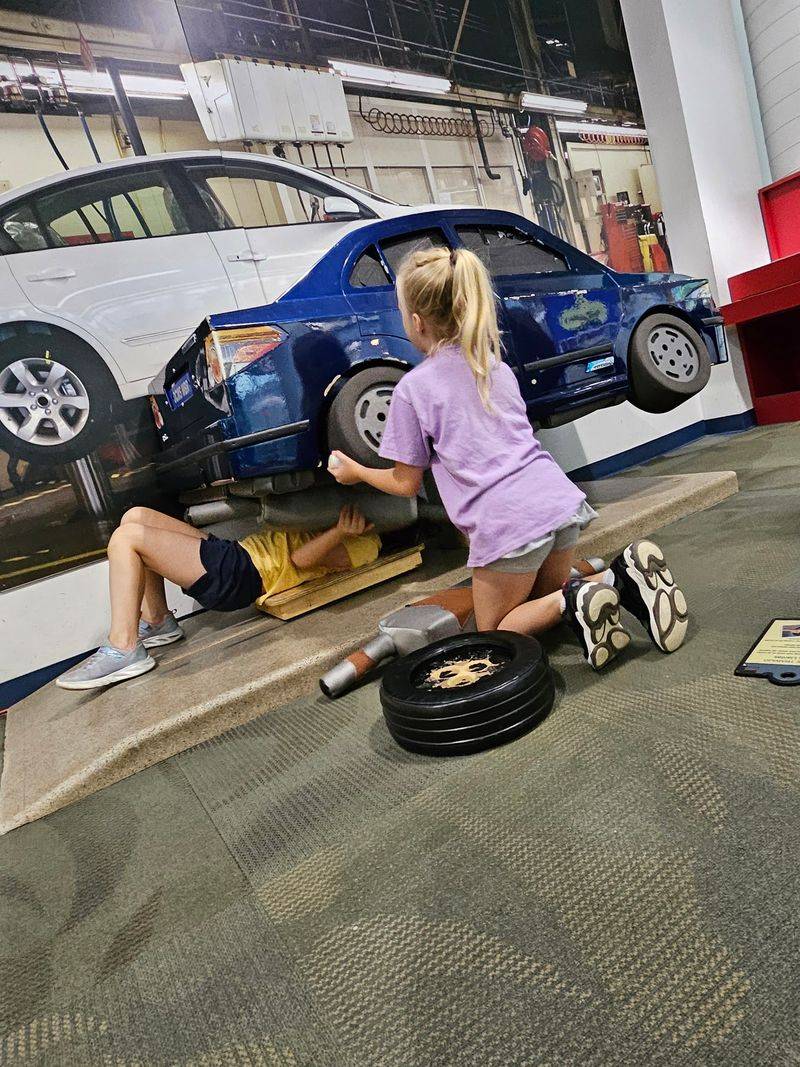
One clever strategy keeps this museum from becoming stale for families who visit repeatedly. The upstairs area transforms completely several times throughout the year, swapping out entire themed environments that give even weekly visitors something new to explore. One season might transport kids to a construction zone complete with hard hats and building materials, while the next could recreate a cultural celebration or historical period.
This rotation addresses a common museum problem where children memorize every exhibit and lose interest after a few visits. By changing major sections regularly, the Discovery Center maintains novelty that justifies annual memberships priced around $70 for families. The math works out favorably compared to single-visit admission of $12-15 per person over age two.
Themes often tie into educational standards or seasonal events, creating timely relevance. A dinosaur excavation exhibit might coincide with school paleontology units, while holiday-themed installations appear during appropriate seasons. These connections reinforce classroom learning through hands-on experience that makes abstract concepts concrete.
The downside occasionally surfaces when exhibits show wear before rotation schedules arrive. Some visitors report broken elements, missing pieces, or tired-looking installations that need refreshing. The museum operates as a nonprofit, so budget constraints sometimes show in maintenance timing.
However, staff members remain attentive and friendly even when physical exhibits need attention.
For families considering memberships, the rotation schedule becomes a key selling point. Kids who might exhaust a static museum in a month continue finding reasons to return when new themes appear regularly. The strategy builds community among member families who compare notes about favorite past exhibits and anticipate upcoming changes.
Special events and programs layer additional variety onto the rotating exhibits. Hispanic Heritage Day and other cultural celebrations sometimes offer free admission, introducing new families to the museum while providing enrichment for regular visitors. These events pack the building but create energetic atmospheres where kids make friends and families connect over shared experiences that extend beyond typical museum visits.
Membership Value For Families Who Visit Frequently
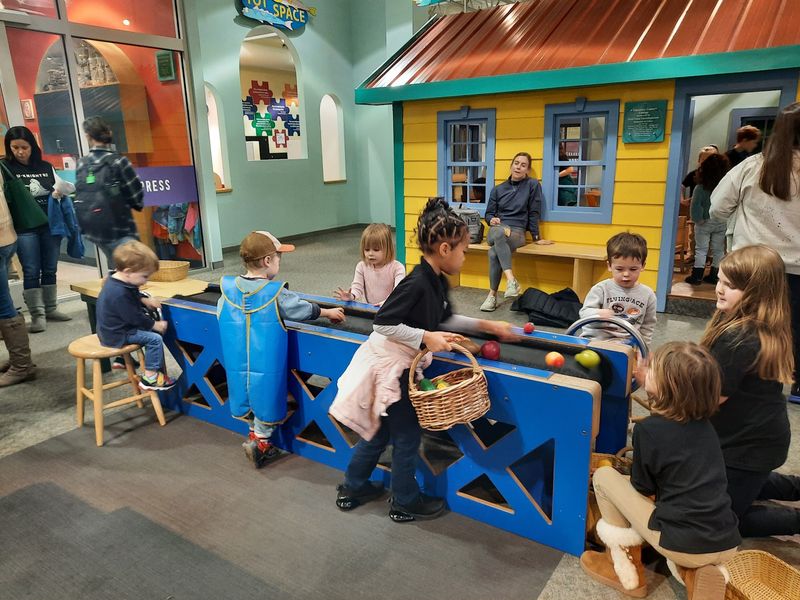
Running the numbers reveals why so many families choose annual memberships over pay-per-visit admission. At roughly $70 for a full year, a family pass pays for itself after just three visits when you consider that adults and children over two each pay around $12-15 for single admission. For families living in Murfreesboro or within a 20-30 minute drive, the membership becomes a no-brainer financial decision.
Beyond pure economics, membership changes how families use the museum. Instead of feeling pressure to maximize every minute of an expensive single visit, members can drop in for an hour when kids need a change of scenery. This flexibility reduces stress and lets children engage at their own pace without parents watching the clock and calculating cost per minute.
The museum’s design supports repeat visits without becoming boring, especially for the target toddler and preschool audience. Young children happily repeat favorite activities week after week, finding comfort in familiar spaces while discovering new details each time. Parents report visiting twice weekly without kids showing any signs of boredom.
Membership also makes the museum a go-to solution for rainy days, extreme heat, or cold weather when outdoor play isn’t appealing. Having a reliable indoor option that combines physical activity with learning saves parents from screen-time guilt while actually entertaining children. The built-in variety means siblings with different interests all find engagement.
Additional perks sometimes include reciprocal admission at other children’s museums, advance notice of special events, and members-only hours. These extras add value beyond unlimited admission, though the basic ability to visit freely remains the primary benefit. Gift shops offer reasonably priced souvenirs and snacks, preventing the financial sting that often accompanies museum visits.
For families uncertain about committing to membership, visiting on a weekday offers the best trial experience. Lower crowds allow proper assessment of whether the exhibits match your children’s interests and developmental stages. Weekend visits can feel chaotic and overwhelming, potentially creating false impressions about the museum’s typical atmosphere and your family’s enjoyment level.
Special Programs And Accommodations For All Abilities
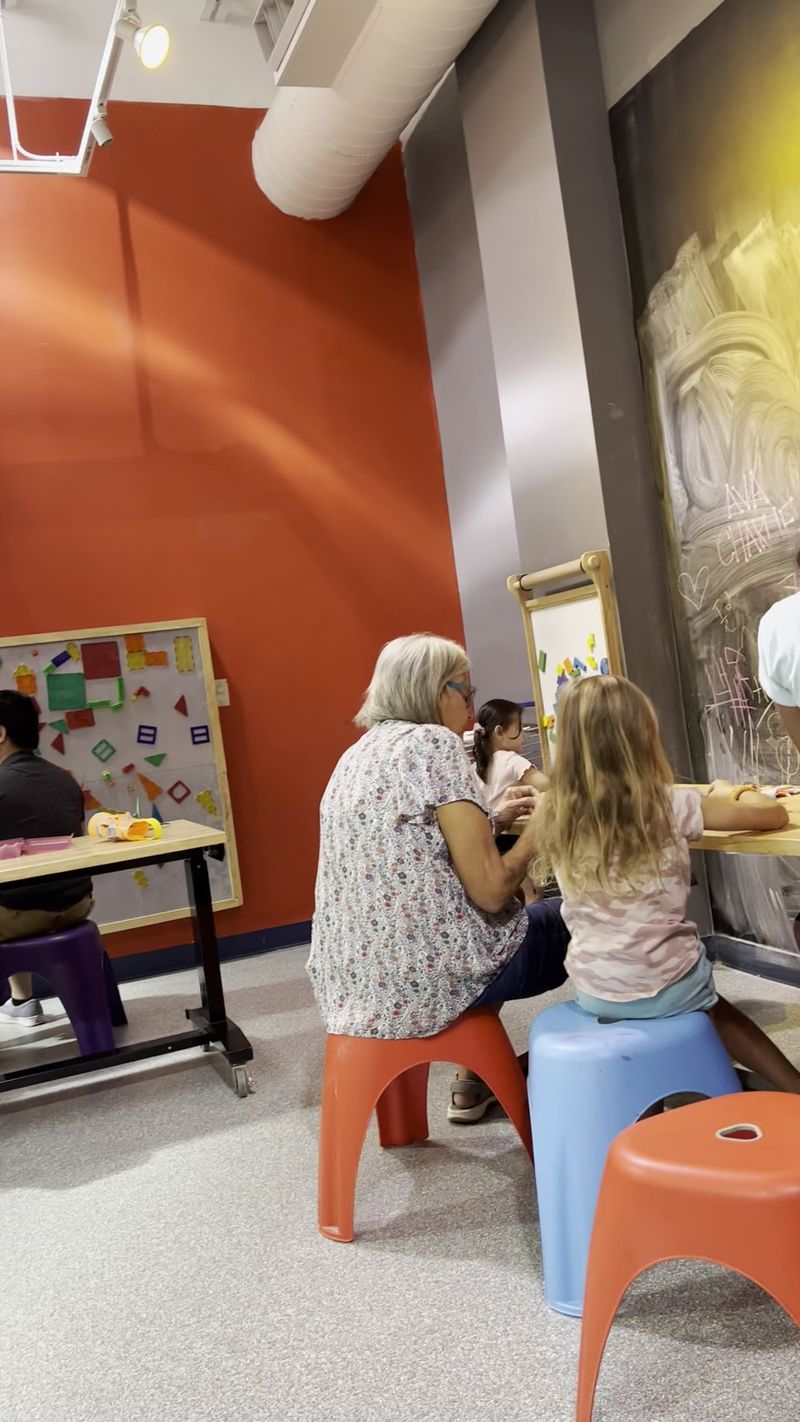
Thoughtful accommodations make the Discovery Center accessible to children whose needs extend beyond typical museum offerings. The dedicated calming room provides essential retreat space for kids who experience sensory overload in busy, noisy environments. Equipped with weighted vests, noise-reducing headphones, and calming activities, this room acknowledges that not all children process stimulation the same way.
For families with children receiving in-home therapies, the museum offers free admission for support technicians and therapists who accompany their clients. This policy requires identification proof but removes financial barriers that might otherwise prevent therapeutic outings. Occupational therapists, behavioral specialists, and other professionals can incorporate museum visits into treatment plans without families bearing double admission costs.
Staff training appears to include awareness of neurodivergent needs based on parent testimonials praising employees’ understanding and patience. When children need extra time, different approaches, or simply acceptance of unconventional museum behavior, staff members respond with kindness rather than correction. This welcoming atmosphere makes families of special needs children feel genuinely included rather than merely tolerated.
Spring break programs and other extended care options provide structured activities that go beyond free play. These programs feature daily themes and supervised activities that appeal to families needing childcare solutions during school breaks. The combination of education and entertainment makes these programs popular enough to fill quickly, so advance registration becomes necessary.
Birthday party packages offer private room settings that let families celebrate without the chaos of public party venues. The museum environment means entertainment comes built-in, reducing the planning burden on parents while giving young guests activities they genuinely enjoy. Package pricing competes favorably with traditional party venues when you factor in the activity value.
The museum’s nonprofit status shows in its community-focused programming and pricing strategies. Free admission days during cultural celebrations open doors to families who might not otherwise visit. This commitment to accessibility extends beyond physical accommodations to financial and cultural inclusion, creating a community resource rather than just a commercial attraction that serves only those who can easily afford repeated visits.
Share this story