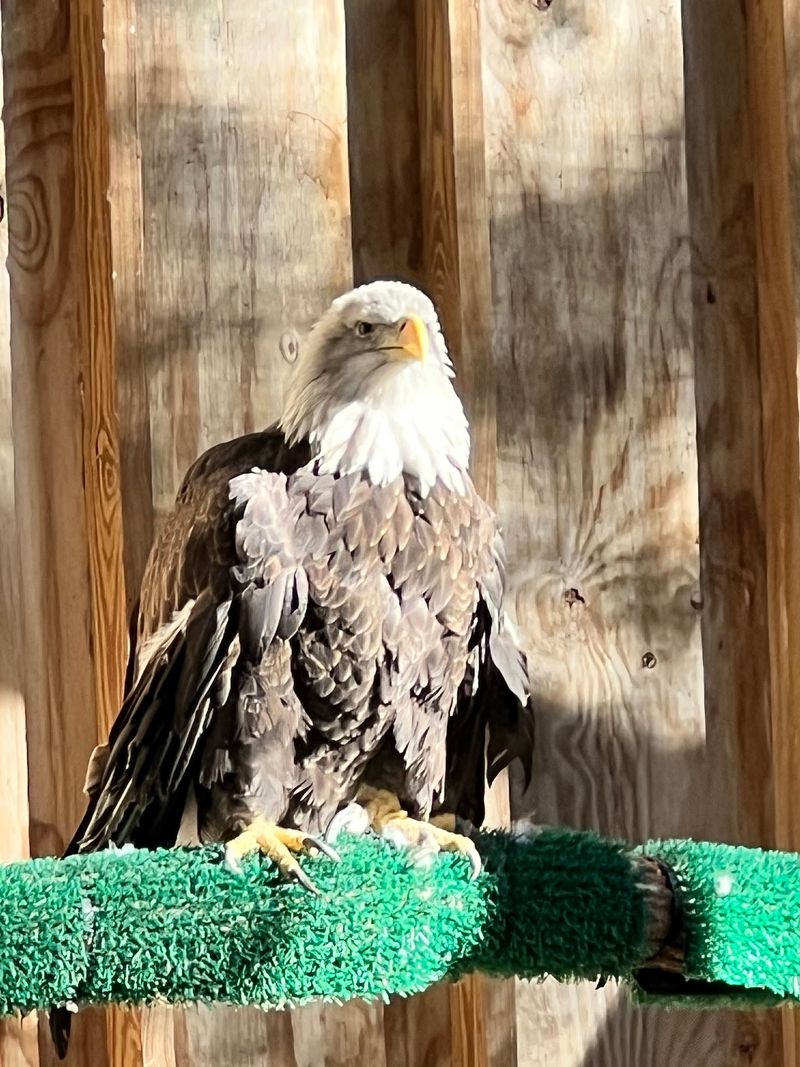
A bald eagle watches from an outdoor aviary in Millington. In Jackson, a wolfdog raises its muzzle and starts a chorus.
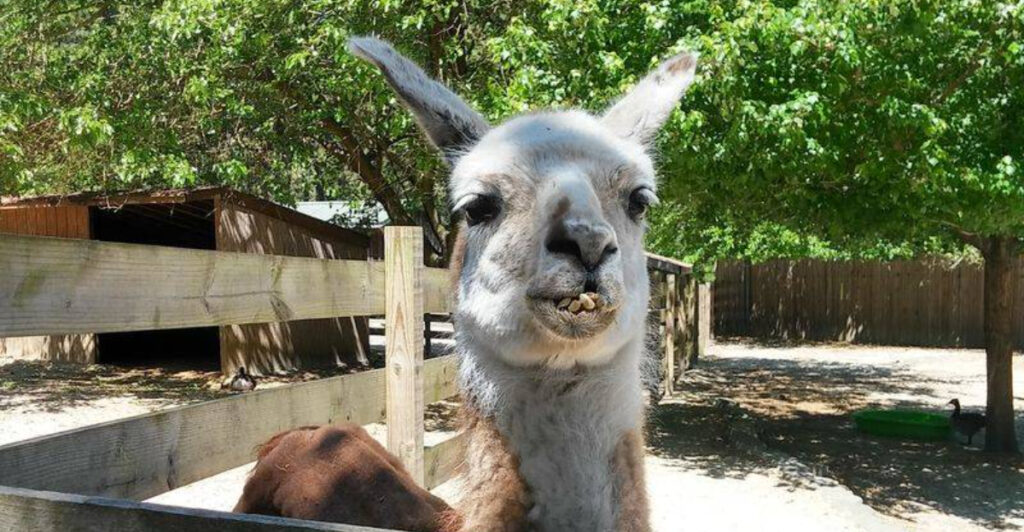
Farther south, a goat trots toward a visitor with the confidence of someone expecting snacks. These are not staged encounters with animals bred for display.
The residents at New Jersey’s rescues and sanctuaries arrived through injury, abandonment, neglect, or circumstances that made returning to the wild impossible. Getting close enough to notice a damaged wing, a suspicious glance, or a newly confident strut makes their recoveries feel wonderfully real.
Some facilities welcome casual drop-ins, while others open only for guided tours, scheduled events, or appointments. That distinction matters, so check the latest visitor information before grabbing your keys.
From native raptors and foxes to rescued pigs, donkeys, and wolfdogs, these ten places offer something better than a quick animal sighting: the chance to understand exactly who you are meeting and how they survived.
1. The Raptor Trust – Millington
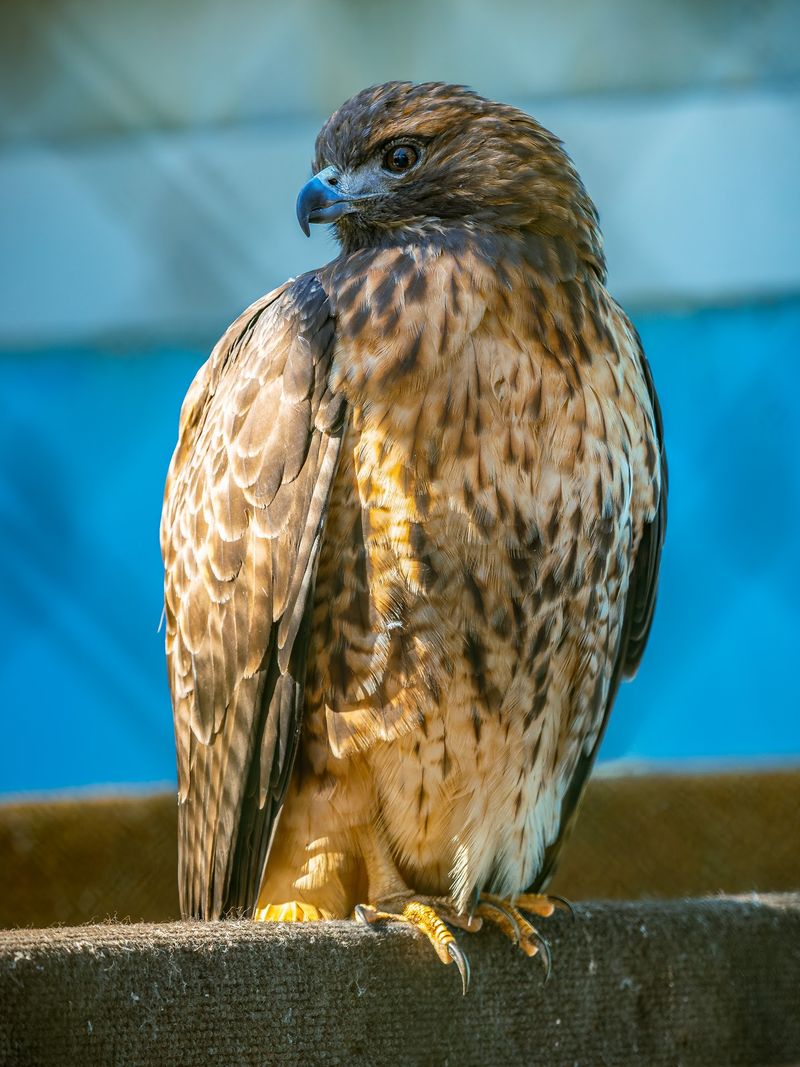
A red-tailed hawk looks much bigger when there is no television screen shrinking it. At The Raptor Trust, visitors follow a peaceful outdoor aviary trail past hawks, owls, falcons, vultures, and eagles that cannot safely return to the wild.
Some have permanent injuries; others became too accustomed to humans after being kept illegally. Their circumstances differ, but each now helps visitors understand New Jersey’s wild birds in a way that a field guide never quite can.
The Millington facility has rehabilitated injured and orphaned birds since 1983. Birds still recovering are kept in private areas away from guests, while roughly 40 resident raptors occupy the public aviaries.
That separation is important: this remains a working rehabilitation center, not a petting zoo. Walk quietly, stay on the gravel paths, and give yourself time to watch.
An owl that appears motionless at first may slowly turn its head to track a squirrel, while a raven may be studying you just as closely. General visits are self-guided, and admission is by donation.
Staff-led tours and educational programs can also be booked for groups wanting more context. Hours change seasonally, although the grounds are typically open every day.
Pair the visit with a walk at the neighboring Great Swamp National Wildlife Refuge, and suddenly you will find yourself scanning every treetop on the drive home.
2. Popcorn Park Animal Refuge – Forked River
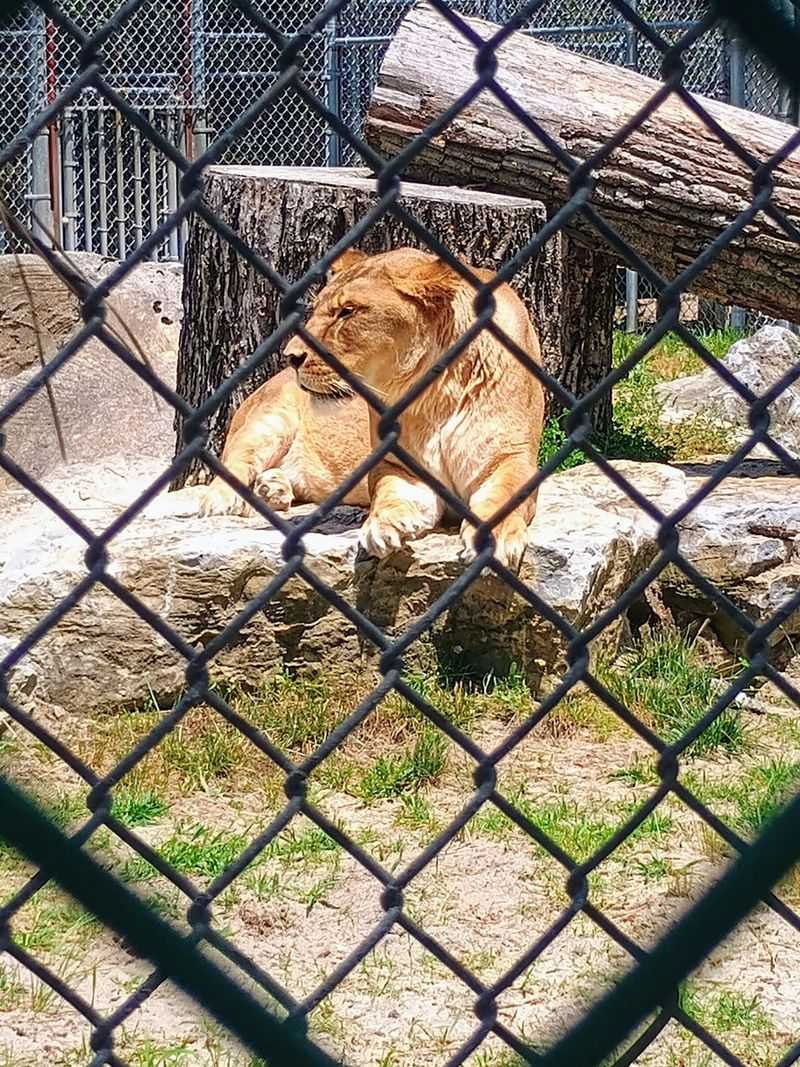
The first surprise at Popcorn Park is the guest list. Lions, monkeys, pigs, reptiles, birds, and other rescued animals share this compact refuge in the Pine Barrens, creating a walk that can shift from big-cat country to the farmyard in minutes.
More than 200 residents live here, many after being abandoned, exploited, injured, or surrendered by owners who could no longer care for them. The refuge began in 1977 with an injured raccoon that could not be released.
That single rescue grew into one of New Jersey’s best-known havens for wildlife, exotic animals, and farm animals needing permanent care. Individual signs and educational displays put the focus where it belongs: on how each resident arrived and what proper long-term care involves.
Recent arrivals have included animals as different as an African serval, a pig, and a tegu found in a Newark parking lot. The layout is intimate and walkable rather than sprawling, making it manageable for families who do not want an exhausting all-day outing.
A self-guided visit works well, but a private guided tour adds the residents’ backstories and details about their daily care. Tours require advance booking, and the mostly outdoor setting calls for weather-appropriate shoes.
Before leaving, allow time for the adjoining adoption center, where dogs and cats are still waiting for their own survival stories to gain a much happier final chapter.
3. Woodford Cedar Run Wildlife Refuge – Medford
Follow the half-mile path around Cedar Run Lake and the forest eventually gives way to enclosures housing some of New Jersey’s most compelling native survivors. Owls, hawks, vultures, turtles, skunks, and other animals live in the Wildlife Housing Area because injuries or other limitations prevent them from managing safely in the wild.
More than 50 permanent residents turn an easy woodland walk into a close look at the state’s surprisingly varied wildlife. Cedar Run occupies 171 acres along the edge of the Pine Barrens, so the setting is part of the experience.
Three miles of trails pass wetlands, upland forest, and a seven-acre lake. Visitors short on time can cross the bridge directly to the animal area, but the longer route makes the encounter feel earned.
Inside the Woodford Nature Center, hands-on exhibits and a reptile room introduce local snakes and turtles without turning the lesson into homework. The wildlife hospital operates separately and is not open for casual viewing.
That boundary protects patients being prepared for release, while the permanent animal ambassadors help explain what rehabilitation involves and why some cases end differently. Cedar Run is generally open daily, with modest admission covering the nature center, trails, and resident-animal area.
Dogs must stay home. Bring walking shoes, insect repellent in warm weather, and a little patience; spotting a fox peering through the greenery is far better than racing through just to tick off every enclosure.
4. Howling Woods Farm – Jackson
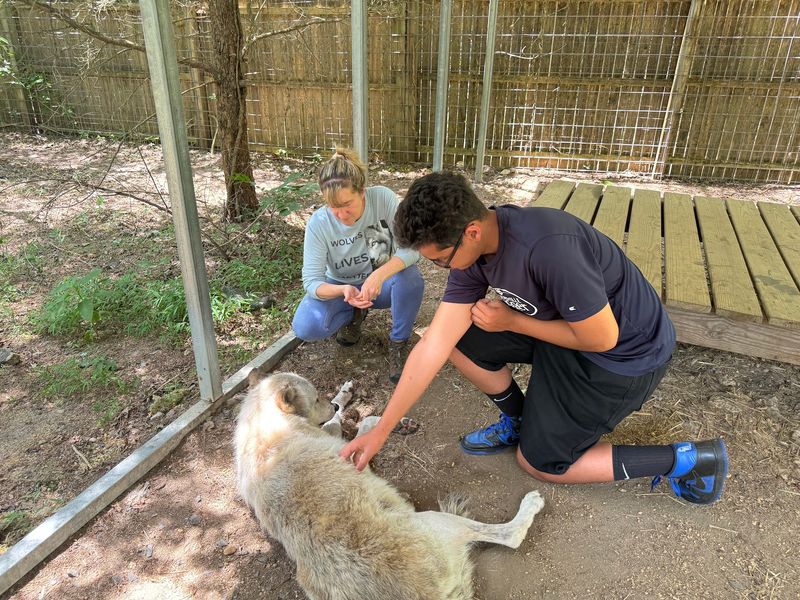
You may hear the pack before you see it. One wolfdog starts calling, another answers, and soon the wooded property in Jackson sounds far removed from nearby suburban New Jersey.
Howling Woods Farm rescues domestic-bred wolfdogs and northern-breed dogs while teaching visitors why these striking animals are far more complicated than their dramatic looks suggest. The one-hour guided visit introduces residents by name, not simply by breed or wolf content.
Their stories often reveal what happens when people acquire wolfdogs without understanding their strength, containment needs, social behavior, or lifelong care. Some residents are outgoing around visitors, while others prefer distance.
Guides explain those differences and dismantle plenty of myths along the way, including the romantic idea that a wolfdog is simply a more impressive version of a family dog. This is one stop where planning ahead is nonnegotiable.
The farm accepts visitors by appointment on selected weekdays and weekends, and available dates can shift when animals and staff attend off-site programs. Call during weekday business hours to arrange a tour rather than arriving at the gate and hoping for the best.
Closed-toe shoes are sensible, as is leaving extra room in the schedule for Jackson traffic. The experience is controlled, educational, and refreshingly honest.
You leave impressed by the animals, certainly, but also much clearer on why admiring a wolfdog and being equipped to own one are entirely different things.
5. Funny Farm Rescue & Sanctuary – Mays Landing
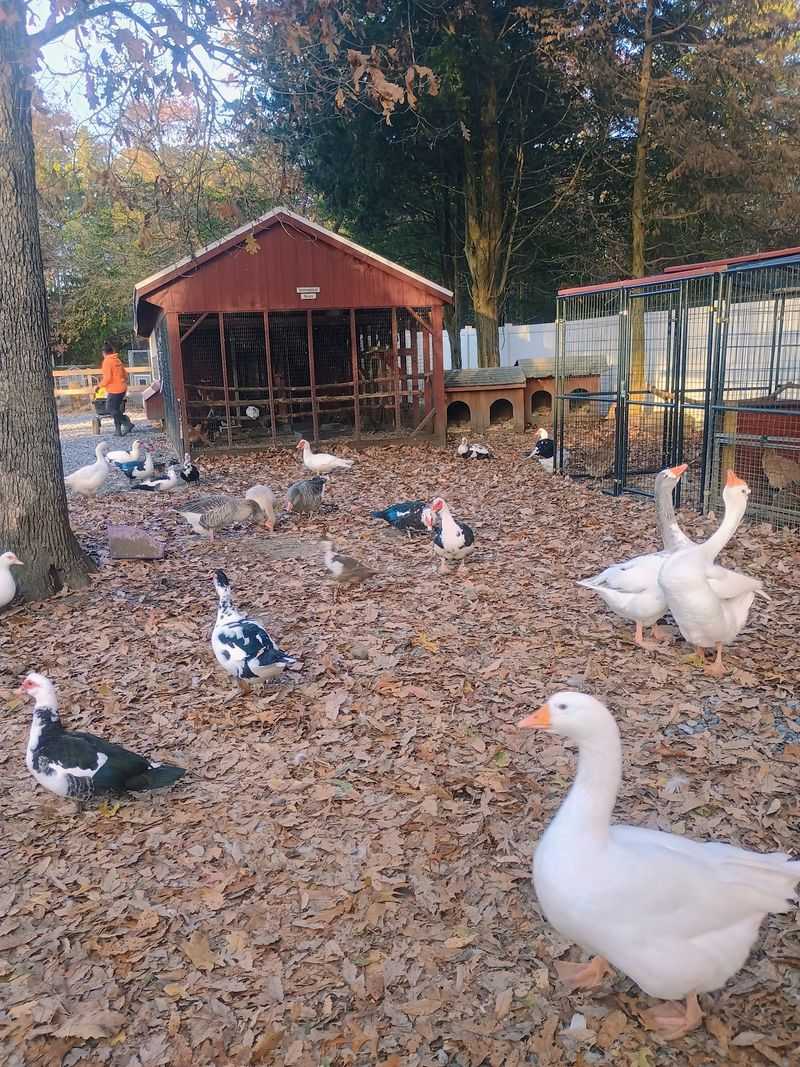
At Funny Farm, the social order makes perfect sense to the animals and almost nobody else. Chickens wander past pigs, goats investigate visitors, cats claim sunny corners, and a large steer may appear as though he owns the road.
Many of the sanctuary’s hundreds of rescued residents move freely around the property, forming unlikely friendships that turn an ordinary farm walk into cheerful, low-stakes chaos. The Mays Landing rescue provides permanent care for abused, abandoned, unwanted, and special-needs animals.
Its population includes horses, alpacas, pigs, goats, birds, dogs, cats, and plenty of harder-to-categorize characters. Instead of dwelling only on difficult beginnings, the sanctuary emphasizes what residents are doing now: building routines, finding companions, and developing reputations for mischief.
Every animal has a name, a history, and apparently a self-appointed job. No appointment is needed during regular public hours, which are typically Tuesdays and Sundays from 8 a.m. to 4 p.m.
Admission and parking are free, though donations and wish-list supplies help cover the considerable cost of caring for such a large family. Stop at the general store for animal food approved by the sanctuary; feeding whatever you brought from home is not allowed.
Wear shoes that can handle dirt and watch where you step, because free-roaming residents do not observe pedestrian lanes. This is the loosest, funniest visit on the list, but the rescue work underneath all that barnyard commotion is serious.
6. Tamerlaine Sanctuary & Preserve – Montague
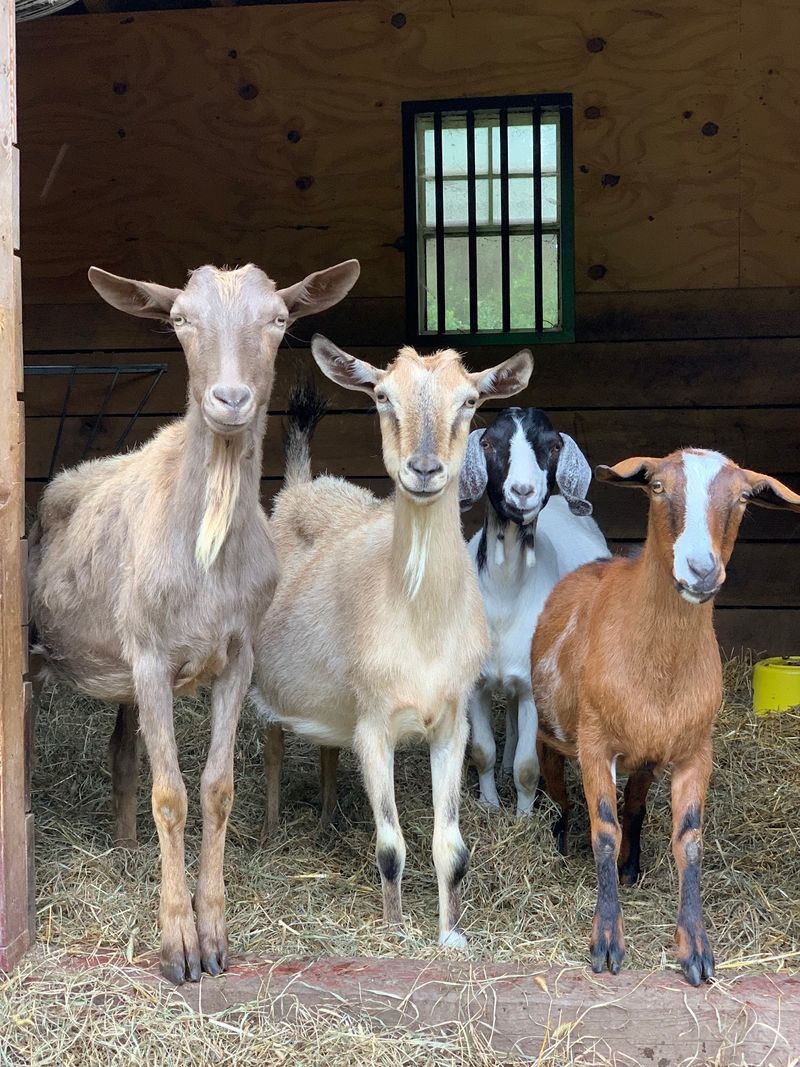
A handsome historic farm in Montague holds more than pastoral scenery. Its barns and pastures are home to over 250 animals rescued from situations that include neglect, factory farming, abandonment, and threatened ritual slaughter.
During a tour, a pig or sheep that first appears to be part of a pleasant country tableau quickly becomes an individual with preferences, friendships, and a very specific past.
Tamerlaine began rescuing farmed animals in 2013 and has since become New Jersey’s first sanctuary accredited by the Global Federation of Animal Sanctuaries.
Guided visits are central to its mission. Educators introduce residents and discuss what their recoveries have required, from medical treatment to the slow work of rebuilding trust.
The tone is thoughtful and direct, but the animals prevent things from feeling solemn for long. Goats have a habit of interrupting serious conversations at exactly the right moment.
Public educational tours are generally offered on weekends at noon during the visitor season and last around 90 minutes. Private tours, usually about two hours, can accommodate small groups on other days.
Reserve ahead, arrive early, and wear sturdy closed-toe shoes; sandals can keep you from entering animal areas. Bug spray and clothes that can survive a little mud are wise additions.
Tamerlaine works especially well for visitors who want more than a quick walk past enclosures. The unhurried format leaves room for questions—and for residents who choose to come over and investigate.
7. Muddy Paws Farm Rescue – Southampton Township
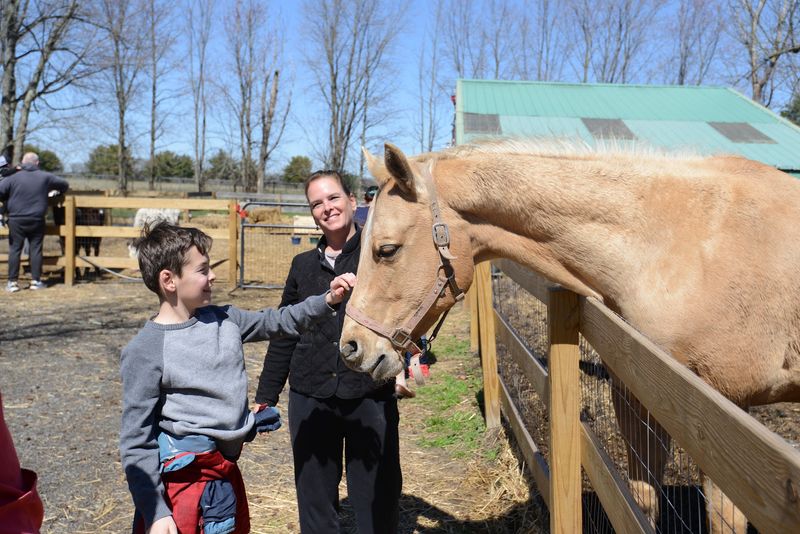
A bucket of approved treats can make someone very popular in Southampton Township. At Muddy Paws Farm Rescue, goats, sheep, donkeys, and other farm animals quickly notice which visitors have arrived prepared.
The easy interaction gives the farm a friendly, accessible feel, but the residents’ histories add real substance to the fun. Muddy Paws combines sanctuary care with family-oriented programs designed to introduce people to individual animals.
Open-farm days let guests wander the grounds at a relaxed pace, while story times pair a farm-themed book with a supervised animal encounter. Children can meet and sometimes feed residents rather than admiring them from the far side of a field.
There is also room to play, sit, and slow down, which parents of energetic younger visitors will appreciate. For a closer account of how the animals reached the sanctuary, look for the private Trails & Tales experience.
Small groups ride across the property in an off-road vehicle, stopping to meet residents and hear about their rescues and personalities. It is particularly useful for anyone who cannot comfortably cover the farm on foot.
Public access depends on scheduled openings and programs rather than consistent daily hours, so check the calendar and reserve when required. Treat bags are generally sold on-site; outside food should remain in the car.
The best visits balance feeding-time enthusiasm with a few quiet minutes spent watching old fears give way to curiosity.
8. Home Sweet Home Animal Sanctuary – Hardwick
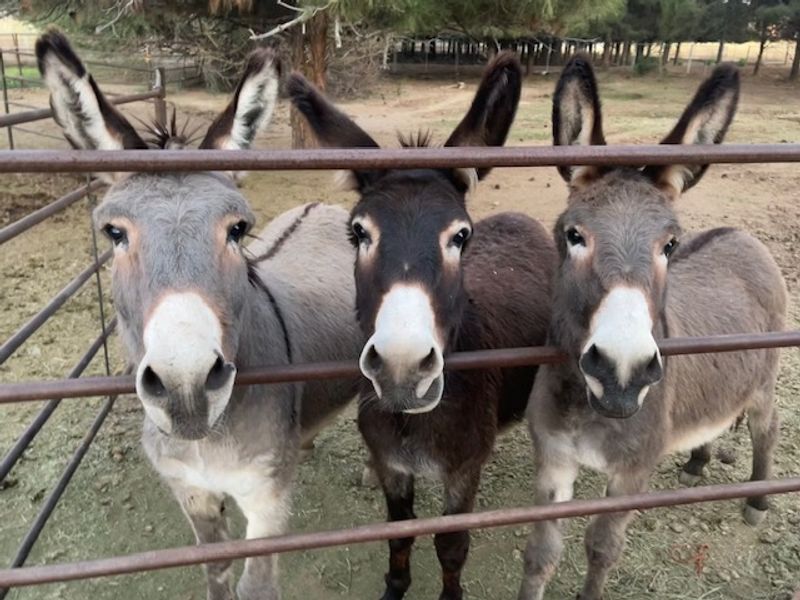
Four hundred and fifty farm animals make a considerable amount of noise, especially when they believe breakfast is late.
Home Sweet Home Animal Sanctuary in Hardwick provides a permanent home for a sprawling community of displaced residents, including animals previously abused, abandoned, or surrendered when their owners could no longer afford their care.
The sanctuary follows no-kill and no-breeding policies, focusing its resources on giving existing residents stable, healthy lives. The scale is what stays with you.
One rescued goat is touching; entire fields and barns filled with animals needing second chances reveal how often farm animals fall through the cracks.
Walking the property offers opportunities to meet different species while learning about the everyday realities of sanctuary care—feed, fencing, hoof work, veterinary attention, shelter, and more feed.
Home Sweet Home opens to the public during designated seasons, but its calendar includes closures, particularly during periods of difficult weather. That makes a same-day check essential before undertaking the drive into rural Warren County.
Admission is a donation-based fee that directly supports the animals, and sturdy shoes are the unofficial dress code at any working farm. Expect dirt, uneven ground, and residents unconcerned with keeping your clothes clean.
This is not a polished animal attraction, and that is precisely its strength. You see the scale of the work up close, along with the wonderfully ordinary routines that rescued animals get to enjoy once crisis is no longer their daily reality.
9. The Oasis Animal Sanctuary – Franklinville
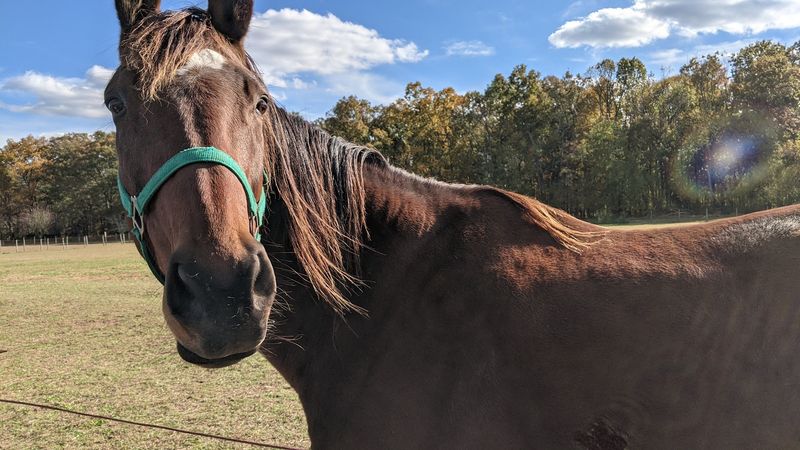
Not every survivor is waiting behind a public exhibit fence. At The Oasis Animal Sanctuary, many residents are companion animals and farm animals who arrived after abuse, homelessness, age-related rejection, or the threat of euthanasia elsewhere.
Some eventually move into adoptive homes; others remain permanent residents when sanctuary care is the kinder, safer outcome. Oasis spent its early years working through foster homes before acquiring a 21-acre Franklinville farm in 2015.
That history still shapes its practical, community-based approach. Alongside rescue and adoption, the organization supports sterilization efforts intended to reduce the number of unwanted animals entering already crowded shelters.
The result is a place concerned not only with emergency saves, but also with preventing the next crisis. This is not a casual walk-in attraction, so arrange contact before visiting.
The best opportunities to connect with the animals come through scheduled events, volunteering, adoption appointments, and other organized programs. Check current availability, and do not assume the farm is open simply because you are nearby.
Prospective adopters should complete the required application and wait for the team to arrange the next step. Visitors wanting a longer relationship can explore volunteering, which may involve animal care as well as property maintenance and fundraising support.
Oasis closes the list with a useful reminder: sometimes standing close enough to learn an animal’s story means showing up consistently, earning trust, and perhaps helping write what happens next.