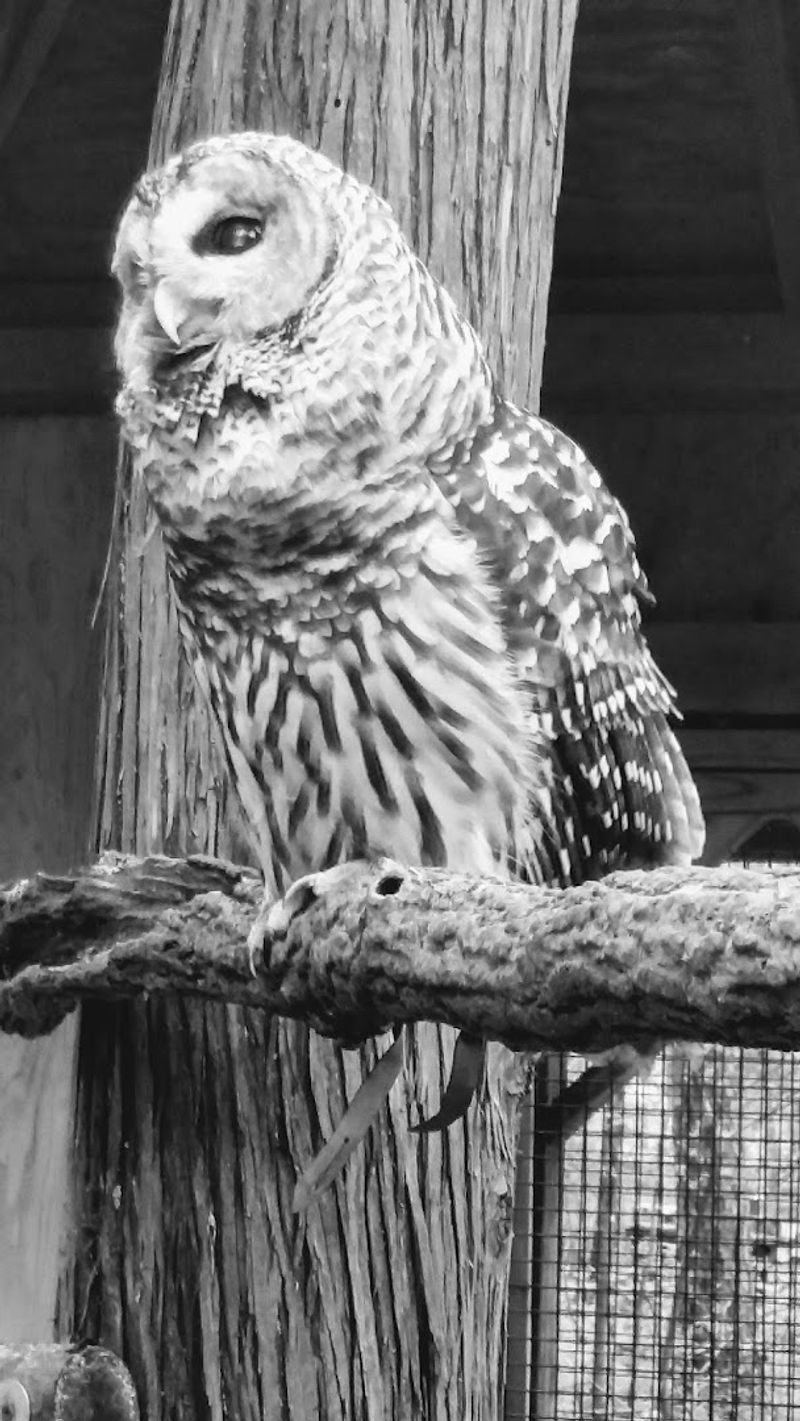
A barred owl blinking from an aviary. A wolf lifting its head before the whole pack answers.
A goat in a tiny wheelchair deciding, with total confidence, that you are now part of its social circle. New Jersey has plenty of boardwalks and diners, sure, but some of its most memorable day trips happen in quieter places where rescued animals are the main characters.
These rescues and sanctuaries are not all the same kind of outing. Some are polished visitor destinations with trails and education centers.
Others are working farms where the visit feels more like being invited behind the gate. A few require appointments because the animals come first, which is exactly the point.
What they have in common is simple: they give animal lovers a closer, more personal way to understand rescue work, rehabilitation, and the second-chance stories happening all over the Garden State.
1. The Raptor Trust – Millington
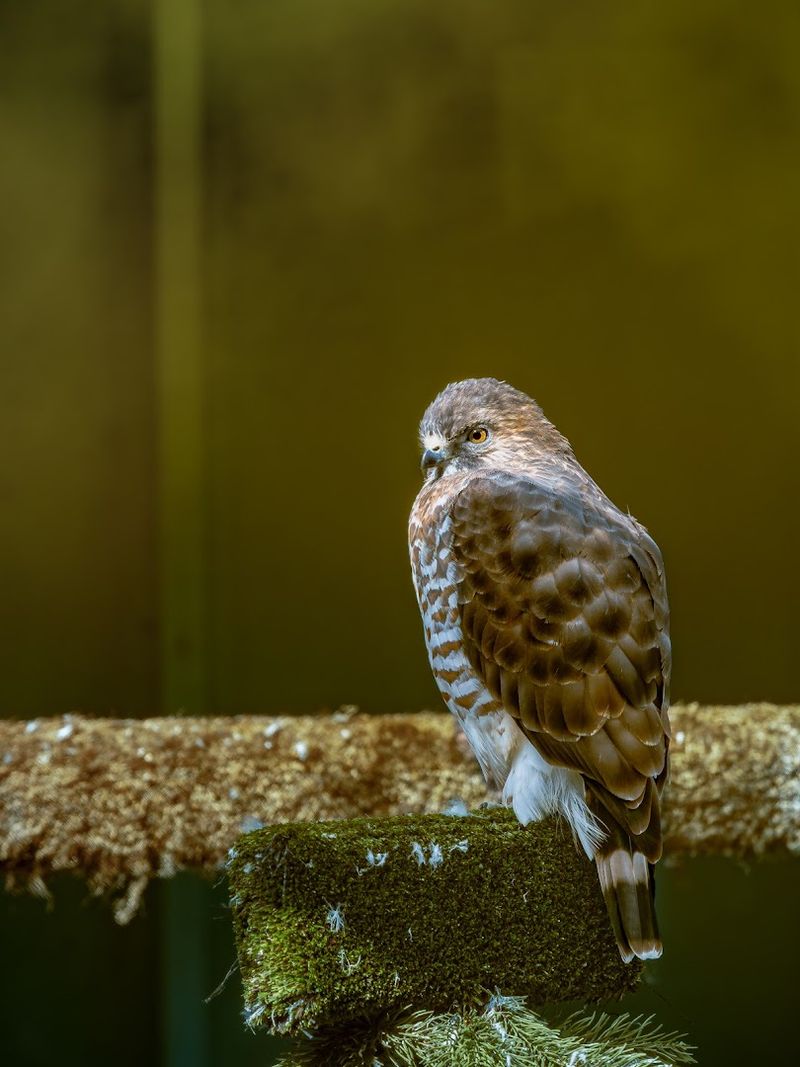
A few minutes from the Great Swamp, this is the kind of place where kids suddenly go quiet in the best possible way. The Raptor Trust specializes in wild bird rehabilitation and environmental education, and its grounds include an infirmary, education center, gift shop, and more than 70 exterior cages and aviaries.
That means your visit can feel wonderfully immediate: hawks, owls, vultures, and other birds of prey are close enough to study, but still protected in a calm setup built around their needs.
The permanent residents here are birds that cannot safely return to the wild, so every enclosure doubles as a lesson in what survival looks like after injury, imprinting, or disability.
It is a strong pick for readers who want something more meaningful than a quick animal photo op. Walk slowly, read the signs, and give yourself time to notice the differences between species: the blunt power of a hawk, the stillness of an owl, the surprising elegance of a turkey vulture.
The Raptor Trust is open daily in Millington, with seasonal hours posted by the organization, and the setting makes it easy to pair with a Great Swamp-area nature day.
2. Woodford Cedar Run Wildlife Refuge – Medford
The best way to do Cedar Run is not to rush straight to the animals. Start with the trees, the lake, the sandy Pinelands feel underfoot, and then let the wildlife housing area come into view like a reward.
This 171-acre nonprofit refuge in Medford combines a nature center, hiking trails, a wildlife housing area with native New Jersey residents, and a rehabilitation hospital that handles thousands of wild animals each year.
That mix is what makes it such a strong family stop: one minute you are on a trail, the next you are meeting the kinds of animals most people only glimpse from a car window or hear rustling after dark.
Expect owls, raptors, reptiles, and other native ambassadors rather than exotic spectacle. The mood is educational without feeling stiff, and it works especially well for curious kids who ask “what happened to that animal?” and actually want the answer.
The nature center and hiking trails are open to the public seven days a week, so this is one of the easier rescues to fold into a casual South Jersey outing. Wear shoes that can handle dirt paths, and leave extra time for the trails.
3. Popcorn Park Animal Refuge – Forked River
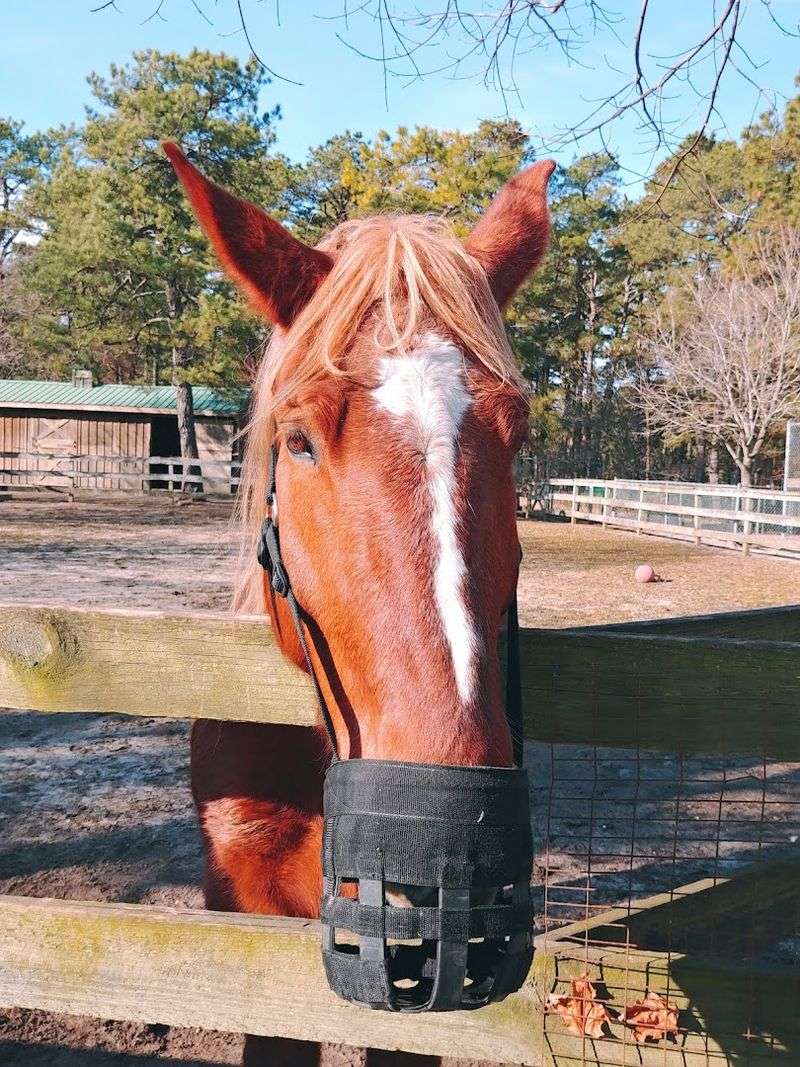
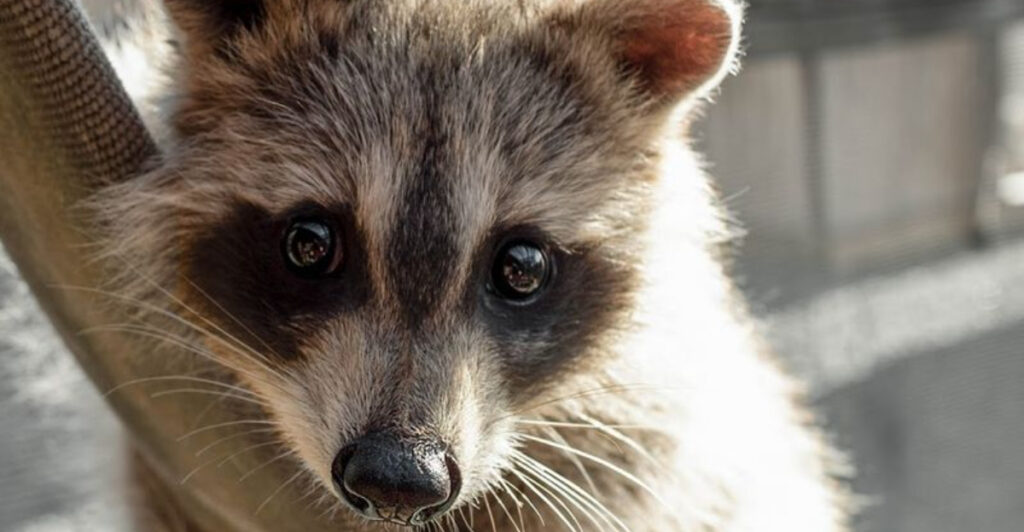
This Ocean County favorite has an old-school charm that sneaks up on you. Popcorn Park began in 1977 after the rescue of a raccoon caught in a leg-hold trap, and it has grown into a refuge for more than 200 animals and birds in the Pine Barrens.
The residents are an unusually mixed crew: exotic animals, native wildlife, farm animals, and birds whose stories often involve abandonment, cruelty, injury, illness, inappropriate ownership, or simply nowhere else to go. That variety is the draw.
You might pass big cats and primates, then turn a corner and find goats, pigs, sheep, donkeys, or birds with their own loyal fan clubs. It has more of a sanctuary-zoo feel than a tiny rehab center, so it is a good choice for visitors who want a straightforward walk-through experience.
Practical note: this is not the place to bring snacks for the animals. Feeding is not allowed because many residents have specialized diets, and pets are not allowed in the refuge for safety.
Hours and admission vary by season, with the park generally operating 10 a.m. to 4 p.m. and last admission stopping at 3:30 p.m.
4. Mercer County Wildlife Center – Titusville
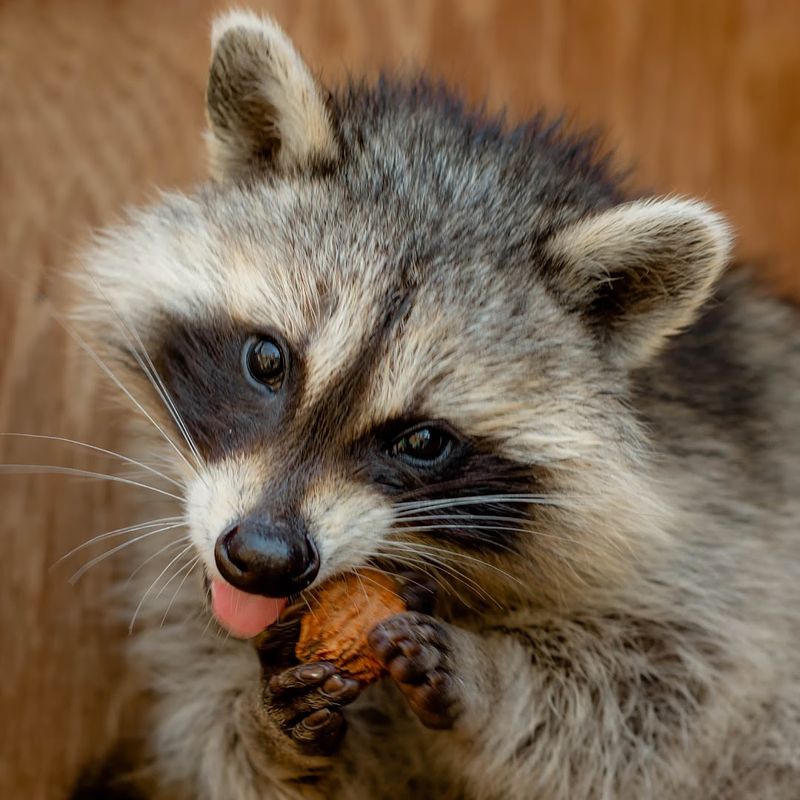
This one is less “big day out” and more “quietly important local institution,” which is exactly why it belongs on the list. The Mercer County Wildlife Center cares for injured, ill, and displaced native wildlife, giving birds and mammals medical treatment and a temporary refuge before release.
The behind-the-scenes work is the heartbeat here, but visitors can still connect with the mission through its Outdoor Education Environment, home to permanent residents that cannot survive in the wild because of severe injury or improper hand-raising. That makes the experience more thoughtful than flashy.
You are not there to be entertained by animals performing; you are there to understand why a hawk, owl, or mammal might need a lifelong protected home.
The center is also a useful reminder that “wildlife rescue” often begins with very ordinary moments: a stunned bird, an orphaned mammal, a neighbor who knows enough to call the right place.
Patient drop-offs are by appointment, but the Outdoor Education Environment is open to the public year-round Wednesday through Sunday, 10 a.m. to 4 p.m. It is listed at 1748 River Road in Lambertville, near the Titusville area, so double-check directions before heading out.
5. Marine Mammal Stranding Center – Brigantine
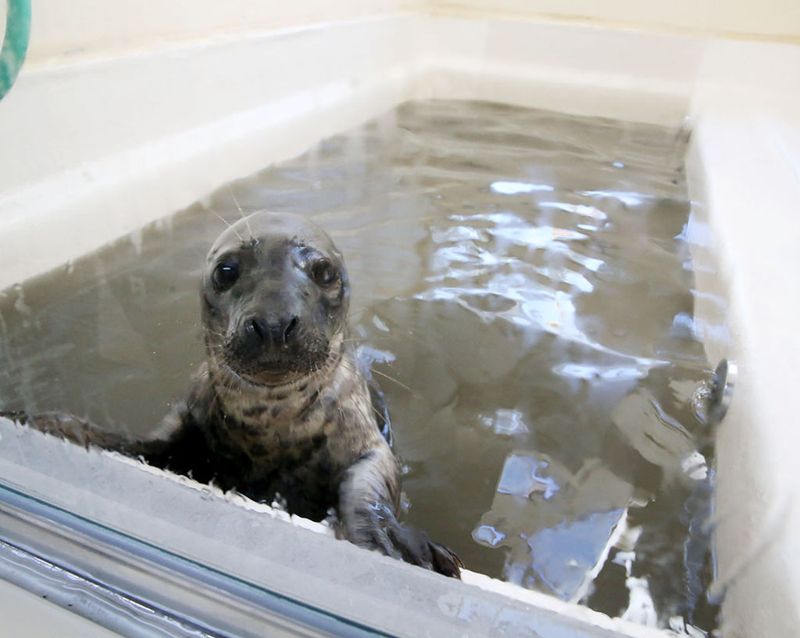
There is something very Jersey about a rescue center where the heroes might be wearing waterproof boots and heading toward a stranded seal instead of a cape.
The Marine Mammal Stranding Center in Brigantine has been around since 1978 and is the state’s federally authorized rescue, rehabilitation, and release facility for marine mammals, as well as the authorized first responder for sea turtle strandings and disentanglements in New Jersey.
This is not a cuddle-the-seals stop, and it should not be treated like one. The animals here are patients, and distance is part of the care.
What visitors get instead is a sharper understanding of what happens when seals, dolphins, whales, or sea turtles run into trouble along the coast. The Sea Life Museum and education center offer a public-facing way to learn about the work, with seasonal hours, exhibits, a gift shop, and updates tied to rescue and release efforts.
It is a smart Brigantine add-on for families already near the shore, especially for kids who love ocean animals but are ready for a more real-world version of marine life than a souvenir-shop dolphin.
6. Lakota Wolf Preserve – Columbia
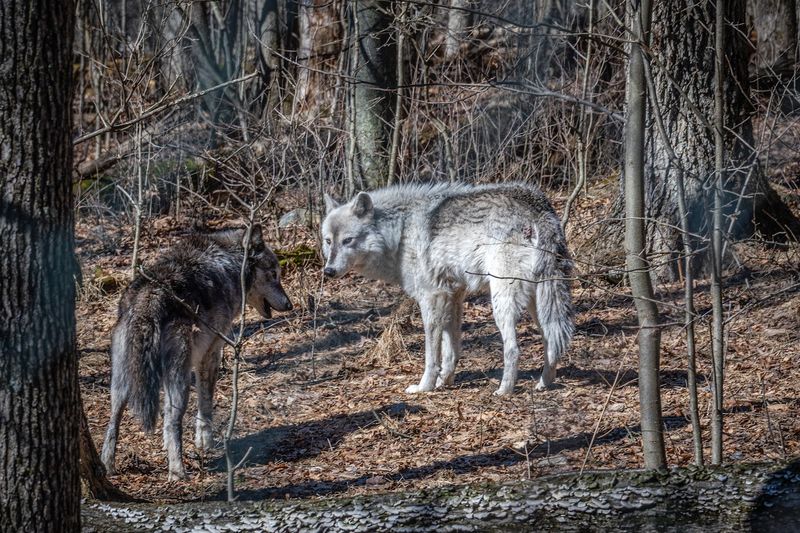
The first howl is the moment people remember. Lakota Wolf Preserve sits in Columbia and offers guided tours where visitors can observe wolves, along with bobcats, lynx, and foxes, in natural-habitat settings.
The preserve describes itself as the largest natural-habitat animal preserve with wolves, bobcat, lynx, and fox in the Northeastern United States, and that scale gives the visit a very different feel from a small farm sanctuary. You are watching animals with space, structure, and social lives, not pacing past a single enclosure.
The tours are the move here. They are built around education, so you learn about pack behavior, wolf communication, and why captive-born animals cannot simply be released into the wild.
Photographers also love this place, but casual visitors should resist the urge to experience the whole visit through a lens. Watch how the wolves read each other, how quickly the energy changes, and how the preserve’s guides keep the focus on respect rather than drama.
The address is on Mount Pleasant Road in Columbia, and tours should be booked ahead rather than treated as a drop-in stop.
7. Howling Woods Farm – Jackson
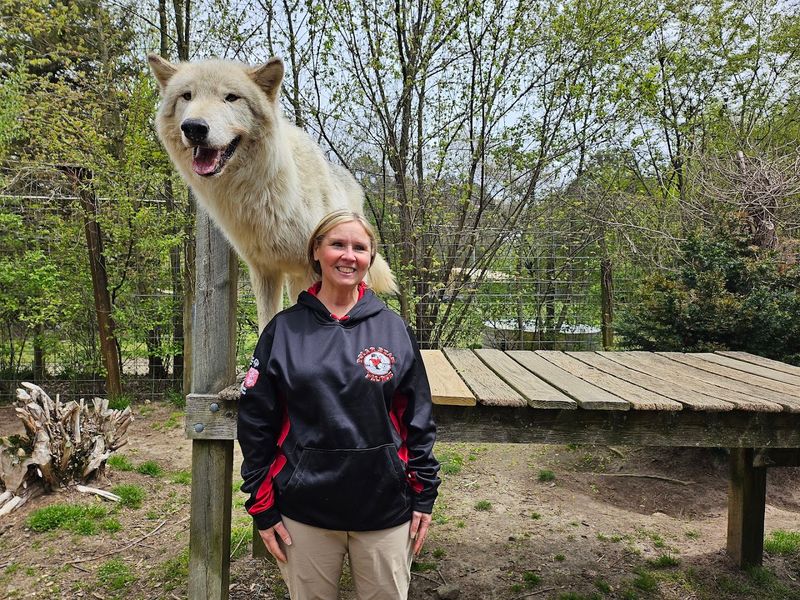
Near Jackson’s busier attractions, Howling Woods Farm feels like a completely different New Jersey rhythm: slower, quieter, and centered on animals that most people misunderstand before they meet them.
This nonprofit learning center and rescue focuses on wolves and wolfdogs, offering public education about what these animals are, what they are not, and why wolfdog ownership is far more complicated than many people realize.
Visits are by appointment only, and that rule matters. The farm is clear that walk-ins will be turned away, which protects both visitors and animals and keeps the experience controlled.
Once you are there, the appeal is the close, personal nature of the visit. You may meet individual wolfdogs, hear their stories, and learn why domestic-bred wolfdog hybrids and northern breeds sometimes need specialized rescue and placement.
This is a great section for readers who like animal encounters with a side of myth-busting. It is also a good place to remind people that “beautiful” does not mean “easy pet.” Appointments are generally available on weekends and weekday afternoons when the farm is open, but visitors should check the schedule and book by phone as directed.
8. Funny Farm Rescue & Sanctuary – Mays Landing
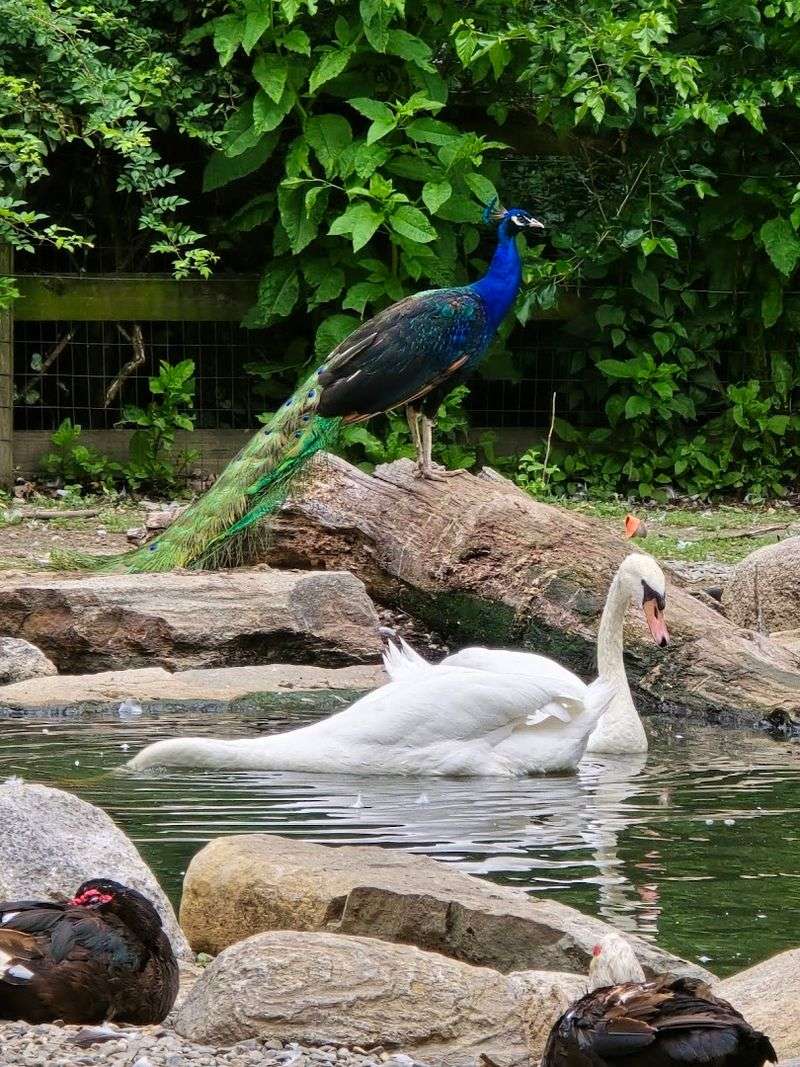
At Funny Farm, the animals do not all seem to know they are supposed to stay in their own lanes. That is part of the magic.
This Mays Landing sanctuary is home to more than 600 rescued animals, and many roam freely, making friends across species in ways that feel almost too sweet to be real.
The place was created for unwanted farm animals, domesticated animals, and animals with special needs, giving them a permanent home for the rest of their natural lives.
What makes it memorable is the lack of polish in the best sense: it feels like a working rescue with personality, not a staged attraction. You may meet farm animals, birds, cats, dogs, and oddball residents with backstories that turn a casual visit into something more emotional.
It is especially good for families who want kids to understand rescue as care, not just cuteness. The farm asks visitors to complete a waiver, and its public open days have traditionally been limited rather than daily, so this is one to plan around instead of assuming you can swing by anytime.
Admission has often been free, but donations and wish-list support are part of how places like this keep going.
9. Skylands Animal Sanctuary & Rescue – Wantage
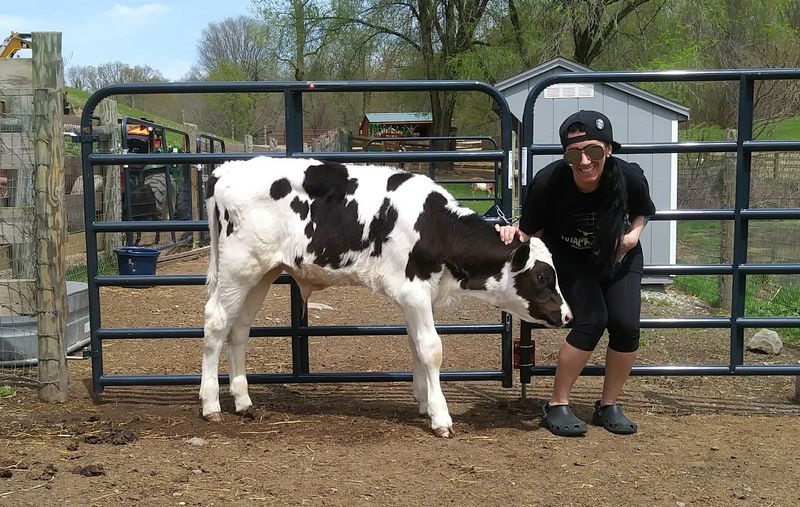
The drive into Sussex County sets the tone before you even step out of the car. Skylands Animal Sanctuary & Rescue sits on 232 acres of pastures and provides a home for more than 400 farmed animals, many of whom escaped slaughter or other dire circumstances.
This is the rescue for readers who want the full emotional arc: beautiful countryside, big animals grazing in open space, and stories that make the word “sanctuary” feel earned. The residents are not props in a rural photo shoot.
They are survivors, and the visit is best approached with that in mind. You may meet cows, pigs, goats, sheep, chickens, turkeys, and other farmed animals whose personalities come through quickly once you slow down.
Skylands is also a strong choice for people who like the idea of lingering; the sanctuary has promoted tours beginning in mid-May and even offers a B&B experience for visitors who want more than a quick walkthrough.
The most useful tip is to check tour availability before making the trip, because sanctuaries like this often operate around animal care, weather, and seasonal schedules. Go for the animals, but expect the setting to stay with you too.
10. Tamerlaine Sanctuary & Preserve – Montague
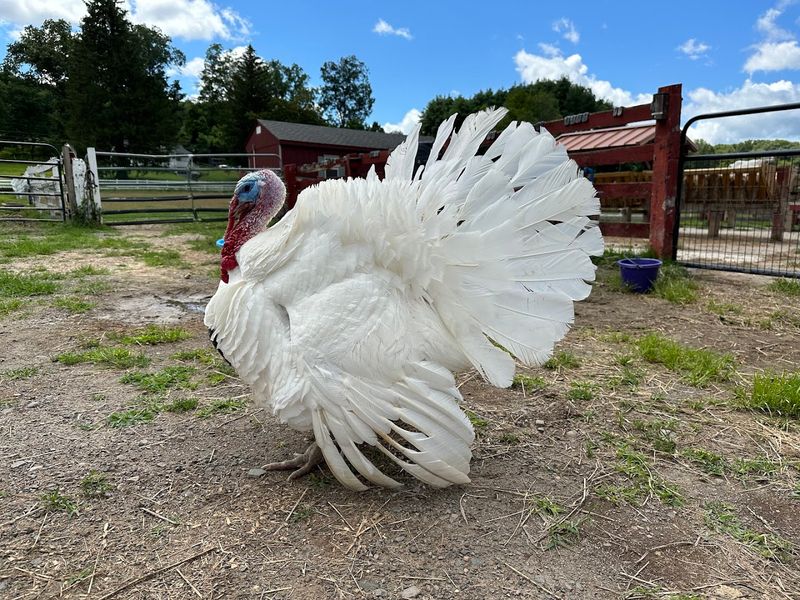
Some rescues feel intimate because they are tiny. Tamerlaine feels intimate despite being huge.
Set on 336 acres in Montague, this sanctuary is home to more than 250 rescued animals and presents itself as a peaceful farm setting of rolling meadows, paddocks, ponds, and barns. The scale gives the animals room, but the tours keep the experience personal.
Public tours are offered on weekends at noon, while private tours are available seven days a week, making it one of the more structured sanctuary visits on this list. The residents are farmed animals who were neglected, abused, or otherwise in need of a permanent home, and the organization’s mission is tied closely to humane education.
That means a visit here can be gentle and challenging at the same time. You might start by admiring a cow in a sunny field and end up thinking seriously about the systems that cow survived.
Tamerlaine is especially appealing for readers looking for a slower, more reflective day trip rather than a packed itinerary. It is also notable for being accredited by the Global Federation of Animal Sanctuaries, a detail that reinforces how seriously it frames animal care and public education.
11. Goats of Anarchy – Hampton
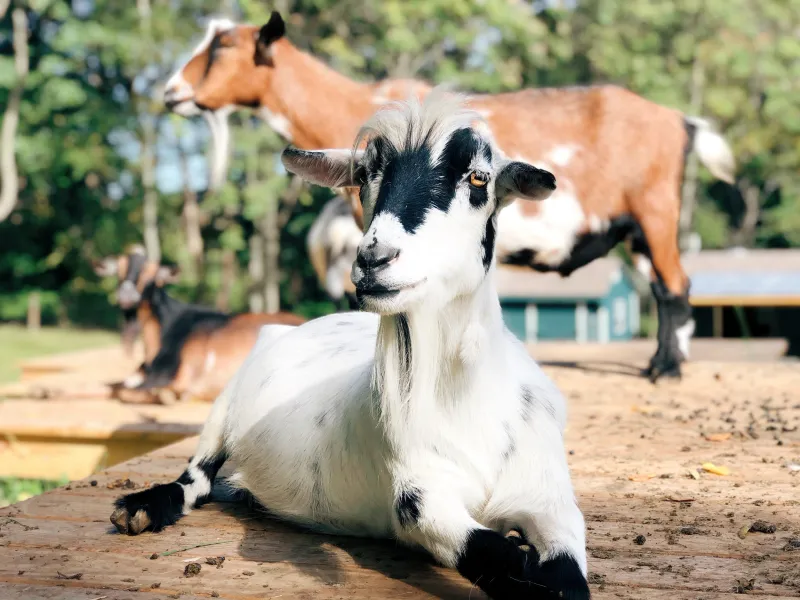
There are goat sanctuaries, and then there is Goats of Anarchy, where the residents have turned resilience into a full-blown brand of mischief. This Hampton sanctuary specializes in rescuing and rehabilitating farmed animals with disabilities, especially goats, and cares for more than 250 animals with a range of challenges.
Some have missing or partial limbs, some use prosthetics or wheelchairs, and others are blind or have neurological disorders. That could sound heavy, but the place has a joyful, no-pity energy when you understand the mission: give animals with special needs the care, equipment, and daily support they need to thrive.
Visits are not always standard drop-ins. The sanctuary has offered visitor dates every other weekend, with guests receiving an introduction, participating in a volunteer shift, and touring the property.
That format makes the experience feel more connected than simply walking around and pointing at cute goats, although there will absolutely be cute goats. This is a perfect entry for readers who want a hands-on sense of what rescue work can look like after the dramatic “saving” part is over.
The lasting impression is not just the animals’ disabilities, but their confidence, attitude, and very strong opinions.
12. Muddy Paws Farm Rescue – Southampton
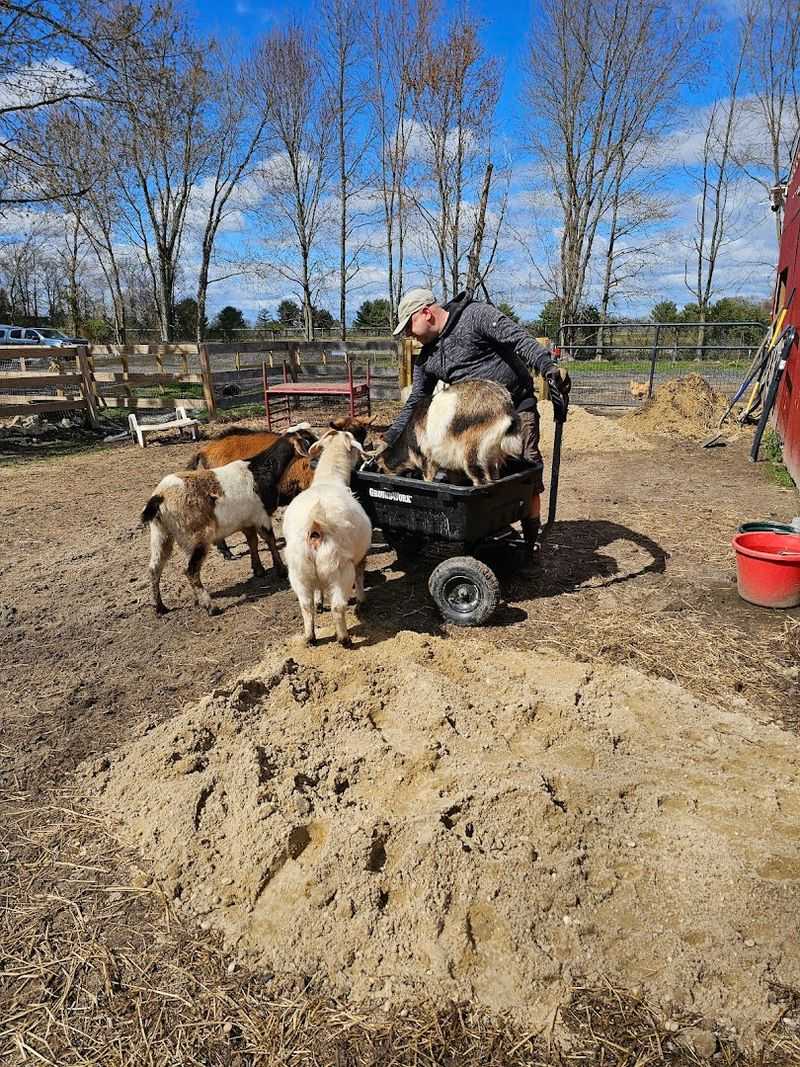
Muddy Paws has the easygoing feel of a South Jersey farm visit, but with a rescue mission behind every fence. Located in Southampton, it is home to more than 100 rescued animals and opens to visitors on Sundays from noon to 3 p.m.
The experience is simple in a good way: meet goats, cows, donkeys, chickens, ducks, and other residents; wander the property; and learn a little about how the animals came to live there.
No reservations are required for regular Sunday open farm days, which makes this one of the friendlier options for families who do not want to plan weeks ahead.
There is also a nice practical perk for kids: animal treats are available at the farm for visitors who want to feed residents, while outside treats are not allowed for safety. One of the best-known residents is Wasabi, a gentle giant who arrived as an unwanted calf from a dairy farm and has become a visitor favorite.
That kind of story is exactly why Muddy Paws works as more than a casual petting-farm substitute. It lets readers enjoy the goats and donkeys while still understanding that every animal here needed a soft place to land.
Share this story