Back in the 1840s, thousands of German immigrants sailed across the Atlantic and made Texas their home. They brought their language, architecture, food, and traditions with them, planting roots in the Hill Country and beyond. Today, you can still walk down streets where German is spoken, taste authentic schnitzel and strudel, and admire old stone buildings that look like they belong in Bavaria.
1. Castroville
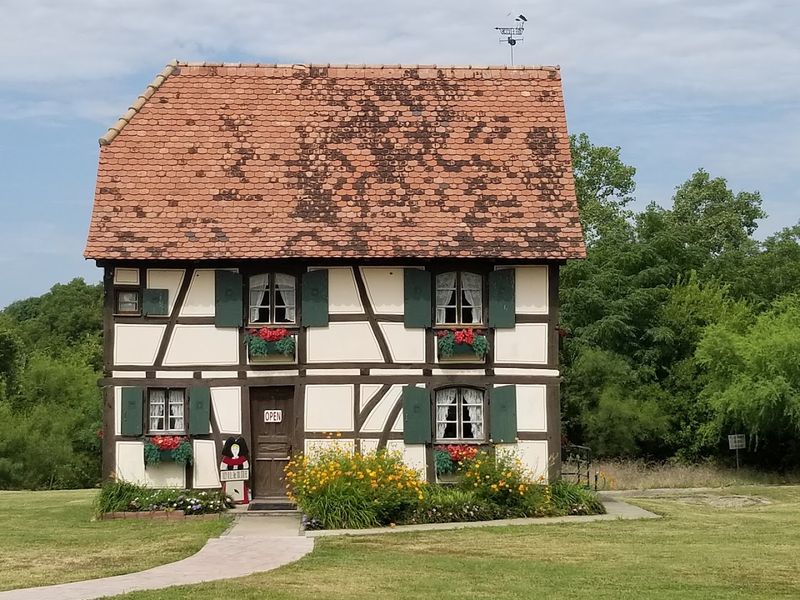
Founded in 1844 by Henri Castro and a group of Alsatian settlers, this town sits just west of San Antonio and proudly calls itself the Little Alsace of Texas. The original colonists weren’t technically German but came from the Alsace region, which has bounced between French and German control for centuries. Their influence shows in every corner of town.
Walking through the historic district feels like stepping back in time. Limestone buildings with steep roofs line the streets, and many still have their original hand-carved wooden doors. The Landmark Inn, built in 1849, served as a stagecoach stop and still welcomes guests today with its thick stone walls and period furnishings.
St. Louis Catholic Church dominates the skyline with its Gothic Revival spire. Inside, you’ll find stained glass windows and hand-painted stations of the cross that the early settlers commissioned. The craftsmanship reflects the pride these immigrants took in their new community.
Haby’s Alsatian Bakery has been turning out traditional pastries since 1974, following recipes passed down through generations. Their apple strudel and bear claws disappear fast on weekend mornings. Across the street, the Moye Center houses a museum packed with artifacts from the early settlement days, including furniture, tools, and clothing that made the journey from Europe.
The annual Alsatian Festival in April brings out traditional costumes, folk dancing, and accordion music. Local families dust off their heirlooms and celebrate their heritage with bratwurst, sauerkraut, and plenty of beer. Even the street signs downtown appear in both English and French, honoring the dual heritage that makes Castroville unique among Texas towns.
2. Fredericksburg
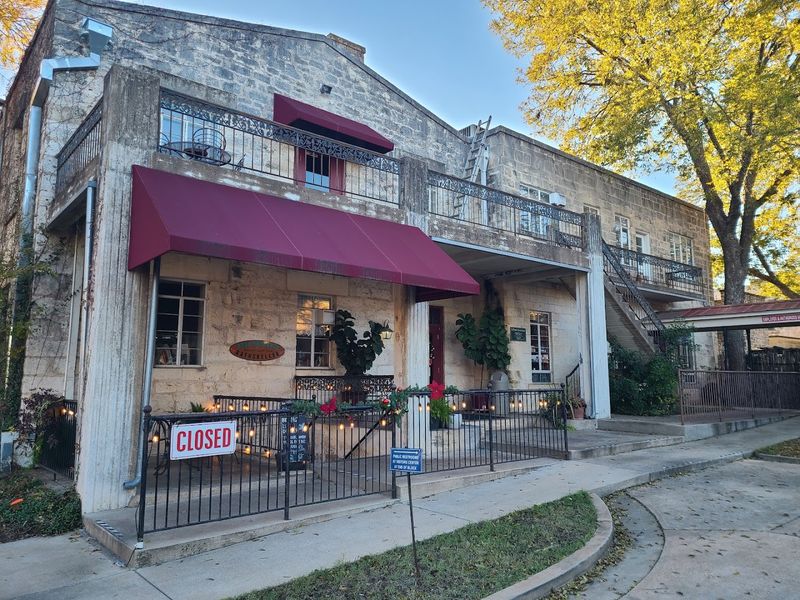
When Baron Ottfried Hans von Meusebach led 120 German families here in 1846, he negotiated a peace treaty with the Comanche that lasted for generations. That diplomatic success let the settlement flourish into what’s now the crown jewel of German Texas. Main Street stretches for blocks, packed with shops, restaurants, and tasting rooms that blend Old World charm with modern Hill Country style.
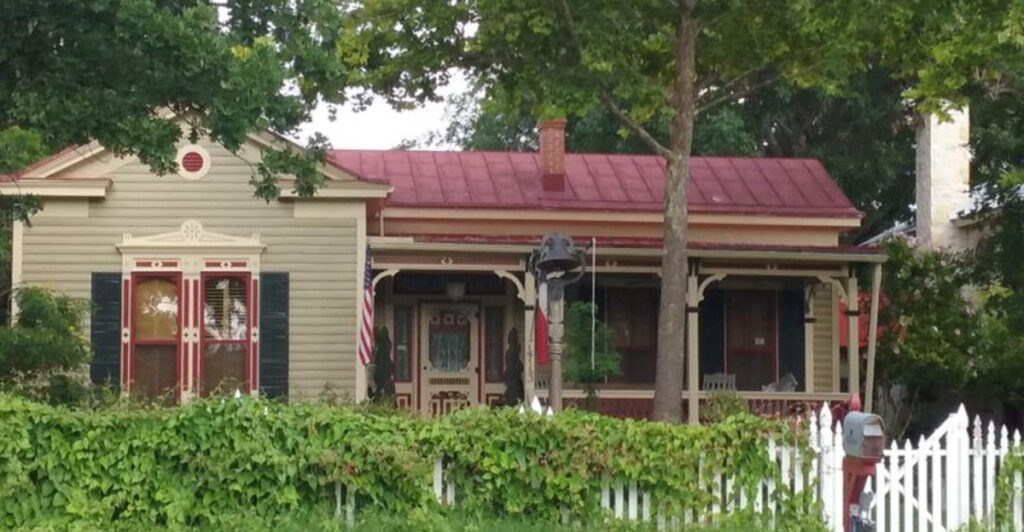
The architecture tells the story best. Sunday Houses dot the residential streets—tiny limestone cottages that farming families built as weekend crash pads when they came to town for church and supplies. Many have been restored and now serve as guesthouses where you can sleep under the same roof styles that German pioneers designed 170 years ago.
Opa’s Smoked Meat serves brisket and sausage that honor both German and Texas traditions. Down the street, the Fredericksburg Brewing Company pours German-style lagers in a building that once housed a livery stable. The menu bounces between schnitzel and burgers, and somehow it all works.
The Pioneer Museum complex sprawls across several blocks with original structures moved from around the county. You can walk through a one-room schoolhouse, a blacksmith shop, and a Sunday House to see how these settlers actually lived. The Vereins Kirche—a replica of the eight-sided church that once anchored the town square—now houses exhibits about the immigration journey.
Oktoberfest here rivals anything in the Midwest. Three days of polka bands, dirndls, lederhosen, and enough bratwurst to feed a small country. The town embraces its heritage without turning it into a caricature, which explains why locals and tourists pack the place year-round.
3. Muenster
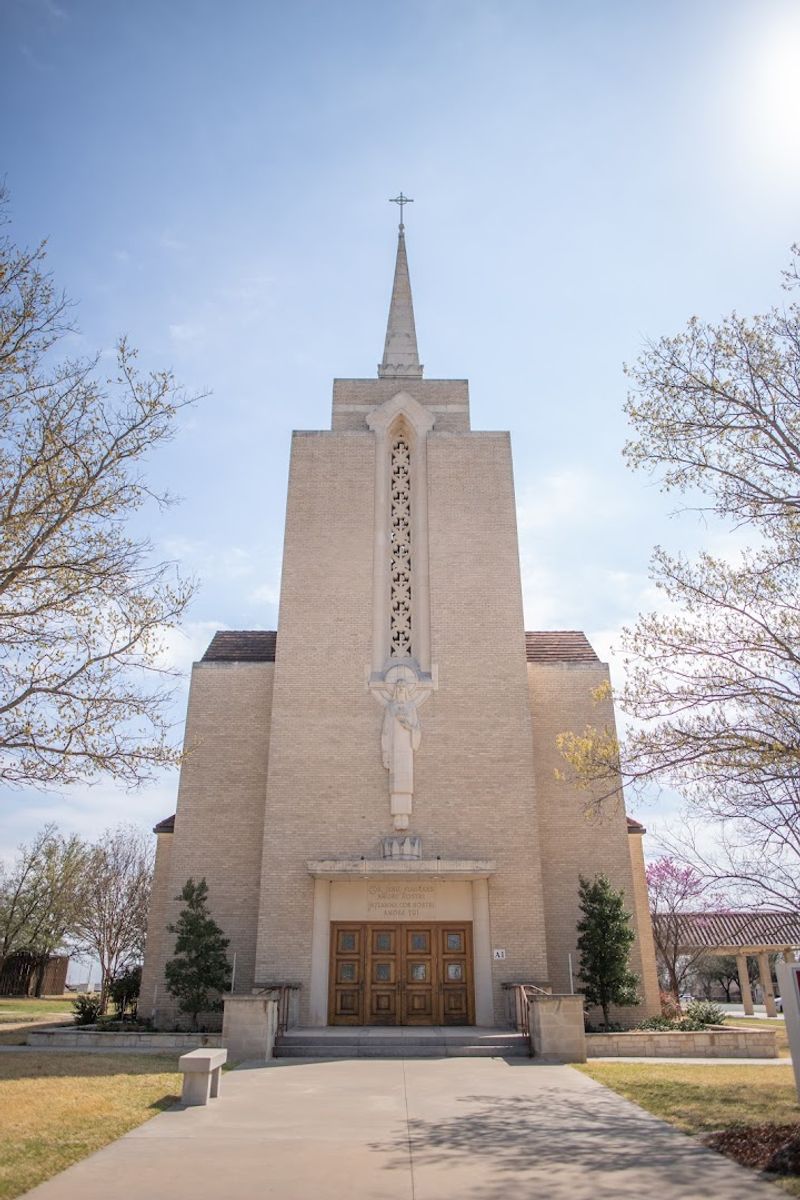
Up in North Texas, about an hour from Dallas, sits a town that two German Catholic brothers founded in 1889. The Flusche brothers wanted to create a farming community where German Catholics could practice their faith and preserve their customs far from the anti-Catholic sentiment they’d faced back east. They succeeded beyond their wildest dreams.
Sacred Heart Catholic Church rises above everything else in town, its twin Gothic spires visible for miles across the prairie. The interior dazzles with hand-painted murals, imported stained glass, and marble altars that required years of fundraising from parishioners who gave what little they had. Sunday Mass still draws crowds, and you’ll hear German hymns mixed with English ones.
Fischer’s Meat Market has been smoking sausage since 1927 using recipes that haven’t changed much. Their beef jerky wins awards, and locals argue passionately about whether the regular or the peppered version tastes better. The display cases stay full of fresh cuts, homemade boudin, and specialty items you won’t find at chain grocery stores.
Germanfest happens every April and transforms the town into a giant street party. Polka bands play under tents while families picnic on the courthouse lawn. The beer flows freely, and nobody seems in any hurry to leave.
Traditional German dances get passed down to younger generations who perform with surprising enthusiasm.
The farming heritage remains strong here. Drive the back roads and you’ll pass fields of wheat and cattle operations that families have worked for four or five generations. Many still speak German at home, especially the older folks, though younger people understand it better than they speak it.
The sense of community runs deep, rooted in shared faith and ancestry that continues to shape daily life.
4. Comfort
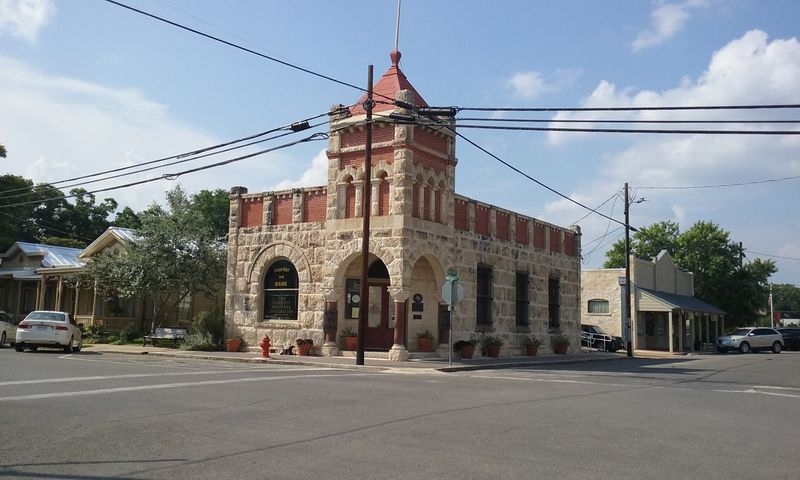
Ernst Altgelt founded this Hill Country settlement in 1854, and the name says everything about what he wanted to create. Unlike most German towns in Texas, Comfort attracted freethinkers who questioned organized religion and opposed slavery. That independent streak led to tragedy during the Civil War when Confederate soldiers massacred local men trying to flee to Mexico, but it also created a unique character that persists today.
The entire downtown sits on the National Register of Historic Places. More than 100 buildings from the 1800s line High Street, most built from local limestone in the German style with thick walls and high ceilings designed to stay cool in Texas heat. Antique shops and art galleries now occupy spaces where general stores and saloons once operated.
The Treue der Union Monument honors those killed in the Nueces massacre, making it one of the few Civil War monuments in the South dedicated to Union sympathizers. Every year on August 10th, a ceremony remembers the men who died for their beliefs. The German inscription translates to “True to the Union,” words that carried deadly consequences in 1862.
Cypress Creek runs right through town, and locals gather at the low-water crossings on hot summer days. The water stays cool year-round, fed by springs upstream. Kids splash in the shallows while adults wade in up to their knees, and everyone agrees it beats any swimming pool.
Comfort Cellars Winery occupies an 1890s building and serves Hill Country wines alongside German-inspired small plates. The High’s Café and Store has fed people since 1946, famous for chicken-fried steak and homemade pies. Both places maintain that small-town vibe where strangers strike up conversations and everybody knows the owner’s name.
5. Luckenbach
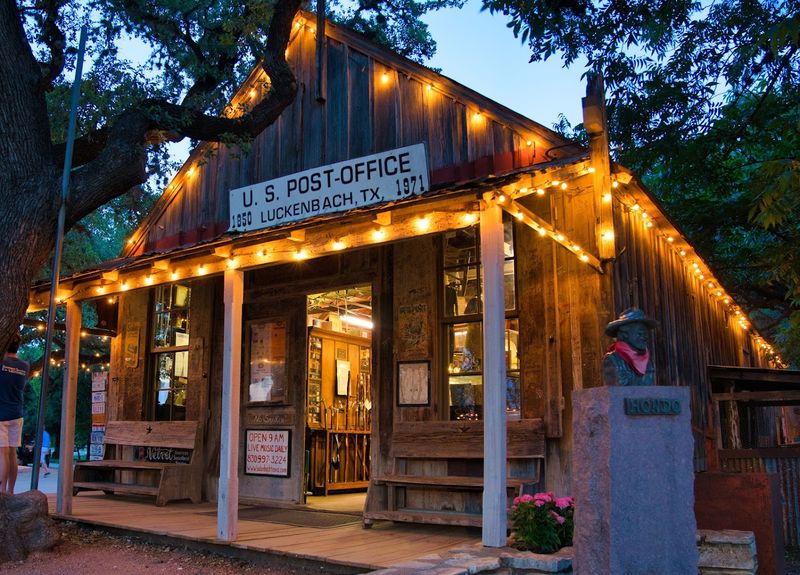
Waylon Jennings and Willie Nelson made this tiny community famous with their 1977 song, but the Luckenbach story started way back in 1849 when German settlers established a trading post. The entire town consists of a dance hall, a general store, and a post office, all clustered under massive oak trees. No stoplights, no chain stores, just pure Texas character with German roots.
The general store sells cold beer, souvenirs, and not much else. Locals and tourists mix on the front porch, swapping stories and listening to whoever brought a guitar. The walls inside are covered with business cards, photos, and random memorabilia left by visitors over the decades.
It’s messy and authentic and exactly what people hope to find.
The dance hall hosts live music most weekends, drawing crowds from Austin and San Antonio. The wooden floor shows wear from countless boots, and the stage has seen everyone from unknown locals to major Nashville acts. Bring your own cooler, grab a spot at a picnic table, and settle in for however long the music lasts.
Sunday afternoon picker circles happen under the oak trees when weather permits. Anyone can join, and the skill level ranges from beginners to seasoned professionals. The vibe stays loose and welcoming, focused more on community than performance.
Between songs, people pass around snacks and drinks while kids run around chasing each other.
The Luckenbach Post Office still operates out of the general store, one of the smallest in Texas. You can mail postcards stamped with the famous postmark, proof you visited this unlikely landmark. The German heritage here feels more subtle than in other towns, woven into the history rather than displayed prominently, but the settlement patterns and family names reveal those deep European roots that shaped this corner of the Hill Country.
6. New Braunfels
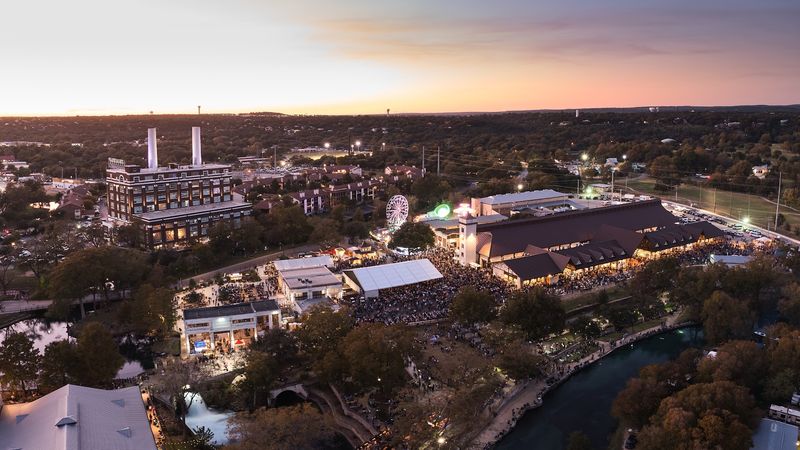
Prince Carl of Solms-Braunfels arrived in 1845 leading the first major wave of German immigration to Texas, and he named this settlement after his hometown in Germany. The Comal and Guadalupe Rivers made the location ideal, providing water, power, and transportation. Today it’s grown into a proper city, but the German influence remains impossible to miss.
The Comal River, shortest in the United States at just 2.5 miles, pumps out millions of gallons daily from natural springs. The water stays a constant 72 degrees year-round, making it perfect for tubing even in winter. Landa Park wraps around the headwaters with picnic areas, playgrounds, and a spring-fed pool that draws families all summer long.
Krause’s Café has served German food since 1938 in a building that dates back even further. The biergarten out back fills up fast on weekends with people ordering platters of sausage, schnitzel, and sauerkraut. Their beer selection includes German imports and local craft brews, and the live music on Friday nights packs the place.
Wurstfest happens every November, ten days of sausage celebration that attracts hundreds of thousands of visitors. The festival grounds transform into a Bavarian village with multiple stages, food vendors, and more beer tents than you can count. Traditional German bands alternate with country and polka acts, and everyone wears silly hats by the second day.
The Sophienburg Museum documents the German settlement with artifacts, documents, and exhibits about the immigration journey. You’ll learn about the hardships these pioneers faced, the diseases that killed many, and the determination that kept them building despite tremendous obstacles. Downtown still has original limestone buildings from the 1840s and 1850s, now housing restaurants, shops, and offices that blend history with modern commerce.
7. Weimar
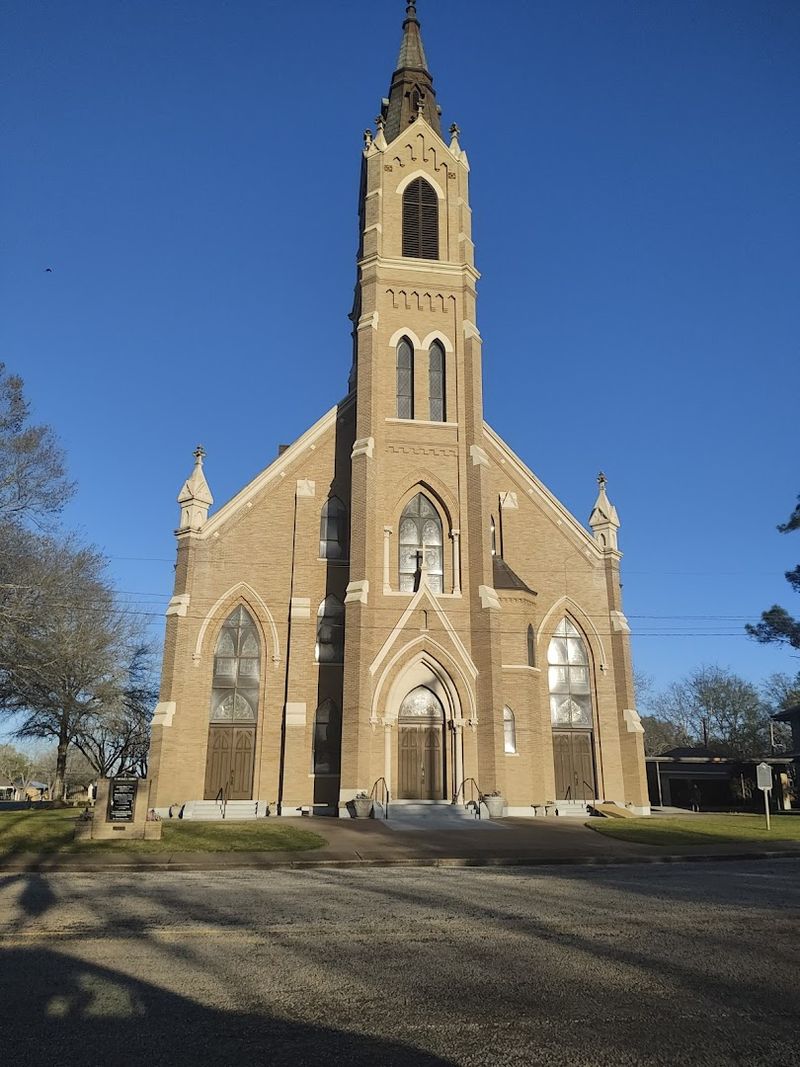
Named after the German city famous for its cultural heritage, this small town southeast of Austin doesn’t see the tourist crowds that flock to Fredericksburg or New Braunfels. That’s exactly what makes it special. Czech and German immigrants settled here in the 1870s when the railroad came through, and their descendants still farm the surrounding countryside.
St. Michael’s Catholic Church stands as the architectural centerpiece, built in 1906 with soaring ceilings and beautiful stained glass. The congregation still holds festivals throughout the year, and the church picnic in September draws people from surrounding counties. Barbecue, kolaches, and beer flow while families catch up and kids play games on the grounds.
Weimar Country Store occupies a building that’s served the community since the early 1900s. Inside you’ll find groceries, hardware, feed supplies, and a meat counter where butchers cut to order. The old wooden floors creak, and the ceiling fans spin slowly overhead.
It’s the kind of place where farmers stop by every morning for coffee and conversation.
The Jackson Street Café serves breakfast and lunch in a no-frills setting that locals prefer. Chicken-fried steak, German sausage, and daily specials appear on the menu alongside standard diner fare. The waitresses know most customers by name and remember how they take their coffee.
It’s unpretentious and genuine, qualities that define the whole town.
Drive through the residential streets and you’ll spot original German-style homes with wide porches and metal roofs. Many families have lived in the same houses for generations, passing them down along with stories about the old country. The annual Gedenke celebration in June honors German and Czech heritage with traditional music, dancing, and food.
Younger generations participate alongside their grandparents, keeping customs alive that might otherwise fade away in a state that changes faster every year.
8. Gruene
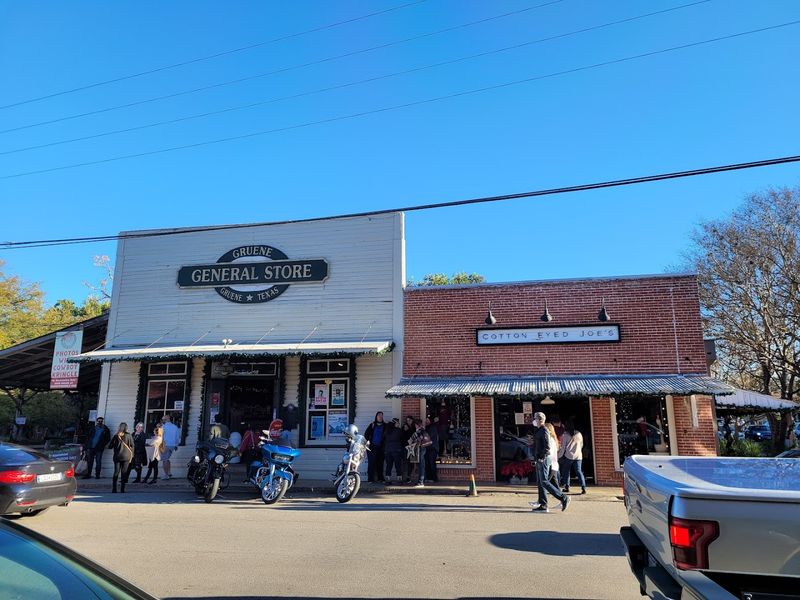
Henry D. Gruene, son of German immigrants, built a cotton empire here in the 1870s and created a company town that bore his family name. When the boll weevil and the Great Depression hit, Gruene became a ghost town.
Then in the 1970s, investors started restoring the historic buildings, and now it’s one of the most charming spots in the Hill Country.
Gruene Hall claims the title of Texas’s oldest continuously operating dance hall, built in 1878. The wooden building has no air conditioning, just open windows and ceiling fans, exactly as it was designed. Major country music acts still play here alongside local bands, and the calendar stays packed year-round.
The worn floorboards and walls covered in concert posters create an atmosphere that newer venues can’t replicate.
The Guadalupe River flows right past town, and outfitters line the banks renting tubes, rafts, and kayaks. Summer weekends see thousands of people floating the river, stopping at Gruene to grab lunch or a cold drink. The Gristmill Restaurant occupies the ruins of an old cotton gin, with outdoor seating on multiple levels overlooking the water.
Antique shops and boutiques fill the restored buildings along the main drag. You can spend hours browsing vintage finds, handmade crafts, and Texas-themed souvenirs. The general store sells everything from penny candy to local wines, maintaining that old-timey feel without being too precious about it.
Technically Gruene sits within New Braunfels city limits now, but it maintains its own distinct identity. The German heritage here blends with Texas cowboy culture, creating something uniquely Texan. Weekend mornings, locals gather at the Gruene River Grill for breakfast tacos and coffee, planning their day around river time and live music.
The town may be tiny, but it punches way above its weight in character and charm.
9. Schulenburg
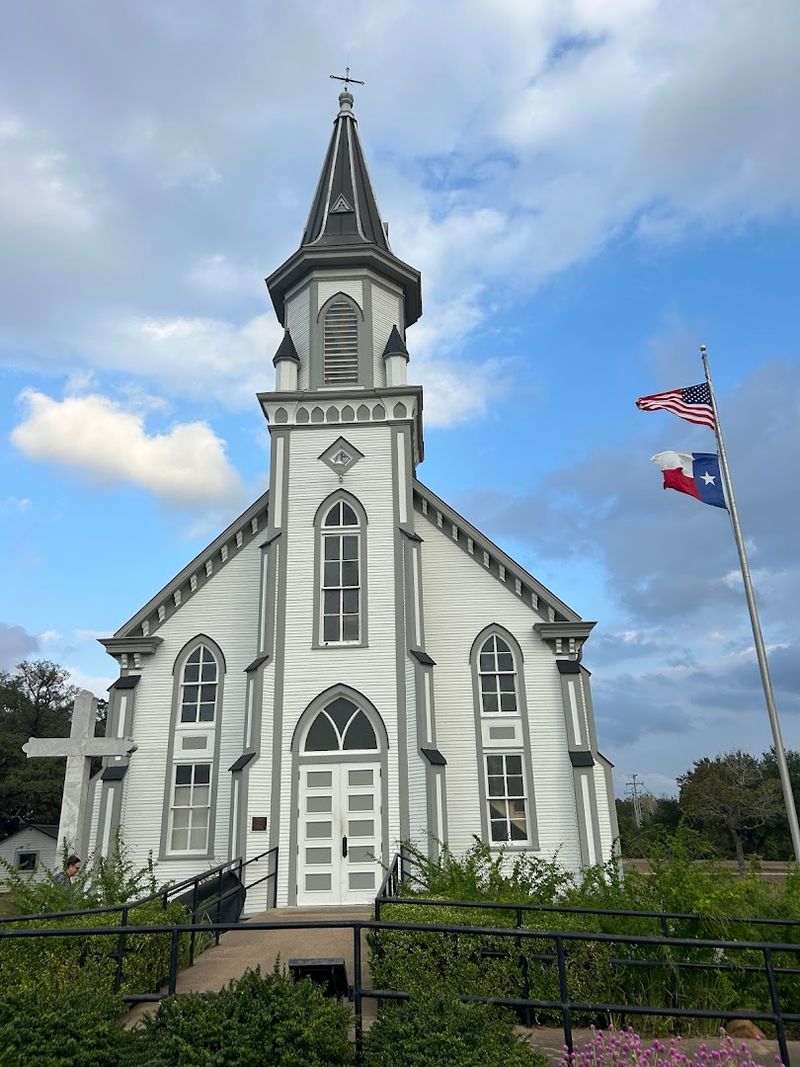
This small town between Houston and San Antonio became famous for something most people never expected—churches. German and Czech immigrants who settled the area in the 1800s built stunning Catholic churches decorated with elaborate painted interiors. The Painted Churches tour attracts visitors from around the world who marvel at the artistry hidden in the countryside.
St. Mary’s Church in High Hill features hand-painted columns, ceiling murals, and intricate stenciling that transforms the interior into a work of art. The congregation commissioned these decorations in the early 1900s, hiring European-trained artists to create something worthy of their devotion. Walking inside feels like stepping into a cathedral in Bavaria rather than a small Texas town.
The Schulenburg Festival happens every August and celebrates both German and Czech heritage. Polka bands play under tents, and food vendors serve kolaches alongside bratwurst. The beer garden stays crowded, and families spread blankets on the grass while kids run around with snow cones.
It’s a genuine community celebration, not something staged for tourists.
Oakridge Smokehouse on the highway serves barbecue and Czech sausage to travelers and locals alike. Their meat market sells fresh and smoked products, and the gift shop stocks local products and Texas souvenirs. It’s become a required stop for road-trippers who know good barbecue when they smell it.
Downtown Schulenburg maintains several historic buildings, though the town struggles with the same challenges facing small rural communities across Texas. Young people move away for jobs, and businesses close when owners retire. But the German and Czech descendants who remain take pride in their heritage, maintaining the churches and organizing festivals that keep traditions alive.
The painted churches alone make Schulenburg worth visiting, but the genuine small-town atmosphere and friendly locals make it memorable.
10. Boerne
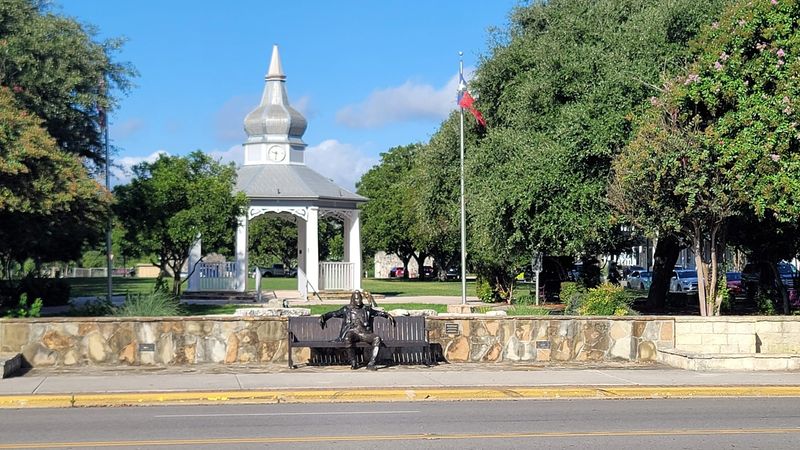
German freethinkers and intellectuals founded this Hill Country town in 1849, naming it after author Ludwig Börne. The location in the hills northwest of San Antonio attracted settlers who wanted to escape the summer heat of the coastal plains. Cibolo Creek runs through town, and the elevation provides cooler temperatures and scenic views that made the difficult journey worthwhile.
Main Street curves through the historic district, lined with limestone buildings that house restaurants, galleries, and shops. The Kendall County Courthouse anchors the downtown, built in 1909 with a distinctive clock tower. On weekends, the farmers market sets up in the plaza, selling produce, baked goods, and crafts from local vendors.
The Cibolo Nature Center preserves 100 acres along the creek with hiking trails, historic structures, and educational exhibits. Families come here to spot birds, explore the restored schoolhouse, and let kids play in the nature discovery area. The spring-fed creek provides habitat for fish and turtles, and the prairie restoration project brings back native grasses and wildflowers.
Boerne has grown significantly in recent years as San Antonio sprawls northward, but the historic core maintains its German character. The Boerne Village Band, established in 1860, still performs summer concerts in the plaza. Their German marches and polkas connect current residents to the town’s founding generation, a living link to the past.
Several Hill Country wineries operate tasting rooms downtown, and the craft beer scene has exploded with local breweries pouring German-style lagers alongside IPAs and stouts. Restaurants range from traditional German fare to modern Texas cuisine, but many menus feature schnitzel or bratwurst as a nod to heritage. The annual Berges Fest in June celebrates German culture with music, dancing, and food, though the town’s rapid growth means many newcomers learn about these traditions for the first time at the festival.
Share this story