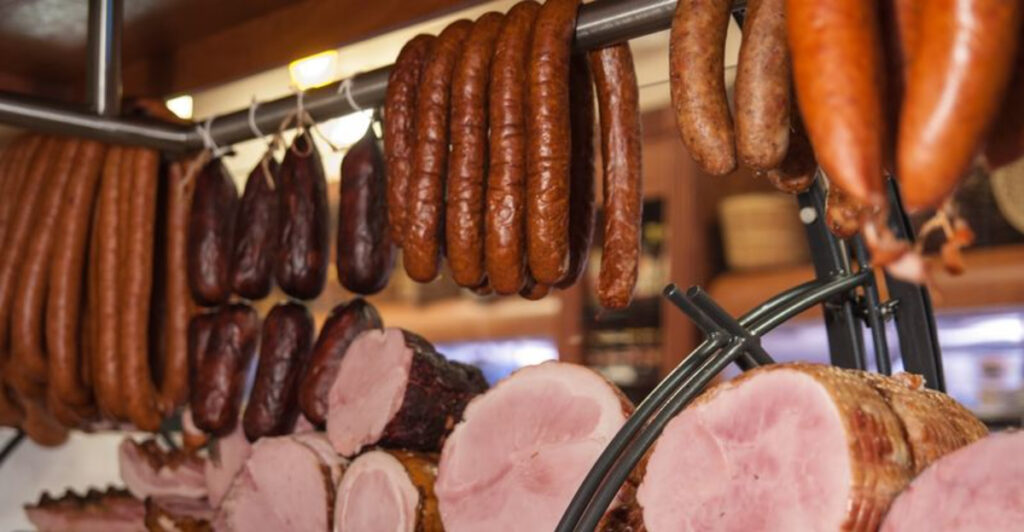
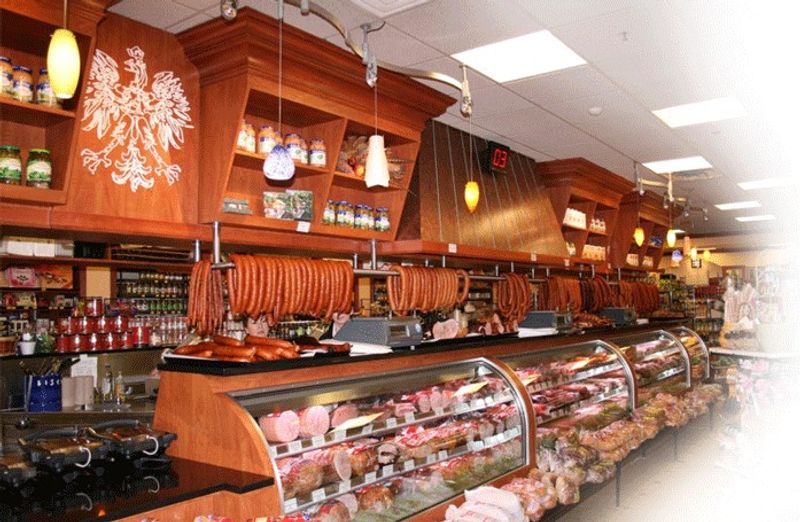
The first thing that hits you is the smoke. Not a whisper of it, not some polite background scent, but the full, unmistakable smell of kielbasa, ham, bacon, and old-school butcher work doing exactly what it came here to do.
Pulaski Meat Products sits at 123 North Wood Avenue in Linden, the kind of address you could pass a dozen times before realizing there’s a full Eastern European food detour waiting behind the door.
Inside, it feels less like a trendy specialty market and more like somebody’s family pantry got serious, expanded, and learned how to run a deli counter.
There are sausages with names you may need help pronouncing, shelves packed with imported sweets and pantry staples, and regulars who know exactly what they came for. Since 1963, Pulaski has been feeding New Jersey the kind of food that does not need reinvention.
The Linden Sausage Shop That Still Smells Like the Old World
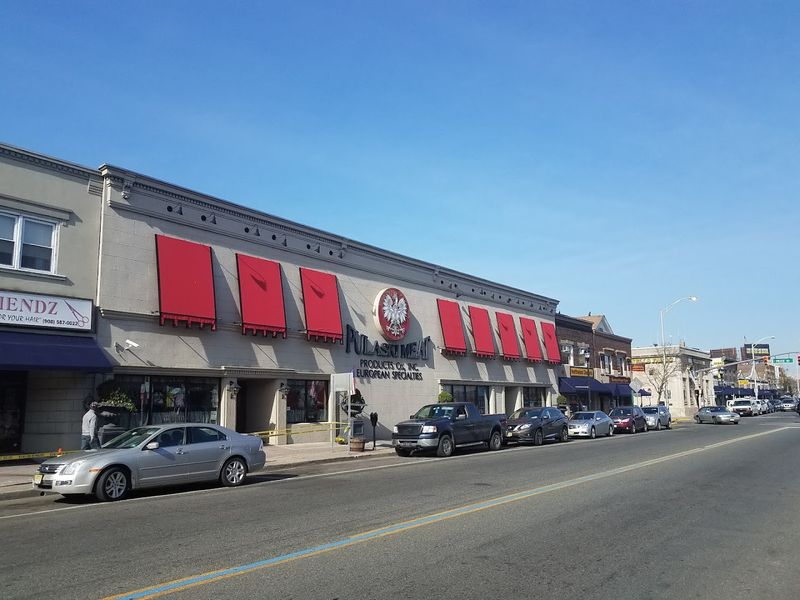
Walk into Pulaski Meat Products on a weekday morning and you can tell pretty quickly that this is not a browse-for-five-minutes kind of place. The counter pulls you in first. The shelves slow you down. Then the smell of smoked meat basically makes the decision for you.
Pulaski is not tucked into some faux-rustic shopping village or polished food hall. It is in Linden, on North Wood Avenue, a practical Union County stretch where errands, lunch stops, and family food runs all overlap.
That is part of the charm. Nothing about the place feels staged for photos.
It feels like a working shop because that is exactly what it is. The business traces its history to Else and Alfred, a couple who had recently emigrated from Europe when Pulaski began in 1963.
Alfred was trained as a Meister Brief, or Master Butcher, in Europe, which explains why the shop still feels anchored in skill rather than novelty. This is food made by people who understand that sausage is not just ground meat in casing.
It is seasoning, smoke, texture, patience, and memory. There is a particular kind of New Jersey magic in places like this.
You are standing in Linden, a short drive from big highways and chain stores, but the mood shifts the second you start looking at the labels. Kielbasy, hams, cold cuts, smoked pork, rye breads, babkas, pierogies, imported chocolates, jams, pickles, and teas all sit together like they belong in a neighborhood market somewhere much farther east.
That old-world feeling is not about decoration. It comes from the details. The smoke is real. The butcher tradition is real.
The family recipes are real. And the customers who keep coming back for holiday tables, weeknight dinners, and “just one more pound” of kielbasa are very real.
How Pulaski Meat Products Keeps Its European Roots Alive
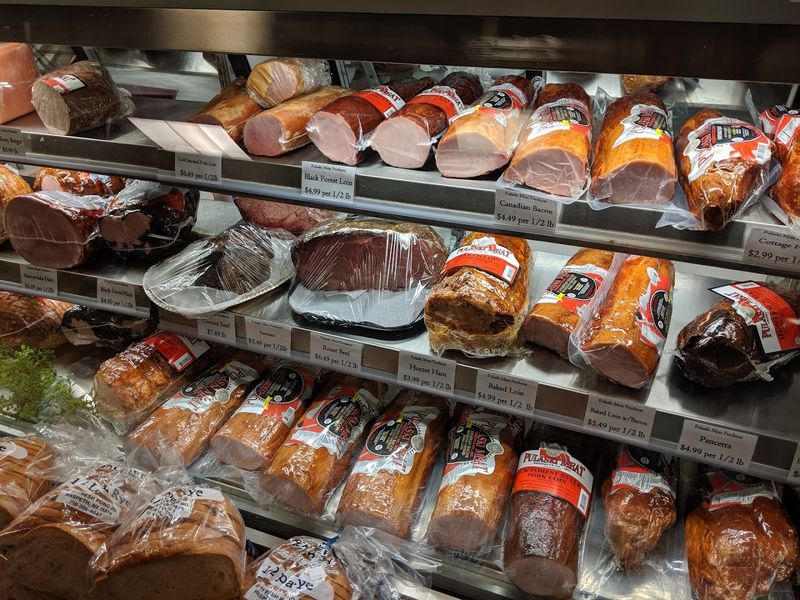
Pulaski is a USDA-inspected meat processing plant, which might sound a little clinical until you realize what that actually means here. This is not just a deli selling someone else’s greatest hits.
The smoked and cooked products are made in-house at the shop’s Linden facility, and that matters. A lot of specialty food stores trade on nostalgia.
Pulaski works from it. The shop’s story is built around European immigrant know-how, family recipes, and butchers trained in the same traditions that shaped the meats they now sell.
That is why the place has a different rhythm from a regular supermarket deli counter. The food is not arranged around what is trendy this month.
It is arranged around what people have been eating, serving, freezing, gifting, and bringing to relatives for decades. You see that heritage most clearly in the variety.
Pulaski does not stop at one generic kielbasa and call it a day. Its wholesale list includes Schinkowa, Kraiana coarse ground kielbasy, fine grind kielbasy, Kabonosy, Polska kielbasy, smoked Krakowska, farmers kielbasy, wedding kielbasy, jalowcowa, beer kabonosy, Ukrainian kielbasy, chicken kielbasy, and even a kielbasy burger.
That is not a token nod to Eastern Europe. That is a full conversation.
There is also a confidence to the way Pulaski keeps things traditional without making the store feel frozen in amber. Yes, you can shop for classic smoked meats and pantry items.
But you can also grab a sandwich, order online, or pick up local delivery. The shop knows it is serving longtime customers who grew up with these flavors, but it also makes room for the curious newcomer who may not know the difference between Krakowska and Kabonosy yet.
That is how a place like this survives. It does not turn heritage into a costume. It keeps the food useful, delicious, and close enough to everyday life that people keep making it part of their routines.
Why the Kielbasa Keeps New Jersey Locals Coming Back
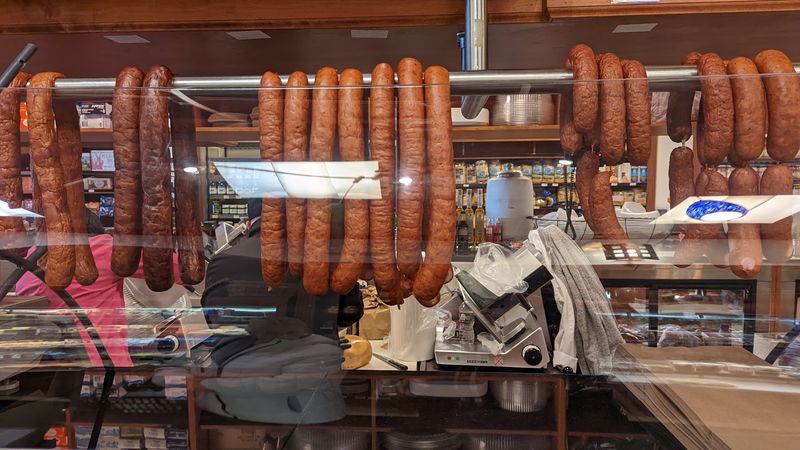
Kielbasa is the headline act here, and Pulaski knows it. You do not build a reputation like this in New Jersey by being shy with garlic, smoke, or snap.
The appeal starts with choice. Some people want a classic ring for slicing into coins and browning in a pan.
Others want links for grilling. Some go for Kabonosy, those slimmer, snackable smoked sausages that disappear faster than anyone wants to admit.
Then there are the more specific styles, like smoked Krakowska, farmers kielbasy, wedding kielbasy, jalowcowa, beer kabonosy, and Schinkowa. Each one has its own personality, and regulars usually have opinions about which one belongs on their table.
That is the fun of a shop like Pulaski. You can walk in thinking you are just buying sausage and end up getting a small education at the counter.
The staff is used to people asking questions. What is good for grilling? What should go with sauerkraut? What works for Easter? What should be sliced cold for a platter? Those are not silly questions here. They are exactly the point.
The kielbasa also fits New Jersey life beautifully because it is practical food.
It can be the center of a holiday spread, the thing you bring to someone’s house, or the quick dinner you make after work with mustard, potatoes, onions, and whatever vegetables are left in the fridge. It does not ask for fuss.
It asks for a hot pan and a little respect. Pulaski even works kielbasa into its sandwich menu.
The Hungry Man stacks a Pulaski kielbasy link with pierogi, sauerkraut, and mustard on a roll, which is basically the shop’s personality in sandwich form. The Kielbasy Burger Buster goes another route with a grilled Pulaski kielbasa burger, sliced pickles, white American cheese, and mustard.
No wonder locals return. Pulaski gives them kielbasa that tastes like it came from a butcher, not a boardroom.
The Smoked Meats That Make This Place Worth the Drive
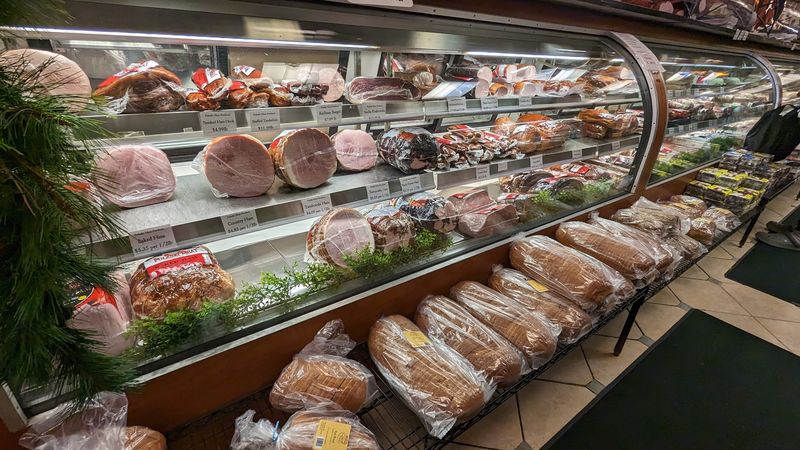
The smartest move at Pulaski might be arriving hungry but not in a rush. The smoked meats have a way of turning a quick stop into a full inventory of your refrigerator’s future.
Beyond kielbasa, the shop’s specialty list reads like a smoked-meat wish list. There are smoked pork chops, baked bacon, smoked ham hocks, smoked pancetta, smoked baby back ribs, smoked pork loin, cold-smoked pork loin, bockwurst, bratwurst, liver spread, and European-style liver pate.
That is not even counting the hams, franks, luncheon meats, and cold cuts that round out the case. The smoked pork chops are the kind of thing that make dinner feel like you planned better than you did.
Warm them through, add potatoes or cabbage, and suddenly Tuesday has developed a personality. The baked bacon is another dangerous item because once you have it in the house, you start inventing excuses to use it.
Breakfast, sandwiches, beans, pierogies, cabbage, salads that no longer pretend to be light. It all works. This is also where Pulaski’s butcher background shows. Smoked meat can go wrong fast when it is treated like a gimmick.
Too much smoke and everything tastes like a campfire. Too little and you wonder why you bothered.
Pulaski’s reputation rests on that middle ground where the smoke adds depth without flattening the meat underneath. For people driving in from elsewhere in Union County, Middlesex County, or even farther out, this is the part that makes the trip feel justified.
You can buy one sausage at any grocery store. You come to Pulaski when you want options, advice, and the feeling that someone behind the counter actually knows how the product was made.
It is not fancy in the modern food-world sense. It is better than that. It is specific.
Pierogies, Babkas, and Imported Sweets Beyond the Meat Counter
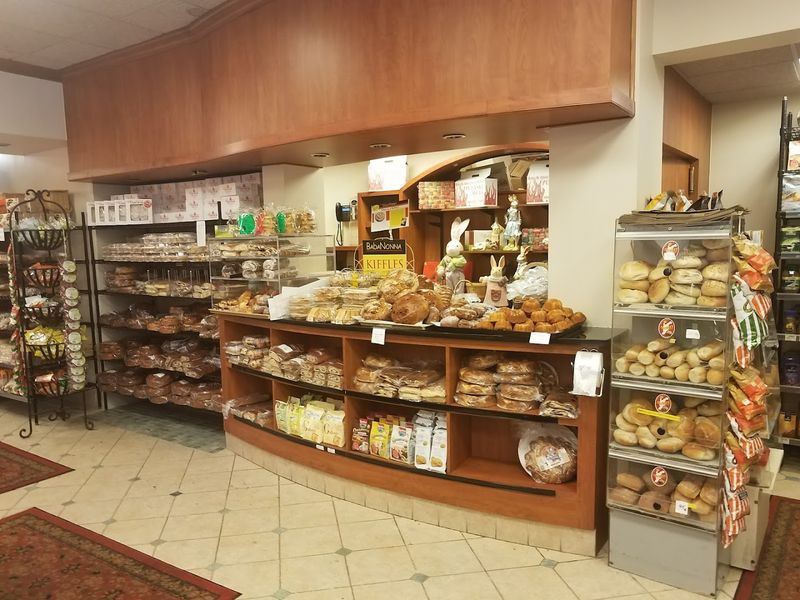
Here is where first-timers sometimes underestimate Pulaski. They hear “meat products” and assume the story ends at the butcher case. It does not. The rest of the store is half the fun.
Pulaski carries the kind of Eastern European extras that turn a meat run into a full basket. Pierogies are the obvious move, especially because the shop’s menu lists them at $1 each.
Stuffed cabbage is another classic, priced at $5.39 each on the menu, and it is exactly the sort of thing you buy when you want a real dinner without pretending you made everything from scratch. Then come the baked goods and sweets.
Babkas, rye breads, paczki, chrusciki, imported chocolates, cookies, teas, jams, pickles, and butters all make appearances in the shop’s own list of specialties. This is where the hidden-market feeling really kicks in.
You may walk in focused on kielbasa, but suddenly you are holding tea, pickles, something chocolate-covered, and a loaf of rye bread because apparently your future self is hosting lunch. The imported pantry items also tell you who the store is really for.
Pulaski is not just catering to food tourists who want one fun discovery. It serves people who recognize these foods from childhood, holidays, grandparents’ kitchens, church tables, and family gatherings where someone always knows which bakery makes the best babka.
That gives the shop a lived-in quality you cannot fake. Still, newcomers do not need a family connection to enjoy it. Start simple. Get pierogies. Get rye bread. Get something smoked.
Add mustard, sauerkraut, or pickles if they catch your eye. Pick up a sweet for later because you are already there and because leaving a place like this with only one item feels like poor planning.
The best shops make you a little more ambitious about dinner. Pulaski does that before you even reach the register.
What First-Time Visitors Should Know Before Going
Pulaski Meat Products is located at 123 North Wood Avenue in Linden, and the hours are refreshingly straightforward: Monday through Friday from 9 a.m. to 5 p.m., Saturday from 8 a.m. to 5 p.m., and closed on Sunday.
That Saturday opening matters because this is exactly the kind of place people like to hit before a family meal, holiday prep, or a weekend cookout.
If it is your first visit, do not overthink it. The shop has plenty for people who know exactly what they want, but it is also friendly to the “I have no idea, just point me toward something good” crowd.
Ask what kielbasa is best for grilling, what smoked meat reheats well, or what people are buying for the next holiday. In a store like this, the counter is part of the experience.
Prices on the prepared side are easy to understand. The classics on the sandwich menu are listed at $13.99, specialty sandwiches at $15.99, and paninis at $17.99.
That means you can treat Pulaski as a grocery stop, a lunch stop, or both, which is probably the correct answer. The Hungry Man sandwich with kielbasy, pierogi, sauerkraut, and mustard is the one to order when subtlety is not on the schedule.
For take-home food, bring a cooler bag if you are driving a while, especially in warm weather. Smoked meats, pierogies, bacon, and cold cuts have a habit of multiplying once you start ordering.
It is also smart to think in meals instead of items. Kielbasa with rye and mustard. Smoked pork chops with potatoes. Pierogies with onions and bacon.
Stuffed cabbage for the night you do not feel like cooking. Pulaski is not trying to be the newest food discovery in New Jersey.
It is doing something sturdier than that. It is keeping a very specific kind of food tradition alive in Linden, one smoked link, one stuffed cabbage, and one paper-wrapped order at a time.
Share this story